Sign Up & Get Rs.5,000 OFF On Your First Purchase




Balcony Decoration Ideas with Pepperfry: 10 Tips for Small Spaces
08 Aug 2023
With the decreasing availability of houses with spacious backyards and the trend of shrinking apartment sizes, the balcony has become the perfect spot for a breath of fresh air in high-rise buildings. Rather than treating it as a cluttered storage area, utilising this space effectively can greatly enhance your overall home experience.
By paying attention to the finer details, you can transform your balcony from a dull space into something truly remarkable. Whether it’s transforming it into a cosy lounging area or cultivating a small balcony garden, there are numerous ideas that can breathe life into your balcony.
Opt for Pepperfry as your trusted guide in this process, offering budget-friendly options to bring your balcony decoration ideas to life. With attractive year-round offers and discounts, you can transform your space without straining your budget or spending excessive time searching for the ideal balcony decoration items. We have an extensive selection of everything you need and more. Give us a chance to assist you in creating the perfect balcony, with the following tips:
Define your style
Are you looking for modern balcony designs or something more rustic? Or you could go take the tropical or minimalist route. Defining your style is an essential step when decorating your balcony. It involves identifying the overall theme or aesthetic you wish to create in order to guide your decorating choices and achieve a cohesive and harmonious look. Consider the theme you want to choose so it can complement the overall aesthetic of the house or choose something wildly contrasting for balcony decoration choices.
Assess the limitation of your space
You definitely do not want to cramp your balcony with so much stuff that it resembles an attic rather than a sophisticated extension of your home. When working with smaller balconies, it’s important to consider the limitations of space. Here are five key points to keep in mind so you can execute your balcony decoration ideas in a small area:
Scale and Proportion:
Opt for furniture and decor items that are appropriately sized for the space. Oversized pieces can overwhelm a small balcony, while undersized items may appear insignificant. Maintaining a balanced scale and proportion will help create a visually pleasing arrangement.
Multi-functionality:
Look for furniture and accessories that serve multiple purposes. For example, choose a compact bistro set that can double as a dining area and a cozy seating spot. Utilise storage solutions like benches or ottomans with hidden compartments to maximize space.
Verticality:
Make the most of vertical space by incorporating hanging planters, wall-mounted shelves, or trellises, so there is space for any tables and chairs set you want to put there. This allows you to introduce greenery and functional elements without sacrificing valuable floor area.
Light and Airy:
Opt for light colours and materials to create an illusion of spaciousness. Light-toned furniture, airy textiles, and reflective surfaces can help make the balcony feel more open and inviting.
Streamlined Design:
Avoid clutter and excessive decoration in small balconies. Embrace a streamlined design approach by selecting a few key pieces that contribute to the overall aesthetic without overcrowding the space. This will help maintain a sense of openness and avoid visual overwhelm.
Greenery and plants
Adding a touch of green is great small balcony decoration idea. Depending on how small your balcony is you will be able to decide whether you have enough floor space to place pots and planters or whether you want to go for vertical planters instead. A variety of flowers such as geraniums and begonias, resilient plants like bamboo, and aromatic herbs can all flourish in a balcony garden. There is a wide range of outdoor plant options to choose from; however, it’s crucial to consider your specific hardiness zone and the amount of sunlight your balcony receives before finalizing your plant selections. You can explore our collection of outdoor and indoor plants, succulents, and even find flowering plants and herb seeds to begin your green journey.
Comfortable seating
At Pepperfry, you can find comfortable outdoor lounging chairs, sofa sets, and even swings for something different. Choose weather-resistant materials like wicker, plastic, or metal, and add cushions or pillows for extra cosiness. Swings and other hanging seating options like hammocks are also a good idea for a small balcony because you not only save space but bring a fun vibe to the entire area. If this is not your preference, or if you have a multi-purpose balcony, such as using it to dry clothes, consider opting for adjustable seating options like folding chairs that can easily be put away when not in use for leisure activities.
Privacy
Incorporating privacy and shade in a small balcony is crucial to create a comfortable and intimate space where you can relax without feeling exposed to your neighbours or direct sunlight. There are plenty of smart ways to bring privacy to your space without making it claustrophobic. Privacy curtains and balcony blinds made of light material are the most predictable options. If you have a green thumb, then try creating your own vertical garden that is full of vines like money plants and other types of flowering creepers. If installing balcony blinds and privacy screens sounds like an expensive ordeal, then you can choose tall planters instead. They will obscure you from outside view and act as natural screens, giving you the privacy that you need.
The significance of mood lighting cannot be emphasised enough when it comes to balconies, whether you choose charming string lights or timeless candle arrangements. Pepperfry has so many options for outdoor lighting that you will be spoilt for choice. We have wall lights, delicate garden lights, and outdoor hanging lamps that will add a lovely old school touch to your small balcony. Let’s go over some small balcony decoration ideas when it comes to lighting:
String Lights:
Twinkling string lights are a popular and enchanting option for small balconies. They can be hung along the railing, draped overhead, or wrapped around planters to create a magical and cozy atmosphere during the evenings.
Lanterns and Candles:
Add a touch of warmth and intimacy with lanterns or candle Place them on tables, shelves, or hang them from hooks to infuse the space with a soothing glow.
Fairy Lights:
Delicate fairy lights can be intertwined with plants, railing, or trellis to create a whimsical and ethereal effect, perfect for a dreamy balcony setting.
Wall Sconces:
Wall-mounted sconces are ideal for balcony decorating with limited floor space. They provide ample illumination while saving precious space.
Solar-Powered Lights:
Opt for solar-powered lights to be environmentally friendly and save on electricity bills. These lights can be staked into planters or placed on tables for an eco-friendly lighting solution.
Hanging Pendants:
Install hanging pendant lights to add a touch of sophistication to your balcony. They can double as task lighting and decor, elevating the overall look.
Spotlights and Uplighting:
Use spotlights or uplighting to highlight specific features on your balcony, such as plants or artwork, creating a visually appealing focal point.
Colourful Lights:
Experiment with coloured lights or RGB LED strips to set a vibrant and dynamic mood. These can be controlled remotely, allowing you to adjust the colours to suit your preferences.
Dimmers:
Install dimmer switches or use adjustable lights to control the intensity of the illumination, creating different atmospheres for various occasions.
Reflective Surfaces: Place mirrors strategically to bounce and reflect light, making the balcony feel more spacious and enhancing the overall brightness.
Create a Dining Area
While the Indian summer is not ideal to have a meal in the balcony, but monsoon and winter might just allow you to do so. Turning your small balcony in a cosy dining area for two or even a family of four will give you the chance to bond and break bread while enjoying the views from your apartment (if any). Here are some tips you might want to refer to before you decide to turn your balcony into a dining area:
Compact Furniture:
Opt for space-saving dining sets designed for small areas. Look for foldable or stackable tables, and small tables and chairs that can be easily stored when not in use, freeing up valuable space on your balcony.
Wall-Mounted Table:
Consider a wall-mounted or drop-leaf table that can be folded down when not needed. This clever design allows you to have a dining table without sacrificing floor space.
Built-In Benches:
If your balcony has a corner or one side against a wall, consider installing a built-in bench with storage underneath. Pair it with a small table to create a custom dining nook that maximizes seating and provides additional storage.
Bar-Style Dining:
Choose a bar-height table with matching stools. This elevated dining arrangement not only saves space but also adds a chic and contemporary touch to your balcony.
Slim Chairs:
Select slim and lightweight chairs that can be easily stacked or hung on hooks when not in use. This helps keep the area neat and organized.
Bistro Set:
A classic bistro set with a small round table and two chairs is a timeless choice for small balconies. It creates a charming and inviting space for intimate meals.
Railing Table:
Utilise the balcony railing to attach a narrow shelf or railing table. This provides extra surface space for dining essentials while leaving the centre of the balcony open for movement.
Dual-Purpose Furniture:
Consider a dining table that doubles as a storage unit. Some tables come with built-in shelves or compartments, allowing you to keep dining accessories and other items close at hand.
Lighting:
Incorporate appropriate lighting above or around the dining area to create a pleasant and functional space during evenings.
Comfortable Seating:
Add cushions or seat pads to your dining chairs for added comfort, making dining on the balcony a delightful experience.
Balcony Flooring
Various flooring options can enhance the visual appeal and functionality of small balconies. Outdoor rugs add style and comfort, while interlocking deck tiles offer an easy DIY upgrade. Artificial grass creates a cosy, natural look, and wooden decking provides a classic ambiance. Pea gravel offers a rustic feel, and rubber tiles are perfect for play or workout areas. Outdoor vinyl, painted concrete, and ceramic or porcelain tiles bring durability and elegance. Lastly, outdoor carpet tiles add texture and comfort to the balcony floor. Choosing the right flooring can completely transform the balcony’s appearance and make it a more inviting outdoor space. At Pepperfry you can find varying qualities of artificial grass that can be cut to fit the dimensions of your balcony. And what’s more, it’s also available at really affordable prices. You can also find artificial vertical garden mats to bring that touch of green without worrying about the upkeep and possible insect infestation that might come with real plants.
Small accessories
Pepperfry has so many big and small garden accessories that can double up as balcony decoration items. You can definitely have a small indoor fountain on the balcony, allowing you to relax to the gentle gurgling of the water as you sip on your tea in the evening, or a cocktail during the weekend. We also have a wide selection of adorable garden figurines that will add a touch of quirkiness to your balcony decor. In addition to that, you can incorporate hanging lanterns, wind chimes, decorative pots filled with pebbles, and even sculptures. These accents will infuse your balcony with a bit of your personality. Sometimes, a simple and uncomplicated small balcony decoration idea involves adding trinkets, sculptures, and figurines, which can give a small space a significant makeover.
Personal touches
While all the ideas mentioned above depend on your personal preferences since this is your space, there are even more ways to reflect your true personality. If you are a clutter bug, you can keep it thoughtfully chaotic, embracing your style. On the other hand, if you are a minimalist, you can maintain a clean and simple look. Displaying artwork, hanging photos, or incorporating sentimental items will further create a space that truly feels like your own, adding a touch of uniqueness to your balcony.
Recommended For You
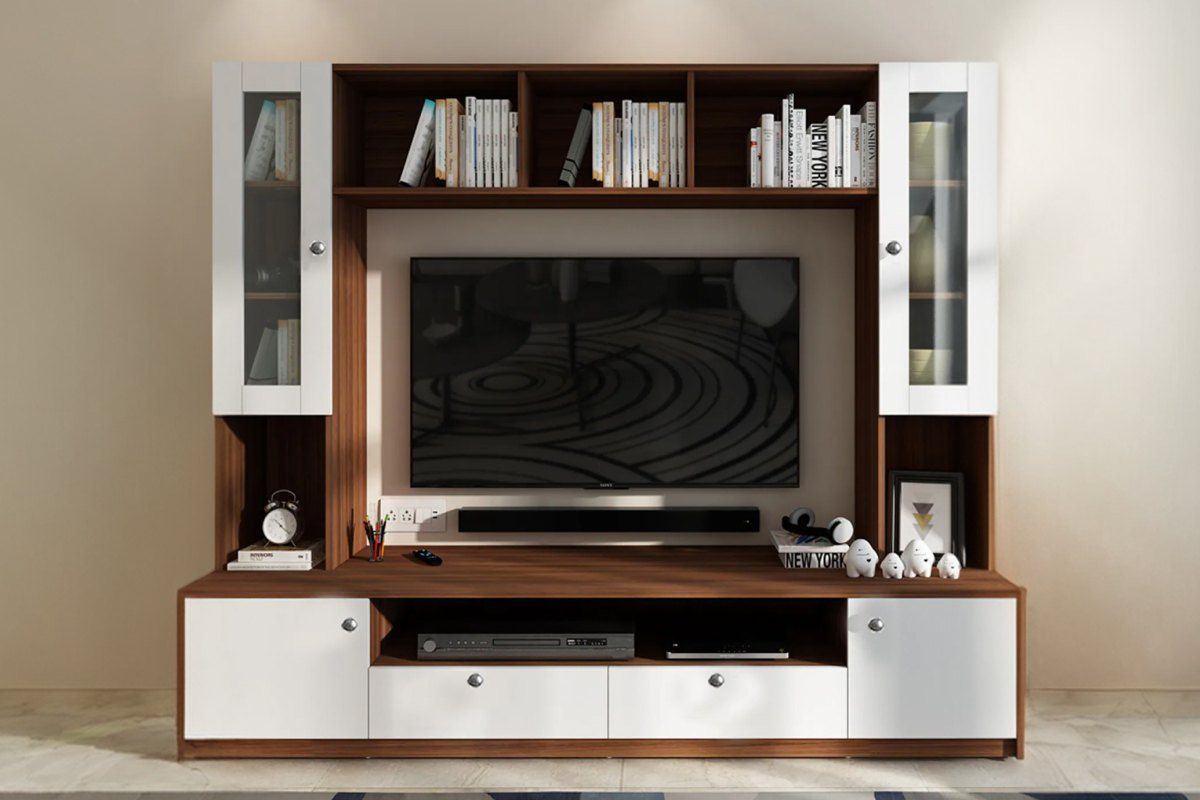
7 Stunning TV Unit Designs That Will Liven Up Your Living Room
Your living room needs an anchor. Something that pulls the space together whilst giving your TV a proper home. The best TV unit designs for living room spaces do exactly this.
They turn a wall with a screen into the focal point that your guests notice first.
This guide presents seven carefully curated designs for 2026. Each suits different room sizes, storage needs, and style preferences. You will find practical sizing advice, finish trends worth knowing, and honest pros and cons for every option.
Why the Best TV Unit Designs for the Living Room Matter
A well-chosen TV unit does more than hold your screen. It hides tangled cables, stores remotes and gaming consoles, and anchors your seating arrangement around a clear focal point.
The best TV unit designs for living room spaces also shape how your entire décor feels.
Matte wood finishes and fluted panels are trending in 2026, showing how far TV cabinet design ideas have evolved beyond basic stands.
Your unit affects viewing comfort, too. Proper height placement reduces neck strain during movie marathons. Good storage keeps clutter away from sight.
Design 1: Minimalist Wall-Mounted TV Unit Design
Clean lines and a floating effect define this style. Wall-mounted TV unit design pieces sit flush against your wall, freeing up floor space entirely. The result is a sleek, contemporary look that makes small rooms feel larger.
Best suited for:
- Small to mid-sized living rooms
- Modern, minimal, or industrial décor themes
- Homes where floor space is precious
Storage typically includes slim ledges or hidden drawers behind push-to-open panels.
The 2026 finish to watch is matte white oak laminate paired with recessed LED backlighting.
Pros: Spacious feel, contemporary aesthetic, easy floor cleaning
Cons: Limited storage capacity, requires expert installation for wall anchors
Pro tip: Mount your TV so its centre sits at eye level when seated on your sofa. This usually means 100 to 120 cm from the floor.
Design 2: Floating Shelves and Panel Combo for Modern TV Unit Design
This modern TV unit design layers open shelves around a central TV panel. You get display space for books, plants, and speakers alongside your screen. The arrangement creates visual depth that flat walls simply cannot match.
Rental homes benefit most here. The components often mount with minimal wall damage. Open-plan layouts also work well since the layered look adds texture without blocking sightlines.
High-gloss laminate contrasted with natural wood accents leads the 2026 trend charts.
Cable channels hidden behind the main panel keep wires out of view.
Pros: Flexible arrangement, budget-friendly, renter-suitable
Cons: Less enclosed storage, needs a wall strength assessment before installation
Expert Opinion: "A well-designed TV unit elevates the look of the living room while keeping it organised. From sleek wall-mounted panels to multifunctional storage solutions, today’s designs blend modern appeal with everyday functionality." - Good Homes
Design 3: Scandinavian Floor Console TV Cabinet Design Ideas
Low profile, wide footprint, tapered legs. These three traits define Scandinavian-style consoles. Light wood tones like ash and birch keep the look airy and warm.
This TV cabinet design ideas category suits homes needing surface area for soundbars, indoor plants, or photo frames. Deep drawers below store board games and spare cables, whilst open cubbies display decorative objects.
The 2026 colour trend pairs ribbed MDF door fronts with soft pastel lacquer finishes. Blush pink, sage green, and muted terracotta are popular choices.
Pros: Extra display surface, timeless Scandi style, ample drawer storage
Cons: Requires floor space, harder to clean underneath
Maintenance note: Add felt pads under the legs to protect wooden or laminate flooring from scratches.
Also Read: 6 TV units For Small Spaces
Design 4: Luxe Fluted Panel Modern TV Unit Design
Vertical fluted panels stretching wall-to-wall bring rich texture and drama. This modern
TV unit design suits statement living rooms or dedicated media lounges where bold choices feel right.
Fabric-backed fluting can conceal speakers whilst maintaining acoustic quality. The panels absorb echo and add warmth to large, hard-surfaced rooms.
The 2026 premium finish combination pairs deep matte espresso wood with brushed brass handle accents. LED strip lighting under the cabinet edge creates an ambient glow for evening viewing.
Pros: High-end aesthetic, acoustic-friendly design, striking focal point
Cons: Higher cost bracket, complex installation process
Design 5: Multifunctional Storage TV Cabinet Design Ideas
Large families need storage that works hard. Modular systems combining open shelves, glass-fronted cabinets, and closed drawers deliver maximum versatility.
These TV cabinet design ideas suit homes storing media equipment, book collections, board games, and everyday items in one unit. Laminate carcasses paired with glass display zones keep costs reasonable whilst looking polished.
The 2026 smart feature to seek is integrated wireless charging shelves. Place your phone on the shelf surface, and it charges without visible cables.
Pros: Huge capacity, multifunctional design, display zones for décor
Cons: Can overwhelm small spaces, requires careful organisation
Design 6: Corner Space-Saver TV Cabinet Design Ideas
Triangular or radial cabinets tuck into unused corners. These TV cabinet design ideas maximise awkward spaces in compact flats or irregularly shaped rooms where standard wall units simply will not fit.
Pair your corner unit with a swivel TV mount for flexible viewing angles. This lets you adjust the screen towards different seating areas as needed.
Storage typically includes a single deep drawer plus side shelving. Light walnut or pale ash finishes help the corner area feel more open rather than cramped.
Pros: Space-efficient, unique look, uses dead zones productively
Cons: Limited by corner dimensions, potential viewing angle compromises
Design 7: Mandir-Integrated Modern TV Unit Design
Combining devotional space with entertainment zones is a growing 2026 trend. This modern TV unit design places a mandir niche beside or above the TV section, keeping both functions in one cohesive unit.
Frosted glass doors offer privacy during prayers. Matte wood finishes paired with backlit acrylic panels create a serene glow around the sacred space.
Vastu-friendly placement typically positions the mandir towards the east or northeast section of the unit. Separate cable routing keeps devotional lighting independent from entertainment wiring.
Pros: Space-saving, culturally relevant, unified design language
Cons: Height constraints, requires thoughtful spatial planning
Check-out TV Unit Collection at Pepperfry --->
How to Choose the Best TV Unit Designs for the Living Room
Selecting the best TV unit designs for living room spaces needs a clear framework. Follow these steps:
- Measure your wall width and note your TV's diagonal size
- Calculate viewing distance from your sofa (ideally 1.5 to 2.5 times the screen diagonal)
- List storage needs honestly: remotes, consoles, books, décor
- Match the design style to your existing furniture and wall colours
- Set a budget range before browsing
🖥️ Wall-Mounted Minimalist
- Ideal Room Size: Small to medium
- Cost Tier: Mid
---
📚 Floating Shelf Combo
- Ideal Room Size: Any size
- Cost Tier: Budget to mid
---
🌿 Scandinavian Console
- Ideal Room Size: Medium to large
- Cost Tier: Mid
---
✨ Fluted Panel Unit
- Ideal Room Size: Large
- Cost Tier: Premium
---
🗄️ Multifunctional Storage
- Ideal Room Size: Large
- Cost Tier: Mid to premium
---
📐 Corner Space-Saver
- Ideal Room Size: Small
- Cost Tier: Budget to mid
---
🛕 Mandir-Integrated Unit
- Ideal Room Size: Medium
- Cost Tier: Mid to premium
Plan cable management during selection, not as an afterthought.
Measuring, Installation, and Cable Management Tips for Wall-Mounted TV Unit Design
Wall-mounted TV unit design pieces need proper anchors. Use rawl plugs for brick walls, toggle bolts for gypsum board, and concrete anchors for RCC walls.
Key measurements:
- Leave a 5 to 10 cm ventilation gap behind electronics
- Mount the TV centre at seated eye level (typically 100 to 120 cm from the floor)
- Ensure anchor weight capacity exceeds 3x your TV weight
For cables, use concealed conduits or surface-mounted raceways. Velcro ties bundle loose wires neatly. Colour-coded labels help identify connections later.
Styling Your New TV Unit Like a Pro
Good styling turns furniture into a design statement. Apply the rule of thirds: group décor in odd numbers, placing taller items off-centre.
Quick styling rules:
- Mix heights with plants, frames, and small sculptures
- Leave one or two shelves empty for visual breathing room
- Add warm LED strips behind the unit for an ambient evening glow
- Coordinate colours with 2026 palette trends: earthy terracottas, soft greens, warm neutrals
Resist the urge to fill every shelf. Overcrowding defeats the purpose of a well-designed TV unit.
Expert opinion: "TV units are no longer just about entertainment, they offer practicality to any space it is equipped in. Entertainment units can be used in numerous ways with its primary purpose being the storage space for TV and speaker system." - Good Homes
Frequently Asked Questions (FAQs)
1. What size TV unit do I need for a 55 inch TV?
Your unit should be at least 10 to 15 cm wider than your TV on each side. For a 55 inch screen, aim for a unit width of 140 to 160 cm.
2. How do I maintain laminate vs wood TV units?
Wipe the laminate with a damp cloth and mild detergent. For solid wood, use a dry microfibre cloth and apply furniture polish every few months.
3. Will my wall support a wall mounted TV unit design?
Brick and concrete walls handle most units easily. Gypsum board needs toggle bolts or a plywood backing sheet for heavier pieces.
4. How much ventilation space do electronics need in a closed cabinet?
Leave at least 5 cm around gaming consoles and set top boxes. Open backed cabinets work best for heat generating devices.
5. Can I upgrade my TV unit design without replacing the entire piece?
Yes. Modular systems let you add shelves or swap door fronts. Wall mounted panels can be reconfigured as your needs change.
10 Aug 2026
style by room
King vs. Queen Size Beds: What's the Difference and Which Should You Choose?
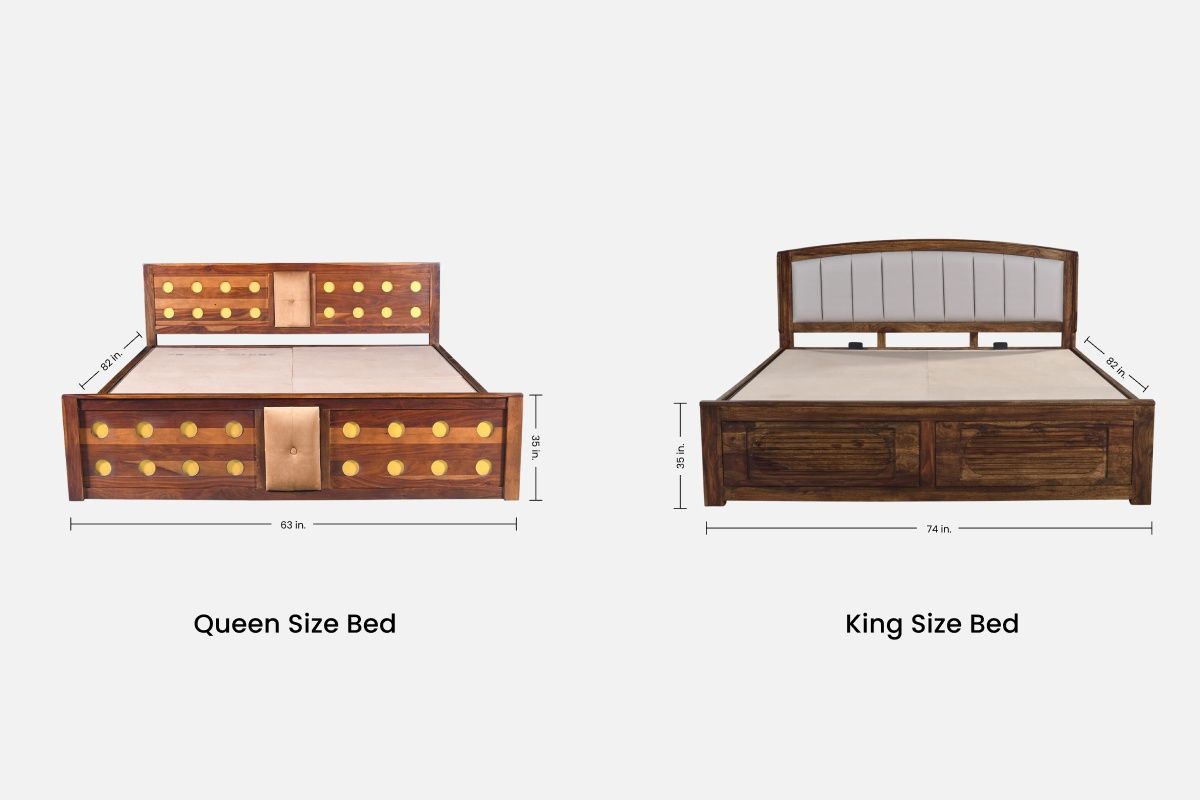
Your bedroom can only fit so much. Yet you want a bed that feels spacious enough for proper rest. This is the core tension when choosing between a king vs queen-size bed.
The difference between king and queen-size bed options goes beyond a simple width number. It affects how you sleep, how your room feels, and what you pay over the years. This article gives you concrete measurements, room-fit rules, and a practical checklist to help you decide with confidence.
King Size vs Queen Size Bed Dimensions: The Numbers That Matter
Here's a quick look at how king-size vs queen-size bed dimensions compare in both inches and centimeters.
📏 Width
Queen Size Bed: 60 inches (152 cm)
King Size Bed: 72 inches (183 cm)
📐 Length
Queen Size Bed: 78 inches (198 cm)
King Size Bed: 78 inches (198 cm)
🛏️ Surface Area
Queen Size Bed: 4,680 sq inches
King Size Bed: 5,616 sq inches
The 12-inch width gap translates to over 900 square inches of extra sleeping surface. That's roughly the size of a large pillow added to your bed. Indian standard bed dimensions align closely with global measurements. Most king-size beds and queen-size beds follow these exact specifications.
Quick Tip: Mattress dimensions and bed frame sizing differ slightly. A king mattress fits a king frame, but some frames add 2-4 inches on each side for headboards and footboards. Always check frame dimensions before ordering.
This matters when measuring your room. The frame footprint, not just the mattress size, determines how much floor space your bed actually occupies.
Check-out Our Beds Collection -->
Difference Between King and Queen Size Bed: More Than Just Width
That 12-inch width difference changes your sleep experience in three clear ways.
- Width per person: On a shared queen, each person gets about 30 inches. Move to a king, and each person gains roughly 6 inches. That's the difference between sleeping shoulder-to-shoulder and having actual breathing room.
- Length options for taller sleepers: Both queen and king beds come in extended 84-inch versions for those over 6 feet tall. Standard lengths work fine for most adults, but tall individuals should look for these longer variants.
- Surface area impact: The extra 900+ square inches on a king bed makes a real difference for couples who co-sleep with children or pets. It means less accidental elbowing and more undisturbed rest.
The king vs queen size bed choice comes down to how much personal space you need whilst sleeping. If you or your partner moves around at night, that extra width reduces disturbances. If you sleep still and close together, a queen often works perfectly well.
"Carefully consider purchases of larger furniture. You may need to move to another house in the future, and large pieces might be difficult to fit in another space."-Houzz
How Much Room Space Do You Actually Need?
Before buying any bed, measure your bedroom carefully. Here's what fits where.
📏 10 × 10 ft Room
Recommended Bed Size: Queen (tight fit)
📏 10 × 12 ft Room
Recommended Bed Size: Queen (comfortable)
📏 12 × 12 ft Room
Recommended Bed Size: King (adequate)
📏 12 × 14 ft Room
Recommended Bed Size: King (comfortable)
The 2-foot walkway rule matters here. You need at least 24 inches of clear space on each side of the bed for comfortable movement. Door swing clearance is another factor. Make sure wardrobe and bathroom doors open fully without hitting the bed frame.
Try this before buying: Use masking tape to mark your bed's exact footprint on the floor. Live with it for a day. Walk around it. Open your doors. You'll quickly see if a king vs queen-size bed fits your space properly.
A king bed in a cramped room feels oppressive. A queen bed in a spacious room can look undersized. The right match creates balance, leaving enough room for other furniture like nightstands, bedside tables, dresser and more.
King vs Queen Size Bed: Who Should Choose Which?
Different households have different needs. Here's a quick guide based on sleeper profiles.
- Couples sleeping alone: A queen suits most couples who sleep close together. Choose a king if either partner tosses and turns or prefers space.
- Families co-sleeping with young children: A king bed provides room for a child between parents without anyone feeling squeezed. A queen works only for occasional co-sleeping.
- Pet owners: Dogs and cats claim bed space, too. A king gives you room to share. A queen may leave you curled at the edge.
- Tall individuals over 6 feet: Both sizes work in standard length, but consider extended versions. Width-wise, tall people often prefer the king's extra room.
- Partners with different sleep patterns: If one person wakes early or works night shifts, a king's wider surface reduces motion transfer. You won't feel every movement your partner makes.
Match your household to the right category above. The king-size vs queen-size bed decision becomes much clearer when you know your specific situation.
What's the Real Price Difference in 2026?
A king bed costs more upfront and over time. Here's the breakdown.
The mattress itself typically runs 15-25% more expensive for a king compared to a queen. Add the frame, and the gap widens. When browsing wooden bed designs, expect similar percentage differences across styles.
Recurring costs add up too:
🛏️ Bedding Sets
Queen: Rs 3,000–8,000
King: Rs 4,000–12,000
🛡️ Mattress Protectors
Queen: Rs 1,500–3,000
King: Rs 2,000–4,500
🚚 Moving and Delivery Fees
Queen: Standard
King: Often 20% higher
The difference between a king and queen-size bed costs extends beyond the purchase price. Your bedroom may also need proportionally larger nightstands and a wider dresser to maintain visual balance. These hidden costs catch many buyers off guard.
10-Year Ownership Snapshot: Between mattress replacement, bedding wear, and accessories, a king bed costs roughly Rs 25,000-40,000 more than a queen over a decade. Budget accordingly.
King Size vs Queen Size Bed: Weighing Your Trade-Offs
Here's a clear comparison of the advantages and drawbacks for each size.
🛏️ Queen Size Bed
Pros
- Fits most bedrooms easily
- Lower upfront and ongoing cost
- Easier to move and transport
- Wide range of bedding options
Cons
- Less space for couples who spread out
- Not ideal for co-sleeping families
- May feel cramped with pets
- Limited motion isolation
Check-out Our Queen Size Beds Collection -->
👑 King Size Bed
Pros
- Superior sleeping comfort
- Reduces motion transfer
- Ideal for families and pets
- More personal space per sleeper
Cons
- Requires a larger bedroom
- Higher cost across the board
- Harder to move during relocation
- Fewer affordable bedding options
Check-out Our King Size Beds Collection -->
Neither option is universally better. The king vs queen size bed choice depends entirely on your room, your household, and your budget. Use this table as a quick reference when weighing your priorities.
Four Simple Steps to Choose the Right Bed Size
Follow this checklist before making your final decision.
- Measure your bedroom: Mark the bed's footprint with masking tape. Ensure you have 2 feet of clearance on walking sides and that doors swing freely.
- Count your sleepers: Adults, children, pets. Note who moves around at night. More sleepers or restless sleepers point toward a king.
- Calculate your full budget: Include mattress, frame, bedding, protectors, and potential delivery fees. Add 15-20% for king over queen in each category.
- Test in person: Visit a Pepperfry Studio store or check Pepperfry's return and trial policies online. Lying down on both sizes for a few minutes reveals preferences you didn't know you had.
Also Read: Queen Size Bed Dimensions Explained
This king vs queen-size bed checklist works for any household.
Making Your King vs Queen Size Bed Decision Stick
The right bed size balances three factors: available room space, number of sleepers, and a realistic budget for both purchase and upkeep.
Choose a queen if your room is under 12 × 12 feet, you sleep solo or close together, and you prefer to spend less. Choose a king if your bedroom allows it, your family co-sleeps, or comfort matters more than savings. Grab a measuring tape today. Mark your floor. Run through the checklist. Your perfect bed is one clear decision away.
Frequently Asked Questions (FAQs)
1. What is the exact difference between a king and queen size bed dimensions in India?
A queen bed measures 60 × 78 inches (152 × 198 cm) whilst a king bed measures 72 × 78 inches (183 × 198 cm). The king is 12 inches wider, giving over 900 square inches of extra sleeping surface.
2. How much clearance space should I leave around a king or queen bed?
Allow at least 24 inches (2 feet) on each side of the bed where you walk. Check that wardrobe doors and bathroom doors open fully without hitting the frame.
3. Can two adults sleep comfortably on a queen size bed?
Yes, a queen bed fits two adults who sleep relatively still and close together. Restless sleepers or those who prefer personal space often find a king more comfortable.
4. Are king size bed sheets and bedding widely available in India in 2026?
King size bedding is now widely stocked across online and offline stores. Pepperfry and other major retailers carry full king size ranges, though options may cost more than queen size equivalents.
5. Is a king bed worth the extra cost for couples?
It depends on sleep habits. Couples who move at night, co sleep with children, or share with pets benefit most from the extra space. Couples who sleep close may find a queen perfectly adequate.
6. What bed size works best for a 10×12 ft bedroom?
A queen size bed fits comfortably in a 10 × 12 ft room with space for nightstands and a clear walkway. A king bed would leave the room feeling cramped with limited clearance.
10 Aug 2026
Bedroom Interior
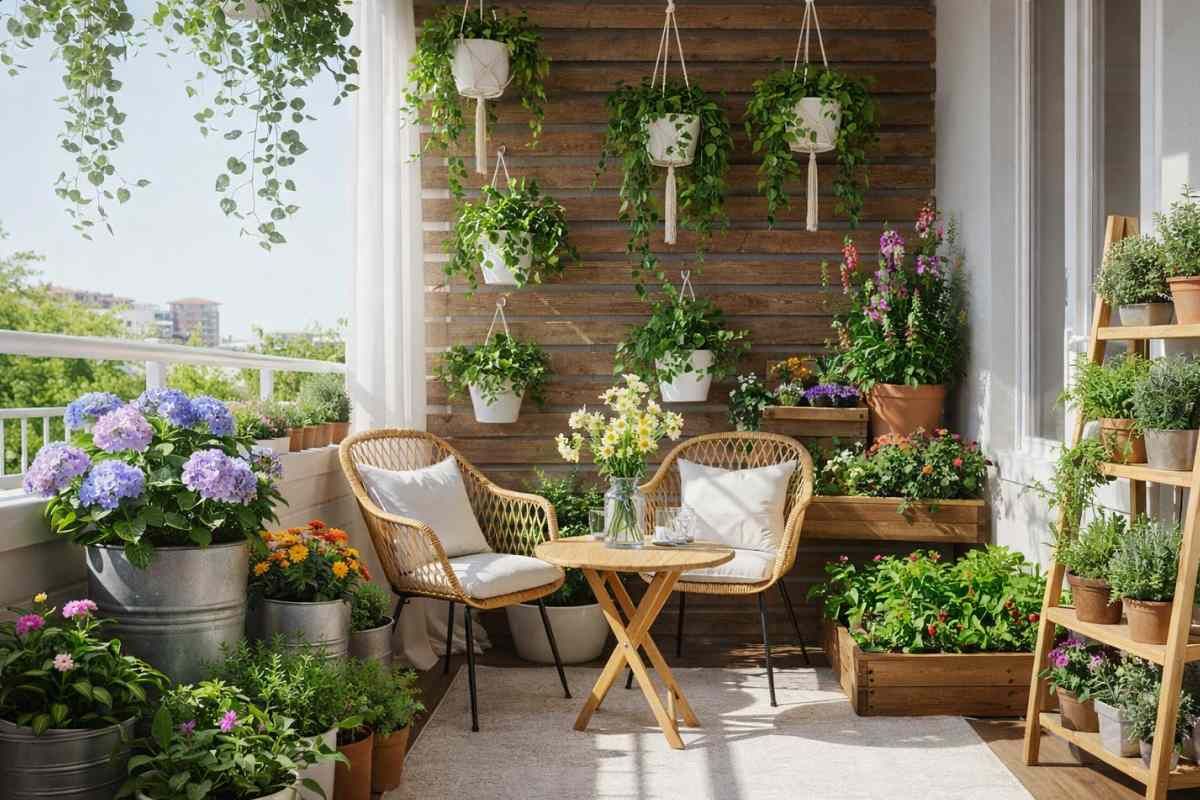
The Best Balcony Garden Ideas That Will Transform Your Outdoor Space
That small slice of outdoor space attached to your flat? Most of us treat it like a storage dump for old buckets and broken chairs. A real waste, honestly. Your balcony could be a green retreat where you sip chai amongst trailing vines and potted herbs. Size truly does not limit what you can grow.
As Elle Decor puts it, “Don’t let your small outdoor space stop you from becoming a plant parent. Growing plants under ‘unideal’ circumstances is much easier than you’d think.”
This article walks through practical balcony garden ideas suited to any space. You will learn how to assess your conditions, zone your layout smartly, pick the right plants, add seating, and layer lighting for evening use. These small balcony garden ideas work for renters and owners alike, with no major commitments required.
Why Should You Invest in Garden Balcony Design Ideas?
A balcony garden offers benefits you actually feel daily. Plants filter dust and pollutants, improving the air you breathe. Studies confirm that daily contact with greenery reduces stress and lifts mood. For flat owners, a well-designed balcony can even add value when selling.
Houzz India describes balcony gardens as “small wonderlands inside space-crunched city apartments.”
Privacy is another win. Tall plants or vertical arrangements screen you from curious neighbours without ugly plastic sheets. And maintenance? Far easier than you might think. When you match plants to your specific conditions, they mostly take care of themselves.
The key lies in understanding your space first. Thoughtful garden balcony design ideas make upkeep simple, even for complete beginners. Once you know what your balcony offers, the rest falls into place naturally.
Check-out Pots and Planters --->
What Should You Check Before Starting Your Garden Design for a Balcony?
Before buying a single pot, run through this quick assessment:
- Weight capacity: Older buildings and rental flats often have load limits. Check with your housing society if unsure. Heavy terracotta pots filled with wet soil add up fast.
- Sunlight hours: Track how much direct sun your balcony gets. Six hours or more means full sun. Two to four hours is partial shade. Less than two is deep shade.
- Wind exposure: High floors face stronger winds that dry out soil quickly and topple tall plants. Plan for sturdy containers and wind-tolerant varieties.
- Drainage options: Water needs somewhere to go. Ensure floor drains exist or plan trays beneath every pot to protect the flooring.
- Water access: Note how far your nearest tap is. This affects your watering routine and tool choices.
- Dimensions: Measure floor area, railing height, and overhead clearance. These numbers guide container sizes and furniture choices later.
This groundwork prevents expensive mistakes. Plants die when conditions do not match their needs. Knowing your space keeps your garden design for the balcony on track from day one.
How Can You Maximise Small Balcony Garden Ideas Through Strategic Zoning?
Think of your balcony as three zones: a planting area, a seating spot, and accent corners for decor. This simple division creates visual order. Without zoning, small balconies quickly feel cluttered, with pots blocking paths and nowhere to actually sit.
Zoning also ensures every square foot works for you. The planting zone holds your greenery. The seating zone becomes your relaxation corner. Accent areas add personality with lanterns or sculptural pieces. Here is how to apply this based on your balcony shape.
Narrow Balconies
Long, thin balconies benefit from linear layouts. Run a vertical green wall along one side, keeping floor space clear. Fix railing planters to the outer edge so trailing plants cascade outward without eating into the walkway width.
Use foldable chairs or slim benches that tuck away when not needed. Light-coloured pots trick the eye into seeing more space. Keep the central path open for movement and easy drainage access. These small balcony garden ideas make narrow spaces feel surprisingly roomy.
Square or L-Shaped Balconies
Wider spaces allow corner-focused planting. Cluster pots at corners, wrapping greenery around your seating area like a natural frame. Leave the centre open or anchor it with a small outdoor rug.
Layer plant heights to avoid boxy, flat arrangements. Position taller natural plants at the back corners. Shorter pots come forward. This depth creates interest and ensures sunlight reaches all levels without blocking your view.
What Are the Best Vertical Balcony Garden Ideas for Maximising Space?
Vertical gardening triples your planting area without stealing floor space. For compact balconies, it is not optional; it is essential. Here are three high-impact methods suited to different budgets and installation preferences.
Wall-Mounted Pocket Planters
Fabric or plastic pockets fix directly to walls, creating instant green panels. They suit shallow-rooted plants like herbs, succulents, and small ferns. Cost runs low, and installation requires minimal tools.
One consideration: pockets dry out faster than traditional pots. Line them with coconut coir or a moisture-retaining fabric to reduce watering trips. Position them within easy arm reach for simple maintenance.
Railing Planters
These clip onto or hook over balcony railings, placing plants at eye level without using floor space. Choose rust-proof materials for durability through monsoons. Trailing plants like money plant or petunias cascade beautifully over edges.
Tip: On higher floors, secure hooks firmly with cable ties. Wind gusts can dislodge poorly fixed planters. Double-check fastenings monthly.
Browse Pepperfry's collection of hanging planters for ready-made options that suit most railing widths.
DIY Pallet Walls
Wooden pallets offer a budget-friendly vertical solution. Sand rough edges, apply weatherproof se alant, then mount securely to your wall. Fill compartments with soil; cheap grow bags work as liners to contain the medium.
Check your building's weight restrictions before mounting. A loaded pallet adds a significant load. For rental properties, freestanding pallet frames avoid wall damage entirely.
What Container and Soil Choices Support Healthy Plants?
Your container choice affects weight, drainage, and aesthetics. Here is a comparison to guide your garden design for a balcony:
Weight: Light
Drainage: Good (if drilled)
Durability: High
Best For: Large plants and budget-friendly setups
---
🛍️ Fabric Grow Bags
Weight: Very light
Drainage: Excellent
Durability: Medium
Best For: Vegetables, herbs, and easy-to-move gardens
---
Weight: Heavy
Drainage: Excellent
Durability: Medium
Best For: Sun-loving plants and decorative garden spaces
Always ensure drainage holes exist. Root rot kills more balcony plants than anything else. Use a lightweight soil mix: cocopeat blended with compost and perlite reduces overall load whilst improving aeration.
Place saucers beneath every pot. They catch runoff, protect flooring, and simplify cleanup. Pepperfry offers desk pots and planter stands that combine function with good looks.
Which Plants Thrive in Different Balcony Garden Ideas?
Success depends on matching plants to your actual conditions, not wishful thinking. Group plants by light needs and cluster those with similar watering requirements together. This simple habit streamlines your routine.
Full-Sun Balconies
Balconies receiving six or more hours of direct sun suit heat-tolerant varieties:
- Bougainvillea: Vibrant colour, minimal water needs
- Portulaca: Thrives in intense heat, spreads beautifully
- Marigold: Hardy, pest-resistant, cheerful blooms
- Aloe: A succulent that handles drought well
- Rosemary: Sun-loving herb, fragrant and useful
Water more frequently in summer. Terracotta pots help through evaporative cooling. Check out flowering plants on Pepperfry for garden balcony design ideas that pop with colour.
Part-Shade Balconies
Filtered or indirect light suits foliage plants and air purifiers:
- Peace lily: Elegant white blooms, cleans indoor air
- Snake plant: Nearly indestructible, tolerates neglect
- Ferns: Lush texture, loves humidity
- Spider plant: Easy propagation, trailing habit
Rotate containers monthly. This ensures even growth and prevents plants from leaning awkwardly toward light sources. These small balcony garden ideas work beautifully in north-facing or covered spaces.
Edible Herbs and Veggies
Growing food on your balcony brings deep satisfaction:
- Mint: Grows fast, grows easily in pots
- Coriander: Quick harvests, resow every few weeks
- Chilli: Compact varieties fruit heavily in containers
- Cherry tomatoes: Need 20cm minimum depth, stake for support
Feed fortnightly with organic fertiliser for productive harvests. Position edible containers near your kitchen door; convenience encourages actual use in cooking.
Also Read: Green Home Design Ideas and Eco‑Friendly Tips
How Can Garden Balcony Design Ideas Incorporate Comfortable Seating?
Plants alone create a display. Adding seating creates a retreat. Choose furniture with slim profiles that preserve walkways. Foldable bistro sets work brilliantly; they store flat when you need floor space for other activities.
Weather-resistant materials matter. Powder-coated metal or treated wood withstands monsoons. Alternatively, bring cushions indoors during heavy rains. A single swing chair suspended from a sturdy beam adds charm without eating up floor area.
Layer comfort with outdoor cushions and a small rug. These touches create visual warmth and make your balcony feel like an extension of your living room. Garden balcony design ideas work best when they invite you to actually use the space, not just admire it.
What Lighting Transforms Balcony Garden Ideas After Sunset?
Good lighting extends your balcony's usability into evening hours. Layer different light heights for depth and interest.
Solar-powered stake lights tucked among plants provide a gentle ground-level glow without wiring. String lights along railings or overhead structures add festive warmth. LED candle lanterns on tables create intimate pools of light for reading or conversation.
Budget hack: Repurpose glass jars as candle holders or fairy light containers. Clean jam jars with tea lights inside look charming and cost nothing.
Solar and battery options solve the common problem of balconies without accessible electrical outlets. Renters especially benefit from these cord-free solutions that require zero permanent installation.
How Can You Execute Small Balcony Garden Ideas on Any Budget?
You need not spend heavily to create a green retreat. Here are three budget tiers with realistic combinations:
💰 Budget: Under Rs 3,000
What You Get: Basic plastic containers, 4–5 hardy plants, and solar stake lights.
---
🌿 Budget: Rs 3,000 to Rs 8,000
What You Get: A mix of vertical planters, 8–10 plants, railing hooks, and a foldable chair.
---
✨ Budget: Rs 8,000 and Above
What You Get: Quality planter stands, layered lighting, premium containers, and a bistro set.
Consider a phased approach. Start with essential plants and basic containers. Add furniture next month. Layer lighting the month after. This prevents overwhelm and lets you adjust based on what actually thrives in your conditions.
Creativity matters more than spending. A well-chosen arrangement of healthy plants beats an expensive setup of struggling ones every time.
Also Read: Balcony Decoration Ideas with Pepperfry: 10 Tips for Small Spaces
What Maintenance Practices Keep Your Garden Design for Balcony Thriving?
Maintenance need not feel burdensome. Self-watering containers reduce trips to once weekly. For DIY alternatives, invert plastic bottles with punctured caps into soil; they release water slowly as roots draw moisture.
Water in the morning when possible. This allows foliage to dry before evening, reducing fungal problems common in humid climates. In hot summers, evening watering conserves moisture through cooler night hours.
Check leaf undersides weekly. Pests appear here first. A simple spray of mild soap diluted in water handles most early infestations without chemicals. Catch problems early, and they rarely escalate.
Well-chosen plants matched to your conditions need minimal fussing. The assessment work you did at the start pays off here through reduced effort later.
Check-out Gardening Collection at Pepperfry --->
Ready to Bring These Balcony Garden Ideas to Life?
The path to a thriving balcony garden follows three steps. First, assess your space honestly: light, weight limits, drainage. Second, design functional zones that layer vertical planting with comfortable seating and atmospheric lighting. Third, choose plants matched to your actual conditions, not aspirational ones.
Square footage matters far less than strategic thinking. Even the smallest balconies become valuable retreats with thoughtful execution. Start with one corner, prove the concept works, then expand gradually.
Frequently Asked Questions (FAQs)
1. How do I start a balcony garden when my budget is tight?
Begin with seeds or small nursery plants in recycled containers like old buckets or food tins. Drill drainage holes and use garden soil mixed with kitchen compost. Solar lights from local markets cost little. Prioritise hardy plants that survive beginner mistakes.
2. Which plants grow well in balconies with limited sunlight?
Snake plants, pothos, peace lilies, and ferns thrive in low light conditions. These foliage plants actually prefer indirect sun and tolerate shade. Avoid flowering varieties that need direct sunlight to bloom.
3. What is the best way to water balcony plants without an outdoor tap nearby?
Keep a watering can filled and ready inside. Self watering pots with reservoirs reduce frequency. For holidays, inverted plastic bottles with small holes provide slow release hydration for up to a week.
4. How can I safely hang planters on railings without risking them falling?
Use hooks over planters with adjustable clamps that grip the railing width securely. Add cable ties as backup on windy floors. Check fastenings monthly and avoid overloading with heavy wet soil.
5. Can I successfully grow vegetables in shallow containers on my balcony?
Leafy greens like spinach and lettuce grow in a 10cm depth. Herbs need similar space. However, tomatoes and chillies require at least 20cm depth for healthy root development and fruiting.
6. What should I do if my apartment has weight restrictions for balconies?
Switch to lightweight fabric grow bags and plastic containers. Use soil mixes heavy in cocopeat and perlite rather than dense garden soil. Avoid clustering pots in one spot; distribute weight evenly across the floor area.
10 Aug 2026
Home Improvement Life style
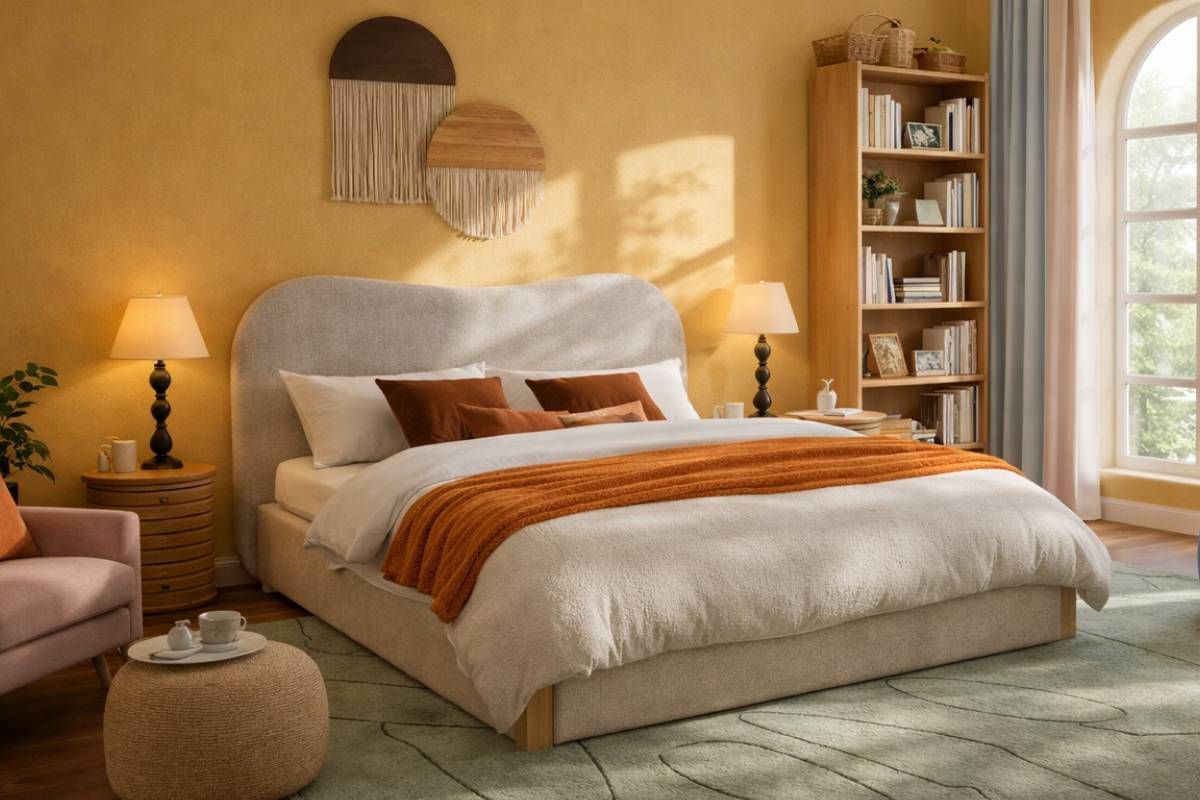
8 Creative Single Bedroom Ideas That Go Big on Space and Style
A compact bedroom can feel like a puzzle with too many pieces. You need storage, a proper bed, good lighting, and room to breathe. Smart single bedroom designs solve this puzzle by making each element work harder. The right layout turns cramped corners into cosy retreats.
This article shares 8 practical decorating ideas for a small bedroom, along with planning tips you can use today. Each idea balances storage needs with visual appeal. A small footprint does not mean few possibilities.
“Bedroom storage isn’t just about hiding clutter; it’s about creating a sense of calm.” -Architectural Digest
What Should You Plan Before Rearranging Your Bedroom?
Good one-room interior design starts with a simple checklist. Rushing into furniture purchases often leads to regret. A few minutes of planning saves hours of frustration later.
Before moving a single piece, work through these steps:
- Measure your room dimensions: Note length, width, and ceiling height in centimetres
- Mark door swing paths: Doors need clearance to open fully without hitting furniture
- Identify window placements: Natural light sources affect where you position your bed and desk
- Choose a dominant style direction: Pick one look, whether minimal, warm wood tones, or soft neutrals
- Map storage zones: Decide where clothes, books, and daily items will live
- Consider multi-functional pieces early: Storage beds, fold-out desks, and tall wardrobes should be first choices, not afterthoughts
Time-Saving Tip: A simple sketch or free floor-plan app helps you test arrangements before committing. This prevents the classic mistake of buying a bed that blocks your wardrobe doors.
Idea 1: Built-In Storage Beds Make Every Inch Count
Storage beds turn dead space into useful square footage. That gap beneath a standard bed frame typically collects dust and forgotten items. A well-designed storage bed puts it to work.
Three main options exist: divan bases with side drawers, hydraulic lift mechanisms that reveal full under-bed compartments, and drawer-style frames. Hydraulic lifts offer maximum capacity but need clearance above the mattress to operate. Side drawers work better in narrow rooms where floor space is tight.
Soft-close hardware protects fingers and extends the life of mechanisms. Air stored items regularly to keep bedding fresh. Browse Pepperfry's queen-size beds for options that combine comfort with clever storage.
Style Tip: Pair your storage bed with lighter linens to avoid visual heaviness. A bulky dark frame with heavy blankets can make a small room feel cramped.
Idea 2: Vertical Wardrobes Stretch Visual Height
Floor-to-ceiling wardrobes create the illusion of greater height. When storage units stop short of the ceiling, eyes naturally rest on that gap. Full-height units draw the gaze upward and make walls feel taller.
Choose unified colours that match or complement your walls. A wardrobe in the same shade as the surrounding paint blends quietly into the room. This trick works especially well for decorating ideas for a small bedroom where visual calm matters.
Sliding doors suit tight corridors better than hinged options. You need zero clearance space for operation. Integrated mirror panels serve double duty: they reflect light and expand perceived space.
Smart Tip: Add interior strip lighting to improve visibility inside deep shelves. LED strips consume little power and make morning routines faster.
Idea 3: Fold-Out Desk Nooks Support Work-from-Home Needs
Remote work demands desk space, but permanent setups eat into precious floor area. Wall-mounted fold-out desks offer a middle path. When you need to work, flip them down. After hours, fold them flat against the wall.
This approach answers a common question: how to decorate a one-room apartment or fit an office into a bedroom? The answer is furniture that disappears when not in use.
Stackable stools or transparent ghost chairs tuck away easily beneath other furniture. Keep cables tidy with desk-mounted clips or a small pegboard for chargers and stationery. Floating shelves above the desk hold notebooks and supplies without cluttering the work surface. Wall anchors rated for your desk's weight ensure safe mounting. Position the desk at elbow height when seated for comfortable typing.
How Do Light Colours and Mirrors Expand Your Room?
Colour choice directly affects how large a room feels. Light shades reflect more natural light, making walls seem to recede. Trending 2026 hues include soft sage, powder blue, and warm beige. These tones create calm backdrops that pair well with most furniture finishes.
Quick tip: Light reflectance value (LRV) measures how much light a paint colour bounces back. Higher LRV numbers make rooms feel airier. Look for values above 60 for small bedrooms.
Limit bold accent colours to one feature wall or a few textile pieces. Too many competing tones create visual noise. Strategic mirror placement opposite windows doubles incoming daylight. Pepperfry's mirrors collection includes options for every wall size. Avoid positioning large mirrors directly facing the bed, as this can disrupt restful sleep for some people.
Idea 5: Layered Lighting Creates Depth and Flexibility
Single bedroom designs benefit hugely from layered lighting. One overhead fixture leaves corners in shadow and offers no mood control. A three-layer approach brings depth and flexibility.
The first layer is ambient lighting: your main ceiling fixture. The second layer is task lighting, such as swing-arm sconces beside the bed for reading. The third layer is accent lighting: LED strips under shelves or along cove mouldings that add warmth.
Dimmer switches cost little but transform how a room feels. Bright settings work for morning routines; softer levels ease the transition to sleep. Smart bulbs offer similar control through phone apps. For plug-in options, no wiring changes are needed. A statement chandelier from Pepperfry can anchor the ambient layer whilst adding personality.
"Accent and task lighting in particular can create dimension without taking over the room using layered lighting."-Good Homes
Idea 6: Statement Accent Walls on a Budget
An accent wall adds character without overwhelming a small room. Budget-friendly options include peel-and-stick wallpaper, reclaimed wood panels, or stencilled paint patterns. Each requires different time and skill investments.
Peel-and-stick paper goes up in an afternoon and removes cleanly for renters. Wood panels need more effort but create a striking texture. Stencilling offers the lowest material cost but demands patience for crisp lines.
These decorating ideas for a small bedroom work best on walls without heavy furniture traffic. Avoid placing intricate patterns behind storage bed headboards where drawers might scrape against them. Follow a simple colour-contrast rule:
Idea 7: Smart Zone Planning Improves Flow and Function
Even a small bedroom can hold distinct zones for sleeping, working, and storage. The trick is defining boundaries without blocking sightlines. Area carpets work well here. A rug beneath the bed anchors the sleep zone. A smaller mat under a desk chair marks the work zone.
Good one-room interior design maintains minimum walking paths of about 60 centimetres between furniture. Narrower gaps feel cramped and frustrate daily movement.
Did you know? Positioning your bed farthest from the door creates a sense of retreat. This layout signals to your brain that the sleep zone is separate from entry traffic.
Translucent screens or open shelving divide space while preserving natural light flow. Avoid tall, solid partitions that block windows or create dark pockets.
Idea 8: Curated Decor Adds Personality Without Clutter
Small rooms punish excess decoration. Every cushion and ornament competes for attention. A curated approach keeps surfaces calm whilst still showing your personality.
Aim for a balance where functional items dominate and decorative pieces accent strategically. Floating shelves let you rotate displays without permanent commitment. Swap out a few items seasonally to refresh the look at a low cost.
Textile changes offer quick wins. New throws, cushion covers, or bedding in updated colours transform a room in an afternoon. Avoid overly themed decor that risks looking dated within a year. Plan a twice-yearly rotation of art or accessories. This simple habit keeps your bedroom feeling current without expensive overhauls. Browse Pepperfry's furniture collection for pieces that blend function with style.
Scaling These Ideas to One-Room Apartments
Every idea above adapts smoothly to studio or one-room apartment contexts. When learning how to decorate a one-room apartment, the same principles apply: vertical storage, layered lighting, and defined zones.
Furniture on casters adds flexibility. Roll a side table away when you need yoga space. Push it back for evening tea. Modular room dividers define zones without permanent walls. Choose units with open shelving to maintain sight lines.
Cohesive colour schemes visually unify the entire space. A single palette running through bedding, rugs, and curtains makes separate zones feel like one deliberate design. Continuous flooring materials eliminate visual breaks that chop up small areas.
Tip: Built-in storage, fold-out desks, and vertical wardrobes work even better when the entire living area shares one footprint.
Ready to Redesign Your Single Bedroom with Confidence?
Thoughtful single bedroom designs prove that size does not limit style. Smart furniture choices, layered lighting, and intentional colour palettes turn compact rooms into restful retreats.
You now have planning tools, eight actionable ideas, and practical tips for one-room living. Start with one step: measure your room, pick a storage bed, or test a fresh colour palette on one wall. Momentum builds from small wins. Your bedroom refresh begins today.
Frequently Asked Questions (FAQs)
1. What bed size works best in a single bedroom?
A single or double bed suits most compact bedrooms. Measure your floor space and allow at least 60 centimetres of walking room on each side. Storage beds maximise limited square footage by using under bed space for linens or seasonal items.
2. How much wardrobe depth do you need for hanging clothes?
Standard hangers need about 55 to 60 centimetres of depth. Shallower wardrobes work for folded items, but will not fit most jackets or shirts on hangers without creasing.
3. What is the easiest way to hide cables in a small bedroom?
Desk mounted clips and cable sleeves keep cords tidy. Velcro ties bundle multiple cables together. For permanent solutions, wall mounted cable channels blend into the paint and hide wires completely.
4. Can you create a stylish single bedroom on a limited budget?
Yes. Focus spending on one quality piece, like a good bed frame, and refresh soft furnishings seasonally. Peel and stick wallpaper, affordable cushion covers, and second hand mirrors add style without high costs.
5. How often should you update bedroom decor to keep it fresh?
A twice yearly refresh works well. Swap throws and cushions for lighter fabrics in summer and warmer textures in winter. Rotate art or small accessories to prevent visual fatigue.
6. Is it better to use dark or light colours in a compact bedroom?
Light colours reflect more natural light and make walls feel farther apart. Reserve dark shades for accent walls or small accessories. A room painted in soft neutrals feels noticeably more open than one in deep tones.
10 Aug 2026
Home Improvement
6 Glistening Bedroom Lighting Ideas to Enhance the Mood of Your Space
Your bedroom ceiling is the fifth wall. Most of us forget about it entirely. We spend hours picking bed frames, linen colours, and wall art. Then we slap on a single tube light and call it done. That ceiling, though, sets the mood for every moment you spend in that room.
A well-planned bedroom design ceiling can turn a dull space into a restful retreat. This matters more than you might think. The six bedroom lighting ideas ahead offer practical solutions for different budgets and styles. Each includes bulb specs, placement tips, and smart controls ready for 2026.
Why Does Bedroom Design Ceiling Lighting Shape Your Mood?
Light does more than help you see. It tells your brain when to wake up and when to wind down. Ceiling-mounted fixtures sit in your direct line of sight when you lie in bed. Harsh overhead glare signals "alert mode" to your nervous system. Soft, indirect glow signals rest.
Colour temperature matters here. Warm tones around 2700K mimic sunset and ease you toward sleep. Cool tones above 5000K feel like midday sun, keeping you alert when you need focus. The 2026 generation of LEDs offers flicker-free tech and tunable white spectrums. You can shift from energising morning light to calming evening warmth with one tap.
Quick Tip: Look for LEDs with a CRI (Colour Rendering Index) above 90. Higher CRI means colours in your room appear true to life, making your decor look its best.
Downward light from a central fixture creates shadows on your face. Indirect light bounced off the ceiling, eliminating those shadows. Each idea below addresses specific problems: harsh glare, limited dimming, or flat ambience.
Idea 1: Recessed Cove Lights for Sleek Bedroom Lighting Design
Cove lighting hides LED strips behind a ceiling ledge. The light bounces off the ceiling and spills into the room. You never see the actual bulb. The result is clean, modern, and surprisingly warm.
This works best with tray ceilings or perimeter ledges. If your room has a plain flat ceiling, a contractor can add a simple ledge along one wall. Warm 2700-3000K LED strips create that cosy, indirect glow people associate with boutique hotels. Dimmer compatibility lets you dial brightness from functional to romantic.
Installation costs vary based on ceiling complexity. Budget for the LED strips, a driver, and potentially labour for the ledge work. Minimalist and contemporary bedrooms pair beautifully with cove lighting. The clean lines disappear into the architecture. Browse Pepperfry's LED strip and dimmer selections to find quality options that suit your space.
"Good lighting should be felt, not seen. Concealed LED coves in the ceiling or behind the bed headboard wash the walls with a soft, indirect glow that feels incredibly luxurious and eliminates harsh glare entirely." - Rajiv Saini, Designer
(Architectural Digest India)
Idea 2: How High Should a Statement Pendant Hang Above Your Bed?
A pendant light makes a statement. Hang it wrong, though, and you get glare in your eyes every night. The practical rule: pendant width should be roughly one-third of your bed width. A king-size bed around 180cm wide suits a pendant around 60cm across.
Height matters too. Hang the bottom of the fixture at least 210cm from the floor. This keeps it clear of heads and creates breathing room between the light and the mattress. Material choice shapes the mood. Opaque fabric shades diffuse light into a soft wash. Glass or polished metal reflects light for drama and sparkle.
One pendant alone rarely covers all needs. Layer it with bedside task lamps for reading zones. A dimmer switch transforms the pendant from a bright task light to a low-glow accent. Pepperfry's pendant collections offer styles from industrial metal to soft linen shades, so you can match your bedroom's personality.
Dimmable LED Strips Under False Bedroom Design Ceiling Layers
False ceilings create perfect hiding spots for LED strips. Tuck strips behind a drop-down lip, and you get that floating ceiling effect designers love. The diodes stay invisible while the glow spreads evenly across the surface.
Two main voltage options exist: 12V and 24V systems. The 12V strips work for short runs under three metres. Longer runs suffer voltage drop, meaning one end dims while the other stays bright. The 24V systems handle longer distances with more consistent brightness.
Smart controllers in 2026 connect to voice assistants with minimal fuss. Ask for "bedroom relax mode" and watch the lights dim to warm amber. Colour-changing scenes suit movie nights or meditation sessions.
One common mistake: visible hotspots where individual LEDs show as dots. Diffuser channels spread the light into smooth bands. Install strips behind the headboard wall or around the room perimeter. Pepperfry stocks LED strips and smart dimming controllers to bring bedroom LED lights ideas to life.
Idea 4: Backlit Ceiling Panels for a Soft, Even Glow
Backlit panels sit between the ceiling and a translucent surface. Light spreads through acrylic or stretch fabric, creating shadow-free illumination. Few homeowners know about this approach, yet it delivers results that make visitors ask how you did it.
Standard panels run about 60cm square, though custom sizes work for unusual room dimensions. A simple timber frame holds the translucent material, while RGB-W LED arrays behind it allow tunable white and colour flexibility. This means warm reading light or cool focus light from the same fixture.
Maintenance stays simple. Most panels pop out of their frames for dusting. The 2026 LED arrays use less power than older generations, cutting energy costs over time. This idea suits anyone seeking diffused, even light without harsh spots. Check Pepperfry for panel materials and compatible LED fixtures to build your own setup.
Idea 5: Starry Fibre-Optic Bedroom Design Ceiling for Dreamy Nights
A star ceiling turns your bedroom into a private planetarium. Fibre-optic bundles connect to a central illuminator box, with each tiny strand poking through the ceiling surface. The effect mimics a night sky without the mosquitoes.
You can follow constellation templates for astronomical accuracy. Or scatter the fibres randomly for a more abstract look. Blackout paint behind the star field maximises contrast, making each point of light pop. Some systems pair with acoustic panels, adding soundproofing as a bonus.
Not keen on drilling hundreds of holes? Ceiling-mounted star projectors offer a renter-friendly alternative. They cast moving patterns without permanent changes. Either way, this bedroom design ceiling creates a calming atmosphere perfect for winding down. Pepperfry's lighting accessories include supporting products for both fibre-optic and projector setups.
Did You Know? Fibre-optic star ceilings can last over 50,000 hours. The fibres themselves carry no electricity, making them safe even in children's rooms.
Idea 6: Tray Ceiling with Hidden RGB Scenes
Tray ceilings feature a recessed centre section, like an upside-down tray. That recess becomes a natural home for hidden lighting. Aluminium channels keep LED strips secure and invisible within the tray edge.
The real magic comes from programmable scenes. Set a sunrise simulation to ease you awake. Create a movie mode with dim, warm tones. Programme an unwind mode that gradually shifts from bright white to deep amber over thirty minutes. Smartphone apps and voice platforms handle controls with ease.
For a unified system, integrate RGB strips with your ceiling fan's light kit. One command adjusts both. This idea suits anyone who values automation and tech-forward living. It transforms your bedroom LED lights ideas from basic to brilliant. Browse Pepperfry for RGB-capable LED strips and compatible smart home devices.
Practical Tips: Choosing Bulbs, Controls, and Placement for Bedroom Lighting Design
These guidelines apply across all six ideas. Keep them handy when planning your upgrade.
Bulb Types and Colour Temperature
- Warm LEDs (2700-3000K) support sleep readiness and relaxation
- Cool LEDs (4000-5000K) suit dressing areas and morning routines
- CRI above 90 ensures fabrics and skin tones look natural
- Avoid bulbs labelled "daylight" for bedside fixtures
Smart Dimmers and Switches
- Check dimmer compatibility with your specific LED brand
- Maximum wattage ratings must exceed your total bulb load
- Google Home, Alexa, and Apple HomeKit dominate 2026 smart ecosystems
- Ensure your chosen dimmer connects to your preferred app
Optimal Fixture Placement
- Keep recessed lights at least 60cm from walls to avoid harsh shadows
- Centre pendants over the bed, not over walking paths
- Higher ceilings spread light wider; lower ceilings need more fixtures
- Add floor lamps for layered light in darker corners
Maintenance and Energy Efficiency in 2026 Bedroom LED Lights Ideas
Smart planning now saves money and hassle later.
Cleaning and Longevity
- Dust fixtures monthly with a soft, dry cloth
- Avoid harsh chemicals on acrylic panels or fabric shades
- Quality LEDs last 25,000+ hours, roughly eight years of nightly use
- Replace drivers or controllers if lights flicker or dim unevenly
Energy-Saving Metrics
- Look for 100+ lumens per watt efficiency ratings
- Daylight sensors reduce daytime usage automatically
- ENERGY STAR-rated products lower electricity bills noticeably
- Dispose of spent LED drivers at certified e-waste centres
Quick Maintenance Checklist:
- Dust fixtures monthly
- Test dimmers quarterly
- Check strip connections yearly
- Replace drivers every five to seven years
Ready to Elevate Your Bedroom Design Ceiling with These Lighting Ideas?
Six approaches, six distinct moods. Cove lighting delivers understated elegance. Pendants add sculptural drama. LED strips create floating effects. Backlit panels spread an even glow. Fibre-optic stars bring childhood wonder. RGB tray ceilings offer tech-forward customisation.
Your bedroom design ceiling is a canvas waiting for light. Assess what you have now. Pick the idea that fits your style and budget. Then browse Pepperfry's curated lighting collections to bring that vision home. A single change in overhead can transform how your entire room feels.
Frequently Asked Questions (FAQs)
1. What colour temperature is best for a relaxing bedroom?
Warm tones between 2700K and 3000K work best for relaxation. These mimic sunset light and signal your brain to wind down. Reserve cooler temperatures above 4000K for task areas like dressing zones.
2. Can I retrofit LED strips into an existing false ceiling?
Yes, most false ceilings accommodate LED strip retrofits. You need access to the gap behind the drop down lip. A 24V system handles longer runs without a brightness drop. Diffuser channels prevent visible hotspots.
3. How do I control multiple lighting zones with one switch?
Smart controllers connect multiple zones to a single app or voice assistant. Group your cove lights, pendants, and bedside lamps under scene presets. One command adjusts all zones at once.
4. Are RGB lights bad for sleep?
Blue-heavy RGB settings can disrupt melatonin production. Avoid bright blues and greens within two hours of bedtime. Warm amber and red tones pose no sleep concerns and work well for evening routines.
5. What is the average cost range for installing cove lighting in 2026?
Costs vary by ceiling complexity. Basic LED strip kits start around Rs 2,000. Adding a timber ledge and expert installation may push total costs between Rs 8,000 and Rs 25,000, depending on room size and finish quality.
6. Do smart dimmers work with all LED bulbs?
Not always. Some LEDs lack dimming compatibility and may flicker or buzz. Check both the bulb and dimmer specifications before purchase. Look for "dimmable" labelling and matching voltage ratings.
10 Aug 2026
style by room
Romantic Bedrooms: Irresistible and Timeless Designs That Will Suit Everyone
Picture walking into a space that wraps you in warmth. Soft light pools across plush textures. A gentle scent lingers in the air. That is what a romantic bedroom feels like. You do not need a vast budget or a professional designer to create this retreat.
This guide covers practical design pillars, a handy makeover checklist, budget tips, and seasonal tweaks. Every idea here works for any taste, style, or room size heading into 2026. Your perfect sanctuary is closer than you think.
Why a Romantic Bedroom Matters in 2026
A romantic bedroom is more than four walls and a mattress. It is a personal sanctuary where connection, rest, and emotional well-being come together. In 2026, home trends focus on comfort, mindfulness, and self-care. Your bedroom sits at the heart of this shift.
Good sleep starts with good surroundings. Studies link calming bedroom environments to better sleep quality and lower stress. Couples who invest in their shared space often report feeling closer. Singles who create a nurturing retreat find it easier to unwind after long days.
This room is not just where you sleep. It is where you recharge, dream, and start fresh each morning. Treating it as an investment in daily quality of life makes sense. The colours you choose, the light you allow in, the textures you touch every night: all of these shape how you feel. The sections ahead break down how to build that atmosphere, step by step.
Core Design Elements That Set the Mood
Four pillars form the foundation of romantic bedroom decor: colour, lighting, textiles, and scent. These elements work together to shape the feel of your space. Think of them as flexible starting points you can adapt to your own taste. Each pillar gets dedicated guidance below, making it simple to put ideas for romantic room decoration into action.
"The master bedroom embraces the essence of a comforting home, free from unnecessary embellishments... adorned with soft linen and silk upholstery, adding to the home's rich textural variety [to create a cozy ambience]." - Aashni Kumar, Designer
(Elle Decor India)
Choosing Your Colour Palette
Start with colours that calm rather than energise. Warm neutrals, soft blushes, and rich jewel tones all work well. For smaller rooms, lighter shades open up the space. Larger rooms can handle deeper hues.
Try these combinations:
- Dusty rose, cream, and gold for a soft, feminine feel
- Charcoal, plum, and ivory for depth with elegance
Balance is key. Too much contrast overwhelms the senses. Before committing, test paint swatches in both natural daylight and evening lamplight. Colours shift dramatically between the two.
Layering Light for Warmth and Intimacy
Three lighting layers create romantic bedroom decor that adapts to your mood. Ambient light provides overall brightness. Task lighting helps with reading or grooming. Accent lighting adds drama and warmth.
Choose warm LED bulbs in the 2400 to 3000K range for a soft glow. Dimmable fixtures let you shift from energising mornings to calming evenings. Bedside lamps with fabric shades soften the light further. Battery-operated candles offer safe, flickering ambience without fire risk. This flexibility means your room works hard, day and night.
Soft Textiles and Layered Bedding
Your bed should invite you in. Start with a fitted sheet, then add a high-thread-count flat sheet for smoothness. Layer a plush duvet on top, and finish with a decorative throw at the foot.
Mix textures for sensory richness. Cotton breathes well. Velvet adds luxury. Faux fur brings cosy warmth. For pillows, try this arrangement: standard pillows at the back, Euro shams in front, and two accent pillows for polish. Machine-washable materials keep upkeep simple without sacrificing style.
Scent and Sensory Finishing Touches
Scent anchors the romantic bedroom decor experience. Reed diffusers offer steady fragrance without fuss. Candles add both scent and soft light. Linen sprays let you refresh bedding between washes.
Quick DIY Linen Spray: Mix 200ml distilled water with 15 drops of lavender or rose essential oil in a spray bottle. Shake well before each use.
Complement scent with fresh flowers on a nightstand or a curated playlist that suits your mood. Subtlety matters here. Less is more.
Your 10-Step Romantic Bedroom Makeover Checklist
Transform your space with this practical checklist. Work through it at your own pace.
- Declutter first. Clear surfaces and remove items that do not belong. A tidy room feels instantly calmer.
- Assess your colour scheme. Decide if your current palette works or needs a refresh. Paint an accent wall for quick impact.
- Swap out harsh bulbs. Replace cool white lights with warm LEDs. This single change shifts the mood significantly.
- Add dimmers. Install dimmer switches on overhead lights. They cost little and offer big atmosphere gains.
- Layer your bedding. Introduce a new throw or duvet cover. Mix textures for visual interest.
- Arrange pillows thoughtfully. Follow the standard, Euro, accent formula for a hotel-worthy look.
- Introduce soft lighting. Add bedside lamps or string lights. Avoid harsh overhead fixtures as your only source.
- Choose a signature scent. Pick one fragrance and stick with it. Consistency builds sensory memory.
- Add a personal touch. Frame a favourite photo or display a meaningful object.
- Review storage. Keep clutter at bay with baskets or under-bed boxes. Hidden storage maintains the serene feel.
Take this list as a starting point. Personalise each step according to your style and space constraints.
How Can You Style a Romantic Bedroom on a Budget?
Romance does not require a big spend. These ideas for romantic room decoration keep costs low:
- Repaint existing furniture (under Rs 500). A fresh coat of soft white or blush transforms old nightstands.
- Source thrifted mirrors (Rs 300 to Rs 1,000). Ornate frames add vintage charm without the price tag.
- Create a fabric headboard (Rs 500 to Rs 1,500). Stretch fabric over plywood for a custom look. Beginner-friendly.
- Repurpose textiles. Turn an old sari or curtain into a throw or pillow cover. Zero cost, high impact.
- Refresh with leftover paint. Create an accent feature on a tray or frame. Costs nothing but time.
Watch out: Some projects need primer, brushes, or tools you might not own. Factor these into your budget before starting.
Pepperfry offers affordable throws, cushions, and lamps that can anchor your makeover without straining finances. Upcycling and smart shopping together create romantic bedroom decor ideas that feel thoughtful rather than expensive.
Seasonal Styling Tips for Year-Round Romance
Your romantic bedroom can shift with the seasons, keeping the space fresh all year.
In winter, lean into warmth. Add heavier throws in deep burgundy or forest green. Swap light linens for flannel sheets. Scented candles with notes of cinnamon or sandalwood add cosiness.
As spring arrives, lighten up. Fresh florals on the nightstand bring life to the room. Pastel cushion covers in lavender or mint refresh the palette. Open windows when the weather allows.
Summer calls for breathability. Crisp cotton sheets in white or soft blue keep you cool. Swap heavy drapes for sheer curtains. Light, citrus-based scents energise without overwhelming.
Autumn invites layering again. Warm tones like ochre and rust complement changing leaves outside. Add a knitted throw for seasonal comfort.
Store off-season items in under-bed boxes or vacuum bags. This keeps your space clutter-free whilst decor stays intentional.
What Mistakes Should You Avoid for a Timeless Romantic Bedroom?
Even the best intentions can go sideways. Avoid these common missteps:
- Harsh overhead lighting. Fix: Use layered light sources and dimmer switches instead.
- Excessive clutter. Fix: Edit ruthlessly. Keep only items that add to the mood.
- Overpowering scents. Fix: Choose one subtle fragrance rather than mixing several strong ones.
- Clashing patterns. Fix: Stick to two or three patterns in similar colour families.
- Inadequate storage. Fix: Add baskets, trays, or under-bed boxes to hide necessities.
- Poor ventilation. Fix: Air the room daily. Fresh air prevents staleness and supports better sleep.
Timeless romantic bedroom decor balances restraint with intention. Chase function over fleeting trends. Small corrections yield significant atmosphere improvements.
Creating Your Timeless Retreat Starts Now
A romantic bedroom blends colour, light, texture, and scent into a space that nurtures rest and connection. This guide offered design pillars, a practical checklist, budget-friendly swaps, and seasonal ideas to keep your room feeling fresh.
Any room size, any style, any budget can support this transformation. The key is thoughtful choices made over time, not a single expensive overhaul.
Pick one small change to make today. Swap a bulb. Add a throw. Light a candle. Your timeless retreat begins with that first step.
Frequently Asked Questions (FAQs)
1. What colours work best for a romantic bedroom?
Soft neutrals, warm blushes, and deep jewel tones create a calming yet intimate feel. Dusty rose with cream works beautifully in smaller rooms. For larger spaces, try charcoal paired with plum or burgundy. Test swatches in both daylight and evening light before deciding.
2. How can I make my bedroom more romantic without spending much money?
Repaint old furniture, source thrifted mirrors, or create a fabric headboard yourself. Repurpose existing textiles as throws or cushion covers. Swap harsh bulbs for warm LEDs. These low-cost changes make a noticeable difference.
3. What type of lighting is ideal for creating a romantic atmosphere?
Layer three types: ambient, task, and accent lighting. Use warm bulbs in the 2400 to 3000K range. Dimmable fixtures and bedside lamps with fabric shades offer flexibility. Battery-operated candles add flicker without fire risk.
4. How do I choose bedding that feels both romantic and comfortable?
Start with high thread count cotton sheets for breathability and softness. Add a plush duvet and a textured throw. Mix fabrics like velvet and faux fur for visual interest. Choose machine-washable materials to keep maintenance simple.
5. What are the best scents for a romantic bedroom?
Lavender, rose, and vanilla are universally appealing and promote relaxation. Use reed diffusers for steady fragrance, candles for ambience, or linen sprays for a quick refresh. Keep scent subtle rather than overpowering.
10 Aug 2026
 FurnitureSofas, Sectional Sofas, Sofa Cum Beds, Chaise Loungers, Bean Bags, Recliners, Sofa Chairs, Settees & Benches, Ottomans, Chairs, Gaming Chairs, Stools & Pouffes, Shoe Racks, Centre Tables, Side Tables, TV & Media Units, Cabinets & Sideboards, Book Shelves, Book Cases, Dining Sets, Dining Chairs, Dining Tables, Crockery Units, Bar Furniture, Beds, Bedside Tables, Trunks, Chest of Drawers, Dressing Tables, Screens and Dividers, Wardrobes, Kids and Teens, Study Tables, Office Furniture, Home Temples, Wall Shelves and Cabinets, Outdoor, Massagers, Furniture Care
- Sofas
- Sectional Sofas
- Sofa Cum Beds
- Chaise Loungers
- Bean Bags
- Recliners
- Sofa Chairs
- Settees & Benches
- Ottomans
- Chairs
- Gaming Chairs
- Stools & Pouffes
- Shoe Racks
- Centre Tables
- Side Tables
- TV & Media Units
- Cabinets & Sideboards
- Book Shelves
- Book Cases
- Dining Sets
- Dining Chairs
- Dining Tables
- Crockery Units
- Bar Furniture
- Beds
- Bedside Tables
- Trunks
- Chest of Drawers
- Dressing Tables
- Screens and Dividers
- Wardrobes
- Kids and Teens
- Study Tables
- Office Furniture
- Home Temples
- Wall Shelves and Cabinets
- Outdoor
- Massagers
- Furniture Care
 Sofas & SeatingSofas, Sofa Sets, Sectional Sofas, Sofa Cum Beds, Recliners, Recliner Sets, Chaise Loungers, Sofa Chairs, Bean Bags, Accent Chairs, Office Chairs, Gaming Chairs, Dining Chairs, Bar Seating, Settees & Benches, Ottomans, Stools & Pouffes, Outdoor Seating, Furniture Care, Top Collections, Top Brands
- Sofas
- Sofa Sets
- Sectional Sofas
- Sofa Cum Beds
- Recliners
- Recliner Sets
- Chaise Loungers
- Sofa Chairs
- Bean Bags
- Accent Chairs
- Office Chairs
- Gaming Chairs
- Dining Chairs
- Bar Seating
- Settees & Benches
- Ottomans
- Stools & Pouffes
- Outdoor Seating
- Furniture Care
- Top Collections
- Top Brands
 MattressesKing Size Mattresses, Queen Size Mattresses, Single Size Mattresses, Foldable Mattresses, Crib Mattresses, Mattress Protectors, Mattress Toppers, Pillows, Mattresses By Feature, Top Brands
- King Size Mattresses
- Queen Size Mattresses
- Single Size Mattresses
- Foldable Mattresses
- Crib Mattresses
- Mattress Protectors
- Mattress Toppers
- Pillows
- Mattresses By Feature
- Top Brands
 Home DecorVases, Figurines, Collectibles, Showpieces, Home Utility, Table Decor, Kids Decor, Photo Frames, Candles, Candle Stands, Decor Gift Sets, Spiritual, Home Fragrances, Appliances, Prayer Essentials, Artificial Plants & Flowers, Festive Decor, Gardening, Pots and Planters, Outdoor Decor, Wall Hangings, Wall Shelves, Wall Cabinets, Set Top Box Holders, Key Holders, Jharokhas, Screens & Dividers, Wall Decor, Wall Art and Paintings, Wallpapers & Decals, Clocks, Mirrors, Gifting
- Vases
- Figurines
- Collectibles
- Showpieces
- Home Utility
- Table Decor
- Kids Decor
- Photo Frames
- Candles
- Candle Stands
- Decor Gift Sets
- Spiritual
- Home Fragrances
- Appliances
- Prayer Essentials
- Artificial Plants & Flowers
- Festive Decor
- Gardening
- Pots and Planters
- Outdoor Decor
- Wall Hangings
- Wall Shelves
- Wall Cabinets
- Set Top Box Holders
- Key Holders
- Jharokhas
- Screens & Dividers
- Wall Decor
- Wall Art and Paintings
- Wallpapers & Decals
- Clocks
- Mirrors
- Gifting
 FurnishingsBed Sheets, Blankets & Quilts, Bath Linen, Bed Linen, Curtains, Curtain Accessories, Laundry Baskets, Mosquito Nets, Furnishing Gift Sets, Cushions & Covers, Sofa Covers & Throws, Chair Covers & Pads, Carpets, Dhurries, Runners, Door Mats, Bath Mats, Prayer Mats, Picnic Mats, Yoga Mats, Kids Furnishings, Pet Furnishings, Top Brands
- Bed Sheets
- Blankets & Quilts
- Bath Linen
- Bed Linen
- Curtains
- Curtain Accessories
- Laundry Baskets
- Mosquito Nets
- Furnishing Gift Sets
- Cushions & Covers
- Sofa Covers & Throws
- Chair Covers & Pads
- Carpets
- Dhurries
- Runners
- Door Mats
- Bath Mats
- Prayer Mats
- Picnic Mats
- Yoga Mats
- Kids Furnishings
- Bed Sheets
- Carpets & Mats
- Kids Blankets and Comforters
- Pillows and Covers
- Cushion Covers
- Towels
- Bedding Sets
- Curtains
- Baby Mats
- Pet Furnishings
- Top Brands
 Lamps & LightingFloor Lamps, Shelf Floor Lamps, Table Lamps, Night Lamps, Work and Study Lamps, Lamp Shades, Kids Lamps, Ceiling Lights, Wall Lights, Smart Lights, Outdoor Lights, Decorative Lights, Emergency Lights, Bulbs, Top Brands
- Floor Lamps
- Shelf Floor Lamps
- Table Lamps
- Night Lamps
- Work and Study Lamps
- Lamp Shades
- Kids Lamps
- Ceiling Lights
- Wall Lights
- Smart Lights
- Outdoor Lights
- Decorative Lights
- Emergency Lights
- Bulbs
- Top Brands
 Kitchen & DiningServeware, Jugs, Bakeware, Dinnerware, Cookware, Cooking Tools, Drinkware, Bottles, Flasks, Sippers, Barware, Teaware, Knives & Cutlery, Table Essentials, Jars and Containers, Kitchen Organizers, Lunch Boxes, Kids Kitchenware & Tableware, Gift Sets, Kitchen Linen, Table Linen, Kitchen Appliances, Top Brands
- Serveware
- Serving Bowls
- Casseroles
- Butter Dishes
- Serving Trays
- Tray Sets
- Appetizer Platters
- Cheese Boards
- Cake Stands
- Cloche
- Jugs
- Bakeware
- Dinnerware
- Cookware
- Cooking Tools
- Spatulas, Ladles and Tongs
- Knives and Choppers
- Chopping Boards
- Rolling Pins and Boards
- Strainers and Whisks
- Cooking Preparation Tools
- Drinkware
- Bottles
- Flasks
- Sippers
- Barware
- Barware Sets
- Bar Tools
- Ash Trays
- Wine Holders & Coolers
- Carafes and Decanters
- Dispensers
- Ice Buckets & Moulds
- Teaware
- Knives & Cutlery
- Table Essentials
- Jars and Containers
- Kitchen Organizers
- Lunch Boxes
- Kids Kitchenware & Tableware
- Gift Sets
- Kitchen Linen
- Table Linen
- Kitchen Appliances
- Top Brands
 LuxuryLiving Room, Bedroom, Dining Room, Home Office
 Modular