Sign Up & Get Rs.5,000 OFF On Your First Purchase




Bar Cabinets
Pepperfry's bar cabinets bring order and style to your drinks collection. Choose from enclosed bar cabinets with doors, tall bar counters for entertaining zones, and compact mini bars for smaller spaces. Each unit features bottle storage, glass racks, and display shelving. Materials range from solid sheesham to sleek metal frames and leather finishes. Our collection suits homes of all sizes, from studio flats to spacious living areas. Find the bar cabinet for home that matches your space and lifestyle.
More


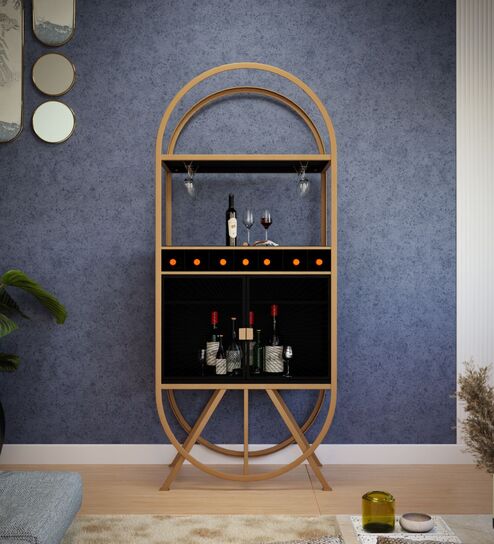

Baron Bar Unit In Golden And Black Colour
₹40,999₹61,99934%
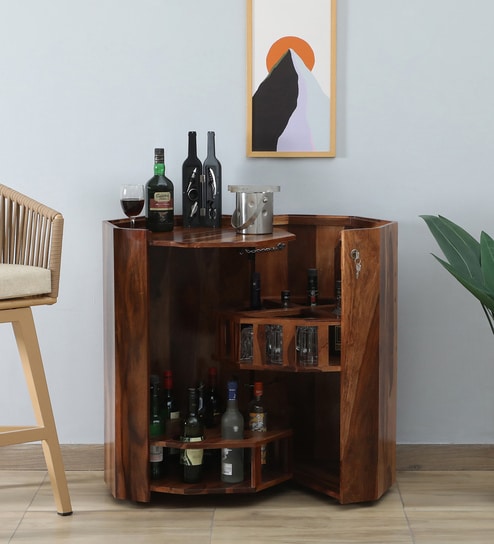
Feurus Sheesham Wood Bar Cabinet In Rustic Teak Finish
₹38,999₹49,99922%

Samsara Solid Wood Bar Unit In Brown Finish
₹50,990₹2,19,90077%

Phoolkari Sheesham Wood Bar Unit In Honey Colour
₹54,790₹1,50,90064%
Filter By More Filters
More Filters Sort By
Showing 1-40 of 64 options inBar Cabinets
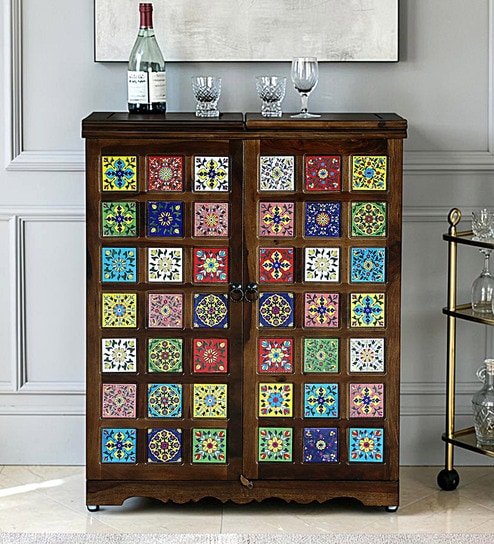
New Arrivals
 +1 more colors
Siramika Sheesham Wood Bar Cabinet In Provincial Teak Finish
By Mudramark from Pepperfry
36-Month Warranty Available
₹69,999 ₹92,999 (25% off)
EMI starting from ₹3,361/month

Best Seller
Bliss Bar Cabinet In Dark Elm Finish
By Mintwud from Pepperfry
36-Month Warranty Available
₹20,999 ₹28,999 (28% off)
EMI starting from ₹1,009/month
Express Shipping in 1 day
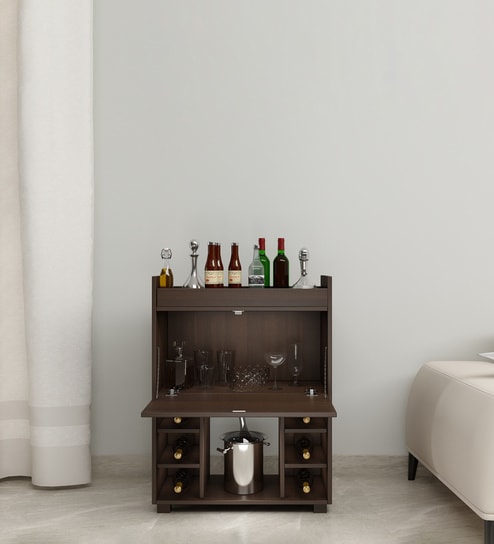
Extra Offer Inside
Olga Bar Cabinet In Dark Elm Finish
By Crystal Furnitech
36-Month Warranty Available
₹10,499 ₹14,532 (28% off)
EMI starting from ₹505/month
Express Shipping in 1 day

Glasgow Sheesham Wood Bar Cabinet In Provincial Teak Finish
By Woodsworth from Pepperfry
36-Month Warranty Available
₹45,999 ₹59,999 (23% off)
EMI starting from ₹2,209/month
Express Shipping in 1 day
Trending
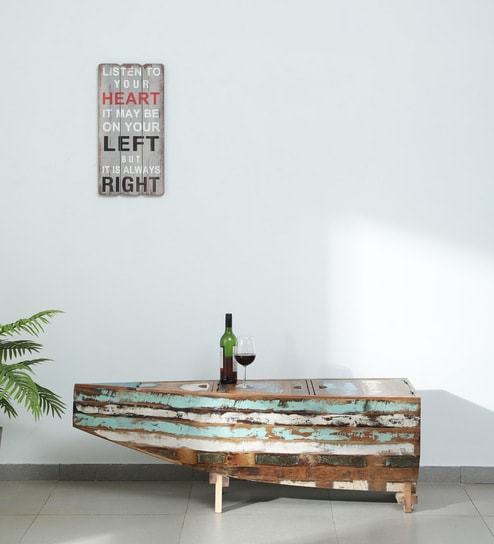
Azealia Reclaimed Wood Bar Cabinet In Distress Finish
By Bohemiana from Pepperfry
60-Month Warranty Available
₹24,999 ₹47,999 (48% off)
EMI starting from ₹1,201/month
Express Shipping in 1 day

Nebula Bar Cabinet In Lyon Teak & Frosty White Finish
By Wood you
12-Month Warranty Available
₹8,604 ₹11,299 (24% off)
EMI starting from ₹414/month
Ships in 4 days
Trending
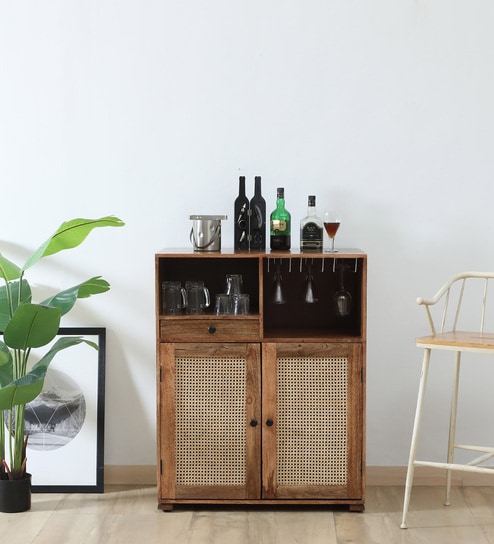
Baarn Mango Wood 2 Door Bar Cabinet In Rustic Teak Finish
By Woodsworth from Pepperfry
36-Month Warranty Available
₹42,999 ₹54,999 (22% off)
EMI starting from ₹2,065/month
Express Shipping in 1 day

Anne Sheesham Wood Tall Bar Cabinet In Provincial Teak Finish
By Amberville from Pepperfry
36-Month Warranty Available
₹20,999 ₹55,999 (63% off)
EMI starting from ₹1,009/month
Express Shipping in 1 day
Feurus Sheesham Wood Bar Cabinet In Rustic Teak Finish
By Woodsworth from Pepperfry
36-Month Warranty Available
₹38,999 ₹49,999 (22% off)
EMI starting from ₹1,873/month

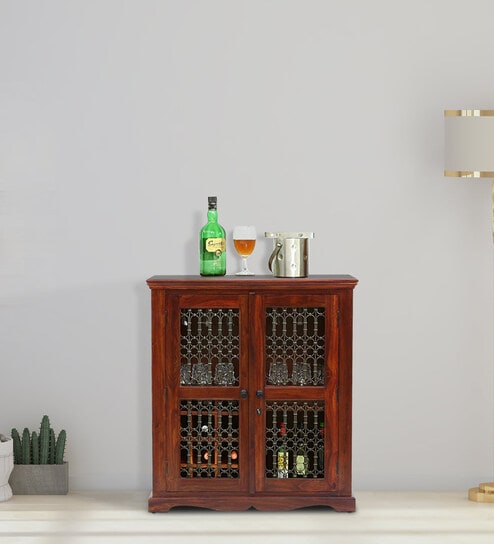
Chandler Sheesham Wood Bar Cabinet In Provincial Teak Finish
By Mudramark from Pepperfry
36-Month Warranty Available
₹7,249 ₹21,999 (67% off)
EMI starting from ₹349/month
Express Shipping in 1 day
 +1 more colors
Stafford Sheesham Wood Bar Cabinet In Scratch Resistant Honey Oak Finish
By Amberville from Pepperfry
36-Month Warranty Available
₹45,999 ₹68,999 (33% off)
EMI starting from ₹2,209/month
Express Shipping in 1 day
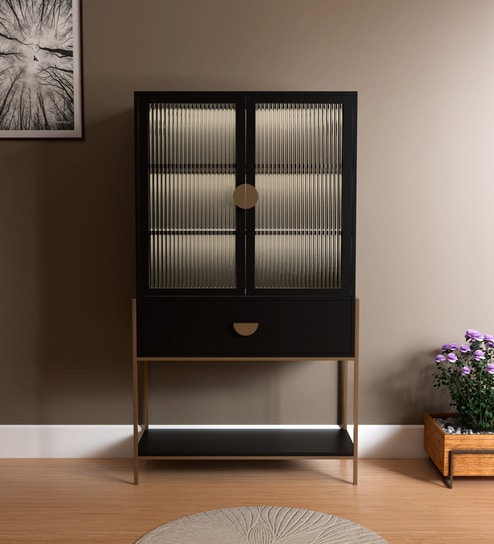
Bodega Bar Unit In Black Colour
By Mintwud from Pepperfry
12-Month Warranty Available
₹32,999 ₹46,499 (29% off)
EMI starting from ₹1,585/month
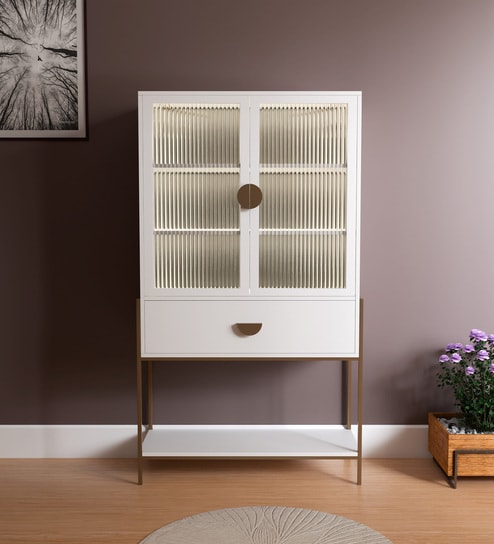
Bodega Bar Unit In White Colour
By Mintwud from Pepperfry
12-Month Warranty Available
₹32,999 ₹46,499 (29% off)
EMI starting from ₹1,585/month

Bravo Bar Cabinet In Frosty White Matte Finish
By A GLOBIA CREATIONS
36-Month Warranty Available
₹11,099 ₹16,603 (33% off)
EMI starting from ₹533/month

Model Z All-In-One Metal Bar Cabinet In Brown Finish With Built-In 30L Fridge
By HAUS OF BARS by SpeedX
12-Month Warranty Available
₹63,999 ₹97,199 (34% off)
EMI starting from ₹3,073/month
Extra Offer Inside
Samsara Solid Wood Bar Unit In Brown Finish
By HomeTown
12-Month Warranty Available
₹50,990 ₹2,19,900 (77% off)
EMI starting from ₹2,449/month
Express Shipping in 2 days
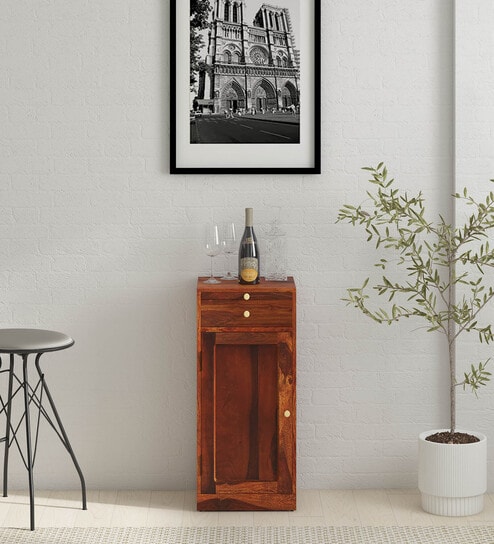
Verbania Sheesham Wood Bar Cabinet In Honey Oak Finish
By Woodsworth from Pepperfry
36-Month Warranty Available
₹17,499 ₹22,999 (24% off)
EMI starting from ₹841/month

Double Model X Steel Bar Cabinet In Matt Black Finish With 30L Fridge
By HAUS OF BARS by SpeedX
12-Month Warranty Available
₹82,999 ₹1,18,899 (30% off)
EMI starting from ₹3,986/month

Extra Offer Inside
Burgh Bar Cabinet In White Finish
By Sivom
12-Month Warranty Available
₹8,999 ₹13,999 (36% off)
EMI starting from ₹433/month
 +10 more colors
Model X All-In-One Metal Bar Cabinet In Matte Black Finish With Built-In 30L Fridge
By HAUS OF BARS by SpeedX
12-Month Warranty Available
₹44,999 ₹72,799 (38% off)
EMI starting from ₹2,161/month
Extra Offer Inside
Phoolkari Sheesham Wood Bar Unit In Honey Colour
By HomeTown
12-Month Warranty Available
₹54,790 ₹1,50,900 (64% off)
EMI starting from ₹2,631/month
Express Shipping in 2 days

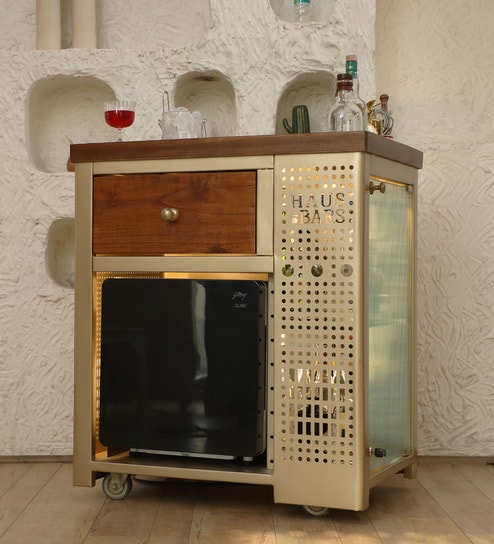
Double Model X All-In-One Metal Bar Cabinet In Matt Gold Finish With Built-In 2 - 30L Fridge
By HAUS OF BARS by SpeedX
12-Month Warranty Available
₹82,999 ₹1,18,899 (30% off)
EMI starting from ₹3,986/month
 +3 more colors
Model X Home Bar In Matte Gold Finish With Built In 30L Fridge
By HAUS OF BARS by SpeedX
12-Month Warranty Available
₹53,999 ₹78,899 (32% off)
EMI starting from ₹2,593/month
 +10 more colors
Model X All-In-One Metal Bar Cabinet in Matt Black Finish With Built-In 30L Godrej Qube Fridge & Wheels
By HAUS OF BARS by SpeedX
12-Month Warranty Available
₹44,999 ₹72,799 (38% off)
EMI starting from ₹2,161/month
 +10 more colors
Model X All-In-One Metal Bar Cabinet In Satvario Marble Finish With Built-In 30L Fridge
By HAUS OF BARS by SpeedX
12-Month Warranty Available
₹49,999 ₹80,699 (38% off)
EMI starting from ₹2,401/month
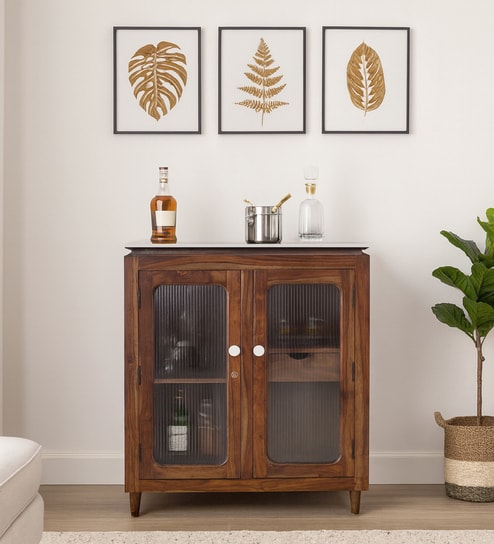
Amalfi Sheesham Wood Bar Cabinet In Provincial Teak Finish With Porcelain Top
By Woodsworth from Pepperfry
36-Month Warranty Available
₹40,999 ₹50,999 (20% off)
EMI starting from ₹1,969/month

Model X All-In-One Metal Bar Cabinet in Gold Lattice Finish With Built-In 30L Godrej Qube Fridge & Wheels
By HAUS OF BARS by SpeedX
12-Month Warranty Available
₹53,999 ₹78,899 (32% off)
EMI starting from ₹2,593/month
 +10 more colors
All-In-One Metal Bar Cabinet In Green Finish With Built-In 30L Fridge
By HAUS OF BARS by SpeedX
12-Month Warranty Available
₹45,999 ₹80,699 (43% off)
EMI starting from ₹2,209/month
 +10 more colors
All-In-One Metal Bar Cabinet In Brown Finish With Coffee Percolator, Frother & Electric Kettle
By HAUS OF BARS by SpeedX
12-Month Warranty Available
₹37,999 ₹51,199 (26% off)
EMI starting from ₹1,825/month
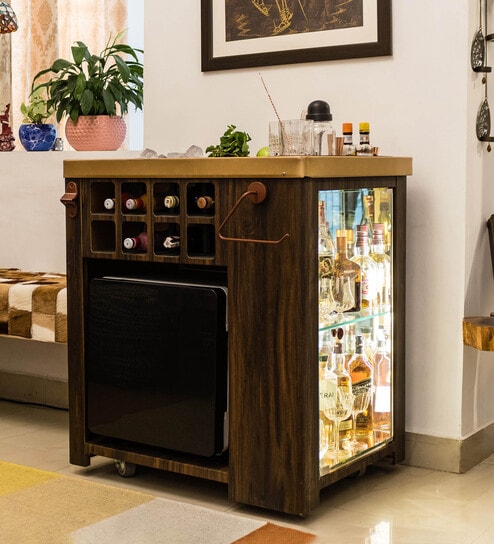 +10 more colors
Model X All-In-One Metal Bar Cabinet In Wooden Vinyl Finish With In-Built 30L Fridge
By HAUS OF BARS by SpeedX
12-Month Warranty Available
₹51,999 ₹80,699 (36% off)
EMI starting from ₹2,497/month
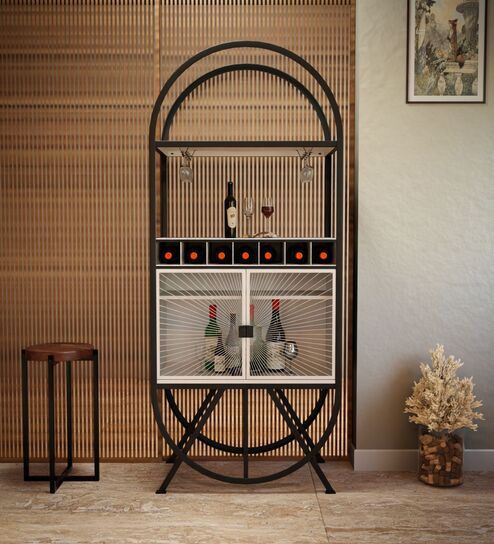
Baron Bar Unit In Black And White Colour
By Mintwud from Pepperfry
12-Month Warranty Available
₹40,999 ₹61,999 (34% off)
EMI starting from ₹1,969/month
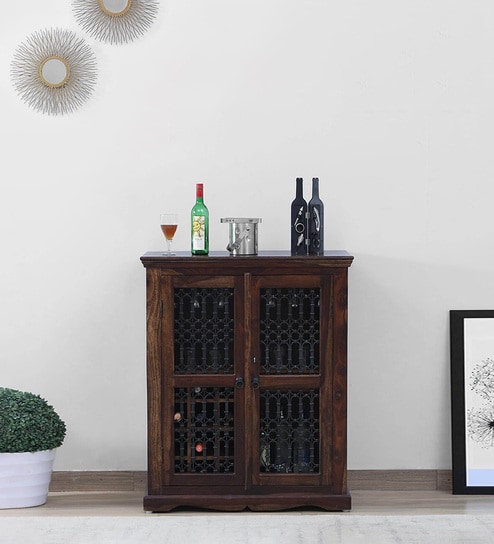 +1 more colors
Stafford Sheesham Wood Bar Cabinet In Scratch Resistant Provincial Teak Finish
By Amberville from Pepperfry
36-Month Warranty Available
₹44,999 ₹65,999 (32% off)
EMI starting from ₹2,161/month
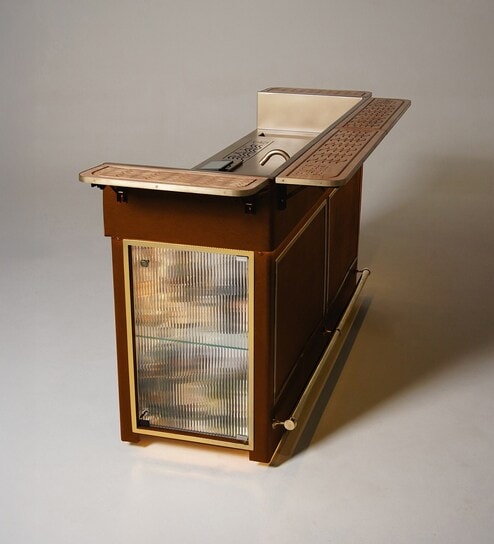 +1 more colors
Model X 2.0 Metal Bar Cabinet With Dual Fridge And Wireless Charging Port In Tuscan Finish
By HAUS OF BARS by SpeedX
12-Month Warranty Available
₹1,29,999 ₹1,79,999 (28% off)
EMI starting from ₹6,242/month
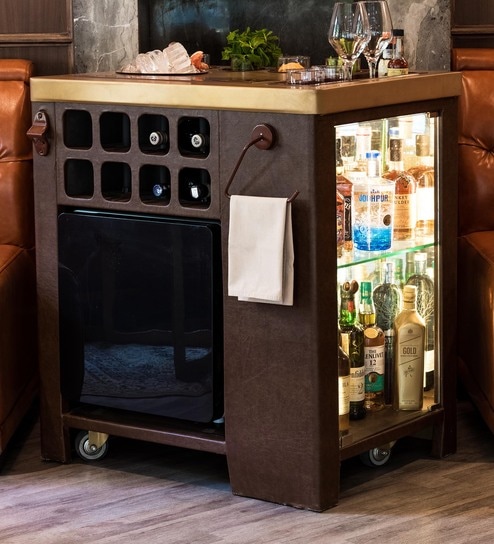 +10 more colors
Model X All-In-One Metal Bar Cabinet In Matt Gold Finish With Built-In 30L Fridge
By HAUS OF BARS by SpeedX
12-Month Warranty Available
₹51,999 ₹80,699 (36% off)
EMI starting from ₹2,497/month
 +10 more colors
Model X All-In-One Metal Bar Cabinet In Blue Finish With Built-In 30L Fridge
By HAUS OF BARS by SpeedX
12-Month Warranty Available
₹49,999 ₹80,699 (38% off)
EMI starting from ₹2,401/month

Chavez Leatherette Two Door Bar Cabinet In Wine Red Colour
By Bohemiana from Pepperfry
36-Month Warranty Available
₹89,999 ₹1,17,999 (24% off)
EMI starting from ₹4,322/month
 +10 more colors
All-In-One Metal Bar Cabinet In Ruby Red Finish With Built-In 30L Fridge
By HAUS OF BARS by SpeedX
12-Month Warranty Available
₹45,999 ₹80,699 (43% off)
EMI starting from ₹2,209/month
 +3 more colors
Model X Home Bar In Matte White Finish With Built In 30L Fridge
By HAUS OF BARS by SpeedX
12-Month Warranty Available
₹53,999 ₹78,899 (32% off)
EMI starting from ₹2,593/month
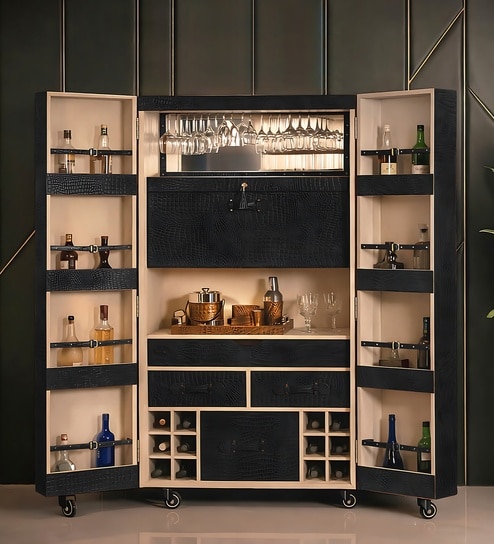
Extra Offer Inside
+3 more colorsRelic Leather Bar Cabinet In Black Finish
By Three sixty
12-Month Warranty Available
₹2,51,100 ₹2,79,000 (10% off)
EMI starting from ₹12,057/month
 +10 more colors
Model X All-In-One Metal Bar Cabinet In Olive Green Finish With Built-In 30L Fridge
By HAUS OF BARS by SpeedX
12-Month Warranty Available
₹44,999 ₹72,799 (38% off)
EMI starting from ₹2,161/month
Didn't Find What You Were Looking For? Share your Feedback with Us ->
Bar Cabinets for Home - Stylish Storage for Spirits and Glassware
Your living room says a lot about you. It shifts from a quiet retreat after work to a lively hub when friends drop by. A bar cabinet for home bridges these two moods beautifully. More than just storage, it signals that your space is ready for celebration at any moment.
At Pepperfry, we have spent over a decade helping Indian homeowners furnish their spaces with style and practicality. Our collection features bar cabinets, bar counters, and mini bars in a range of designs.
From vintage trunk styles to sleek wall-mounted options, each piece serves a real purpose while adding visual interest to your room. The right unit makes entertaining effortless while keeping your drinks collection organized and ready to serve.
Expert Quote: Today, a home bar is sleek and minimal, and the 'chilling at home' brigade, everyone from millennials to the baby boomers, love to entertain at home even for a party between two friends. - Architectural Digest
What are Bar Cabinets, Bar Counters and Mini Bars for Home?
People often use these terms interchangeably, but each format serves a different purpose.
Understanding the differences helps you pick the right unit for your space, storage needs, and entertaining style. Here is a quick breakdown of what sets them apart, plus the features they share.
Bar Cabinets
Bar cabinets are enclosed, cupboard-style units with doors that hide your bottles and glasses when not in use. They range from compact pieces that fit in corners to larger standing models with multiple compartments. The enclosed design keeps dust away from glassware and protects your collection from curious children or pets.
Most bar cabinets feature internal shelving, glass racks, and sometimes a drawer for accessories like bottle openers and coasters. This format works well if you prefer a tidy look when you are not hosting. Doors swing open to reveal your collection, then close to restore a clean visual line in your room.
Bar Counters
Bar counters are taller units, often at standing height, that create a dedicated entertaining zone. Many designs include space for bar stools and chairs on one side, letting guests sit while you mix drinks. The counter surface provides room to lay out spirits, mixers, and garnishes during parties.
Bar counters suit larger living rooms or dining areas where you have room for a proper entertaining setup. They become natural gathering points during parties, drawing people in for conversation.
Expert Quote: You should have a generous place at the bar station to lay out the spirits. Consider investing in a cabinet for spirits or a bar refrigerator. - Architectural Digest
Mini Bars
Mini bars are the smallest format, designed for compact homes, studio flats, or bedrooms. They typically hold five to eight bottles along with essential glassware. Trunk-style mini bars add a vintage charm that works in both traditional and modern interiors.
Wall-mounted mini bars offer full functionality without taking up floor space. If you entertain occasionally rather than weekly, a mini bar gives you flexibility without demanding permanent floor area. These portable units can even move outdoors for garden gatherings.
Quick Tip: Measure your intended space before choosing a style. Check both closed and open dimensions for bar cabinets with swing-out doors.
Common Features Across All Types
Regardless of format, most home bar units share certain practical features:
Glass-hanging racks that keep stemware safe and within reach
Bottle storage sections sized for standard wine and spirit bottles
Display shelving to show off decorative decanters or premium labels
Drawer space for barware, napkins, and accessories
The right bar unit transforms how you entertain. Guests naturally gather around it, drinks in hand, conversation flowing. A well-chosen piece does double duty as functional storage and a focal point that lifts your entire room.
Materials That Shape Each Style
Your choice of material affects durability, maintenance, and visual appeal. Here are the most popular options:
Solid Wood: Sheesham and teak remain top choices for Indian homes. These woods resist termites naturally and develop richer tones over time. A solid wood bar cabinet lasts for generations with basic care. The natural grain patterns mean no two pieces look identical.
Metal Frames: Clean lines and industrial charm suit modern apartments. Metal resists termites entirely and wipes clean easily. Paired with glass or wood accents, metal units look sharp in contemporary spaces without demanding much upkeep.
Leather and Leatherette: Premium finishes that feel as good as they look. Genuine leather develops patina over the years, while leatherette offers easier maintenance at a lower cost. Both suit formal living rooms and study spaces particularly well.
Engineered Wood: Budget-friendly and available in many finishes. Lighter weight makes rearranging simpler during room updates. Great for renters or those who refresh their decor often without breaking the bank.
Choosing Between Formats
How do you pick the right format? Consider your lifestyle and space:
Frequent entertainers with large living areas benefit most from bar counters that create a dedicated hosting zone
Occasional hosts in compact homes find mini bars offer the flexibility they need
Those who prefer tidiness appreciate enclosed bar cabinets that keep everything hidden behind doors
Your budget matters too. Mini bars start at accessible price points, while premium bar counters and leather-finished cabinets sit at the higher end. All formats work well when matched to your actual needs rather than aspirations.
How Do You Set Up a Home Bar?
Setting up a home bar involves more than just picking a unit. Placement, size, and coordination with your existing furniture all matter. A thoughtful approach creates an entertaining zone that feels natural in your space rather than awkward or forced.
Choosing the Right Size and Placement
Start by measuring the spot where you plan to place your bar unit. Corner units work well in smaller homes, fitting neatly into unused space without blocking walkways. Larger bar counters need dedicated floor area, ideally near your dining or living room seating.
For compact flats, consider a wall-mounted mini bar or trunk-style unit that can move between rooms. In spacious homes, a standing bar counter anchors the entertaining area and gives guests a natural gathering point. Leave adequate clearance for doors and drawers to open fully without obstruction.
Styling Note: Position your bar unit away from direct sunlight, which can fade finishes and affect bottle contents over time.
Coordinating with Your Decor
Your home bar should complement your existing furniture, not clash with it. Match wood tones where possible. If your living room features dark sheesham, pick a bar cabinet in similar shades. Modern spaces with metal accents pair well with metal-framed bar units.
Consider the overall colour palette too. A leather-clad bar cabinet adds warmth to neutral rooms, while a bone inlay piece becomes a statement in minimalist interiors. Complete your setup with matching accessories. Add bar table sets for a cohesive look, or place a couple of stools nearby for casual seating.
Organisation Inside Your Bar Unit
Once your bar cabinet is in place, smart organisation makes hosting smoother:
Top shelf: Premium bottles and decorative pieces you want to display
Eye level: Frequently used spirits and everyday glasses
Lower shelves: Backup bottles, mixers, and bulk storage
Drawers: Bar tools, napkins, coasters, and trivets
Group bottles by type or height for visual rhythm. Leave space for new additions to your collection. A well-organised bar cabinet makes drink preparation faster and more enjoyable for both you and your guests.
Pro Tip: Cocktail recipe books double as decorative elements on open shelves while giving guests conversation starters.
Frequently Asked Questions (FAQs)
1. How many bottles and glasses does a standard bar cabinet hold?
Compact units typically hold five to eight bottles along with essential glassware. Standing cabinets store fifteen to thirty bottles, depending on shelf configuration. Most medium sized bar cabinets comfortably fit ten to fifteen bottles with room for six to eight glasses and accessories.
2. What is the difference between a bar cabinet and a bar counter?
Bar cabinets are enclosed units with doors, designed to hide bottles when not in use. Bar counters are taller, standing height pieces with open or semi open surfaces for drink preparation and serving. Counters often include space for stools on one side, creating a social zone.
3. Does a bar cabinet include a wine rack or glass hanging storage?
Many bar cabinets feature built in wine racks and glass hanging rails, but specifications vary by model. Check the product page for details on internal storage features before ordering.
4. Is assembly required on delivery?
Most bar cabinets require some assembly. Pepperfry offers expert installation services to ensure your unit is set up correctly and safely in your home.
5. What warranty covers the hinges and hardware?
Warranty terms vary by manufacturer and model. Check the product listing for specific coverage details on hinges, handles, and other hardware components before making your purchase.
6. What size bar cabinet suits a small apartment?
Look for mini bars or trunk style units measuring 60 to 80 cm wide. Wall mounted options save floor space entirely. Corner units also work well in tight spots without blocking walkways or overwhelming smaller rooms.
Bar Cabinets Price List
- Product List
- PRICE
Bodega Bar Unit In Black Colour
- ₹32,999
Model X 2.0 Metal Bar Cabinet With Dual Fridge And Wireless Charging Port In Tuscan Finish
- ₹1,29,999
Double Model X All-In-One Metal Bar Cabinet In Matt Gold Finish With Built-In 2 - 30L Fridge
- ₹82,999
All-In-One Metal Bar Cabinet In Brown Finish With Coffee Percolator, Frother & Electric Kettle
- ₹37,999
This data was last updated on 2026/10/08
Most Searched In Bar Cabinets
Bar Chairs Bar Stools and Chairs Bar Stools Bar Trolleys Bar Furniture Modern Bar Stools Modern Bar Chairs Bar Table Sets Bar Seating Contemporary Bar Stools Eclectic Bar Stools Traditional Bar Stools Contemporary Bar Chairs Traditional Bar Chairs Electric Bar Chairs Sheesham Wood Contemporary Bar Stools Metal Eclectic Bar Stools Bar Cabinets with Metal Top  FurnitureSofas, Sectional Sofas, Sofa Cum Beds, Chaise Loungers, Bean Bags, Recliners, Sofa Chairs, Settees & Benches, Ottomans, Chairs, Gaming Chairs, Stools & Pouffes, Shoe Racks, Centre Tables, Side Tables, TV & Media Units, Cabinets & Sideboards, Book Shelves, Book Cases, Dining Sets, Dining Chairs, Dining Tables, Crockery Units, Bar Furniture, Beds, Bedside Tables, Trunks, Chest of Drawers, Dressing Tables, Screens and Dividers, Wardrobes, Kids and Teens, Study Tables, Office Furniture, Home Temples, Wall Shelves and Cabinets, Outdoor, Massagers, Furniture Care
- Sofas
- Sectional Sofas
- Sofa Cum Beds
- Chaise Loungers
- Bean Bags
- Recliners
- Sofa Chairs
- Settees & Benches
- Ottomans
- Chairs
- Gaming Chairs
- Stools & Pouffes
- Shoe Racks
- Centre Tables
- Side Tables
- TV & Media Units
- Cabinets & Sideboards
- Book Shelves
- Book Cases
- Dining Sets
- Dining Chairs
- Dining Tables
- Crockery Units
- Bar Furniture
- Beds
- Bedside Tables
- Trunks
- Chest of Drawers
- Dressing Tables
- Screens and Dividers
- Wardrobes
- Kids and Teens
- Study Tables
- Office Furniture
- Home Temples
- Wall Shelves and Cabinets
- Outdoor
- Massagers
- Furniture Care
 Sofas & SeatingSofas, Sofa Sets, Sectional Sofas, Sofa Cum Beds, Recliners, Recliner Sets, Chaise Loungers, Sofa Chairs, Bean Bags, Accent Chairs, Office Chairs, Gaming Chairs, Dining Chairs, Bar Seating, Settees & Benches, Ottomans, Stools & Pouffes, Outdoor Seating, Furniture Care, Top Collections, Top Brands
- Sofas
- Sofa Sets
- Sectional Sofas
- Sofa Cum Beds
- Recliners
- Recliner Sets
- Chaise Loungers
- Sofa Chairs
- Bean Bags
- Accent Chairs
- Office Chairs
- Gaming Chairs
- Dining Chairs
- Bar Seating
- Settees & Benches
- Ottomans
- Stools & Pouffes
- Outdoor Seating
- Furniture Care
- Top Collections
- Top Brands
 MattressesKing Size Mattresses, Queen Size Mattresses, Single Size Mattresses, Foldable Mattresses, Crib Mattresses, Mattress Protectors, Mattress Toppers, Pillows, Mattresses By Feature, Top Brands
- King Size Mattresses
- Queen Size Mattresses
- Single Size Mattresses
- Foldable Mattresses
- Crib Mattresses
- Mattress Protectors
- Mattress Toppers
- Pillows
- Mattresses By Feature
- Top Brands
 Home DecorVases, Figurines, Collectibles, Showpieces, Home Utility, Table Decor, Kids Decor, Photo Frames, Candles, Candle Stands, Decor Gift Sets, Spiritual, Home Fragrances, Appliances, Prayer Essentials, Artificial Plants & Flowers, Festive Decor, Gardening, Pots and Planters, Outdoor Decor, Wall Hangings, Wall Shelves, Wall Cabinets, Set Top Box Holders, Key Holders, Jharokhas, Screens & Dividers, Wall Decor, Wall Art and Paintings, Wallpapers & Decals, Clocks, Mirrors, Gifting
- Vases
- Figurines
- Collectibles
- Showpieces
- Home Utility
- Table Decor
- Kids Decor
- Photo Frames
- Candles
- Candle Stands
- Decor Gift Sets
- Spiritual
- Home Fragrances
- Appliances
- Prayer Essentials
- Artificial Plants & Flowers
- Festive Decor
- Gardening
- Pots and Planters
- Outdoor Decor
- Wall Hangings
- Wall Shelves
- Wall Cabinets
- Set Top Box Holders
- Key Holders
- Jharokhas
- Screens & Dividers
- Wall Decor
- Wall Art and Paintings
- Wallpapers & Decals
- Clocks
- Mirrors
- Gifting
 FurnishingsBed Sheets, Blankets & Quilts, Pillows, Bath Linen, Bed Linen, Curtains, Curtain Accessories, Laundry Baskets, Mosquito Nets, Furnishing Gift Sets, Cushions & Covers, Sofa Covers & Throws, Chair Covers & Pads, Carpets, Dhurries, Runners, Door Mats, Bath Mats, Prayer Mats, Picnic Mats, Yoga Mats, Kids Furnishings, Pet Furnishings, Top Brands
- Bed Sheets
- Blankets & Quilts
- Pillows
- Bath Linen
- Bed Linen
- Curtains
- Curtain Accessories
- Laundry Baskets
- Mosquito Nets
- Furnishing Gift Sets
- Cushions & Covers
- Sofa Covers & Throws
- Chair Covers & Pads
- Carpets
- Dhurries
- Runners
- Door Mats
- Bath Mats
- Prayer Mats
- Picnic Mats
- Yoga Mats
- Kids Furnishings
- Bed Sheets
- Carpets & Mats
- Kids Blankets and Comforters
- Pillows and Covers
- Cushion Covers
- Towels
- Bedding Sets
- Curtains
- Baby Mats
- Pet Furnishings
- Top Brands
 Lamps & LightingFloor Lamps, Shelf Floor Lamps, Table Lamps, Night Lamps, Work and Study Lamps, Lamp Shades, Kids Lamps, Ceiling Lights, Wall Lights, Smart Lights, Outdoor Lights, Decorative Lights, Emergency Lights, Bulbs, Top Brands
- Floor Lamps
- Shelf Floor Lamps
- Table Lamps
- Night Lamps
- Work and Study Lamps
- Lamp Shades
- Kids Lamps
- Ceiling Lights
- Wall Lights
- Smart Lights
- Outdoor Lights
- Decorative Lights
- Emergency Lights
- Bulbs
- Top Brands
 Kitchen & DiningServeware, Jugs, Bakeware, Dinnerware, Cookware, Cooking Tools, Drinkware, Bottles, Flasks, Sippers, Barware, Teaware, Knives & Cutlery, Table Essentials, Jars and Containers, Kitchen Organizers, Lunch Boxes, Kids Kitchenware & Tableware, Gift Sets, Kitchen Linen, Table Linen, Kitchen Appliances, Top Brands
- Serveware
- Serving Bowls
- Casseroles
- Butter Dishes
- Serving Trays
- Tray Sets
- Appetizer Platters
- Cheese Boards
- Cake Stands
- Cloche
- Jugs
- Bakeware
- Dinnerware
- Cookware
- Cooking Tools
- Spatulas, Ladles and Tongs
- Knives and Choppers
- Chopping Boards
- Rolling Pins and Boards
- Strainers and Whisks
- Cooking Preparation Tools
- Drinkware
- Bottles
- Flasks
- Sippers
- Barware
- Barware Sets
- Bar Tools
- Ash Trays
- Wine Holders & Coolers
- Carafes and Decanters
- Dispensers
- Ice Buckets & Moulds
- Teaware
- Knives & Cutlery
- Table Essentials
- Jars and Containers
- Kitchen Organizers
- Lunch Boxes
- Kids Kitchenware & Tableware
- Gift Sets
- Kitchen Linen
- Table Linen
- Kitchen Appliances
- Top Brands
 LuxuryLiving Room, Bedroom, Dining Room, Home Office
 Modular