Sign Up & Get Rs.5,000 OFF On Your First Purchase




Solid Door Mats
A solid door mat offers a clean, timeless look for any entryway. These plain, unpatterned mats trap dirt and dust while blending with your home's decor. Pepperfry brings you solid door mats in coir, rubber, cotton, and PVC materials. Choose from multiple sizes and rich colour options to suit main entrances, balconies, or indoor spaces. Each mat is built to handle daily foot traffic while keeping your floors spotless.
More


Filter By More Filters
Sort By
Showing 1-40 of 49 options inSolid Door Mats


Green Polyester 24x16 Inches Anti Skid Grass Door Mat
By Utility jet
₹299 ₹499 (40% off)
Express Shipping in 2 days

Artificial Grass Antiskid Doormat
By Status
₹299 ₹999 (70% off)
Express Shipping in 2 days

Silver Solid Rubber 24x16 Inches Antiskid Door Mat
By Aaho Decor
₹450 ₹1,000 (55% off)
Express Shipping in 2 days

Coffee Solid Rubber 24x16 Inches Antiskid Door Mat
By Aaho Decor
₹350 ₹1,000 (65% off)
Express Shipping in 2 days

Maroon Solid Rubber 24x16 Inches Antiskid Door Mat
By Aaho Decor
₹350 ₹1,000 (65% off)
Express Shipping in 2 days
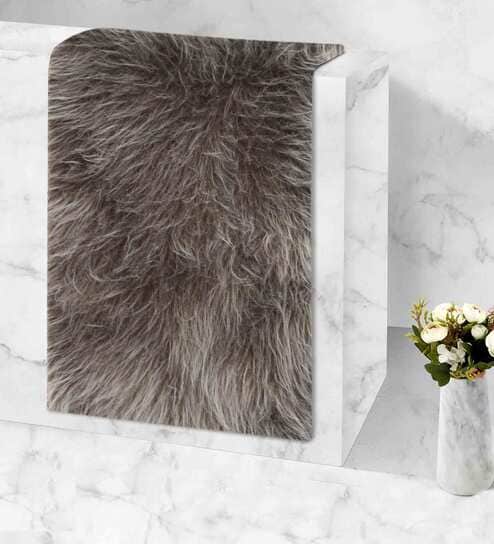
Polyster 24 x 16 Inches Mat in Grey Color
By Luxe Home International
₹499
Express Shipping in 1 day
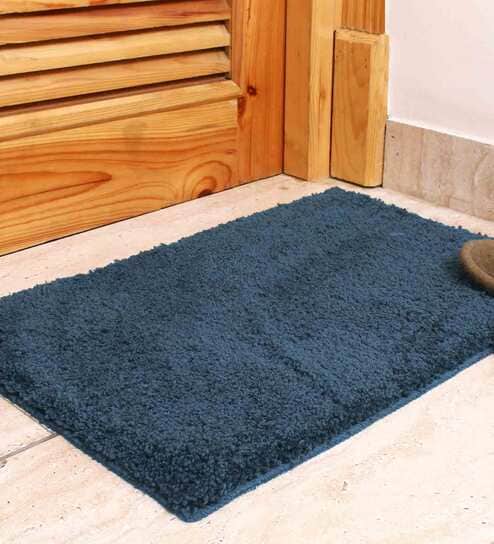
Blue Solid Polyester 16 x 24 Inches Anti Skid Door Mat
By Luxe Home International
₹438 ₹698 (37% off)
Express Shipping in 2 days

Brown Solid Polyester 24 x 16 Inches Anti Skid Door Mat
By Fabinaliv
₹497 ₹1,659 (70% off)
Express Shipping in 1 day

Beige Solid Coir 24 x 16 Inches Stain Resistant Door Mat
By Saral Home
₹664 ₹999 (34% off)
Express Shipping in 2 days

Navy Blue Solid Microfibre 17x12 Inches AntiSkid Door Mat
By Luxe Home International
₹299 ₹499 (40% off)
Express Shipping in 2 days

Green Solid Rubber 24x16 Inches Antiskid Door Mat
By Aaho Decor
₹450 ₹1,000 (55% off)
Express Shipping in 2 days

Blue Solid Rubber 24x16 Inches Antiskid Door Mat
By Aaho Decor
₹450 ₹1,000 (55% off)
Express Shipping in 2 days

Blue Polyester 24 x 16 Inches Ankiskd Floor Mat
By Luxe Home International
₹479 ₹1,090 (56% off)
Express Shipping in 2 days

Orange Coir Plain Solid 24X16 Inch Stain Resistant Door Mat
By Saral Home
₹664 ₹999 (34% off)
Express Shipping in 2 days

Red Coir Plain Solid 36X18 Inch Stain Resistant Door Mat
By Saral Home
₹1,092 ₹1,499 (27% off)
Express Shipping in 2 days

Green Coir Plain Solid 36X18 Inch Stain Resistant Door Mat
By Saral Home
₹1,092 ₹1,499 (27% off)
Express Shipping in 2 days

 +3 more colors
Chocolate Solid Polyester 30x18 Inches AntiSkid Door Mat
By Luxe Home International
₹623 ₹1,099 (43% off)
Express Shipping in 2 days

Polyster 24 x 16 Inches Mat in Golden Color
By Luxe Home International
₹361 ₹698 (48% off)
Express Shipping in 2 days

Green Solid Coir 24 x 16 Inches Stain Resistant Door Mats (Set of 2)
By Saral Home
₹664 ₹999 (34% off)
Express Shipping in 2 days
 +3 more colors
Maroon Solid Polyester 30x18 Inches AntiSkid Door Mat
By Luxe Home International
₹623 ₹1,099 (43% off)
Express Shipping in 2 days

Polyster 24 x 16 Inches Mat in Grey Color
By Luxe Home International
₹479 ₹1,090 (56% off)
Express Shipping in 2 days
 +3 more colors
Gold Solid Polyester 30x18 Inches AntiSkid Door Mat
By Luxe Home International
₹623 ₹1,099 (43% off)
Express Shipping in 2 days
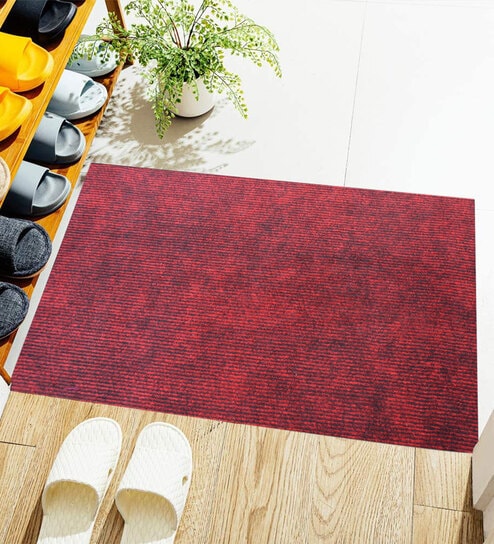 +3 more colors
Maroon Solid Microfibre 24x16 Inches AntiSkid Door Mat
By Luxe Home International
₹438 ₹499 (12% off)
Express Shipping in 2 days

Daily Deal
+3 more colorsCamel Solid Microfibre 24x16 Inches AntiSkid Door Mat
By Luxe Home International
₹139 ₹499 (72% off)
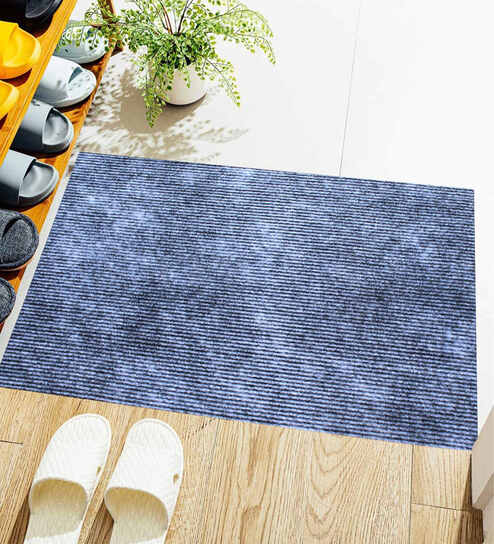 +3 more colors
Grey Solid Microfibre 24x16 Inches AntiSkid Door Mat
By Luxe Home International
₹402 ₹499 (19% off)
Express Shipping in 2 days

Brown Solid Polyester 5 x 3 Inches Anti Skid Door Mat
By Luxe Home International
₹461 ₹698 (34% off)
Express Shipping in 2 days

Brown Solid Polyester 24 x 16 Inches Anti Skid Door Mat
By Luxe Home International
₹461 ₹698 (34% off)
Express Shipping in 2 days

Maroon Solid Polyester 5 x 3 Inches Anti Skid Door Mat
By Luxe Home International
₹402 ₹698 (42% off)
Express Shipping in 2 days

Grey Solid Polyester 5 x 3 Inches Anti Skid Door Mat
By Luxe Home International
₹461 ₹698 (34% off)
Express Shipping in 2 days

Orange Solid Polyester 5 x 3 Inches Anti Skid Door Mat
By Luxe Home International
₹461 ₹698 (34% off)
Express Shipping in 2 days

Grey Solid Polyester 5 x 3 Inches Anti Skid Door Mat
By Luxe Home International
₹461 ₹1,090 (58% off)
Express Shipping in 2 days
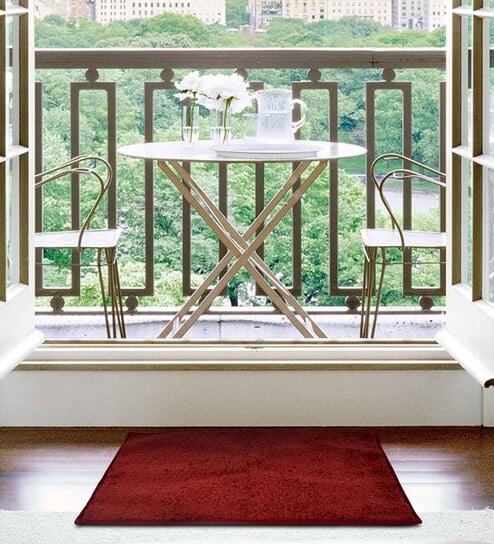
Maroon Solid Microfibre 24x16 Inches Anti Skid 2 Bathmat
By Divine Casa
₹299 ₹1,299 (77% off)

Polyster 24 x 16 Inches Mat in Red
By Luxe Home International
₹479 ₹1,090 (56% off)
Express Shipping in 2 days

Green Solid Polyester 15 x 23 Inches Anti Skid Door Mat
By Status
₹427 ₹799 (47% off)
Express Shipping in 2 days
 +3 more colors
Gold Solid Polyester 30x18 Inches AntiSkid Door Mat
By Luxe Home International
₹623 ₹1,099 (43% off)
Express Shipping in 2 days
 +3 more colors
Blue Solid Microfibre 24x16 Inches AntiSkid Door Mat
By Luxe Home International
₹334 ₹499 (33% off)
Express Shipping in 2 days

Multicolor Solid Poly Propylene 24 x 16 Inches Anti Skid Door Mat
By Saral Home
₹999 ₹1,899 (47% off)
Express Shipping in 2 days
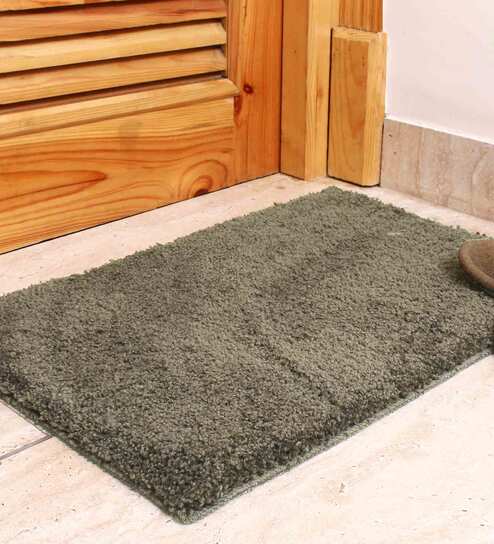
Polyster 24 x 16 Inches Mat in Beige Color
By Luxe Home International
₹461 ₹698 (34% off)
Express Shipping in 2 days

Grey Solid Polyester 5 x 3 Inches Anti Skid Door Mat
By Luxe Home International
₹461 ₹698 (34% off)
Express Shipping in 2 days

Grey Solid Polyester 16x24 Inches Anti Skid Door Mat
By Luxe Home International
₹461 ₹698 (34% off)
Express Shipping in 2 days
Didn't Find What You Were Looking For? Share your Feedback with Us ->
Solid Door Mats: Practical Entry Solutions for Every Indian Home
Your entryway sets the tone for your entire home. A solid door mat does more than catch dirt. It creates a welcoming first impression while protecting your flooring from outdoor grime. Plain, single-colour mats work well because they hide everyday dust and coordinate with any interior style you choose.
At Pepperfry, our collection of solid door mats covers materials from natural coir to soft cotton, sizes from compact to extra-large, and colours that range from earthy neutrals to bold statement shades.
Whether you need a sturdy outdoor mat for monsoon season or a plush indoor option for your bedroom entrance, you will find practical choices here. Browse our full doormat collection for even more options.
"Your front door is the first thing people see, and a solid-colored mat is the easiest way to experiment with sophisticated colour blocking." - Good Homes |
Shop for the Best Solid Door Mats Online at Pepperfry
A solid door mat is a plain, durable entry mat without prints or patterns. These straightforward mats work well in Indian homes because they hide dust better than lighter patterned options and need less fuss to maintain.
Pepperfry's online collection makes shopping simple. You can filter by size, material, and colour from your phone or laptop. With detailed product photos and customer reviews, buying a solid door mat online feels as reliable as shopping in person.
Why Choose a Solid Door Mat for Your Home?
Solid door mats suit nearly every home style. Their plain surfaces adapt to changing interiors without clashing. When you redecorate, your mat still fits. Patterned mats can look dated quickly, but solid colours remain timeless year after year.
For high-traffic areas, solid mats perform better. Stains and wear marks blend into the uniform colour rather than disrupting a busy print. This practical advantage means your mat looks fresher for longer, even with daily use.
"In tight urban apartments, a solid door mat with clean, borderless edges stretches the room. Avoid mats with thick painted borders or frames; they clip the floor plan and make a narrow foyer feel boxed in." - Better Interiors |
Key Benefits of Solid Coloured Door Mats
- Dark solid colours hide dirt and shoe marks far better than light patterned mats
- Clean, minimal designs suit modern and traditional home aesthetics equally
- Uniform surfaces show less visible wear over time
- Perfect for busy entrances where multiple family members come and go
- Timeless styling that stays relevant through interior updates
- Simpler to maintain since there is no pattern to keep looking crisp
Material Options for Solid Door Mats
Choosing the right material makes your solid door mat last longer and work better. Each option has distinct strengths for different placements around your home.
Coir Solid Door Mats
Coir comes from coconut fibre, making it a natural scraper for muddy shoes. These mats work best in semi-covered outdoor areas like apartment corridors or covered porches. Shake them out daily and vacuum weekly to keep fibres fresh.
Coir resists moisture naturally, which helps during monsoon months. Budget-friendly pricing makes coir a popular first choice for main entrances.
Rubber Solid Door Mats
Rubber offers heavy-duty durability that handles years of use. The textured surface provides superior grip even when wet, reducing slip hazards at busy doorways. Rubber mats suit all weather conditions and work well for main entrances or commercial spaces.
Cleaning is simple: just hose down and air dry. Expect mid to premium pricing for quality rubber options.
PVC and Polypropylene Solid Door Mats
These lightweight synthetic mats resist stains and dry quickly. Indoor placement works best, though covered outdoor spots are fine too. The quick-dry nature makes them suitable for bathroom entrances and kitchen doorways as well.
Available textures range from smooth to ribbed. Pricing stays affordable, making them an excellent value for multiple-room setups.
Material tip: PVC mats work especially well in humid coastal regions where quick drying prevents mildew buildup.
Cotton Solid Door Mats
Cotton feels soft underfoot and adds a cosy touch to bedroom or study entrances. Machine-washable convenience means easy upkeep. These mats absorb moisture well but need regular washing in humid climates to prevent mildew.
Best suited for low-traffic indoor areas where comfort matters more than heavy-duty scraping. Cotton options often carry premium pricing but offer excellent durability when cared for properly.
Complete Size and Thickness Guide
Picking the right size prevents that awkward look where a mat seems too small for your doorway. Here is how to measure correctly.
Stand at your closed door and measure the width of your doorframe. Your mat should sit comfortably within this width with 5 to 10 centimetres clearance on each side. Standard Indian door widths typically need mats sized around 40 x 60 centimetres or 60 x 90 centimetres.
Size | Best Placement | Recommended Material |
40 x 60 cm | Single doors, interior rooms | Cotton, PVC |
60 x 90 cm | Main entrances, double doors | Coir, Rubber |
90 x 150 cm | Large foyers, commercial spaces | Rubber, Heavy coir |
Thickness affects both comfort and function. Thicker mats (15 mm and above) provide better cushioning but may catch on door swings. Check your door clearance before ordering. For entrances where doors open inward, choose thinner profiles around 10 mm. Heavier mats stay put better, so weight matters for windy balconies or open corridors.
Sizing tip: When shopping for a solid door mat online, always check the product dimensions against your measured space. Photos can be misleading.
How to Choose the Right Solid Door Mat Online?
Buying a solid door mat online needs a bit of planning since you cannot touch or test the product beforehand. Follow these steps to reduce purchase uncertainty.
First, assess your placement needs. Is this an outdoor entrance with direct rain exposure? A covered corridor? An indoor bedroom door? Traffic level and weather exposure determine which material suits best.
Next, match material to location. Coir and rubber handle outdoor use. Cotton and PVC work better indoors. Check the product description for weather resistance ratings.
Colour selection involves two factors: dirt hiding and aesthetics. Dark browns, greys, and deep blues camouflage dust effectively. Light colours show marks faster but brighten dim entryways.
Check the backing type carefully. Non-slip rubber backings protect both the flooring and the users. Felt backings suit wooden floors, where rubber might leave marks.
Weight affects stability. Heavier mats stay anchored better in drafty areas. Lighter mats shift easily but are simpler to move for cleaning.
Finally, read customer reviews for real-world insights. Look for comments about durability after several months and how colours look compared to photos.
Consider pairing your doormat with matching runners for a coordinated entryway look.
Solid Door Mat Maintenance and Care
Proper care extends your mat's lifespan significantly. Different materials need different approaches.
Coir mats benefit from daily shaking to dislodge trapped dirt. Avoid soaking them; instead, spot clean with a damp cloth and let them dry completely in sunlight. During the monsoon, bring them under cover to prevent prolonged dampness.
Rubber mats are the easiest to maintain. Hose them down monthly, scrub with mild soap if needed, and air dry flat. These mats handle moisture well but should not sit in standing water.
PVC mats require regular vacuuming and occasional spot cleaning with a damp cloth. Their quick-dry nature makes them forgiving in humid conditions.
Cotton mats need machine washing every two to four weeks, depending on traffic. Use cold water and mild detergent. Air dry completely before placing back to prevent mildew, especially important in humid summer months.
Expect coir mats to last one to two years with proper care. Rubber mats often exceed three years. Cotton and PVC fall between, depending on washing frequency and traffic intensity.
Care tip: Rotate your mat's position every few months so wear distributes evenly across the surface. |
Frequently Asked Questions About Solid Door Mats
What is the difference between solid and printed door mats?
Solid door mats feature a single uniform colour without patterns, prints, or designs. Printed mats display graphics, text, or decorative patterns. Solid options tend to hide dirt better and suit minimalist interiors more naturally.
Which solid door mat material works best for Indian weather?
Coir and rubber handle Indian weather conditions well. Coir naturally resists moisture during the monsoon, while rubber performs in all seasons. For indoor use, cotton and PVC work fine regardless of external weather.
How do I know what size solid door mat to buy online?
Measure your doorframe width and subtract 10 to 20 centimetres for comfortable clearance on each side. Check that your door swings freely over the mat thickness. Product pages list exact dimensions for comparison.
Are solid door mats slip resistant?
Most solid door mats feature non slip backing made from rubber or textured PVC. Check product descriptions for backing details before ordering. Heavy rubber mats naturally grip floors well even without additional backing.
What is the price of a solid door mat at Pepperfry?
The cost of a solid door mat varies by material and size. Basic PVC options start affordably, while premium rubber or cotton mats carry higher price tags. Filter by price range on the category page to find options within your budget when you buy a solid door mat online.
How long do solid door mats last?
Lifespan depends on material and care. Well maintained rubber mats often last three years or more. Coir typically lasts one to two years. Cotton and PVC fall in between, with regular cleaning extending their useful life.
Can solid door mats be used outdoors?
Yes, coir and rubber solid door mats suit outdoor use. Cotton mats should stay indoors to prevent moisture damage. PVC works in covered outdoor spaces but not direct rain exposure.
Solid Door Mats Price List
- Product List
- PRICE
This data was last updated on 2026/10/16
 FurnitureSofas, Sectional Sofas, Sofa Cum Beds, Chaise Loungers, Bean Bags, Recliners, Sofa Chairs, Settees & Benches, Ottomans, Chairs, Gaming Chairs, Stools & Pouffes, Shoe Racks, Centre Tables, Side Tables, TV & Media Units, Cabinets & Sideboards, Book Shelves, Book Cases, Dining Sets, Dining Chairs, Dining Tables, Crockery Units, Bar Furniture, Beds, Bedside Tables, Trunks, Chest of Drawers, Dressing Tables, Screens and Dividers, Wardrobes, Kids and Teens, Study Tables, Office Furniture, Home Temples, Wall Shelves and Cabinets, Outdoor, Massagers, Furniture Care
- Sofas
- Sectional Sofas
- Sofa Cum Beds
- Chaise Loungers
- Bean Bags
- Recliners
- Sofa Chairs
- Settees & Benches
- Ottomans
- Chairs
- Gaming Chairs
- Stools & Pouffes
- Shoe Racks
- Centre Tables
- Side Tables
- TV & Media Units
- Cabinets & Sideboards
- Book Shelves
- Book Cases
- Dining Sets
- Dining Chairs
- Dining Tables
- Crockery Units
- Bar Furniture
- Beds
- Bedside Tables
- Trunks
- Chest of Drawers
- Dressing Tables
- Screens and Dividers
- Wardrobes
- Kids and Teens
- Study Tables
- Office Furniture
- Home Temples
- Wall Shelves and Cabinets
- Outdoor
- Massagers
- Furniture Care
 Sofas & SeatingSofas, Sofa Sets, Sectional Sofas, Sofa Cum Beds, Recliners, Recliner Sets, Chaise Loungers, Sofa Chairs, Bean Bags, Accent Chairs, Office Chairs, Gaming Chairs, Dining Chairs, Bar Seating, Settees & Benches, Ottomans, Stools & Pouffes, Outdoor Seating, Furniture Care, Top Collections, Top Brands
- Sofas
- Sofa Sets
- Sectional Sofas
- Sofa Cum Beds
- Recliners
- Recliner Sets
- Chaise Loungers
- Sofa Chairs
- Bean Bags
- Accent Chairs
- Office Chairs
- Gaming Chairs
- Dining Chairs
- Bar Seating
- Settees & Benches
- Ottomans
- Stools & Pouffes
- Outdoor Seating
- Furniture Care
- Top Collections
- Top Brands
 MattressesKing Size Mattresses, Queen Size Mattresses, Single Size Mattresses, Foldable Mattresses, Crib Mattresses, Mattress Protectors, Mattress Toppers, Pillows, Mattresses By Feature, Top Brands
- King Size Mattresses
- Queen Size Mattresses
- Single Size Mattresses
- Foldable Mattresses
- Crib Mattresses
- Mattress Protectors
- Mattress Toppers
- Pillows
- Mattresses By Feature
- Top Brands
 Home DecorVases, Figurines, Collectibles, Showpieces, Home Utility, Table Decor, Kids Decor, Photo Frames, Candles, Candle Stands, Decor Gift Sets, Spiritual, Home Fragrances, Appliances, Prayer Essentials, Artificial Plants & Flowers, Festive Decor, Gardening, Pots and Planters, Outdoor Decor, Wall Hangings, Wall Shelves, Wall Cabinets, Set Top Box Holders, Key Holders, Jharokhas, Screens & Dividers, Wall Decor, Wall Art and Paintings, Wallpapers & Decals, Clocks, Mirrors, Gifting
- Vases
- Figurines
- Collectibles
- Showpieces
- Home Utility
- Table Decor
- Kids Decor
- Photo Frames
- Candles
- Candle Stands
- Decor Gift Sets
- Spiritual
- Home Fragrances
- Appliances
- Prayer Essentials
- Artificial Plants & Flowers
- Festive Decor
- Gardening
- Pots and Planters
- Outdoor Decor
- Wall Hangings
- Wall Shelves
- Wall Cabinets
- Set Top Box Holders
- Key Holders
- Jharokhas
- Screens & Dividers
- Wall Decor
- Wall Art and Paintings
- Wallpapers & Decals
- Clocks
- Mirrors
- Gifting
 FurnishingsBed Sheets, Blankets & Quilts, Pillows, Bath Linen, Bed Linen, Curtains, Curtain Accessories, Laundry Baskets, Mosquito Nets, Furnishing Gift Sets, Cushions & Covers, Sofa Covers & Throws, Chair Covers & Pads, Carpets, Dhurries, Runners, Door Mats, Bath Mats, Prayer Mats, Picnic Mats, Yoga Mats, Kids Furnishings, Pet Furnishings, Top Brands
- Bed Sheets
- Blankets & Quilts
- Pillows
- Bath Linen
- Bed Linen
- Curtains
- Curtain Accessories
- Laundry Baskets
- Mosquito Nets
- Furnishing Gift Sets
- Cushions & Covers
- Sofa Covers & Throws
- Chair Covers & Pads
- Carpets
- Dhurries
- Runners
- Door Mats
- Bath Mats
- Prayer Mats
- Picnic Mats
- Yoga Mats
- Kids Furnishings
- Bed Sheets
- Carpets & Mats
- Kids Blankets and Comforters
- Pillows and Covers
- Cushion Covers
- Towels
- Bedding Sets
- Curtains
- Baby Mats
- Pet Furnishings
- Top Brands
 Lamps & LightingFloor Lamps, Shelf Floor Lamps, Table Lamps, Night Lamps, Work and Study Lamps, Lamp Shades, Kids Lamps, Ceiling Lights, Wall Lights, Smart Lights, Outdoor Lights, Decorative Lights, Emergency Lights, Bulbs, Top Brands
- Floor Lamps
- Shelf Floor Lamps
- Table Lamps
- Night Lamps
- Work and Study Lamps
- Lamp Shades
- Kids Lamps
- Ceiling Lights
- Wall Lights
- Smart Lights
- Outdoor Lights
- Decorative Lights
- Emergency Lights
- Bulbs
- Top Brands
 Kitchen & DiningServeware, Jugs, Bakeware, Dinnerware, Cookware, Cooking Tools, Drinkware, Bottles, Flasks, Sippers, Barware, Teaware, Knives & Cutlery, Table Essentials, Jars and Containers, Kitchen Organizers, Lunch Boxes, Kids Kitchenware & Tableware, Gift Sets, Kitchen Linen, Table Linen, Kitchen Appliances, Top Brands
- Serveware
- Serving Bowls
- Casseroles
- Butter Dishes
- Serving Trays
- Tray Sets
- Appetizer Platters
- Cheese Boards
- Cake Stands
- Cloche
- Jugs
- Bakeware
- Dinnerware
- Cookware
- Cooking Tools
- Spatulas, Ladles and Tongs
- Knives and Choppers
- Chopping Boards
- Rolling Pins and Boards
- Strainers and Whisks
- Cooking Preparation Tools
- Drinkware
- Bottles
- Flasks
- Sippers
- Barware
- Barware Sets
- Bar Tools
- Ash Trays
- Wine Holders & Coolers
- Carafes and Decanters
- Dispensers
- Ice Buckets & Moulds
- Teaware
- Knives & Cutlery
- Table Essentials
- Jars and Containers
- Kitchen Organizers
- Lunch Boxes
- Kids Kitchenware & Tableware
- Gift Sets
- Kitchen Linen
- Table Linen
- Kitchen Appliances
- Top Brands
 LuxuryLiving Room, Bedroom, Dining Room, Home Office
 Modular