Sign Up & Get Rs.5,000 OFF On Your First Purchase




Traditional Door Mats
A traditional doormat brings heritage charm and practical value to your home entrance. Pepperfry offers a curated range of classic designs featuring mandala motifs, paisley patterns, and ethnic prints. Crafted from durable coir, jute, and rubber-backed materials, these mats suit both indoor and outdoor doorways. Available in multiple sizes and colours, our collection helps you create a warm, inviting threshold that reflects your personal style.
More


Filter By More Filters
Sort By
Showing 1-5 of 5 options inTraditional Door Mats


Brown Traditional Nylon 22x14 Inches AntiSkid Door Mat
By Athom Living
₹455 ₹599 (24% off)

Multicolor Traditional Nylon 22.5x14.6 Inches AntiSkid 1 Door Mat
By Athom Living
₹455 ₹599 (24% off)
Express Shipping in 2 days
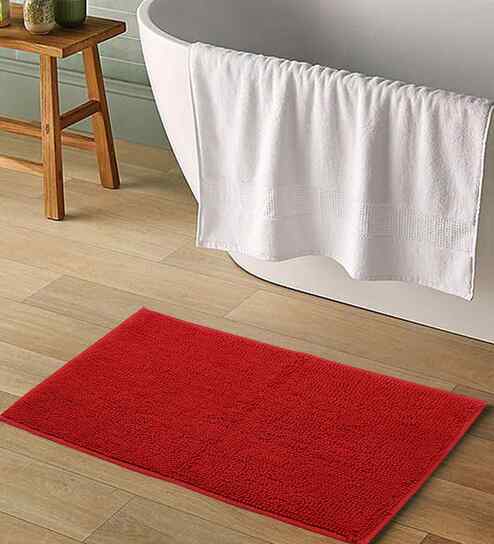
Red Solid Chenille Cotton 32x20 Inches Anti Skid Door Mat
By Jamio Firati
₹699 ₹1,299 (46% off)
Express Shipping in 2 days
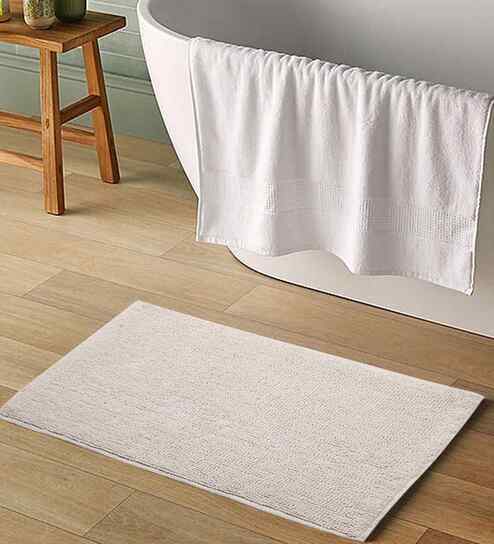
Cream Solid Chenille Cotton 32x20 Inches Anti Skid Door Mat
By Jamio Firati
₹699 ₹1,299 (46% off)
Express Shipping in 2 days

Brown Traditional Polyester 24x16 Inches AntiSkid Door Mat
By Fabinaliv
₹500 ₹1,399 (64% off)
Express Shipping in 2 days
Didn't Find What You Were Looking For? Share your Feedback with Us ->
Traditional Door Mats: Heritage Designs for a Warm Welcome
A traditional doormat does more than catch dirt at your doorstep. It sets the tone for your entire home. These classic mats blend cultural patterns with everyday function, giving guests a warm welcome the moment they arrive.
"The entryway is the first impression that guests get of your home. And just the right doormat can set that tone, whether it's fun or formal." - Houzz |
At Pepperfry, we bring together authentic designs that honour Indian craft traditions. Our collection features handwoven textures, ethnic motifs, and natural materials that have graced Indian homes for generations. Each mat serves a clear purpose: to keep floors clean while adding visual appeal to your entrance.
Whether you prefer bold paisley prints or subtle geometric patterns, finding the right traditional doormat becomes simple when you know what to look for. From material choices to sizing, this page covers everything you need to make a confident purchase.
Traditional Door Mats: Authentic Welcome Accents for Your Home Entrance
A traditional doormat instantly transforms any doorway into an inviting space. These mats combine heritage design elements with practical doorway protection, making them ideal for Indian homes across all regions.
What makes traditional designs so enduring? Cultural continuity plays a big role. Patterns passed down through generations carry meaning and familiarity. A mandala at your entrance or a floral rangoli motif connects your modern home to timeless aesthetics.
Handcrafted quality also matters. Many traditional mats use natural fibres woven by skilled artisans. This results in textures and patterns that mass-produced alternatives simply cannot match.
Style Tip: Traditional door mats pair beautifully with brass accents, wooden furniture, and earthen pottery near your entrance. |
Beyond aesthetics, these mats handle daily wear remarkably well. The rough texture scrapes mud and dust from shoes. Natural fibres dry quickly after monsoon rains. You get beauty and function in one purchase.
Browse our full range of furnishings to complete your entryway look with coordinating pieces.
Why Buy Traditional Door Mats Online at Pepperfry?
When you buy traditional doormat options online, you gain access to designs rarely found in local stores. Pepperfry curates authentic pieces from trusted suppliers across India. This means unique patterns and quality materials delivered straight to your door.
Here is what makes online shopping with us worthwhile:
- Transparent product details. Every listing shows exact dimensions, material composition, and thickness measurements. You know precisely what you are ordering before checkout.
- Doorstep delivery with easy returns. Your mat arrives packaged safely. Not quite right? Our return process keeps things simple and stress-free.
- Competitive pricing. Compare traditional door mat costs across dozens of options instantly. Filter by price range to stay within budget.
- Real customer feedback. Read verified reviews and ratings from buyers who already own the mat you are considering. Their experiences help guide your choice.
- Bulk order options. Furnishing multiple entrances or buying for a housing society? We accommodate larger orders with ease.
Shopping for a traditional doormat online saves time and opens up far more choices than any single physical store could offer.
Materials and Construction: What Are Traditional Door Mats Made Of?
Material choice directly affects how long your traditional doormat lasts, how it looks, and where you can place it. Understanding your options helps you pick the right mat for your specific entrance and climate.
Coir Traditional Door Mats
Coir comes from coconut husk fibres, making it one of the most sustainable mat materials available. Indian homes have used coir for generations because it works exceptionally well at doorways.
The naturally rough texture scrapes dirt and mud from footwear with each step. Coir handles rain, sun, and heavy foot traffic without breaking down quickly. Most coir mats last two to three years with basic care.
You will find coir traditional door mats in various thicknesses, typically 12 mm, 15 mm, or 20mm. Thicker options feel more substantial and last longer. Colours range from natural brown to dyed shades that complement your entrance.
Rubber-Backed Traditional Mats
These hybrid mats combine a natural fibre surface with a rubber base. The rubber backing serves several purposes that justify the slightly higher traditional door mat price.
First, rubber prevents slipping. The mat stays firmly in place even on smooth tiles or polished floors. Second, the backing creates a moisture barrier. Water does not seep through to damage wooden or marble flooring beneath.
Rubber-backed options work best for high-traffic doorways, monsoon-prone areas, and homes with elderly residents or young children who benefit from added stability.
Jute and Other Natural Fibres
Jute offers a softer, lighter feel compared to coir. The finer weave shows patterns more clearly, making jute ideal when visual design matters most.
Best suited for covered porches or interior door transitions, jute does not handle heavy outdoor exposure as well as coir. Woven cotton blends work similarly for decorative, low-traffic spaces.
Check out our solid door mats collection for understated options in natural fibres.
Traditional Patterns and Design Styles
Pattern choice lets you express your aesthetic preferences right at the threshold. Traditional door mats feature designs rooted in Indian heritage, each carrying a distinct visual character.
- Mandala motifs create circular, symmetrical patterns that symbolise harmony and balance. These work beautifully at main entrances where you want to make a statement.
- Paisley borders add elegance with their curved, teardrop shapes. This classic Indian pattern suits both traditional and fusion home styles.
- Geometric tribal prints offer bold, angular designs inspired by folk art traditions. These patterns add energy and visual interest to contemporary spaces.
- Floral rangoli-inspired designs bring festive charm year-round. Intricate flower patterns reference the kolam and rangoli art forms familiar across Indian households.
- Regional welcome messages in various scripts add personalised warmth. Some mats feature "Swagat" or similar greetings in Hindi, Tamil, or other languages.
Design Insight: Match your mat pattern to your home's overall style. Ethnic traditional interiors suit mandala and paisley designs. Fusion contemporary spaces pair well with geometric prints. Minimalist homes can use a single bold traditional piece as an accent. |
For mats with playful text elements, browse our slogan door mat selection.
Size Selection: Choosing the Right Dimensions for Your Doorway
Proper sizing ensures your traditional doormat looks proportionate and functions effectively. A mat that is too small appears awkward and fails to catch dirt before shoes enter your home.
Standard apartment doors (typically 2.5 to 3 feet wide) suit mats measuring 16x24 inches. This size provides adequate coverage without overwhelming compact entrances.
Regular home entrances (3 to 3.5 feet wide) work well with 18x30-inch mats. This popular size offers balanced coverage for most standard doorways.
Double doors or grand entrances need 24x36-inch mats or larger. Spacious doorways demand proportionally bigger mats to look complete.
Measuring tip: Your mat should cover roughly 80% of your door width. It should extend 6 to 8 inches outward from the door for optimal dirt-catching functionality.
Also consider thickness, especially if your door swings inward. A mat thicker than 15mm might interfere with door clearance. Measure the gap beneath your door before ordering.
"Displaying one of the best doormats at your home's threshold is a crucial opportunity to make a strong first impression on visitors." - Architectural Digest |
Caring for Your Traditional Door Mat: Maintenance Tips
Regular care extends your mat's lifespan significantly. Proper maintenance can add 30 to 40 per cent more life to your investment.
- Weekly shake-out. Lift your mat and give it a vigorous shake to dislodge loose dirt, dust, and debris. Do this away from your entrance.
- Monthly vacuuming. Run your vacuum over both sides to remove embedded particles that shaking misses. Use the brush attachment for best results.
- Spot cleaning. Treat stains promptly with a mild detergent mixed in water. Gently scrub the affected area with a soft brush. Avoid soaking the mat completely.
- Thorough drying. After any wet cleaning, dry your mat completely before placing it back. Prop it up in a ventilated area. Coir especially needs full drying to prevent mould growth.
- Seasonal rotation. Flip your mat or rotate its direction every three months. This ensures even wear across the surface rather than concentrated damage in high-traffic spots.
- Signs for replacement: When fibres become significantly worn, backing separates, or colours fade beyond appeal, consider a fresh mat.
For bathroom areas, our bath mat collection offers water-resistant options designed for wet environments.
How to Choose the Best Traditional Door Mat for Your Home?
Making the right choice involves balancing several factors. Use this checklist approach to narrow down your options efficiently.
Assess your climate and exposure
Covered porches allow more material flexibility. Entrances exposed to direct rain need weather-resistant options like coir or rubber-backed mats.
Consider traffic levels
High-traffic doorways demand thicker, sturdier construction. A family entrance used dozens of times daily needs more robust materials than a guest-only door.
Match patterns to your aesthetic
Your mat should complement existing decor, not clash with it. Consider wall colours, door finish, and nearby furnishings when selecting designs.
Measure your doorway
Know your exact door width before browsing. This prevents ordering sizes that look disproportionate once placed.
Set a realistic budget
Natural coir mats offer excellent value at lower price points. Rubber-backed options and intricate handwoven designs cost more but offer specific advantages.
Check quality indicators
Look for tight, even weaves without loose fibres poking out. Examine the backing attachment and colour fastness mentioned in product descriptions. Read customer reviews, noting durability after months of use.
For outdoor gatherings and events, our picnic mats provide portable seating solutions.
Frequently Asked Questions About Traditional Door Mats
1. Are traditional door mats suitable for outdoor use?
Yes, most traditional doormats work well outdoors. Coir and rubber backed options handle sun, rain, and temperature changes without damage. Jute and cotton blends perform better in covered or indoor areas where moisture exposure stays limited.
2. How long do traditional doormats last?
Lifespan depends on material and usage. Coir mats typically last two to three years with regular care. Rubber backed versions often exceed three years. Jute mats in low traffic areas may last up to five years if kept dry.
3. Can I use traditional door mats on marble or wooden floors?
Yes, but choose mats with non slip rubber backing. This prevents the mat from sliding and protects your flooring from scratches. Avoid rough backed mats directly on polished surfaces.
4. Do traditional door mats come in custom sizes?
Pepperfry offers various standard sizes to fit most doorways. For specific custom requirements, contact our customer service team, who can advise on available options.
5. What is the difference between handwoven and machine made mats?
Handwoven mats show slight variations in pattern and texture, making each piece unique. They typically use natural fibres and cost more. Machine made options offer consistent patterns at lower price points with similar durability.
6. Are traditional door mats eco friendly?
Natural fibre mats like coir and jute are biodegradable and sustainable. Coconut husk used for coir would otherwise become waste. These materials break down naturally at the end of life, making them environmentally responsible choices.
 FurnitureSofas, Sectional Sofas, Sofa Cum Beds, Chaise Loungers, Bean Bags, Recliners, Sofa Chairs, Settees & Benches, Ottomans, Chairs, Gaming Chairs, Stools & Pouffes, Shoe Racks, Centre Tables, Side Tables, TV & Media Units, Cabinets & Sideboards, Book Shelves, Book Cases, Dining Sets, Dining Chairs, Dining Tables, Crockery Units, Bar Furniture, Beds, Bedside Tables, Trunks, Chest of Drawers, Dressing Tables, Screens and Dividers, Wardrobes, Kids and Teens, Study Tables, Office Furniture, Home Temples, Wall Shelves and Cabinets, Outdoor, Massagers, Furniture Care
- Sofas
- Sectional Sofas
- Sofa Cum Beds
- Chaise Loungers
- Bean Bags
- Recliners
- Sofa Chairs
- Settees & Benches
- Ottomans
- Chairs
- Gaming Chairs
- Stools & Pouffes
- Shoe Racks
- Centre Tables
- Side Tables
- TV & Media Units
- Cabinets & Sideboards
- Book Shelves
- Book Cases
- Dining Sets
- Dining Chairs
- Dining Tables
- Crockery Units
- Bar Furniture
- Beds
- Bedside Tables
- Trunks
- Chest of Drawers
- Dressing Tables
- Screens and Dividers
- Wardrobes
- Kids and Teens
- Study Tables
- Office Furniture
- Home Temples
- Wall Shelves and Cabinets
- Outdoor
- Massagers
- Furniture Care
 Sofas & SeatingSofas, Sofa Sets, Sectional Sofas, Sofa Cum Beds, Recliners, Recliner Sets, Chaise Loungers, Sofa Chairs, Bean Bags, Accent Chairs, Office Chairs, Gaming Chairs, Dining Chairs, Bar Seating, Settees & Benches, Ottomans, Stools & Pouffes, Outdoor Seating, Furniture Care, Top Collections, Top Brands
- Sofas
- Sofa Sets
- Sectional Sofas
- Sofa Cum Beds
- Recliners
- Recliner Sets
- Chaise Loungers
- Sofa Chairs
- Bean Bags
- Accent Chairs
- Office Chairs
- Gaming Chairs
- Dining Chairs
- Bar Seating
- Settees & Benches
- Ottomans
- Stools & Pouffes
- Outdoor Seating
- Furniture Care
- Top Collections
- Top Brands
 MattressesKing Size Mattresses, Queen Size Mattresses, Single Size Mattresses, Foldable Mattresses, Crib Mattresses, Mattress Protectors, Mattress Toppers, Pillows, Mattresses By Feature, Top Brands
- King Size Mattresses
- Queen Size Mattresses
- Single Size Mattresses
- Foldable Mattresses
- Crib Mattresses
- Mattress Protectors
- Mattress Toppers
- Pillows
- Mattresses By Feature
- Top Brands
 Home DecorVases, Figurines, Collectibles, Showpieces, Home Utility, Table Decor, Kids Decor, Photo Frames, Candles, Candle Stands, Decor Gift Sets, Spiritual, Home Fragrances, Appliances, Prayer Essentials, Artificial Plants & Flowers, Festive Decor, Gardening, Pots and Planters, Outdoor Decor, Wall Hangings, Wall Shelves, Wall Cabinets, Set Top Box Holders, Key Holders, Jharokhas, Screens & Dividers, Wall Decor, Wall Art and Paintings, Wallpapers & Decals, Clocks, Mirrors, Gifting
- Vases
- Figurines
- Collectibles
- Showpieces
- Home Utility
- Table Decor
- Kids Decor
- Photo Frames
- Candles
- Candle Stands
- Decor Gift Sets
- Spiritual
- Home Fragrances
- Appliances
- Prayer Essentials
- Artificial Plants & Flowers
- Festive Decor
- Gardening
- Pots and Planters
- Outdoor Decor
- Wall Hangings
- Wall Shelves
- Wall Cabinets
- Set Top Box Holders
- Key Holders
- Jharokhas
- Screens & Dividers
- Wall Decor
- Wall Art and Paintings
- Wallpapers & Decals
- Clocks
- Mirrors
- Gifting
 FurnishingsBed Sheets, Blankets & Quilts, Pillows, Bath Linen, Bed Linen, Curtains, Curtain Accessories, Laundry Baskets, Mosquito Nets, Furnishing Gift Sets, Cushions & Covers, Sofa Covers & Throws, Chair Covers & Pads, Carpets, Dhurries, Runners, Door Mats, Bath Mats, Prayer Mats, Picnic Mats, Yoga Mats, Kids Furnishings, Pet Furnishings, Top Brands
- Bed Sheets
- Blankets & Quilts
- Pillows
- Bath Linen
- Bed Linen
- Curtains
- Curtain Accessories
- Laundry Baskets
- Mosquito Nets
- Furnishing Gift Sets
- Cushions & Covers
- Sofa Covers & Throws
- Chair Covers & Pads
- Carpets
- Dhurries
- Runners
- Door Mats
- Bath Mats
- Prayer Mats
- Picnic Mats
- Yoga Mats
- Kids Furnishings
- Bed Sheets
- Carpets & Mats
- Kids Blankets and Comforters
- Pillows and Covers
- Cushion Covers
- Towels
- Bedding Sets
- Curtains
- Baby Mats
- Pet Furnishings
- Top Brands
 Lamps & LightingFloor Lamps, Shelf Floor Lamps, Table Lamps, Night Lamps, Work and Study Lamps, Lamp Shades, Kids Lamps, Ceiling Lights, Wall Lights, Smart Lights, Outdoor Lights, Decorative Lights, Emergency Lights, Bulbs, Top Brands
- Floor Lamps
- Shelf Floor Lamps
- Table Lamps
- Night Lamps
- Work and Study Lamps
- Lamp Shades
- Kids Lamps
- Ceiling Lights
- Wall Lights
- Smart Lights
- Outdoor Lights
- Decorative Lights
- Emergency Lights
- Bulbs
- Top Brands
 Kitchen & DiningServeware, Jugs, Bakeware, Dinnerware, Cookware, Cooking Tools, Drinkware, Bottles, Flasks, Sippers, Barware, Teaware, Knives & Cutlery, Table Essentials, Jars and Containers, Kitchen Organizers, Lunch Boxes, Kids Kitchenware & Tableware, Gift Sets, Kitchen Linen, Table Linen, Kitchen Appliances, Top Brands
- Serveware
- Serving Bowls
- Casseroles
- Butter Dishes
- Serving Trays
- Tray Sets
- Appetizer Platters
- Cheese Boards
- Cake Stands
- Cloche
- Jugs
- Bakeware
- Dinnerware
- Cookware
- Cooking Tools
- Spatulas, Ladles and Tongs
- Knives and Choppers
- Chopping Boards
- Rolling Pins and Boards
- Strainers and Whisks
- Cooking Preparation Tools
- Drinkware
- Bottles
- Flasks
- Sippers
- Barware
- Barware Sets
- Bar Tools
- Ash Trays
- Wine Holders & Coolers
- Carafes and Decanters
- Dispensers
- Ice Buckets & Moulds
- Teaware
- Knives & Cutlery
- Table Essentials
- Jars and Containers
- Kitchen Organizers
- Lunch Boxes
- Kids Kitchenware & Tableware
- Gift Sets
- Kitchen Linen
- Table Linen
- Kitchen Appliances
- Top Brands
 LuxuryLiving Room, Bedroom, Dining Room, Home Office
 Modular