Sign Up & Get Rs.5,000 OFF On Your First Purchase




Revive Those Dull Walls With 10 Brilliant Living Room Wall Decor Ideas
06 Mar 2026
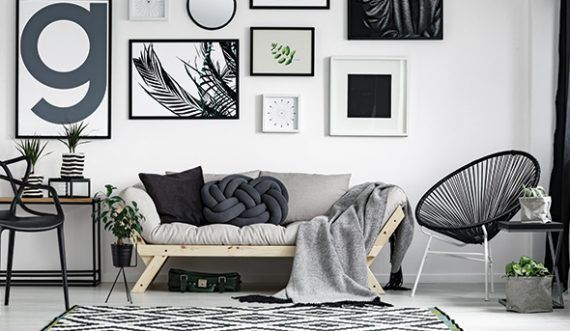
Admit it. There is no worse feeling than sitting in a living room – otherwise complete with exquisite furnishing and excellent decor – and staring at a blank wall! On the other hand, there is nothing more satisfying than a statement-making designer-approved living room wall that is guaranteed to grab all the eyeballs and attention.
Now, if your living room has a blank wall, trying to make it hide behind your back when the guests arrive may look cute (on your part, at least), but it never works. Instead, think about the infinite potential the space contains, which is still waiting to be explored. That wall is an opportunity for you to stamp your artistic personality and create something original that even designers Nate and Jeremiah would be proud of! Here are some living wall decor ideas for you.
Boost New Life Into Your Empty Walls With These Mind-Blowing Ideas
Artwork
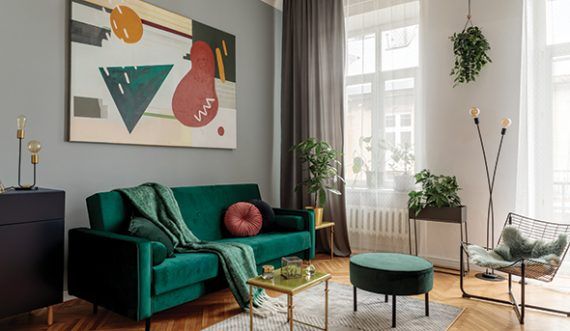
What is exactly so mind-blowing about artwork, you ask? After all, probably every house you visit has got some kind of ‘art’ lifelessly hanging from the walls.
But here’s the rub. What’s not authentic, can seldom be inspiring! Go for wall art that strikes a chord with your personality. You can even use a single oversized painting to make the wall stand out and offer a minimalist contrast to the rest of the space.
‘Do It With Mirrors’
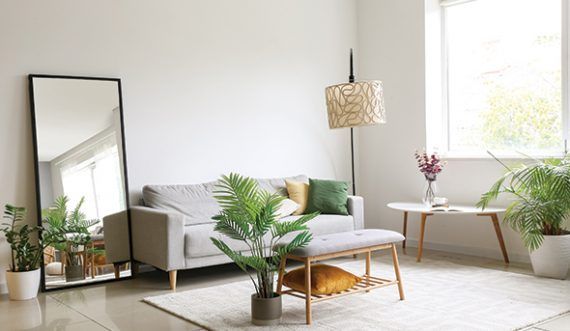
No, we are not just talking about the classic Agatha Christie whodunit here! That’s because besides being excellent for plotting crime, mirrors can also be handy decor elements.
Several small mirror pieces arranged in the style of a salon on the wall can help in reflecting light and giving the illusion of a brighter space. For effect, you can even go for a single oversized iridescent mirror.
Bookshelves
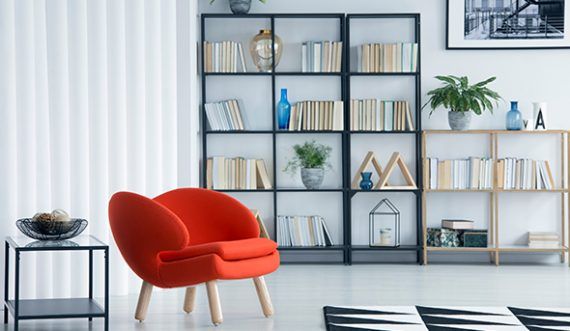
Ah, finally, a place for the complete Jason Bourne or Harry Potter collection to get together in one place! If you’re a passionate book lover, there is nothing better to light up a dull living room wall than some aesthetic floating bookshelves.
This small living room idea can add life to your living room besides elevating your collection of books from somewhere neglected in a corner to the center of the living room. It can also house sculptures, knick-knacks, and aesthetic design pieces.
Mounted Television
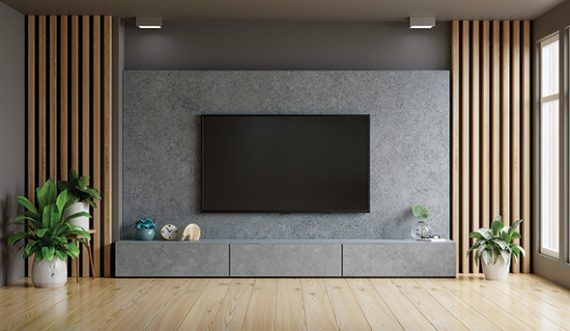
A boring wall is only one large television set away from being the apple of everyone’s eye in the house. This idea also offers the wall a neat, streamlined look and adds a modern touch. With a mounted TV, we can only imagine the bustling ambiance in your living room on HBO Movie Premiere nights!
Touch of Green
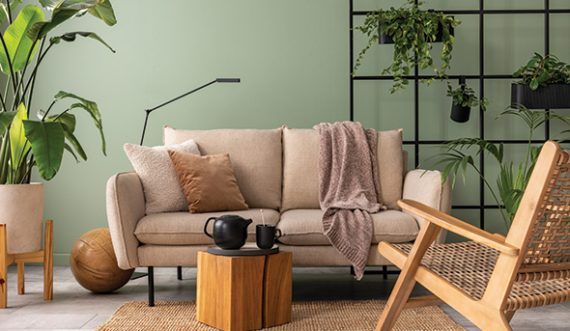
For all the nature enthusiasts out there, you can add another method to your madness by hanging, that’s right, hanging plants on your walls! There are lots of wall-mounted planters and even premium quality faux plants that will reflect your love of greenery.
Sporting Equipment
You can also achieve a personalized effect in your living room by strategically using your sports items. A bunch of surfboards casually leaning in a corner alongside your favorite football club jersey framed on the wall can bring a kind of personal touch to the space, which is quite difficult to achieve otherwise.
This way, you can also let your friends know which side of the fence you are on before the next El Clasico happens!
Gallery Wall
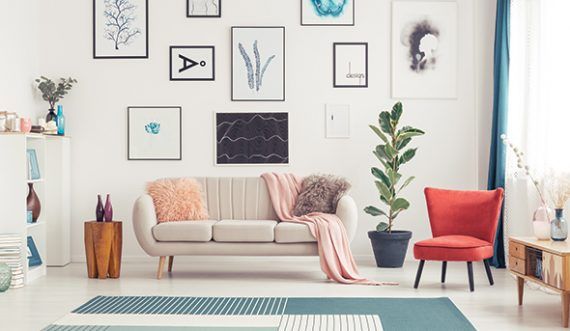
There is a reason why this is one of the most popular options for decorating walls. In fact, a gallery of pictures is the proverbial life-saver for dull living room walls. You can opt for a perfect alignment of multiple artworks or a chaotic cluster of frames with personal photos, according to your preference. You can also adjust your living room lighting to liven up your living room decoration.
Accent Wall
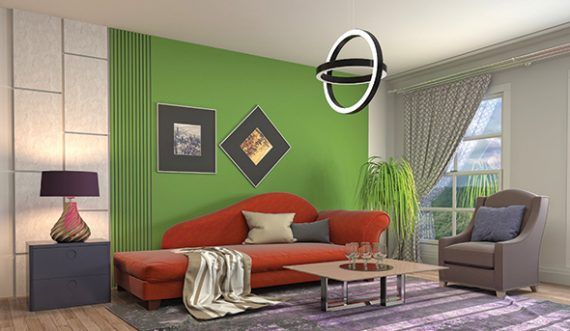
Talking of popular wall decor ideas, the good ol’ accent wall never goes out of trend. Apart from the easy convenience this option offers, it also guarantees maximum interest by providing a striking contrast to the rest of the space. This design can double-down as your exciting living room ceiling idea too.
Architectural Wall
Doesn’t this living room look ever ready for Christmas? Its greatest attraction, the brick wall, teleports you directly to the company of Ebenezer Scrooge and The Ghost of Christmas Past!
Some walls, like this one, are blessed with exotic originality that needs to be uncovered and brought to light instead of being hidden by art pieces. So if your living room wall features unique architectural designs like wooden beams or vintage brick patterns, highlight them using matching colors and designs to give an authentic mood to the room.
Go Vintage
Lots of rustic design elements can offer your wall a vintage relief from a contemporary minimalist living room decor. Go for some colonial magic with handcrafted animal busts or some sheepskin rugs with abstract designs and hang them on the wall for an enchantingly vintage look.
Transform Your Living Room With Decorated Walls
No matter if you are a minimalist or a maximalist, there is always an opportunity to turn a boring wall into something magical that also resonates with your style. Agree? We bet you do. That’s why, here at Pepperfry, we offer incredible ways for you to turn the spotlight on your walls and execute your design pursuits alongside a variety of other creative decor ideas.
Show more blogs from :
Home Improvement
Recommended For You
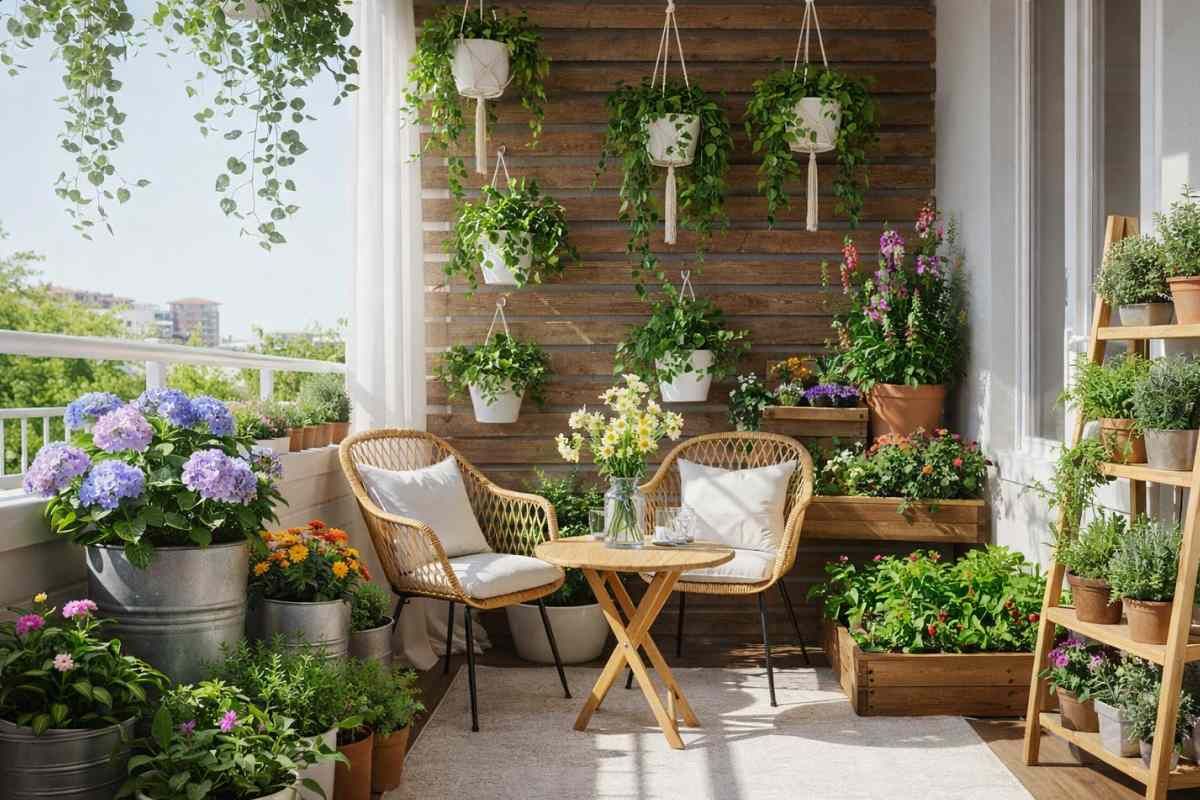
The Best Balcony Garden Ideas That Will Transform Your Outdoor Space
That small slice of outdoor space attached to your flat? Most of us treat it like a storage dump for old buckets and broken chairs. A real waste, honestly. Your balcony could be a green retreat where you sip chai amongst trailing vines and potted herbs. Size truly does not limit what you can grow.
As Elle Decor puts it, “Don’t let your small outdoor space stop you from becoming a plant parent. Growing plants under ‘unideal’ circumstances is much easier than you’d think.”
This article walks through practical balcony garden ideas suited to any space. You will learn how to assess your conditions, zone your layout smartly, pick the right plants, add seating, and layer lighting for evening use. These small balcony garden ideas work for renters and owners alike, with no major commitments required.
Why Should You Invest in Garden Balcony Design Ideas?
A balcony garden offers benefits you actually feel daily. Plants filter dust and pollutants, improving the air you breathe. Studies confirm that daily contact with greenery reduces stress and lifts mood. For flat owners, a well-designed balcony can even add value when selling.
Houzz India describes balcony gardens as “small wonderlands inside space-crunched city apartments.”
Privacy is another win. Tall plants or vertical arrangements screen you from curious neighbours without ugly plastic sheets. And maintenance? Far easier than you might think. When you match plants to your specific conditions, they mostly take care of themselves.
The key lies in understanding your space first. Thoughtful garden balcony design ideas make upkeep simple, even for complete beginners. Once you know what your balcony offers, the rest falls into place naturally.
Check-out Pots and Planters --->
What Should You Check Before Starting Your Garden Design for a Balcony?
Before buying a single pot, run through this quick assessment:
- Weight capacity: Older buildings and rental flats often have load limits. Check with your housing society if unsure. Heavy terracotta pots filled with wet soil add up fast.
- Sunlight hours: Track how much direct sun your balcony gets. Six hours or more means full sun. Two to four hours is partial shade. Less than two is deep shade.
- Wind exposure: High floors face stronger winds that dry out soil quickly and topple tall plants. Plan for sturdy containers and wind-tolerant varieties.
- Drainage options: Water needs somewhere to go. Ensure floor drains exist or plan trays beneath every pot to protect the flooring.
- Water access: Note how far your nearest tap is. This affects your watering routine and tool choices.
- Dimensions: Measure floor area, railing height, and overhead clearance. These numbers guide container sizes and furniture choices later.
This groundwork prevents expensive mistakes. Plants die when conditions do not match their needs. Knowing your space keeps your garden design for the balcony on track from day one.
How Can You Maximise Small Balcony Garden Ideas Through Strategic Zoning?
Think of your balcony as three zones: a planting area, a seating spot, and accent corners for decor. This simple division creates visual order. Without zoning, small balconies quickly feel cluttered, with pots blocking paths and nowhere to actually sit.
Zoning also ensures every square foot works for you. The planting zone holds your greenery. The seating zone becomes your relaxation corner. Accent areas add personality with lanterns or sculptural pieces. Here is how to apply this based on your balcony shape.
Narrow Balconies
Long, thin balconies benefit from linear layouts. Run a vertical green wall along one side, keeping floor space clear. Fix railing planters to the outer edge so trailing plants cascade outward without eating into the walkway width.
Use foldable chairs or slim benches that tuck away when not needed. Light-coloured pots trick the eye into seeing more space. Keep the central path open for movement and easy drainage access. These small balcony garden ideas make narrow spaces feel surprisingly roomy.
Square or L-Shaped Balconies
Wider spaces allow corner-focused planting. Cluster pots at corners, wrapping greenery around your seating area like a natural frame. Leave the centre open or anchor it with a small outdoor rug.
Layer plant heights to avoid boxy, flat arrangements. Position taller natural plants at the back corners. Shorter pots come forward. This depth creates interest and ensures sunlight reaches all levels without blocking your view.
What Are the Best Vertical Balcony Garden Ideas for Maximising Space?
Vertical gardening triples your planting area without stealing floor space. For compact balconies, it is not optional; it is essential. Here are three high-impact methods suited to different budgets and installation preferences.
Wall-Mounted Pocket Planters
Fabric or plastic pockets fix directly to walls, creating instant green panels. They suit shallow-rooted plants like herbs, succulents, and small ferns. Cost runs low, and installation requires minimal tools.
One consideration: pockets dry out faster than traditional pots. Line them with coconut coir or a moisture-retaining fabric to reduce watering trips. Position them within easy arm reach for simple maintenance.
Railing Planters
These clip onto or hook over balcony railings, placing plants at eye level without using floor space. Choose rust-proof materials for durability through monsoons. Trailing plants like money plant or petunias cascade beautifully over edges.
Tip: On higher floors, secure hooks firmly with cable ties. Wind gusts can dislodge poorly fixed planters. Double-check fastenings monthly.
Browse Pepperfry's collection of hanging planters for ready-made options that suit most railing widths.
DIY Pallet Walls
Wooden pallets offer a budget-friendly vertical solution. Sand rough edges, apply weatherproof se alant, then mount securely to your wall. Fill compartments with soil; cheap grow bags work as liners to contain the medium.
Check your building's weight restrictions before mounting. A loaded pallet adds a significant load. For rental properties, freestanding pallet frames avoid wall damage entirely.
What Container and Soil Choices Support Healthy Plants?
Your container choice affects weight, drainage, and aesthetics. Here is a comparison to guide your garden design for a balcony:
Weight: Light
Drainage: Good (if drilled)
Durability: High
Best For: Large plants and budget-friendly setups
---
🛍️ Fabric Grow Bags
Weight: Very light
Drainage: Excellent
Durability: Medium
Best For: Vegetables, herbs, and easy-to-move gardens
---
Weight: Heavy
Drainage: Excellent
Durability: Medium
Best For: Sun-loving plants and decorative garden spaces
Always ensure drainage holes exist. Root rot kills more balcony plants than anything else. Use a lightweight soil mix: cocopeat blended with compost and perlite reduces overall load whilst improving aeration.
Place saucers beneath every pot. They catch runoff, protect flooring, and simplify cleanup. Pepperfry offers desk pots and planter stands that combine function with good looks.
Which Plants Thrive in Different Balcony Garden Ideas?
Success depends on matching plants to your actual conditions, not wishful thinking. Group plants by light needs and cluster those with similar watering requirements together. This simple habit streamlines your routine.
Full-Sun Balconies
Balconies receiving six or more hours of direct sun suit heat-tolerant varieties:
- Bougainvillea: Vibrant colour, minimal water needs
- Portulaca: Thrives in intense heat, spreads beautifully
- Marigold: Hardy, pest-resistant, cheerful blooms
- Aloe: A succulent that handles drought well
- Rosemary: Sun-loving herb, fragrant and useful
Water more frequently in summer. Terracotta pots help through evaporative cooling. Check out flowering plants on Pepperfry for garden balcony design ideas that pop with colour.
Part-Shade Balconies
Filtered or indirect light suits foliage plants and air purifiers:
- Peace lily: Elegant white blooms, cleans indoor air
- Snake plant: Nearly indestructible, tolerates neglect
- Ferns: Lush texture, loves humidity
- Spider plant: Easy propagation, trailing habit
Rotate containers monthly. This ensures even growth and prevents plants from leaning awkwardly toward light sources. These small balcony garden ideas work beautifully in north-facing or covered spaces.
Edible Herbs and Veggies
Growing food on your balcony brings deep satisfaction:
- Mint: Grows fast, grows easily in pots
- Coriander: Quick harvests, resow every few weeks
- Chilli: Compact varieties fruit heavily in containers
- Cherry tomatoes: Need 20cm minimum depth, stake for support
Feed fortnightly with organic fertiliser for productive harvests. Position edible containers near your kitchen door; convenience encourages actual use in cooking.
Also Read: Green Home Design Ideas and Eco‑Friendly Tips
How Can Garden Balcony Design Ideas Incorporate Comfortable Seating?
Plants alone create a display. Adding seating creates a retreat. Choose furniture with slim profiles that preserve walkways. Foldable bistro sets work brilliantly; they store flat when you need floor space for other activities.
Weather-resistant materials matter. Powder-coated metal or treated wood withstands monsoons. Alternatively, bring cushions indoors during heavy rains. A single swing chair suspended from a sturdy beam adds charm without eating up floor area.
Layer comfort with outdoor cushions and a small rug. These touches create visual warmth and make your balcony feel like an extension of your living room. Garden balcony design ideas work best when they invite you to actually use the space, not just admire it.
What Lighting Transforms Balcony Garden Ideas After Sunset?
Good lighting extends your balcony's usability into evening hours. Layer different light heights for depth and interest.
Solar-powered stake lights tucked among plants provide a gentle ground-level glow without wiring. String lights along railings or overhead structures add festive warmth. LED candle lanterns on tables create intimate pools of light for reading or conversation.
Budget hack: Repurpose glass jars as candle holders or fairy light containers. Clean jam jars with tea lights inside look charming and cost nothing.
Solar and battery options solve the common problem of balconies without accessible electrical outlets. Renters especially benefit from these cord-free solutions that require zero permanent installation.
How Can You Execute Small Balcony Garden Ideas on Any Budget?
You need not spend heavily to create a green retreat. Here are three budget tiers with realistic combinations:
💰 Budget: Under Rs 3,000
What You Get: Basic plastic containers, 4–5 hardy plants, and solar stake lights.
---
🌿 Budget: Rs 3,000 to Rs 8,000
What You Get: A mix of vertical planters, 8–10 plants, railing hooks, and a foldable chair.
---
✨ Budget: Rs 8,000 and Above
What You Get: Quality planter stands, layered lighting, premium containers, and a bistro set.
Consider a phased approach. Start with essential plants and basic containers. Add furniture next month. Layer lighting the month after. This prevents overwhelm and lets you adjust based on what actually thrives in your conditions.
Creativity matters more than spending. A well-chosen arrangement of healthy plants beats an expensive setup of struggling ones every time.
Also Read: Balcony Decoration Ideas with Pepperfry: 10 Tips for Small Spaces
What Maintenance Practices Keep Your Garden Design for Balcony Thriving?
Maintenance need not feel burdensome. Self-watering containers reduce trips to once weekly. For DIY alternatives, invert plastic bottles with punctured caps into soil; they release water slowly as roots draw moisture.
Water in the morning when possible. This allows foliage to dry before evening, reducing fungal problems common in humid climates. In hot summers, evening watering conserves moisture through cooler night hours.
Check leaf undersides weekly. Pests appear here first. A simple spray of mild soap diluted in water handles most early infestations without chemicals. Catch problems early, and they rarely escalate.
Well-chosen plants matched to your conditions need minimal fussing. The assessment work you did at the start pays off here through reduced effort later.
Check-out Gardening Collection at Pepperfry --->
Ready to Bring These Balcony Garden Ideas to Life?
The path to a thriving balcony garden follows three steps. First, assess your space honestly: light, weight limits, drainage. Second, design functional zones that layer vertical planting with comfortable seating and atmospheric lighting. Third, choose plants matched to your actual conditions, not aspirational ones.
Square footage matters far less than strategic thinking. Even the smallest balconies become valuable retreats with thoughtful execution. Start with one corner, prove the concept works, then expand gradually.
Frequently Asked Questions (FAQs)
1. How do I start a balcony garden when my budget is tight?
Begin with seeds or small nursery plants in recycled containers like old buckets or food tins. Drill drainage holes and use garden soil mixed with kitchen compost. Solar lights from local markets cost little. Prioritise hardy plants that survive beginner mistakes.
2. Which plants grow well in balconies with limited sunlight?
Snake plants, pothos, peace lilies, and ferns thrive in low light conditions. These foliage plants actually prefer indirect sun and tolerate shade. Avoid flowering varieties that need direct sunlight to bloom.
3. What is the best way to water balcony plants without an outdoor tap nearby?
Keep a watering can filled and ready inside. Self watering pots with reservoirs reduce frequency. For holidays, inverted plastic bottles with small holes provide slow release hydration for up to a week.
4. How can I safely hang planters on railings without risking them falling?
Use hooks over planters with adjustable clamps that grip the railing width securely. Add cable ties as backup on windy floors. Check fastenings monthly and avoid overloading with heavy wet soil.
5. Can I successfully grow vegetables in shallow containers on my balcony?
Leafy greens like spinach and lettuce grow in a 10cm depth. Herbs need similar space. However, tomatoes and chillies require at least 20cm depth for healthy root development and fruiting.
6. What should I do if my apartment has weight restrictions for balconies?
Switch to lightweight fabric grow bags and plastic containers. Use soil mixes heavy in cocopeat and perlite rather than dense garden soil. Avoid clustering pots in one spot; distribute weight evenly across the floor area.
10 Aug 2026
Home Improvement Life style
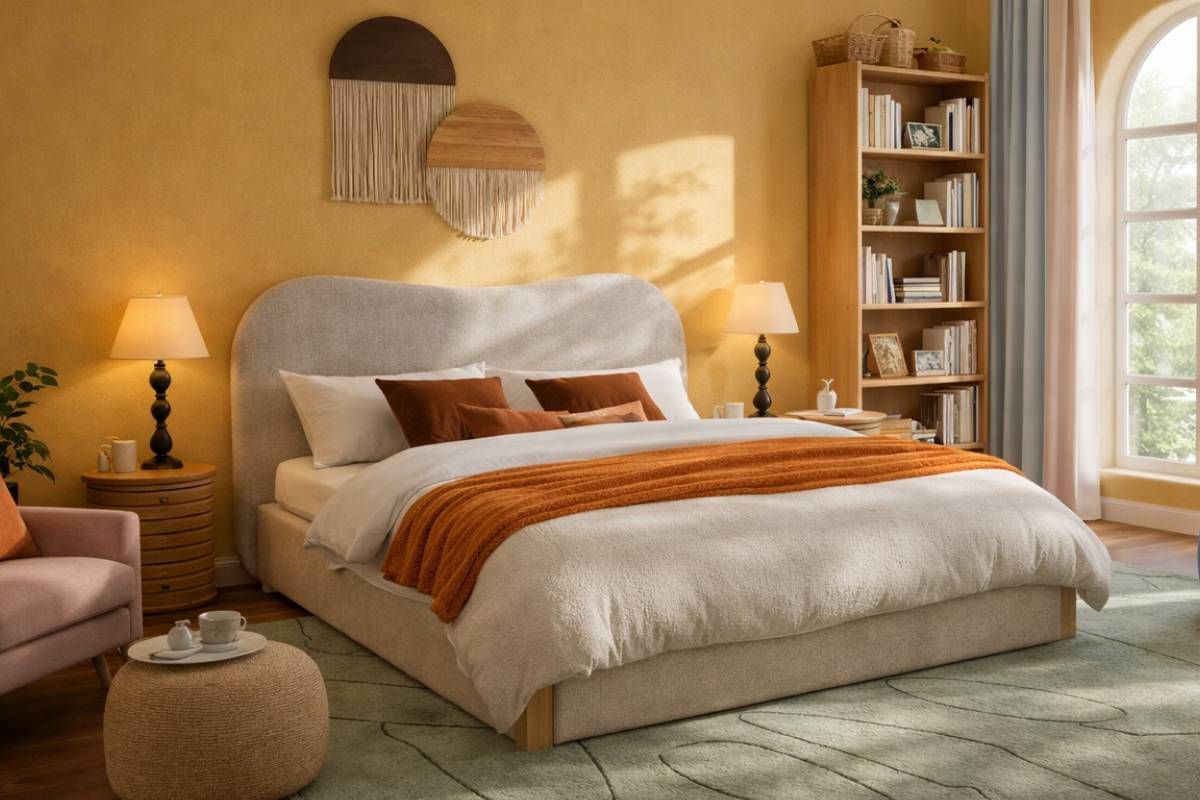
8 Creative Single Bedroom Ideas That Go Big on Space and Style
A compact bedroom can feel like a puzzle with too many pieces. You need storage, a proper bed, good lighting, and room to breathe. Smart single bedroom designs solve this puzzle by making each element work harder. The right layout turns cramped corners into cosy retreats.
This article shares 8 practical decorating ideas for a small bedroom, along with planning tips you can use today. Each idea balances storage needs with visual appeal. A small footprint does not mean few possibilities.
“Bedroom storage isn’t just about hiding clutter; it’s about creating a sense of calm.” -Architectural Digest
What Should You Plan Before Rearranging Your Bedroom?
Good one-room interior design starts with a simple checklist. Rushing into furniture purchases often leads to regret. A few minutes of planning saves hours of frustration later.
Before moving a single piece, work through these steps:
- Measure your room dimensions: Note length, width, and ceiling height in centimetres
- Mark door swing paths: Doors need clearance to open fully without hitting furniture
- Identify window placements: Natural light sources affect where you position your bed and desk
- Choose a dominant style direction: Pick one look, whether minimal, warm wood tones, or soft neutrals
- Map storage zones: Decide where clothes, books, and daily items will live
- Consider multi-functional pieces early: Storage beds, fold-out desks, and tall wardrobes should be first choices, not afterthoughts
Time-Saving Tip: A simple sketch or free floor-plan app helps you test arrangements before committing. This prevents the classic mistake of buying a bed that blocks your wardrobe doors.
Idea 1: Built-In Storage Beds Make Every Inch Count
Storage beds turn dead space into useful square footage. That gap beneath a standard bed frame typically collects dust and forgotten items. A well-designed storage bed puts it to work.
Three main options exist: divan bases with side drawers, hydraulic lift mechanisms that reveal full under-bed compartments, and drawer-style frames. Hydraulic lifts offer maximum capacity but need clearance above the mattress to operate. Side drawers work better in narrow rooms where floor space is tight.
Soft-close hardware protects fingers and extends the life of mechanisms. Air stored items regularly to keep bedding fresh. Browse Pepperfry's queen-size beds for options that combine comfort with clever storage.
Style Tip: Pair your storage bed with lighter linens to avoid visual heaviness. A bulky dark frame with heavy blankets can make a small room feel cramped.
Idea 2: Vertical Wardrobes Stretch Visual Height
Floor-to-ceiling wardrobes create the illusion of greater height. When storage units stop short of the ceiling, eyes naturally rest on that gap. Full-height units draw the gaze upward and make walls feel taller.
Choose unified colours that match or complement your walls. A wardrobe in the same shade as the surrounding paint blends quietly into the room. This trick works especially well for decorating ideas for a small bedroom where visual calm matters.
Sliding doors suit tight corridors better than hinged options. You need zero clearance space for operation. Integrated mirror panels serve double duty: they reflect light and expand perceived space.
Smart Tip: Add interior strip lighting to improve visibility inside deep shelves. LED strips consume little power and make morning routines faster.
Idea 3: Fold-Out Desk Nooks Support Work-from-Home Needs
Remote work demands desk space, but permanent setups eat into precious floor area. Wall-mounted fold-out desks offer a middle path. When you need to work, flip them down. After hours, fold them flat against the wall.
This approach answers a common question: how to decorate a one-room apartment or fit an office into a bedroom? The answer is furniture that disappears when not in use.
Stackable stools or transparent ghost chairs tuck away easily beneath other furniture. Keep cables tidy with desk-mounted clips or a small pegboard for chargers and stationery. Floating shelves above the desk hold notebooks and supplies without cluttering the work surface. Wall anchors rated for your desk's weight ensure safe mounting. Position the desk at elbow height when seated for comfortable typing.
How Do Light Colours and Mirrors Expand Your Room?
Colour choice directly affects how large a room feels. Light shades reflect more natural light, making walls seem to recede. Trending 2026 hues include soft sage, powder blue, and warm beige. These tones create calm backdrops that pair well with most furniture finishes.
Quick tip: Light reflectance value (LRV) measures how much light a paint colour bounces back. Higher LRV numbers make rooms feel airier. Look for values above 60 for small bedrooms.
Limit bold accent colours to one feature wall or a few textile pieces. Too many competing tones create visual noise. Strategic mirror placement opposite windows doubles incoming daylight. Pepperfry's mirrors collection includes options for every wall size. Avoid positioning large mirrors directly facing the bed, as this can disrupt restful sleep for some people.
Idea 5: Layered Lighting Creates Depth and Flexibility
Single bedroom designs benefit hugely from layered lighting. One overhead fixture leaves corners in shadow and offers no mood control. A three-layer approach brings depth and flexibility.
The first layer is ambient lighting: your main ceiling fixture. The second layer is task lighting, such as swing-arm sconces beside the bed for reading. The third layer is accent lighting: LED strips under shelves or along cove mouldings that add warmth.
Dimmer switches cost little but transform how a room feels. Bright settings work for morning routines; softer levels ease the transition to sleep. Smart bulbs offer similar control through phone apps. For plug-in options, no wiring changes are needed. A statement chandelier from Pepperfry can anchor the ambient layer whilst adding personality.
"Accent and task lighting in particular can create dimension without taking over the room using layered lighting."-Good Homes
Idea 6: Statement Accent Walls on a Budget
An accent wall adds character without overwhelming a small room. Budget-friendly options include peel-and-stick wallpaper, reclaimed wood panels, or stencilled paint patterns. Each requires different time and skill investments.
Peel-and-stick paper goes up in an afternoon and removes cleanly for renters. Wood panels need more effort but create a striking texture. Stencilling offers the lowest material cost but demands patience for crisp lines.
These decorating ideas for a small bedroom work best on walls without heavy furniture traffic. Avoid placing intricate patterns behind storage bed headboards where drawers might scrape against them. Follow a simple colour-contrast rule:
Idea 7: Smart Zone Planning Improves Flow and Function
Even a small bedroom can hold distinct zones for sleeping, working, and storage. The trick is defining boundaries without blocking sightlines. Area carpets work well here. A rug beneath the bed anchors the sleep zone. A smaller mat under a desk chair marks the work zone.
Good one-room interior design maintains minimum walking paths of about 60 centimetres between furniture. Narrower gaps feel cramped and frustrate daily movement.
Did you know? Positioning your bed farthest from the door creates a sense of retreat. This layout signals to your brain that the sleep zone is separate from entry traffic.
Translucent screens or open shelving divide space while preserving natural light flow. Avoid tall, solid partitions that block windows or create dark pockets.
Idea 8: Curated Decor Adds Personality Without Clutter
Small rooms punish excess decoration. Every cushion and ornament competes for attention. A curated approach keeps surfaces calm whilst still showing your personality.
Aim for a balance where functional items dominate and decorative pieces accent strategically. Floating shelves let you rotate displays without permanent commitment. Swap out a few items seasonally to refresh the look at a low cost.
Textile changes offer quick wins. New throws, cushion covers, or bedding in updated colours transform a room in an afternoon. Avoid overly themed decor that risks looking dated within a year. Plan a twice-yearly rotation of art or accessories. This simple habit keeps your bedroom feeling current without expensive overhauls. Browse Pepperfry's furniture collection for pieces that blend function with style.
Scaling These Ideas to One-Room Apartments
Every idea above adapts smoothly to studio or one-room apartment contexts. When learning how to decorate a one-room apartment, the same principles apply: vertical storage, layered lighting, and defined zones.
Furniture on casters adds flexibility. Roll a side table away when you need yoga space. Push it back for evening tea. Modular room dividers define zones without permanent walls. Choose units with open shelving to maintain sight lines.
Cohesive colour schemes visually unify the entire space. A single palette running through bedding, rugs, and curtains makes separate zones feel like one deliberate design. Continuous flooring materials eliminate visual breaks that chop up small areas.
Tip: Built-in storage, fold-out desks, and vertical wardrobes work even better when the entire living area shares one footprint.
Ready to Redesign Your Single Bedroom with Confidence?
Thoughtful single bedroom designs prove that size does not limit style. Smart furniture choices, layered lighting, and intentional colour palettes turn compact rooms into restful retreats.
You now have planning tools, eight actionable ideas, and practical tips for one-room living. Start with one step: measure your room, pick a storage bed, or test a fresh colour palette on one wall. Momentum builds from small wins. Your bedroom refresh begins today.
Frequently Asked Questions (FAQs)
1. What bed size works best in a single bedroom?
A single or double bed suits most compact bedrooms. Measure your floor space and allow at least 60 centimetres of walking room on each side. Storage beds maximise limited square footage by using under bed space for linens or seasonal items.
2. How much wardrobe depth do you need for hanging clothes?
Standard hangers need about 55 to 60 centimetres of depth. Shallower wardrobes work for folded items, but will not fit most jackets or shirts on hangers without creasing.
3. What is the easiest way to hide cables in a small bedroom?
Desk mounted clips and cable sleeves keep cords tidy. Velcro ties bundle multiple cables together. For permanent solutions, wall mounted cable channels blend into the paint and hide wires completely.
4. Can you create a stylish single bedroom on a limited budget?
Yes. Focus spending on one quality piece, like a good bed frame, and refresh soft furnishings seasonally. Peel and stick wallpaper, affordable cushion covers, and second hand mirrors add style without high costs.
5. How often should you update bedroom decor to keep it fresh?
A twice yearly refresh works well. Swap throws and cushions for lighter fabrics in summer and warmer textures in winter. Rotate art or small accessories to prevent visual fatigue.
6. Is it better to use dark or light colours in a compact bedroom?
Light colours reflect more natural light and make walls feel farther apart. Reserve dark shades for accent walls or small accessories. A room painted in soft neutrals feels noticeably more open than one in deep tones.
10 Aug 2026
Home Improvement
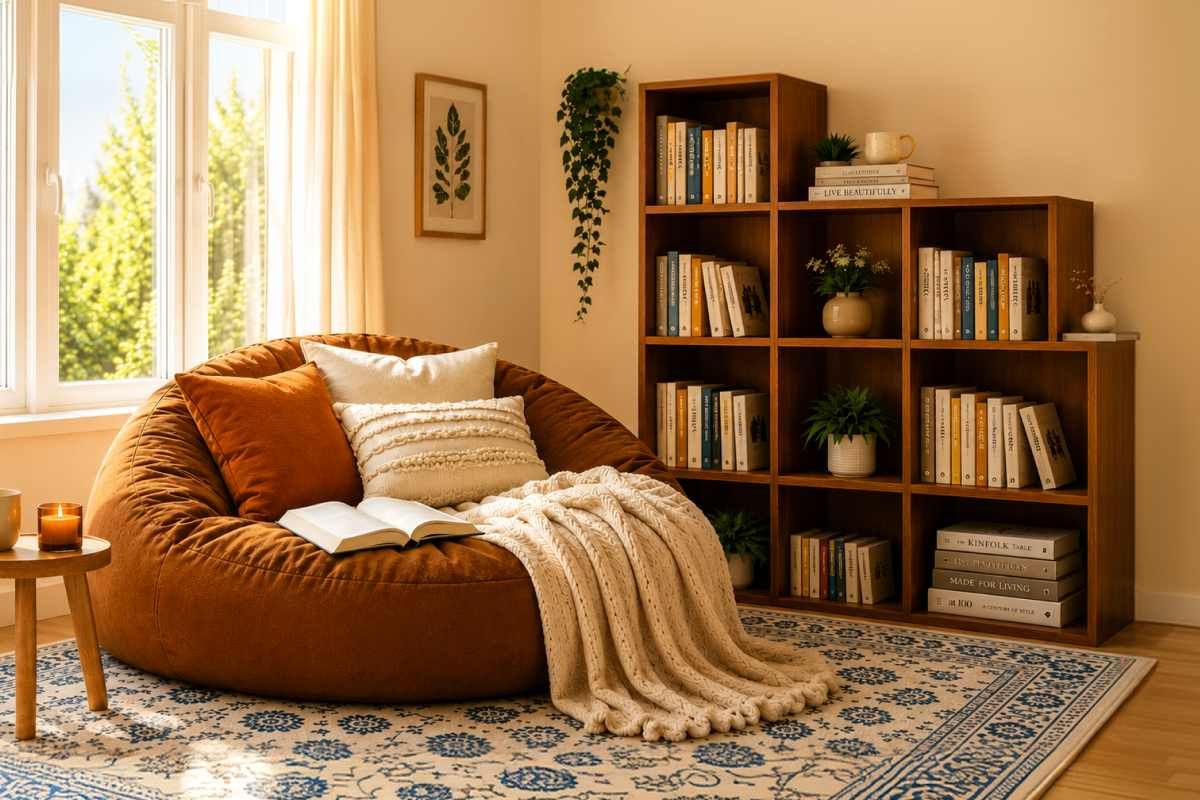
7 Bookshelf Ideas That Will Please Every Type of Reader
A thoughtful bookshelf design does more than hold your novels. It shapes how you read, how your room feels, and how easily you reach for your next favourite story. The right shelf turns a stack of books into a design feature that speaks to who you are.
Your challenge might be a cramped studio flat or a growing collection that has outpaced your current storage. Perhaps you want something bold, or maybe you prefer shelves that fade into the background.
These seven bookshelf ideas address each scenario with practical solutions for homes in 2026. Stick around for a decision checklist and styling tips that make choosing simpler.
Wall-Mounted Minimalist Book Shelf Design
Floating shelves save floor space while keeping your books within easy reach. For studio dwellers and students working with tight square footage, this bookshelf design offers a clean, airy look that makes rooms feel larger.
Secure wall anchors are non-negotiable. Most engineered wood shelves, paired with metal brackets, can support 15 to 20 kg per shelf when properly installed into studs or masonry. Check your wall type before buying. Hollow walls need specialist fixings; solid brick and concrete accept standard anchors.
A styling trick: mount your shelves against an accent wall in a contrasting colour. Deep teal behind pale wood shelves creates striking depth. Warm terracotta makes white shelving pop. This simple change elevates basic brackets into a design statement.
Quick tip: Inspect wall anchors every six months. Loaded shelves can loosen fixings over time, especially in older buildings with settling walls.
What Makes This Design Reader-Friendly
- Airy visual appeal that keeps small rooms feeling open
- Adjustable shelf heights suit paperbacks and tall hardbacks alike
- Budget-friendly installation with minimal tools required
- Eco-conscious material choices like bamboo and recycled composites
- Eye-level display for current reads encourages regular rotation
- Clutter-free zones support focused reading sessions
Ladder-Style Leaning Book Racks Designs
The ladder silhouette brings relaxed charm to any room. Angled frames with graduated shelf depths suit casual collectors who mix books with decorative objects. These book rack designs assemble quickly and move easily when you rearrange furniture.
Wall anchoring remains important, particularly in homes with children or curious pets. A simple tether strap connecting the top rail to the wall prevents tipping. Most ladder shelves come with one included.
Styling the top tiers softens the industrial vibe. A trailing pothos plant or a small framed photo balances the rows of spines below. Materials range from warm sheesham wood to powder-coated metal and lightweight composite. Wood weighs more but ages gracefully.
Metal feels modern and holds up in humid conditions.
Browse contemporary bookshelves at Pepperfry for ladder styles that suit both modern flats and traditional homes.
Corner Tower Book Rack Design for Small Spaces
Corners often go unused, yet they hold real storage potential. A corner tower turns that awkward angle into vertical book rack designs that maximise every square metre.
Two main variants exist. Rotating towers spin for browsing convenience; fixed towers offer greater stability. If you own heavy art books or encyclopaedias, a fixed model handles the weight better. Rotating units work well for lighter paperback collections.
Shelf widths between 30 and 35 cm fit most corner measurements. Measure your corner diagonally before ordering. Even weight distribution matters: place heavier volumes on lower tiers and lighter reads near the top. This keeps the tower balanced and prevents wobbling.
Small-space dwellers benefit most from this option. A single corner tower holds roughly 80 to 100 books without stealing floor area from the rest of the room.
Floor-to-Ceiling Book Shelf Design Statement Wall
For serious collectors, a full-height bookshelf design creates a library vibe that impresses from the doorway. This is the statement wall approach: rows of spines rising from floor to ceiling, framed by lighting that draws the eye.
Two routes exist. Built-in carpentry offers seamless integration but requires professional help. Modular panel systems stack to ceiling height and suit renters who want drama without permanent changes. Both options need sturdy mounting. Locate wall studs and calculate load-bearing capacity before installation. Heavy hardback collections add up fast.
Bold 2026 colour trends suggest deep greens and warm ochres for back panels. These shades create depth behind book spines and add personality. Integrating LED strips along
vertical uprights illuminates titles and adds ambience for evening reading.
Pepperfry's bookcase collection includes modular options that scale to full wall height without custom carpentry.
Expert Quote: "When you're choosing a bookcase, it's important to think about scale and materials. Slim shelves with an open design, and mix of wood and brass can add interesting symmetry." - Architectural Digest
Modular Cube System for Modern Bookshelf Designs
Stackable cube units adapt to your life. Renters who move frequently appreciate the flexibility. Add cubes as your library grows, or rearrange the grid when you shift flats. This is one of the most versatile modern bookshelf designs available today.
Engineered wood cubes balance cost and durability. Recycled plastic options offer sustainability credentials and resist moisture damage. Both clean easily with a damp cloth.
Visual balance matters. Odd-numbered arrangements like 3x3 or 5x3 grids create more dynamic compositions than even layouts. Leave one cube empty for a plant or decorative object. This breathing room prevents the display from feeling cramped.
Restack cubes carefully when reconfiguring. Check that interlocking pegs or brackets remain secure. A wobbly grid becomes a safety hazard over time.
Built-In Headboard Shelf Idea for Bedtime Readers
Bedtime readers know the joy of a book within arm's reach. A headboard shelf merges sleeping and reading zones, removing the need for separate bedside tables. These bookshelf ideas suit anyone who winds down with a chapter each night.
Safety comes first. Rounded shelf edges prevent bumps during sleep. Secure mounting stops items from falling if you shift in bed. Ensure adequate clearance between the mattress and the lowest shelf edge to avoid head contact when sitting up.
Pair your headboard shelf with an integrated reading light. Flexible gooseneck lamps direct brightness onto the page without disturbing a sleeping partner. Dust accumulates quickly near beds; a weekly wipe keeps shelves clean and allergens low.
Floating Above-Door Ledge Bookshelf Idea
The wall span above your door frame often goes ignored. Yet this narrow strip holds real potential for rarely accessed hardbacks or collectable editions. A floating ledge turns dead space into archival storage.
Installation is straightforward. L-brackets anchor into the door header, with shelf depth kept under 20 cm to avoid visual bulk and head clearance issues. Paint the ledge to match your door trim for a seamless look that blends into the architecture.
This bookshelf design suits collectors who need overflow space. Access requires a step stool, so reserve this spot for books you reference occasionally rather than daily reads.
Holiday novels or keepsake editions fit perfectly here.
Did you know? Standard interior doors leave roughly 30 to 40 cm of wall above the frame. That is enough for a single row of books without encroaching on ceiling height
How to Choose the Right Book Shelf Design
Use this five-point checklist to find your match:
- Space measurements: Note wall width, floor depth, and ceiling height before shopping
- Book capacity: Count current books and estimate future growth over the next three years
- Material preference: Wood brings warmth; metal suits humid rooms; composite offers budget value
- Mounting constraints: Check wall type and rental restrictions; some leases prohibit drilling
- Budget parameters: Set a realistic range including any installation costs
Cross-reference your answers with the seven reader personas above. A bedtime reader leaning toward headboard shelves differs from a serious collector eyeing floor-to-ceiling options.
Modern bookshelf designs suit renters prioritising flexibility, while book rack designs like corner towers help small-space dwellers maximise forgotten corners.
Styling and Care Tips for 2026
Three styling rules keep shelves looking sharp:
- Alternate vertical and horizontal book stacks for visual rhythm
- Maintain roughly 30% empty shelf space to avoid visual overload
- Use colour grouping sparingly as an accent rather than across the entire shelving
Care routines matter too. Weekly dusting prevents grime buildup. Position shelves away from direct sunlight to prevent fading and warping. Check anchor security once a year, tightening any loose fixings.
Trending 2026 accents include trailing plants, ceramic bookends, and small sculptures. These objects personalise displays without competing with your books.
Expert Quote: " Personalize your shelves by pairing antique pieces - such as miniature paintings, objets d'art or unusual flea-market finds - with books that have just come out." - Architectural Digest
Finding Your Perfect Book Shelf Design Match
Seven designs now sit mapped to distinct reader types. A five-point checklist simplifies the selection process. The path forward is clear: measure your available space today and revisit that checklist with a tape measure in hand.
Function and longevity matter more than passing trends. The right bookshelf design serves your reading habits for years, growing alongside your collection.
Build a reading environment that supports your 2026 goals and beyond. Your books deserve a home as thoughtful as the stories inside them.
Frequently Asked Questions (FAQs)
1. What is the best book shelf design for small apartments?
Corner towers and wall mounted shelves work well in compact spaces. Both options use vertical height rather than floor area, keeping rooms open while storing 80 to 100 books.
2. How do I choose between wall mounted and freestanding book racks designs?
Wall mounted suits renters with solid walls and minimal floor space. Freestanding units like ladder shelves move easily and require no drilling, making them ideal for frequent movers.
3. What are the latest modern bookshelf designs for 2026?
Modular cube systems and floor to ceiling statement walls lead current trends. Bold back panel colours like deep green and warm ochre add personality to these modern layouts.
4. How much weight can a wall mounted book shelf design hold?
Most engineered wood shelves with metal brackets hold 15 to 20 kg when anchored into studs or masonry. Always check manufacturer specifications and inspect fixings every six months.
5. What bookshelf ideas work best for displaying large book collections?
Floor to ceiling designs and modular cube systems handle big libraries effectively. Both scale upward and outward as collections grow, offering hundreds of books worth of storage.
6. How do I style a bookshelf to look modern and organised?
Alternate vertical and horizontal stacks for rhythm. Leave 30% of shelf space empty. Add one or two accent objects like plants or ceramic bookends per section to break up rows of spines.
10 Aug 2026
Home Improvement
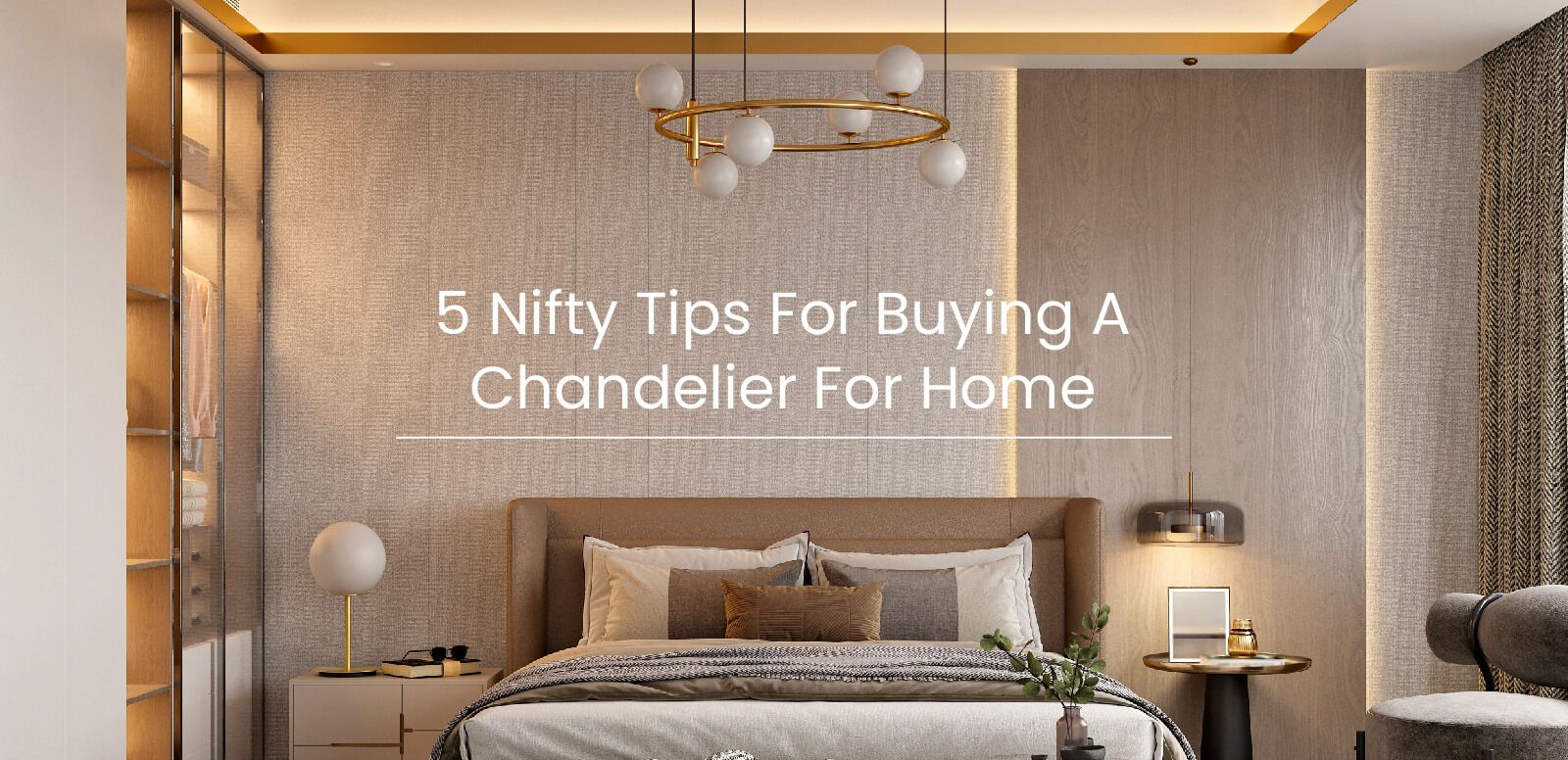
5 Nifty Tips to Keep in Mind When Buying a Chandelier for Your Home
A chandelier for a small living room can be tricky to get right. Pick one that's too grand, and your space feels cramped. Go too modest, and it fades into the background. Many homeowners face this exact problem when shopping for a chandelier for their home: they want drama without creating visual clutter or wasting money on the wrong fixture.
This article covers five practical tips to help you choose wisely. You will learn about sizing formulas, style selection, brightness calculations, safe hanging heights, and decor coordination. By the end, you will have clear criteria to guide your purchase with confidence.
Size Matters When Selecting a Chandelier for Small Living Room Layouts
Proportion is everything when your square footage is limited. A chandelier that dominates the room creates visual chaos. One that's too small looks lost against the ceiling. Getting the size right is your first step toward a balanced space.
Here is a simple formula that works: add your room's length and width in feet. That total, converted to inches, gives you the ideal chandelier diameter. For metric users, multiply the inch result by 2.54 for centimeters.
📏 10 × 10 ft Room
Ideal Chandelier Diameter: 20 inches (51 cm)
📏 10 × 12 ft Room
Ideal Chandelier Diameter: 22 inches (56 cm)
📏 12 × 14 ft Room
Ideal Chandelier Diameter: 26 inches (66 cm)
Ceiling height also matters. Standard 2.4-metre ceilings suit fixtures around 45 to 50 cm tall. Higher 3-metre ceilings allow for taller, tiered designs. The rule of thumb: allow 6 to 8 cm of fixture height for every 30 cm of ceiling height.
Clearance is crucial in small rooms. Keep at least 210 cm between the floor and the bottom of your chandelier in walkways. Above a coffee table or seating area, 75 to 90 cm clearance from the furniture works best.
Quick Tip: Check your ceiling material before buying heavy crystal fixtures. Plaster ceilings may need reinforced mounting brackets, whilst wooden beams handle more weight naturally.
Browse Pepperfry's chandelier collection once you know your ideal size range.
Check-out Our Chandeliers Collection -->
Finding the Right Style for Your Beautiful Chandelier for Living Room Decor
Style shapes how spacious your room feels. The right fixture draws the eye upward and creates breathing room. The wrong one crowds your sightlines and makes walls feel closer.
In 2026, several chandelier styles work well for compact spaces:
- Minimalist LED rings: Clean lines, slim profiles, and a modern look that suits contemporary decor
- Drum shades: Soft, diffused light with a contained silhouette that avoids visual clutter
- Slim tiered pendants: Vertical interest without excessive width
- Sputnik designs: Mid-century appeal with an open structure that allows sightlines through the fixture
Ornate crystal chandeliers add glamour but can overwhelm small rooms. If you love the sparkle, consider a compact crystal design with fewer tiers.
Fixture shape affects perceived ceiling height, too. Flush-mount and semi-flush options suit rooms with lower ceilings. They sit close to the ceiling and free up visual space. Hanging lights work better when you have 2.7 metres or more overhead.
"In Indian homes, where we love a mix of historical reference and modern comfort, a chandelier acts like a central sun. It doesn't just provide light; it creates an emotional micro-climate that makes a massive living room feel intimate." - Ravi Vazirani, Interior Designer (Elle Decor India)
Match your chandelier finish to existing hardware. If your door handles and cabinet pulls are brushed nickel, a brushed nickel fixture creates cohesion. Stick to two complementary metal tones maximum. Matte black pairs well with brass. Chrome complements polished nickel.
Your fixture finish should echo elements already in your room. This ties the chandelier into your decor rather than making it compete for attention.
Also Read: Living Room Decor Ideas, Tips & Essentials
Calculating Brightness and Energy Needs for Your House Chandelier
Brightness matters more than you might think. Too dim, and your room feels gloomy. Too bright, and the glare becomes uncomfortable. Getting the balance right creates a welcoming atmosphere.
Forget wattage; lumens are the measure that counts for LED fixtures. Here is a simple calculation: multiply your room's area in square metres by 250. That gives you the total ambient lumens needed.
📐 10 m² Room
Recommended Lumens: 2,500
📐 12 m² Room
Recommended Lumens: 3,000
📐 15 m² Room
Recommended Lumens: 3,750
A house chandelier can provide this light through integrated LEDs or replaceable bulbs. Integrated LEDs last longer but cannot be swapped if styles change. Replaceable bulbs offer flexibility for future updates.
Colour temperature affects mood significantly. Warm light at 2700K creates a cosy, relaxed feel perfect for evenings. Neutral light at 4000K suits task-focused areas and daytime use. Most living rooms benefit from the warmer end of the spectrum.
Dimmable chandeliers give you control over ambience. Install a compatible dimmer switch to adjust brightness for different activities. Movie nights call for low light. Reading requires more.
Small rooms risk harsh overhead glare from a single source. Layer your chandelier with floor lamps or wall sconces from Pepperfry's lamps and lighting range. This distributes light evenly and adds depth to your space.
Getting the Hanging Height and Installation Right
Height placement can make or break your chandelier for a small living room. Hang it too low, and you bump your head. Too high, and it loses its visual presence.
The standard rule: keep the fixture bottom at least 210 cm above the floor in walkways. This allows comfortable clearance for most people. Above a coffee table or seating area, 75 to 90 cm between the fixture and furniture surface works well.
Higher ceilings need adjustment. For every 30 cm above standard 2.4-metre ceilings, raise your chandelier by 8 cm. This maintains visual balance without making the fixture seem stranded near the ceiling.
Installation requires care. Locate ceiling joists for secure mounting. Heavy crystal units may need toggle bolts or reinforced brackets. Check that your electrical box is rated for the fixture weight before proceeding.
Safety Note: Turn off power at the circuit breaker before any wiring work. If your chandelier weighs more than 10 kg or requires complex wiring, consider expert installation.
Dimmer switch compatibility matters too. Confirm your chosen dimmer works with LED fixtures to avoid flickering. Check the manufacturer's specifications before purchase.
Cleaning access is a practical concern in tight spaces. Chandeliers with adjustable chains make reaching each element easier. This saves time and hassle during routine maintenance.
Also Read: Creative Fancy Lights and Home Decoration Ideas
Coordinating Your Chandelier with Existing Home Decor
A chandelier for home works best when it complements your existing pieces rather than competing with them. Thoughtful coordination creates a pulled-together look that feels intentional.
Layered lighting prevents over-reliance on a single source. Your chandelier provides ambient light. Reading lamps handle task lighting. Wall sconces add accent illumination. This trio creates depth and flexibility throughout the day.
Metal finishes deserve attention. Two complementary tones work better than a chaotic mix. If your chandelier features brass, echo that finish in picture frames, cabinet pulls, or small home decor accents. This subtle repetition ties the room together.
Colour palette harmony matters for cohesion. A warm brass fixture suits spaces with earthy tones. Cool silver or chrome works in rooms with blue or grey accents. Your chandelier can blend seamlessly or provide controlled contrast, but it should feel deliberate either way.
Smart dimmers suit modern homes. They allow you to create customised lighting scenes for different moods and times of day. Many 2026 fixtures pair with home automation systems for voice control.
Energy efficiency saves money long-term. LED chandeliers use less power than traditional bulbs and last for years without replacement. Factor in ongoing costs when comparing ceiling lights and island chandeliers on Pepperfry.
Ready to Pick the Perfect Chandelier for a Small Living Room Success?
You now have five clear criteria: accurate sizing formulas, style that suits your space, proper lumen calculations, safe installation height, and thoughtful decor coordination. These tips remove guesswork from your purchase.
A well-chosen chandelier for a small living room adds character without overwhelming your space. It becomes a focal point that elevates the entire room.
Measure your room dimensions today. Apply these guidelines to narrow your search. Browse Pepperfry's complete chandelier range to find a fixture that fits your home perfectly.
Frequently Asked Questions (FAQs)
1. What size chandelier works best in a 10×12 ft living room?
Add the room dimensions together: 10 plus 12 equals 22. A chandelier with a 22 inch diameter, roughly 56 cm, suits this room size. Compact designs with vertical emphasis work particularly well in smaller spaces.
2. How many lumens does a small living room chandelier need?
Multiply your room area in square metres by 250. A 12 square metre room needs around 3000 lumens for comfortable ambient lighting. Layer with floor lamps or sconces for task focused brightness.
3. Should I choose a flush mount or hanging chandelier for low ceilings?
Flush mount or semi flush fixtures suit ceilings below 2.4 metres. They sit close to the ceiling and free up visual and physical space. Hanging chandeliers work better when you have 2.7 metres or more overhead.
4. Can I install a chandelier myself or do I need an electrician?
Lightweight fixtures under 5 kg are manageable for confident DIYers. Heavier crystal units or complex wiring benefit from expert installation. Always turn off power at the circuit breaker before starting any electrical work.
5. How do I match my chandelier finish with existing furniture?
Identify the dominant metal tones in your room. If door handles and cabinet pulls are brushed nickel, choose a nickel finish chandelier. Stick to two complementary metal tones maximum for a cohesive look.
6. What colour temperature is ideal for a living room chandelier?
Warm light at 2700K creates a cosy, relaxed atmosphere perfect for evenings and entertaining. Neutral 4000K suits spaces used for reading or daytime activities. Dimmable fixtures give you flexibility between both.
29 Jul 2026
Home Improvement Life style
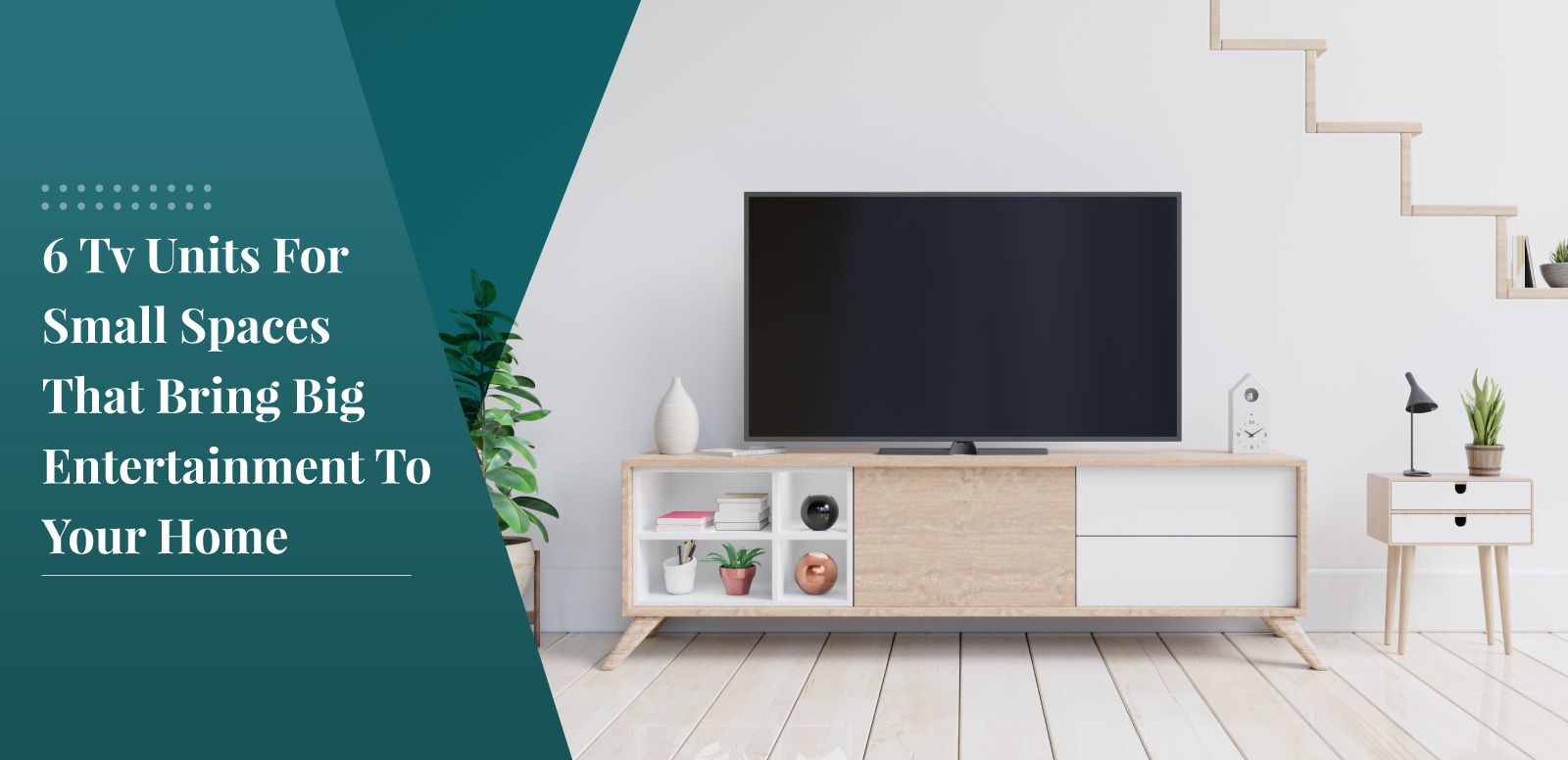
6 TV units For Small Spaces That Bring Big Entertainment to Your Home
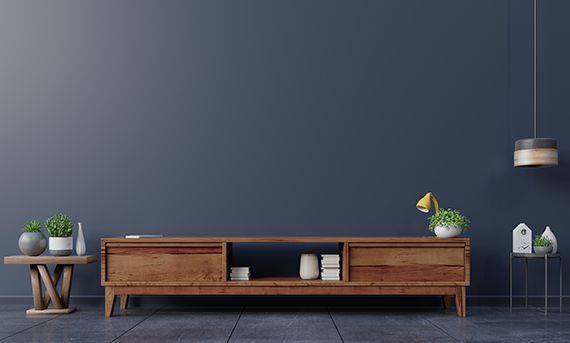
No matter how big or small your home is, there’s no arguing that a TV unit is one of the most important aspects. After all, the first thing that a person notices when they enter your house is your TV unit.
Like Joey Tribbiani says, “If you don’t have a TV, or in this case, a TV unit, what’s all your furniture even pointed at?” And speaking of Joey, we all know how invested he was in building his own entertainment unit. Now, if you don’t know who Joey is, we are judging you.
We are judging you more if you have ample space and don’t own a TV unit. But, if not having enough space is the only reason that’s stopping you from getting one, we are here to help you. Here are our best finds in TV units for small spaces that will glam up your living room design while elevating your aesthetic quotient in front of your guests. Moreover, space issues shouldn’t bring a pause to your “Netflix and Chill” experience, right?
Best TV Units for Small Spaces: Glam Up Your Living Room
Make your guests go ‘green with envy’
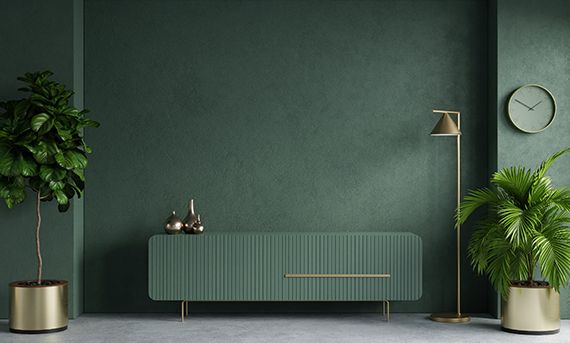
A statement piece in its own right, this dark-green TV cabinet hits all the right spots. With the perfect combination of stylish and minimalistic, it is aesthetic pro max in our books. It is going to be the perfect fit for your space no matter what the room colour is. For instance, you can use it to colour-block a bright wall or brighten up a dull background. It goes with literally everything. You can further glam it up with gold accents just like in the image. In fact, we have just the right table lamp to go with it.
Scandinavia in your living room
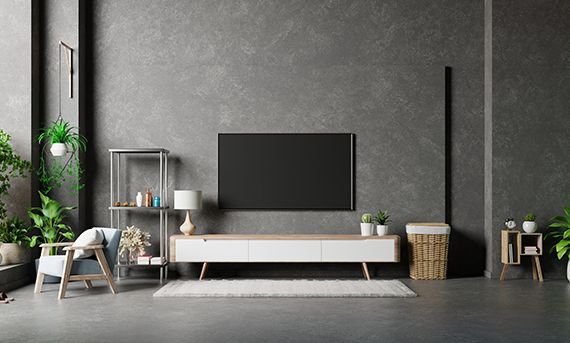
This TV unit takes us right to Scandinavia with its contemporary design and the white-beige colour palette. It’s modern, it’s minimal and it’s the right size. That means, no matter how small of a space you got for your entertainment unit, this is going to be the right fit. Moreover, it has got enough storage for your TV consoles, remotes, set-top box, speakers, gaming units and other ugly elements in your house that you want to hide away. Pair it with a tall indoor plant on the side, a few tiny cacti pots on the tabletop and you are good to go.
Check out this plant that we think would go perfectly with this unit
Minimal design, maximal storage
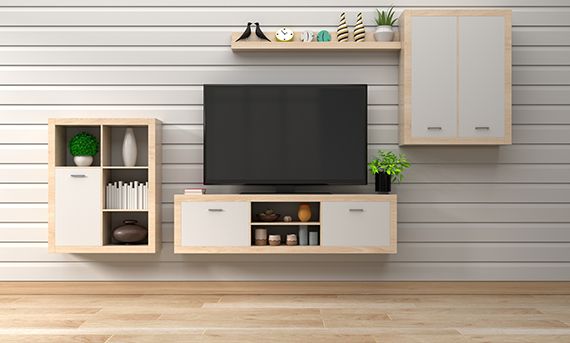
Say you are really tied for more space, so much so that you are wondering if you should go for a storage unit for those hoarded stuff or get a unit for your binge-watch sessions. What if we told you that you can have both? This TV unit should be a no-brainer design for you if you want a hideaway storage cabinet along with a cool and modern TV unit. It has space for all your extra stuff that you don’t want your guests to see and enough display shelves to show off your achievements and mementos from different walks of your life. It is also sure to brighten up your space and add a sense of space due to its light colours. And based on your room colour, you can add statement pieces to complement it.
We think this showpiece set might be a lovely addition to this unit
A stylish affair
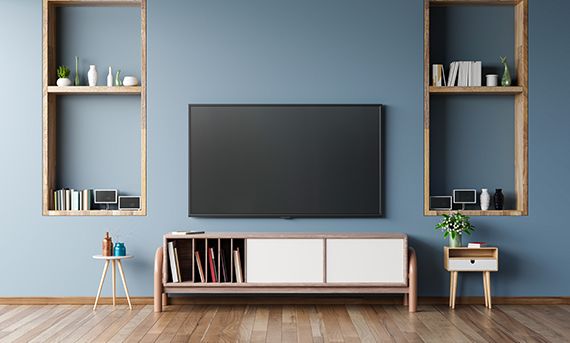
Incorporating shelves and display units, this TV unit is the perfect style addition to your home if you want to stow away clutter and add a charm to it with just enough space to show off your best collectibles. With this unit, you can also stack your books and folders in a fashionable manner. And if that doesn’t entice you enough, look closely and it’s got those really cool bronze legs that really do glam up the unit. Moreover, with its subtle colours, it is going to fit right in pretty much any setting. And with its compact design, it’s best suited for small spaces.
Add this table clock to elevate its oomph factor
Vintage meets contemporary
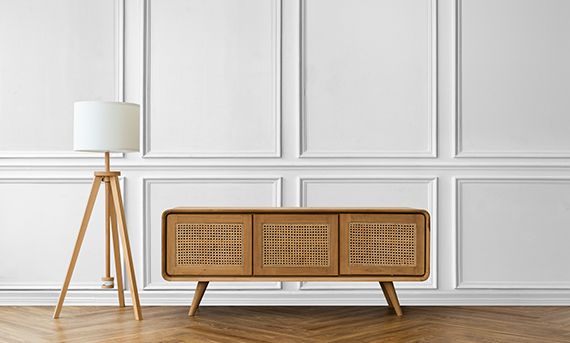
A retro design with a lot of modern elements, this TV unit is just the right fit for your tiny space. It’s going to perfectly complement your personality, and your home, if classy yet vintage is the vibe you’re looking for. The perfect statement piece for your home, this is definitely going to be a conversation starter when the guests come over. Moreover, with its light woody colour and compact design, it sure will brighten up you wall and add a sense of space. And looks are not its only forte. It’s quite functional too. The storage spaces are more than ample for a clutter-free home interior and to tuck away the unnecessaries.
And we have got the perfect floor lamp to go with it to make it look even more chic
Everything out in the open
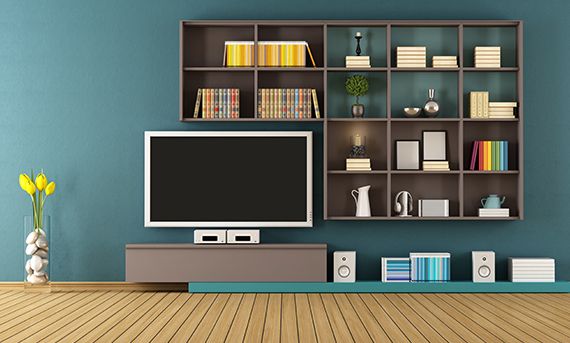
Open display units, if done wrong, can look cluttered. But, if you do it right, it can be the best accent in your house. A TV unit, a display unit, and a storage unit; this design combines utility with style. It has enough space for just about anything. Be it your huge stack of books, your collectibles from all around the world, a classy table lamp, your speaker set, your air purifier or even your trophies, this unit can hold it all in style. In fact, you’ll end up having a lot of fun styling it with all the items that you want to show off with pride.
And to brighten it up further, we have a really cool candle holder that will up its style quotient a notch higher.
09 Mar 2026
Home Improvement
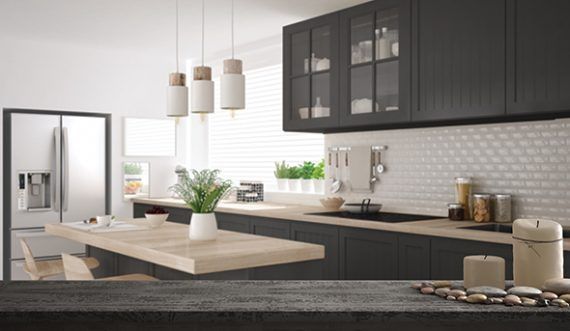
All You Need to Know About Modular Kitchen Ideas in 2025
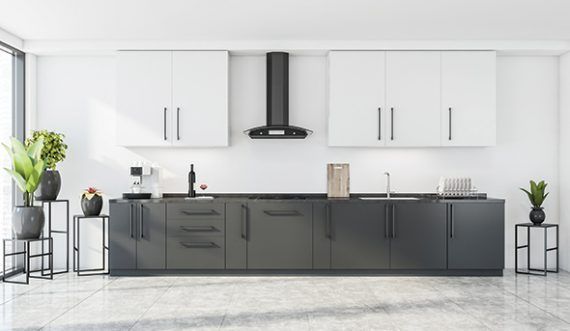
You have proudly designed an exquisite interior for your living room, decorated the walls, renovated the workspace, and can’t get enough of the ‘home selfies’ for your Instagram! But before you believe that your house ‘seems too complete’, just like Jack Durden’s condo in Fight Club, think again. Is there something you might be forgetting? Don’t worry, nothing wrong with your gas stove (unlike Jack’s!) because we are talking about your entire kitchen!
Gone are the days when kitchens used to be boring and traditional dwelling places in the house; a necessary evil, so to speak. With the elegance and style that contemporary modular kitchens offer, alongside their incredible functionality and organization, the kitchen could well become the prime destination in your next house tour for the guests!
Innovative Trends and Design Ideas in Modular Kitchens
When it comes to designing the perfect modular kitchen for your house, much depends on the original dimensions of the place. Having said that, there still remains a lot of scope for creativity, in terms of choosing the right layout as well as picking elements like colors, cabinets, and other inventive designs. Here’s a list of everything trending in the world of modular kitchen ideas in 2025 that you can consider for your house.
U-Shaped Modular Kitchen

If you are the kind of person who likes a lot of breathing space while shuffling between beating eggs and preparing color buttermilk for your ultimate Red Velvet Cake, this modern modular kitchen design is for you!
Amazingly popular among large homes and big families, U-shaped kitchens can offer brilliant storage options with three-wall units and lots of free space. This design is also great for those who like having a chat while they are cooking. That means virtually everyone!
L-Shaped Modular Kitchen
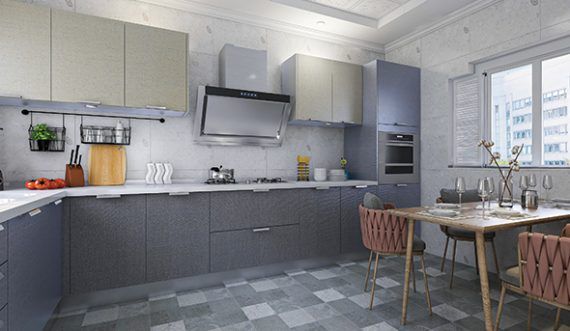
Probably the most popular design among the lot, L-shaped kitchens are beautiful to look at without giving you a bonafide headache about the space they demand. With the two arms of the unit alongside adjacent walls, you get a lot of room to move about with zero restrictions in your workflow. You can do the cooking and washing at different ends and also have easy access to the refrigerator.
Stainless Steel Kitchen
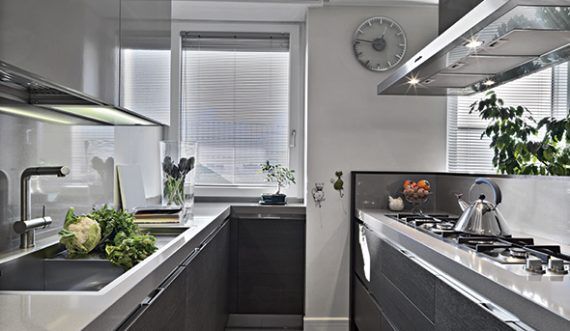
If you appreciate minimal hassles with your cooking, in terms of maintenance and umm… after-cooking work (what some may call ‘cleaning’), this simple modular kitchen design idea is especially suited for you. Easy to maintain, corrosion-free, and incredibly user-friendly, stainless steel kitchens are also highly durable and eco-friendly.
Parallel Modular Kitchen
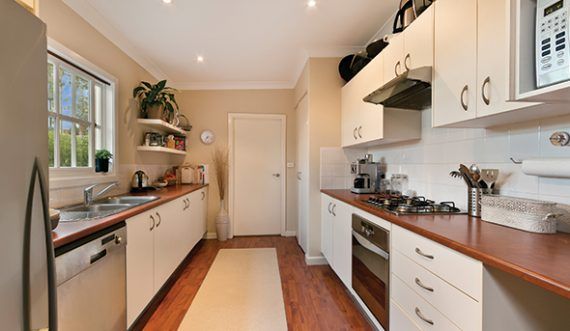
These types of kitchens are a special favorite amongst chefs. It consists of two long parallel lines with cabinets for storage and a walkway in between. So if you like to keep things a little professional with your cooking, say, for example, keeping different counters for wet cooking and presentation, a parallel Modular kitchen is going to solve a lot of problems for you.
With easy installation, even in smaller apartments, you can now channel your inner Gordon Ramsay any day of the week!
Matte Theme Kitchen
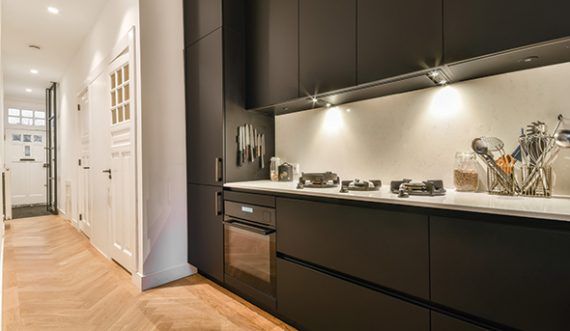
Highly trending among new-age homeowners, the matte finish on this kitchen design gives it an outstanding class and elegance. Use black, white, or gray color for the counter and match the rest with the living room palette for more appeal.
Island Modular Kitchen

If you like the way The Wire detectives McNulty and Bunk chill out after a long day’s work in local hangout spots, you can pretty much recreate the same feeling with this modular kitchen design for small kitchens!
The island modular kitchen design allows for a counter space inside the kitchen area, with various designs available according to your needs and budget. While you can use the area as a small dining nook, it is also excellent for food preparations and installing storage cabinets without hindering the cooking space.
Peninsular Modular Kitchen
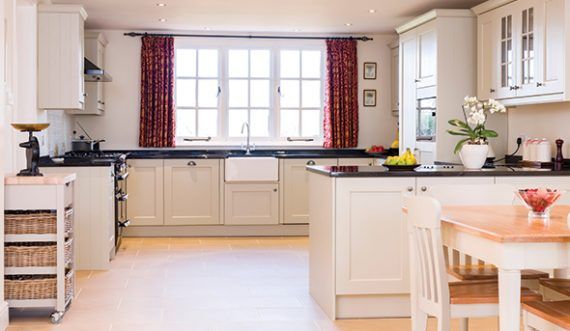
Similar to island kitchens, this particular design only differs in terms of the position of the island, which is neither away nor inside the kitchen, but floats on the periphery. You can install the counter with a sink and even use it for dining permanently. This is an excellent small modular kitchen design, since according to the space and requirements, you can also get creative with the shape of the island! Tahiti, anyone?
Tropical Kitchen
If you can’t get enough of nature, then tropical modular kitchens can create the right ambiance for your cooking space. With this design, you might feel like you’re literally cooking outdoors (but with a lot more cooking options than Bear Grylls in Man vs Wild)!
With tropical plants, lots of wood, and traditional design, this modular kitchen type is a typical favorite among beach homes and vacation homes.
Grab Innovative Modular Kitchen Designs for Your House Today
Modular kitchens have become increasingly popular among millennial homeowners, not just for the convenience and organization they provide but also for their appealing aesthetics. And if you, too, are impressed with some of the designs mentioned here, all you need to do is check out the Pepperfry website to find your favorite modular kitchen and add some style to your cooking.
09 Mar 2026
Home Improvement In the Spotlight style by room
 FurnitureSofas, Sectional Sofas, Sofa Cum Beds, Chaise Loungers, Bean Bags, Recliners, Sofa Chairs, Settees & Benches, Ottomans, Chairs, Gaming Chairs, Stools & Pouffes, Shoe Racks, Centre Tables, Side Tables, TV & Media Units, Cabinets & Sideboards, Book Shelves, Book Cases, Dining Sets, Dining Chairs, Dining Tables, Crockery Units, Bar Furniture, Beds, Bedside Tables, Trunks, Chest of Drawers, Dressing Tables, Screens and Dividers, Wardrobes, Kids and Teens, Study Tables, Office Furniture, Home Temples, Wall Shelves and Cabinets, Outdoor, Massagers, Furniture Care
- Sofas
- Sectional Sofas
- Sofa Cum Beds
- Chaise Loungers
- Bean Bags
- Recliners
- Sofa Chairs
- Settees & Benches
- Ottomans
- Chairs
- Gaming Chairs
- Stools & Pouffes
- Shoe Racks
- Centre Tables
- Side Tables
- TV & Media Units
- Cabinets & Sideboards
- Book Shelves
- Book Cases
- Dining Sets
- Dining Chairs
- Dining Tables
- Crockery Units
- Bar Furniture
- Beds
- Bedside Tables
- Trunks
- Chest of Drawers
- Dressing Tables
- Screens and Dividers
- Wardrobes
- Kids and Teens
- Study Tables
- Office Furniture
- Home Temples
- Wall Shelves and Cabinets
- Outdoor
- Massagers
- Furniture Care
 Sofas & SeatingSofas, Sofa Sets, Sectional Sofas, Sofa Cum Beds, Recliners, Recliner Sets, Chaise Loungers, Sofa Chairs, Bean Bags, Accent Chairs, Office Chairs, Gaming Chairs, Dining Chairs, Bar Seating, Settees & Benches, Ottomans, Stools & Pouffes, Outdoor Seating, Furniture Care, Top Collections, Top Brands
- Sofas
- Sofa Sets
- Sectional Sofas
- Sofa Cum Beds
- Recliners
- Recliner Sets
- Chaise Loungers
- Sofa Chairs
- Bean Bags
- Accent Chairs
- Office Chairs
- Gaming Chairs
- Dining Chairs
- Bar Seating
- Settees & Benches
- Ottomans
- Stools & Pouffes
- Outdoor Seating
- Furniture Care
- Top Collections
- Top Brands
 MattressesKing Size Mattresses, Queen Size Mattresses, Single Size Mattresses, Foldable Mattresses, Crib Mattresses, Mattress Protectors, Mattress Toppers, Pillows, Mattresses By Feature, Top Brands
- King Size Mattresses
- Queen Size Mattresses
- Single Size Mattresses
- Foldable Mattresses
- Crib Mattresses
- Mattress Protectors
- Mattress Toppers
- Pillows
- Mattresses By Feature
- Top Brands
 Home DecorVases, Figurines, Collectibles, Showpieces, Home Utility, Table Decor, Kids Decor, Photo Frames, Candles, Candle Stands, Decor Gift Sets, Spiritual, Home Fragrances, Appliances, Prayer Essentials, Artificial Plants & Flowers, Festive Decor, Gardening, Pots and Planters, Outdoor Decor, Wall Hangings, Wall Shelves, Wall Cabinets, Set Top Box Holders, Key Holders, Jharokhas, Screens & Dividers, Wall Decor, Wall Art and Paintings, Wallpapers & Decals, Clocks, Mirrors, Gifting
- Vases
- Figurines
- Collectibles
- Showpieces
- Home Utility
- Table Decor
- Kids Decor
- Photo Frames
- Candles
- Candle Stands
- Decor Gift Sets
- Spiritual
- Home Fragrances
- Appliances
- Prayer Essentials
- Artificial Plants & Flowers
- Festive Decor
- Gardening
- Pots and Planters
- Outdoor Decor
- Wall Hangings
- Wall Shelves
- Wall Cabinets
- Set Top Box Holders
- Key Holders
- Jharokhas
- Screens & Dividers
- Wall Decor
- Wall Art and Paintings
- Wallpapers & Decals
- Clocks
- Mirrors
- Gifting
 FurnishingsBed Sheets, Blankets & Quilts, Bath Linen, Bed Linen, Curtains, Curtain Accessories, Laundry Baskets, Mosquito Nets, Furnishing Gift Sets, Cushions & Covers, Sofa Covers & Throws, Chair Covers & Pads, Carpets, Dhurries, Runners, Door Mats, Bath Mats, Prayer Mats, Picnic Mats, Yoga Mats, Kids Furnishings, Pet Furnishings, Top Brands
- Bed Sheets
- Blankets & Quilts
- Bath Linen
- Bed Linen
- Curtains
- Curtain Accessories
- Laundry Baskets
- Mosquito Nets
- Furnishing Gift Sets
- Cushions & Covers
- Sofa Covers & Throws
- Chair Covers & Pads
- Carpets
- Dhurries
- Runners
- Door Mats
- Bath Mats
- Prayer Mats
- Picnic Mats
- Yoga Mats
- Kids Furnishings
- Bed Sheets
- Carpets & Mats
- Kids Blankets and Comforters
- Pillows and Covers
- Cushion Covers
- Towels
- Bedding Sets
- Curtains
- Baby Mats
- Pet Furnishings
- Top Brands
 Lamps & LightingFloor Lamps, Shelf Floor Lamps, Table Lamps, Night Lamps, Work and Study Lamps, Lamp Shades, Kids Lamps, Ceiling Lights, Wall Lights, Smart Lights, Outdoor Lights, Decorative Lights, Emergency Lights, Bulbs, Top Brands
- Floor Lamps
- Shelf Floor Lamps
- Table Lamps
- Night Lamps
- Work and Study Lamps
- Lamp Shades
- Kids Lamps
- Ceiling Lights
- Wall Lights
- Smart Lights
- Outdoor Lights
- Decorative Lights
- Emergency Lights
- Bulbs
- Top Brands
 Kitchen & DiningServeware, Jugs, Bakeware, Dinnerware, Cookware, Cooking Tools, Drinkware, Bottles, Flasks, Sippers, Barware, Teaware, Knives & Cutlery, Table Essentials, Jars and Containers, Kitchen Organizers, Lunch Boxes, Kids Kitchenware & Tableware, Gift Sets, Kitchen Linen, Table Linen, Kitchen Appliances, Top Brands
- Serveware
- Serving Bowls
- Casseroles
- Butter Dishes
- Serving Trays
- Tray Sets
- Appetizer Platters
- Cheese Boards
- Cake Stands
- Cloche
- Jugs
- Bakeware
- Dinnerware
- Cookware
- Cooking Tools
- Spatulas, Ladles and Tongs
- Knives and Choppers
- Chopping Boards
- Rolling Pins and Boards
- Strainers and Whisks
- Cooking Preparation Tools
- Drinkware
- Bottles
- Flasks
- Sippers
- Barware
- Barware Sets
- Bar Tools
- Ash Trays
- Wine Holders & Coolers
- Carafes and Decanters
- Dispensers
- Ice Buckets & Moulds
- Teaware
- Knives & Cutlery
- Table Essentials
- Jars and Containers
- Kitchen Organizers
- Lunch Boxes
- Kids Kitchenware & Tableware
- Gift Sets
- Kitchen Linen
- Table Linen
- Kitchen Appliances
- Top Brands
 LuxuryLiving Room, Bedroom, Dining Room, Home Office
 Modular