Sign Up & Get Flat 10% off + Redeem 10,000 credits on First Purchase




How to Reupholster Your Sofas and Chairs Like a Pro at Home
07 Aug 2026
That worn sofa with the sagging cushions and faded fabric? It probably has years of life left in its frame. Learning how to reupholster a sofa at home saves serious money compared to buying new in 2026.
With a weekend, the right tools, and systematic steps, you can transform tired furniture into something beautiful.
This guide covers everything: essential tools, fabric yardage calculations, step-by-step instructions, Victorian furniture tips, and troubleshooting advice. Professional-looking results are absolutely achievable without professional costs.
Why Reupholster Your Sofa Instead of Replacing It?
A quality sofa costs Rs 40,000 to Rs 1,50,000 in 2026. DIY reupholstery? Often Rs 8,000 to Rs 20,000 in materials. The savings add up fast.
Beyond money, reupholstering keeps structurally sound furniture out of landfills. That hardwood frame built decades ago likely outperforms today's mass-produced alternatives.
Sentimental pieces stay in the family. Custom-sized furniture keeps fitting awkward spaces.
Reupholstery makes the most sense when:
- The frame is solid hardwood with tight joints
- Springs still have good bounce and support
- The piece has sentimental or heirloom value
- Standard replacement sizes would not fit your room
- You want a fabric or colour unavailable in shops
Plan for a full weekend. Complex pieces may need two.
Essential Tools and Materials Checklist
Gather everything before you start. Running to the market mid-project kills momentum.
Hand Tools:
- Staple remover or flat-head screwdriver
- Sharp fabric scissors
- Upholstery needles (curved and straight)
- Measuring tape
- Marking chalk
Power Tools:
- Electric staple gun (essential for efficiency)
- Optional: air compressor for pneumatic stapler
Safety Gear:
- Heavy work gloves
- Safety glasses
- Dust mask (old padding gets dusty)
Materials:
- Upholstery fabric (yardage calculation coming next)
- High-density foam (seat) and medium-density (back)
- Polyester batting
- Jute or rubber webbing
- Staples (3/8 inch for fabric, 1/2 inch for webbing)
Budget alternatives exist for tools. Borrow an electric staple gun rather than buying if this is a one-time project.
Pro Tip: Save money on batting and webbing. Spend more on quality fabric and foam. Those determine how your finished piece looks and feels daily.
Calculating Fabric Yardage and Project Costs for 2026
Fabric shortages ruin projects. Over-purchasing wastes money. Use this formula for accurate estimates.
Basic Formula:
Measure sofa length and depth in inches. Multiply length × depth × 2, then divide by 36. Add 15% for seam allowances and cutting waste.
🛋️ Two-Seater Sofa
- Approximate Dimensions: 150 cm × 85 cm
- Fabric Needed: 8 to 10 metres
🛋️ Three-Seater Sofa
- Approximate Dimensions: 200 cm × 90 cm
- Fabric Needed: 12 to 14 metres
🛋️ L-Shaped Sectional
- Approximate Dimensions: 280 cm × 180 cm
- Fabric Needed: 18 to 22 metres
2026 Cost Estimates:
- Basic upholstery fabric: Rs 400 to Rs 800 per metre
- Premium velvet or linen: Rs 1,200 to Rs 2,500 per metre
- Foam replacement (full sofa): Rs 3,000 to Rs 6,000
Pattern-matching fabrics need 20% extra yardage. Tufted backs and decorative skirts add another 10%.
Choosing the Right Fabric for Chairs and Sofas
Your lifestyle should dictate fabric choice more than aesthetics alone. Here are reupholstered chair fabric ideas based on real household needs.
- Microfibre: Excellent for homes with children or pets. Stains wipe clean easily. Durable and soft.
- Canvas: Tough, budget-friendly, and works well with bold prints. Slightly stiff initially.
- Velvet: Luxurious texture, tricky to clean. Best for adult-only spaces.
- Linen: Breathable and elegant, but wrinkles and stains easily.
- Faux leather: Easy maintenance, cool in summer, can feel sticky in humidity.
Dark colours and small patterns hide daily wear. Bold solids make statements but show every mark.
When aligning stripes or plaids across cushions, cut all pieces with the pattern running in the same direction. Mismatched seams look amateurish instantly.
Order fabric swatches first. Test them against your walls, curtains, and existing decor before committing to full yardage.
Expert Quote: If you have a busy household, stay away from delicate or textured options, like silk, which could pull and aren't as forgiving stainwise. - Architecural Digest
Step-by-Step Process to Reupholster a Sofa at Home
Set aside a full weekend and clear a spacious work area. Your living room floor works fine with dust sheets down. Photograph every stage before removing anything. Label each fabric piece with masking tape as you remove it. These reference photos save hours during reassembly.
Safety matters here. Old staples are sharp. Decades-old padding releases dust. Wear gloves and a mask throughout.
Step 1: Inspect the Frame and Springs
Before cutting new fabric, check whether the frame deserves the effort. Wiggle the arms firmly. Press down on the seat to test spring rebound. Look underneath for cracks or loose joints.
Minor squeaks often need only wood glue and clamps. Loose screws tighten easily.
However, cracked hardwood or completely rusted springs signal that professional repair or replacement makes more sense than DIY reupholstery.
Step 2: Remove Old Upholstery Safely
Work slowly with your staple remover, sliding it under each staple and lifting carefully.
Yanking tears fabric you need as a template. Wear gloves throughout; old staples are sharp and rusty.
Photograph the original placement before removing each section. Label pieces with tape: "seat front," "left arm outer," and so on. Bag removed staples immediately for safe disposal.
Step 3: Create Patterns and Measure Yardage
Lay removed fabric pieces flat on kraft paper. Trace around each one, adding 2.5cm seam allowance on all edges. Mark which way the fabric grain ran originally.
For patterned fabrics, note where motifs should align across seams. Accurate templates prevent expensive cutting mistakes. Check measurements twice before scissors touch your new fabric.
Step 4: Cut Foam, Batting, and New Fabric
Use sharp fabric shears for clean cuts. For foam, an electric carving knife creates smoother edges than scissors. Stack identical pieces and cut together to save time.
New fabric often arrives with fold lines. Lightly steam or iron on low heat before cutting.
Crisp, flat fabric staples smoothly and looks professional.
Step 5: Rebuild Webbing and Padding Layers
If webbing has sagged, replace it completely. Weave jute or rubber webbing in a checkerboard pattern across the seat frame, pulling taut and stapling at each end.
Choose foam density based on location. Seats need firmer support (density 32 to 40).
Backs feel better with softer foam (density 24 to 28). Wrap batting around foam edges. This softens corners and prevents fabric wear at sharp points.
Step 6: Staple or Tack Fabric into Place
Start at the centre of each panel. Pull fabric taut toward the edges, stapling as you go.
Work outward to corners rather than starting there.
Space staples approximately 4cm apart for secure attachment. Curved arms need small pleats folded neatly and evenly. Check alignment constantly. Crooked fabric shows badly on finished furniture.
Step 7: Finish Corners, Skirts, and Trim Details
Hospital corners create clean, tailored edges. Fold fabric as you would bed sheets, pulling tight before stapling underneath. Trim excess fabric close to staples.
Optional details elevate the finish: piping along seams, nail-head trim on arms, or contrast welting. Reattach legs securely. Add a dust cover underneath for a polished look.
These finishing touches separate amateur work from professional results.
Reupholstering Victorian Chairs and Couches
Victorian furniture presents unique challenges. Understanding how to reupholster a
Victorian chair means respecting ornate carved frames and traditional construction methods.
These pieces often feature button tufting, horsehair stuffing, and decorative gimp trim.
When you reupholster a Victorian couch, preserve original elements wherever possible.
Carefully remove brass tacks for reuse. Match period-appropriate fabrics: deep jewel tones, damasks, or rich velvets.
Navigate intricate curves slowly. Forcing fabric around carved woodwork risks chipping.
Pepperfry's traditional single-seater sofas show the elegance achievable with classic styling.
Expert Quote: "The easiest way to be sure you'll like an upholstery material on a certain frame - and like how it feels when you sit on it - is by going with something you see in the store" - Architectural Digest
Troubleshooting Common Reupholstery Problems
Even experienced DIYers hit snags. Quick fixes keep projects moving.
- Sagging cushions: Add an extra foam layer or switch to higher-density padding
- Puckered fabric: Remove staples from the affected section, re-stretch firmly, and re-staple
- Loose corners: Add extra staples or small tacks underneath
- Accidental tears: Position decorative trim or piping strategically over damage
- Uneven tufting: Remove buttons, re-measure spacing, and re-attach symmetrically
Once finished, protect your work. Vacuum upholstery weekly. Treat spills immediately with appropriate cleaners. Fabric protection sprays suit homes with young children or pets.
When to Hire a Professional Upholsterer
DIY suits many projects. Some need expert hands.
💰 Cost
- DIY Reupholstery: Rs 8,000 to Rs 20,000
- Professional Upholsterer: Rs 25,000 to Rs 60,000
---
⏱️ Time
- DIY Reupholstery: 2 to 3 weekends
- Professional Upholsterer: 1 to 2 weeks turnaround
---
🛠️ Skill Required
- DIY Reupholstery: Intermediate
- Professional Upholsterer: N/A
---
🛋️ Best For
- DIY Reupholstery: Simple sofas, dining chairs
- Professional Upholsterer: Antiques, complex tufting
Call a professional for severely damaged frames, intricate button-tufted pieces, or genuine antiques requiring restoration. When vetting upholsterers, ask for portfolio photos and check reviews.
Pepperfry's full-back lounge chairs offer ready-made alternatives if DIY feels overwhelming.
Start Your 2026 Sofa Makeover Project Today
Reupholstering at home delivers real value: substantial savings, complete customisation, and sustainable furniture choices. You now know the seven core steps, from frame inspection through final finishing details.
Gather your tools, measure your fabric carefully, and approach the project methodically. That tired sofa hiding good bones deserves another decade of life. With patience and attention to detail, you can achieve results that look professionally done. Your 2026 furniture makeover starts this weekend.
Frequently Asked Questions (FAQs)
1. How much fabric do I need to reupholster a sectional sofa?
Most sectional sofas need 18 to 22 metres of fabric, depending on size and configuration. Add 20% extra for pattern matching. Measure each section separately and total the yardage.
2. What staple size is safest for home reupholstery projects?
Use 3/8 inch staples for fabric attachment and 1/2 inch staples for webbing. Shorter staples prevent puncturing through thin frame rails. Always test on a hidden area first.
3. How do I clean newly reupholstered furniture?
Vacuum weekly using an upholstery attachment. Blot spills immediately with a clean cloth. Check fabric care labels for specific cleaning codes. Most upholstery fabrics respond well to foam based cleaners.
4. Can I reupholster a tufted sofa back at home?
Yes, though it requires patience. Mark button positions before removing old fabric. Use a long upholstery needle and strong thread. Tufting adds two to three hours to overall project time.
5. How long does a full sofa reupholstery project typically take?
Plan for one full weekend for a standard three seater sofa. Complex pieces with tufting or Victorian details may need two weekends. First time projects always take longer than expected.
6. What is the best way to match patterned fabric across sofa cushions?
Cut all pieces with patterns running the same direction. Align dominant motifs at seam lines. Pin fabric sections together before cutting to check alignment. Order extra yardage for pattern matching.
Show more blogs from :
Bonhomie
Recommended For You
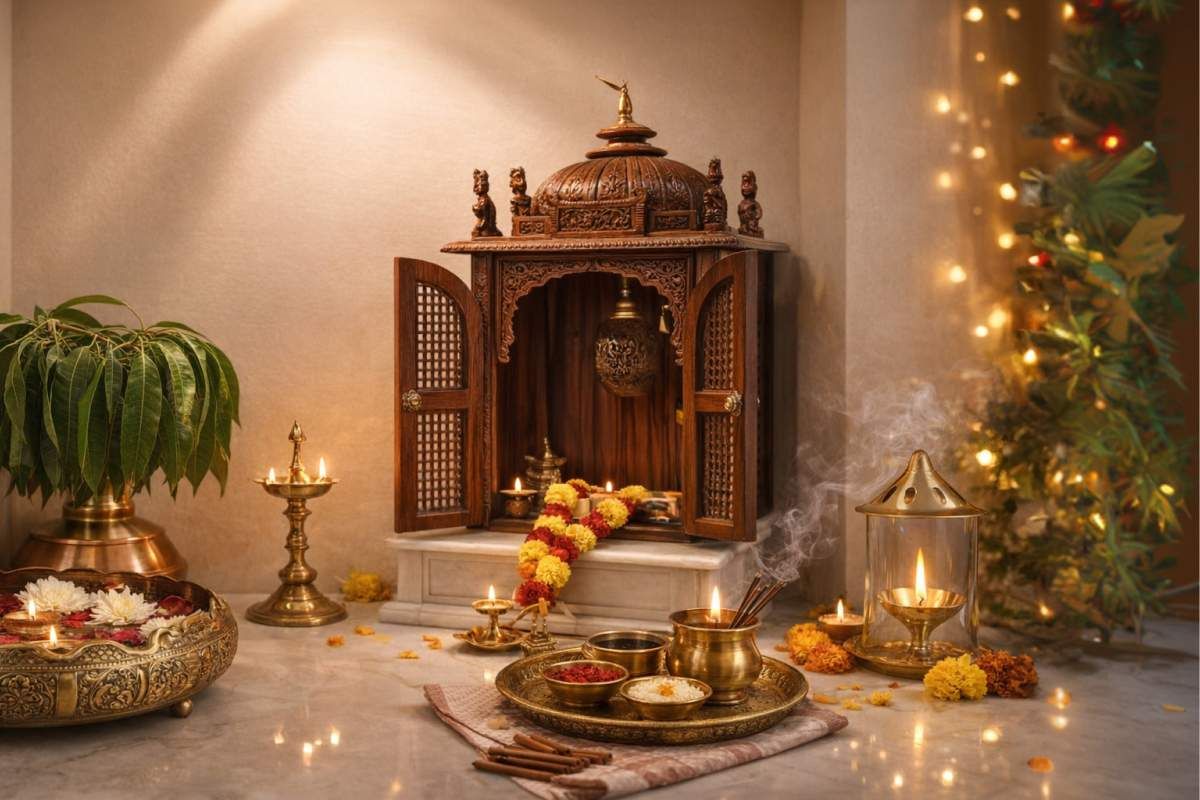
Elegant Mandir Decoration Ideas to Create a Sacred Space at Home
A mandir brings peace to any home. It becomes the quiet centre where mornings begin and evenings find calm. Creating one that feels both sacred and beautiful takes thought.
This guide brings you 25 curated mandir decoration ideas spanning traditional wooden designs, modern minimalist setups, and space-saving solutions. You will also find budget-friendly DIY projects, festive 2026 themes, Vastu guidance, and daily care routines. These mandir decor at home ideas work for flats, bungalows, and rented spaces alike, helping you craft a space that reflects your devotion and fits your lifestyle.
"A puja room is less about display and more about creating a space for stillness, reflection, and a pause from everyday life."-Architectural Digest
Traditional Wooden Mandir Decor at Home
Wooden mandirs carry a warmth that stone and metal cannot match. The scent of teak or walnut fills the air during prayers, grounding you in tradition. Classic designs feature carved domes, intricate jaali panels, and brass bell accents that chime softly when touched.
Warm wood tones like honey teak, rich walnut, and deep sheesham bring natural elegance to your sacred corner. These materials age gracefully, gaining character over the years. A well-crafted wooden mandir from Pepperfry's collection becomes a family heirloom.
Lighting and storage tips for wooden mandirs:
- Place soft-focus LEDs behind the main idol to create a gentle halo effect
- Position traditional diyas on brass trays below the shrine level
- Use warm white bulbs rather than cool tones for a serene glow
- Build storage niches into the mandir base for pooja samagri
- Add a small chest of drawers nearby for prayer books and essentials
Prices vary based on wood type and carving detail. Teak units with hand-carved panels sit at the higher end, whilst simpler mango wood designs remain accessible. The collection starts from as low as Rs. 3,499. Check the Vastu section below to ensure your placement brings positive energy.
How Do Modern Minimalist Mandir Decoration Ideas Elevate Your Space?
Clean lines and neutral palettes define modern mandir decoration ideas. This approach strips away the ornate in favour of simplicity. Fewer idols, open surfaces, and hidden lighting create focus during prayer.
Glass panels bring a sleek edge. Frosted options offer privacy whilst letting light filter through. Acrylic shelves feel weightless against a white wall. These materials wipe clean in seconds, perfect for busy households.
Layout options for minimalist mandirs:
- Recessed wall niches that sit flush with your wall surface
- Floating shelf configurations with hidden brackets
- Backlit panels using concealed LED strips
Material recommendations:
- Frosted glass for soft light diffusion
- White or cream laminates for easy maintenance
- Brushed metal accents for subtle shine
Integrating a mandir within your living room needs care. Place it where it remains visible but separate. Readers with compact homes should check the next section for space-saving solutions.
Smart Tip: A change in wall colour or a slim wooden frame can create visual boundaries. This keeps the space sacred without adding a door.
Space-Saving Mandir Decoration Ideas at Home for Compact Living
Small flats and rented rooms deserve sacred spaces too. The key lies in thinking vertically and multifunctionally.
Compact solutions that work:
- Corner units that tuck into unused angles
- Floating ledges mounted at eye level
- Fold-out cabinets that close when not in use
- TV unit partitions with a dedicated mandir shelf
- Display shelves with one section reserved for worship
Quick Tip: Measure your wall space before purchasing. A mandir between 45 cm and 60 cm wide fits most flat corners comfortably.
Vertical decor strategies:
- Hang slim brass diyas from wall hooks above the shrine
- Use a narrow jaali backdrop that draws the eye upward
- Stack religious idols on tiered platforms rather than spreading them wide
Storage hacks for small mandirs:
- Choose units with concealed drawers beneath the shrine platform
- Store incense, oils, and camphor in labelled containers inside compact cabinets
- Keep fresh flowers in a small vase that tucks beside the idol
The DIY section below offers budget-friendly ways to build custom compact mandirs yourself.
"Light colours, carefully chosen furnishings, and uncluttered layouts can make even a compact prayer space feel peaceful and inviting."- Houzz
Budget-Friendly DIY Decoration of Puja Room
Creating a beautiful decoration of the puja room need not strain your wallet. Three simple projects can transform any corner into a sacred space.
Project 1: Recycled Wooden Crate Altar
- Materials: One wooden fruit crate, sandpaper, wood stain, and small brass hooks
- Time: Two to three hours
- Sand the crate smooth, apply walnut or teak stain, and let it dry overnight
- Mount on your wall with L-brackets; hang bells from hooks below
- Cost stays under a few hundred rupees
Project 2: Hand-Painted Backdrop Panel
- Materials: Plywood sheet, acrylic paints, stencils, clear varnish
- Time: One afternoon plus drying time
- Paint a simple Om symbol or lotus motif; seal with varnish for durability
- Lean against the wall behind your mandir or mount with nails
Project 3: Mason Jar Hanging Diya Holders
- Materials: Glass jars, jute rope, tea light candles or LED tealights
- Time: Under one hour
- Wrap jute around jar necks, create hanging loops, and place lights inside
- Use LED tealights to avoid fire hazards with wooden surroundings
Sustainable choices like these also reduce waste, a benefit covered in the maintenance section.
Safety Tip: Keep candles away from fabric drapes and wooden surfaces. Check electrical connections monthly.
What Festive Mandir Decoration Ideas Will Shine in 2026?
Festivals call for colour, light, and joy. Your mandir decor at home can shift with each celebration without a complete redesign.
Diwali 2026:
- Colour scheme: gold, maroon, and deep orange
- Add festive string lights around the mandir frame
- Place brass diyas in clusters for traditional warmth
Navratri 2026:
- Colour scheme: red, green, and yellow across nine nights
- Swap your backdrop drape daily to match each colour
- Use fabric marigold garlands instead of fresh flowers to reduce waste
Janmashtami 2026:
- Colour scheme: peacock blue and butter yellow
- Add a small swing for the Krishna idol as the centrepiece
- Decorate with peacock feathers and floral rangoli at the base
Did You Know? Fabric marigold garlands last for years with proper storage, saving money and trips to the market.
Quick swap tips:
- Keep a box of coloured drapes sorted by festival
- Store delicate decorations in tissue-lined containers
- Rotate your pooja accessories rather than buying new ones each year
Vastu and Placement Tips for a Peaceful Mandir
Vastu principles guide where your mandir sits and how it feels. Following them brings calm to your daily practice.
The north-east corner remains the ideal spot, often called the zone of water and spirituality. East and north also work well. Place the mandir platform at least knee height from the floor, ensuring idols rest at or above eye level when seated.
✅ Face East or North While Praying
Avoid: Placing a mandir under a staircase.
---
✅ Choose Pyramidal or Gopura-Shaped Tops
- Avoid: Positioning the mandir near bathrooms or toilets.
---
✅ Use White, Cream, or Light Yellow Walls
- Avoid: Storing footwear nearby.
---
✅ Keep the Space Clutter-Free
- Avoid: Hanging pictures of deceased relatives in the mandir area.
---
✅ Ensure Natural Light Reaches the Area
- Avoid: Using dark colours like black or grey.
Ceiling shapes matter too. A small dome or stepped design above the mandir adds auspicious energy. Revisit the wooden mandir section to match your material choices with these Vastu guidelines.
Daily Maintenance and Care Guide
A well-kept mandir reflects mindful devotion. Simple routines keep your sacred space fresh.
Daily tasks:
- Wipe idol surfaces with a soft dry cloth
- Replace wilted flowers with fresh blooms or fabric alternatives
- Light incense at a set time to build a calming ritual
Weekly tasks:
- Dust the mandir frame and shelves thoroughly
- Clean brass items with lemon and salt paste
- Check the diya wicks and replace if blackened
Monthly tasks:
- Wash marble or stone idols with lukewarm water and mild soap
- Inspect LED connections and replace dim bulbs
- Air out stored pooja items to prevent mustiness
Store incense sticks and oils in airtight containers to preserve fragrance. Keep a small vase ready for quick flower swaps. Caring for your mandir need not feel like a chore. Think of it as time spent with purpose, a daily pause that centres your mind.
Cleaning Tip: Protective finishes like lacquer on wood or sealant on stone ease cleaning.
Bring Your Mandir Decoration Ideas to Life Today
Twenty-five mandir decoration ideas now sit at your fingertips. From traditional wooden charm to modern glass panels, space-saving corners to budget DIY projects, festive colour swaps to Vastu wisdom, and daily care habits, you hold a complete guide.
Your sacred space should reflect who you are. It can be grand or simple, vibrant or muted. What matters is that it feels like yours. Browse Pepperfry's curated mandir furniture and decor collections to find pieces crafted with care, ready to bring these ideas into your home today.
Frequently Asked Questions (FAQs)
1. Which materials work best for small mandir decoration ideas at home?
Acrylic, frosted glass, and lightweight plywood suit compact spaces well. They look sleek, clean easily, and mount securely on walls. Choose floating shelves or corner units to save floor space while keeping your sacred area accessible.
2. How can I safely brighten up a wooden mandir without fire hazards?
Use LED candles and battery powered string lights instead of open flames. If you prefer traditional diyas, place them on brass trays away from the wooden frame. Check wiring monthly and keep flammable items at a distance.
3. What are simple ways to blend a mandir with modern interior design?
Choose clean lines, neutral colours, and recessed wall niches. A floating shelf with hidden brackets keeps the look minimal. Use soft backlighting and limit idols to two or three for a focused, contemporary feel.
4. How much should I budget for a basic mandir setup?
A simple wooden or laminate unit starts around Rs 3,000. Add Rs 500 to Rs 1,500 for lighting and small accessories. DIY options using recycled crates and paint cost even less while still looking beautiful.
5. How do I quickly update my mandir decor for different festivals?
Keep colour coded fabric drapes stored in a box. Swap backdrops and add festival specific props like string lights or garlands. Fabric flowers last for years and save time compared to fresh blooms.
6. How often should I clean marble idols in my puja room?
Wipe marble idols weekly with a dry cloth. Once a month, wash them gently with lukewarm water and mild soap. Avoid acidic cleaners that can etch the surface. Dry thoroughly before placing back.
10 Aug 2026
Bonhomie
5 Ingenious (and Obvious) Uses for a Foot Stool You Haven't Tried Yet
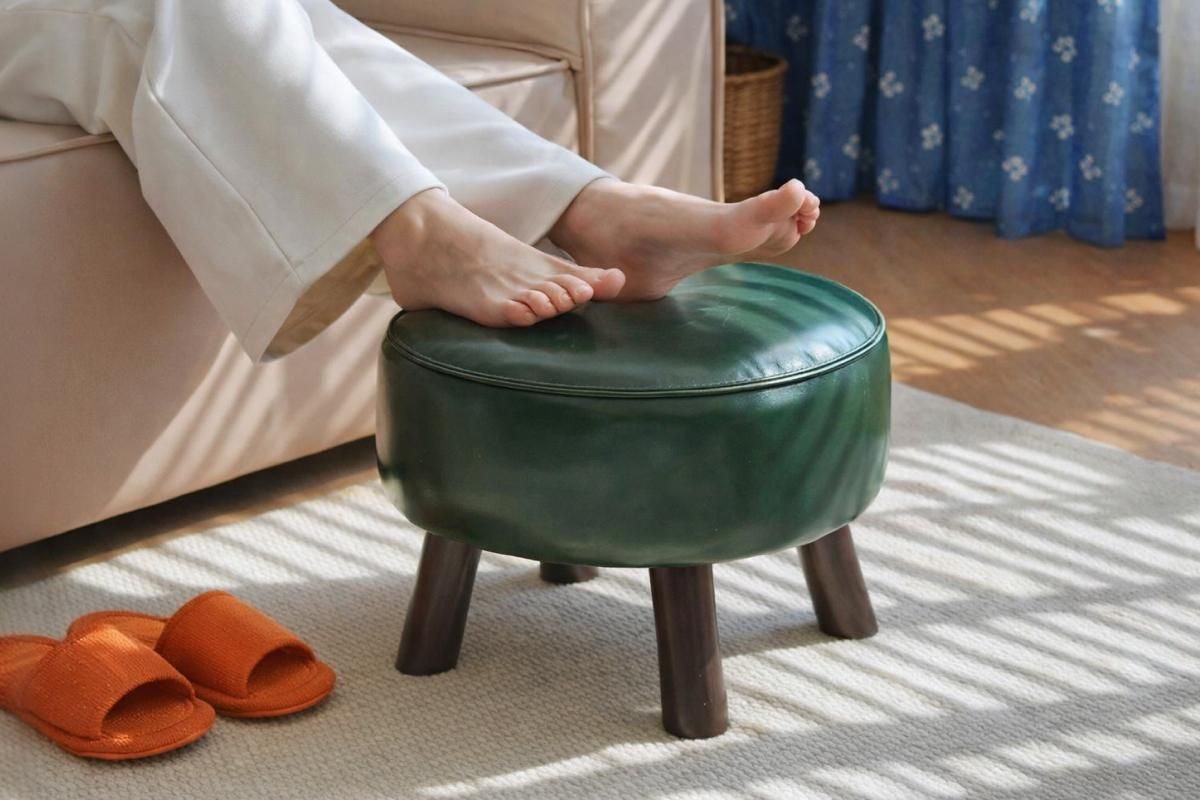
That little padded stool tucked beside your sofa? It does far more than give tired feet a rest. Most of us own a footstool or have thought about buying one, yet few people tap into what a footstool's full range of uses is.
This write-up covers the basics: what a footstool actually is, why it earns its spot in modern homes, and five footstool uses you can try today. Some are obvious. Others might surprise you. All of them make this humble piece of furniture work harder for your daily comfort.
What Is a Footstool, Really?
A footstool is a low piece of furniture built for foot elevation and support. It sits lower than a standard chair, typically ranging from 25 to 45 centimetres in height. You will find them in wood, metal, fabric, leather, and woven materials like jute or cane.
The design splits into two broad camps. Comfort-focused footstools come with padded tops, soft upholstery, and cushioned surfaces ideal for lounging. Functional step-style designs use solid wood or metal frames that hold weight for reaching high shelves or helping children access sinks.
Footstools have been around for centuries, showing up in palaces and village homes alike. Today, their appeal lies in compact size, flexible placement, and a surprising ability to serve multiple roles within the same room. Browse Pepperfry's footstool collection to see how varied this simple category has become.
Check-out Foot stool Collection at Pepperfry --->
Why Footstools Deliver More Than You'd Expect
Proper foot elevation does good things for your body. Raising your feet while seated reduces pressure on your lower back. It opens up hip flexors that tighten from hours of sitting. Blood flows more freely through your legs, cutting down the swelling that builds after a long day on your feet.
During desk work, a footstool helps align your knees and hips at comfortable angles. This matters for anyone who spends hours at a computer. Your spine stays in a neutral position. Your legs avoid that restless, cramped feeling.
Quick Tip: For seated work, position your footstool so your knees bend at roughly 90 degrees. Your thighs should rest parallel to the floor with feet flat on the stool surface.
Beyond ergonomics, footstools double as extra seating when guests drop by. They serve as handy surfaces for books, remotes, or a cup of tea. This mix of health benefits and practical flexibility makes footstools remarkably versatile throughout the home. The following five uses show exactly how far that versatility stretches.
Footstool as Your Ergonomic Desk Companion
Working from home brought a harsh truth: most dining chairs and makeshift desks punish your posture. A footstool placed under your desk changes the equation. It lifts your feet to maintain that 90-degree knee angle we mentioned above.
The result? Less strain on your lower back. Better circulation through your legs. Fewer end-of-day aches in your calves and ankles. Position the stool so your thighs rest level, not sloping upward or downward.
Match the stool height to your own leg length. Shorter individuals may need a taller stool; taller folks might prefer something lower. If your floors are hard tile or polished wood, check that the stool base has non-slip pads. A sliding footstool mid-meeting is nobody's idea of productive.
Turn Your Footstool Into a Mini Workout Partner
A sturdy footstool doubles as simple exercise equipment. You can do calf raises by standing with the balls of your feet on the edge. Step-ups work your legs and get your heart rate up. Seated leg stretches become easier with a raised surface.
These quick movements break up sedentary workdays. Even five minutes of step-ups between calls improves circulation and clears mental fog. The key is safety. Verify your footstool's weight capacity before stepping on it. Ensure the top surface offers grip, not slippery fabric or polished wood.
Check all joints and legs for wobble before each use. A footstool stable enough for resting feet may not handle dynamic exercise loads. When in doubt, choose solid wood or metal frames rated for higher weights.
"An ottoman or a plush footstool is the ultimate shape-shifter in an Indian living room. It works as an impromptu coffee table when topped with a wooden tray, transitions into extra seating during large family gatherings, and still serves its foundational purpose as a place to rest your feet." - Ashiesh Shah (Architect & Interior Designer), Architectural Digest India
Elevate Your Decor as a Plant Stand or Display Riser
Not every footstool lives beside a sofa. A wooden or metal stool makes an excellent plant stand, lifting greenery to catch better light and creating visual interest at varying heights. Clustered plants at different levels look far more dynamic than a flat row along a windowsill.
Protect your stool surface by placing plants on a waterproof tray or mat. Moisture from drainage or condensation damages fabric and warps untreated wood. This simple step keeps your footstool looking fresh for years.
Beyond plants, rotate seasonal decorative items on your stool throughout the year. Small sculptures, candle groupings, or framed photos gain presence when raised above floor level. Check out Pepperfry's home decor range for pieces that pair well with a stylish footstool riser.
Add Hidden Storage with Bedside Footstools
Space runs tight in compact bedrooms. A traditional nightstand sometimes overwhelms a small room. Footstools with storage offer a smarter solution. The hinged or lift-off top opens to reveal a compartment for essentials.
Books, remote controls, charging cables, reading glasses, medications, or personal items tuck away neatly inside. The closed stool keeps your bedside looking clean. When you need something, lift the lid.
Check that lid hinges operate smoothly and quietly. Nobody wants a loud clunk waking a sleeping partner during a midnight grab for lip balm. Look for models with soft-close mechanisms or padded edges. A well-chosen storage footstool replaces bulky bedroom furniture without sacrificing function.
Create a Safe Step-Up Solution for Children
Little ones struggle to reach bathroom sinks, kitchen counters, and bedroom light switches. A stable footstool gives them the boost they need to brush teeth, wash hands, or help with cooking tasks.
Prioritise these safety features when choosing a child's step stool:
- Anti-slip pads on the base and top surface
- Rounded edges with no sharp corners
- Solid construction rated for the child's weight
- Low centre of gravity to prevent tipping
Adult supervision remains essential, especially for younger children. As kids grow more confident, a sturdy footstool supports their independence while keeping them safe. Toddlers learning to move around can use the stool for balance as they practise standing and cruising.
Matching Your Footstool to Your Needs
With five distinct uses in mind, choosing the right footstool means knowing your priorities. Here are the key decision factors:
- Height: Desk work needs a stool that creates a 90-degree knee angle. Bedside use works with lower profiles. Child step stools should match the reach needed for sinks or counters.
- Material: Fabric offers comfort for lounging. Wood and metal clean easily and handle weight for stepping. Leather adds a premium look but needs care.
- Weight capacity: Exercise use and children's stepping demand higher load ratings. Check the manufacturer's specifications.
- Storage options: Hinged tops, lift-off lids, and open compartments serve different needs. Bedside storage benefits from quiet hinges.
- Surface grip: Non-slip tops matter for exercise and children's use. Smooth fabric suits lounging, but may be risky for standing.
Practical Advice: Pick your primary use case first. A footstool perfect for desk ergonomics may not suit exercise or child stepping. Once you know your main need, verify that secondary functions still work for your lifestyle.
A centre table might seem like an alternative for resting drinks or remotes, but footstools offer flexibility no table can match.
Using and Caring for Your Footstool Safely
Getting years of reliable service from your footstool requires simple habits. Place it on flat, stable floors away from loose rugs that shift underfoot. Conduct regular checks for wobbles, loose screws, or fabric tears.
Clean according to the material:
- Wood: Wipe with a damp cloth, dry immediately, and apply furniture polish quarterly
- Fabric: Vacuum regularly and treat stains promptly with upholstery cleaner
- Leather: Condition every few months to prevent cracking
For storage models, maintain hinges with a drop of lubricant if they begin to squeak. Respect weight limits, especially during exercise use. A stool rated for 60 kilograms will not safely hold someone twice that weight stepping on it repeatedly.
Use coasters and trivets to protect surfaces when using your footstool as a drinks rest or plant stand.
Making the Most of Footstool Versatility
From desk companion to workout partner, plant riser to bedside storage, child step stool to simple foot rest, the humble footstool punches well above its size. Understanding what a footstool's range of uses is transforms a piece of furniture you barely notice into one that earns its place every day.
Think about which of these five footstool uses addresses your immediate need. Then browse Pepperfry's footstool selection to find one that fits your space, style, and lifestyle. You might be surprised how much work this small piece can do.
Frequently Asked Questions (FAQs)
1. What height footstool works best for desk ergonomics?
Aim for a height that lets your knees bend at roughly 90 degrees with thighs parallel to the floor. Most adults find 15 to 25 centimetres works well, but measure your own seated knee height for the best fit.
2. Can fabric footstools handle outdoor use on covered patios?
Fabric footstools are best kept indoors. Even on covered patios, humidity, morning dew, and occasional rain splashes damage upholstery and padding over time. Choose metal or treated wood for semi-outdoor spaces.
3. How much weight can storage footstools typically hold?
Most storage footstools support 80 to 120 kilograms when used for sitting. Check the manufacturer's rating before using one for stepping or exercise, as some lighter designs have lower limits.
4. What materials clean most easily with pets in the home?
Leather and faux leather wipe clean quickly and resist pet hair. Tightly woven fabrics in darker colours hide fur better than loose weaves or light shades. Avoid textured fabrics that trap claws.
5. At what age can children safely use step-up footstools independently?
Children around four to five years old typically have the balance and coordination to use a stable step stool with minimal supervision. Younger children should always have an adult nearby. Choose stools with wide bases and non-slip surfaces.
10 Aug 2026
Bonhomie
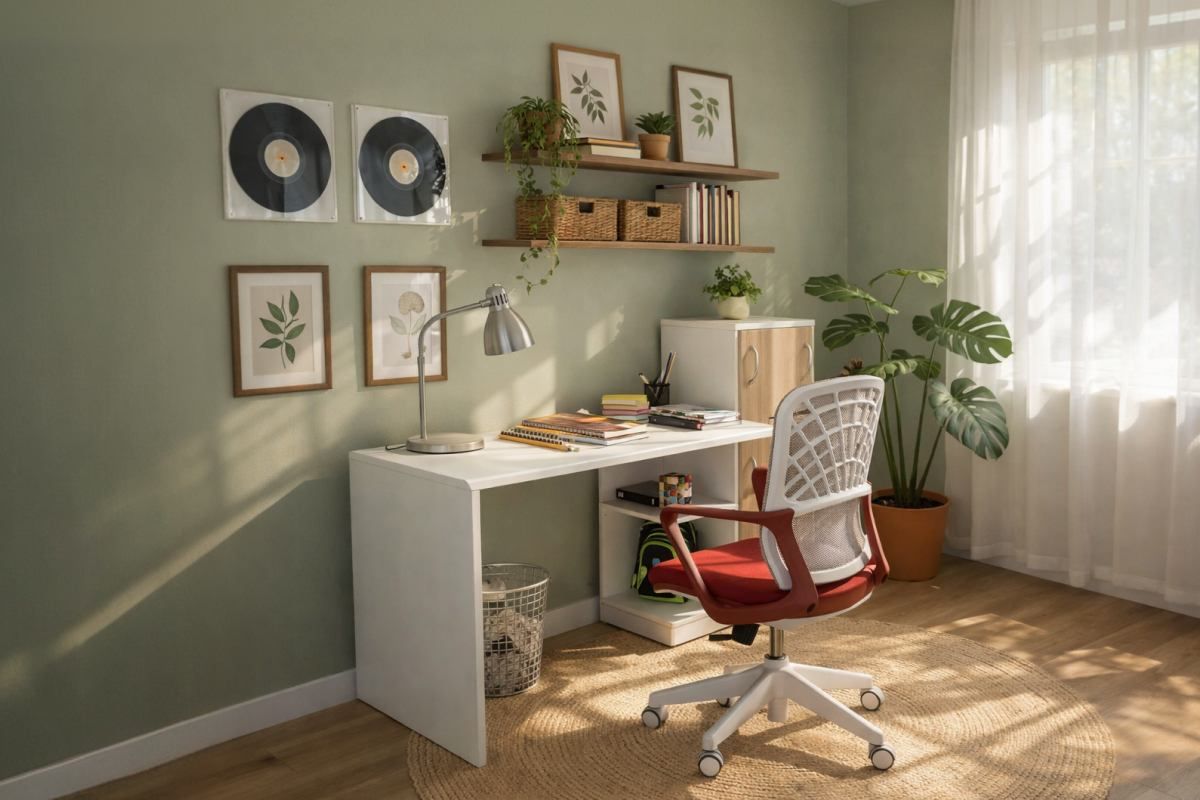
Everything You Need to Know About Decorating a Study Room
A cluttered desk and bare walls can drain your focus faster than a dead phone battery. If your current study space feels dull or chaotic, you are not alone. Thoughtful study room decoration ideas do more than make a room pretty. They shape how well you concentrate, how long you stay productive, and how you feel after hours of work.
This guide covers 2026-ready design principles, 15 actionable tips for every budget and room size, common pitfalls to sidestep, and quick DIY hacks. Ready to learn how to decorate study room spaces that actually work for you? Read on.
Why Study Room Decoration Ideas Actually Improve Your Focus
Your surroundings influence your brain more than you realise. A messy, poorly lit room forces your mind to work harder just to filter distractions. Organised spaces with the right colours and lighting reduce mental fatigue and help you stay on task longer.
In 2026, hybrid learning, online exams, and frequent video calls make a polished study space essential. You need a backdrop that looks professional on camera and a setup that supports hours of screen time. Colour psychology plays a role too. Soft blues and greens calm the mind, whilst warm neutrals keep energy steady without overstimulating.
Good study room decoration ideas combine aesthetics with function. When your environment supports your goals, focus comes naturally. The next step is understanding the core principles that make this possible.
Core Study Room Interior Design Principles to Master First
Before adding decor, get the basics right. Strong study room interior design rests on four pillars: colour, lighting, furniture, and storage. Audit your current space against these benchmarks.
- Colour Palette Selection: Stick to two or three colours that promote calm focus. Pale yellows, soft greys, and muted greens work well. Avoid all-white rooms that feel clinical or bold reds that spike anxiety.
- Layered Lighting: Combine ambient ceiling lights, a focused task lamp on your desk, and soft accent lighting for evening sessions. This trio prevents eye strain and creates depth.
- Ergonomic Furniture: Your study chair and desk should support your posture for hours. Adjustable heights and lumbar support matter more than looks.
- Smart Storage Systems: Clutter kills concentration. Use bookshelves, wall shelves, and drawer organisers to give every item a home.
Align your layout with your main tasks. Coders need monitor space. Readers need good natural light. Assess first, then decorate.
15 Study Room Decoration Ideas to Try in 2026
The following ideas span varied budgets, room sizes, and design tastes. Mix and match to create a space that feels uniquely yours.
Minimalist and Scandinavian Styles for Calm, Clutter-Free Focus
Clean lines and neutral tones define this look. Think whites, soft greys, and light wood finishes. A matte white desk paired with floating shelves keeps the room airy. Choose a single statement task lamp rather than multiple light sources competing for attention.
Concealed storage is key. Drawers that hide cables and closed cabinets that tuck away books help maintain visual calm. These ideas for decorating study room spaces work brilliantly for anyone who feels overwhelmed by busy environments.
Quick Tip: Add one personal item, like a small plant or a framed photo, to prevent the space from feeling sterile.
How to Decorate Study Room Spaces with Nature-Inspired Elements
Biophilic design brings the outdoors in. Indoor plants, rattan accents, and earth-tone palettes create a refreshing atmosphere. Position your desk near a window when possible. Natural light boosts mood and reduces eye strain.
A vertical garden shelf with air-purifying plants like snake plants or pothos adds greenery without eating floor space. These species thrive on neglect, perfect for busy students.
Adding a textured floor mat in jute or cotton reinforces the natural vibe.
Elle Decor India says, "Quiet luxury in study spaces comes from biophilia, natural textures, and layered lighting that balance solitude with creativity."
These study room decoration ideas improve air quality and mental well-being without adding clutter.
Tech-Smart Study Room Interior Design for Modern Productivity
Blend decor with productivity tools for a 2026-ready setup. Cable-management channels keep cords out of sight. Wireless charging pads reduce desktop clutter. Adjustable LED lighting systems with colour temperature controls let you shift from bright focus mode to warm evening light.
Voice-controlled lamps help during late-night sessions. You adjust brightness without breaking concentration. Standing desk converters add flexibility for long work days.
Keep tech minimal and organised. A sleek setup with hidden wires looks better and functions better than a tangle of gadgets.
Should You Use an Accent Wall in Your Study Room?
A single bold wall can transform a dull room. Deep teal paired with soft grey feels modern and grounded. Warm terracotta with cream adds energy without overwhelming the senses.
Test paint swatches under your actual task lighting before committing. Colours shift dramatically between daylight and lamp light. Avoid multiple competing accent colours. One statement wall is enough.
This approach works well for renters, too. Peel-and-stick wallpaper or wall art offers a reversible option that packs the same punch. Learning how to decorate study room walls with restraint creates impact without chaos.
Ideas for Decorating Study Room Corners with Multi-Use Furniture
Small spaces demand smart furniture. Fold-down desks mount to walls and tuck away when not in use. Rolling storage carts move where you need them, then slide into corners. Ottomans with hidden compartments store books and supplies whilst doubling as seating.
Before buying, measure carefully. Check clearance for folding mechanisms. Ensure wheels lock securely. Confirm storage capacity meets your needs.
These ideas for decorating study room corners help renters and small-apartment dwellers adapt their space to changing demands, from exam season to creative projects.
Budget-Friendly Study Room Decoration Ideas Under Rs 2,000
You do not need a big budget to refresh your space. Start small with these quick wins.
- Repurposed glass jars for pen storage: Free, 10 minutes. Clean jars you already have and group them on your desk for instant organisation.
- Peel-and-stick wall decals: Rs 300 to Rs 500, 30 minutes. Add geometric patterns or motivational quotes without damaging walls.
- Thrifted bookshelf refresh: Rs 800 to Rs 1,200, 2 hours. Find a used shelf, sand it lightly, and apply a fresh coat of paint in your chosen palette.
- Fairy lights for ambient glow: Rs 200 to Rs 400, 15 minutes. String them along a shelf or window frame for soft evening lighting that layers with your task lamp.
Each hack ties back to the core principles. Better organisation supports focus. Layered lighting enhances mood. Small changes add up.
Space-Saving Study Room Interior Design for Compact Homes
Tight quarters require vertical thinking. Wall-mounted shelves climb upward, freeing floor space. Under-window benches with lift-up storage hide blankets, old textbooks, and supplies.
Did you know? Light colours like whites and pastels make small rooms feel larger. Mirrors and glass surfaces reflect light and amplify the effect.
Map your walls into zones. Upper shelves hold books you rarely use. Mid-height surfaces support daily tasks. Lower bins store bulky items.
Foldable desks tuck flat against the wall when not in use. This study room interior design approach suits shared spaces where the room serves multiple purposes throughout the day.
Safety matters too. Keep walkways clear to prevent tripping over furniture or cords.
What Mistakes Should You Avoid When Decorating a Study Room?
Sidestep these common pitfalls when planning how to decorate study room spaces:
- Overloading walls with competing artwork: Choose one statement piece instead of a gallery wall that fractures attention.
- Ignoring task lighting angles: Position lamps to avoid screen glare. Angle the light away from the monitors.
- Selecting chairs without lumbar support: Test seating for back support before buying.
- Blocking natural light with tall shelves: Keep low storage near windows to preserve daylight.
- Choosing overly stimulating colour schemes: Skip all-red or neon palettes. Opt for muted accent tones.
- Neglecting cable management: Invest in cord organisers to prevent tangled messes.
Addressing these issues upfront saves money and frustration later.
Ready to Transform Your Study Room with These Decoration Ideas?
Good study room decoration ideas align decor with focus and productivity goals. You do not need to copy anyone else's setup. Blend the principles and tips here with your personal style.
Start with one small change today. Test a new colour swatch. Rearrange your desk. Add a plant. Small wins build momentum.
A well-designed study room grows with your ambitions. Your study room interior design choices in 2026 should support who you are becoming, not just who you are today.
Frequently Asked Questions (FAQs)
1. What colour is best for a study room to improve concentration?
Soft blues, greens, and warm neutrals work well. These shades calm the mind without causing drowsiness. Avoid bright reds or neons that spike anxiety.
2. What is the ideal desk height and chair setup for ergonomic studying?
Your desk should sit at elbow height when seated. Feet should rest flat on the floor. A chair with adjustable height and lumbar support keeps your spine aligned during long sessions.
3. What are affordable lighting upgrades for a study room on a budget?
Fairy lights, clip on desk lamps, and LED strip lights cost under Rs 500. Layering these with natural light creates depth without breaking the bank.
4. How can I keep a shared study corner clutter free with multiple users?
Assign each user a labelled bin or drawer. Use vertical storage to separate supplies. A rolling cart that moves with each person helps maintain order.
5. What is the quickest way to refresh study room decor each semester?
Swap wall art, change cushion covers, or add a new plant. These small updates take under an hour and make the space feel fresh without major expense.
10 Aug 2026
Bonhomie
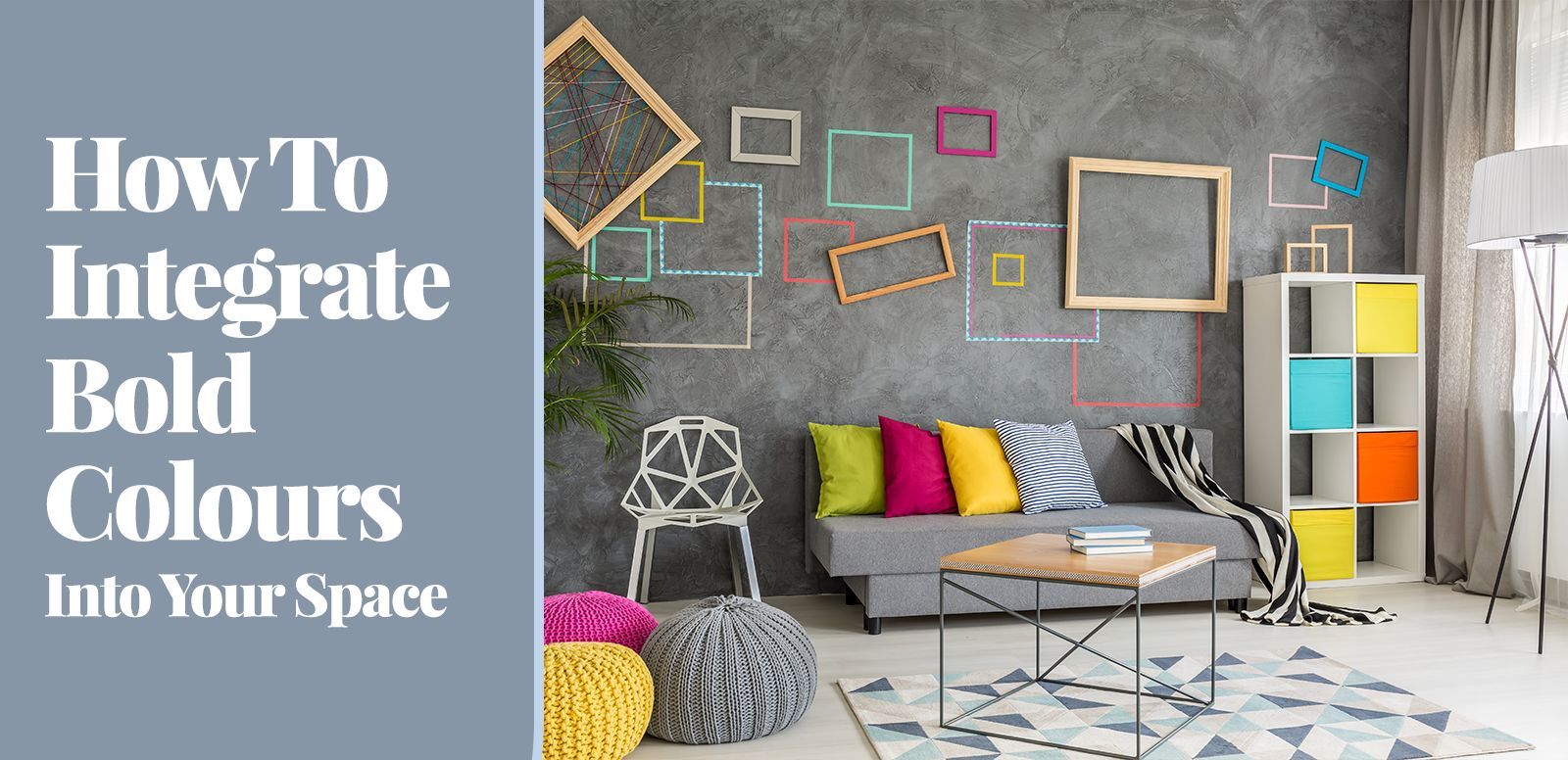
Bold Colour Interior Design Ideas for Your New Home Furniture
Moving into a new home means facing rooms full of promise but empty of personality. White walls stare back. Bare floors echo. And the urge to play it safe with beige everything feels strong. But here is the thing: bold colour interior design ideas through furniture choices can change all that without a single paint roller.
This piece walks through ten room-specific ideas, pairing tricks, and common mistakes to dodge. Think of it as your colour confidence starter kit for 2026, built around new home furniture that does the heavy lifting for you.
Why Bold-Coloured Furniture Transforms a Blank Home?
Colour affects mood more than most people realise. A vibrant sofa does not just fill a corner; it shifts how the entire room feels. Walk into a space anchored by a sapphire couch, and the energy changes instantly. That is the power of knowing how to use bold colours in home decor through furniture rather than walls.
Practical Tip: Bright hues and rich tones hide everyday wear far better than pale neutrals. That coffee stain on a terracotta chair? Nearly invisible. On cream fabric? A disaster.
Consider a living room with soft grey walls. Add a deep blue velvet sofa, and suddenly there is a focal point, a conversation starter, a reason for the room to exist. Or picture a beige entryway warmed by two earthy terracotta accent chairs. No paint required. No landlord approval needed.
The numbered ideas ahead show exactly how to make this work across every room in your home.
10 Bold Colour Interior Design Ideas for Every Room
Each idea below pairs a specific bold hue with a furniture piece and room context. Adapt these based on your natural light and climate conditions.
1. Sapphire Velvet Sofa for a Statement Living Room
Deep blue velvet creates a sophisticated anchor in open living spaces. Pair it with pale ash wood coffee tables and ivory walls for balance. In humid climates, velvet needs regular brushing to stay fresh. Warm lighting prevents the blue from looking flat or cold, bringing out rich undertones that make the room feel collected.
2. Terracotta Accent Chairs for a Warm Welcome
Earthy terracotta connects to Indian design heritage whilst feeling thoroughly modern. Two accent chairs in this hue can transform a bland entryway without permanent paint commitments. Perfect for renters.
Style Tip: Add woven cane side tables for textural depth and a colourful home interior India families love.
3. Forest-Green Bookshelf for a Calm Home Office
Green storage furniture promotes focus in work-from-home settings. The colour naturally calms busy minds. Contrast with brass or gold hardware for visual interest. Position away from direct sunlight to protect finishes from fading over time.
4. Canary-Yellow Dining Bench to Brighten Family Meals
A bright yellow bench saves space compared to individual dining chairs. Balance the vibrancy with matte black pendant lights overhead. Avoid overly bright plastic finishes; muted upholstered options look more grown-up and create vibrant interior colour scheme ideas that last.
5. Magenta Headboard for a Luxe Primary Bedroom
Saturated pink tones are having a moment in 2026 bedroom design. Pair a magenta upholstered headboard with charcoal grey linens and white nightstands to balance intensity.
Care Tip: Fabric headboards need gentle vacuuming monthly to maintain colour vibrancy and keep dust at bay.
6. Teal Kitchen Stools for an Instant Island Pop
Teal works beautifully with both white and wood-tone cabinetry. Powder-coated metal stools handle kitchen spills and humidity well. Repeat the colour in small home decor pieces like canisters or tea towels for visual cohesion across the space.
7. Charcoal-Black TV Console for Drama Without Chaos
Bold does not always mean bright. Deep, near-black hues create grounding drama in media rooms. A charcoal entertainment unit adds sophistication instantly. Invest in cable-management solutions to maintain the sleek, uncluttered look dark furniture demands.
8. Burnt-Orange Outdoor Bistro Set for Balcony Flair
This is a renter-friendly colour injection for semi-outdoor spaces where painting is not allowed. Check for UV-resistant coatings on metal or resin furniture to prevent fading. Orange tones complement balcony greenery perfectly, making small spaces feel vibrant and alive.
9. Sage-Green Storage Ottoman for Hidden Function
Sage green has a calming effect in bright natural light conditions. This piece doubles as extra seating and hidden storage for throws or toys. Pair with terracotta or mustard cushions for warmth that reflects the colourful home interior India aesthetics.
10. Ruby-Red Bedside Lamps for Subtle Night-time Drama
Bold-coloured lamps and lighting offer a low-commitment way to test intense hues before larger furniture investments. Use warm-tone bulbs to soften red's intensity. Red lamps create intimacy in bedrooms without overwhelming the space.
Quick Tip: Start with one bold piece per room. Live with it for a month before adding more colour. This prevents buyer's regret and helps you understand how to use bold colours in home decor gradually.
How to Use Bold Colours in Home Decor Without Overwhelming Spaces?
The 60-30-10 rule keeps rooms balanced. Sixty per cent is your dominant neutral colour, usually walls and large furniture. Thirty per cent is a secondary shade, often in curtains or carpets. Ten per cent is your bold accent, the hero furniture piece that draws the eye.
💙 Sapphire Blue
- Best Neutral Partners: White, pale grey, warm beige
---
🧱 Terracotta
- Best Neutral Partners: Cream, sand, soft black
---
🌿 Forest Green
- Best Neutral Partners: Off-white, light wood tones
---
💗 Magenta
- Best Neutral Partners: Charcoal, white, pale pink
---
🩵 Teal
- Best Neutral Partners: Warm white, oak, light grey
Natural textures calm saturated colours. Wood, rattan, stone, and jute rugs ground vibrant furniture and prevent rooms from feeling like they belong in a children's play centre.
Before you buy, ask yourself:
- Does this piece stand out without clashing with what I own?
- Can I see this colour in my space for five years?
- Have I tested a swatch in my actual room lighting?
"Colour pops act as punctuation in a space; they draw the eye, invite a second look, and break the predictability of a room."- Architectural Digest
What Makes a Vibrant Interior Colour Scheme Work Across Rooms?
Start by selecting one anchor furniture colour. This becomes your thread connecting spaces throughout the home. A teal kitchen stool can link to a teal bedroom throw or a teal vase in the hallway. The repetition creates flow without monotony.
Test combinations using digital palette tools and physical fabric swatches. Screens lie. What looks perfect on a phone often reads differently in real light. Natural light varies dramatically based on room orientation.
Light Trivia: North-facing rooms receive cooler light, making warm tones like terracotta and yellow pop beautifully. South-facing spaces get brighter, harsher light, where cooler hues like teal and sage feel soothing.
Vibrant interior colour scheme ideas work best when they account for these lighting realities rather than fighting them.
Bold Colour Interior Design Ideas: 5 Mistakes to Avoid
- Over-matching every element: A red sofa does not need red cushions, red curtains, and red art. Choose one hero and let supporting pieces stay neutral.
- Ignoring furniture scale: A massive emerald armchair in a tiny room feels suffocating. Measure twice, buy once.
- Forgetting lighting's effect: Colours shift dramatically from morning to evening. Check swatches at different times of day.
- Choosing poor-quality fabrics: Cheap dyes fade fast in strong sunlight. Spend a little more on UV-resistant options.
- Skipping physical swatches: Online colours rarely match reality. Order samples or visit a showroom before committing.
Did You Know? Colours appear up to 40% more saturated on backlit screens than in real life. This is why physical swatches matter so much when planning bold colour interior design ideas.
Ready to Transform Your New Home with Bold Colour Interior Design Ideas?
The formula is simple. Choose one hero furniture piece per room. Anchor it with neutrals. Test swatches in your actual lighting before committing any money.
2026 is the year to move past safe beige defaults and build rooms that reflect actual personality. Start with just one piece from the list above. A sapphire sofa. A terracotta chair. A sage ottoman. That single choice shifts everything. Pepperfry's furniture collections offer bold options across every category, ready for you to find the accent that makes your new home feel finished.
Frequently Asked Questions (FAQs)
1. How do I choose bold coloured furniture if I am renting and can not paint the walls?
Focus on movable pieces like accent chairs, rugs, and lamps. These travel with you when the lease ends. Stick to one statement item per room against neutral landlord white walls for maximum effect.
2. Which fabrics resist fading in India's intense sunlight?
Solution dyed acrylics and high quality polyester blends hold colour best. Natural fibres like cotton and linen fade faster. Check product descriptions for UV resistance ratings before buying.
3. How many colourful furniture pieces can one room handle before it feels chaotic?
One to two bold pieces per room works best. Beyond that, the eye has nowhere to rest. Let neutrals dominate and use colour as punctuation, not the entire sentence.
4. Can I mix two different bold colours in the same furniture set?
Yes, if they share similar undertones. Teal and terracotta both have warm bases and pair well. Avoid mixing colours that fight for attention equally, like red and bright yellow in the same corner.
5. What is the most budget friendly way to start adding bold colours to a new home?
Begin with small items like cushions, throws, or table lamps. These cost less and let you test hues before bigger investments. A single bold rug also transforms a room without breaking budgets.
6. Do bold furniture colours work in small rooms, or will they make spaces feel cramped?
Bold colours work fine in small rooms when used sparingly. One saturated piece against light walls creates depth rather than clutter. Avoid multiple large colourful items competing for attention in tight spaces.
07 Aug 2026
Bonhomie
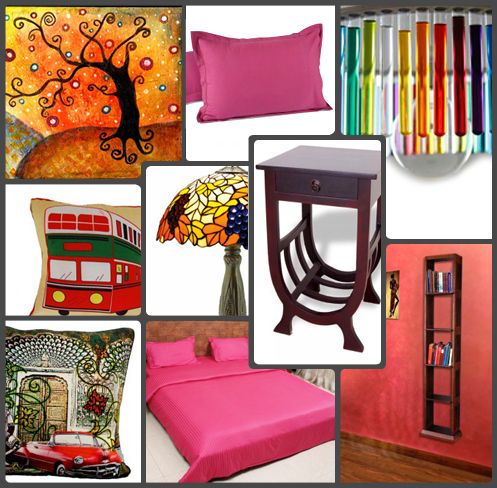
How To: Give Your Room a Complete Makeover in 5 Easy Ways
That room you walk into every day feels stale. The walls look dull, furniture sits where it has for years, and nothing sparks joy anymore. A room makeover sounds great, but hiring a designer or gutting the space seems extreme.
You do not need either. Five focused steps can refresh any space, from tired bedrooms to cramped living areas. Paint, layout, lighting, storage, and styling form the backbone of every successful room makeover. These ideas work with your budget and timeline, and require no professional help.
What's the Fastest Way to Transform Your Space?
Walls are the largest surface you see when you walk in. Fresh paint delivers the highest impact for the lowest cost. Before grabbing a brush, some prep work ensures a smooth finish. And if a full paint job feels like too much, accent walls offer a quick option that still packs a visual punch for any room makeover.
Which 2026 Colour Trends Should You Consider?
This year leans towards earthy greens, warm clay tones, and soft neutrals. Green shades bring calm and connect indoor spaces to nature. Clay and terracotta add warmth without overwhelming. Soft neutrals work as versatile backdrops.
Smart Tip: Test samples on different walls before committing. Natural light shifts throughout the day, changing how colours appear from morning to evening.
How Do You Prep Walls for a Flawless Finish?
Start by filling small holes with filler, then sand lightly once dry. Wipe walls with a damp cloth to remove dust. Apply a low-VOC primer to improve paint adhesion and support healthier indoor air. Yes, prep feels tedious. But skipping it leads to peeling and patchy results later. Twenty minutes saves hours of frustration.
DIY Accent Wall Options for Renters and Owners
These small room makeover ideas add character without overwhelming compact spaces:
- Peel-and-stick panels: Remove cleanly, perfect for renters, add texture in minutes
- Stencils: Create patterns with regular paint, suits owners wanting lasting results
- Painter's tape geometrics: Achieve bold shapes using tape and two paint colours, easily reversible
Reimagine Your Layout for Better Room Makeover Results
The way furniture sits in a room shapes how the space feels and functions. Moving pieces costs nothing but delivers dramatic change. Before pushing heavy items around, plan on paper first. This strategy layer makes every other step more effective. Sometimes the best refresh comes from what you already own, arranged with fresh eyes.
Mapping Your New Floor Plan on Paper
Measure your room and sketch a scaled outline on graph paper. Cut paper shapes for each furniture piece. Slide them around to test arrangements without heavy lifting. For bedroom makeover ideas, align the bed with natural light or the main focal point. This low-tech method prevents backaches and shows options you might miss otherwise.
Should You Swap Furniture or Buy New?
Before shopping, ask a few questions. Is the piece structurally sound? Could fresh paint or new fabric change its look? Sometimes relocating items from another room gives both spaces a lift. Replace only when damage affects function, or proportions simply do not fit. Budget-conscious choices often involve creativity rather than spending.
"Remove any furniture that’s dated or really far gone, decorative items that have lost their appeal and items that belong in other rooms and are cluttering up this one."-Houzz
Safety and Measurement Essentials
Check door swing paths before finalising furniture placement. Ensure outlets remain accessible for lamps and chargers. Keep walking lanes at least 60 cm wide for comfort. Small details prevent regret.
Helpful Tip: Add felt pads under furniture legs to protect floors.
Upgrade Lighting for Instant Ambience
Lighting shapes mood more than most people realise. A room with perfect paint and great furniture still falls flat under harsh overhead lights. Three layers of light create depth and function: ambient, task, and accent. Upgrades do not require rewiring. Browse lamps and lighting options that plug in or stick on for easy room makeover ideas.
Understanding Layered Lighting Basics
Ambient light provides general illumination, like a central ceiling fixture. Task lighting focuses on work areas, such as a desk lamp or bedside reading light. Accent lighting highlights features, think picture lights or shelf spotlights.
Tip: Keep bulb colour temperatures consistent across layers. Warm tones around 2700K suit living spaces and bedrooms well.
Affordable Fixture Upgrades That Make a Difference
Try these swaps that need no electrical work:
- Clip-on lamps: Attach to shelves or headboards, no tools needed
- Lampshade replacements: Fresh shade gives an instant new look, same base
- Plug-in wall sconces: Add ambient glow, great for renters
- Stick-on puck lights: Battery-powered, ideal for dark corners
Smart Bulbs and Controls for Modern Convenience
App-controlled bulbs let you adjust brightness and warmth from your phone. Remote-controlled options suit those who prefer simplicity. Schedule lights to turn on before you arrive home. Set mood presets for movie nights or morning routines. Energy savings add up over time.
What Are the Best Small Room Makeover Ideas for Storage?
Clutter kills the effect of even the best design efforts. Before adding storage solutions, pare down what you own. Then maximise vertical space and hidden areas. These bedroom makeover ideas prove especially valuable in compact flats where every centimetre counts. A tidy room feels larger and lets your styling choices shine.
Quick tip: The three-round decluttering method works because it limits decision fatigue. Ten minutes per category keeps momentum high and prevents overthinking.
Declutter in Three Quick Rounds
Set a timer for ten minutes per category: keep, donate, recycle. Work through one drawer or shelf at a time. Schedule donation pickup immediately so items do not linger. This method turns an overwhelming task into manageable chunks. You will feel lighter with each round completed.
Vertical Storage Hacks for Compact Spaces
Small room makeover ideas often go up rather than out:
- Over-door racks: Hold shoes or accessories, zero floor space used
- Floating shelves: Display items and store books, check wall weight limits
- Adhesive hooks: Hang bags or hats, remove cleanly for renters
- Wall-mounted organisers: Keep desks clear, perfect for small bedrooms
Hidden Storage DIYs That Keep Sightlines Clear
Under-bed drawers slide out of view yet hold seasonal clothes or extra bedding. Lift-top ottomans double as seating and storage. Coffee tables with hidden compartments keep remotes tidy. Hidden storage maintains a polished look.
Safety Tip: Check hinge quality for safety in the sliders and lift-up storage options.
Finish Your Room Makeover with Style and Life
This final step transforms a functional space into one that feels truly yours. Textiles, art, and plants add personality and warmth. Think of this as ten per cent effort delivering fifty per cent of visual impact. Shop home decor, cushions and covers to find pieces that speak to you.
Choosing Cohesive Textiles Without Overwhelming the Space
Follow the two-plus-one rule: two dominant patterns and one accent across cushions, throws, and rugs. Repeat one accent colour in at least three items for cohesion. For bedroom makeover ideas, choose durable fabrics for seating areas. Velvet cushions add texture, linen throws keep things relaxed. Browse wall decor to complete the look.
Hanging Art at the Right Height Every Time
Centre artwork at 145 to 155 cm from the floor. This guideline matches the average eye level and works across most rooms.
Styling Tip: Group frames in odd numbers for visual balance. Measure twice, hang once.
Proper placement draws the eye naturally and separates polished results from amateur attempts.
Easy-Care Plants That Thrive Indoors
Living greenery adds sensory richness and completes the transformation:
- Pothos: Tolerates low light, water when the soil dries, and trails beautifully
- Snake plant: Thrives in most conditions, water every two weeks
- Spider plant: Enjoys bright indirect light, forgiving if you forget to water
"A single indoor plant can add a touch of colour, while a raft of new plants and breathe new life into a room- literally and figuratively."-Architectural Digest
Your Room Makeover Starts Now
A successful room makeover flows from intentional planning across five areas. Paint sets the stage. The layout optimises function. Lighting shapes mood. Storage maintains order. Styling injects personality. You now have a clear roadmap for any space, from a bedroom refresh to a compact living area transformation.
Start with whichever step feels most exciting. Even one completed layer delivers visible progress. Browse furniture and decor options on Pepperfry to bring your room makeover ideas to life in 2026.
Frequently Asked Questions (FAQs)
1. How much does a room makeover cost on average?
Costs vary based on scope. A paint refresh with basic decor swaps might run Rs 5,000 to Rs 15,000. Adding new furniture pushes the range higher. Set a budget first, then prioritise changes with the most impact.
2. Can I give my room a makeover without painting?
Yes. Rearranging furniture, updating lighting, adding textiles, and decluttering all transform a room without touching walls. Peel and stick panels offer colour without permanent changes.
3. What is the best way to makeover a small bedroom?
Focus on vertical storage, light colours, and multi functional furniture. Mirrors create the illusion of more space. Keep clutter off the floor and use wall mounted shelves.
4. How long does a full room makeover take?
A weekend handles most single room refreshes if materials are ready. Larger projects with custom furniture orders may take several weeks. Plan in stages to avoid burnout.
5. Do I need professional help for a room makeover?
Most refreshes suit DIY efforts. Hire professionals for electrical work or structural changes. Many find a hybrid approach works well for larger projects.
6. What are the first steps in planning a room makeover?
Assess what bothers you most about the current space. Set a budget and timeline. Measure the room and create a floor plan. Decide which area needs attention first.
07 Aug 2026
Bonhomie
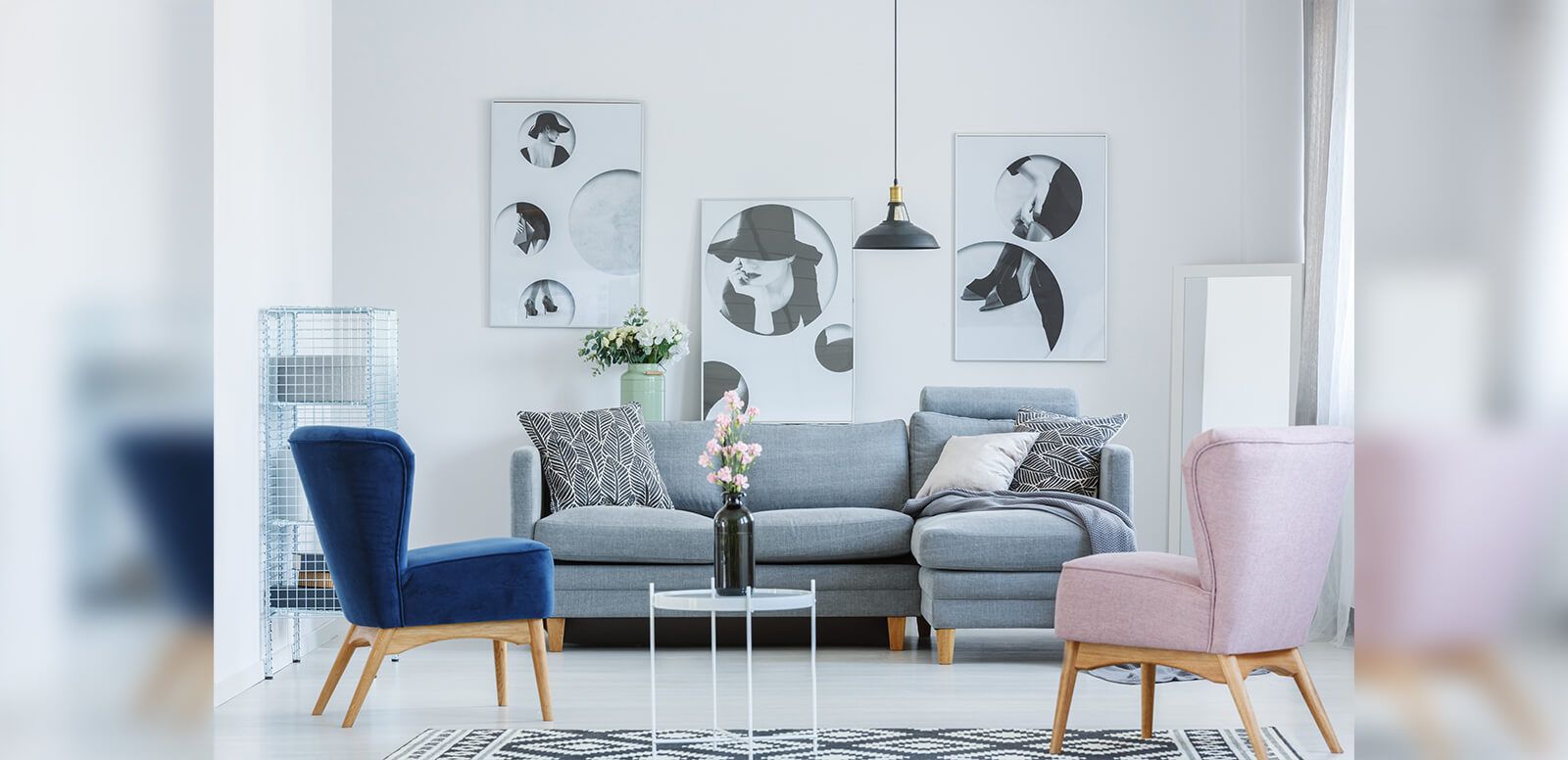
Small Living Room Ideas That Make Every Square Foot Count
Living rooms under 150 square feet present a genuine design puzzle. Every wall, corner, and piece of furniture needs to earn its place. But small living room ideas prove that size constraints do not mean sacrificing comfort or style. The right approach can make a cramped flat feel open, welcoming, and genuinely yours.
This article offers a practical blueprint: measurement strategies, furniture layouts, colour techniques, and storage solutions for your small living room interior. You will find concrete tools and design tactics you can put to work today. No vague advice. Just actionable steps that transform tight spaces into smart, functional rooms.
How Do Small Living Room Ideas Begin? With Accurate Measurement
Good small living room ideas start with a tape measure, not a mood board. Before you browse any furniture, you need exact numbers for your space. This single step prevents the all-too-common mistake of ordering a three-seater sofa that leaves no room for a coffee table.
Sketch your room on graph paper or use a free digital tool like Floorplanner. Mark every element: doorways, windows, radiators, electrical outlets, and fixed features you cannot move. Note where natural light enters and at what times of day.
Essential measurements to capture:
- Wall lengths from corner to corner
- Ceiling height at multiple points (older flats often vary)
- Window and door frame widths, including swing direction
- Distance from floor to window sills
- Width of hallways and entry points for furniture delivery
Keep walkways clear. A main path needs at least 90 cm of unobstructed width. Secondary paths can work with 60 cm. These numbers matter more than any design trend. They determine what actually fits and flows in your space. Skip this step, and you risk expensive returns or furniture that blocks half your doorway.
Living Room Furniture for Small Rooms: Three Layout Templates That Work
Choosing living room furniture for small rooms means thinking beyond style. Layout matters just as much as the pieces themselves. Here are three arrangements that work consistently in compact spaces.
L-Shaped Configuration
Place your main seating along two perpendicular walls. This opens the centre of the room and creates a natural conversation zone. Works best in rooms under 120 square feet with one focal point like a TV or window.
Floating Conversation Circle
Pull furniture away from walls and angle pieces toward each other. Yes, this sounds counterintuitive. But floating pieces, even 15 cm from walls, create visual breathing room. Ideal for square rooms where you host guests often.
Dual-Zone Arrangement
Split the room into two distinct areas: one for lounging, one for reading or working. Use a console table or an open bookshelf as a subtle divider.
🛋️ L-Shaped
- Ideal Room Size: Under 120 sq ft
- Best For: TV viewing, small families
---
⭕ Floating Circle
- Ideal Room Size: 120–180 sq ft
- Best For: Entertaining, conversation
---
🏠 Dual-Zone
- Ideal Room Size: 150+ sq ft
- Best For: Multi-purpose living
Opt for leggy furniture. Sofas and chairs with visible legs allow light to pass underneath, making the floor appear larger. Scale matters too. A two-seater sofa often serves better than a bulky three-seater that dominates the room.
What Colour and Lighting Tricks Work for Decorating Small Flats?
Colour shapes how large a room feels. When decorating small flats, light tones bounce more light around, making walls recede visually. Think soft whites, warm greys, pale greens, and muted blues. These shades have high Light Reflectance Values, meaning they reflect rather than absorb light.
But here is a surprise: dark colours can work too. A deep navy or forest green, applied consistently to walls, trim, and ceiling, creates an "envelope effect." The boundaries blur, and the room feels cosy rather than cramped. The key is commitment. One dark accent wall in an otherwise light room often looks disjointed.
Quick tip: Paint your ceiling the same colour as your walls, or slightly lighter, to lift the perceived height. White ceilings in coloured rooms can feel like a lid pressing down.
Lighting deserves equal attention. A single overhead fixture leaves corners in shadow and flattens the space. Layer three types instead:
- Ambient: Ceiling-mounted or recessed lights for general brightness
- Task: Reading lamps or desk lights where you need focused illumination
- Accent: Floor lamps or wall sconces to highlight art or create pools of warmth
Mirrors placed opposite windows amplify daylight. A large mirror can visually double a small room. Position it where it reflects something worth seeing, not clutter.
Small Living Room Ideas for Storage: Go Up, Not Out
Floor space is precious. Smart small living room ideas push storage upward and hide it in plain sight.
Vertical solutions that reclaim floor area:
- Floor-to-ceiling shelving makes use of dead space near ceilings
- Over-window ledges work for books and plants
- Wall-mounted TV units free up space that a console would occupy
Multifunctional furniture that earns its keep:
- Storage ottomans hold throws, remotes, and board games
- Nesting tables stack when not needed, spread out for guests
- Slim console tables with drawers near the entry point manage keys and mail
Did you know? Furniture raised on legs creates the illusion of more floor space, even when the actual square footage stays the same. Your eye reads the visible floor as a usable area.
Balance is important. Too much open shelving creates visual noise. Too many closed cabinets can feel heavy. Mix the two. Display a few favourite objects on open shelves; stash the rest behind doors.
Cable management matters more than people realise. Loose wires trailing across the floor shrink a room visually. Use cord clips, cable boxes, or wall-mounted tracks to keep electronics tidy. Finally, commit to seasonal decluttering. Every six months, remove items that no longer serve you. Your shelves will thank you.
"Built-in storage, crafted in light oak, offers generous capacity without visually overwhelming the room."-Architectural Digest
Small Living Room Interior: Layering Texture Without Clutter
A small living room interior gains depth through texture, not more furniture. The right throw blanket or area rug adds warmth without taking up space.
Start with your largest textile: the rug. In compact rooms, a rug that extends under the front legs of your sofa creates the illusion of a bigger floor. Too small, and it looks like a bath mat in the wrong place.
Layer cushions and throws next. Stick to a cohesive colour family, but vary the textures. Velvet alongside linen. Wool next to cotton. This creates visual interest without chaos.
Pattern-mixing formula:
- One hero pattern (large floral or bold stripe)
- One geometric in a smaller scale
- One solid or subtle texture
Mirrors and art belong on walls, not fighting for shelf space. Hang artwork at eye level, roughly 145 cm from the floor to the centre. Group smaller frames together rather than scattering them around the room.
Plants bring life without clutter. Choose low-maintenance options like pothos or snake plants. A single tall plant in a corner draws the eye upward and adds organic texture. Avoid crowding every surface with tiny pots.
Can Small Spaces Handle Multiple Functions? Yes, With Smart Zoning
One room, three activities. It sounds impossible, but living room furniture for small rooms can carve out distinct zones without physical walls.
Use area rugs to define boundaries. A rug under your seating group separates the TV zone from a small reading nook in the corner. Lighting reinforces these divisions. A floor lamp beside an armchair signals "reading happens here."
Furniture placement matters too. A desk facing a wall becomes a work zone. Turn your back on it from the sofa, and it mentally disappears.
Recommended clearances for comfortable movement:
- Main walkway: 90 cm minimum
- Between coffee table and sofa: 45 cm
- Conversation seating: no more than 2.5 m apart for easy chat
- TV viewing distance: roughly 1.5 times the screen diagonal
When space truly cannot accommodate everything, prioritise. What do you actually do most in this room? Design for that activity first. The rest can adapt around it.
"In a small living room, each piece of furniture should earn its keep. Think of using ottomans that work as a coffee table or extra seating."-Houzz
These Small Living Room Ideas Transform Square Footage Into Smart Design
Every tactic builds on the others. Accurate measurement informs furniture choices. Smart layouts create flow. Colour and lighting expand perceived space. Vertical storage keeps floors clear. Textured layers add personality. Zoning ties it all together.
You do not need to tackle everything at once. Start with one high-impact change: perhaps a leggy sofa that opens up floor space, or a proper layered lighting plan. Small living room ideas work best when applied gradually, tested, and adjusted. Your space is unique. Your approach should be too.
Frequently Asked Questions (FAQs)
1. What size rug works best in a small living room?
A rug large enough to fit under the front legs of your sofa works well in most compact rooms. This approach grounds the seating area and makes the floor appear larger. Avoid small rugs that float in the centre with gaps around all edges.
2. How far should a sofa be from the TV in a compact space?
Aim for a viewing distance of roughly 1.5 times the TV's diagonal measurement. For a 55 inch screen, that means about 2.1 metres. This ensures comfortable watching without straining your eyes or dominating the layout.
3. Which furniture pieces save the most space in tight living rooms?
Nesting tables, storage ottomans, and wall mounted shelves offer the best space savings. Look for sofas with exposed legs and multifunctional pieces like coffee tables with hidden storage. Avoid bulky recliners and oversized sectionals.
4. Can you use dark colours in small living room interiors without making them feel smaller?
Yes, when applied consistently. Paint walls, trim, and ceiling in the same deep tone to create an enveloping effect that blurs boundaries. A single dark accent wall in an otherwise light room often looks fragmented and draws too much attention.
5. What are renter friendly wall treatments for decorating small flats?
Removable wallpaper, peel and stick tiles, and large framed art leaning against walls work well. Adhesive hooks and picture hanging strips allow you to hang mirrors and artwork without permanent damage. These solutions come down easily when you move.
07 Aug 2026
Bonhomie
 FurnitureSofas, Sectional Sofas, Sofa Cum Beds, Chaise Loungers, Bean Bags, Recliners, Sofa Chairs, Settees & Benches, Ottomans, Chairs, Gaming Chairs, Stools & Pouffes, Shoe Racks, Centre Tables, Side Tables, TV & Media Units, Cabinets & Sideboards, Book Shelves, Book Cases, Dining Sets, Dining Chairs, Dining Tables, Crockery Units, Bar Furniture, Beds, Bedside Tables, Trunks, Chest of Drawers, Dressing Tables, Screens and Dividers, Wardrobes, Kids and Teens, Study Tables, Office Furniture, Home Temples, Wall Shelves and Cabinets, Outdoor, Massagers, Furniture Care
- Sofas
- Sectional Sofas
- Sofa Cum Beds
- Chaise Loungers
- Bean Bags
- Recliners
- Sofa Chairs
- Settees & Benches
- Ottomans
- Chairs
- Gaming Chairs
- Stools & Pouffes
- Shoe Racks
- Centre Tables
- Side Tables
- TV & Media Units
- Cabinets & Sideboards
- Book Shelves
- Book Cases
- Dining Sets
- Dining Chairs
- Dining Tables
- Crockery Units
- Bar Furniture
- Beds
- Bedside Tables
- Trunks
- Chest of Drawers
- Dressing Tables
- Screens and Dividers
- Wardrobes
- Kids and Teens
- Study Tables
- Office Furniture
- Home Temples
- Wall Shelves and Cabinets
- Outdoor
- Massagers
- Furniture Care
 Sofas & SeatingSofas, Sofa Sets, Sectional Sofas, Sofa Cum Beds, Recliners, Recliner Sets, Chaise Loungers, Sofa Chairs, Bean Bags, Accent Chairs, Office Chairs, Gaming Chairs, Dining Chairs, Bar Seating, Settees & Benches, Ottomans, Stools & Pouffes, Outdoor Seating, Furniture Care, Top Collections, Top Brands
- Sofas
- Sofa Sets
- Sectional Sofas
- Sofa Cum Beds
- Recliners
- Recliner Sets
- Chaise Loungers
- Sofa Chairs
- Bean Bags
- Accent Chairs
- Office Chairs
- Gaming Chairs
- Dining Chairs
- Bar Seating
- Settees & Benches
- Ottomans
- Stools & Pouffes
- Outdoor Seating
- Furniture Care
- Top Collections
- Top Brands
 MattressesKing Size Mattresses, Queen Size Mattresses, Single Size Mattresses, Foldable Mattresses, Crib Mattresses, Mattress Protectors, Mattress Toppers, Pillows, Mattresses By Feature, Top Brands
- King Size Mattresses
- Queen Size Mattresses
- Single Size Mattresses
- Foldable Mattresses
- Crib Mattresses
- Mattress Protectors
- Mattress Toppers
- Pillows
- Mattresses By Feature
- Top Brands
 Home DecorVases, Figurines, Collectibles, Showpieces, Home Utility, Table Decor, Kids Decor, Photo Frames, Candles, Candle Stands, Decor Gift Sets, Spiritual, Home Fragrances, Appliances, Prayer Essentials, Artificial Plants & Flowers, Festive Decor, Gardening, Pots and Planters, Outdoor Decor, Wall Hangings, Wall Shelves, Wall Cabinets, Set Top Box Holders, Key Holders, Jharokhas, Screens & Dividers, Wall Decor, Wall Art and Paintings, Wallpapers & Decals, Clocks, Mirrors, Gifting
- Vases
- Figurines
- Collectibles
- Showpieces
- Home Utility
- Table Decor
- Kids Decor
- Photo Frames
- Candles
- Candle Stands
- Decor Gift Sets
- Spiritual
- Home Fragrances
- Appliances
- Prayer Essentials
- Artificial Plants & Flowers
- Festive Decor
- Gardening
- Pots and Planters
- Outdoor Decor
- Wall Hangings
- Wall Shelves
- Wall Cabinets
- Set Top Box Holders
- Key Holders
- Jharokhas
- Screens & Dividers
- Wall Decor
- Wall Art and Paintings
- Wallpapers & Decals
- Clocks
- Mirrors
- Gifting
 FurnishingsBed Sheets, Blankets & Quilts, Bath Linen, Bed Linen, Curtains, Curtain Accessories, Laundry Baskets, Mosquito Nets, Furnishing Gift Sets, Cushions & Covers, Sofa Covers & Throws, Chair Covers & Pads, Carpets, Dhurries, Runners, Door Mats, Bath Mats, Picnic Mats, Kids Furnishings, Pet Furnishings, Yoga Mats, Top Brands
- Bed Sheets
- Blankets & Quilts
- Bath Linen
- Bed Linen
- Curtains
- Curtain Accessories
- Laundry Baskets
- Mosquito Nets
- Furnishing Gift Sets
- Cushions & Covers
- Sofa Covers & Throws
- Chair Covers & Pads
- Carpets
- Dhurries
- Runners
- Door Mats
- Bath Mats
- Picnic Mats
- Kids Furnishings
- Bed Sheets
- Carpets & Mats
- Kids Blankets and Comforters
- Pillows and Covers
- Cushion Covers
- Towels
- Bedding Sets
- Curtains
- Baby Mats
- Pet Furnishings
- Yoga Mats
- Top Brands
 Lamps & LightingFloor Lamps, Shelf Floor Lamps, Table Lamps, Night Lamps, Work and Study Lamps, Lamp Shades, Kids Lamps, Ceiling Lights, Wall Lights, Smart Lights, Outdoor Lights, Decorative Lights, Emergency Lights, Bulbs, Top Brands
- Floor Lamps
- Shelf Floor Lamps
- Table Lamps
- Night Lamps
- Work and Study Lamps
- Lamp Shades
- Kids Lamps
- Ceiling Lights
- Wall Lights
- Smart Lights
- Outdoor Lights
- Decorative Lights
- Emergency Lights
- Bulbs
- Top Brands
 Kitchen & DiningServeware, Jugs, Bakeware, Dinnerware, Cookware, Cooking Tools, Drinkware, Bottles, Flasks, Sippers, Barware, Teaware, Knives & Cutlery, Table Essentials, Jars and Containers, Kitchen Organizers, Lunch Boxes, Kids Kitchenware & Tableware, Gift Sets, Kitchen Linen, Table Linen, Kitchen Appliances, Top Brands
- Serveware
- Serving Bowls
- Casseroles
- Butter Dishes
- Serving Trays
- Tray Sets
- Appetizer Platters
- Cheese Boards
- Cake Stands
- Cloche
- Jugs
- Bakeware
- Dinnerware
- Cookware
- Cooking Tools
- Spatulas, Ladles and Tongs
- Knives and Choppers
- Chopping Boards
- Rolling Pins and Boards
- Strainers and Whisks
- Cooking Preparation Tools
- Drinkware
- Bottles
- Flasks
- Sippers
- Barware
- Barware Sets
- Bar Tools
- Ash Trays
- Wine Holders & Coolers
- Carafes and Decanters
- Dispensers
- Ice Buckets & Moulds
- Teaware
- Knives & Cutlery
- Table Essentials
- Jars and Containers
- Kitchen Organizers
- Lunch Boxes
- Kids Kitchenware & Tableware
- Gift Sets
- Kitchen Linen
- Table Linen
- Kitchen Appliances
- Top Brands
 LuxuryLiving Room, Bedroom, Dining Room, Home Office
 Modular