Sign Up & Get Rs.5,000 OFF On Your First Purchase




tiffin box
Pepperfry brings you a carefully curated range of tiffin boxes suited for daily Indian meals. From durable stainless steel options to lightweight plastic containers and elegant glass designs, our collection covers every need. You will find insulated models that keep food warm, leak-proof lids that protect your bag, and stackable tiers perfect for rice, sabzi, and roti. Each tiffin box combines practical features with contemporary looks, making packed lunches a pleasure rather than a chore.

Filter By More Filters
Sort By
Showing 81-114 of 114 options


 +1 more colors
Soothing Slate 320Ml (3Pcs) & 520Ml (3Pcs) Borosilicate Glass With Protective Silicone Sleeve Lunchbox
By Glasafe
₹3,349 ₹6,294 (47% off)
EMI starting from ₹161/month
 +3 more colors
Mellow Mist Green (750Ml Bottle + 320Ml + 520Ml (2Pcs), Luchbox)Trio Grip Borosilicate Glass With Protective Silicone Sleeve Lunchbox With Bag
By Glasafe
₹2,899 ₹6,295 (54% off)

Soothing Slate (320Ml + 520Ml Lunchbox; 750Ml Bottle) Borosilicate Glass With Protective Silicone Sleeve Lunchbox With Bag
By Glasafe
₹3,449 ₹5,146 (33% off)
EMI starting from ₹166/month
 +5 more colors
Mellow Mist Green 320Ml Each Fresh Grip Borosilicate Glass With Protective Silicone Sleeve Lunchbox
By Glasafe
₹1,199 ₹1,898 (37% off)
 +2 more colors
Tranquil Teal (320Ml & 520Ml) Fresh Grip Borosilicate Glass With Protective Silicone Sleeve Lunchbox
By Glasafe
₹1,349 ₹2,098 (36% off)
 +5 more colors
Soothing Slate 520Ml Each Fresh Grip Borosilicate Glass With Protective Silicone Sleeve Lunchbox
By Glasafe
₹1,349 ₹2,298 (41% off)
 +5 more colors
Tranquil Teal 520Ml Fresh Grip Borosilicate Glass With Protective Silicone Sleeve Lunchbox
By Glasafe
₹899 ₹1,149 (22% off)
 +5 more colors
Soothing Slate 320Ml Each Fresh Grip Borosilicate Glass With Protective Silicone Sleeve Lunchbox
By Glasafe
₹1,199 ₹1,898 (37% off)
 +5 more colors
Mellow Mist Green 520Ml Fresh Grip Borosilicate Glass With Protective Silicone Sleeve Lunchbox
By Glasafe
₹899 ₹1,149 (22% off)
 +2 more colors
Mellow Mist Green (320Ml & 520Ml) Fresh Grip Borosilicate Glass With Protective Silicone Sleeve Lunchbox
By Glasafe
₹1,349 ₹2,098 (36% off)
 +2 more colors
Soothing Slate (320Ml & 520Ml) Fresh Grip Borosilicate Glass With Protective Silicone Sleeve Lunchbox
By Glasafe
₹1,349 ₹2,098 (36% off)

Soothing Slate (320Ml + 520Ml (2Pcs)) Fresh Grip Borosilicate Glass With Protective Silicone Sleeve Lunchbox
By Glasafe
₹1,749 ₹3,247 (46% off)
 +5 more colors
Tranquil Teal 520Ml Each Fresh Grip Borosilicate Glass With Protective Silicone Sleeve Lunchbox
By Glasafe
₹1,349 ₹2,298 (41% off)
 +5 more colors
Mellow Mist Green 520Ml Each Fresh Grip Borosilicate Glass With Protective Silicone Sleeve Lunchbox
By Glasafe
₹1,349 ₹2,298 (41% off)
 +5 more colors
Tranquil Teal 320Ml Each Fresh Grip Borosilicate Glass With Protective Silicone Sleeve Lunchbox
By Glasafe
₹1,199 ₹1,898 (37% off)
 +5 more colors
Soothing Slate 520Ml Fresh Grip Borosilicate Glass With Protective Silicone Sleeve Lunchbox
By Glasafe
₹899 ₹1,149 (22% off)
 +5 more colors
Tranquil Teal 320Ml Fresh Grip Borosilicate Glass With Protective Silicone Sleeve Lunchbox
By Glasafe
₹749 ₹949 (21% off)
 +5 more colors
Soothing Slate 320Ml Fresh Grip Borosilicate Glass With Protective Silicone Sleeve Lunchbox
By Glasafe
₹749 ₹949 (21% off)
 +5 more colors
Mellow Mist Green 320Ml Fresh Grip Borosilicate Glass With Protective Silicone Sleeve Lunchbox
By Glasafe
₹749 ₹949 (21% off)

Assorted 800ml Square Borosilicate Glass Microwave Safe Lunch Box
By Ceradeco
₹722 ₹1,098 (34% off)

Assorted 630ml Glass 1 Pcs Square Lunch Box
By Ceradeco
₹759 ₹1,178 (36% off)

Silver 420, 520 ML Stainless Steel 2 Pcs Lunch Box with Locking Clip
By Hazel
₹399 ₹549 (27% off)

Silver Stainless Steel 3 Pc Container Lunch Box
By Hazel
₹499 ₹729 (32% off)
Best Seller
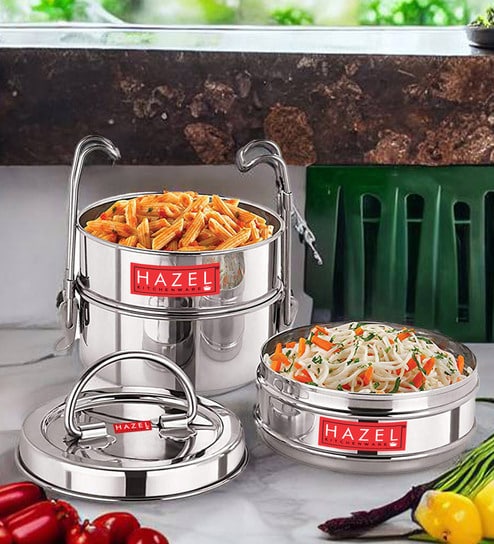
3 Pcs Stainless Steel Lunch Box
By Hazel
₹399 ₹649 (39% off)
Best Seller
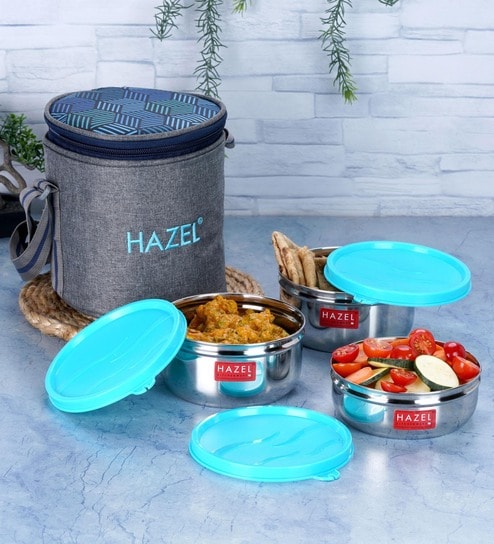
Multicolor Stainless Steel 3 Pc Container Lunch Box With Standing Bag
By Hazel
₹699 ₹1,049 (33% off)

Best Seller
Square 500Ml Transparent Glass Leak Proof Heat Resistant Food Storage Container
By Lock N Lock
₹745
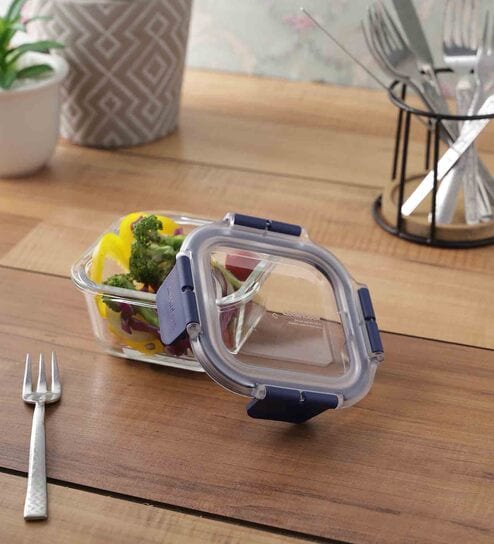
Square 300Ml Transparent Glass Leak Proof Heat Resistant Food Storage Container
By Lock N Lock
₹600 ₹615 (2% off)

Rectangular 630Ml Transparent Glass Leak Proof Heat Resistant Food Storage Container
By Lock N Lock
₹855

Square 750Ml Transparent Glass Leak Proof Heat Resistant Food Storage Container
By Lock N Lock
₹895

Best Seller
Premium Silver Colour Steel Lunch Box
By Sonanshi
₹749 ₹899 (17% off)

Price Drop Alert
Premium Silver Colour Steel Lunch Box
By Sonanshi
₹749 ₹999 (25% off)

Price Drop Alert
Premium Silver Colour Steel Lunch Box
By Sonanshi
₹749 ₹999 (25% off)

Price Drop Alert
Premium Silver Colour Steel Lunch Box
By Sonanshi
₹749 ₹999 (25% off)

Price Drop Alert
Premium Silver Colour Steel Lunch Box
By Sonanshi
₹749 ₹999 (25% off)
Didn't Find What You Were Looking For? Share your Feedback with Us ->
Tiffin Boxes: Modern Lunch Boxes for Home, Office, and School
A good tiffin box does more than carry food. It keeps your meal fresh, your bag clean, and your lunch break something to look forward to. For Indian households, the tiffin box holds special significance. It is how working parents send love to school, how professionals avoid canteen food, and how families store leftovers safely.
At Pepperfry, we understand this daily ritual. Our tiffin box collection features options for every budget and purpose. You will find classic stainless steel models your grandmother would approve of, alongside sleek modern designs that fit right into boardroom settings. Whether you pack elaborate thalis or simple sandwiches, there is a tiffin box here that suits your lifestyle.
This page covers everything you need to make a smart choice: materials, sizes, price points, and features worth paying for.
How to Choose the Right Tiffin Box for Your Needs
Finding the right tiffin box starts with understanding how you will use it. A child's school lunch needs differ greatly from an office professional's requirements. Similarly, weekend picnic storage calls for different features than daily home meal prep.
Think about your typical day. Do you commute by public transport, where a compact, lightweight box works best? Or do you drive, allowing for larger containers? Consider what you usually pack. Indian meals with curries need deep compartments and tight seals. Dry foods like rotis and parathas need shallow, wide spaces.
|
Quick Tip: Measure your bag's inner dimensions before buying. The most feature-rich tiffin box is useless if it does not fit where you need it to go. |
Quality tiffin boxes sold in India typically share certain traits: food-grade materials, secure closures, and easy-to-clean surfaces. Pay attention to these basics before getting distracted by fancy colours or brand names.
Material Options: Stainless Steel, Plastic, and Glass
Each material serves different priorities, so understanding their strengths helps you choose wisely.
Stainless steel remains the most popular choice for Indian tiffin boxes, and for good reason. It handles hot masalas without staining, lasts for years, and poses no chemical leaching concerns. The main drawback is weight. Steel boxes add noticeable heft to your bag, which matters on long commutes.
Plastic containers offer the opposite trade-off. They are lightweight, come in cheerful colours, and cost less than steel. However, quality varies dramatically. Always check for BPA-free certification. Avoid microwaving plastic containers unless the manufacturer explicitly approves it.
Glass tiffin boxes appeal to health-conscious buyers. They are microwave-safe, stain-resistant, and completely inert. The obvious concern is fragility. Glass works well for car commuters or home storage but poses risks for children or crowded train travel.
Insulation and Temperature Control Features
Insulated tiffin boxes address a real problem: Indian summers can turn a warm paratha into a cold, rubbery disc within hours. Double-wall construction creates an air gap that slows heat loss. Vacuum-sealed models perform even better, maintaining temperature for four to six hours typically.
These features matter most for people with long commutes or limited microwave access at work. If you pack food at 7 AM and eat at 1 PM, insulation makes a genuine difference. Some models come with thermal carry bags that add another layer of protection against ambient heat.
What Defines Modern Tiffin Box Design?
Contemporary tiffin boxes have evolved far beyond the traditional round dabba. Today's designs prioritise slim profiles that slide into laptop bags and backpacks without creating awkward bulges. Ergonomic handles make carrying comfortable. Stackable tiers let you pack multiple courses compactly.
|
"We talk about minimalist luxury today, but the brass and copper tiffin boxes used by our grandparents achieved that decades ago through pure, unadorned geometry." - Anjali Mody (Furniture Designer & Stylist), Elle Decor India |
This heritage influence shows in modern designs that balance aesthetics with function. Matte finishes in neutrals like grey, navy, and forest green look professional in office settings. Pattern options range from subtle geometric prints to playful motifs for children.
|
Design Note: A tiffin box you enjoy looking at is one you will actually use. Aesthetic appeal, while secondary to function, genuinely affects daily habits. |
Leak-Proof Technology and Compartment Layouts
The nightmare scenario is familiar to anyone who has packed curry: opening your bag to find gravy everywhere. Modern leak-proof designs address this through silicone gaskets that create airtight seals and locking clips that maintain pressure.
Compartment configurations suit different meal types. Two-tier boxes work well for rice-on-bottom, curry-on-top arrangements. Three-tier versions add space for salad, pickle, or dessert. Single containers with removable dividers offer flexibility when your meal varies daily.
For typical Indian lunches involving liquids, prioritise seal quality over compartment count. A simple two-tier box with excellent seals beats a fancy four-tier with mediocre closures every time.
How Much Does a Tiffin Box Cost in India?
Understanding price ranges helps you set realistic expectations and identify good value.
Basic plastic tiffin boxes start around Rs 200 and reach Rs 500 for better brands with secure lids. These suit light, dry meals and work fine for occasional use.
Quality stainless steel options typically range from Rs 400 to Rs 1,200. Within this bracket, you find durable everyday carriers with proper seals and decent capacity. Most families find their long-term solution here.
Premium insulated tiffin boxes with vacuum technology and thermal accessories cost between Rs 800 and Rs 2,500. These make sense for professionals with long commutes or parents wanting to send hot meals to school.
|
Value Insight: A Rs 800 steel tiffin box that lasts five years costs less per use than a Rs 200 plastic one replaced annually. Factor durability into your calculations. |
Buying a tiffin box online often provides better prices than local retail stores. The wider selection also means you can compare features across brands before deciding.
What Makes a Tiffin Box Suitable for Daily Home Use?
Home use involves specific workflows: storing leftovers in the fridge, packing lunches in the morning rush, reheating food before eating. Your tiffin box should fit this routine smoothly.
Stackable designs save refrigerator space. When you have three or four tiffin boxes for different family members, neat stacking prevents the chaos of containers tumbling when you open the fridge door.
Easy cleaning matters enormously for daily use. Dishwasher-safe options save time. Containers with rounded internal corners prevent food from getting trapped in crevices. Odour-resistant materials, particularly glass and high-grade steel, stay fresh even after storing strongly spiced foods.
For Indian households, capacity should accommodate typical portions: enough depth for rice or pulao, width for rotis, and separate compartments for wet sabzis. Microwave compatibility helps when reheating yesterday's leftovers becomes today's packed lunch.
What Should You Check Before Buying a Tiffin Box Online?
Online shopping offers variety and convenience, but you cannot physically examine products before buying. Knowing what to look for in product descriptions reduces disappointment.
Dimensions matter more than capacity labels. A 750ml tiffin box might be tall and narrow or short and wide. Check exact measurements against your bag and your typical food portions. Will your regular roti fit without folding? Can the box hold enough rice for your appetite?
Material certifications provide assurance. Look for BPA-free labels on plastic, food-grade steel specifications, and lead-free glass confirmations. Reputable sellers list these clearly.
Lid mechanism descriptions reveal quality. Terms like "silicone seal," "click-lock clips," and "airtight closure" indicate thoughtful engineering. Vague descriptions like "secure lid" tell you nothing useful.
Customer reviews offer real-world insights that product descriptions cannot. Focus on comments about leaking, durability after months of use, and ease of cleaning. These practical observations matter more than aesthetic opinions.
How Do You Care for Your Tiffin Box?
Proper maintenance extends the life of any tiffin box and keeps it hygienic for daily use.
For stainless steel: Wash with warm soapy water after each use. Avoid abrasive scrubbers that scratch the surface. Stubborn stains lift with a paste of baking soda and water. Dry thoroughly before storing to prevent water spots.
For plastic containers: Use soft sponges only. Hot water can warp thin plastic, so stick to warm or cold. Remove lids and seals periodically for deep cleaning. Replace containers showing cracks, discolouration, or persistent odours.
For glass: Handle with care during washing. Thermal shock from extreme temperature changes causes cracking, so avoid moving glass directly from freezer to hot water. Clean metal clasps separately to prevent rust.
Silicone seals on any container need occasional removal and thorough washing. Food particles trapped in seal grooves cause odours and reduce sealing effectiveness. Replace seals when they become stiff, torn, or fail to create a proper closure.
Store tiffin boxes with lids slightly ajar. This prevents musty smells from developing inside closed containers.
Frequently Asked Questions (FAQs)
1. How can I use a vintage tiffin box as home decor?
Use them as unique centrepieces on dining tables, accent pieces on open kitchen shelving, or quirky storage organisers on entry consoles and vanity tables.
2. What interior styles best suit a brass tiffin box?
They look exceptional in Boho, Rustic, Industrial, and Traditional/Ethnic Indian decors, adding a warm, vintage metal accent to the space.
3. Can I style a tiffin box in a minimalist modern home?
Yes. Place a single, highly polished silver or minimalist brass tiffin box on a sleek marble or matte black tray to create a striking contrast between old and new.
4. How do I turn a tiffin box into a planter?
Unlatch the tiers and use the individual compartments to hold small potted succulents or air plants. Ensure you use a plastic liner inside to prevent water from corroding the metal.
5. Can I use a tiffin box as a floral vase?
Absolutely. Separate the layers or use the top layer open. Place a small glass container inside to hold water and fresh flowers, keeping the metal dry.
6. Where is the best place to display hand painted enamel tiffin boxes?
Display them in brightly lit areas like a kitchen windowsill, a breakfast nook shelf, or a colourful living room display cabinet to let their vibrant colours pop.
 FurnitureSofas, Sectional Sofas, Sofa Cum Beds, Chaise Loungers, Bean Bags, Recliners, Sofa Chairs, Settees & Benches, Ottomans, Chairs, Gaming Chairs, Stools & Pouffes, Shoe Racks, Centre Tables, Side Tables, TV & Media Units, Cabinets & Sideboards, Book Shelves, Book Cases, Dining Sets, Dining Chairs, Dining Tables, Crockery Units, Bar Furniture, Beds, Bedside Tables, Trunks, Chest of Drawers, Dressing Tables, Screens and Dividers, Wardrobes, Kids and Teens, Study Tables, Office Furniture, Home Temples, Wall Shelves and Cabinets, Outdoor, Massagers, Furniture Care
- Sofas
- Sectional Sofas
- Sofa Cum Beds
- Chaise Loungers
- Bean Bags
- Recliners
- Sofa Chairs
- Settees & Benches
- Ottomans
- Chairs
- Gaming Chairs
- Stools & Pouffes
- Shoe Racks
- Centre Tables
- Side Tables
- TV & Media Units
- Cabinets & Sideboards
- Book Shelves
- Book Cases
- Dining Sets
- Dining Chairs
- Dining Tables
- Crockery Units
- Bar Furniture
- Beds
- Bedside Tables
- Trunks
- Chest of Drawers
- Dressing Tables
- Screens and Dividers
- Wardrobes
- Kids and Teens
- Study Tables
- Office Furniture
- Home Temples
- Wall Shelves and Cabinets
- Outdoor
- Massagers
- Furniture Care
 Sofas & SeatingSofas, Sofa Sets, Sectional Sofas, Sofa Cum Beds, Recliners, Recliner Sets, Chaise Loungers, Sofa Chairs, Bean Bags, Accent Chairs, Office Chairs, Gaming Chairs, Dining Chairs, Bar Seating, Settees & Benches, Ottomans, Stools & Pouffes, Outdoor Seating, Furniture Care, Top Collections, Top Brands
- Sofas
- Sofa Sets
- Sectional Sofas
- Sofa Cum Beds
- Recliners
- Recliner Sets
- Chaise Loungers
- Sofa Chairs
- Bean Bags
- Accent Chairs
- Office Chairs
- Gaming Chairs
- Dining Chairs
- Bar Seating
- Settees & Benches
- Ottomans
- Stools & Pouffes
- Outdoor Seating
- Furniture Care
- Top Collections
- Top Brands
 MattressesKing Size Mattresses, Queen Size Mattresses, Single Size Mattresses, Foldable Mattresses, Crib Mattresses, Mattress Protectors, Mattress Toppers, Pillows, Mattresses By Feature, Top Brands
- King Size Mattresses
- Queen Size Mattresses
- Single Size Mattresses
- Foldable Mattresses
- Crib Mattresses
- Mattress Protectors
- Mattress Toppers
- Pillows
- Mattresses By Feature
- Top Brands
 Home DecorVases, Figurines, Collectibles, Showpieces, Home Utility, Table Decor, Kids Decor, Photo Frames, Candles, Candle Stands, Decor Gift Sets, Spiritual, Home Fragrances, Appliances, Prayer Essentials, Artificial Plants & Flowers, Festive Decor, Gardening, Pots and Planters, Outdoor Decor, Wall Hangings, Wall Shelves, Wall Cabinets, Set Top Box Holders, Key Holders, Jharokhas, Screens & Dividers, Wall Decor, Wall Art and Paintings, Wallpapers & Decals, Clocks, Mirrors, Gifting
- Vases
- Figurines
- Collectibles
- Showpieces
- Home Utility
- Table Decor
- Kids Decor
- Photo Frames
- Candles
- Candle Stands
- Decor Gift Sets
- Spiritual
- Home Fragrances
- Appliances
- Prayer Essentials
- Artificial Plants & Flowers
- Festive Decor
- Gardening
- Pots and Planters
- Outdoor Decor
- Wall Hangings
- Wall Shelves
- Wall Cabinets
- Set Top Box Holders
- Key Holders
- Jharokhas
- Screens & Dividers
- Wall Decor
- Wall Art and Paintings
- Wallpapers & Decals
- Clocks
- Mirrors
- Gifting
 FurnishingsBed Sheets, Blankets & Quilts, Bath Linen, Bed Linen, Curtains, Curtain Accessories, Laundry Baskets, Mosquito Nets, Furnishing Gift Sets, Cushions & Covers, Sofa Covers & Throws, Chair Covers & Pads, Carpets, Dhurries, Runners, Door Mats, Bath Mats, Prayer Mats, Picnic Mats, Yoga Mats, Kids Furnishings, Pet Furnishings, Top Brands
- Bed Sheets
- Blankets & Quilts
- Bath Linen
- Bed Linen
- Curtains
- Curtain Accessories
- Laundry Baskets
- Mosquito Nets
- Furnishing Gift Sets
- Cushions & Covers
- Sofa Covers & Throws
- Chair Covers & Pads
- Carpets
- Dhurries
- Runners
- Door Mats
- Bath Mats
- Prayer Mats
- Picnic Mats
- Yoga Mats
- Kids Furnishings
- Bed Sheets
- Carpets & Mats
- Kids Blankets and Comforters
- Pillows and Covers
- Cushion Covers
- Towels
- Bedding Sets
- Curtains
- Baby Mats
- Pet Furnishings
- Top Brands
 Lamps & LightingFloor Lamps, Shelf Floor Lamps, Table Lamps, Night Lamps, Work and Study Lamps, Lamp Shades, Kids Lamps, Ceiling Lights, Wall Lights, Smart Lights, Outdoor Lights, Decorative Lights, Emergency Lights, Bulbs, Top Brands
- Floor Lamps
- Shelf Floor Lamps
- Table Lamps
- Night Lamps
- Work and Study Lamps
- Lamp Shades
- Kids Lamps
- Ceiling Lights
- Wall Lights
- Smart Lights
- Outdoor Lights
- Decorative Lights
- Emergency Lights
- Bulbs
- Top Brands
 Kitchen & DiningServeware, Jugs, Bakeware, Dinnerware, Cookware, Cooking Tools, Drinkware, Bottles, Flasks, Sippers, Barware, Teaware, Knives & Cutlery, Table Essentials, Jars and Containers, Kitchen Organizers, Lunch Boxes, Kids Kitchenware & Tableware, Gift Sets, Kitchen Linen, Table Linen, Kitchen Appliances, Top Brands
- Serveware
- Serving Bowls
- Casseroles
- Butter Dishes
- Serving Trays
- Tray Sets
- Appetizer Platters
- Cheese Boards
- Cake Stands
- Cloche
- Jugs
- Bakeware
- Dinnerware
- Cookware
- Cooking Tools
- Spatulas, Ladles and Tongs
- Knives and Choppers
- Chopping Boards
- Rolling Pins and Boards
- Strainers and Whisks
- Cooking Preparation Tools
- Drinkware
- Bottles
- Flasks
- Sippers
- Barware
- Barware Sets
- Bar Tools
- Ash Trays
- Wine Holders & Coolers
- Carafes and Decanters
- Dispensers
- Ice Buckets & Moulds
- Teaware
- Knives & Cutlery
- Table Essentials
- Jars and Containers
- Kitchen Organizers
- Lunch Boxes
- Kids Kitchenware & Tableware
- Gift Sets
- Kitchen Linen
- Table Linen
- Kitchen Appliances
- Top Brands
 LuxuryLiving Room, Bedroom, Dining Room, Home Office
 Modular