Sign Up & Get Rs.5,000 OFF On Your First Purchase




Room Divider
Room dividers offer a clever way to section off areas in your home without building walls. From solid wood folding screens to soft fabric panels and modern lattice designs, these versatile pieces create privacy, define zones, and add visual interest. Perfect for open-plan flats, studios, and multi-use rooms. Browse Pepperfry's collection to find dividers in various heights, panel counts, and finishes that suit your space and budget.


Filter By
Sort By
Showing 1-40 of 546 options


Price Drop Alert
Off White Macrame Room Divider
By Kaahira
₹16,599 ₹24,699 (33% off)
EMI starting from ₹797/month

Price Drop Alert
Brown 2 Panel Folding Wood & MDF Room Divider Seprator
By Shilpi
₹8,099 ₹11,299 (28% off)
EMI starting from ₹389/month

Brown 2 Panel Folding Wood & MDF Room Divider Seprator
By Shilpi
₹8,122 ₹11,299 (28% off)
EMI starting from ₹390/month

Brown 2 Panel Folding Wood & MDF Room Divider Seprator
By Shilpi
₹7,599 ₹11,299 (33% off)
EMI starting from ₹365/month

Price Drop Alert
Brown 2 Panel Folding Wood & MDF Room Divider Seprator
By Shilpi
₹7,599 ₹11,299 (33% off)
EMI starting from ₹365/month
Price Drop Alert
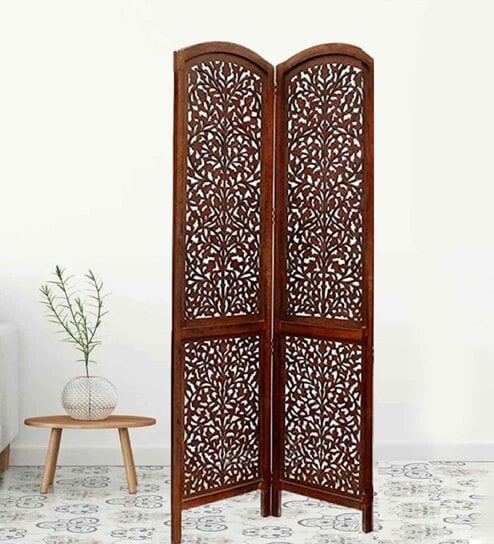
Brown 2 Panel Folding Wood & MDF Room Divider Seprator
By Shilpi
₹7,599 ₹11,299 (33% off)
EMI starting from ₹365/month

Price Drop Alert
Brown 2 Panel Folding Wood & MDF Room Divider Seprator
By Shilpi
₹7,599 ₹11,299 (33% off)
EMI starting from ₹365/month

Brown 2 Panel Folding Wood & MDF Room Divider Seprator
By Shilpi
₹6,602 ₹11,299 (42% off)
EMI starting from ₹317/month

Price Drop Alert
Brown 2 Panel Folding Wood & MDF Room Divider Seprator
By Shilpi
₹7,599 ₹11,299 (33% off)
EMI starting from ₹365/month

Brown 2 Panel Folding Wood & MDF Room Divider Seprator
By Shilpi
₹7,599 ₹11,299 (33% off)
EMI starting from ₹365/month

Brown 2 Panel Folding Wood & MDF Room Divider Seprator
By Shilpi
₹7,599 ₹11,299 (33% off)
EMI starting from ₹365/month

Brown 2 Panel Folding Wood & MDF Room Divider Seprator
By Shilpi
₹7,599 ₹11,299 (33% off)
EMI starting from ₹365/month

Price Drop Alert
Brown 2 Panel Folding Wood & MDF Room Divider Seprator
By Shilpi
₹8,122 ₹11,299 (28% off)
EMI starting from ₹390/month

Brown 2 Panel Folding Wood & MDF Room Divider Seprator
By Shilpi
₹8,122 ₹13,799 (41% off)
EMI starting from ₹390/month

Brown 2 Panel Folding Wood & MDF Room Divider Seprator
By Shilpi
₹6,899 ₹11,299 (39% off)
EMI starting from ₹332/month

Price Drop Alert
Brown 2 Panel Folding Wood & MDF Room Divider Seprator
By Shilpi
₹7,599 ₹11,299 (33% off)
EMI starting from ₹365/month

Price Drop Alert
brown 2 Panel Folding Wood & MDF Room Divider Seprator
By Shilpi
₹6,839 ₹11,299 (39% off)
EMI starting from ₹329/month

Brown 2 Panel Folding Wood & MDF Room Divider Seprator
By Shilpi
₹7,599 ₹11,299 (33% off)
EMI starting from ₹365/month

Price Drop Alert
Brown 2 Panel Folding Wood & MDF Room Divider Seprator
By Shilpi
₹7,599 ₹11,299 (33% off)
EMI starting from ₹365/month

Price Drop Alert
Brown 2 Panel Folding Wood & MDF Room Divider Seprator
By Shilpi
₹7,599 ₹11,299 (33% off)
EMI starting from ₹365/month

Price Drop Alert
Black 2 Panel Folding Wood & MDF Room Divider Seprator
By Shilpi
₹7,599 ₹11,299 (33% off)
EMI starting from ₹365/month

Brown 2 Panel Folding Wood & MDF Room Divider Seprator
By Shilpi
₹6,602 ₹11,299 (42% off)
EMI starting from ₹317/month

Brown 2 Panel Folding Wood & MDF Room Divider Seprator
By Shilpi
₹7,599 ₹11,299 (33% off)
EMI starting from ₹365/month
Price Drop Alert
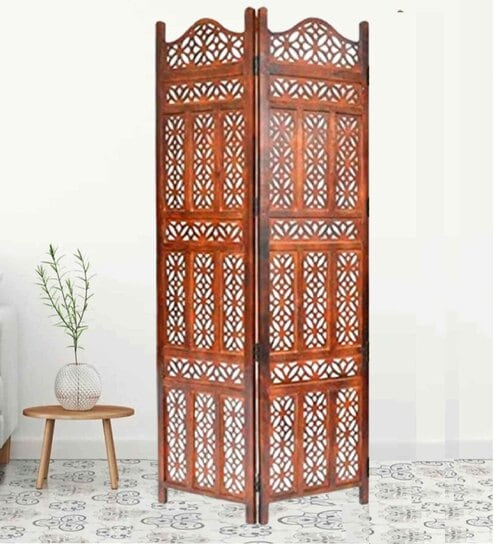
Brown 2 Panel Folding Wood & MDF Room Divider Seprator
By Shilpi
₹7,599 ₹11,299 (33% off)
EMI starting from ₹365/month

Price Drop Alert
WHITE 2 Panel Folding Wood & MDF Room Divider Seprator
By Shilpi
₹7,599 ₹11,299 (33% off)
EMI starting from ₹365/month
Price Drop Alert
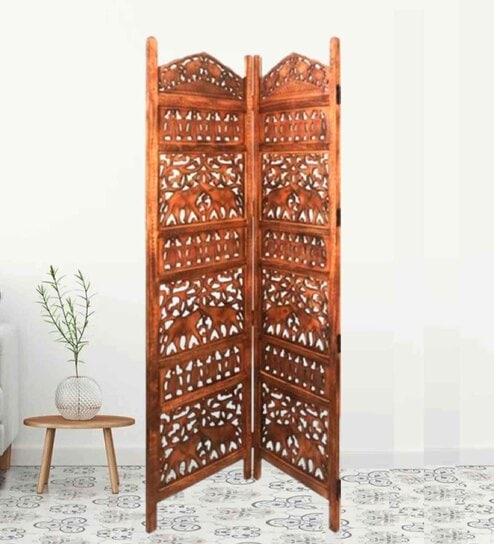
Brown 2 Panel Folding Wood & MDF Room Divider Seprator
By Shilpi
₹7,599 ₹11,299 (33% off)
EMI starting from ₹365/month

Price Drop Alert
Black 2 Panel Folding Wood & MDF Room Divider Seprator
By Shilpi
₹7,599 ₹11,299 (33% off)
EMI starting from ₹365/month

Price Drop Alert
Brown 2 Panel Folding Wood & MDF Room Divider Seprator
By Shilpi
₹7,599 ₹11,299 (33% off)
EMI starting from ₹365/month

Brown 2 Panel Folding Wood & MDF Room Divider Seprator
By Shilpi
₹7,599 ₹11,299 (33% off)
EMI starting from ₹365/month

Price Drop Alert
Brown 2 Panel Folding Wood & MDF Room Divider Seprator
By Shilpi
₹7,599 ₹11,299 (33% off)
EMI starting from ₹365/month

Price Drop Alert
Brown 2 Panel Folding Wood & MDF Room Divider Seprator
By Shilpi
₹7,599 ₹11,299 (33% off)
EMI starting from ₹365/month

Black 2 Panel Folding Wood & MDF Room Divider Seprator
By Shilpi
₹7,599 ₹11,299 (33% off)
EMI starting from ₹365/month

Price Drop Alert
WHITE 2 Panel Folding Wood & MDF Room Divider Seprator
By Shilpi
₹7,599 ₹11,299 (33% off)
EMI starting from ₹365/month

Price Drop Alert
Brown 2 Panel Folding Wood & MDF Room Divider Seprator
By Shilpi
₹7,599 ₹11,299 (33% off)
EMI starting from ₹365/month

Price Drop Alert
Brown 2 Panel Folding Wood & MDF Room Divider Seprator
By Shilpi
₹7,599 ₹11,299 (33% off)
EMI starting from ₹365/month

Price Drop Alert
Brown 2 Panel Folding Wood & MDF Room Divider Seprator
By Shilpi
₹7,599 ₹11,299 (33% off)
EMI starting from ₹365/month

Price Drop Alert
Brown 2 Panel Folding Wood & MDF Room Divider Seprator
By Shilpi
₹7,599 ₹11,299 (33% off)
EMI starting from ₹365/month

Brown 2 Panel Folding Wood & MDF Room Divider Seprator
By Shilpi
₹7,599 ₹11,299 (33% off)
EMI starting from ₹365/month

Price Drop Alert
Brown 2 Panel Folding Wood & MDF Room Divider Seprator
By Shilpi
₹7,599 ₹11,299 (33% off)
EMI starting from ₹365/month

Black 2 Panel Folding Wood & MDF Room Divider Seprator
By Shilpi
₹7,599 ₹11,299 (33% off)
EMI starting from ₹365/month
Didn't Find What You Were Looking For? Share your Feedback with Us ->
Room Dividers - Flexible Screens to Define and Transform Your Living Spaces
Open-plan living has become a staple of modern homes across India. Yet sometimes you need a bit of separation. Maybe it's a quiet corner for video calls. Or a sleeping area in a studio flat. Perhaps you simply want to mark where the dining area ends and the lounge begins. Room dividers solve all of this beautifully, without any construction or permanent changes to your home.
At Pepperfry, you'll find room dividers in wood, fabric, and contemporary lattice styles. Each offers something different for your space. Wood brings warmth and structure. Fabric adds softness and easy care. Lattice designs play with light in stunning ways that change throughout the day.
The best part? These screens fold away when not needed. They're a smart choice for renters and anyone who enjoys rearranging their space with the seasons.
What Room Divider Designs Suit Your Home Style?
Shoppers typically choose from three main formats when looking for a modern room divider: wood-slat folding screens, fabric-panel screens, and geometric or lattice designs. Each brings its own look and function to your space.
The right room divider design depends on your room's existing style, how much light you want to let through, and whether you prefer a softer or more structured appearance.
Wood-Slat Folding Screens
Solid wood dividers remain a popular choice for good reason. They're sturdy, look handsome, and work well in both traditional and modern settings. Slatted designs are especially practical for Indian homes. The gaps between slats allow light and air to pass through freely, so your room doesn't feel boxed in or stuffy.
Sheesham and mango wood are common options available across India. Both timbers are durable and develop a lovely patina over time with minimal care. If you enjoy natural finishes, a wood-slat screen adds warmth to any room without overwhelming your existing decor.
These dividers often feature carved details or simple clean lines depending on the craftsman's style. You can place one behind a sofa to anchor your seating area, or use it to mark off a dining nook from the living space.
Fabric-Panel Screens
Fabric dividers bring a softer touch to room separation. They work particularly well in bedrooms, where you might want to screen off a dressing area or create a cosy reading corner away from the bed. The panels typically stretch over a wooden or metal frame, giving structure while keeping the overall feel light and airy.
Cotton, linen, and polyester blends are common materials. Some designs feature printed patterns or embroidery that adds visual interest to plain walls. Others come in solid colours that blend easily with existing furnishings and let you change accent pieces without clashing.
One practical benefit stands out: fabric panels are often removable. You can take them off the frame for cleaning or swap them out entirely when you fancy a fresh look for the new season.
Modern Geometric and Lattice Dividers
For contemporary open-plan spaces, geometric dividers make a genuine design statement. These pieces use repeating patterns, cutouts, or traditional lattice work to create visual interest while letting light filter through gracefully.
MDF, metal, and cane are popular materials for this style of room divider design. They suit minimalist interiors and add an artistic element without feeling heavy or imposing in compact rooms.
Styling tip: A lattice divider placed near a window creates beautiful shadow play throughout the day. Position it where morning or afternoon light hits directly for the best visual effect in your living room.
Root your modern home in architectural heritage by incorporating the timeless beauty of the Indian jaali (lattice screen). A room divider crafted from hand-carved teak, terracotta, or woven cane captures incoming sunlight and projects intricate patterns of light and shadow across the floor. - Inside Outside
How Do Room Dividers Zone Open-Plan Homes?
A room divider for the home excels at creating distinct areas within a single open space. You don't need to commit to permanent structures or lose the flexibility that open-plan layouts offer. Here's how room dividers work in common situations that many Indian households face daily.
Separating Living and Dining Areas
In many Indian flats, the living and dining areas flow into one another with no clear boundary. A folding screen placed between your sofa set and dining table gives each zone its own identity and purpose. You maintain the open feel that makes smaller homes appear larger while creating subtle visual boundaries that organise the space.
A three- or four-panel room divider usually works well for this purpose. Choose a design that complements both areas without dominating either. A neutral wood finish often bridges different furniture styles nicely and ages gracefully alongside your other pieces.
Creating a Home-Office Corner
Working from home is here to stay for many of us. But not everyone has a spare room to convert into a proper office. A room divider can carve out a dedicated workspace in your living room or bedroom corner without major changes.
Position the screen behind your desk chair. This gives you a clean, professional backdrop for video calls and helps you mentally separate work hours from leisure time. When the workday ends, simply fold the divider away and reclaim your living space for relaxation.
Screening a Guest Sleeping Area in Studios
Studio flats and single-room living spaces present unique challenges for hospitality. When guests visit overnight, privacy becomes tricky for everyone. A full-height divider creates a temporary guest bedroom without any fuss or awkwardness.
Good to know: Divider height matters significantly here. Partial-height screens (around 150cm) give some separation while keeping the room feeling connected and bright. Full-height options (180cm or taller) offer more genuine privacy but can make small spaces feel closed in. Consider what matters more for your particular situation and guest frequency.
Open-plan living is wonderful until you need privacy for a video call or a quiet reading nook. A lightweight, folding or sliding room divider is the ultimate flexible solution. Look for multi-functional dividers that incorporate built-in open shelving or hanging planters. - Good Homes
Which Room Divider Size and Panel Count Works Best?
Folding room dividers come in various panel counts to suit different spaces. The most common options you'll find are three, four, and six-panel screens. Your choice affects both the width of space covered and how stably the room divider stands on your floor.
Understanding Panel Counts
A three-panel screen works well for smaller gaps or purely decorative purposes behind furniture. It covers roughly 120 to 150cm when opened in a zigzag stance and stores compactly.
Four-panel dividers are the most versatile choice for most homes. They span about 160 to 200cm and stand very stable in a zigzag position without any wall support needed. This count suits most living-dining separations in standard Indian apartments.
Six-panel screens cover wider spans, reaching up to 300cm or so. They're ideal for large open-plan spaces or when you need to section off a sizeable area completely. These work particularly well in joint family homes where privacy needs vary throughout the day.
Folding and Storage Benefits
One major advantage of hinged dividers: they fold completely flat. This matters greatly if you live in rented accommodation or simply like to rearrange your rooms often. When you don't need the room divider, it slides behind a wardrobe, stands flat against a wall, or tucks into a storage cupboard.
Practical tip: Before you buy a room divider, measure the width you want to divide carefully. Add about 30cm extra to allow for the zigzag stance that keeps folding screens upright and stable.
A divider that's too narrow for the gap won't stand securely on its own.
The folding mechanism also makes moving house simpler. No disassembly required. Just fold, wrap in a blanket, and transport safely to your new home.
Frequently Asked Questions (FAQs)
1. How many panels do I need to divide a standard living and dining space?
For most open plan flats in India, a four panel divider works well. It covers roughly 160 to 200cm when positioned in a zigzag stance and stands stable without wall support. If your space is larger than average, consider a six panel option instead.
2. Are wood slat dividers sturdy enough to stay upright without wall support?
Yes, when positioned correctly. Place the panels in a zigzag formation rather than a straight line. This creates a stable, self-supporting base. Heavier hardwoods like sheesham or teak stand particularly firm and resist tipping even with light contact.
3. Can fabric panels be removed and washed?
Many fabric dividers feature removable panels for easy care. Check the product description before buying to confirm. Removable cotton or polyester blend panels can usually be machine washed on a gentle cycle. Always follow the care label instructions for best results.
4. What is the typical price of a room divider across different materials?
The price of a room divider varies by material, size, and craftsmanship. Simple MDF screens start around Rs 3,000 to Rs 5,000. Solid wood options typically range from Rs 8,000 to Rs 20,000. Handcrafted or designer pieces with intricate lattice work may cost more depending on the artisan.
5. Do dividers fold flat for storage or moving?
Yes, folding screens are designed to collapse completely. Most fold into a flat stack roughly 10 to 15cm thick. This makes storage between seasons and relocation to a new home straightforward.
6. What warranty covers hinges and frames when I buy a room divider online?
Pepperfry offers warranties that vary by product and seller. Check individual product pages for specific terms before purchase. Hinges and frames are typically covered for one year against manufacturing defects. Keep your invoice for any warranty claims.
 FurnitureSofas, Sectional Sofas, Sofa Cum Beds, Chaise Loungers, Bean Bags, Recliners, Sofa Chairs, Settees & Benches, Ottomans, Chairs, Gaming Chairs, Stools & Pouffes, Shoe Racks, Centre Tables, Side Tables, TV & Media Units, Cabinets & Sideboards, Book Shelves, Book Cases, Dining Sets, Dining Chairs, Dining Tables, Crockery Units, Bar Furniture, Beds, Bedside Tables, Trunks, Chest of Drawers, Dressing Tables, Screens and Dividers, Wardrobes, Kids and Teens, Study Tables, Office Furniture, Home Temples, Wall Shelves and Cabinets, Outdoor, Massagers, Furniture Care
- Sofas
- Sectional Sofas
- Sofa Cum Beds
- Chaise Loungers
- Bean Bags
- Recliners
- Sofa Chairs
- Settees & Benches
- Ottomans
- Chairs
- Gaming Chairs
- Stools & Pouffes
- Shoe Racks
- Centre Tables
- Side Tables
- TV & Media Units
- Cabinets & Sideboards
- Book Shelves
- Book Cases
- Dining Sets
- Dining Chairs
- Dining Tables
- Crockery Units
- Bar Furniture
- Beds
- Bedside Tables
- Trunks
- Chest of Drawers
- Dressing Tables
- Screens and Dividers
- Wardrobes
- Kids and Teens
- Study Tables
- Office Furniture
- Home Temples
- Wall Shelves and Cabinets
- Outdoor
- Massagers
- Furniture Care
 Sofas & SeatingSofas, Sofa Sets, Sectional Sofas, Sofa Cum Beds, Recliners, Recliner Sets, Chaise Loungers, Sofa Chairs, Bean Bags, Accent Chairs, Office Chairs, Gaming Chairs, Dining Chairs, Bar Seating, Settees & Benches, Ottomans, Stools & Pouffes, Outdoor Seating, Furniture Care, Top Collections, Top Brands
- Sofas
- Sofa Sets
- Sectional Sofas
- Sofa Cum Beds
- Recliners
- Recliner Sets
- Chaise Loungers
- Sofa Chairs
- Bean Bags
- Accent Chairs
- Office Chairs
- Gaming Chairs
- Dining Chairs
- Bar Seating
- Settees & Benches
- Ottomans
- Stools & Pouffes
- Outdoor Seating
- Furniture Care
- Top Collections
- Top Brands
 MattressesKing Size Mattresses, Queen Size Mattresses, Single Size Mattresses, Foldable Mattresses, Crib Mattresses, Mattress Protectors, Mattress Toppers, Pillows, Mattresses By Feature, Top Brands
- King Size Mattresses
- Queen Size Mattresses
- Single Size Mattresses
- Foldable Mattresses
- Crib Mattresses
- Mattress Protectors
- Mattress Toppers
- Pillows
- Mattresses By Feature
- Top Brands
 DecorShowpieces & Collectibles, Figurines, Table Decor, Vases, Wall Paintings & Prints, Wall Decor, Wallpapers & Decals, Mirrors, Clocks, Photo Frames, Candles & Fragrances, Candle Stands, Artificial Plants & Flowers, Pots & Planters, Gardening, Fountains, Home Mandir, Pooja Essentials, Festive Decor, Kids Decor, Festive Gifting
- Showpieces & Collectibles
- Figurines
- Table Decor
- Vases
- Wall Paintings & Prints
- Wall Decor
- Wallpapers & Decals
- Mirrors
- Clocks
- Photo Frames
- Candles & Fragrances
- Candle Stands
- Artificial Plants & Flowers
- Pots & Planters
- Gardening
- Fountains
- Home Mandir
- Pooja Essentials
- Religious Idols
- Religious Frames
- Pooja Shelves
- Chowkies
- Pooja Wares
- Pooja Fragrances
- Vastu and Feng Shui
- Spiritual Coins and Pendants
- Festive Decor
- Kids Decor
- Festive Gifting
 FurnishingsBed Sheets, Bedding, Blankets and Quilts, Curtains, Cushions and Covers, Sofa Covers and Throws, Chair Covers & Pads, Rugs, Door Mats, Yoga Mats, Picnic Mats, Bath Linen, Bath Mats, Festive Gifting, Kids Furnishings
- Bed Sheets
- Bedding
- Blankets and Quilts
- Curtains
- Cushions and Covers
- Sofa Covers and Throws
- Chair Covers & Pads
- Rugs
- Door Mats
- Yoga Mats
- Picnic Mats
- Bath Linen
- Bath Mats
- Festive Gifting
- Kids Furnishings
 LightingCeiling Lights, Wall Lights, Floor Lamps, Table Lamps, Lamp Shades, Work and Study Lamps, Smart Lights, Night Lamps, Kids Lamps, Outdoor Lights, Decorative Lights
- Ceiling Lights
- Wall Lights
- Floor Lamps
- Table Lamps
- Lamp Shades
- Work and Study Lamps
- Smart Lights
- Night Lamps
- Kids Lamps
- Outdoor Lights
- Decorative Lights
 TablewareCrockery, Cutlery, Drinkware, Barware, Serveware, Table Essentials, Table Linen, Festive Gifting
- Crockery
- Cutlery
- Drinkware
- Tumblers
- Whiskey Glasses
- Wine Glasses
- Beer Mugs
- Cocktail Glasses
- Champagne Glasses
- Shot Glasses
- Jugs
- Dispensers
- Insulated Tumblers
- Barware
- Serveware
- Table Essentials
- Table Linen
- Festive Gifting
 KitchenCookware, Kitchen ware, Bakeware, Kitchen Storage, Kitchen Organizers, Kitchen Linen, Kitchen Appliances, Pepperfry Finds, Festive Gifting
- Cookware
- Kitchen ware
- Knives and Choppers
- Chopping Boards
- Graters
- Spatulas, Ladles and Tongs
- Strainers and Whisks
- Rolling Pins and Boards
- Mortar and Pestles
- Bakeware
- Kitchen Storage
- Kitchen Organizers
- Kitchen Linen
- Kitchen Appliances
- Cooktops
- OTGs & Microwaves
- Chimneys
- Food Makers
- Dishwashers
- Mixers and Processors
- Breakfast Appliances
- Air Fryers
- Pepperfry Finds
- Festive Gifting
 Home UtilityStorage & Organizers, Drawer Organizers, House Keeping Tools, Bath Accessories, Laundry Baskets, Laundry Essentials, Wall Shelves and Cabinets, Dividers, Key Holders, Set Top Box Holders, Fridge Magnets, Coat Stands, Office Supplies & Stationary, Pen Stands, Laptop Table for Bed, Rain Essentials, Mosquito Nets, Travel Accessories, Appliances
- Storage & Organizers
- Storage Boxes & Drawers
- Magazine Racks
- Mobile Holders
- Hooks & Hangers
- Cloth Organiser
- Shoe Organizers
- Desk Organizers
- Accessory Holders
- Drawer Organizers
- House Keeping Tools
- Bath Accessories
- Laundry Baskets
- Laundry Essentials
- Wall Shelves and Cabinets
- Dividers
- Key Holders
- Set Top Box Holders
- Fridge Magnets
- Coat Stands
- Office Supplies & Stationary
- Pen Stands
- Laptop Table for Bed
- Rain Essentials
- Mosquito Nets
- Travel Accessories
- Appliances
 LuxuryLiving Room, Bedroom, Dining Room, Home Office