Sign Up & Get Upto Rs. 1,500 off on Your First Purchase!


Orthopedic Mattresses
<p>An orthopedic mattress offers targeted spinal support through medium-firm construction and zoned comfort layers. Designed for back pain relief, these mattresses suit all age groups and sleep positions. Pepperfry brings you certified options with transparent pricing, flexible sizes from single to king, and buyer-friendly policies including 100-night trials and 10-year warranties. Shop orthopedic mattress options online with confidence.</p>


Filter By More Filters
Sort By
Showing 41-80 of 934 options

New Arrivals
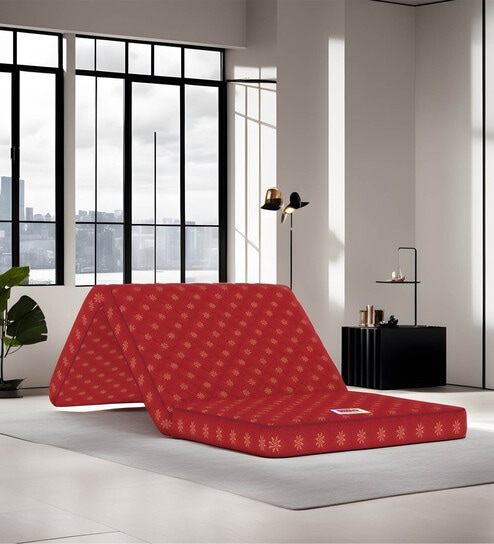
Essentio 3 Fold Reversible Travel Bed at FACTORY RATE PU Foam 4 Inches Single Size Mattress in Maroon Colour
By Usha Shriram
12-Month Warranty Available
₹3,629 ₹5,889 (38% off)
EMI starting from ₹175/month
Ships in 3 days
New Arrivals
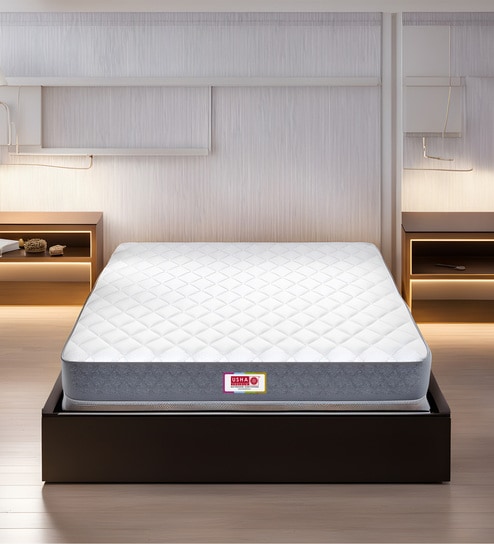
Tru Spring with NPSS Tech. HR Foam 6 Inches Single Size Mattress in Grey Colour
By Usha Shriram
84-Month Warranty Available
₹7,409 ₹12,029 (38% off)
EMI starting from ₹356/month
Ships in 3 days
New Arrivals
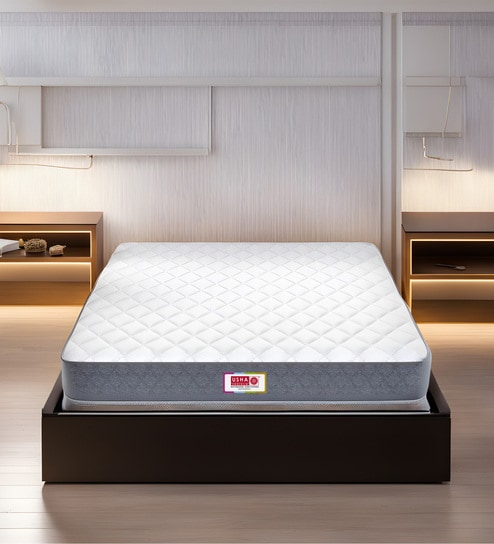
Tru Spring with NPSS Tech. HR Foam 8 Inches King Size Mattress in Grey Colour
By Usha Shriram
84-Month Warranty Available
₹16,149 ₹26,219 (38% off)
EMI starting from ₹776/month
Ships in 3 days
New Arrivals
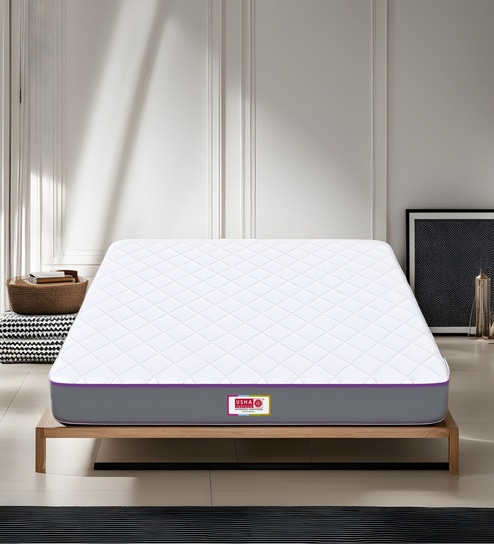
7-Zone With Posture Contour Tech. HR Foam 8 Inches Queen Size Mattress in White Colour
By Usha Shriram
120-Month Warranty Available
₹13,439 ₹21,819 (38% off)
EMI starting from ₹646/month
Ships in 3 days
New Arrivals
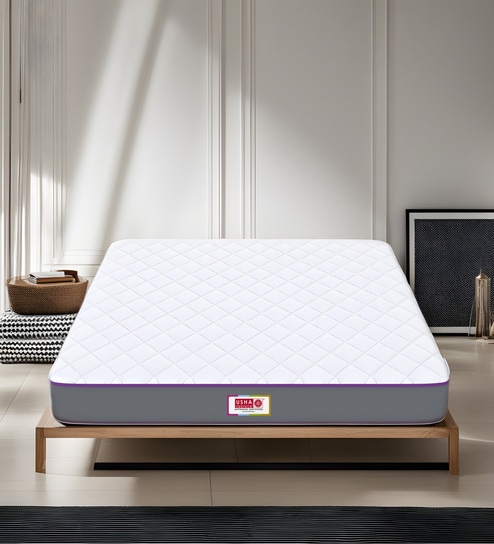
7-Zone With Posture Contour Tech. HR Foam 8 Inches King Size Mattress in White Colour
By Usha Shriram
120-Month Warranty Available
₹18,329 ₹29,759 (38% off)
EMI starting from ₹881/month
Ships in 3 days
New Arrivals
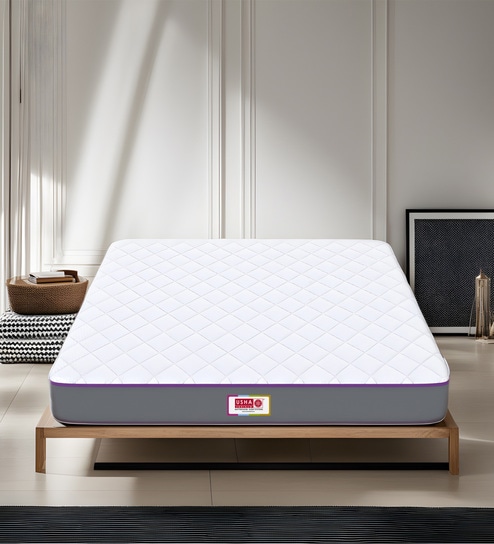
7-Zone With Posture Contour Tech. HR Foam 8 Inches Single Size Mattress in White Colour
By Usha Shriram
120-Month Warranty Available
₹10,809 ₹17,539 (38% off)
EMI starting from ₹519/month
Ships in 3 days
New Arrivals
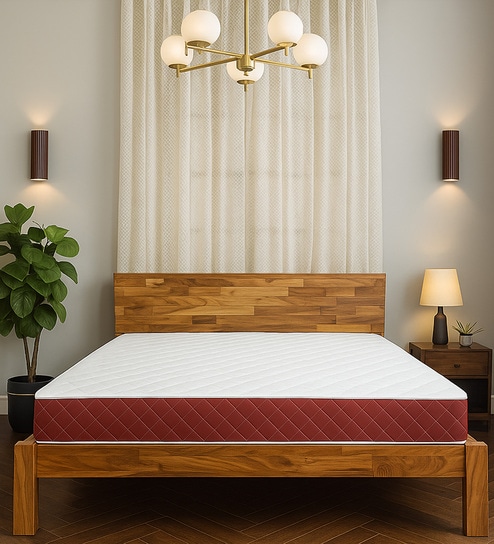
Tru Spring with NPSS Tech. HR Foam 6 Inches Single Size Mattress in Red Colour
By Usha Shriram
84-Month Warranty Available
₹7,409 ₹12,029 (38% off)
EMI starting from ₹356/month
Ships in 3 days
New Arrivals
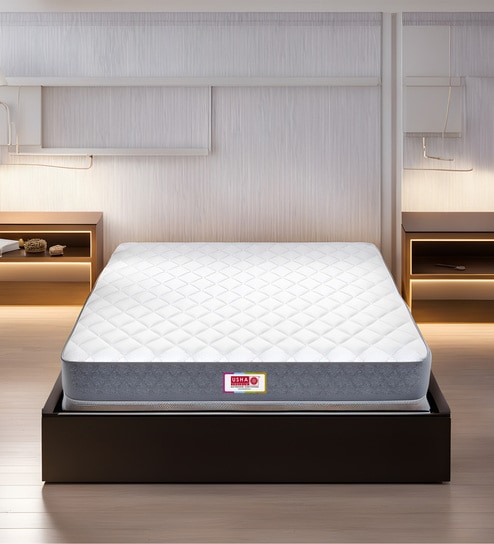
Tru Spring with NPSS Tech. HR Foam 6 Inches King Size Mattress in Grey Colour
By Usha Shriram
84-Month Warranty Available
₹12,869 ₹20,889 (38% off)
EMI starting from ₹618/month
Ships in 3 days
New Arrivals
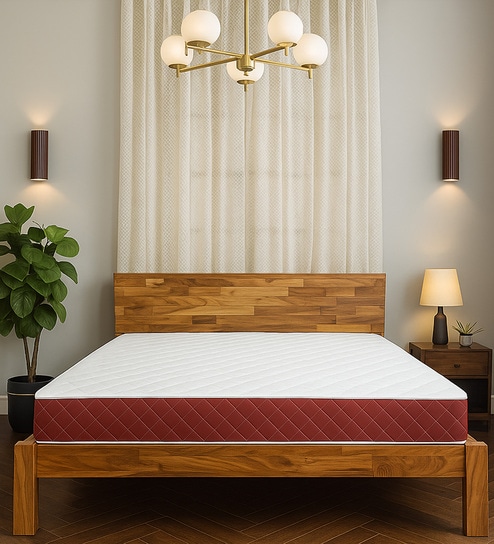
Tru Spring with NPSS Tech. HR Foam 6 Inches Queen Size Mattress in Red Colour
By Usha Shriram
84-Month Warranty Available
₹11,529 ₹18,729 (38% off)
EMI starting from ₹554/month
Ships in 3 days
New Arrivals
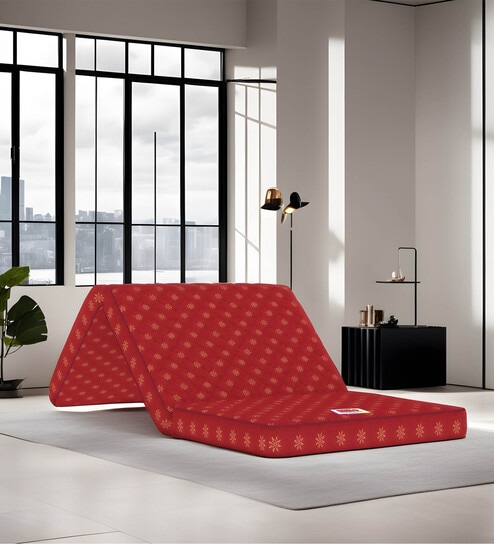
Essentio 3 Fold Reversible Travel Bed at FACTORY RATE PU Foam 3 Inches Queen Size Mattress in Maroon Colour
By Usha Shriram
12-Month Warranty Available
₹4,000 ₹5,600 (29% off)
EMI starting from ₹193/month
Ships in 3 days
New Arrivals
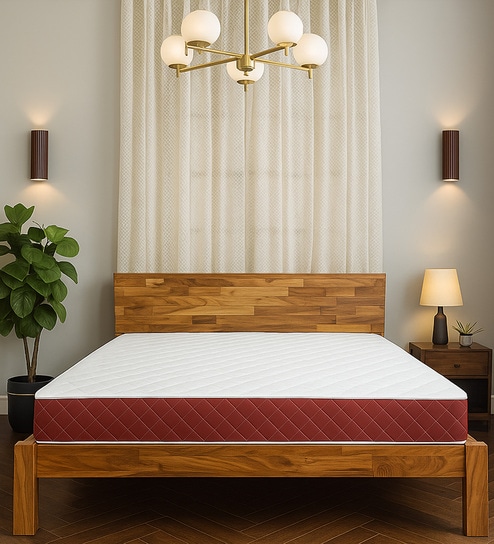
Tru Spring with NPSS Tech. HR Foam 6 Inches King Size Mattress in Red Colour
By Usha Shriram
84-Month Warranty Available
₹12,869 ₹20,889 (38% off)
EMI starting from ₹618/month
Ships in 3 days
New Arrivals
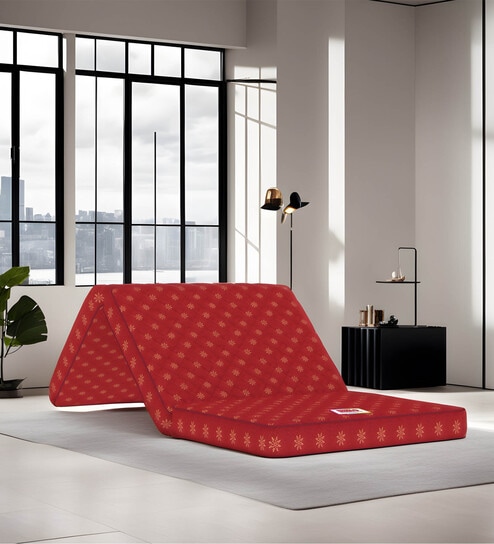
Essentio 3 Fold Reversible Travel Bed at FACTORY RATE PU Foam 3 Inches Single Size Mattress in Maroon Colour
By Usha Shriram
12-Month Warranty Available
₹2,329 ₹3,260 (29% off)
Ships in 3 days
New Arrivals
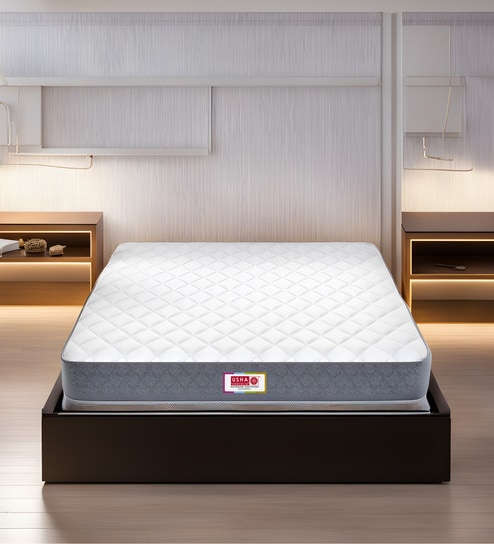
Tru Spring with NPSS Tech. HR Foam 6 Inches Queen Size Mattress in Grey Colour
By Usha Shriram
84-Month Warranty Available
₹11,529 ₹18,729 (38% off)
EMI starting from ₹554/month
Ships in 3 days
New Arrivals
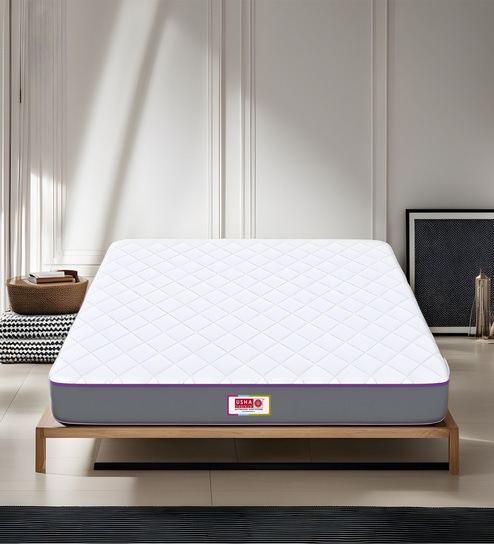
7-Zone With Posture Contour Tech. HR Foam 5 Inches Queen Size Mattress in White Colour
By Usha Shriram
120-Month Warranty Available
₹11,269 ₹18,289 (38% off)
EMI starting from ₹542/month
Ships in 3 days
New Arrivals
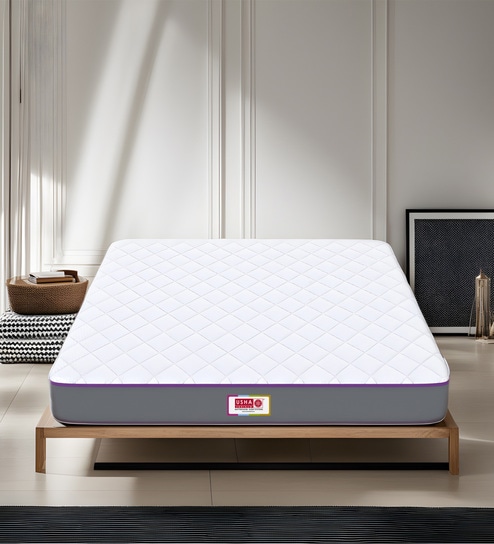
7-Zone With Posture Contour Tech. HR Foam 5 Inches Single Size Mattress in White Colour
By Usha Shriram
120-Month Warranty Available
₹7,609 ₹12,359 (38% off)
EMI starting from ₹366/month
Ships in 3 days
New Arrivals
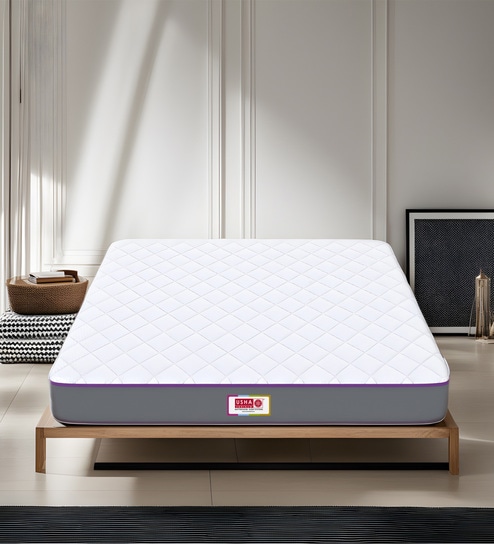
7-Zone With Posture Contour Tech. HR Foam 6 Inches King Size Mattress in White Colour
By Usha Shriram
120-Month Warranty Available
₹17,459 ₹28,339 (38% off)
EMI starting from ₹839/month
Ships in 3 days
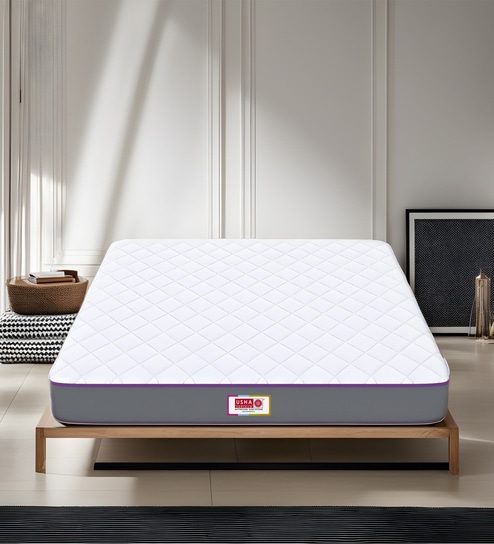
New Arrivals
7-Zone With Posture Contour Tech. HR Foam 6 Inches Single Size Mattress in White Colour
By Usha Shriram
120-Month Warranty Available
₹10,349 ₹16,799 (38% off)
EMI starting from ₹497/month
Ships in 3 days
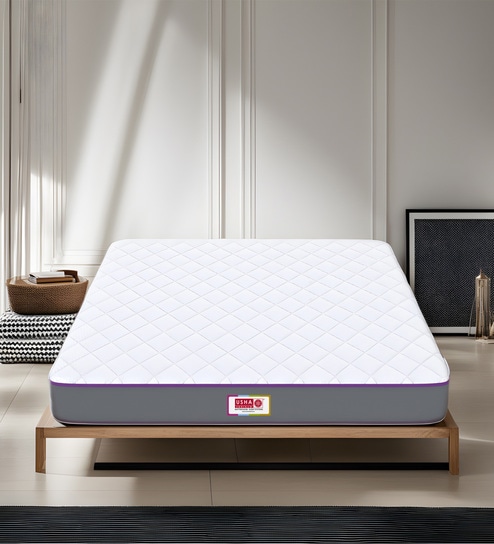
New Arrivals
7-Zone With Posture Contour Tech. HR Foam 6 Inches Queen Size Mattress in White Colour
By Usha Shriram
120-Month Warranty Available
₹13,199 ₹21,429 (38% off)
EMI starting from ₹634/month
Ships in 3 days
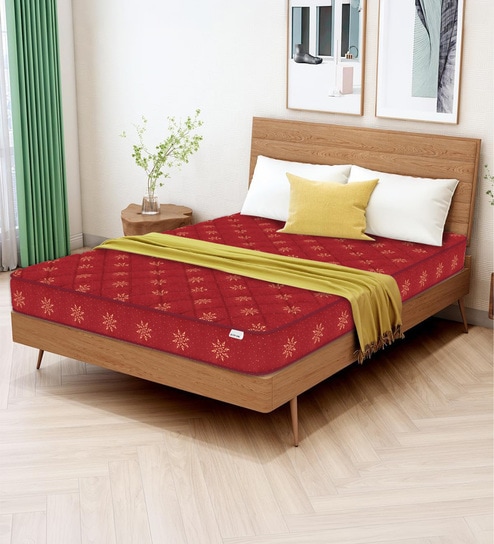
New Arrivals
Soft Bounce Herb Fresh Technology | Back Care | Direct from Factory High Density (HD) Foam 8 Inches Single Size Mattress in Maroon Colour
By SleepSpa
24-Month Warranty Available
₹5,449 ₹9,919 (45% off)
EMI starting from ₹262/month
Ships in 3 days
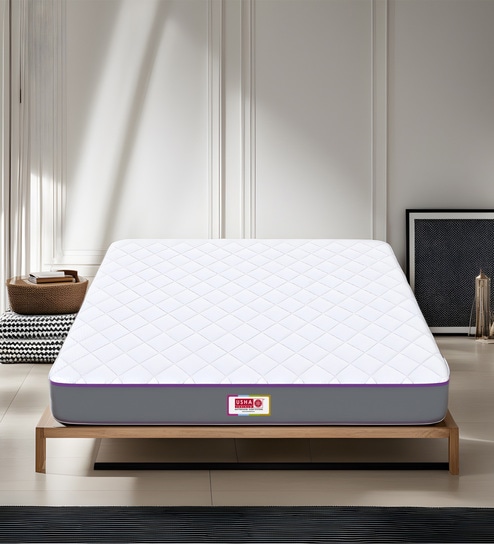
New Arrivals
7-Zone With Posture Contour Tech. HR Foam 5 Inches King Size Mattress in White Colour
By Usha Shriram
120-Month Warranty Available
₹14,169 ₹22,999 (38% off)
EMI starting from ₹681/month
Ships in 3 days
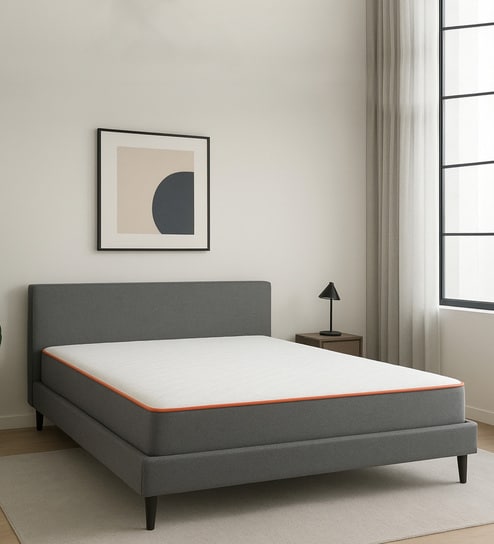
New Arrivals
7-Zone Dual-Hard and Soft HR Foam 4 Inches Single Size Mattress in White Colour
By Usha Shriram
120-Month Warranty Available
₹5,109 ₹9,289 (45% off)
EMI starting from ₹246/month
Ships in 3 days
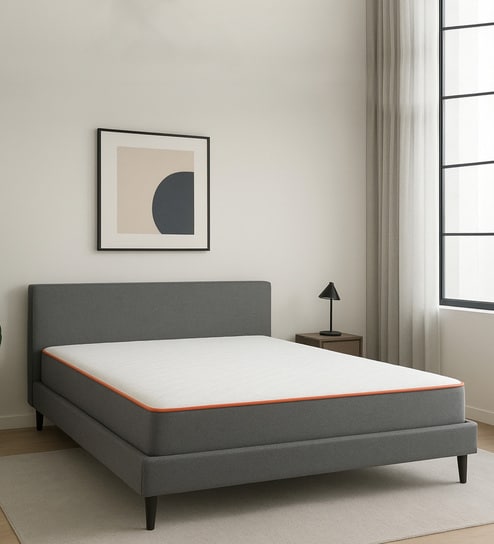
New Arrivals
7-Zone Dual-Hard and Soft HR Foam 5 Inches Single Size Mattress in White Colour
By Usha Shriram
120-Month Warranty Available
₹6,019 ₹10,939 (45% off)
EMI starting from ₹289/month
Ships in 3 days
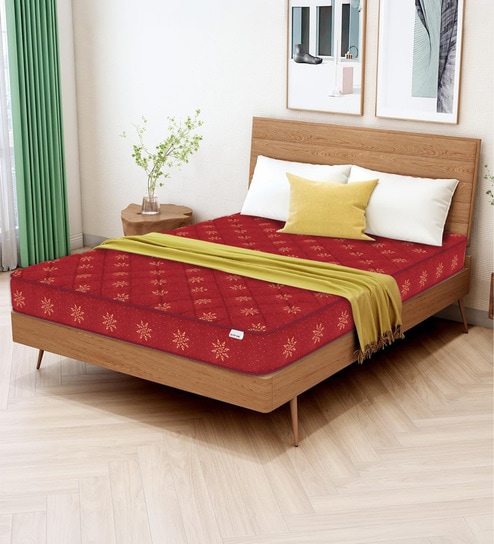
New Arrivals
Soft Bounce Herb Fresh Technology | Back Care | Direct from Factory High Density (HD) Foam 8 Inches Queen Size Mattress in Maroon Colour
By SleepSpa
24-Month Warranty Available
₹9,499 ₹21,239 (55% off)
EMI starting from ₹457/month
Ships in 3 days
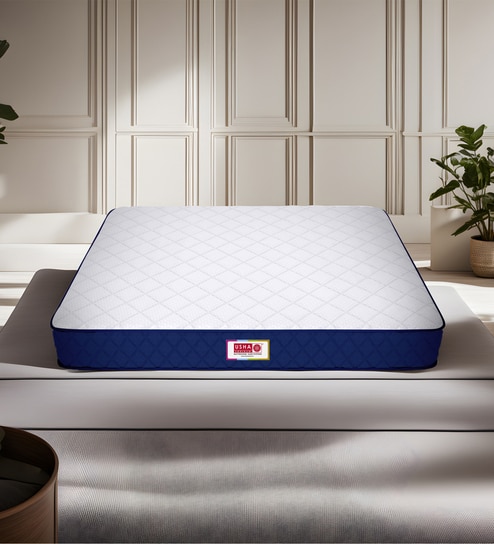
New Arrivals
Back Master with NFF Tech. Bonded Foam 3 Inches King Size Mattress in White Colour
By Usha Shriram
₹5,088 ₹7,123 (29% off)
EMI starting from ₹245/month
Ships in 3 days
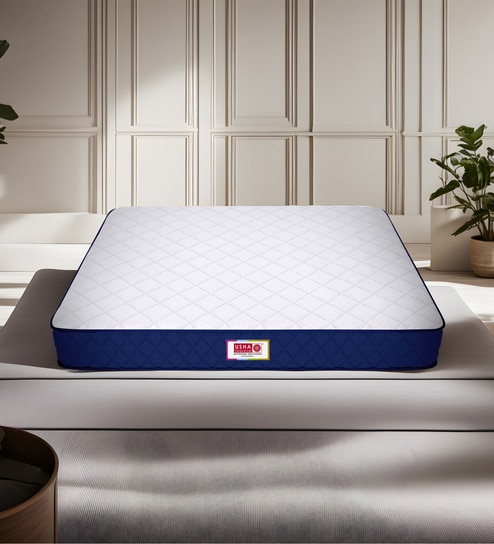
New Arrivals
Back Master with NFF Tech. Bonded Foam 3 Inches Queen Size Mattress in White Colour
By Usha Shriram
₹4,000 ₹5,600 (29% off)
EMI starting from ₹193/month
Ships in 3 days
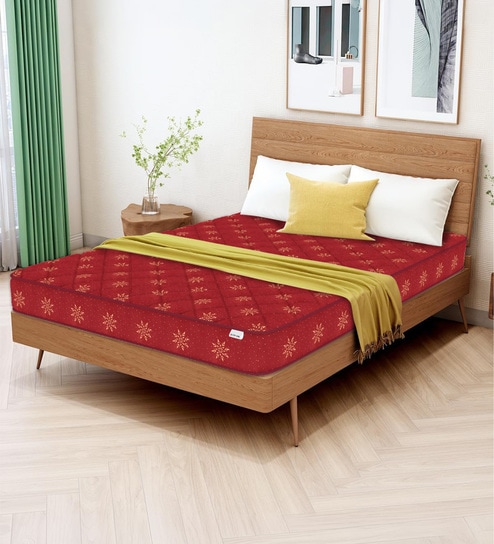
New Arrivals
Soft Bounce Herb Fresh Technology | Back Care | Direct from Factory High Density (HD) Foam 8 Inches King Size Mattress in Maroon Colour
By SleepSpa
24-Month Warranty Available
₹8,769 ₹22,099 (60% off)
EMI starting from ₹422/month
Ships in 3 days
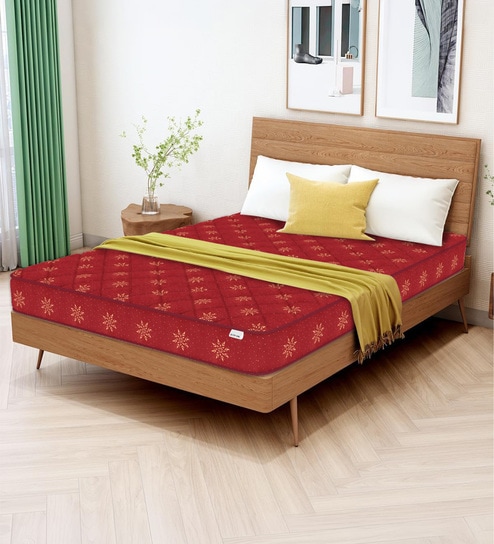
New Arrivals
Soft Bounce Herb Fresh Technology | Back Care | Direct from Factory High Density (HD) Foam 6 Inches Single Size Mattress in Maroon Colour
By SleepSpa
24-Month Warranty Available
₹3,299 ₹7,939 (58% off)
EMI starting from ₹159/month
Ships in 3 days
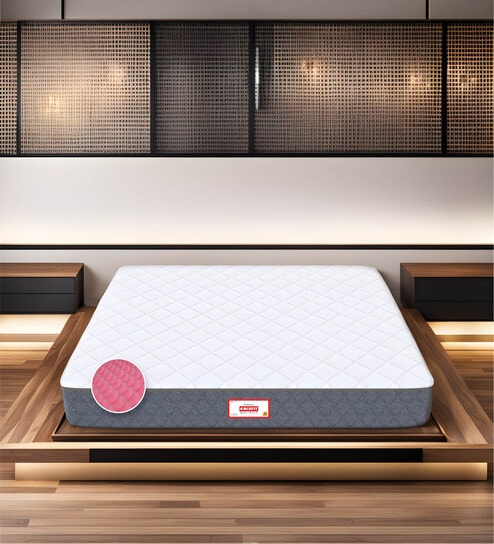
New Arrivals
Twin Dlx Dual Comfort SRTX Tech. HR Foam 8 Inches King Size Mattress in White Colour
By Coirfit
120-Month Warranty Available
₹11,199 ₹19,519 (43% off)
EMI starting from ₹538/month
Ships in 3 days
New Arrivals
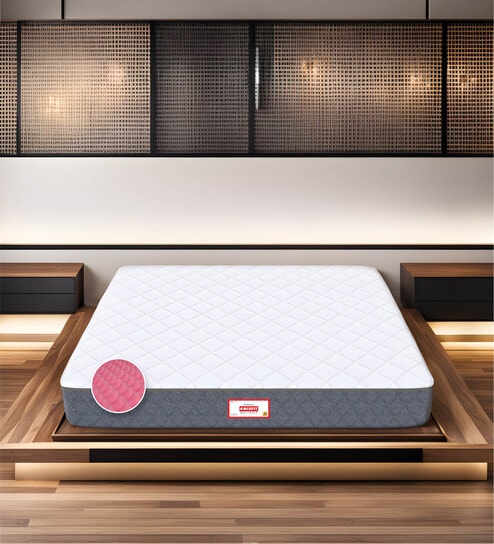
Twin Dlx Dual Comfort SRTX Tech. HR Foam 5 Inches Single Size Mattress in White Colour
By Coirfit
120-Month Warranty Available
₹4,939 ₹8,229 (40% off)
EMI starting from ₹238/month
Ships in 3 days
New Arrivals
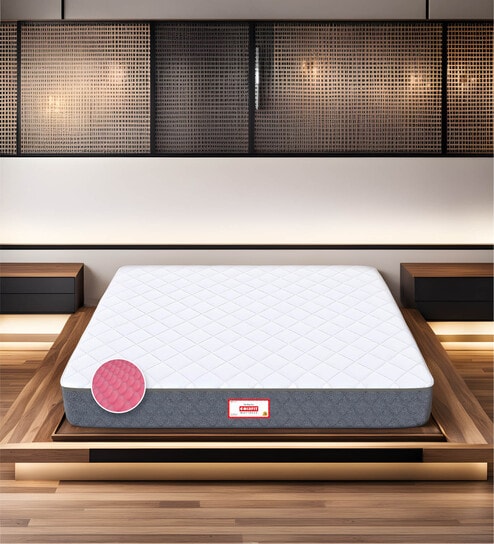
Twin Dlx Dual Comfort SRTX Tech. HR Foam 8 Inches Queen Size Mattress in White Colour
By Coirfit
120-Month Warranty Available
₹7,949 ₹14,049 (43% off)
EMI starting from ₹382/month
Ships in 3 days
New Arrivals
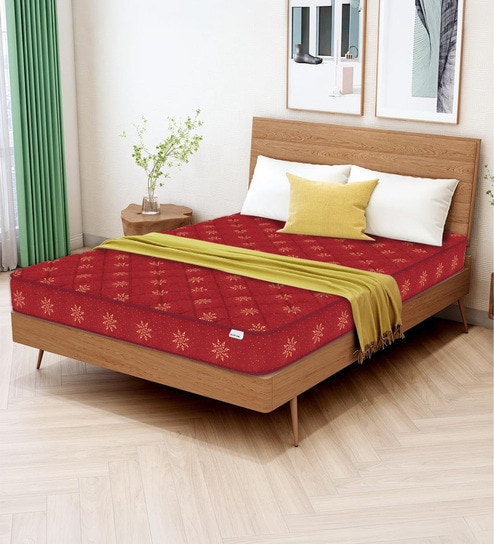
Soft Bounce Herb Fresh Technology | Back Care | Direct from Factory High Density (HD) Foam 6 Inches King Size Mattress in Maroon Colour
By SleepSpa
24-Month Warranty Available
₹7,629 ₹16,939 (55% off)
EMI starting from ₹367/month
Ships in 3 days
New Arrivals
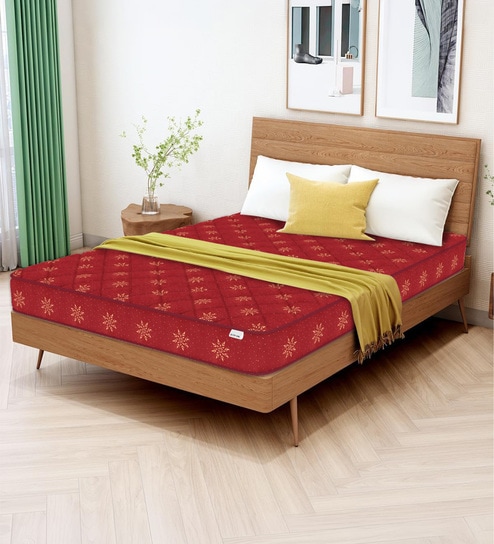
Soft Bounce Herb Fresh Technology | Back Care | Direct from Factory High Density (HD) Foam 6 Inches Queen Size Mattress in Maroon Colour
By SleepSpa
24-Month Warranty Available
₹7,109 ₹16,639 (57% off)
EMI starting from ₹342/month
Ships in 3 days
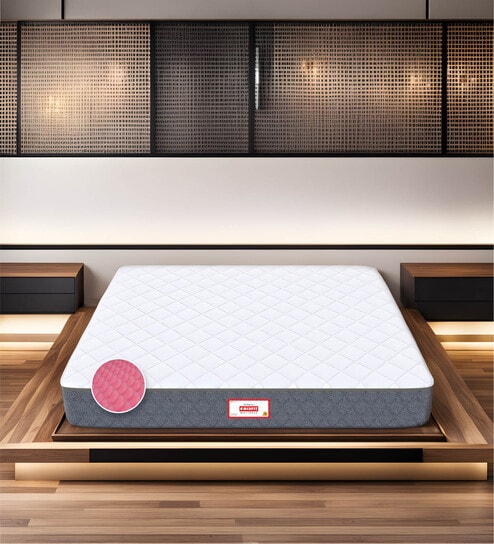
New Arrivals
Twin Dlx Dual Comfort SRTX Tech. HR Foam 4 Inches King Size Mattress in White Colour
By Coirfit
120-Month Warranty Available
₹6,879 ₹12,129 (43% off)
EMI starting from ₹331/month
Ships in 3 days
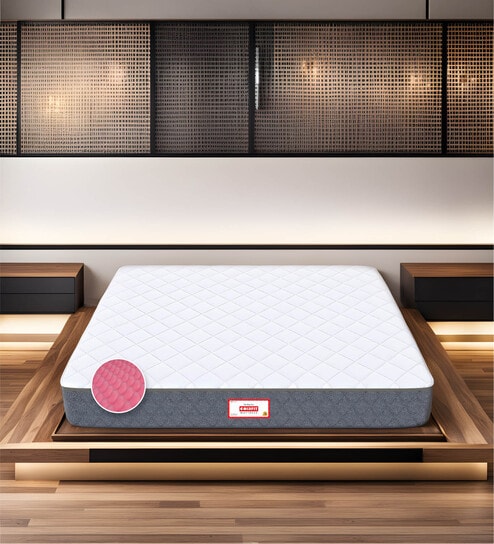
New Arrivals
Twin Dlx Dual Comfort SRTX Tech. HR Foam 4 Inches Single Size Mattress in White Colour
By Coirfit
120-Month Warranty Available
₹4,329 ₹6,449 (33% off)
EMI starting from ₹208/month
Ships in 3 days
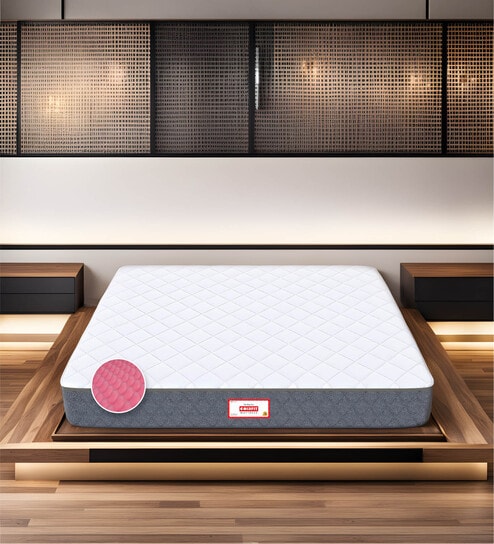
New Arrivals
Twin Dlx Dual Comfort SRTX Tech. HR Foam 4 Inches Queen Size Mattress in White Colour
By Coirfit
120-Month Warranty Available
₹5,209 ₹8,919 (42% off)
EMI starting from ₹251/month
Ships in 3 days
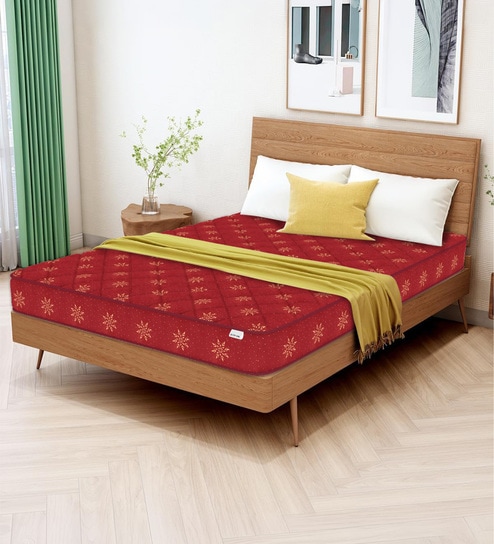
New Arrivals
Soft Bounce Herb Fresh Technology | Back Care | Direct from Factory High Density (HD) Foam 5 Inches Single Size Mattress in Maroon Colour
By SleepSpa
24-Month Warranty Available
₹4,079 ₹9,499 (57% off)
EMI starting from ₹196/month
Ships in 3 days
New Arrivals
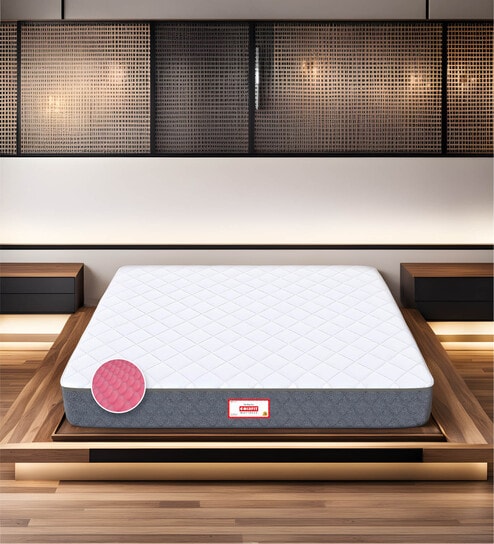
Twin Dlx Dual Comfort SRTX Tech. HR Foam 10 Inches Single Size Mattress in White Colour
By Coirfit
120-Month Warranty Available
₹6,649 ₹11,219 (41% off)
EMI starting from ₹320/month
Ships in 3 days
New Arrivals
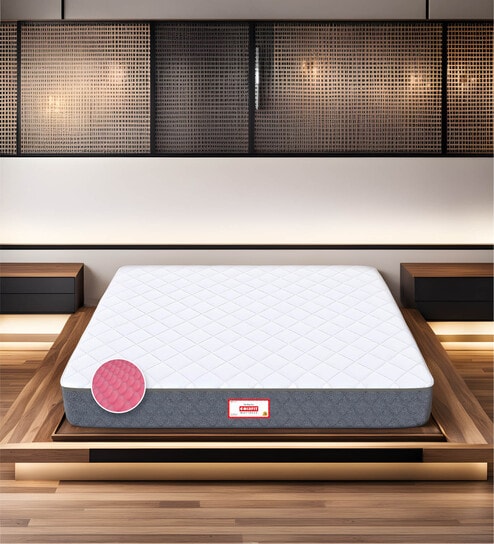
Twin Dlx Dual Comfort SRTX Tech. HR Foam 10 Inches Queen Size Mattress in White Colour
By Coirfit
120-Month Warranty Available
₹9,279 ₹16,929 (45% off)
EMI starting from ₹446/month
Ships in 3 days
New Arrivals
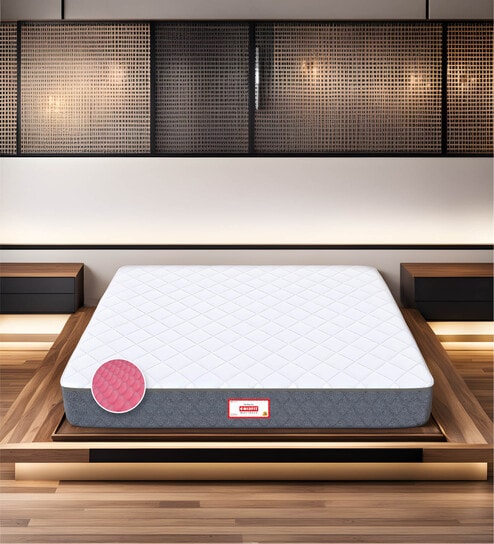
Twin Dlx Dual Comfort SRTX Tech. HR Foam 10 Inches King Size Mattress in White Colour
By Coirfit
120-Month Warranty Available
₹11,559 ₹21,819 (47% off)
EMI starting from ₹555/month
Ships in 3 days
New Arrivals
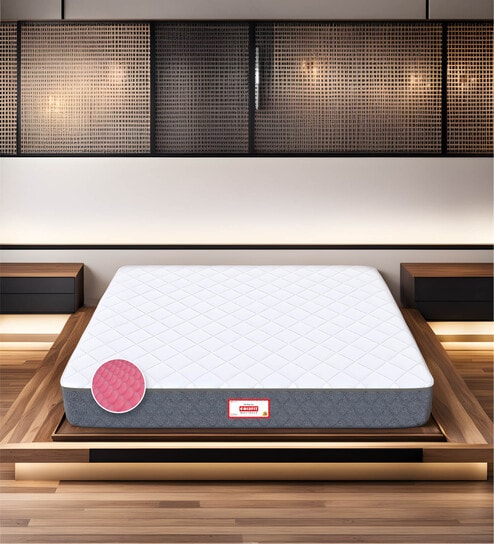
Twin Dlx Dual Comfort SRTX Tech. HR Foam 8 Inches Single Size Mattress in White Colour
By Coirfit
120-Month Warranty Available
₹5,599 ₹9,329 (40% off)
EMI starting from ₹269/month
Ships in 3 days
Didn't Find What You Were Looking For? Share your Feedback with Us ->
Orthopedic Mattress: Buy Online for Proven Back Support
Waking up without stiffness or aches changes how your entire day unfolds. An orthopedic mattress delivers precisely that relief through engineered spinal alignment and pressure distribution. Unlike regular mattresses that sag over time, these options maintain shape and firmness for years.
What sets an orthopedic mattress apart is the medical certification backing its claims. At Pepperfry, you can buy orthopedic mattress options that come with documented support standards, transparent pricing, and trial periods that let you test comfort in your own home. From single beds to king sizes, the range covers every room and sleeper type. The sections ahead break down construction, benefits, sizing, and pricing so you can make a confident choice.
What Is an Orthopedic Mattress?
An orthopedic mattress is built to support your spine's natural curve while you sleep. The medium-firm feel distributes body weight evenly, reducing pressure on hips, shoulders, and lower back. Most models rate between 6 and 8 on a 10-point firmness scale.
The construction typically includes three key elements. A high-density foam base provides structural support. Above that, a comfort layer with zoned firmness cradles different body parts. Finally, a breathable cover keeps you cool through the night.
Medical certifications like AIHA or ISO validation confirm that an orthopedic mattress meets clinical support standards. These approvals matter because they separate genuine orthopedic designs from marketing-driven labels. If you are shopping for the best orthopedic mattress in India, certification should be your first filter.
Core Construction Layers
The base layer uses high-density polyurethane or memory foam rated above 40 kg per cubic metre. This prevents sagging even after years of use.
The comfort layer sits above the base. It features varied densities across zones, softer under the shoulders, firmer under the lumbar region. The top cover fabric wicks moisture and allows airflow, keeping the sleeping surface dry.
Ideal Firmness Level Explained
Firmness scales run from 1 (very soft) to 10 (very hard). Most orthopedic models fall between 6 and 8. Side sleepers often prefer 6 to 7 for hip cushioning. Back and stomach sleepers benefit from 7 to 8 for spinal alignment.
Body weight matters too. Lighter sleepers under 60 kg may find a 6-rated mattress comfortable. Heavier individuals above 90 kg typically need a 7.5 or higher to avoid sinking too deep.
Key Benefits of an Orthopedic Mattress
When you buy an orthopedic mattress online, you gain advantages that standard options simply cannot match:
- Spinal alignment: The firm support keeps your spine neutral, reducing morning stiffness
- Pressure point relief: Zoned construction cushions shoulders and hips without letting you sink
- Posture correction: Consistent support helps reverse damage from desk work and screen time
- Motion isolation: Your partner's movements stay on their side of the bed
- Durability: High-density materials resist sagging for a decade or longer
- Cooling airflow: Breathable covers and foam channels prevent heat buildup
|
"People spend so much time picking the perfect paint colour, but forget that the most important 'finish' in the room is the mattress. An orthopedic mattress doesn't have to look clinical; it's about the internal engineering that supports your lifestyle long after the lights go out." - Bobby Berk, Interior Designer (Elle Decor) |
Ready to see the full range? Browse mattresses by size to find your fit.
How to Choose the Best Orthopedic Mattress
Finding the best orthopedic mattress in India requires matching your body and habits to the right specifications. Use this checklist before you shop:
- Assess your body weight: Heavier sleepers need firmer support; lighter sleepers can opt for medium-firm
- Identify your sleep position: Side sleepers need more cushioning; back sleepers need uniform firmness
- Note health conditions: Chronic back pain or joint issues call for certified medical-grade support
- Consider room climate: Humid regions benefit from gel-infused foam or spring hybrids
- Set a realistic budget: Quality orthopedic options start around Rs 8,000 and scale with size and materials
|
Type |
Support Level |
Best For |
Price Range |
|
Memory Foam |
High |
Side sleepers, pressure relief |
Rs 10,000 to Rs 35,000 |
|
Spring |
Medium-High |
Hot sleepers, bounce preference |
Rs 8,000 to Rs 25,000 |
|
Hybrid |
Very High |
All-round support, durability |
Rs 18,000 to Rs 50,000 |
Always check for AIHA or ISO certification on the product page. Reading verified buyer reviews also helps you spot common comfort complaints before purchase.
Body Weight and Sleep Position
Light sleepers (under 60 kg) can choose firmness levels between 5.5 and 6.5. Medium-weight sleepers (60 to 90 kg) fit well with 6.5 to 7.5 ratings. Heavier sleepers (above 90 kg) should look for 7.5 or higher.
Side sleepers need softer shoulder zones to prevent numbness. Back sleepers require even lumbar support. Stomach sleepers benefit from a firmer surface that prevents hip sinking.
Doctor-Approved Buying Checklist
Before finalising your choice, answer these five questions honestly:
- Do you wake with back or neck pain more than three times a week?
- Have you been diagnosed with any spinal or joint condition?
- Is your current mattress older than seven years?
- Do you experience numbness or tingling after sleep?
- Has a doctor recommended firmer sleep support?
If you answered yes to two or more, consult a healthcare professional before purchasing. They can recommend specific firmness and support features.
Orthopedic Mattress Sizes and Dimensions
When you buy orthopedic mattress options, size accuracy prevents delivery headaches. Measure your bed frame before ordering. Leave at least 5 cm clearance on each side for fitted sheets.
|
Size |
Dimensions (cm) |
Dimensions (inches) |
Best For |
|
Single |
190 x 90 |
75 x 36 |
Children, guest rooms |
|
Double |
190 x 120 |
75 x 48 |
Solo adults, compact rooms |
|
Queen |
200 x 150 |
78 x 60 |
Couples, standard bedrooms |
|
King |
200 x 180 |
78 x 72 |
Couples needing space |
|
Custom |
As specified |
As specified |
Non-standard frames |
For single mattresses, measure length from headboard to footboard. For larger sizes, confirm doorway width to ensure smooth delivery.
Orthopedic Mattress Price Range in India
Understanding orthopedic mattress price drivers helps you spend wisely. Here is what to expect across sizes:
|
Size |
Budget Range |
Mid-Range |
Premium |
|
Single |
Rs 6,000 to Rs 10,000 |
Rs 10,000 to Rs 18,000 |
Rs 18,000 to Rs 30,000 |
|
Double |
Rs 8,000 to Rs 14,000 |
Rs 14,000 to Rs 25,000 |
Rs 25,000 to Rs 45,000 |
|
Queen |
Rs 12,000 to Rs 20,000 |
Rs 20,000 to Rs 35,000 |
Rs 35,000 to Rs 60,000 |
|
King |
Rs 15,000 to Rs 25,000 |
Rs 25,000 to Rs 45,000 |
Rs 45,000 to Rs 80,000 |
Price differences come down to foam density, certification level, thickness, and cooling technology. Medical-grade certifications add Rs 3,000 to Rs 8,000 to the base cost but ensure genuine support.
|
Tip: Pepperfry offers 0% EMI options and seasonal discounts. Sign up for alerts to catch the best deals on your preferred size. |
Certifications, Warranty, and Trial Terms
When you shop for an orthopedic mattress online, trust signals matter. Certifications prove that support claims are backed by testing, not just marketing.
Common certifications:
- AIHA: Validates ergonomic design for spinal support
- ISO: Confirms manufacturing quality standards
- CertiPUR: Ensures foam is free from harmful chemicals
Most orthopedic mattresses come with a 100-night trial. During this period, you can return the mattress for a full refund if it does not suit you. Standard 10-year warranties cover sagging beyond 1.5 inches and structural defects.
- Returns are typically collected from your doorstep within 7 days
- Refund process within 5 to 7 business days after pickup
- Warranty claims require proof of purchase and photos of the defect
Pairing your mattress with quality home decor and furniture creates a cohesive bedroom that supports rest and relaxation.
Orthopedic Mattress vs Regular and Memory Foam
Understanding the differences helps you shop for orthopedic mattress options with clarity.
|
Feature |
Orthopedic |
Regular |
Memory Foam |
|
Spinal support |
Zoned, targeted |
Minimal |
Contour-based |
|
Pressure relief |
High |
Low |
Very high |
|
Firmness |
Medium-firm (6 to 8) |
Varies widely |
Soft to medium (4 to 6) |
|
Durability |
10+ years |
5 to 7 years |
7 to 10 years |
|
Heat retention |
Low (breathable) |
Varies |
High (traps warmth) |
|
Price |
Moderate to high |
Low to moderate |
Moderate to high |
Hybrid models combine orthopedic foam layers with spring mattress coils. This blend offers orthopedic support with the bounce and cooling of springs.
An orthopedic mattress wins for those prioritising back health, posture correction, and long-term durability. Memory foam excels at pressure relief but may run warm. Regular mattresses suit temporary or budget setups but lack lasting support.
Frequently Asked Questions About Orthopedic Mattress
1. Who needs an orthopedic mattress?
Anyone experiencing back pain, joint stiffness, or poor sleep quality benefits from an orthopedic mattress. Office workers who sit for long hours, older adults with mobility concerns, and athletes recovering from training all find relief. Even those without current issues gain from preventive spinal support.
2. How long does an orthopedic mattress last?
A quality orthopedic mattress lasts 10 to 15 years with proper care. High density foam resists sagging longer than standard materials. Rotating your mattress every three months distributes wear evenly and extends its lifespan further.
3. How do you clean an orthopedic mattress?
Vacuum the surface monthly to remove dust and allergens. Spot clean stains with a damp cloth and mild detergent. Avoid soaking the foam, as trapped moisture can damage internal layers. Use a breathable mattress protector to shield against spills and sweat.
4. Is an orthopedic mattress suitable for children?
Yes, orthopedic mattresses support growing spines and encourage proper posture development. Children who use screens frequently benefit from corrective support during sleep. Choose a medium firmness level around 6 to 7 for comfort without excessive rigidity.
5. What is the difference between orthopedic and memory foam mattresses?
Orthopedic mattresses prioritise spinal alignment through zoned firmness and high density construction. Memory foam mattresses contour to body shape, offering pressure relief but often trapping heat. Orthopedic options typically feel firmer and last longer. Memory foam suits those who prefer a softer, hugging sensation. For back health, orthopedic designs deliver more targeted support. See the comparison section above for a detailed feature breakdown.