Sign Up & Get Rs.5,000 OFF On Your First Purchase




masala box
A well-organised masala box keeps essential spices fresh, accessible, and protected from moisture. Pepperfry offers steel and modern masala boxes in various compartment configurations, from compact seven-compartment designs to larger options with extra katoris. Choose brushed steel for durability or acrylic-lid styles for easy spice identification. Each box features airtight seals to preserve freshness. Find the right masala box for your home at prices that suit every budget.

Filter By More Filters
Sort By
Showing 1-40 of 50 options


Roule Masala Box Wooden Spice Box
By Brick Brown
₹3,009 ₹4,299 (30% off)
EMI starting from ₹145/month

Wing Organizer Wooden Spice Rack Kitchen Organizer
By Brick Brown
₹4,649 ₹6,199 (25% off)
EMI starting from ₹224/month

Saku Masala Box Wooden Spice Box
By Brick Brown
₹3,449 ₹4,599 (25% off)
EMI starting from ₹166/month

Dhun Cultery Holder Wooden Spoon Holder
By Brick Brown
₹2,124 ₹2,499 (15% off)

Jali Masala Box Wooden Spice Box
By Brick Brown
₹3,679 ₹4,599 (20% off)
EMI starting from ₹177/month

New Arrivals
Dial Masala Box Wooden Spice Box
By Brick Brown
₹3,919 ₹4,899 (20% off)
EMI starting from ₹189/month

Vana Masala Box Wooden Spice Box
By Brick Brown
₹3,224 ₹4,299 (25% off)
EMI starting from ₹155/month

Noor Masala Box Wooden Spice Box
By Brick Brown
₹3,059 ₹3,599 (15% off)
EMI starting from ₹147/month

Chutki Masala Box Handcrafted Brass Spice Box with 7 Containers
By Ireka Homes
₹2,400

Rasika Handcrafted Masala Box
By Ireka Homes
₹8,775
EMI starting from ₹422/month

Masara Spice Rack with Glass Jars Acacia Wood Rotating Organizer
By Ireka Homes
₹4,365
EMI starting from ₹210/month

Sugandha Handcrafted Masala Box
By Ireka Homes
₹6,800
EMI starting from ₹327/month

Price Drop Alert
Wooden Box With Five Separate Compartments
By SHRIBALAJIARTS
₹1,299 ₹2,799 (54% off)

25 X 12 X 7 Cm Engineered Wood Mukhwas Box
By SHRIBALAJIARTS
₹599 ₹1,899 (68% off)

Brown Engineered Wood Decorative Stylish Sliding Box
By SHRIBALAJIARTS
₹799 ₹2,599 (69% off)

Brown Engineered Wood Box With Storage Display
By SHRIBALAJIARTS
₹599 ₹1,799 (67% off)

New Arrivals
Zari Masala Box | Wooden Spice Box Masala Dani
By Brick Brown
₹2,974 ₹3,499 (15% off)

New Arrivals
Tresso Masala Box | Wooden Spice Box Masala Dani
By Brick Brown
₹3,119 ₹3,899 (20% off)
EMI starting from ₹150/month

Mithila Masala Box | Wooden Spice Box Masala Dani
By Brick Brown
₹3,074 ₹4,099 (25% off)
EMI starting from ₹148/month

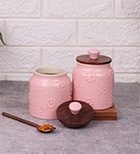
Peach Floral Steel Spice Box
By Chumbak
₹1,607 ₹2,295 (30% off)

Masala Container Set with Spoon, Airtight Galvanized Iron Spice Box for Kitchen Storage, Sky Blue
By Hazel
6-Month Warranty Available
₹199 ₹449 (56% off)

Masala Container Set with Spoon, Airtight Galvanized Iron Spice Box for Kitchen Storage, Yellow
By Hazel
6-Month Warranty Available
₹299 ₹449 (33% off)

Masala Container Set with Spoon, Airtight Galvanized Iron Spice Box for Kitchen Storage, Black
By Hazel
₹299 ₹449 (33% off)

New Arrivals
Set Of 12 Glass Spice Box With Wooden Lid
By Regalo
₹1,680 ₹2,400 (30% off)

New Arrivals
Spice Jars with Airtight Bamboo Lid [Round, Pack Of 12, 220ml] - Glass Spice Bottles, Seasoning Containers for Salt, Sugar, Coffee Beans - Set of 12 Jars with Wooden Lids
By Regalo
₹1,400 ₹2,400 (42% off)

7 Sections Plastic Masala Box With Lid
By Wens
₹299 ₹459 (35% off)

Golden Large Pure Brass Spice Storage Dabba 7 Compartments Masala Box
By Peepul Tree
₹1,997 ₹4,999 (60% off)

Price Drop Alert
Pastel Flora Nava Masala Box Spice Box
By Brick Brown
₹2,239 ₹3,199 (30% off)

Prism Masala Box Spice Box
By Brick Brown
₹2,099 ₹2,999 (30% off)

Rustic Charm Saga Masala Box
By Brick Brown
₹2,399 ₹4,099 (41% off)

Best Seller
Pastel Flora Wooden Masala Box
By Brick Brown
₹3,009 ₹4,299 (30% off)
EMI starting from ₹145/month
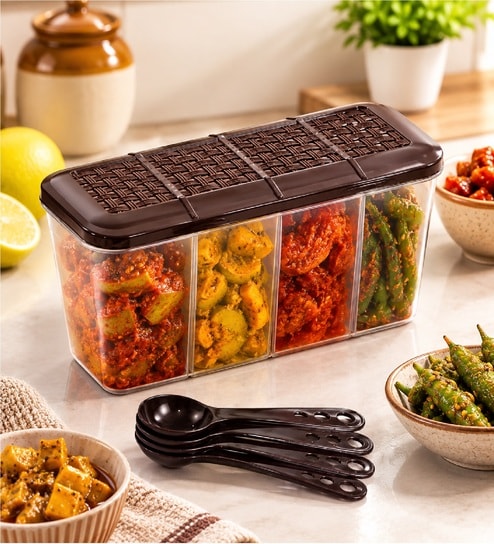
Multipurpose Plastic 4 Compartment Storage Airtight Container with 4 Spoons (1800 Ml)
By 5 Needs
₹269 ₹399 (33% off)

Brown Plastic Round Shaped 4 Section Multipurpose Container With Small Spoons
By Utility jet
₹299 ₹499 (40% off)

Brass Masala Box Set
By Amaya Decors
₹2,699 ₹4,699 (43% off)

Silver 200 ML Stainless Steel (Set of 6) Storage Container With Transparent Lid
By Hazel
₹1,649 ₹1,999 (18% off)

Ivory Stainless Steel 1 Pcs Spice Box
By Dudki
₹1,199 ₹2,199 (45% off)

Yellow Stainless Steel 1 Pcs Spice Box
By Dudki
₹1,199 ₹2,199 (45% off)

Aqua Stainless Steel 1 Pcs Spice Box
By Dudki
₹1,199 ₹2,199 (45% off)

Moss-Green Stainless Steel 1 Pcs 9 In1 Spice Box
By Dudki
₹2,549 ₹3,999 (36% off)

Brass Brass 1 Pcs 7In1 Spice Box
By Dudki
₹3,499 ₹4,999 (30% off)
EMI starting from ₹168/month
Didn't Find What You Were Looking For? Share your Feedback with Us ->
Masala Box - Organised Spice Storage for Every Indian Kitchen
Every Indian kitchen runs on spices. Turmeric for colour, cumin for warmth, red chilli for heat. These flavours define our food. A good masala box for home keeps all your daily spices in one place, right beside your cooktop where you need them most.
Pepperfry brings you masala boxes in steel, plastic, and modern designs. You will find options with different compartment counts, lid styles, and finishes. Some keep things classic with brushed steel. Others offer clear lids, so you spot each spice at a glance.
Whatever your kitchen setup, there is a masala box here that fits your cooking habits and your budget.
Which Masala Box Material Works Best: Steel or Plastic?
The material you choose shapes how long your spices stay fresh. It also affects cleaning ease, durability, and overall look. Steel and plastic each bring different strengths to your kitchen counter. Understanding these differences helps you pick the right masala box for your home.
Stainless Steel Masala Boxes
Steel remains the traditional choice for Indian kitchens, and for good reason. Stainless steel masala boxes resist rust, stains, and odour absorption. They clean up quickly with soap and water. Most importantly, steel keeps spices cool and protected from light, which helps preserve their essential oils.
A quality steel box lasts decades. Many families pass down their masala dabbas across generations. The metal does not crack, warp, or discolour over time. For households that cook daily with whole spices and ground masalas, steel offers the best protection. Browse our spice boxes collection to see steel options in various sizes.
Essential oils in spices are highly sensitive to moisture, light, and air oxidation. When selecting a masala box, material science matters just as much as aesthetics. Look for food-grade 304 stainless steel or heavy brass lined with traditional tin (kalai) to prevent acidic reactions. - Better Interiors.
Food-Grade Plastic and Acrylic Options
Plastic and acrylic masala boxes work well for lighter use or smaller kitchens. They weigh less than steel, making them easier to move around. Clear plastic lids let you see what is inside without lifting the cover.
Modern plastic boxes often cost less than steel versions. This makes them a solid choice if you are setting up a new kitchen on a budget. Food-grade plastic does not react with spices when manufactured properly. However, plastic may absorb strong colours and odours over time, especially from turmeric and red chilli.
Acrylic-lid boxes combine steel bases with transparent tops. You get the durability of metal with the visibility of plastic. These hybrid designs have become popular for modern masala box setups.
They look clean on open shelves and work well in modular kitchens. For broader kitchen storage solutions, consider pairing your masala box with matching containers and racks.
What Compartment Count and Capacity Suits Your Masala Box Needs?
The number of compartments in your masala box depends on how you cook. Everyday Indian cooking typically uses six to eight core spices.
This is why seven compartments became the standard design. But your needs might differ based on regional cuisine, family size, and cooking frequency.
Seven Compartment Boxes
The classic seven-compartment masala box fits most Indian households perfectly. It holds turmeric, salt, red chilli powder, cumin seeds, mustard seeds, coriander powder, and garam masala. These spices cover the basics for dal, sabzi, rice dishes, and most curries.
Each compartment sits in a circular arrangement around a central space.
Some designs use this centre for an extra spice or a small spoon. Others keep it empty. The price of a masala box typically starts lower for basic seven-compartment designs and increases with steel thickness and brand.
Larger Configurations
If you cook elaborate meals or regional dishes that need more variety, consider nine- or twelve-compartment options. These larger boxes accommodate speciality spices like kasuri methi, hing, black cardamom, or panch phoron.
Families who cook for more people also benefit from larger compartments. More capacity means less frequent refilling. Check our jars and containers section for additional spice storage when your masala box needs backup.
Capacity tip: A standard compartment holds 50 to 80 grams of ground spice. Whole spices like cumin and mustard seeds need less space since you use them in smaller quantities.
The masala box price scales with compartment count and steel gauge. Thicker steel costs more but dents less and lasts longer.
A well-designed seven-compartment masala box in India eliminates the chaotic scramble through cluttered spice cabinets mid-sauté. Keep your primary everyday spices, turmeric, salt, red chilli, cumin, mustard seeds, coriander powder, and garam masala, housed in a single airtight container positioned directly beside your cooktop. - Good Homes.
Which Masala Box Design Fits Your Kitchen Style?
Beyond material and compartments, design affects both function and aesthetics. Your masala box sits out on your counter or shelf daily.
It should match your kitchen's look while keeping spices fresh and accessible. A modern masala box can blend into contemporary kitchens without looking dated.
Classic Brushed Steel
Traditional brushed steel designs never go out of style. The matte finish hides fingerprints and minor scratches. These boxes look equally at home in old-style kitchens and modern modular setups. The understated look lets your cookware and other cooking tools take centre stage.
Clear Lid Designs
Acrylic or glass lids add a modern touch while solving a practical problem. You see exactly which spice sits where without lifting the cover. This saves time during cooking when your hands might be oily or wet.
Clear-lid masala box designs photograph well too. They appeal to home cooks who share their cooking on social media or simply enjoy a tidy, visible kitchen setup.
Coloured and Printed Options
Some modern masala box designs feature printed lids, coloured bases, or decorative patterns. These work well in kitchens with bold colour schemes. Just remember that a well-sealed lid matters more than aesthetics for keeping spices fresh. Pair your masala box with matching cookware for a coordinated kitchen look.
Freshness note: Whatever the design, check that the lid fits snugly. Loose lids let moisture and air reach your spices faster, reducing their flavour and shelf life.
Tips for Storing Spices in a Masala Box
Buying a good spice box is only half the job. How you store your spices also matters.
-
First, make sure the box is completely dry before adding spices. Even a small amount of moisture can affect powdered spices and may cause them to clump.
-
Avoid filling the compartments all the way to the top. Leave enough room to use a small spoon comfortably without spilling the spices.
-
It is also a good idea to clean the box periodically. Empty the compartments, wipe them properly, and allow them to dry completely before refilling them.
-
Try to keep your masala box away from direct heat and excessive steam. Keeping it right next to the stove may seem convenient, but frequent exposure to heat and moisture isn't ideal for spices.
-
Finally, check your spices occasionally. If something has been sitting unused for a long time, it may be worth replacing it rather than continuing to store it indefinitely.
Frequently Asked Questions (FAQs)
1. How many compartments does a standard masala box have?
Most masala boxes in India come with seven compartments. This count fits the core spices used in everyday cooking: turmeric, salt, red chilli powder, cumin seeds, mustard seeds, coriander powder, and garam masala. Larger options with nine or twelve compartments suit households that use more variety.
2. Is steel or plastic better for keeping spices fresh?
Steel performs better for long term freshness. It blocks light completely and does not absorb odours. Plastic works fine for regular use but may discolour from turmeric and hold onto smells over time. For daily cooking, steel remains the preferred choice across most Indian kitchens.
3. Does a masala box come with a spoon included?
Many masala boxes include a small spoon that fits in the central compartment. Some designs provide individual tiny spoons for each section. Check the product details when you buy a masala box online to confirm what accessories come included.
4. Is a stainless steel masala box dishwasher safe?
Most stainless steel boxes are dishwasher safe, but hand washing extends their life. Harsh detergents can dull the finish over time. A quick wipe with a damp cloth usually keeps them clean enough between proper washes.
5. What is the price difference between basic and premium steel masala boxes?
Basic steel masala boxes start around Rs 400 to Rs 600. Premium options with thicker gauge steel, better seals, and additional compartments range from Rs 800 to Rs 1,500 or higher. The price of a masala box reflects material quality, brand reputation, and included accessories.
6. Do masala boxes seal well enough to prevent moisture and pests?
Quality masala boxes feature airtight lids that keep moisture out. This seal also prevents small pests from reaching your spices. Look for boxes with rubber or silicone gaskets for the best protection. Store your masala box in a cool, dry spot away from the stove's direct heat.
 FurnitureSofas, Sectional Sofas, Sofa Cum Beds, Chaise Loungers, Bean Bags, Recliners, Sofa Chairs, Settees & Benches, Ottomans, Chairs, Gaming Chairs, Stools & Pouffes, Shoe Racks, Centre Tables, Side Tables, TV & Media Units, Cabinets & Sideboards, Book Shelves, Book Cases, Dining Sets, Dining Chairs, Dining Tables, Crockery Units, Bar Furniture, Beds, Bedside Tables, Trunks, Chest of Drawers, Dressing Tables, Screens and Dividers, Wardrobes, Kids and Teens, Study Tables, Office Furniture, Home Temples, Wall Shelves and Cabinets, Outdoor, Massagers, Furniture Care
- Sofas
- Sectional Sofas
- Sofa Cum Beds
- Chaise Loungers
- Bean Bags
- Recliners
- Sofa Chairs
- Settees & Benches
- Ottomans
- Chairs
- Gaming Chairs
- Stools & Pouffes
- Shoe Racks
- Centre Tables
- Side Tables
- TV & Media Units
- Cabinets & Sideboards
- Book Shelves
- Book Cases
- Dining Sets
- Dining Chairs
- Dining Tables
- Crockery Units
- Bar Furniture
- Beds
- Bedside Tables
- Trunks
- Chest of Drawers
- Dressing Tables
- Screens and Dividers
- Wardrobes
- Kids and Teens
- Study Tables
- Office Furniture
- Home Temples
- Wall Shelves and Cabinets
- Outdoor
- Massagers
- Furniture Care
 Sofas & SeatingSofas, Sofa Sets, Sectional Sofas, Sofa Cum Beds, Recliners, Recliner Sets, Chaise Loungers, Sofa Chairs, Bean Bags, Accent Chairs, Office Chairs, Gaming Chairs, Dining Chairs, Bar Seating, Settees & Benches, Ottomans, Stools & Pouffes, Outdoor Seating, Furniture Care, Top Collections, Top Brands
- Sofas
- Sofa Sets
- Sectional Sofas
- Sofa Cum Beds
- Recliners
- Recliner Sets
- Chaise Loungers
- Sofa Chairs
- Bean Bags
- Accent Chairs
- Office Chairs
- Gaming Chairs
- Dining Chairs
- Bar Seating
- Settees & Benches
- Ottomans
- Stools & Pouffes
- Outdoor Seating
- Furniture Care
- Top Collections
- Top Brands
 MattressesKing Size Mattresses, Queen Size Mattresses, Single Size Mattresses, Foldable Mattresses, Crib Mattresses, Mattress Protectors, Mattress Toppers, Pillows, Mattresses By Feature, Top Brands
- King Size Mattresses
- Queen Size Mattresses
- Single Size Mattresses
- Foldable Mattresses
- Crib Mattresses
- Mattress Protectors
- Mattress Toppers
- Pillows
- Mattresses By Feature
- Top Brands
 DecorShowpieces & Collectibles, Figurines, Table Decor, Vases, Wall Paintings & Prints, Wall Decor, Wallpapers & Decals, Mirrors, Clocks, Photo Frames, Candles & Fragrances, Candle Stands, Artificial Plants & Flowers, Pots & Planters, Gardening, Fountains, Home Mandir, Pooja Essentials, Festive Decor, Kids Decor, Festive Gifting
- Showpieces & Collectibles
- Figurines
- Table Decor
- Vases
- Wall Paintings & Prints
- Wall Decor
- Wallpapers & Decals
- Mirrors
- Clocks
- Photo Frames
- Candles & Fragrances
- Candle Stands
- Artificial Plants & Flowers
- Pots & Planters
- Gardening
- Fountains
- Home Mandir
- Pooja Essentials
- Religious Idols
- Religious Frames
- Pooja Shelves
- Chowkies
- Pooja Wares
- Pooja Fragrances
- Vastu and Feng Shui
- Spiritual Coins and Pendants
- Festive Decor
- Kids Decor
- Festive Gifting
 FurnishingsBed Sheets, Bedding, Blankets and Quilts, Curtains, Cushions and Covers, Sofa Covers and Throws, Chair Covers & Pads, Rugs, Door Mats, Yoga Mats, Picnic Mats, Bath Linen, Bath Mats, Festive Gifting, Kids Furnishings
- Bed Sheets
- Bedding
- Blankets and Quilts
- Curtains
- Cushions and Covers
- Sofa Covers and Throws
- Chair Covers & Pads
- Rugs
- Door Mats
- Yoga Mats
- Picnic Mats
- Bath Linen
- Bath Mats
- Festive Gifting
- Kids Furnishings
 LightingCeiling Lights, Wall Lights, Floor Lamps, Table Lamps, Lamp Shades, Work and Study Lamps, Smart Lights, Night Lamps, Kids Lamps, Outdoor Lights, Decorative Lights
- Ceiling Lights
- Wall Lights
- Floor Lamps
- Table Lamps
- Lamp Shades
- Work and Study Lamps
- Smart Lights
- Night Lamps
- Kids Lamps
- Outdoor Lights
- Decorative Lights
 TablewareCrockery, Cutlery, Drinkware, Barware, Serveware, Table Essentials, Table Linen, Festive Gifting
- Crockery
- Cutlery
- Drinkware
- Tumblers
- Whiskey Glasses
- Wine Glasses
- Beer Mugs
- Cocktail Glasses
- Champagne Glasses
- Shot Glasses
- Jugs
- Dispensers
- Insulated Tumblers
- Barware
- Serveware
- Table Essentials
- Table Linen
- Festive Gifting
 KitchenCookware, Kitchen ware, Bakeware, Kitchen Storage, Kitchen Organizers, Kitchen Linen, Kitchen Appliances, Pepperfry Finds, Festive Gifting
- Cookware
- Kitchen ware
- Knives and Choppers
- Chopping Boards
- Graters
- Spatulas, Ladles and Tongs
- Strainers and Whisks
- Rolling Pins and Boards
- Mortar and Pestles
- Bakeware
- Kitchen Storage
- Kitchen Organizers
- Kitchen Linen
- Kitchen Appliances
- Cooktops
- OTGs & Microwaves
- Chimneys
- Food Makers
- Dishwashers
- Mixers and Processors
- Breakfast Appliances
- Air Fryers
- Pepperfry Finds
- Festive Gifting
 Home UtilityStorage & Organizers, Drawer Organizers, House Keeping Tools, Bath Accessories, Laundry Baskets, Laundry Essentials, Wall Shelves and Cabinets, Dividers, Key Holders, Set Top Box Holders, Fridge Magnets, Coat Stands, Office Supplies & Stationary, Pen Stands, Laptop Table for Bed, Rain Essentials, Mosquito Nets, Travel Accessories, Appliances
- Storage & Organizers
- Storage Boxes & Drawers
- Magazine Racks
- Mobile Holders
- Hooks & Hangers
- Cloth Organiser
- Shoe Organizers
- Desk Organizers
- Accessory Holders
- Drawer Organizers
- House Keeping Tools
- Bath Accessories
- Laundry Baskets
- Laundry Essentials
- Wall Shelves and Cabinets
- Dividers
- Key Holders
- Set Top Box Holders
- Fridge Magnets
- Coat Stands
- Office Supplies & Stationary
- Pen Stands
- Laptop Table for Bed
- Rain Essentials
- Mosquito Nets
- Travel Accessories
- Appliances
 LuxuryLiving Room, Bedroom, Dining Room, Home Office