Sign Up & Get Upto Rs. 1,500 off on Your First Purchase!


Kitchen Cabinet Design
Kitchen cabinet design shapes how your cooking space looks and works every day. From sleek modern styles to warm wooden finishes, the right cabinets bring both storage and character to your kitchen. Pepperfry offers a wide range of cabinet options suited for Indian homes, including modular sets, wall-mounted units, and space-saving solutions. Browse our collection to find designs that match your taste, fit your layout, and handle the demands of daily cooking.


Filter By More Filters
More Filters Sort By
Showing 1-40 of 66 options

New Arrivals
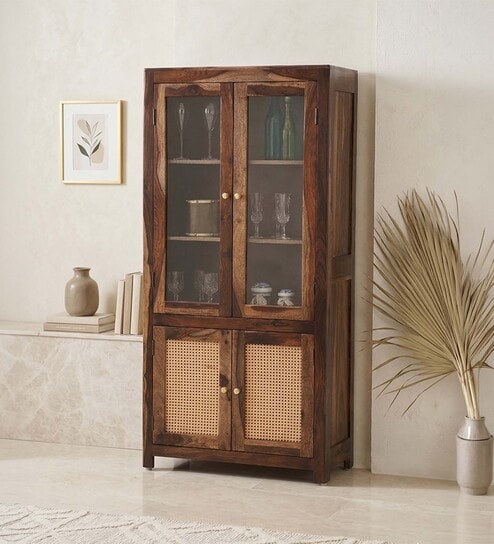
Coral Cane Wooden Crockery Unit In Brown Finish
By Royaloak
₹29,000 ₹72,000 (60% off)
EMI starting from ₹1,393/month
Ships in 3 days
New Arrivals
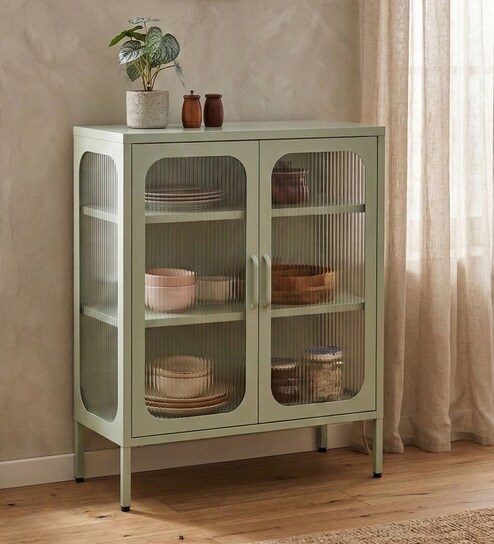
Elvar Metal Crockery Unit with Fluted Glass Doors Compact Dining Storage Cabinet and Elevated Metal Legs
By Royaloak
12-Month Warranty Available
₹17,500 ₹50,000 (65% off)
EMI starting from ₹841/month
Ships in 3 days
New Arrivals
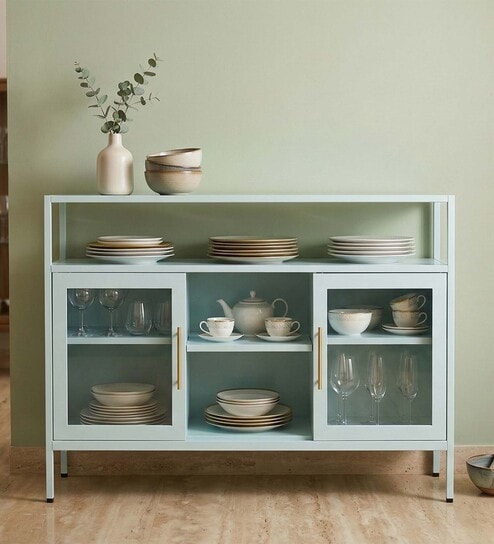
Ayra Metal Crockery Unit with Glass Swing Doors Modern Design and Multi-Purpose Kitchen Storage
By Royaloak
12-Month Warranty Available
₹17,500 ₹50,000 (65% off)
EMI starting from ₹841/month
Ships in 3 days
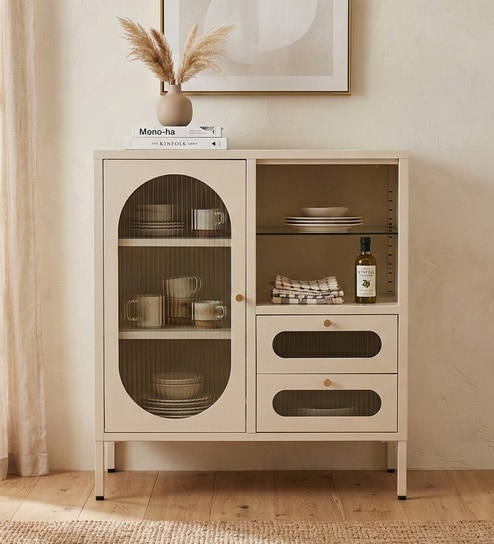
New Arrivals
Vedik Metal Crockery Unit with Fluted Glass Door Open Display Shelf and Dual Drawer Storage
By Royaloak
12-Month Warranty Available
₹17,500 ₹50,000 (65% off)
EMI starting from ₹841/month
Ships in 3 days
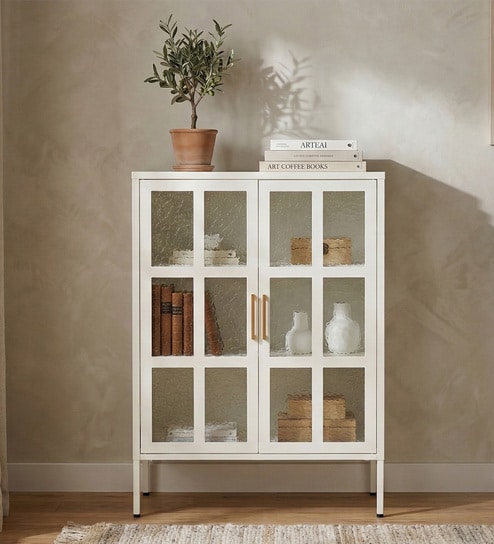
New Arrivals
Astra Metal Crockery Unit with Glass Panel Doors Adjustable Shelving and Powder-Coated Metal Frame
By Royaloak
12-Month Warranty Available
₹17,500 ₹50,000 (65% off)
EMI starting from ₹841/month
Ships in 3 days

New Arrivals
Stellar Fluted Acrylic Crokery Unit With Automatic Led Light & Adjustable Shelf In Oak In Oak Finish
By Rocco
12-Month Warranty Available
₹14,950 ₹19,450 (23% off)
EMI starting from ₹718/month
Ships in 4 days
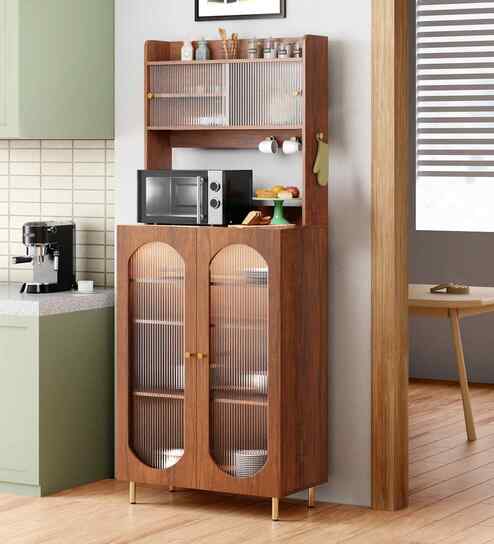
Best Seller
Stellar Fluted Acrylic Crokery Unit With Automatic Led Light & Adjustable Shelf In Teak Brown
By Rocco
12-Month Warranty Available
₹17,950 ₹24,950 (28% off)
EMI starting from ₹862/month
Ships in 4 days

New Arrivals
Stellar Fluted Acrylic Crokery Unit With Automatic Led Light & Adjustable Shelf In Oak In Oak Finish
By Rocco
12-Month Warranty Available
₹15,950 ₹21,950 (27% off)
EMI starting from ₹766/month
Ships in 4 days

New Arrivals
Stellar Fluted Acrylic Crokery Unit With Automatic Led Light & Adjustable Shelf In Oak Finish
By Rocco
12-Month Warranty Available
₹17,950 ₹24,950 (28% off)
EMI starting from ₹862/month
Ships in 4 days
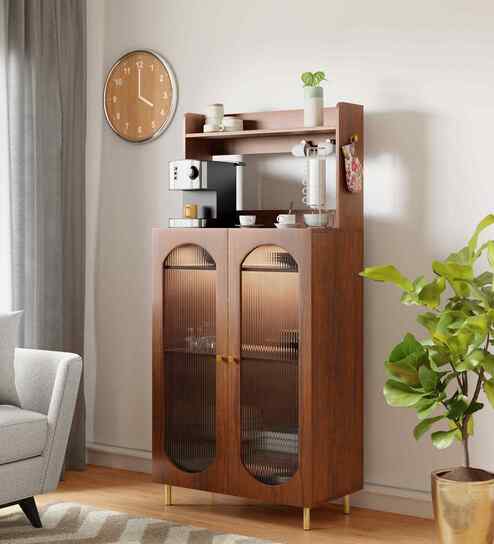
New Arrivals
Stellar Fluted Acrylic Crokery Unit With Automatic Led Light & Adjustable Shelf In Teak Brown
By Rocco
12-Month Warranty Available
₹15,950 ₹21,950 (27% off)
EMI starting from ₹766/month
Ships in 4 days
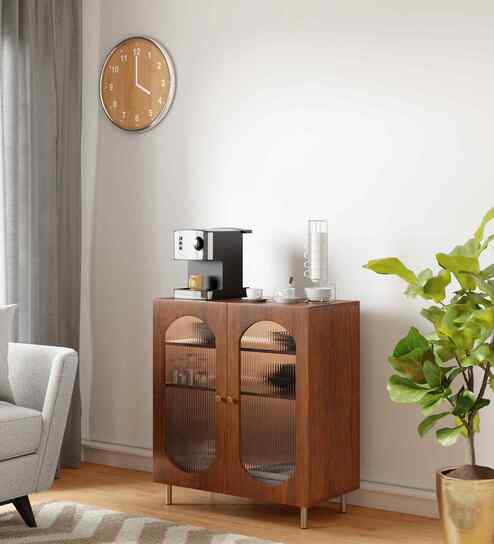
Best Seller
Stellar Fluted Acrylic 2 Door Cabinet With Automatic Led Light & Adjustable Shelf In Brown Finish
By Rocco
12-Month Warranty Available
₹9,950 ₹12,950 (23% off)
EMI starting from ₹478/month
Ships in 4 days
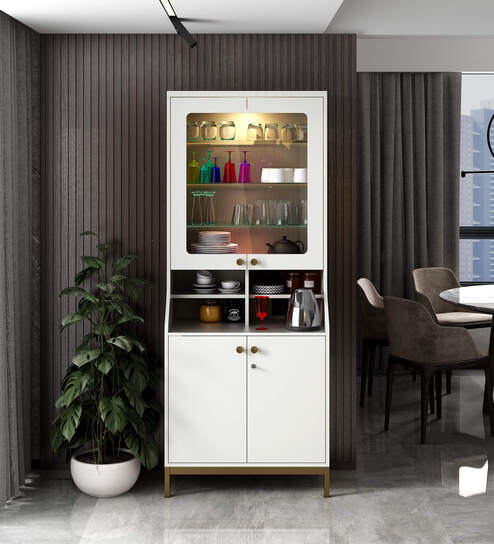
Empress Crockery Unit With Led Light In Pumic Grey Finish
By Spacewood
36-Month Warranty Available
₹28,999 ₹40,499 (28% off)
EMI starting from ₹1,393/month
Express Shipping in 1 day
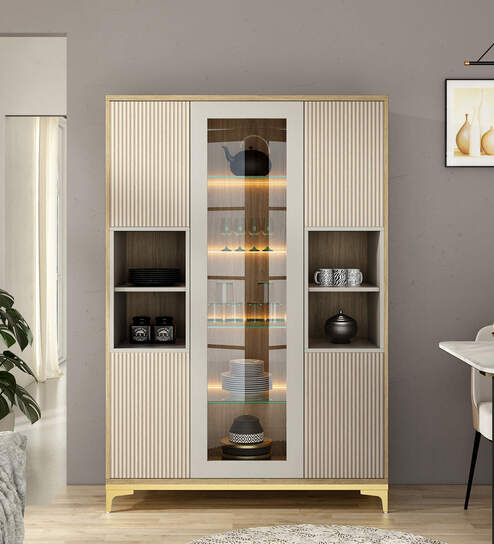
Best Seller
Gl Crockery UnitWith Led Light In Pumic Grey And Gold Finish
By Spacewood
36-Month Warranty Available
₹45,499 ₹69,999 (35% off)
EMI starting from ₹2,185/month
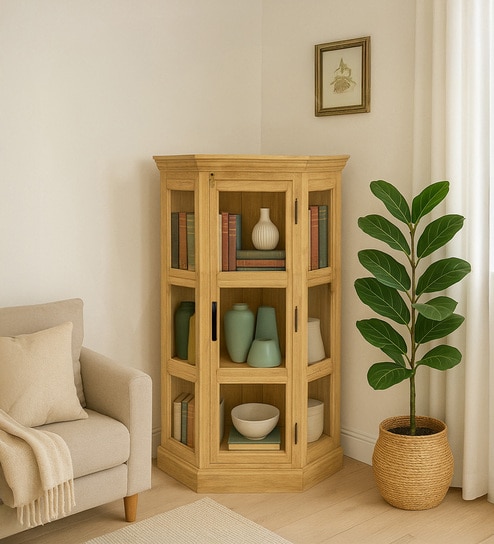
 +1 more colors
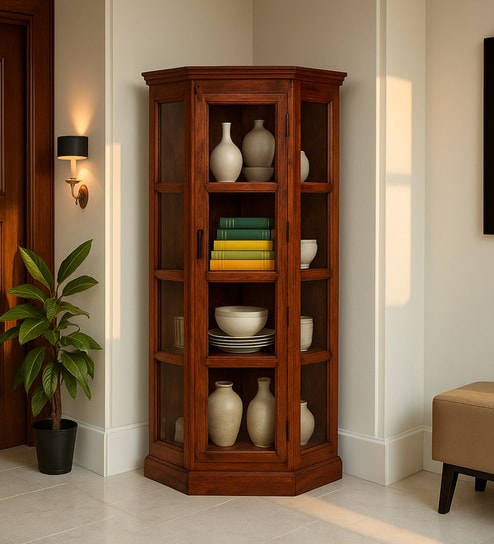
Vilina Mango Wood Corner Cabinet In Natural finish
By Mudramark from Pepperfry
36-Month Warranty Available
₹36,999 ₹47,999 (23% off)
EMI starting from ₹1,777/month
 +1 more colors
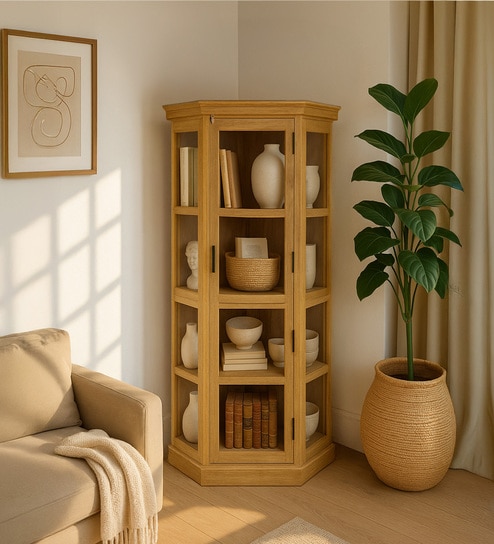
Vilina Mango Wood Tall Corner Cabine In Honey Oak finish
By Mudramark from Pepperfry
36-Month Warranty Available
₹41,999 ₹54,999 (24% off)
EMI starting from ₹2,017/month
 +1 more colors
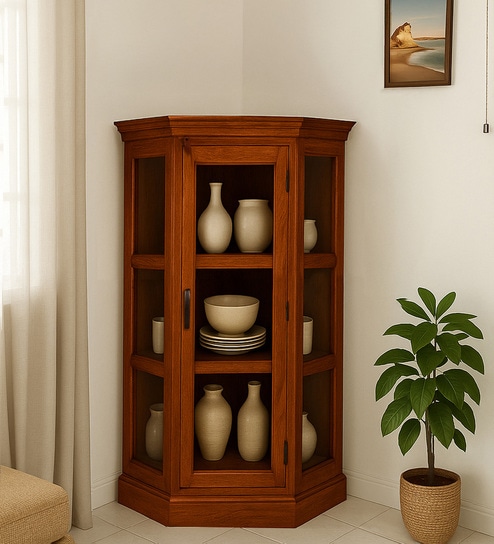
Vilina Mango Wood Tall Corner Cabinet In Natural finish
By Mudramark from Pepperfry
36-Month Warranty Available
₹41,999 ₹54,999 (24% off)
EMI starting from ₹2,017/month
 +1 more colors
Vilina Mango Wood Corner Cabinet In Honey Oak finish
By Mudramark from Pepperfry
36-Month Warranty Available
₹36,999 ₹47,999 (23% off)
EMI starting from ₹1,777/month

Extra Offer Inside
Mandarin Crockery Unit In Wenge Colour
By HomeTown
12-Month Warranty Available
₹25,900 ₹64,500 (60% off)
EMI starting from ₹1,244/month
Express Shipping in 2 days

Naples Italian Crockery Unit In Brown Color
By Royaloak
12-Month Warranty Available
₹39,900 ₹80,000 (50% off)
EMI starting from ₹1,916/month
Express Shipping in 2 days

Proton Mango Wood Crockery Cabinet In Tubbaq finish
By Woodsworth from Pepperfry
60-Month Warranty Available
₹66,999 ₹91,999 (27% off)
EMI starting from ₹3,217/month
Express Shipping in 1 day
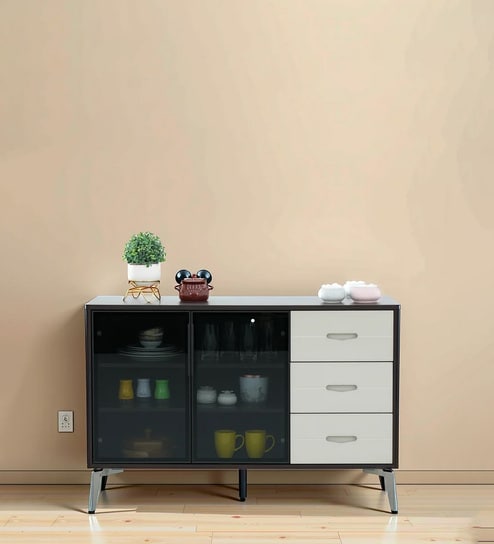
Dallas American Sideboard In Brown Colour
By Royaloak
₹27,500 ₹70,000 (61% off)
EMI starting from ₹1,321/month
Ships in 3 days
 +2 more colors
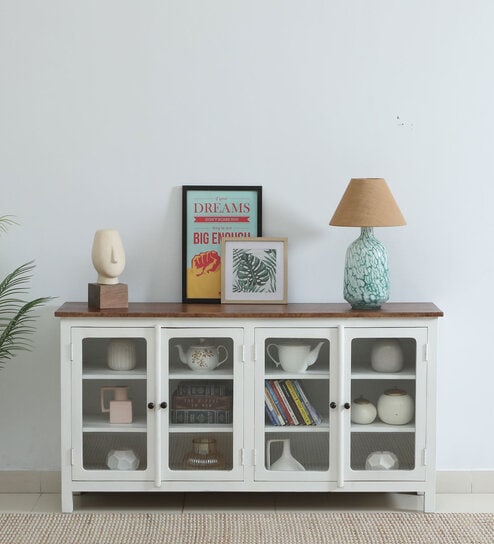
Noyes Mango Wood 4 Door Cabinet In White Colour
By Woodsworth from Pepperfry
36-Month Warranty Available
₹39,999 ₹52,999 (25% off)
EMI starting from ₹1,921/month
 +2 more colors
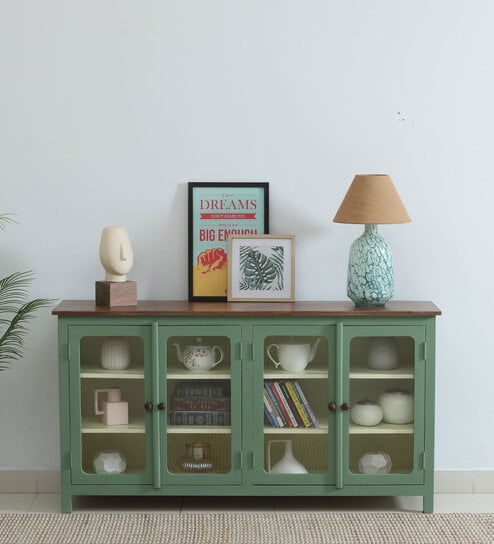
Noyes Mango Wood Cabinet In Tubbaq Finish With Drawers
By Woodsworth from Pepperfry
36-Month Warranty Available
₹27,999 ₹37,999 (26% off)
EMI starting from ₹1,345/month
 +2 more colors
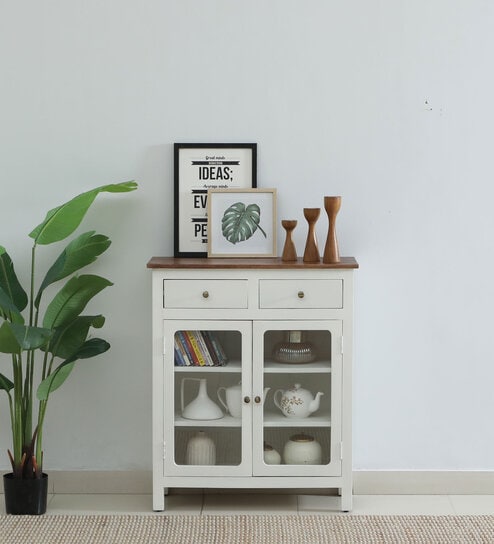
Noyes Mango Wood 4 Door Cabinet In Green Colour
By Woodsworth from Pepperfry
36-Month Warranty Available
₹40,999 ₹53,999 (24% off)
EMI starting from ₹1,969/month
 +2 more colors
Noyes Mango Wood Cabinet In White Colour With Drawers
By Woodsworth from Pepperfry
36-Month Warranty Available
₹27,999 ₹37,999 (26% off)
EMI starting from ₹1,345/month
 +2 more colors
Noyes Mango Wood 4 Door Cabinet In Tubbaq Finish
By Woodsworth from Pepperfry
36-Month Warranty Available
₹39,999 ₹52,999 (25% off)
EMI starting from ₹1,921/month
 +2 more colors
Noyes Mango Wood Cabinet In Green Colour With Drawers
By Woodsworth from Pepperfry
36-Month Warranty Available
₹28,999 ₹38,999 (26% off)
EMI starting from ₹1,393/month

Noyes Mango Wood Crockery Unit In Pink Colour With Lining Glass
By Mudramark from Pepperfry
36-Month Warranty Available
₹22,999 ₹30,999 (26% off)
EMI starting from ₹1,105/month

Best Seller
Casper Crockery Unit In Exotic Teak Color
By Mintwud from Pepperfry
36-Month Warranty Available
₹21,999 ₹33,999 (35% off)
EMI starting from ₹1,057/month

Eliza Crockery Unit In Choco Walnut Color
By Mintwud from Pepperfry
36-Month Warranty Available
₹44,999 ₹65,999 (32% off)
EMI starting from ₹2,161/month

Cubix Crockery Uni In Frosty White Color
By Mintwud from Pepperfry
36-Month Warranty Available
₹9,999 ₹17,999 (44% off)
EMI starting from ₹481/month

Florance Crockery Unit In Frosty White Color
By Mintwud from Pepperfry
36-Month Warranty Available
₹22,999 ₹37,999 (39% off)
EMI starting from ₹1,105/month

Best Seller
Mint Crockery Unit In Exotic Teak Color
By Mintwud from Pepperfry
36-Month Warranty Available
₹17,499 ₹26,999 (35% off)
EMI starting from ₹841/month

Modish Crockery Unit In Frosty White Color
By Mintwud from Pepperfry
36-Month Warranty Available
₹19,499 ₹25,999 (25% off)
EMI starting from ₹937/month

Hilton Crockery Unit In Brown Finish
By Royaloak
12-Month Warranty Available
₹29,000 ₹60,000 (52% off)
EMI starting from ₹1,393/month
Ships in 3 days

Best Seller
Camphor Crockery Unit In Frosty White Colour
By Wood you
12-Month Warranty Available
₹8,249 ₹17,899 (54% off)
EMI starting from ₹397/month
Ships in 4 days
 +2 more colors
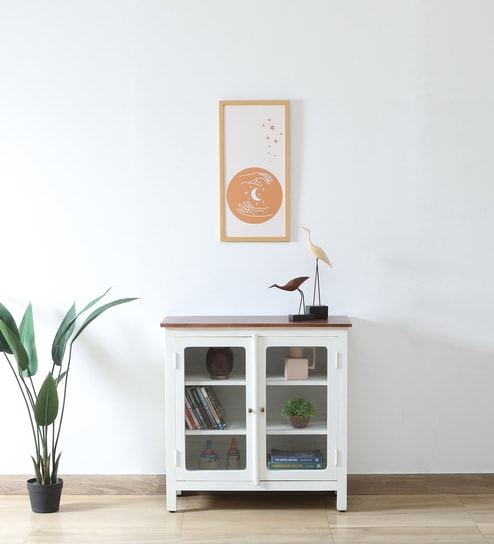
Noyes Solid Wood Cabinet In White Colour
By Woodsworth from Pepperfry
36-Month Warranty Available
₹19,999 ₹26,999 (26% off)
EMI starting from ₹961/month
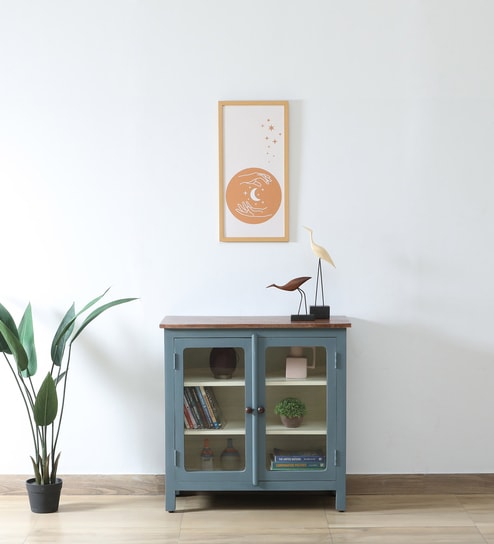 +2 more colors
Noyes Solid Wood Cabinet In Slate Grey Colour
By Woodsworth from Pepperfry
36-Month Warranty Available
₹20,999 ₹26,999 (22% off)
EMI starting from ₹1,009/month
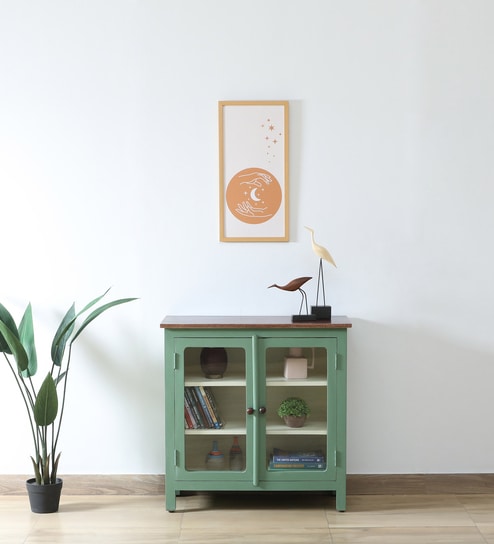 +2 more colors
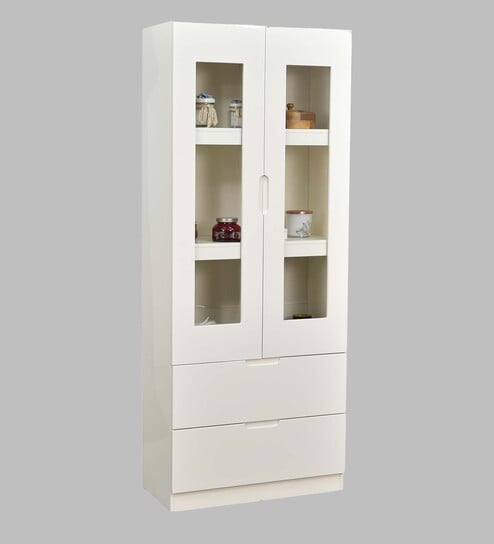
Noyes Solid Wood Cabinet In Olive Green Colour
By Woodsworth from Pepperfry
36-Month Warranty Available
₹20,999 ₹26,999 (22% off)
EMI starting from ₹1,009/month
Rome Italian Crockery Unit In White Color
By Royaloak
12-Month Warranty Available
₹29,000 ₹70,000 (59% off)
EMI starting from ₹1,393/month
Ships in 3 days
Didn't Find What You Were Looking For? Share your Feedback with Us ->
Kitchen Cabinet Design: Functional Storage and Style for Every Indian Home
Your kitchen does more than store pots and pans. It hosts morning chai rituals, weekend cooking sessions, and quick weeknight meals. The cabinets you choose shape all of these moments. A well-planned kitchen cabinet design brings order to chaos, making it easy to find what you need when you need it.
Beyond function, cabinets set the visual tone for your entire kitchen. Whether you prefer clean modern lines or rich wooden textures, your cabinets tell a story about your home. Pepperfry has been helping Indian homeowners find the right fit since 2011.
Our range covers everything from compact wall units to full modular sets, all designed to handle the unique demands of Indian cooking. Browse our kitchen cabinets collection to see what suits your space.
What is Kitchen Cabinet Design?
Kitchen cabinet design covers the complete process of planning your kitchen storage. This includes choosing the style, layout, materials, finishes, and hardware that make up your cabinetry. Think of it as three connected parts working together.
First comes aesthetic choices. These include the cabinet style, colour, and finish that create visual appeal. Second is functional planning, which addresses layout, storage capacity, and how easily you can reach items. Third is material selection, where you pick surfaces that handle heat, moisture, and daily wear.
Getting your kitchen cupboard design right matters for practical reasons. Good cabinets make cooking faster and cleaning easier. They also add value to your property. Most importantly, thoughtful design means you enjoy using your kitchen every single day.
Which Kitchen Cabinet Styles and Ideas Work Best?
Cabinet styles range from traditional to ultra-modern. Each brings a different feel to your cooking space. Here are the most popular options to consider.
- Shaker-style cabinets feature clean lines with a recessed centre panel. They work well in both traditional and contemporary kitchens.
- Slab or flat-panel doors offer a minimalist look with smooth, uninterrupted surfaces. These suit modern homes where simplicity matters.
- Louvred cabinets have horizontal slats that allow air flow. They work beautifully in humid coastal regions where ventilation helps.
- Glass-front cabinets let you display pretty dishes and glassware while keeping dust out.
- Handle-less push-to-open designs create sleek surfaces with no visible hardware.
Consider how each style fits your cooking habits. If you want to show off your dinnerware collection, glass fronts make sense. If easy cleaning matters most, flat panels win.
Modern Kitchen Cabinet Design Trends
Current trends favour matte finishes over glossy surfaces. Two-tone colour schemes are popular, with darker lower cabinets and lighter uppers. Mixed materials combine wood with lacquer or metal accents for visual interest.
Handle-less designs continue to grow. Integrated appliances that hide behind cabinet fronts create seamless looks. These modern kitchen cabinet design choices work especially well in open-plan Indian homes where the kitchen is visible from living areas.
|
"The trend has shifted from glossy acrylics to deeply matte, anti-fingerprint laminates, fluted glass fronts, and micro-cement cabinet coatings. When backlit with soft LED tracks, the cabinets create a moody, cinematic play of light and shadow." - ELLE DECOR India |
Why Small Kitchen Cabinet Design is the Ultimate Space Saver?
Limited space does not mean limited storage. Smart small kitchen cabinet design turns every centimetre into usable space.
Start by thinking vertically. Floor-to-ceiling cabinets use wall space that often goes to waste. In kitchens under 60 square feet, this approach can double your storage capacity. Corner carousels and magic corner units make awkward angles accessible.
Pull-out pantry units fit into narrow gaps between appliances. These slim towers hold spices, oils, and dry goods in clear view. Wall cabinets placed above standard height extend storage without blocking movement.
Light colours make small spaces feel bigger. White or cream cabinets reflect light and create an airy feel. Glass-front uppers add visual depth without taking extra floor space. These kitchen cabinet ideas transform cramped kitchens into efficient workspaces.
Which Kitchen Cabinet Material Should You Choose?
Different materials suit different budgets and kitchen conditions. Here is what to consider for each option.
- Solid wood (teak, oak) offers warmth and durability. It handles years of use but costs more upfront.
- Plywood in marine or BWP grade resists moisture well. It works best for base cabinets near the sink.
- MDF (medium-density fibreboard) creates smooth surfaces perfect for painted or laminated finishes. It costs less than wood but performs well in dry areas.
- Particle board fits tight budgets but struggles in moisture-prone spots.
- Stainless steel suits commercial-style kitchens and lasts indefinitely with proper care.
Material selection tip: Consider your cooking frequency and kitchen ventilation. Heavy daily cooking with lots of steam needs moisture-resistant materials. Occasional cooks can choose from a wider range.
Wood Kitchen Cabinets: Types and Finishes
Wooden kitchen cabinet design remains popular for its natural beauty. Teak leads the market for its oil-rich grain and termite resistance. Sheesham offers rich patterns at mid-range prices. Rubberwood provides hardwood quality at budget-friendly costs.
Finish options include natural matte that shows grain patterns, lacquer coatings that add colour protection, and laminates over plywood that mimic solid wood at lower cost. Annual oiling keeps wooden cabinets looking fresh for decades.
What Makes Indian Kitchen Cabinet Design Stand Out?
Indian cooking creates unique demands on kitchen storage. Heavy spice use, pressure cooking, and varied appliance needs all shape design choices.
Ventilation matters greatly. A good Indian kitchen cabinet design includes proper spacing near the hob and chimney area. Easy-to-clean surfaces like high-gloss laminates handle oil splatter and turmeric stains better than porous finishes.
Dedicated spice storage is essential. Pull-out masala organisers keep frequently used spices within arm's reach. Bottle pull-outs near the cooking zone hold oils and sauces. Deeper countertops accommodate appliances like wet grinders and mixers that many homes use daily.
Large pull-out drawers or pantry units store atta, rice, and dals in bulk. These dry storage solutions keep staples fresh and accessible. Store your cooking tools in dedicated drawers near work surfaces for easy access during meal prep.
|
"Modern cabinetry must prioritise intelligent ergonomics. Replace standard deep lower cabinets with heavy-duty tandem drawer systems and pull-out cargo baskets. This ensures that pots, pans, and heavy spice jars glide out to meet you effortlessly, maximising every square inch of storage." - Good Homes |
How Should You Plan Kitchen Wall Cabinet Design?
Upper cabinets require separate planning from base units. Height placement affects both comfort and safety.
Standard wall cabinets sit 54 to 60 inches from the floor. This height lets most adults reach contents without stretching. Cabinet depth should stay at 12 to 14 inches to avoid head bumps when working at the counter.
Extending cabinets to the ceiling maximises storage but requires a step stool for top shelves. Leaving space above cabinets creates a ledge that collects dust. In Indian kitchens with heavy cooking, closed cabinets work better than open shelving to keep items clean.
Under-cabinet LED lighting brightens work surfaces and adds ambience. Coordinate your kitchen wall cabinet design with your chimney or hood placement for a unified look. Proper wall anchoring is essential for safety, especially in older buildings.
What Latest Kitchen Cabinet Design Layout Fits Your Space?
Your kitchen shape determines which cabinet arrangement works best. Four common layouts cover most home setups.
- L-shaped kitchens wrap cabinets around two walls. They need corner storage solutions like lazy Susans or pull-out trays. This layout suits small to medium kitchens well.
- U-shaped kitchens use three walls for maximum storage. They need at least 120 cm clearance in the centre for comfortable movement.
- Single-wall layouts line everything along one surface. They work in studio apartments and narrow spaces.
- Island or peninsula layouts add freestanding storage in the centre. These need 90 to 105 cm clearance on working sides. Keep your cooking zone, sink, and refrigerator in a triangle pattern for smooth workflow between tasks.
How to Choose Kitchen Cabinets Before You Buy
Consider these practical points before you commit.
Measure carefully. Professional measurement catches details you might miss. Account for doors, windows, and electrical points.
Assess storage needs. Count your cookware, appliances, and groceries. This inventory guides capacity planning.
Set a realistic budget. Cabinets typically take 30 to 40 percent of a kitchen renovation budget. Quality materials pay off over time.
Think about lifestyle. Heavy cooks need durable, easy-clean surfaces. Families with children benefit from soft-close hinges and rounded edges.
Plan for the long term. Neutral styles last longer than bold trends. Good construction outlasts fashionable finishes. Check warranty coverage and after-sales service options before making your choice.
Pepperfry offers filtering by price, material, and colour to match your requirements. AR visualisation tools help you see how cabinets look in your actual space before you order.
Frequently Asked Questions About Kitchen Cabinet Design
What exactly is kitchen cabinet design?
Kitchen cabinet design refers to planning the style, layout, materials, and storage solutions for your kitchen cabinetry. It covers everything from choosing door styles and finishes to arranging units for efficient workflow.
Which material works best for kitchen cabinets in Indian homes?
Marine grade plywood and solid wood like teak handle Indian kitchen conditions well. Both resist moisture from steam and spills. For areas away from the sink and hob, MDF with quality laminate offers good value.
How do I design cabinets for a small kitchen?
Use vertical space with floor to ceiling units. Add pull out organisers and corner solutions to access deep areas. Choose light coloured finishes to make the space feel larger.
Does Pepperfry offer expert installation for kitchen cabinets?
Yes. Many cabinet models include expert installation service. Trained technicians ensure proper fitting, alignment, and secure wall mounting. Check individual product pages for installation details.
How do I keep kitchen cabinets clean and well maintained?
Wipe surfaces weekly with a soft cloth and mild soap. Clean spills immediately to prevent staining, especially on wood finishes. Check hinges and drawer slides monthly and tighten any loose screws.
 FurnitureSofas, Sectional Sofas, Sofa Cum Beds, Chaise Loungers, Bean Bags, Recliners, Sofa Chairs, Settees & Benches, Ottomans, Chairs, Gaming Chairs, Stools & Pouffes, Shoe Racks, Centre Tables, Side Tables, TV & Media Units, Cabinets & Sideboards, Book Shelves, Book Cases, Dining Sets, Dining Chairs, Dining Tables, Crockery Units, Bar Furniture, Beds, Bedside Tables, Trunks, Chest of Drawers, Dressing Tables, Wardrobes, Kids and Teens, Study Tables, Office Furniture, Outdoor, Massagers, Furniture Care
- Sofas
- Sectional Sofas
- Sofa Cum Beds
- Chaise Loungers
- Bean Bags
- Recliners
- Sofa Chairs
- Settees & Benches
- Ottomans
- Chairs
- Gaming Chairs
- Stools & Pouffes
- Shoe Racks
- Centre Tables
- Side Tables
- TV & Media Units
- Cabinets & Sideboards
- Book Shelves
- Book Cases
- Dining Sets
- Dining Chairs
- Dining Tables
- Crockery Units
- Bar Furniture
- Beds
- Bedside Tables
- Trunks
- Chest of Drawers
- Dressing Tables
- Wardrobes
- Kids and Teens
- Study Tables
- Office Furniture
- Outdoor
- Massagers
- Furniture Care
 Sofas & SeatingSofas, Sofa Sets, Sectional Sofas, Sofa Cum Beds, Recliners, Recliner Sets, Chaise Loungers, Sofa Chairs, Bean Bags, Accent Chairs, Office Chairs, Gaming Chairs, Dining Chairs, Bar Seating, Settees & Benches, Ottomans, Stools & Pouffes, Outdoor Seating, Furniture Care, Top Collections, Top Brands
- Sofas
- Sofa Sets
- Sectional Sofas
- Sofa Cum Beds
- Recliners
- Recliner Sets
- Chaise Loungers
- Sofa Chairs
- Bean Bags
- Accent Chairs
- Office Chairs
- Gaming Chairs
- Dining Chairs
- Bar Seating
- Settees & Benches
- Ottomans
- Stools & Pouffes
- Outdoor Seating
- Furniture Care
- Top Collections
- Top Brands
 MattressesKing Size Mattresses, Queen Size Mattresses, Single Size Mattresses, Foldable Mattresses, Crib Mattresses, Mattress Protectors, Mattress Toppers, Pillows, Mattresses By Feature, Top Brands
- King Size Mattresses
- Queen Size Mattresses
- Single Size Mattresses
- Foldable Mattresses
- Crib Mattresses
- Mattress Protectors
- Mattress Toppers
- Pillows
- Mattresses By Feature
- Top Brands
 Home DecorVases, Figurines, Collectibles, Showpieces, Home Utility, Table Decor, Kids Decor, Photo Frames, Candles, Candle Stands, Spiritual, Home Fragrances, Decor Gift Sets, Prayer Essentials, Artificial Plants & Flowers, Festive Decor, Gardening, Pots and Planters, Outdoor Decor, Wall Hangings, Wall Shelves, Wall Cabinets, Set Top Box Holders, Key Holders, Jharokhas, Screens & Dividers, Wall Decor, Wall Art and Paintings, Wallpapers & Decals, Clocks, Mirrors, Gifting
- Vases
- Figurines
- Collectibles
- Showpieces
- Home Utility
- Table Decor
- Kids Decor
- Photo Frames
- Candles
- Candle Stands
- Spiritual
- Home Fragrances
- Decor Gift Sets
- Prayer Essentials
- Artificial Plants & Flowers
- Festive Decor
- Gardening
- Pots and Planters
- Outdoor Decor
- Wall Hangings
- Wall Shelves
- Wall Cabinets
- Set Top Box Holders
- Key Holders
- Jharokhas
- Screens & Dividers
- Wall Decor
- Wall Art and Paintings
- Wallpapers & Decals
- Clocks
- Mirrors
- Gifting
 FurnishingsBed Sheets, Blankets & Quilts, Bath Linen, Bed Linen, Curtains, Curtain Accessories, Laundry Baskets, Mosquito Nets, Furnishing Gift Sets, Cushions & Covers, Sofa Covers & Throws, Chair Covers & Pads, Carpets, Dhurries, Runners, Door Mats, Bath Mats, Picnic Mats, Kids Furnishings, Pet Furnishings, Yoga Mats, Top Brands
- Bed Sheets
- Blankets & Quilts
- Bath Linen
- Bed Linen
- Curtains
- Curtain Accessories
- Laundry Baskets
- Mosquito Nets
- Furnishing Gift Sets
- Cushions & Covers
- Sofa Covers & Throws
- Chair Covers & Pads
- Carpets
- Dhurries
- Runners
- Door Mats
- Bath Mats
- Picnic Mats
- Kids Furnishings
- Bed Sheets
- Carpets & Mats
- Kids Blankets and Comforters
- Pillows and Covers
- Cushion Covers
- Towels
- Bedding Sets
- Curtains
- Baby Mats
- Pet Furnishings
- Yoga Mats
- Top Brands
 Lamps & LightingFloor Lamps, Shelf Floor Lamps, Table Lamps, Night Lamps, Work and Study Lamps, Lamp Shades, Kids Lamps, Ceiling Lights, Wall Lights, Smart Lights, Outdoor Lights, Decorative Lights, Emergency Lights, Bulbs, Top Brands
- Floor Lamps
- Shelf Floor Lamps
- Table Lamps
- Night Lamps
- Work and Study Lamps
- Lamp Shades
- Kids Lamps
- Ceiling Lights
- Wall Lights
- Smart Lights
- Outdoor Lights
- Decorative Lights
- Emergency Lights
- Bulbs
- Top Brands
 Kitchen & DiningServeware, Jugs, Bakeware, Dinnerware, Cookware, Cooking Tools, Drinkware, Bottles, Flasks, Sippers, Barware, Teaware, Knives & Cutlery, Table Essentials, Jars and Containers, Kitchen Organizers, Lunch Boxes, Kids Kitchenware & Tableware, Gift Sets, Kitchen Linen, Table Linen, Top Brands
- Serveware
- Serving Bowls
- Casseroles
- Butter Dishes
- Serving Trays
- Tray Sets
- Appetizer Platters
- Cheese Boards
- Cake Stands
- Cloche
- Jugs
- Bakeware
- Dinnerware
- Cookware
- Cooking Tools
- Spatulas, Ladles and Tongs
- Knives and Choppers
- Chopping Boards
- Rolling Pins and Boards
- Strainers and Whisks
- Cooking Preparation Tools
- Drinkware
- Bottles
- Flasks
- Sippers
- Barware
- Barware Sets
- Bar Tools
- Ash Trays
- Wine Holders & Coolers
- Carafes and Decanters
- Dispensers
- Ice Buckets & Moulds
- Teaware
- Knives & Cutlery
- Table Essentials
- Jars and Containers
- Kitchen Organizers
- Lunch Boxes
- Kids Kitchenware & Tableware
- Gift Sets
- Kitchen Linen
- Table Linen
- Top Brands
 LuxuryLiving Room, Bedroom, Dining Room, Home Office
 Modular