Sign Up & Get Rs.5,000 OFF On Your First Purchase




Kids Bedroom Furniture
Create a cheerful, practical kids bedroom that grows with your child. From cosy cribs and playful toddler beds to sturdy bunk beds and focused study corners, the right furniture sets the foundation for sleep, play, and learning. Pepperfry brings together beds, storage units, and study tables in child-safe designs and finishes. Each piece balances fun colours with lasting quality, helping you build a space where your little ones can rest, imagine, and thrive.



Filter By More Filters
 Sort By
Showing 1-40 of 494 options

New Arrivals
 +1 more colors
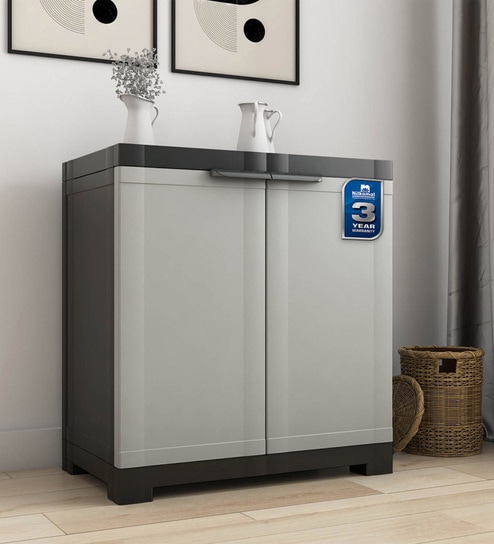
Freedom Plastic Storage Cabinet In Haze Grey Colour
By Nilkamal
36-Month Warranty Available
₹3,000 ₹3,650 (18% off)
EMI starting from ₹145/month
Ships in 4 days
 +1 more colors
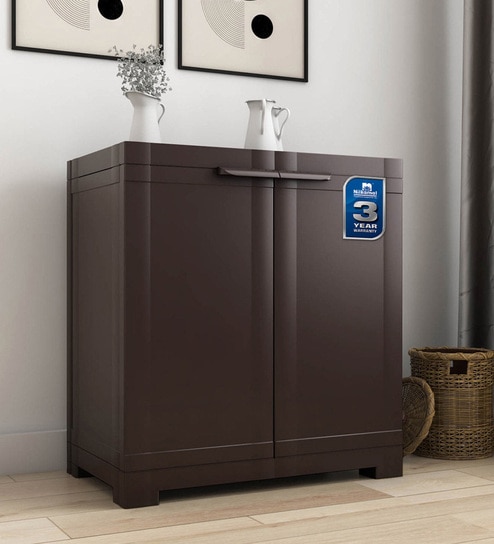
Freedom Small Plastic Storage Cabinet In Weather Brown Colour
By Nilkamal
36-Month Warranty Available
₹3,000 ₹3,650 (18% off)
EMI starting from ₹145/month
Ships in 4 days
New Arrivals
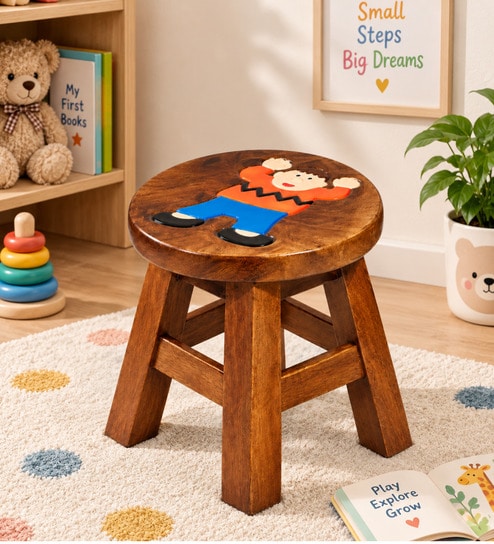
Handmade Round Wooden Kids Stool With Hand-Painted Cartoon Art
By STHULAS
12-Month Warranty Available
₹6,299 ₹10,000 (37% off)
EMI starting from ₹303/month
Ships in 7 days
 +2 more colors
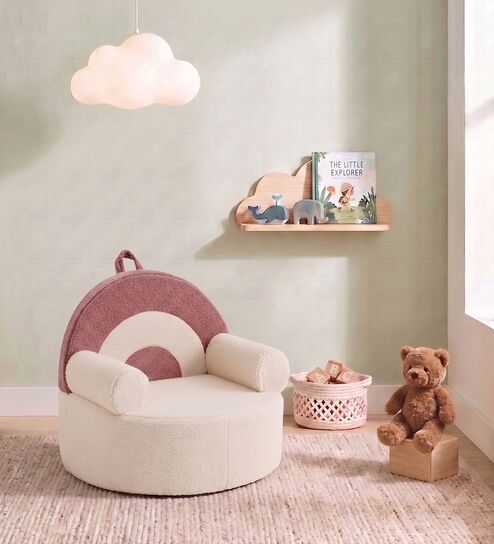
Rainbow Kids Sofa In Cream Colour
By NestRoots
12-Month Warranty Available
₹12,999 ₹16,999 (24% off)
EMI starting from ₹625/month
 +2 more colors
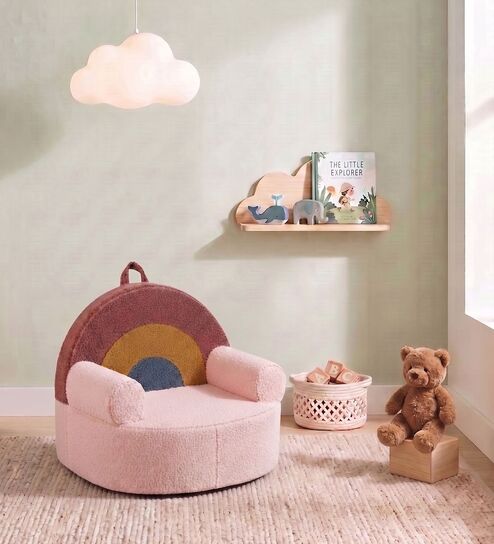
Rainbow Kids Sofa In Blush Pink Colour
By NestRoots
12-Month Warranty Available
₹12,999 ₹16,999 (24% off)
EMI starting from ₹625/month
 +2 more colors
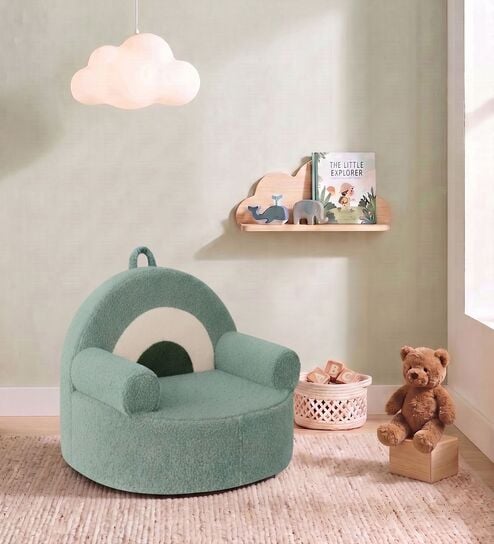
Rainbow Kids Sofa In Sage Green Colour
By NestRoots
12-Month Warranty Available
₹12,999 ₹16,999 (24% off)
EMI starting from ₹625/month
 +2 more colors
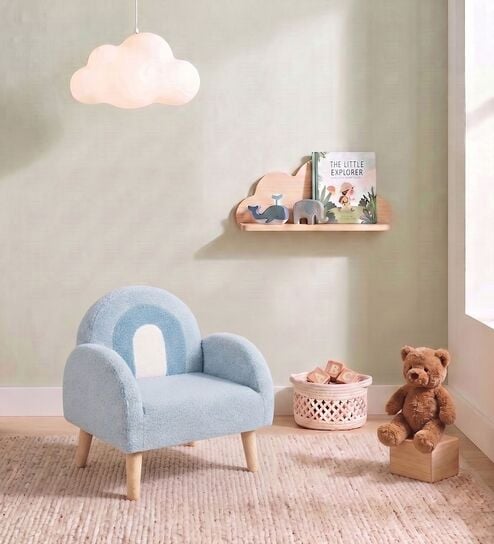
Cloud Kids Sofa In Sky Blue Colour
By NestRoots
12-Month Warranty Available
₹14,999 ₹18,999 (21% off)
EMI starting from ₹721/month
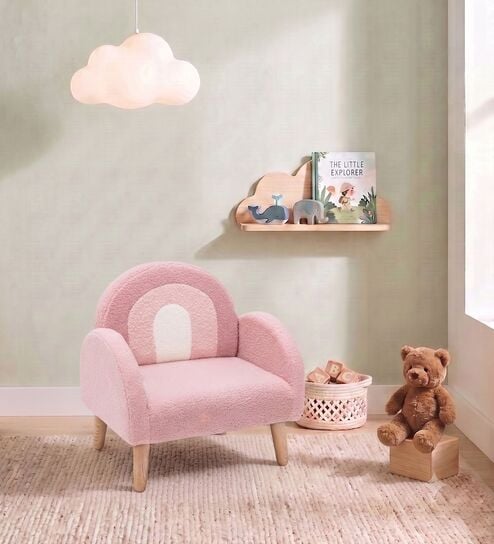 +2 more colors
Cloud Kids Sofa In Blush Pink Colour
By NestRoots
12-Month Warranty Available
₹14,999 ₹18,999 (21% off)
EMI starting from ₹721/month
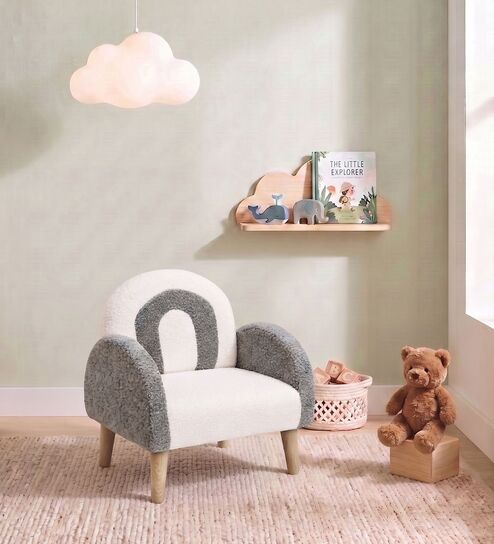 +2 more colors
Cloud Kids Sofa In White And Grey Colour
By NestRoots
12-Month Warranty Available
₹14,999 ₹18,999 (21% off)
EMI starting from ₹721/month
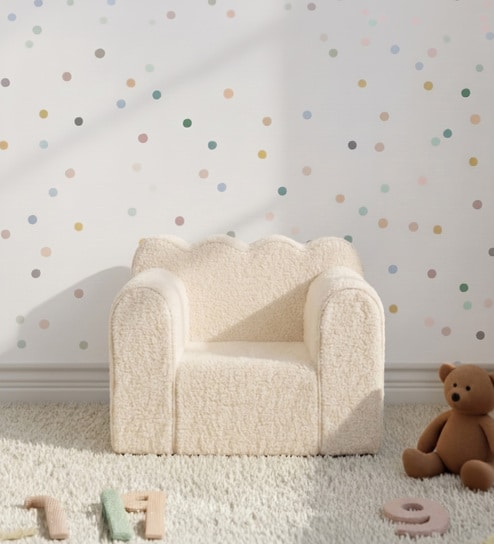
Arch Cloud Sherpa Kids Sofa In Cream Colour
By NestRoots
12-Month Warranty Available
₹11,999 ₹14,999 (20% off)
EMI starting from ₹577/month
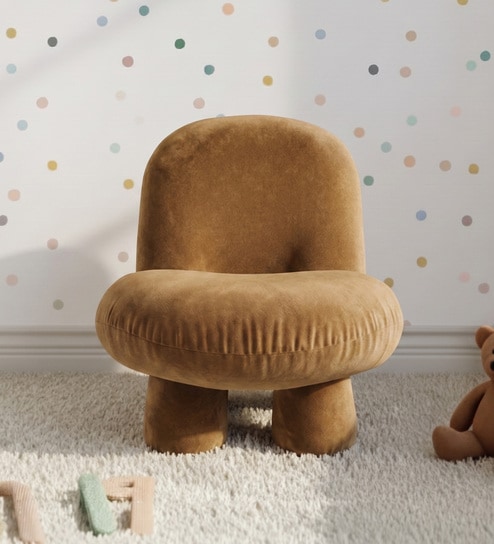 +3 more colors
Mini Velvet Kids Accent Chair In Brown Colour
By NestRoots
12-Month Warranty Available
₹12,999 ₹16,999 (24% off)
EMI starting from ₹625/month
 +2 more colors
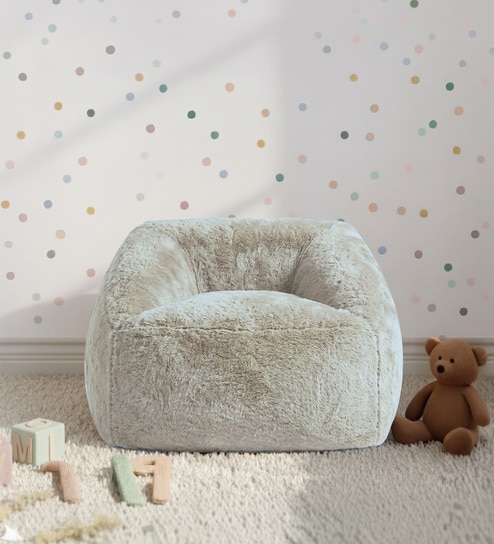
Organic Kids Sofa In Beige Colour
By NestRoots
12-Month Warranty Available
₹22,499 ₹29,999 (25% off)
EMI starting from ₹1,081/month
 +4 more colors
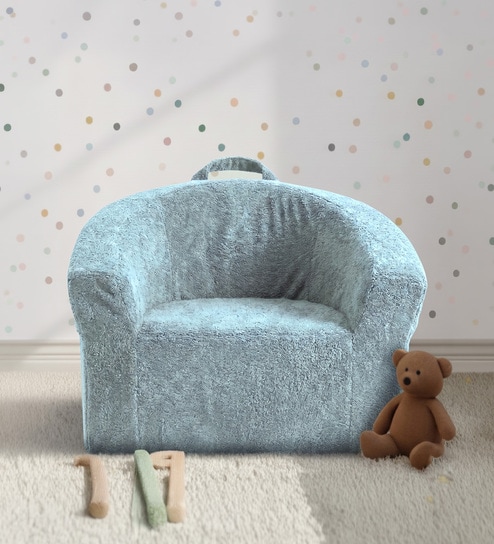
Coral Textured Organic Kids Lounge Chair In Light Blue Colour
By NestRoots
12-Month Warranty Available
₹11,999 ₹14,999 (20% off)
EMI starting from ₹577/month
 +4 more colors
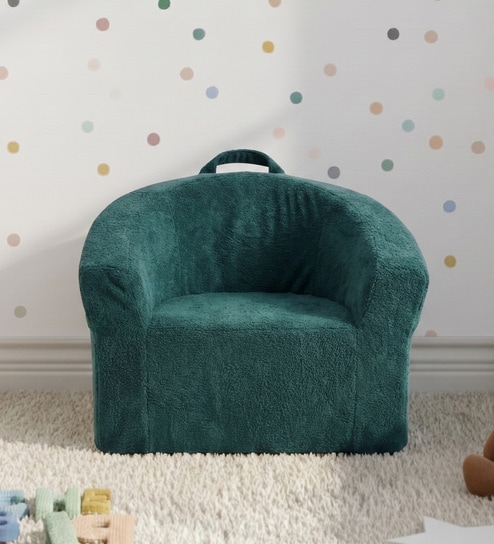
Gabriel Puffy Organic Kids Lounge Chair In Olive Green Colour
By NestRoots
12-Month Warranty Available
₹11,999 ₹14,999 (20% off)
EMI starting from ₹577/month
 +3 more colors
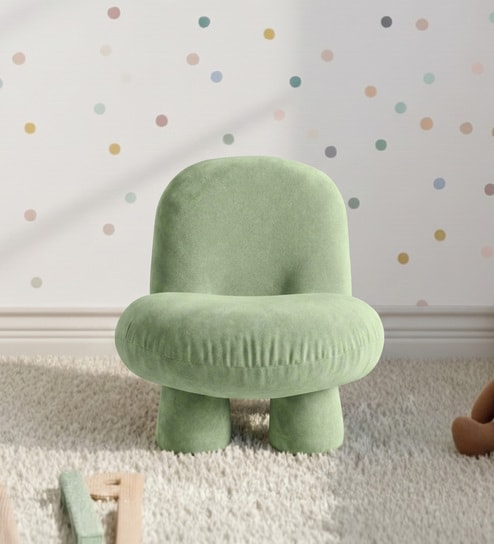
Mini Velvet Kids Accent Chair In Green Colour
By NestRoots
12-Month Warranty Available
₹12,999 ₹16,999 (24% off)
EMI starting from ₹625/month
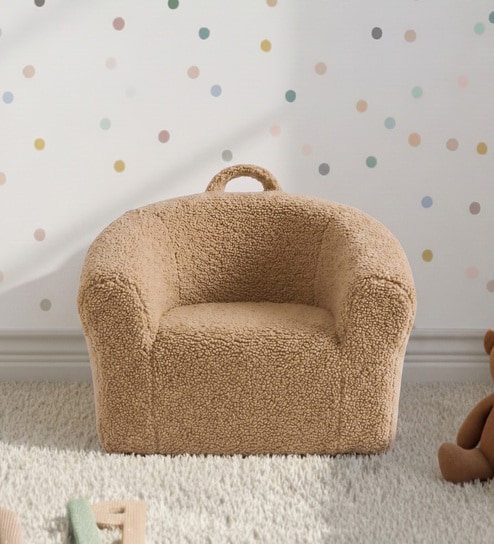 +1 more colors
Mangolian Faux Fur Kids Sofa Chair In Caramel Colour
By NestRoots
12-Month Warranty Available
₹11,999 ₹14,999 (20% off)
EMI starting from ₹577/month
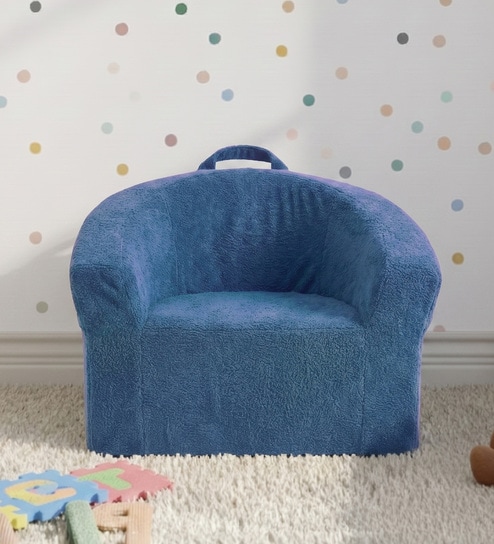 +4 more colors
Aiden Puffy Organic Kids Lounge Chair In Navy Blue Colour
By NestRoots
12-Month Warranty Available
₹11,999 ₹14,999 (20% off)
EMI starting from ₹577/month
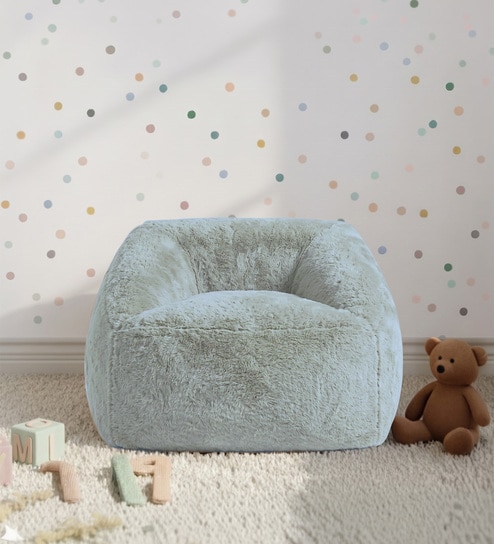 +2 more colors
Organic Kids Sofa In Blue Colour
By NestRoots
12-Month Warranty Available
₹8,999 ₹11,999 (25% off)
EMI starting from ₹433/month
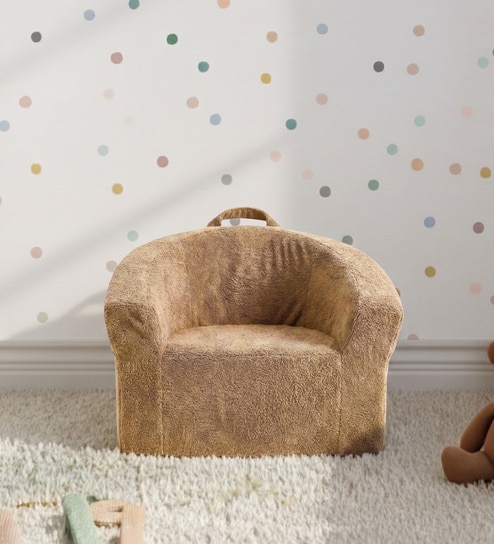
Sage Textured Organic Kids Lounge Chair In Brown Colour
By NestRoots
12-Month Warranty Available
₹11,999 ₹14,999 (20% off)
EMI starting from ₹577/month
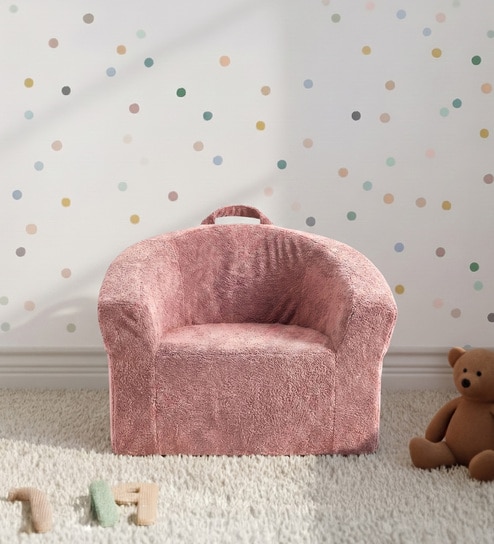 +4 more colors
Chloe Puffy Organic Kids Lounge Chair In Pink Colour
By NestRoots
12-Month Warranty Available
₹29,999 ₹37,499 (20% off)
EMI starting from ₹1,441/month
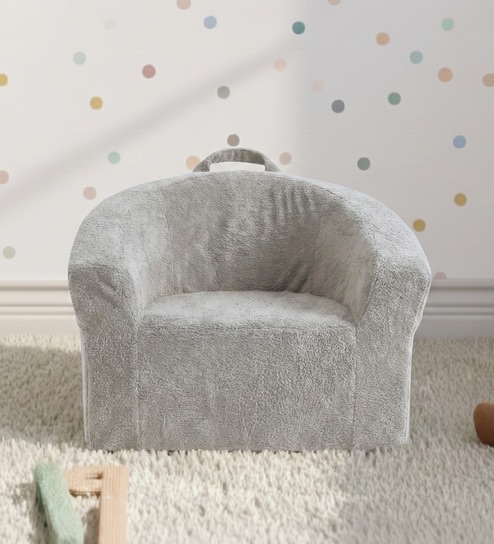 +1 more colors
Mangolian Faux Fur Kids Lounge Chair In Grey Colour
By NestRoots
12-Month Warranty Available
₹11,999 ₹14,999 (20% off)
EMI starting from ₹577/month
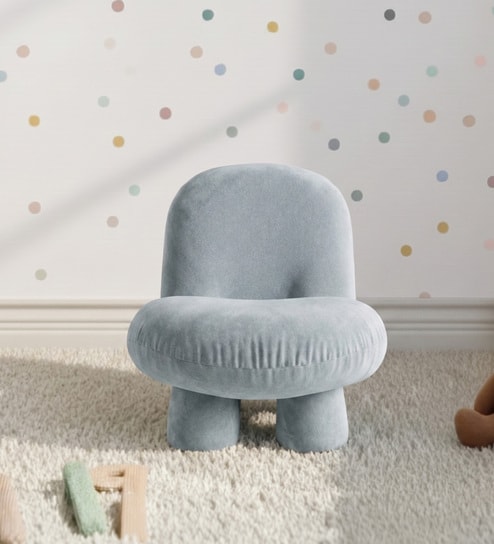 +3 more colors
Mini Velvet Kids Accent Chair In Sky Blue Colour
By NestRoots
12-Month Warranty Available
₹12,999 ₹16,999 (24% off)
EMI starting from ₹625/month
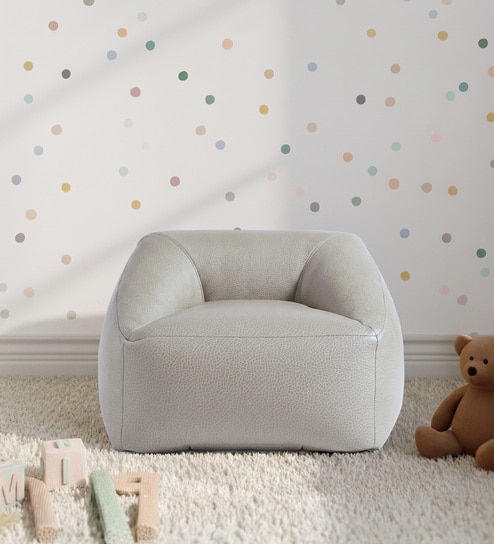 +1 more colors
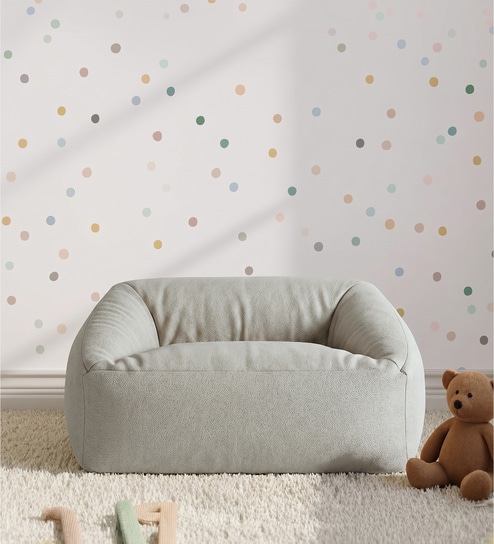
Corduroy Boucle Kids Sofa In Sand Beige Colour
By NestRoots
12-Month Warranty Available
₹8,999 ₹11,999 (25% off)
EMI starting from ₹433/month
 +2 more colors
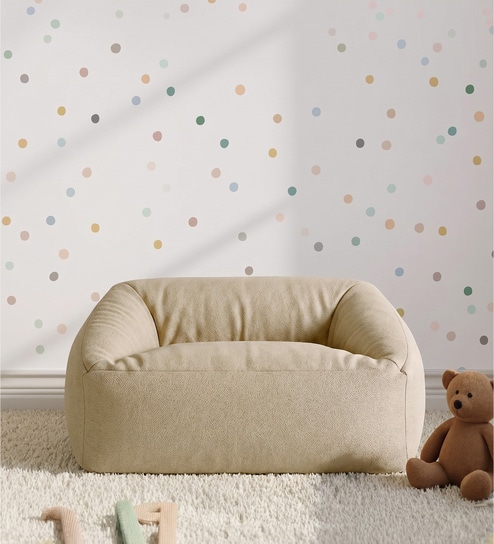
Corduroy Velvet Kids Sofa In Light Grey Colour
By NestRoots
12-Month Warranty Available
₹8,999 ₹11,999 (25% off)
EMI starting from ₹433/month
 +4 more colors
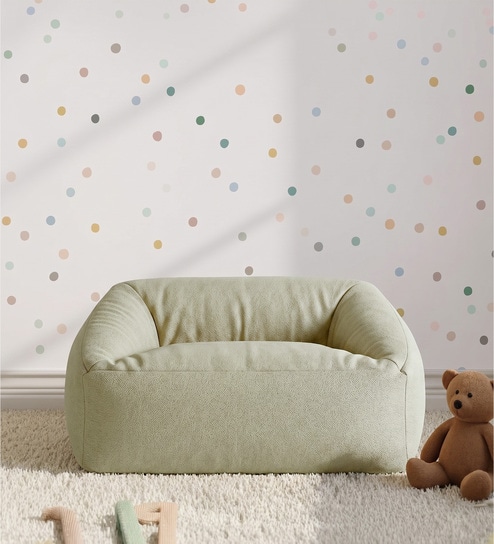
Cloud Velvet Kids Sofa In Light Yellow Colour
By NestRoots
12-Month Warranty Available
₹22,499 ₹29,999 (25% off)
EMI starting from ₹1,081/month
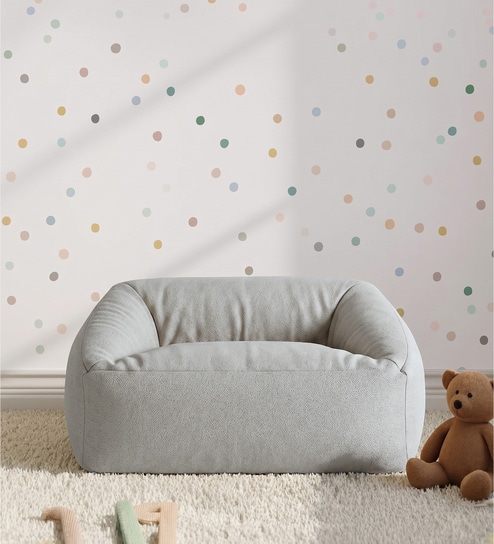
Sage Puff Velvet Kids Lounge In Green Colour
By NestRoots
12-Month Warranty Available
₹22,499 ₹29,999 (25% off)
EMI starting from ₹1,081/month
 +4 more colors
Cloud Velvet Kids Sofa In Light Grey Colour
By NestRoots
12-Month Warranty Available
₹22,499 ₹29,999 (25% off)
EMI starting from ₹1,081/month
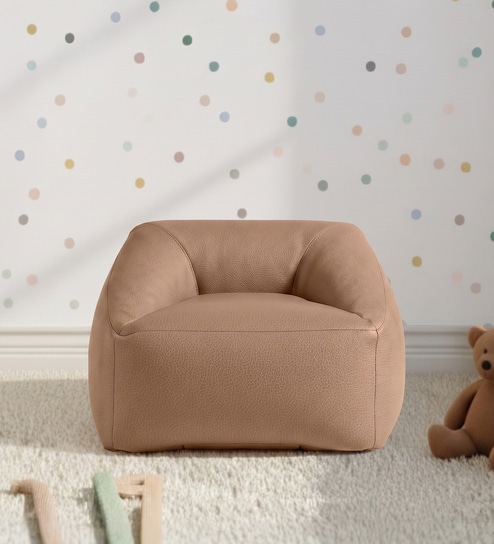 +1 more colors
Corduroy Boucle Kids Sofa Chair In Brown Colour
By NestRoots
12-Month Warranty Available
₹8,999 ₹11,999 (25% off)
EMI starting from ₹433/month
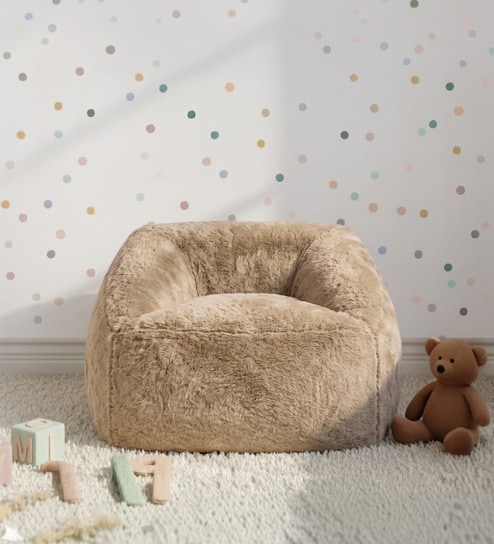 +2 more colors
Organic Kids Sofa In Brown Colour
By NestRoots
12-Month Warranty Available
₹8,999 ₹11,999 (25% off)
EMI starting from ₹433/month
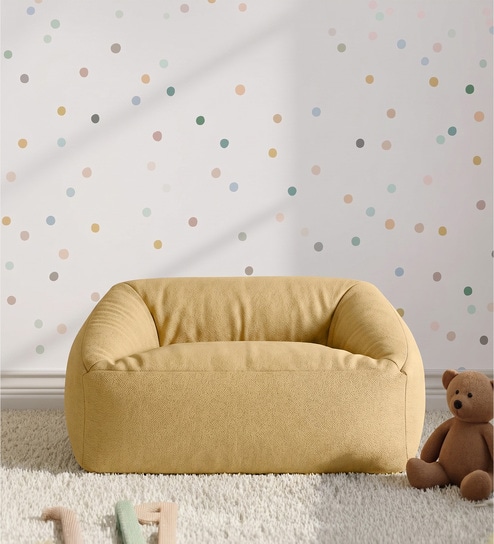 +4 more colors
Cloud Velvet Kids Sofa In Yellow Colour
By NestRoots
12-Month Warranty Available
₹22,499 ₹29,999 (25% off)
EMI starting from ₹1,081/month
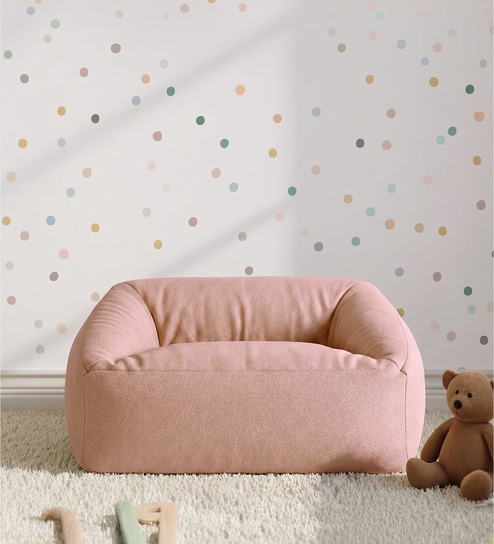 +2 more colors
Corduroy Velvet Kids Sofa Chair In Pink Colour
By NestRoots
12-Month Warranty Available
₹8,999 ₹11,999 (25% off)
EMI starting from ₹433/month
 +2 more colors
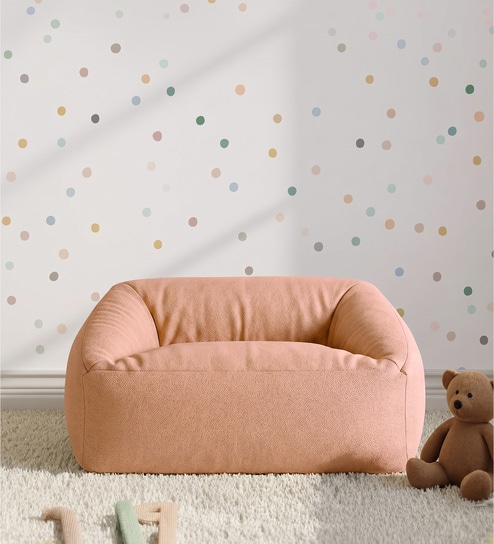
Corduroy Velvet Kids Sofa In Blush Pink Colour
By NestRoots
12-Month Warranty Available
₹8,999 ₹11,999 (25% off)
EMI starting from ₹433/month
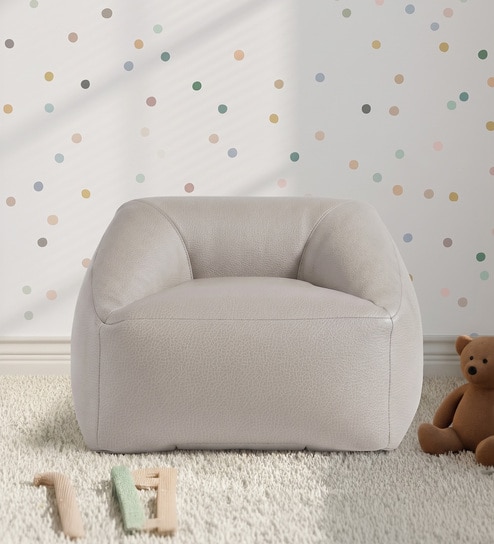
Soft Sage Corduroy Boucle Kids Sofa
By NestRoots
12-Month Warranty Available
₹8,999 ₹11,999 (25% off)
EMI starting from ₹433/month
 +2 more colors
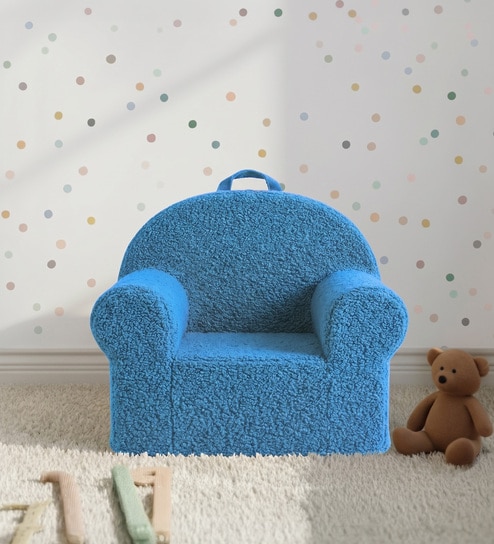
Snuggle Faux Fur Kids Lounge Chair In Blue Colour
By NestRoots
12-Month Warranty Available
₹11,999 ₹14,999 (20% off)
EMI starting from ₹577/month
 +4 more colors
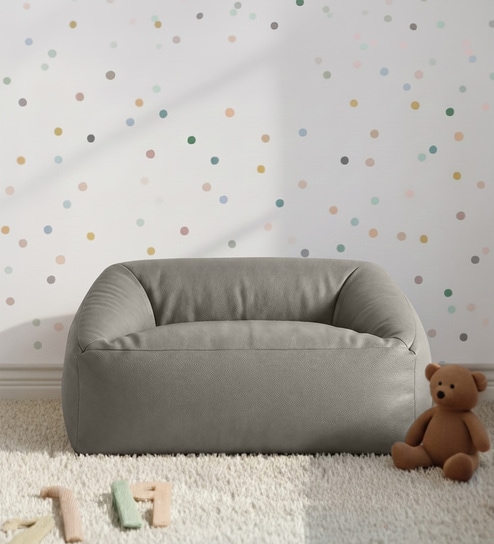
Cloud Velvet Kids Sofa In Ash Grey Colour
By NestRoots
12-Month Warranty Available
₹8,999 ₹11,999 (25% off)
EMI starting from ₹433/month
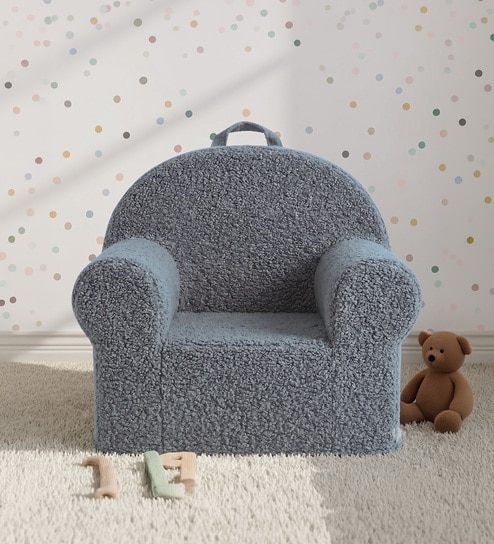
Sage Teddy Faux Fur Kids Lounge Chair
By NestRoots
12-Month Warranty Available
₹11,999 ₹14,999 (20% off)
EMI starting from ₹577/month
 +2 more colors
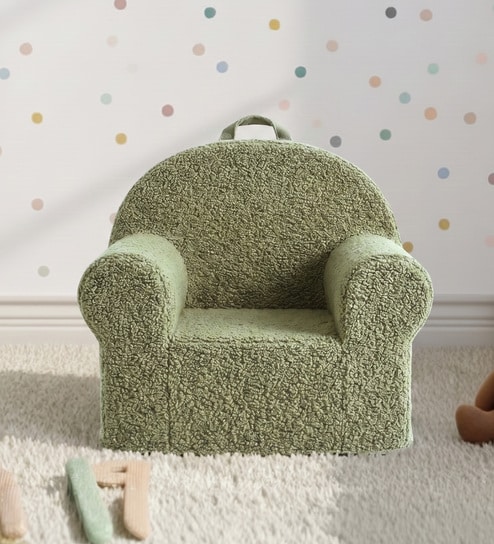
Snuggle Faux Fur Kids Lounge Chair In Green Colour
By NestRoots
12-Month Warranty Available
₹11,999 ₹14,999 (20% off)
EMI starting from ₹577/month
 +4 more colors
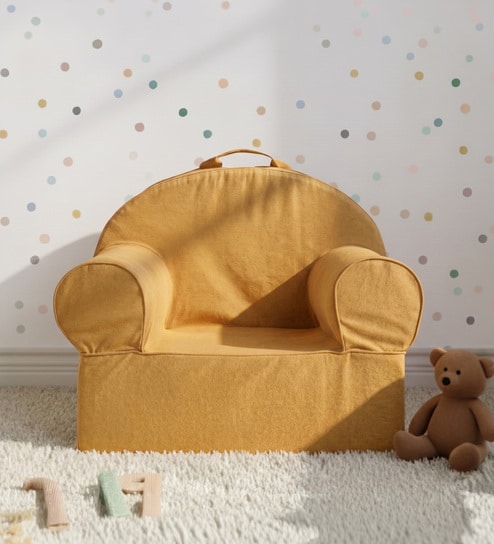
Snuggle Kids Lounge Chair In Mustard Yellow Colour
By NestRoots
12-Month Warranty Available
₹11,999 ₹14,999 (20% off)
EMI starting from ₹577/month
 +3 more colors
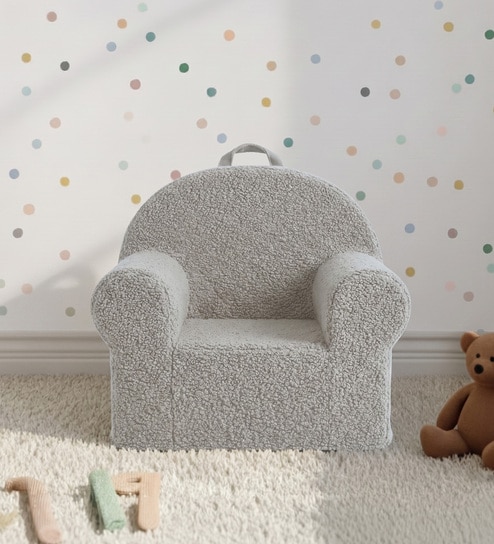
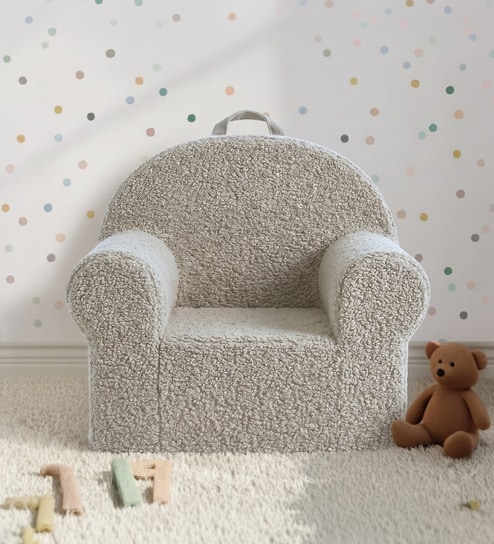
Quilted Corduroy Kids Lounge Chair In Elliot Cream Colour
By NestRoots
12-Month Warranty Available
₹29,999 ₹37,499 (20% off)
EMI starting from ₹1,441/month
 +3 more colors
Quilted Corduroy Kids Lounge Chair In Grey Colour
By NestRoots
12-Month Warranty Available
₹29,999 ₹37,499 (20% off)
EMI starting from ₹1,441/month
Didn't Find What You Were Looking For? Share your Feedback with Us ->
Kids Bedroom - Build a Space Where Your Child Can Rest, Play, and Learn
A kids bedroom for home is more than four walls and a mattress. It is where they dream, tackle homework, play with toys, and slowly figure out who they are. Getting this room right means thinking about safety, function, and a touch of fun.
As one of India's leading online furniture destinations, Pepperfry knows what parents seek: sturdy beds that last through growth spurts, storage that keeps clutter at bay, and designs that spark joy without breaking the budget.
From toddler rooms filled with soft colours to teen spaces needing serious study corners, you will find furniture built for every stage of childhood.
With the right pieces in place, you can build a space your child loves coming home to and a room that actually stays tidy. The trick is choosing furniture that fits current needs while leaving room for growth.
What Kids Bedroom Design Works Best for Each Age?
Children grow fast, and their rooms should keep pace. A toddler needs soft edges and playful colours. A teenager wants a private retreat with room to study and relax. Matching furniture to each stage helps the room work harder and last longer.
Toddler Rooms (Ages 2 to 4)
Keep furniture low to the ground. A toddler bed or junior bed with side rails lets little ones climb in and out safely. Opt for rounded corners and cheerful shades like mint green, soft yellow, or pastel pink.
Storage should sit at child height so your toddler can grab toys and, with a bit of practice, put them back. Soft canvas bins and low open shelves work well here. Browse cribs and starter beds to find options that suit small bodies and smaller rooms.
Primary School Age (Ages 5 to 12)
This is when study corners become important. A dedicated desk and an adjustable chair help build good homework habits early. If siblings share a room, bunk beds save floor space and add a sense of adventure.
Themed decor, from space rockets to jungle animals, can make the room feel special without costing much. Storage units with labelled bins teach children to organise their own belongings, a skill that pays off for years.
Teen Rooms (Ages 13 and Up)
Teenagers want control over their space. Neutral tones like grey, white, or navy work well because they suit changing tastes. A modern kids bedroom design for teens focuses less on whimsy and more on function.
A sturdy study desk with shelves above keeps textbooks, headphones, and chargers within reach. Consider a single bed with built-in drawers to store extra bedding or seasonal clothes. Let your teen have a say in colours and layout. When they feel ownership, they are more likely to keep the room tidy.
Quick tip: As children move from one stage to the next, repaint walls in neutral shades. This makes future updates easier and keeps the room from feeling dated.
In a kid's room, organisation is the key to daily sanity. Establish three dedicated functional zones: a restful sleep area, a quiet study station, and an open floor zone for play. Keep toy storage at child height using soft canvas bins, low open shelving, and pull-out trundle drawers. - Good Homes
Which Furniture Does Your Kids' Bedroom Need?
Every kids' bedroom for home use works better with a few core pieces. The right bed ensures restful sleep. A study setup supports learning. Smart storage keeps toys, books, and clothes off the floor. Start with these basics, then add extras as space and budget allow.
Beds for Every Stage
Start with size and safety. Toddlers do well in low beds with protective rails. Once your child turns five or six, a standard single bed gives more room to stretch. For shared rooms or sleepovers, a bunk bed doubles sleeping space without eating into the play area.
Beds with pull-out drawers underneath are a smart pick for smaller homes. These hidden compartments swallow bedding, seasonal clothes, or extra toys with ease. Check the full range of kids beds to find styles that match your child's age and room size.
Study Tables and Chairs
A desk at the right height reduces strain on the neck and back. Look for adjustable options that grow with your child over several school years. Add a comfortable chair with good lumbar support, and you create a space where homework feels less like a chore.
Wall-mounted shelves above the desk keep books, stationery, and art supplies organised. This frees up desk space for actual work.
Storage Solutions
Clutter builds fast in a child's room. Low wardrobes, cube shelving, and toy chests help your child learn to put things away. Multi-functional pieces, like a bed with trundle drawers or a bench with hidden compartments, make the most of limited square metres.
When storage is easy to access, tidying becomes a habit rather than a battle. Place everyday items at your child's eye level, and watch how quickly they learn to manage their own space.
Quick tip: Label bins with pictures for younger children and words for older ones. Visual cues make tidying simpler.
How Can You Make a Kids' Bedroom Safe?
Parents rightly worry about bumps, toxins, and tipping furniture. A few thoughtful choices reduce these risks and allow children to play freely.
Rounded Corners and Edges
Sharp corners on tables and bed frames are a common source of bruises. Look for kids' bedroom design options with bevelled or rounded edges. If you already own angular furniture, inexpensive soft corner guards offer a quick fix.
Non-Toxic Finishes
Children touch everything, and little ones often put objects in their mouths. Paints and lacquers labelled as non-toxic or zero-VOC are the safer choice. Natural wood with a water-based finish is a reliable option that ages well.
Stability and Anti-Tip Features
Tall bookcases and wardrobes can topple if a curious child climbs them. Secure these units to the wall with brackets or anti-tip straps. Many modern designs come with anchor kits included, so fitting them takes only a few minutes.
Appropriate Bed Heights
For toddlers and young children, a low bed reduces the risk of injury from falls during the night. If you choose a bunk bed, ensure the top bunk has sturdy guardrails on all sides. Most bunk beds from reputable sellers include these rails as standard.
Quick tip: Crouch down to your child's eye level and scan the room. You will spot hazards, like loose cords or wobbly shelves, that adults often overlook from standing height.
Children spend hours on the floor playing and studying at their desks, making material safety paramount. Opt for zero-VOC paints, natural solid woods, and hypoallergenic organic cotton rugs. Structurally, choose soft, rounded corners on desks and bed frames to prevent bumps. - Better Interiors
Frequently Asked Questions (FAQs)
1. What furniture pieces should I start with for a kids bedroom?
A bed suited to your child's age is the first step. Add a study table and chair once your child begins school. After that, focus on storage like a low wardrobe or a set of shelves. These three pieces cover sleep, study, and organisation without crowding the room.
2. Are the paints and finishes on kids' furniture non toxic and child-safe?
Most furniture sold through Pepperfry uses paints and lacquers that meet safety standards. Look for labels mentioning zero VOC or water based finishes. If you need more detail, check the product description or contact customer support before placing your order.
3. At what age should a child move from a toddler bed to a single bed?
Most children outgrow a toddler bed between ages three and five. Once your child feels cramped or starts climbing out often, it is time for a standard single bed. A bed with low side rails can ease the switch.
4. Do bunk beds come with safety rails included?
Yes, bunk beds from Pepperfry typically include guardrails on the top bunk. Always verify the rail height in the product specifications to ensure it meets your child's needs.
5. What warranty do kids' furniture items carry?
Warranty terms vary by product and seller. Most solid wood beds carry a one year warranty covering manufacturing defects. Check the warranty details on each product page before ordering.
6. Can furniture be adjusted as my child grows?
Some desks and chairs offer height adjustment, making them useful for several years. Beds generally do not resize, so plan to upgrade as your child enters new growth stages. Choosing timeless colours helps furniture blend in longer
 FurnitureSofas, Sectional Sofas, Sofa Cum Beds, Chaise Loungers, Sofa Chairs, Ottomans, Stools & Pouffes, Beds, Bedside Tables, Trunks, Chest of Drawers, Dressing Tables, Kids and Teens, Dining Sets, Dining Chairs, Dining Tables, Crockery Units, Bar Furniture, Wardrobes, Outdoor, Massagers, Furniture Care, Recliners, Chairs, Gaming Chairs, Settees & Benches, Shoe Racks, Centre Tables, Side Tables, TV & Media Units, Cabinets & Sideboards, Screens and Dividers, Home Temples, Study Tables, Office Furniture, Wall Shelves and Cabinets, Book Shelves, Book Cases, Bean Bags
- Sofas
- Sectional Sofas
- Sofa Cum Beds
- Chaise Loungers
- Sofa Chairs
- Ottomans
- Stools & Pouffes
- Beds
- Bedside Tables
- Trunks
- Chest of Drawers
- Dressing Tables
- Kids and Teens
- Dining Sets
- Dining Chairs
- Dining Tables
- Crockery Units
- Bar Furniture
- Wardrobes
- Outdoor
- Massagers
- Furniture Care
- Recliners
- Chairs
- Gaming Chairs
- Settees & Benches
- Shoe Racks
- Centre Tables
- Side Tables
- TV & Media Units
- Cabinets & Sideboards
- Screens and Dividers
- Home Temples
- Study Tables
- Office Furniture
- Wall Shelves and Cabinets
- Book Shelves
- Book Cases
- Bean Bags
 Sofas & SeatingSofas, Sofa Sets, Sectional Sofas, Sofa Cum Beds, Recliners, Recliner Sets, Chaise Loungers, Sofa Chairs, Bean Bags, Accent Chairs, Office Chairs, Gaming Chairs, Dining Chairs, Bar Seating, Settees & Benches, Ottomans, Stools & Pouffes, Outdoor Seating, Furniture Care, Top Collections, Top Brands
- Sofas
- Sofa Sets
- Sectional Sofas
- Sofa Cum Beds
- Recliners
- Recliner Sets
- Chaise Loungers
- Sofa Chairs
- Bean Bags
- Accent Chairs
- Office Chairs
- Gaming Chairs
- Dining Chairs
- Bar Seating
- Settees & Benches
- Ottomans
- Stools & Pouffes
- Outdoor Seating
- Furniture Care
- Top Collections
- Top Brands
 MattressesKing Size Mattresses, Queen Size Mattresses, Single Size Mattresses, Foldable Mattresses, Crib Mattresses, Mattress Protectors, Mattress Toppers, Pillows, Mattresses By Feature, Top Brands
- King Size Mattresses
- Queen Size Mattresses
- Single Size Mattresses
- Foldable Mattresses
- Crib Mattresses
- Mattress Protectors
- Mattress Toppers
- Pillows
- Mattresses By Feature
- Top Brands
 DecorShowpieces & Collectibles, Figurines, Table Decor, Vases, Wall Paintings & Prints, Wall Decor, Wallpapers & Decals, Mirrors, Clocks, Photo Frames, Candles & Fragrances, Candle Stands, Artificial Plants & Flowers, Pots & Planters, Gardening, Fountains, Home Mandir, Pooja Essentials, Festive Decor, Kids Decor, Festive Gifting
- Showpieces & Collectibles
- Figurines
- Table Decor
- Vases
- Wall Paintings & Prints
- Wall Decor
- Wallpapers & Decals
- Mirrors
- Clocks
- Photo Frames
- Candles & Fragrances
- Candle Stands
- Artificial Plants & Flowers
- Pots & Planters
- Gardening
- Fountains
- Home Mandir
- Pooja Essentials
- Religious Idols
- Religious Frames
- Pooja Shelves
- Chowkies
- Pooja Wares
- Pooja Fragrances
- Vastu and Feng Shui
- Spiritual Coins and Pendants
- Festive Decor
- Kids Decor
- Festive Gifting
 FurnishingsBed Sheets, Bedding, Blankets and Quilts, Curtains, Cushions and Covers, Sofa Covers and Throws, Chair Covers & Pads, Rugs, Door Mats, Yoga Mats, Picnic Mats, Bath Linen, Bath Mats, Festive Gifting, Kids Furnishings
- Bed Sheets
- Bedding
- Blankets and Quilts
- Curtains
- Cushions and Covers
- Sofa Covers and Throws
- Chair Covers & Pads
- Rugs
- Door Mats
- Yoga Mats
- Picnic Mats
- Bath Linen
- Bath Mats
- Festive Gifting
- Kids Furnishings
 LightingCeiling Lights, Wall Lights, Floor Lamps, Table Lamps, Lamp Shades, Work and Study Lamps, Smart Lights, Night Lamps, Kids Lamps, Outdoor Lights, Decorative Lights
- Ceiling Lights
- Wall Lights
- Floor Lamps
- Table Lamps
- Lamp Shades
- Work and Study Lamps
- Smart Lights
- Night Lamps
- Kids Lamps
- Outdoor Lights
- Decorative Lights
 TablewareCrockery, Cutlery, Drinkware, Barware, Serveware, Table Essentials, Table Linen, Festive Gifting
- Crockery
- Cutlery
- Drinkware
- Tumblers
- Whiskey Glasses
- Wine Glasses
- Beer Mugs
- Cocktail Glasses
- Champagne Glasses
- Shot Glasses
- Jugs
- Dispensers
- Insulated Tumblers
- Barware
- Serveware
- Table Essentials
- Table Linen
- Festive Gifting
 KitchenCookware, Kitchen ware, Bakeware, Kitchen Storage, Kitchen Organizers, Kitchen Linen, Kitchen Appliances, Pepperfry Finds, Festive Gifting
- Cookware
- Kitchen ware
- Knives and Choppers
- Chopping Boards
- Graters
- Spatulas, Ladles and Tongs
- Strainers and Whisks
- Rolling Pins and Boards
- Mortar and Pestles
- Bakeware
- Kitchen Storage
- Kitchen Organizers
- Kitchen Linen
- Kitchen Appliances
- Cooktops
- OTGs & Microwaves
- Chimneys
- Food Makers
- Dishwashers
- Mixers and Processors
- Breakfast Appliances
- Air Fryers
- Pepperfry Finds
- Festive Gifting
 Home Utility & AppliancesStorage & Organizers, Drawer Organizers, House Keeping Tools, Bath Accessories, Laundry Baskets, Laundry Essentials, Wall Shelves and Cabinets, Dividers, Key Holders, Set Top Box Holders, Fridge Magnets, Coat Stands, Office Supplies & Stationary, Pen Stands, Laptop Table for Bed, Rain Essentials, Mosquito Nets, Travel Accessories, Appliances
- Storage & Organizers
- Storage Boxes & Drawers
- Magazine Racks
- Mobile Holders
- Hooks & Hangers
- Cloth Organiser
- Shoe Organizers
- Desk Organizers
- Accessory Holders
- Drawer Organizers
- House Keeping Tools
- Bath Accessories
- Laundry Baskets
- Laundry Essentials
- Wall Shelves and Cabinets
- Dividers
- Key Holders
- Set Top Box Holders
- Fridge Magnets
- Coat Stands
- Office Supplies & Stationary
- Pen Stands
- Laptop Table for Bed
- Rain Essentials
- Mosquito Nets
- Travel Accessories
- Appliances
 LuxuryLiving Room, Bedroom, Dining Room, Home Office