Sign Up & Get Rs.5,000 OFF On Your First Purchase




Home Temples
Find home temples that bring peace and tradition to your living space. From compact wall-mounted mandirs ideal for apartments to grand floor-standing units with ample storage, Pepperfry offers pooja mandirs crafted from quality woods like sheesham and teak. Each piece features intricate carvings and thoughtful designs suited for daily worship. Browse our collection to find a mandir that fits your home and your heart.


Filter By More Filters
Sort By
Showing 1-40 of 339 options

New Arrivals
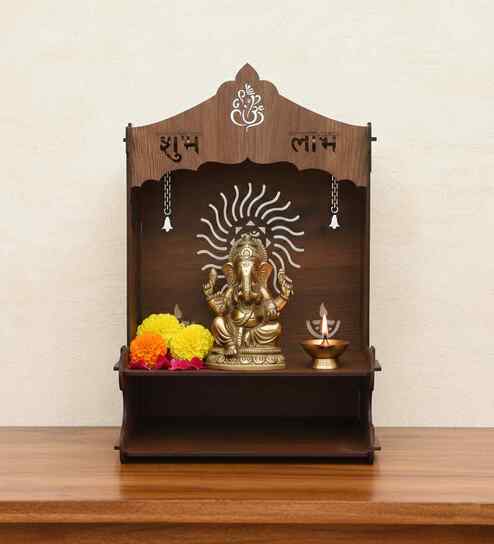
Mangal Ganesha Printed Wooden Pooja Stand
By Shiv Furniture
₹850 ₹1,700 (50% off)
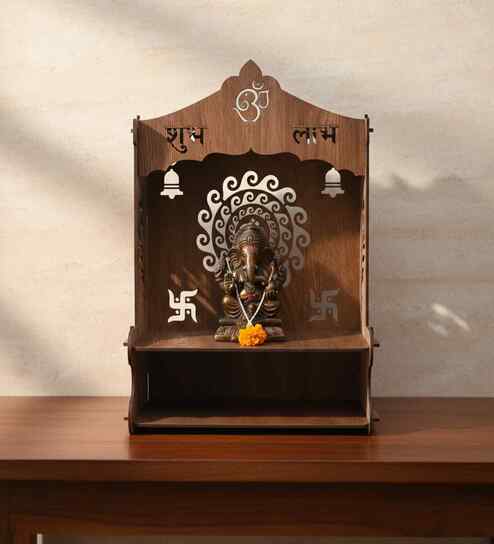
Royal Walnut Finish Om Printed Wooden Pooja Mandir
By Shiv Furniture
₹850 ₹1,700 (50% off)
Express Shipping in 2 days
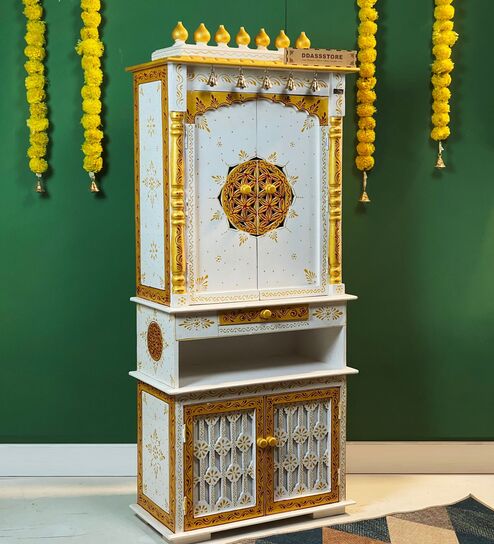
White Red Gold MDF & Sheesham Puja Mandir with Door & Cabinet Storage
By D'Dass
3-Month Warranty Available
₹14,439 ₹27,999 (48% off)
EMI starting from ₹694/month
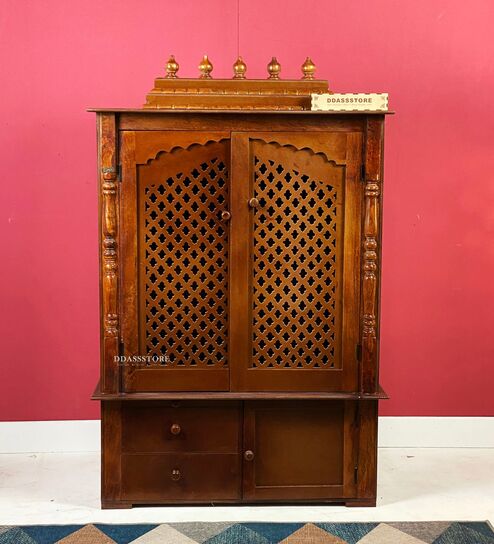
Honey MDF & Sheesham Wooden Temple with Door & Cabinet Storage
By D'Dass
3-Month Warranty Available
₹16,399 ₹36,499 (55% off)
EMI starting from ₹788/month
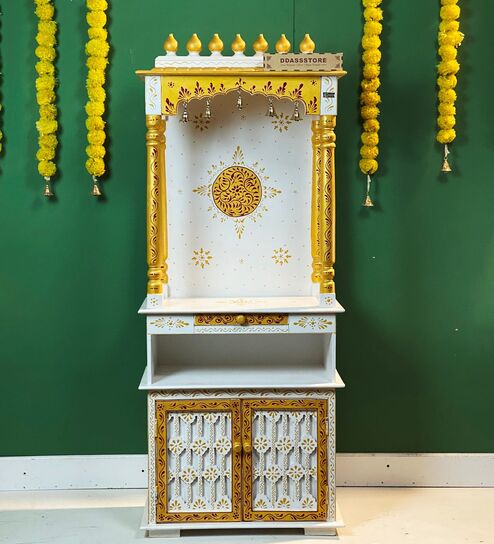
White Red Gold MDF & Sheesham Open Puja Mandir with Cabinet Storage
By D'Dass
3-Month Warranty Available
₹14,439 ₹27,999 (48% off)
EMI starting from ₹694/month
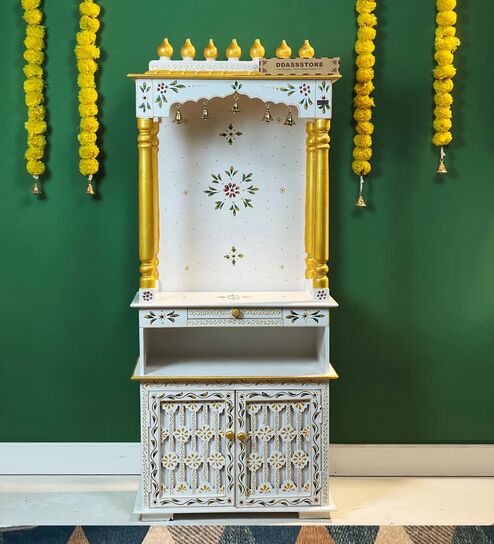
White Leaf MDF & Sheesham Open Puja Mandir with Cabinet Storage
By D'Dass
3-Month Warranty Available
₹14,439 ₹27,999 (48% off)
EMI starting from ₹694/month
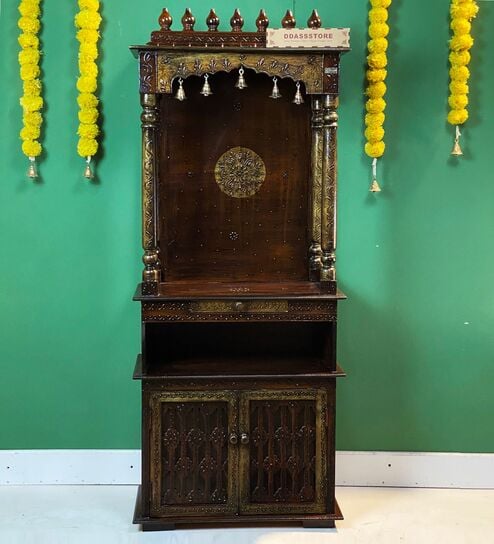
Copper Finish MDF & Sheesham Open Puja Mandir with Cabinet Storage
By D'Dass
3-Month Warranty Available
₹15,199 ₹27,999 (46% off)
EMI starting from ₹730/month
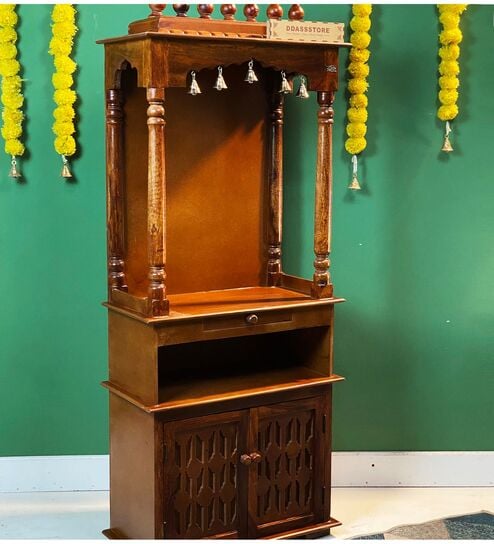
Honey Finish MDF & Sheesham Open Puja Mandir with Cabinet Storage
By D'Dass
3-Month Warranty Available
₹11,799 ₹26,299 (55% off)
EMI starting from ₹567/month
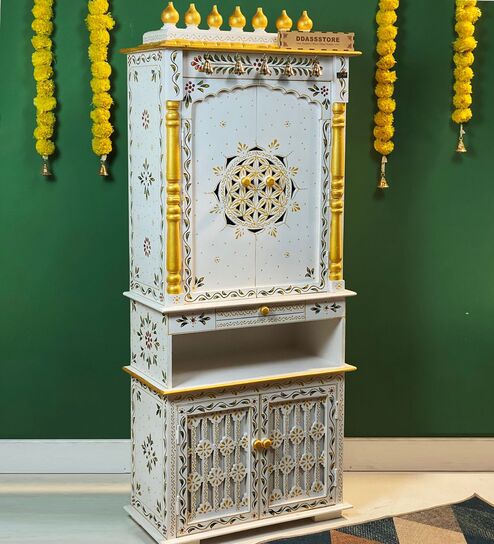
White Leaf MDF & Sheesham Puja Mandir with Door & Cabinet Storage
By D'Dass
3-Month Warranty Available
₹14,439 ₹27,999 (48% off)
EMI starting from ₹694/month
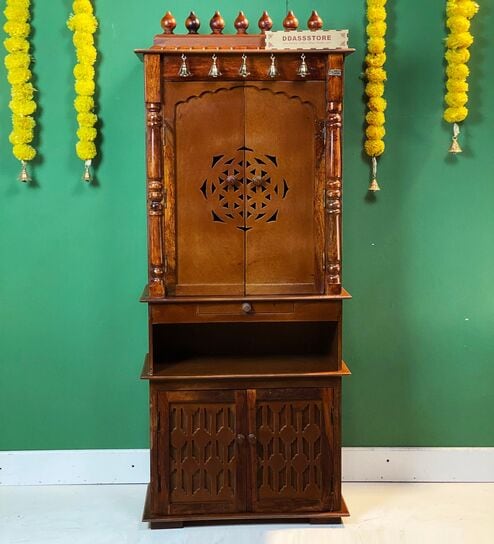
Honey Finish MDF & Sheesham Puja Mandir with Door & Cabinet Storage
By D'Dass
3-Month Warranty Available
₹15,199 ₹27,999 (46% off)
EMI starting from ₹730/month
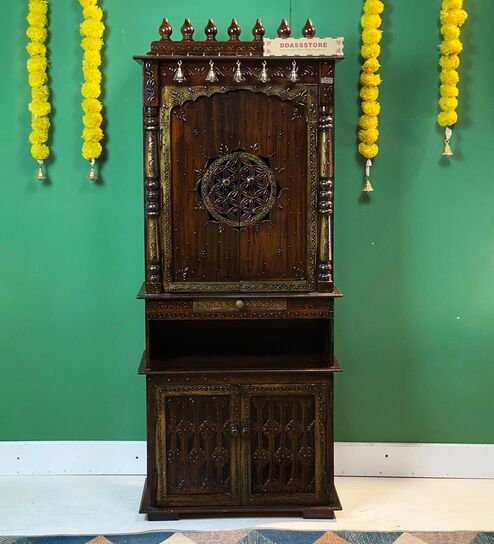
Copper Finish MDF & Sheesham Puja Mandir with Door & Cabinet Storage
By D'Dass
3-Month Warranty Available
₹11,799 ₹26,299 (55% off)
EMI starting from ₹567/month
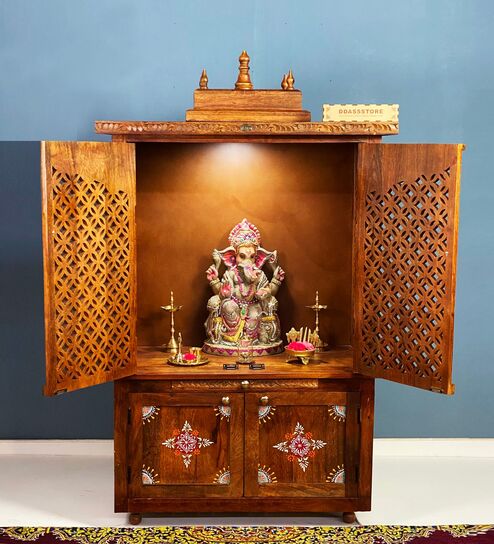
Honey finish Solid Sheesham Wooden Temple
By D'Dass
3-Month Warranty Available
₹37,999 ₹49,999 (24% off)
EMI starting from ₹1,825/month
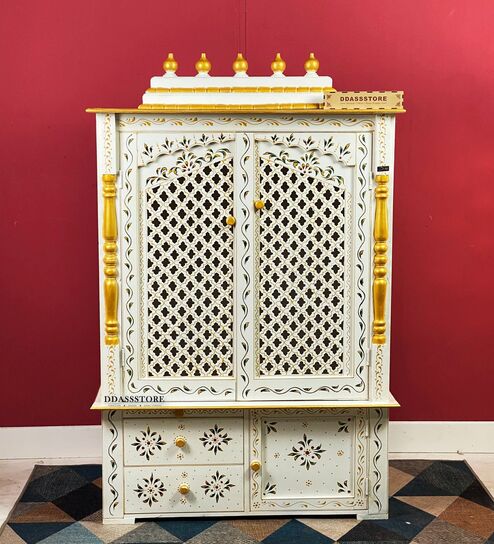
White Leaf MDF & Sheesham Wooden Temple with Door & Cabinet Storage
By D'Dass
3-Month Warranty Available
₹19,859 ₹35,999 (45% off)
EMI starting from ₹954/month
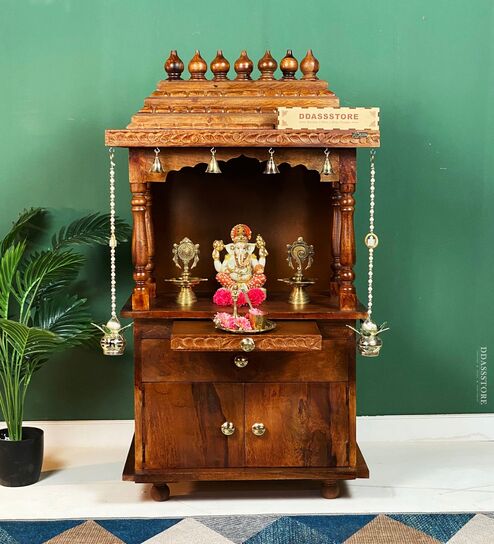
Honey finish Solid Sheesham Wooden Temple
By D'Dass
3-Month Warranty Available
₹16,249 ₹29,999 (46% off)
EMI starting from ₹781/month
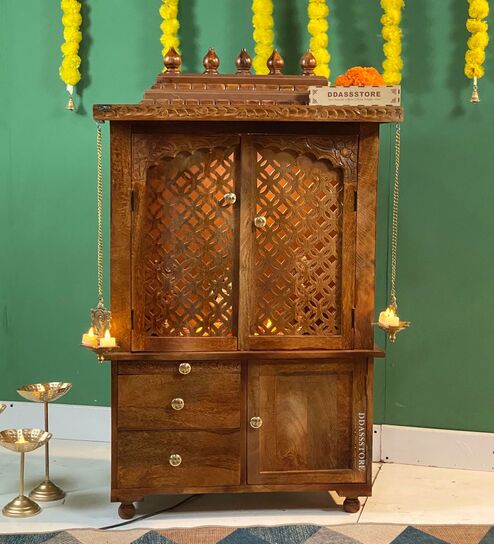
Honey finish Solid Sheesham Wooden Temple
By D'Dass
3-Month Warranty Available
₹31,539 ₹50,000 (37% off)
EMI starting from ₹1,515/month
New Arrivals
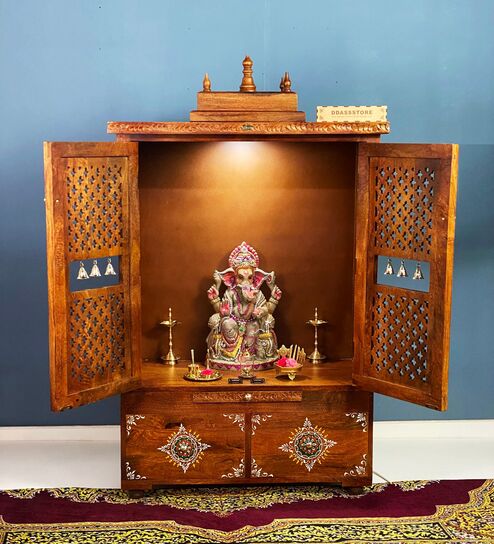
Honey finish Solid Sheesham Wooden Temple
By D'Dass
3-Month Warranty Available
₹36,099 ₹49,999 (28% off)
EMI starting from ₹1,734/month
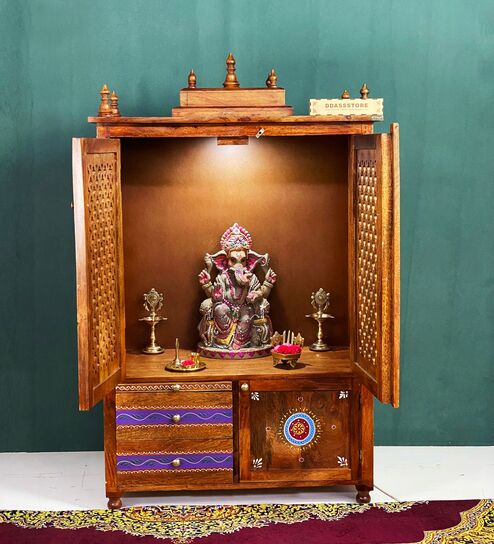
Honey finish Solid Sheesham Wooden Temple
By D'Dass
3-Month Warranty Available
₹36,099 ₹49,999 (28% off)
EMI starting from ₹1,734/month
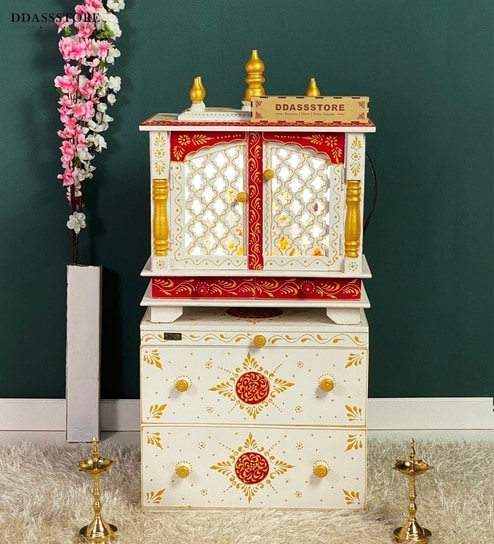
White MDF & Sheesham Wooden Temple with Cabinet
By D'Dass
3-Month Warranty Available
₹7,889 ₹14,999 (47% off)
EMI starting from ₹379/month
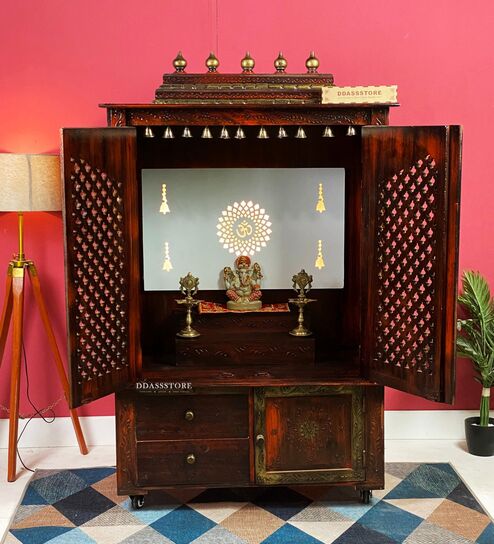
Copper Finish MDF & Sheesham Wooden Temple with Door & Cabinet Storage
By D'Dass
3-Month Warranty Available
₹16,399 ₹36,499 (55% off)
EMI starting from ₹788/month
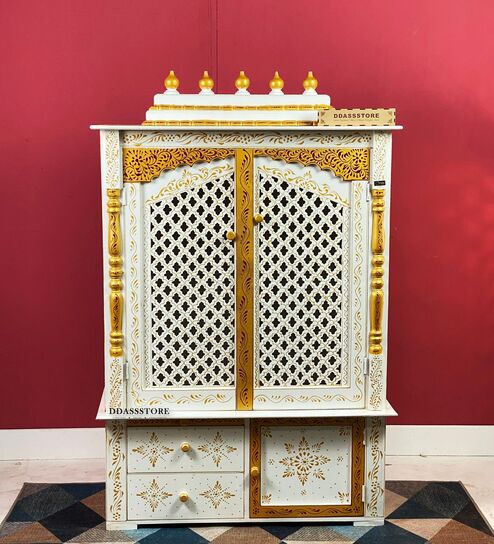
White Red Gold MDF & Sheesham Wooden Temple with Door & Cabinet Storage
By D'Dass
3-Month Warranty Available
₹19,859 ₹35,999 (45% off)
EMI starting from ₹954/month
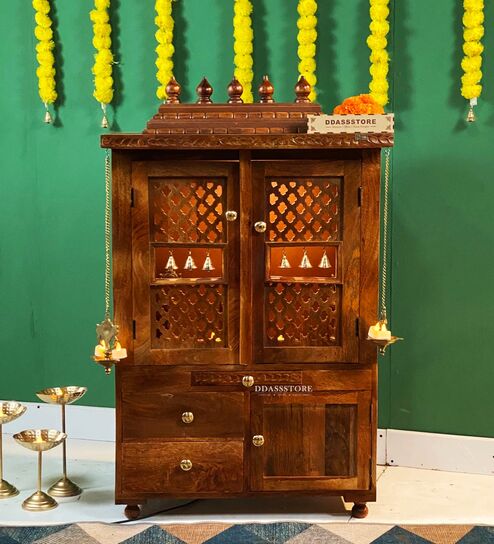
Honey finish Solid Sheesham Wooden Temple
By D'Dass
3-Month Warranty Available
₹31,539 ₹50,000 (37% off)
EMI starting from ₹1,515/month
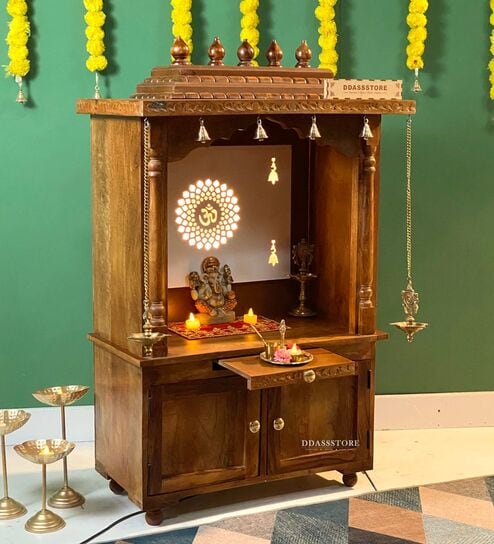
Honey finish Solid Sheesham Wooden Temple
By D'Dass
3-Month Warranty Available
₹31,539 ₹50,000 (37% off)
EMI starting from ₹1,515/month
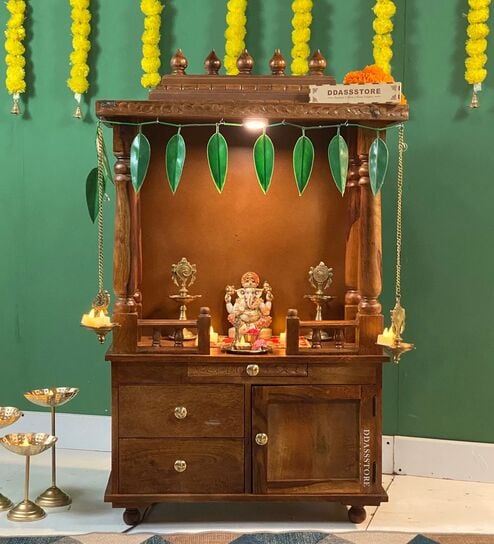
Honey finish Solid Sheesham Wooden Temple
By D'Dass
3-Month Warranty Available
₹25,559 ₹50,000 (49% off)
EMI starting from ₹1,228/month
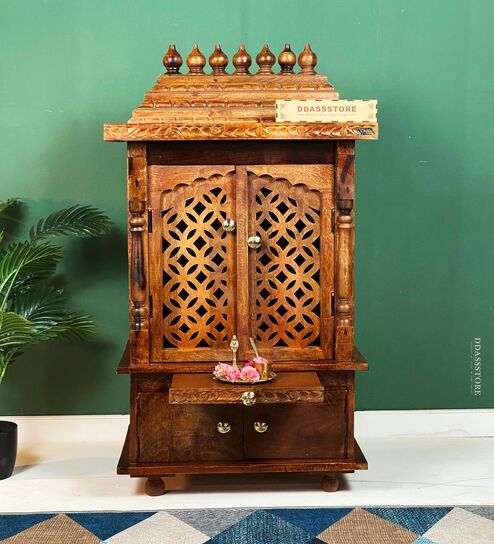
Honey finish Solid Sheesham Wooden Temple
By D'Dass
3-Month Warranty Available
₹17,099 ₹29,999 (43% off)
EMI starting from ₹821/month
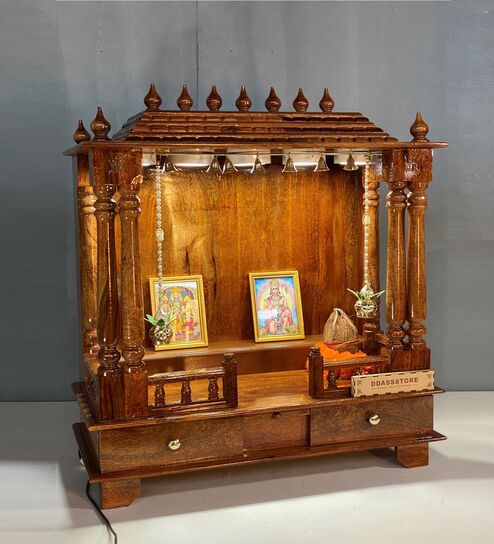
Honey finish Solid Sheesham Wooden Temple
By D'Dass
3-Month Warranty Available
₹37,909 ₹45,299 (16% off)
EMI starting from ₹1,821/month
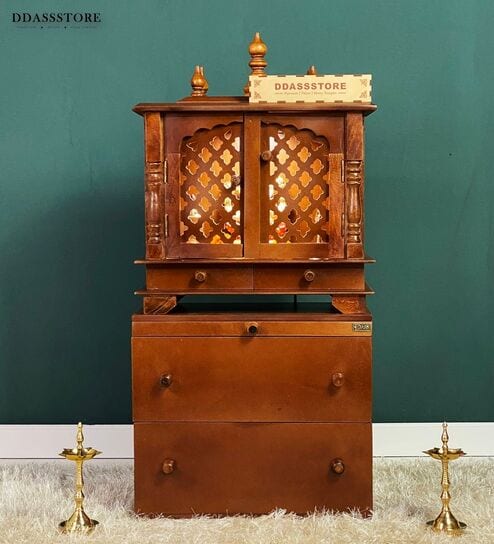
Brown MDF & Sheesham Wooden Temple with Cabinet
By D'Dass
3-Month Warranty Available
₹7,889 ₹14,999 (47% off)
EMI starting from ₹379/month
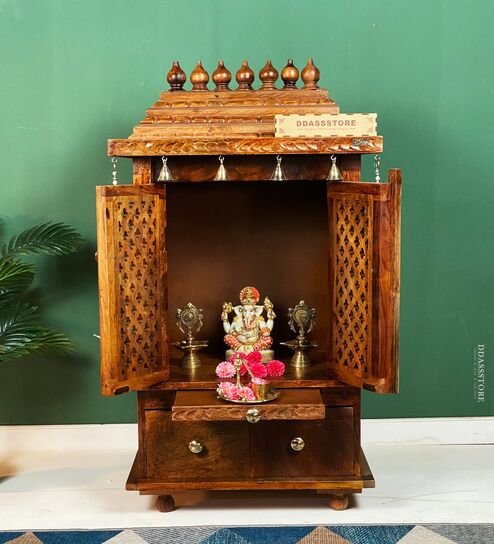
Honey finish Solid Sheesham Wooden Temple
By D'Dass
3-Month Warranty Available
₹16,249 ₹29,999 (46% off)
EMI starting from ₹781/month
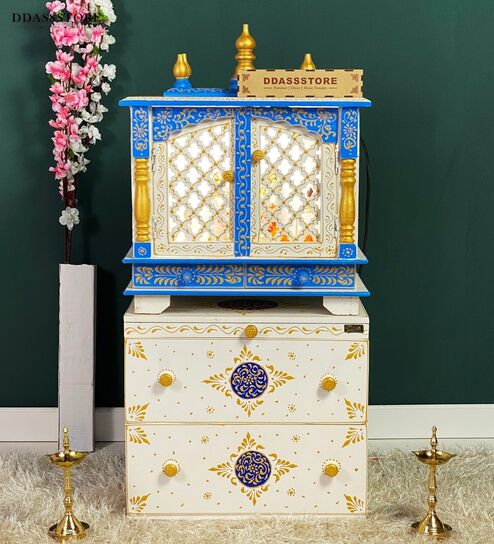
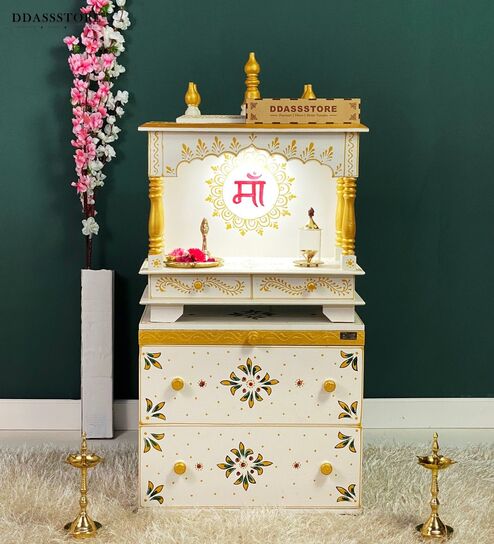
White MDF & Sheesham Wooden Temple with Cabinet
By D'Dass
3-Month Warranty Available
₹7,889 ₹14,999 (47% off)
EMI starting from ₹379/month
New Arrivals
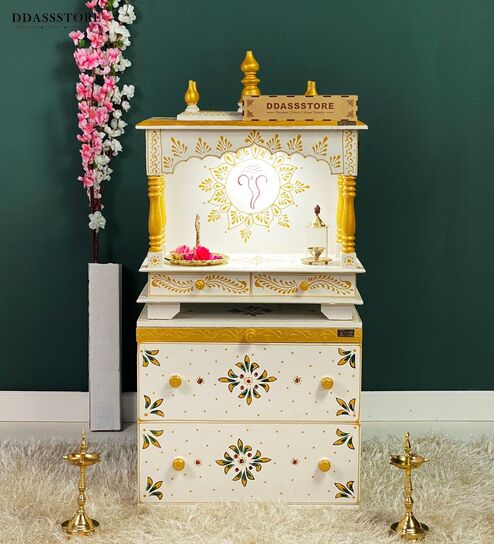
White Sheesham Wooden Temple with Cabinet
By D'Dass
3-Month Warranty Available
₹7,889 ₹14,999 (47% off)
EMI starting from ₹379/month
New Arrivals
White MDF & Sheesham Wooden Temple with Cabinet
By D'Dass
3-Month Warranty Available
₹7,889 ₹14,999 (47% off)
EMI starting from ₹379/month

White MDF & Sheesham Wooden Temple with Cabinet
By D'Dass
3-Month Warranty Available
₹7,889 ₹14,999 (47% off)
EMI starting from ₹379/month

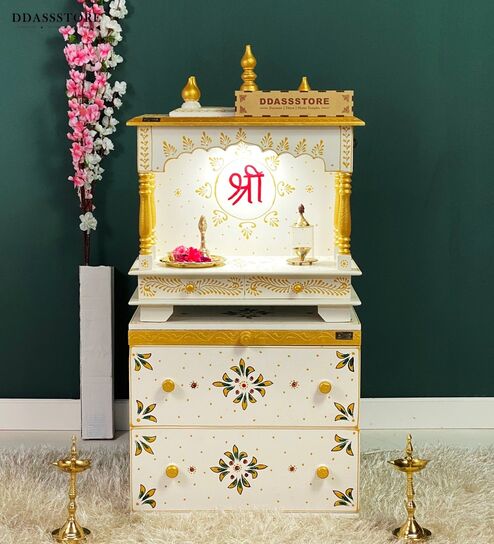
Black MDF & Sheesham Wooden Temple with Cabinet
By D'Dass
3-Month Warranty Available
₹7,889 ₹14,999 (47% off)
EMI starting from ₹379/month
New Arrivals
White MDF & Sheesham Wooden Temple with Cabinet
By D'Dass
3-Month Warranty Available
₹7,889 ₹14,999 (47% off)
EMI starting from ₹379/month

New Arrivals
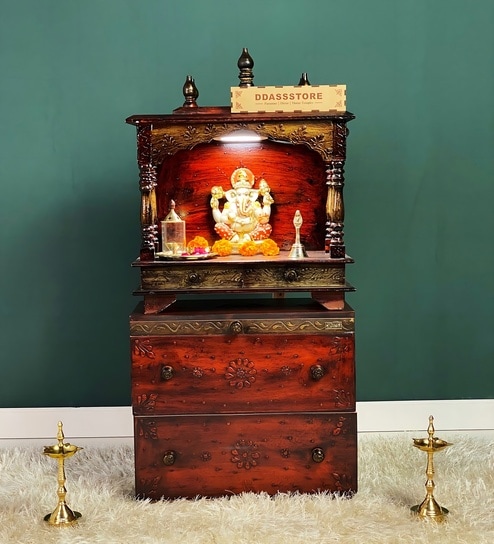
White MDF & Sheesham Wooden Temple with Cabinet
By D'Dass
3-Month Warranty Available
₹7,889 ₹14,999 (47% off)
EMI starting from ₹379/month
New Arrivals
Brown MDF & Sheesham Wooden Temple with Cabinet
By D'Dass
3-Month Warranty Available
₹7,889 ₹14,999 (47% off)
EMI starting from ₹379/month

White MDF & Sheesham Wooden Temple with Cabinet
By D'Dass
3-Month Warranty Available
₹8,269 ₹14,999 (45% off)
EMI starting from ₹398/month
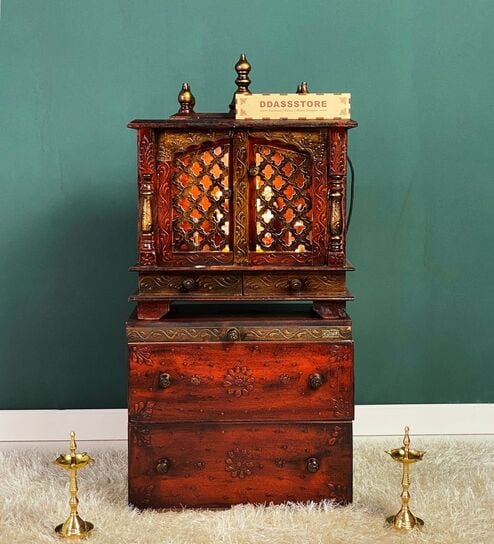
Brown Engineered Wooden Temple With Cabinet
By D'Dass
3-Month Warranty Available
₹7,889 ₹14,999 (47% off)
EMI starting from ₹379/month
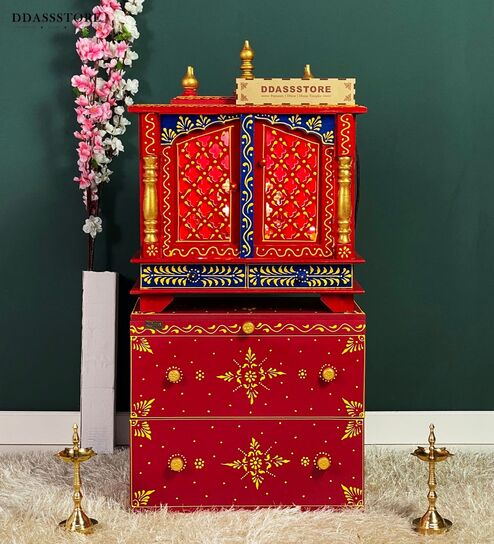
New Arrivals
Maroon MDF & Sheesham Wooden Temple with Cabinet
By D'Dass
3-Month Warranty Available
₹7,889 ₹14,999 (47% off)
EMI starting from ₹379/month
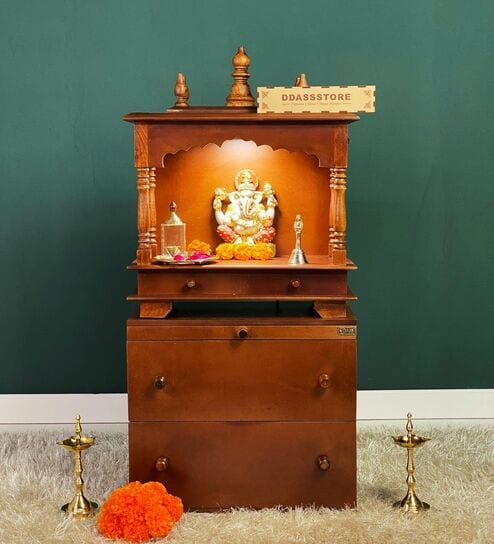
Brown MDF & Sheesham Wooden Temple with Cabinet
By D'Dass
3-Month Warranty Available
₹7,889 ₹14,999 (47% off)
EMI starting from ₹379/month
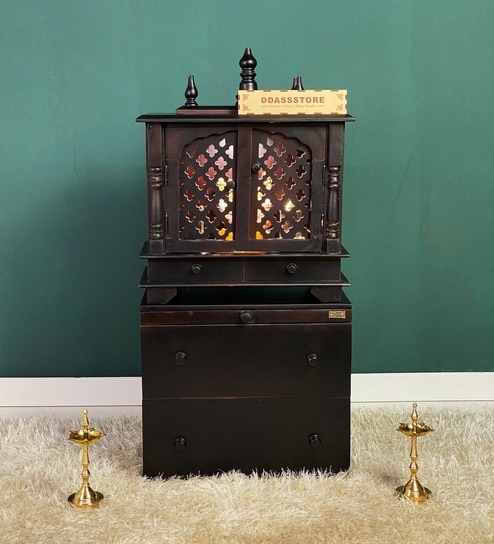
Black MDF & Sheesham Wooden Temple with Cabinet
By D'Dass
3-Month Warranty Available
₹7,889 ₹14,999 (47% off)
EMI starting from ₹379/month
Didn't Find What You Were Looking For? Share your Feedback with Us ->
Home Temples - Beautifully Crafted Pooja Mandirs for Every Home
A home temple creates a quiet corner for prayer, reflection, and family gatherings during festivals. For many Indian households, the mandir is more than furniture. It holds memories, rituals, and a sense of continuity across generations. But finding the right one can feel tricky. Should you go for a compact wall-mounted design or a larger floor-standing unit? What wood lasts longest? Where should you place it?
At Pepperfry, we stock home temples in a range of styles, sizes, and materials to suit different homes and budgets. Each pooja mandir for home online is crafted with attention to detail, from hand-carved motifs to sturdy shelving for your prayer essentials.
Whether you live in a cosy flat or a spacious independent house, there's a mandir that fits your needs. Pair your new temple with religious idols or diyas for a complete setup that's ready for daily worship or festive celebrations.
What Types of Home Temples and Pooja Mandirs Can You Choose From?
Home temple and mandir refer to the same thing: a dedicated space or unit for daily worship. The right format depends on your available space, storage needs, and personal preference. Below are the main types worth considering when you buy a home temple online.
Wall-Mounted Mandirs
Wall-mounted mandirs are a smart pick for apartments and smaller homes. They sit off the floor, which saves precious square footage and keeps your prayer items at a comfortable height. Most feature a central compartment for idols, smaller shelves for diyas and incense holders, and decorative carvings along the frame.
These units work particularly well in rental homes where drilling a few holes is easier than dedicating floor space. Installation is straightforward, and many designs come with pre-drilled mounting points. If you're short on room but still want a meaningful spot for worship, a wall-mounted option fits the bill.
As Architectural Digest India notes - For compact homes, consider a freestanding pooja unit, convert a niche into a pooja room or go for a wall-mounted unit.
Floor-Standing Temple Units
Floor-standing mandirs offer more room for your prayer essentials. These larger units often come with built-in drawers or cabinets, giving you space to store pooja accessories, extra incense sticks, and ceremonial items. They work well in dedicated pooja rooms or living areas where you have a clear corner to spare.
The added height and presence make them a natural focal point during festivals and special occasions. Many floor-standing designs include ornate canopies, dome-shaped tops, or temple-style pillars that add grandeur to your home. The home temple cost for these units varies based on size, wood type, and carving complexity.
Corner Units
Corner mandirs tuck neatly into the junction of two walls, making them ideal for homes where a full corner is available but floor space is limited. They typically feature triangular shelving and a canopy-style top with traditional detailing.
A corner mandir turns an often-overlooked part of your room into a meaningful ritual space. These units work particularly well in homes where the north-east corner is free but narrow. Their angled design maximises storage while occupying minimal floor area, and they often become conversation pieces thanks to their distinctive shape.
Popular Wood Types and Carving Styles
Solid wood mandirs are the most common choice for their durability and natural warmth. Sheesham (Indian rosewood) offers rich grain patterns and a deep brown tone that ages gracefully. Teak is known for its strength and resistance to moisture and termites, making it a practical long-term investment. Mango wood provides a lighter colour and works well for contemporary homes seeking a softer aesthetic.
Carving styles range from intricate jali work to bold floral motifs and peacock designs. Some mandirs feature brass accents or hand-painted details for a more ornate look. Your choice depends on your home's overall aesthetic and how much visual detail you prefer. Traditional homes often suit heavily carved pieces, while modern interiors benefit from cleaner lines and simpler ornamentation.
Quick tip: Match your mandir's wood tone to your existing furniture for a cohesive look. A sheesham mandir pairs well with rosewood dining tables, while teak complements lighter oak and pine pieces.
Where Should You Place Your Home Temple?
Before you buy a mandir online, it helps to think about where it will sit in your home. Placement affects daily convenience, lighting, and the overall feel of your ritual space. Here's some practical guidance to consider when setting up your home temple in India.
Directional Considerations
Traditional wisdom suggests placing your mandir in the north-east corner of your home, as this direction is associated with positive energy and morning light. That said, not every home layout makes this possible. If north-east isn't available, east or west-facing positions work well too.
As Architectural Digest India advises - In a space-starved apartment, the best direction for a Pooja room is the north-east, but if that is not available then even the west or east should work.
Avoid placing your mandir directly facing the main door or inside bedrooms and bathrooms. A quiet, clean spot where the family can gather comfortably is ideal. Many families choose a dedicated alcove in the living room or a converted storage niche.
Good to know: Browse Pepperfry's religious idols collection to find the perfect deities for your new mandir.
Space for Daily Rituals
Think about how you'll use your home temple each day. Do you light diyas and incense every morning? If so, ensure there's enough clearance around the unit for you to sit or stand comfortably. Leave a few centimetres of breathing room between the mandir and any walls or curtains, especially if you use oil lamps or candles. Good ventilation helps keep the area fresh and reduces smoke buildup.
If you have a dedicated pooja room, consider adding a small stool or mat in front of the mandir. For wall-mounted units in living rooms, make sure the placement height allows you to reach all shelves without straining. The idol shelf should sit roughly at eye level when you're seated for prayer.
For families with young children, consider placing the mandir at a height that's safe yet accessible during guided prayers. Teaching children about daily rituals becomes easier when they can participate comfortably. A dedicated shelf for child-friendly prayer items, like small bells or simple diyas, encourages involvement from an early age.
Keep in mind: If you're placing a floor-standing mandir, check door widths and hallway clearance before ordering. Measure twice to avoid surprises on delivery day.
Frequently Asked Questions (FAQs)
1. What is the difference between a wall-mounted and floor-standing mandir?
A wall mounted mandir attaches to your wall, keeping the floor clear. It suits apartments and smaller rooms where space is at a premium. A floor standing mandir sits on the ground and typically offers more storage through drawers or cabinets. It works best in dedicated pooja rooms or larger living spaces. Your choice depends on available room and how much storage you need for prayer items.
2. What wood is most durable for a home temple?
Teak is considered one of the most durable options due to its natural resistance to moisture, warping, and termites. It ages gracefully and requires minimal upkeep. Sheesham is another solid choice, offering beautiful grain patterns and good strength. Mango wood provides a more affordable alternative and works well in drier climates. All three hold up well with basic care, such as dusting and occasional polishing with a soft cloth.
3. Does the home temple include storage for pooja items?
Many floor standing mandirs come with built in drawers or shelves designed for storing pooja accessories like incense, camphor, prayer books, and spare diyas. Wall mounted units usually have smaller compartments and open shelving, which suit everyday essentials but may not accommodate larger ceremonial items. Check the product description for specific storage details before ordering.
4. What size suits a small apartment puja corner?
For small apartments, a wall mounted mandir measuring around 45 to 60 centimetres in width works well. This size provides enough room for idols and basic prayer accessories without overwhelming the space. If you prefer a floor standing option, look for compact units under 60 centimetres wide. Corner mandirs are another smart solution, as they use otherwise unused wall junctions. Always measure your intended spot before selecting a size.
5. What is the warranty on the wood and finish?
Pepperfry offers warranty coverage on most home temples, typically ranging from one to three years depending on the product and manufacturer. The warranty generally covers manufacturing defects in the wood structure and finish. Normal wear, scratches from use, and damage from improper care are usually excluded. Review the warranty terms on each product page for specific details before completing your purchase.
6. Is assembly required on delivery?
Most home temples arrive fully assembled or require minimal setup. Wall mounted mandirs need secure fixing to your wall, and Pepperfry offers expert installation services for select products. Floor standing units are often delivered ready to use, though some larger pieces may require attaching a top canopy or decorative elements. Delivery notes will indicate any assembly requirements so you can plan accordingly.
 FurnitureSofas, Sectional Sofas, Sofa Cum Beds, Chaise Loungers, Bean Bags, Recliners, Sofa Chairs, Settees & Benches, Ottomans, Chairs, Gaming Chairs, Stools & Pouffes, Shoe Racks, Centre Tables, Side Tables, TV & Media Units, Cabinets & Sideboards, Book Shelves, Book Cases, Dining Sets, Dining Chairs, Dining Tables, Crockery Units, Bar Furniture, Beds, Bedside Tables, Trunks, Chest of Drawers, Dressing Tables, Screens and Dividers, Wardrobes, Kids and Teens, Study Tables, Office Furniture, Home Temples, Wall Shelves and Cabinets, Outdoor, Massagers, Furniture Care
- Sofas
- Sectional Sofas
- Sofa Cum Beds
- Chaise Loungers
- Bean Bags
- Recliners
- Sofa Chairs
- Settees & Benches
- Ottomans
- Chairs
- Gaming Chairs
- Stools & Pouffes
- Shoe Racks
- Centre Tables
- Side Tables
- TV & Media Units
- Cabinets & Sideboards
- Book Shelves
- Book Cases
- Dining Sets
- Dining Chairs
- Dining Tables
- Crockery Units
- Bar Furniture
- Beds
- Bedside Tables
- Trunks
- Chest of Drawers
- Dressing Tables
- Screens and Dividers
- Wardrobes
- Kids and Teens
- Study Tables
- Office Furniture
- Home Temples
- Wall Shelves and Cabinets
- Outdoor
- Massagers
- Furniture Care
 Sofas & SeatingSofas, Sofa Sets, Sectional Sofas, Sofa Cum Beds, Recliners, Recliner Sets, Chaise Loungers, Sofa Chairs, Bean Bags, Accent Chairs, Office Chairs, Gaming Chairs, Dining Chairs, Bar Seating, Settees & Benches, Ottomans, Stools & Pouffes, Outdoor Seating, Furniture Care, Top Collections, Top Brands
- Sofas
- Sofa Sets
- Sectional Sofas
- Sofa Cum Beds
- Recliners
- Recliner Sets
- Chaise Loungers
- Sofa Chairs
- Bean Bags
- Accent Chairs
- Office Chairs
- Gaming Chairs
- Dining Chairs
- Bar Seating
- Settees & Benches
- Ottomans
- Stools & Pouffes
- Outdoor Seating
- Furniture Care
- Top Collections
- Top Brands
 MattressesKing Size Mattresses, Queen Size Mattresses, Single Size Mattresses, Foldable Mattresses, Crib Mattresses, Mattress Protectors, Mattress Toppers, Pillows, Mattresses By Feature, Top Brands
- King Size Mattresses
- Queen Size Mattresses
- Single Size Mattresses
- Foldable Mattresses
- Crib Mattresses
- Mattress Protectors
- Mattress Toppers
- Pillows
- Mattresses By Feature
- Top Brands
 DecorShowpieces & Collectibles, Figurines, Table Decor, Vases, Wall Paintings & Prints, Wall Decor, Wallpapers & Decals, Mirrors, Clocks, Photo Frames, Candles & Fragrances, Candle Stands, Artificial Plants & Flowers, Pots & Planters, Gardening, Fountains, Home Mandir, Pooja Essentials, Festive Decor, Kids Decor, Festive Gifting
- Showpieces & Collectibles
- Figurines
- Table Decor
- Vases
- Wall Paintings & Prints
- Wall Decor
- Wallpapers & Decals
- Mirrors
- Clocks
- Photo Frames
- Candles & Fragrances
- Candle Stands
- Artificial Plants & Flowers
- Pots & Planters
- Gardening
- Fountains
- Home Mandir
- Pooja Essentials
- Religious Idols
- Religious Frames
- Pooja Shelves
- Chowkies
- Pooja Wares
- Pooja Fragrances
- Vastu and Feng Shui
- Spiritual Coins and Pendants
- Festive Decor
- Kids Decor
- Festive Gifting
 FurnishingsBed Sheets, Bedding, Blankets and Quilts, Curtains, Cushions and Covers, Sofa Covers and Throws, Chair Covers & Pads, Rugs, Door Mats, Yoga Mats, Picnic Mats, Bath Linen, Bath Mats, Festive Gifting, Kids Furnishings
- Bed Sheets
- Bedding
- Blankets and Quilts
- Curtains
- Cushions and Covers
- Sofa Covers and Throws
- Chair Covers & Pads
- Rugs
- Door Mats
- Yoga Mats
- Picnic Mats
- Bath Linen
- Bath Mats
- Festive Gifting
- Kids Furnishings
 LightingCeiling Lights, Wall Lights, Floor Lamps, Table Lamps, Lamp Shades, Work and Study Lamps, Smart Lights, Night Lamps, Kids Lamps, Outdoor Lights, Decorative Lights
- Ceiling Lights
- Wall Lights
- Floor Lamps
- Table Lamps
- Lamp Shades
- Work and Study Lamps
- Smart Lights
- Night Lamps
- Kids Lamps
- Outdoor Lights
- Decorative Lights
 TablewareCrockery, Cutlery, Drinkware, Barware, Serveware, Table Essentials, Table Linen, Festive Gifting
- Crockery
- Cutlery
- Drinkware
- Tumblers
- Whiskey Glasses
- Wine Glasses
- Beer Mugs
- Cocktail Glasses
- Champagne Glasses
- Shot Glasses
- Jugs
- Dispensers
- Insulated Tumblers
- Barware
- Serveware
- Table Essentials
- Table Linen
- Festive Gifting
 KitchenCookware, Kitchen ware, Bakeware, Kitchen Storage, Kitchen Organizers, Kitchen Linen, Kitchen Appliances, Pepperfry Finds, Festive Gifting
- Cookware
- Kitchen ware
- Knives and Choppers
- Chopping Boards
- Graters
- Spatulas, Ladles and Tongs
- Strainers and Whisks
- Rolling Pins and Boards
- Mortar and Pestles
- Bakeware
- Kitchen Storage
- Kitchen Organizers
- Kitchen Linen
- Kitchen Appliances
- Cooktops
- OTGs & Microwaves
- Chimneys
- Food Makers
- Dishwashers
- Mixers and Processors
- Breakfast Appliances
- Air Fryers
- Pepperfry Finds
- Festive Gifting
 Home UtilityStorage & Organizers, Drawer Organizers, House Keeping Tools, Bath Accessories, Laundry Baskets, Laundry Essentials, Wall Shelves and Cabinets, Dividers, Key Holders, Set Top Box Holders, Fridge Magnets, Coat Stands, Office Supplies & Stationary, Pen Stands, Laptop Table for Bed, Rain Essentials, Mosquito Nets, Travel Accessories, Appliances
- Storage & Organizers
- Storage Boxes & Drawers
- Magazine Racks
- Mobile Holders
- Hooks & Hangers
- Cloth Organiser
- Shoe Organizers
- Desk Organizers
- Accessory Holders
- Drawer Organizers
- House Keeping Tools
- Bath Accessories
- Laundry Baskets
- Laundry Essentials
- Wall Shelves and Cabinets
- Dividers
- Key Holders
- Set Top Box Holders
- Fridge Magnets
- Coat Stands
- Office Supplies & Stationary
- Pen Stands
- Laptop Table for Bed
- Rain Essentials
- Mosquito Nets
- Travel Accessories
- Appliances
 LuxuryLiving Room, Bedroom, Dining Room, Home Office