Sign Up & Get Upto Rs. 1,500 off on Your First Purchase!


Drapes
Pepperfry brings you a wide selection of drapes to dress your windows with style and function. From sheer drapes that filter light beautifully to blackout options that ensure restful sleep, our collection suits every room. You will find window drapes in cotton, polyester, velvet, and linen blends, available in lengths from standard to floor-sweeping. Each piece combines quality fabric with thoughtful design, helping you control light, maintain privacy, and add visual warmth to your home.


Filter By More Filters
Sort By
Showing 1-40 of 3914 options

New Arrivals
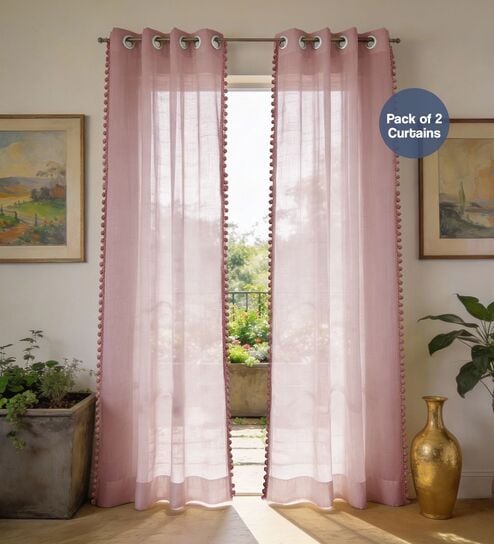
Blush Pink with pom pomSolid Polyester Curtains for Long Door Pack of 2
By Urban Space
₹1,599 ₹3,999 (60% off)
Express Shipping in 1 day
New Arrivals
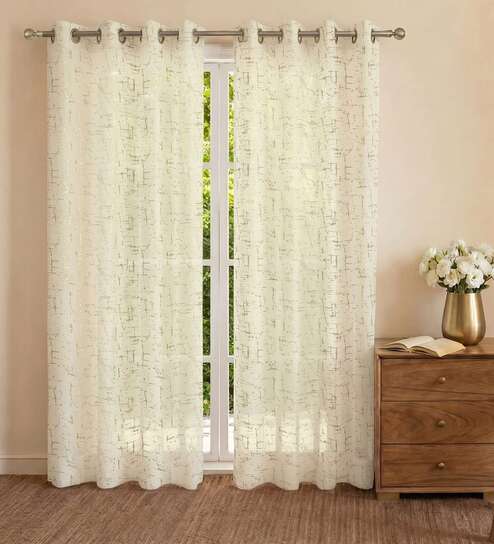
Sheer Sparkle Butter Cream Solid Polyester Curtains for Door Pack of 2
By Urban Space
₹1,699 ₹3,699 (54% off)
Express Shipping in 1 day
New Arrivals
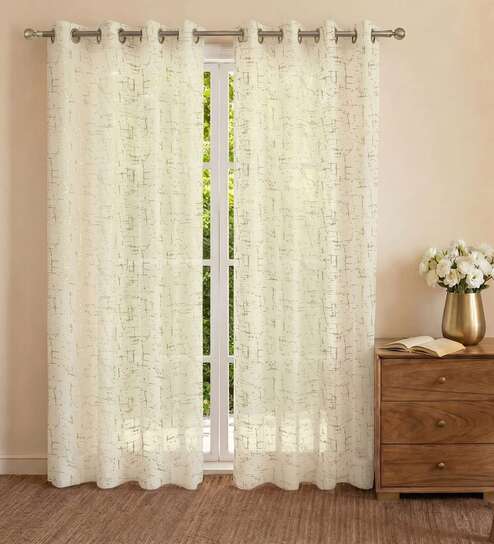
Sheer Sparkle Butter Cream Solid Polyester Curtains for Long Door Pack of 2
By Urban Space
₹1,799 ₹3,999 (55% off)
Express Shipping in 1 day
New Arrivals
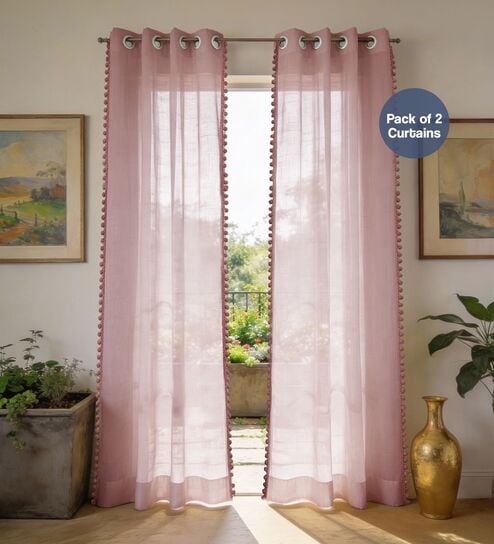
Blush Pink with Pom pomSolid Polyester Curtains for Door Pack of 2
By Urban Space
₹1,499 ₹3,699 (59% off)
Express Shipping in 1 day
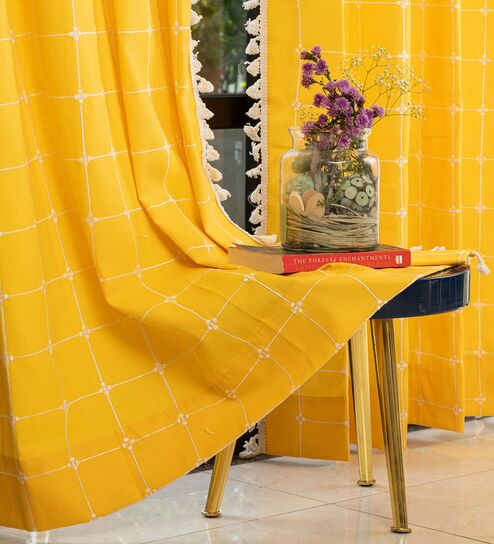
New Arrivals
Aura Yellow Checks Embroidery Cotton Curtains for Long Door Pack of 1
By Urban Space
₹1,199 ₹2,499 (52% off)
Express Shipping in 1 day
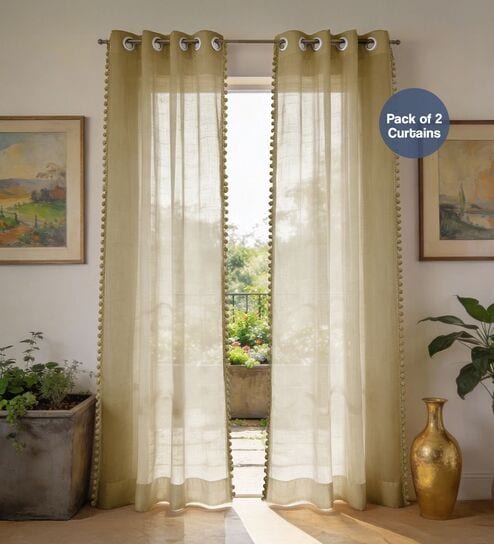
New Arrivals
Taupe with pom pomSolid Polyester Curtains for Long Door Pack of 2
By Urban Space
₹1,599 ₹3,999 (60% off)
Express Shipping in 1 day
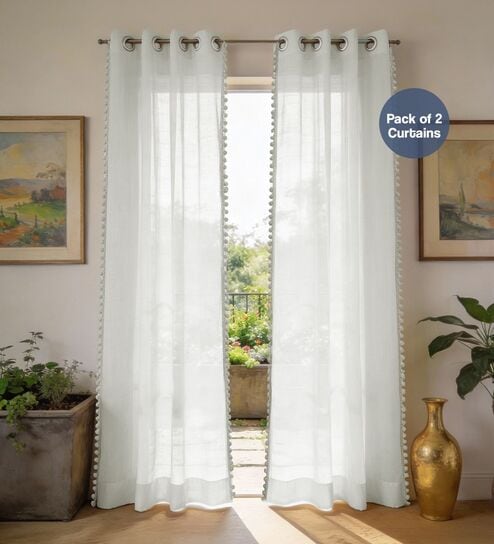
New Arrivals
White with pom pomSolid Polyester Curtains for Door Pack of 2
By Urban Space
₹1,499 ₹3,699 (59% off)
Express Shipping in 1 day
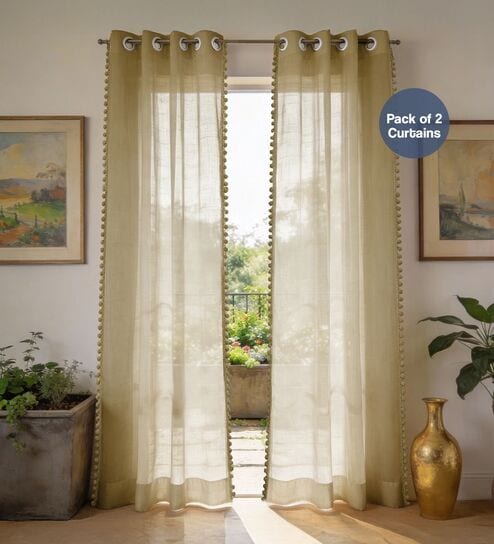
New Arrivals
Taupe with pom pomSolid Polyester Curtains for Door Pack of 2
By Urban Space
₹1,499 ₹3,699 (59% off)
Express Shipping in 1 day
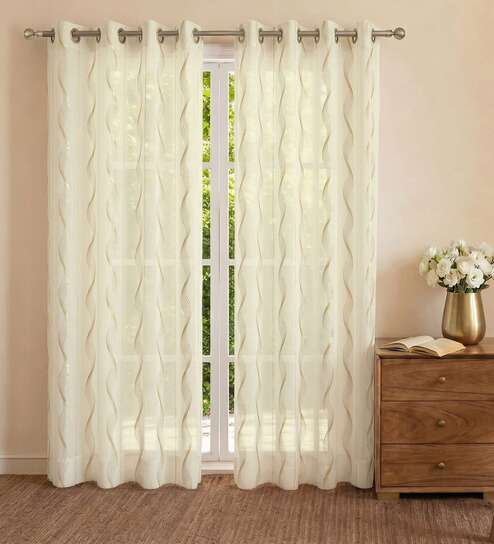
New Arrivals
Sheer Double Wave Butter Cream Solid Polyester Curtains for Door Pack of 2
By Urban Space
₹1,699 ₹3,699 (54% off)
Express Shipping in 1 day
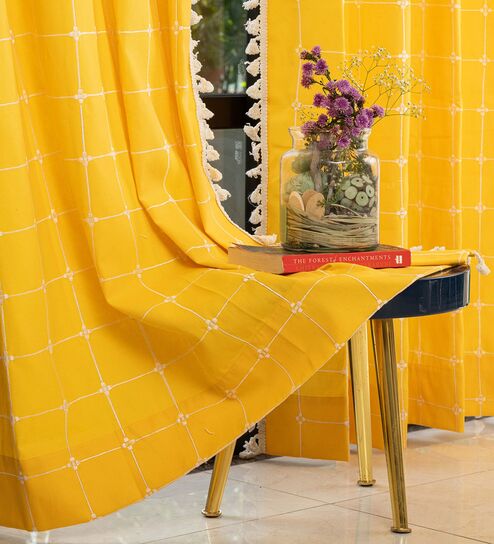
New Arrivals
Aura Yellow Checks Embroidery Cotton Curtains for Door Pack of 1
By Urban Space
₹999 ₹2,299 (57% off)
Express Shipping in 1 day
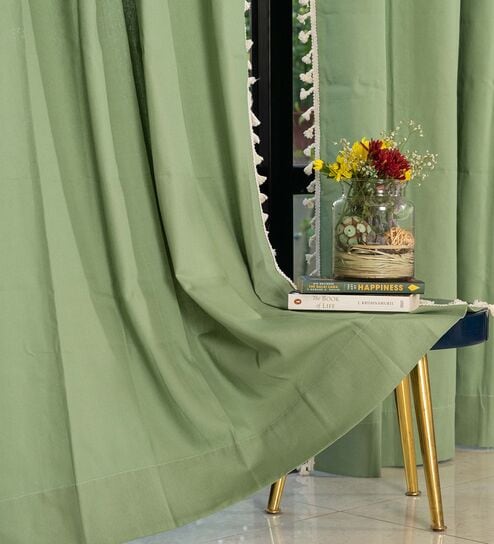
New Arrivals
Aura Sage Green solid Cotton Curtains for Door Pack of 1
By Urban Space
₹899 ₹2,299 (61% off)
Express Shipping in 1 day
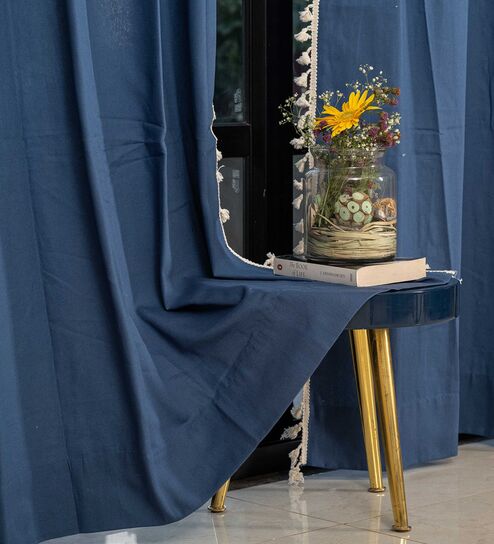
New Arrivals
Aura Indigo solid Cotton Curtains for Door Pack of 1
By Urban Space
₹899 ₹2,299 (61% off)
Express Shipping in 1 day
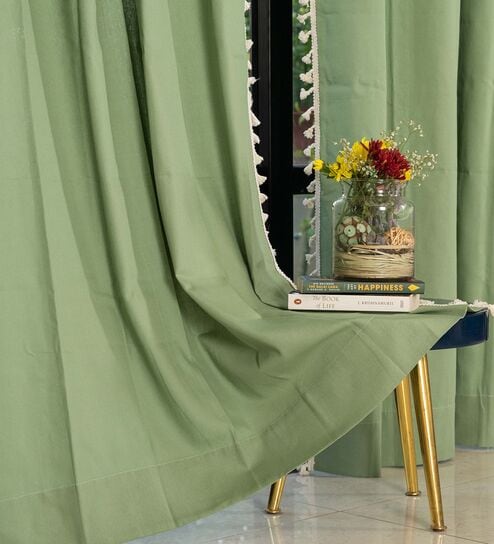
New Arrivals
Aura Sage Green solid Cotton Curtains for Long Door Pack of 1
By Urban Space
₹1,199 ₹2,499 (52% off)
Express Shipping in 1 day
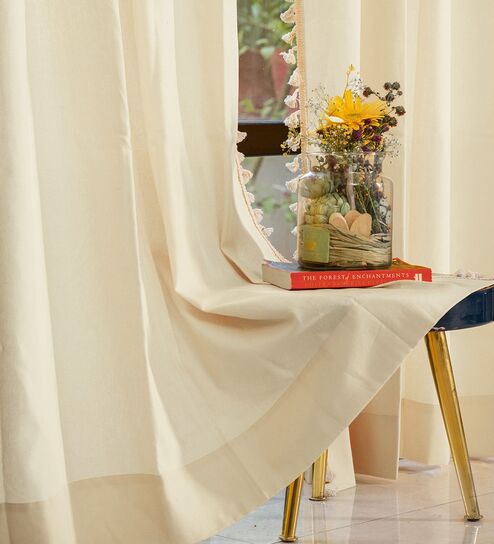
New Arrivals
Aura Beige solid Cotton Curtains for Door Pack of 1
By Urban Space
₹899 ₹2,299 (61% off)
Express Shipping in 1 day
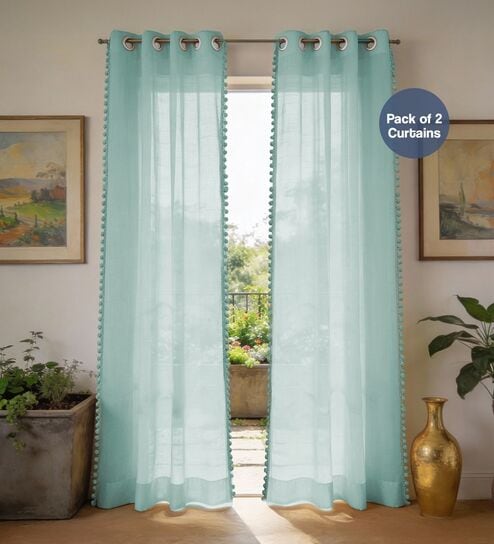
New Arrivals
Aqua Blue with pom pomSolid Polyester Curtains for Long Door Pack of 2
By Urban Space
₹1,699 ₹3,999 (58% off)
Express Shipping in 1 day
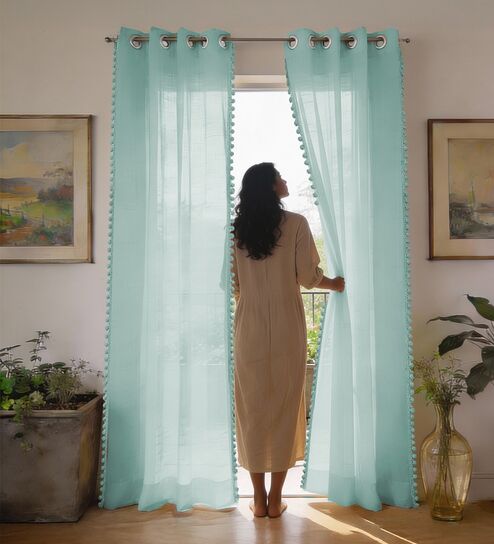
New Arrivals
Aqua Blue with pom pomSolid Polyester Curtains for Door Pack of 2
By Urban Space
₹1,599 ₹3,699 (57% off)
Express Shipping in 1 day
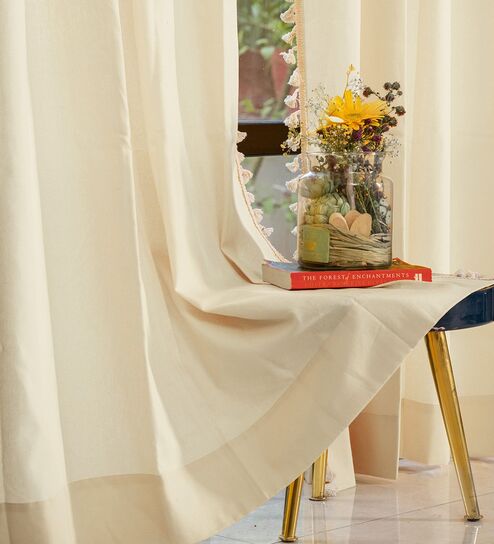
New Arrivals
Aura Beige solid Cotton Curtains for Long Door Pack of 1
By Urban Space
₹1,199 ₹2,499 (52% off)
Express Shipping in 1 day
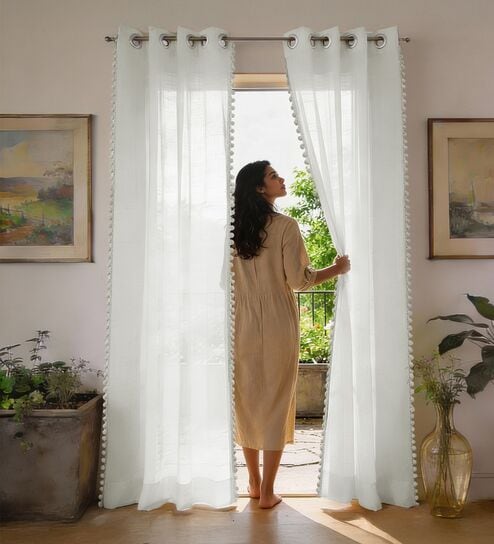
New Arrivals
White with pom pomSolid Polyester Curtains for Long Door Pack of 2
By Urban Space
₹1,599 ₹3,999 (60% off)
Express Shipping in 1 day
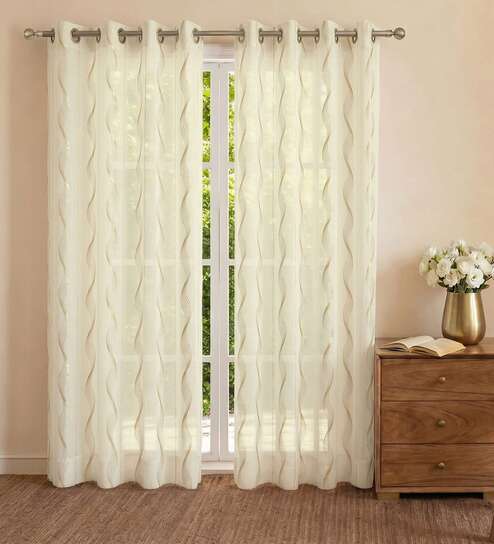
New Arrivals
Sheer Double Wave Butter Cream Solid Polyester Curtains for Long Door Pack of 2
By Urban Space
₹1,799 ₹3,999 (55% off)
Express Shipping in 1 day
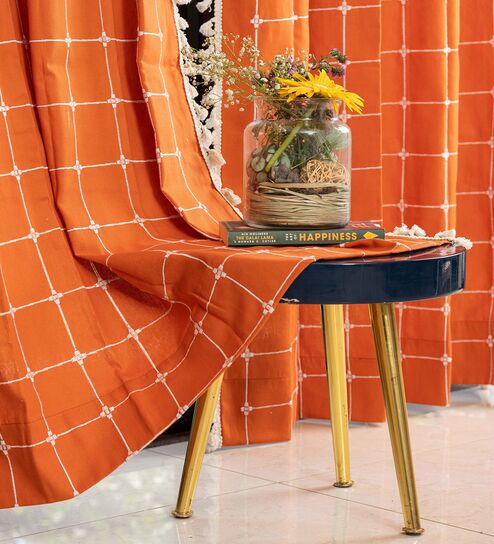
New Arrivals
Aura Burnt Orange Checks Embroidery Cotton Curtains for Door Pack of 1
By Urban Space
₹999 ₹2,299 (57% off)
Express Shipping in 1 day
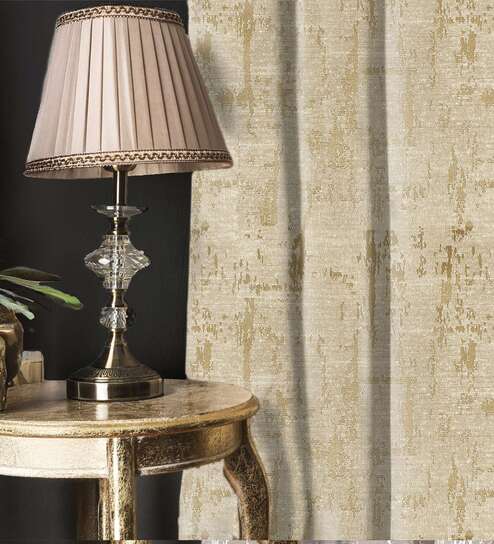
New Arrivals
Dusk Beige Blackout Jacquard Polyester Curtains for Window Pack of 2
By Urban Space
₹1,799 ₹2,999 (40% off)
Express Shipping in 1 day
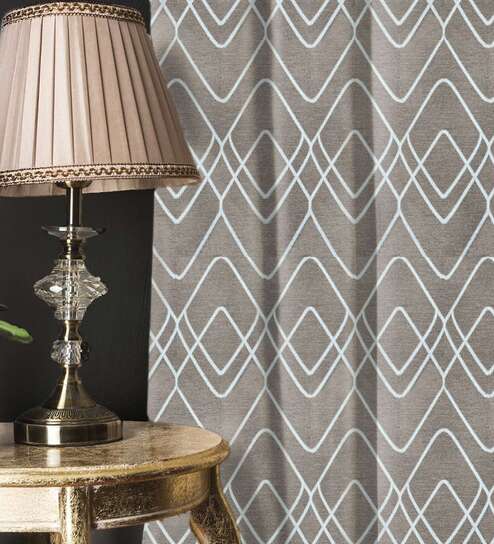
New Arrivals
Woven maze soft brown Blackout Jacquard Polyester Curtains for Window Pack of 2
By Urban Space
₹1,799 ₹2,999 (40% off)
Express Shipping in 1 day
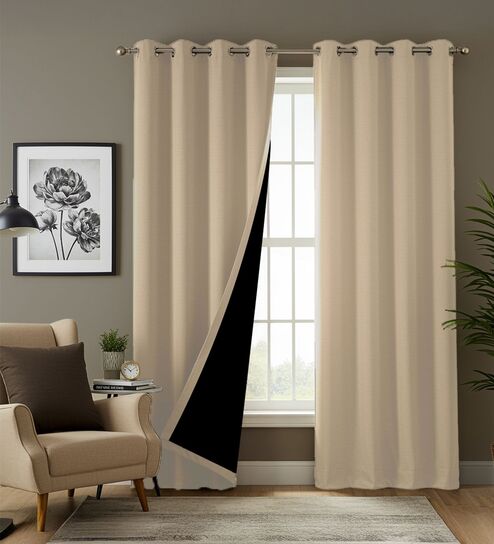
New Arrivals
Soft Beige Blackout Polyester Polyester Curtains for Window Pack of 2
By Urban Space
₹1,299 ₹2,499 (48% off)
Express Shipping in 1 day
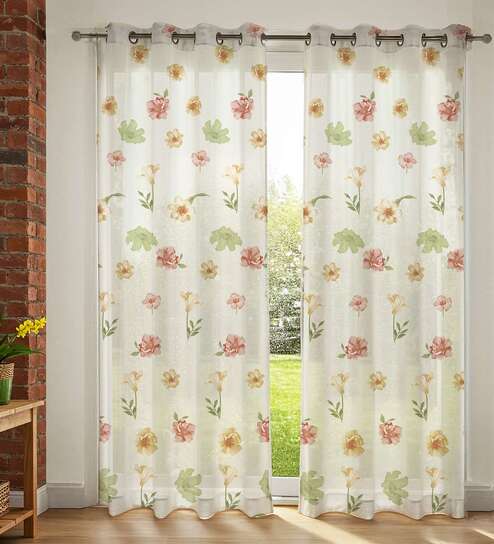
New Arrivals
Mehek Floral Polyester Curtains for Window Pack of 2
By Urban Space
₹1,699 ₹2,999 (43% off)
Express Shipping in 1 day
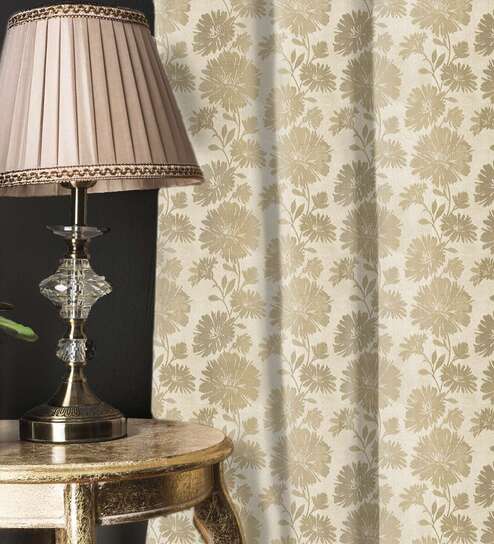
New Arrivals
Golden Bloom Beige Blackout Jacquard Polyester Curtains for Window Pack of 2
By Urban Space
₹1,799 ₹2,999 (40% off)
Express Shipping in 1 day
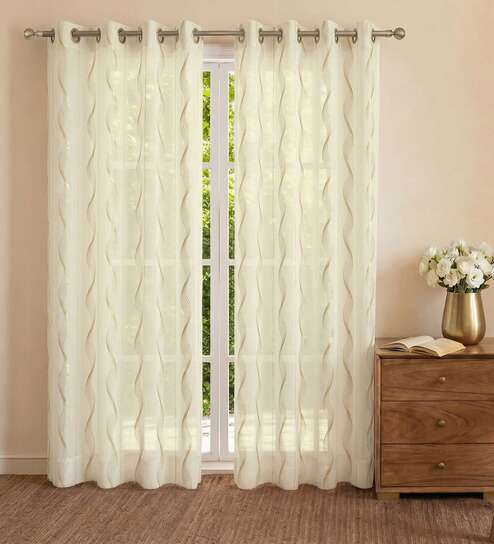
New Arrivals
Sheer Double Wave Butter Cream Solid Polyester Curtains for Window Pack of 2
By Urban Space
₹1,399 ₹2,899 (52% off)
Express Shipping in 1 day
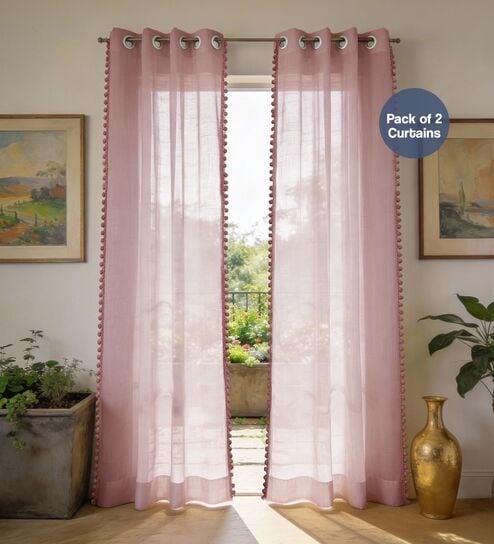
New Arrivals
Blush Pink with Pom pomSolid Polyester Curtains for Window Pack of 2
By Urban Space
₹1,299 ₹2,999 (57% off)
Express Shipping in 1 day
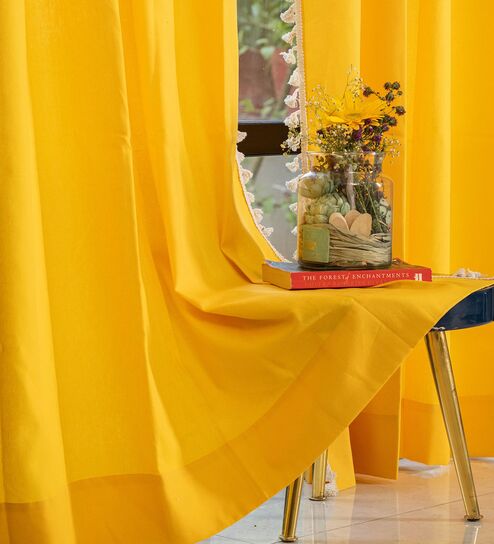
New Arrivals
Aura Yellow solid Cotton Curtains for Long Door Pack of 1
By Urban Space
₹1,199 ₹2,499 (52% off)
Express Shipping in 1 day
New Arrivals
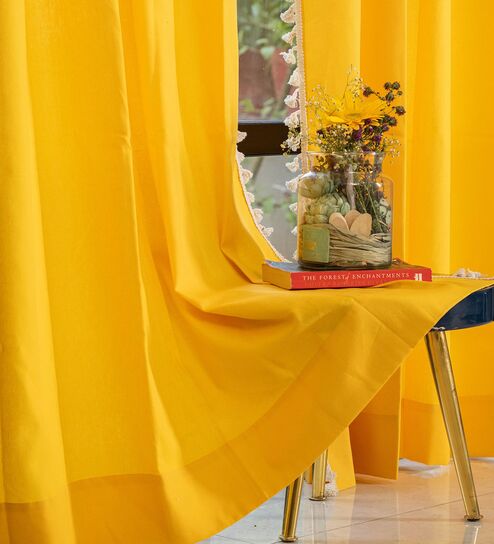
Aura Yellow solid Cotton Curtains for Door Pack of 1
By Urban Space
₹899 ₹2,299 (61% off)
Express Shipping in 1 day
New Arrivals
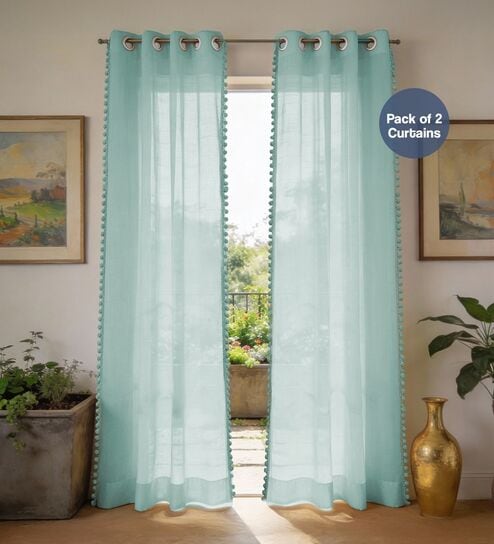
Aqua Blue with pom pomSolid Polyester Curtains for Window Pack of 2
By Urban Space
₹1,399 ₹2,999 (53% off)
Express Shipping in 1 day
New Arrivals
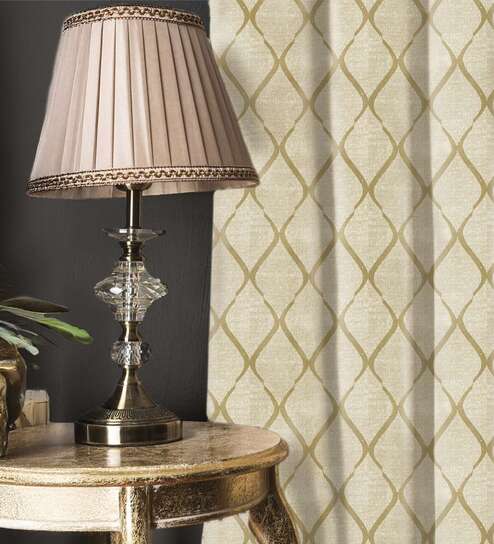
Brocade Beige Blackout Jacquard Polyester Curtains for Window Pack of 2
By Urban Space
₹1,799 ₹2,999 (40% off)
Express Shipping in 1 day
New Arrivals
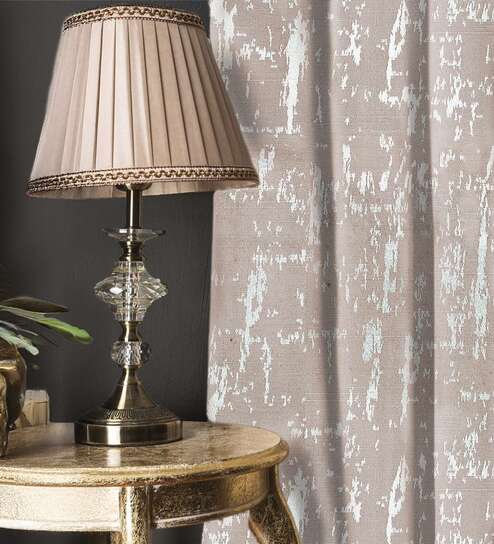
Dusk Soft brown Blackout Jacquard Polyester Curtains for Window Pack of 2
By Urban Space
₹1,799 ₹2,999 (40% off)
Express Shipping in 1 day
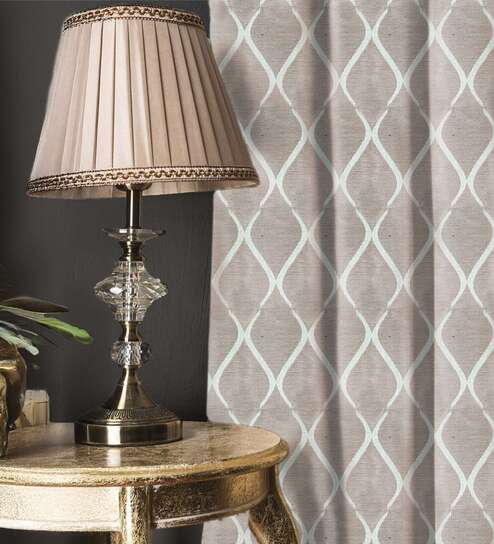
New Arrivals
Brocade Soft Brown Blackout Jacquard Polyester Curtains for Window Pack of 2
By Urban Space
₹1,799 ₹2,999 (40% off)
Express Shipping in 1 day
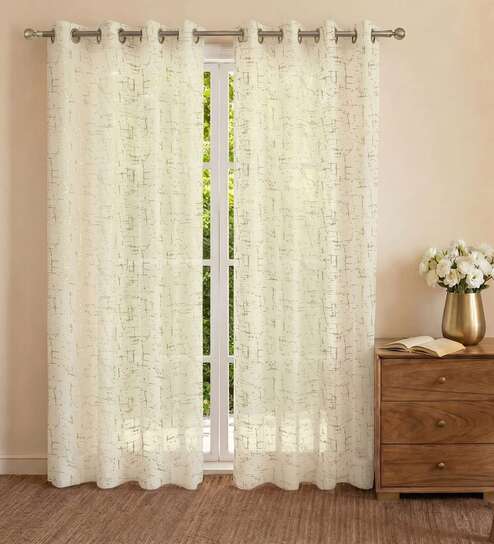
New Arrivals
Sheer Sparkle Butter Cream Solid Polyester Curtains for Window Pack of 2
By Urban Space
₹1,399 ₹2,899 (52% off)
Express Shipping in 1 day
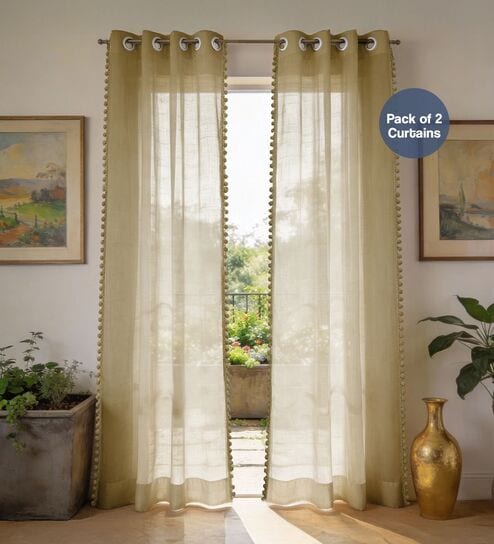
New Arrivals
Taupe with pom pomSolid Polyester Curtains for Window Pack of 2
By Urban Space
₹1,299 ₹2,999 (57% off)
Express Shipping in 1 day
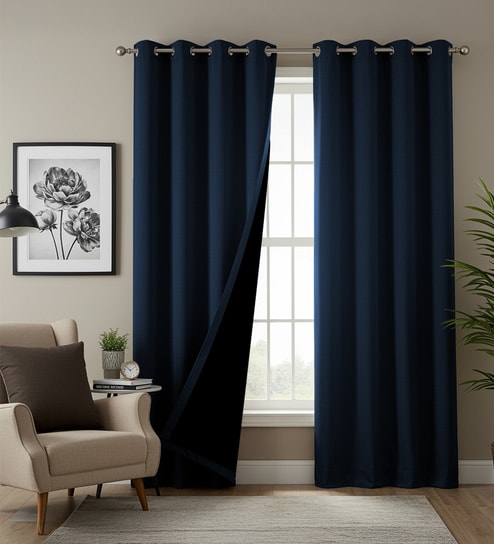
New Arrivals
Moroccan Blue Blackout Polyester Polyester Curtains for Window Pack of 2
By Urban Space
₹1,299 ₹2,499 (48% off)
Express Shipping in 1 day
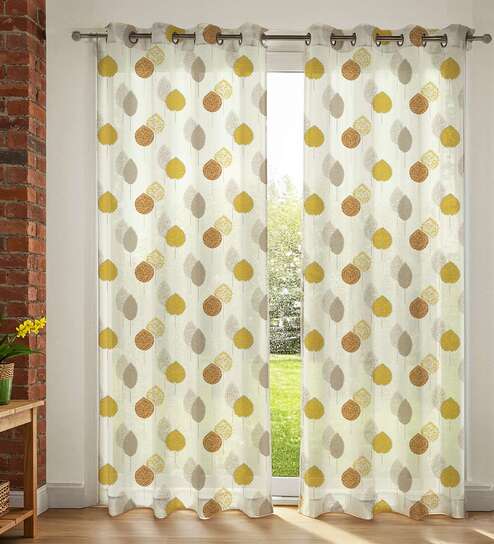
New Arrivals
Drops Mustard Floral Polyester Curtains for Window Pack of 2
By Urban Space
₹1,699 ₹2,999 (43% off)
Express Shipping in 1 day
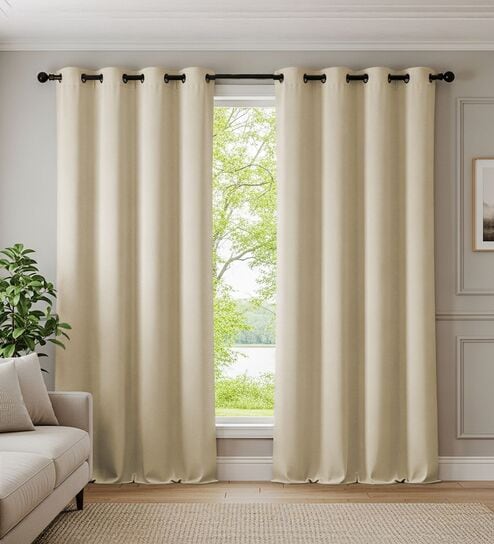
New Arrivals
Beige Blackout Polyester Polyester Curtains for Window Pack of 2
By Urban Space
₹999 ₹2,499 (60% off)
Express Shipping in 1 day
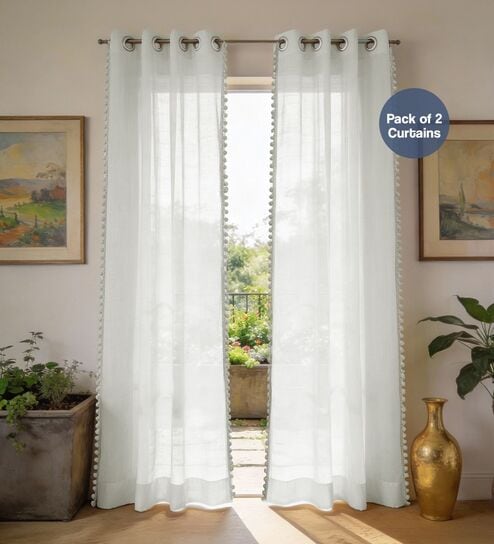
New Arrivals
White with pom pomSolid Polyester Curtains for Window Pack of 2
By Urban Space
₹1,299 ₹2,999 (57% off)
Express Shipping in 1 day
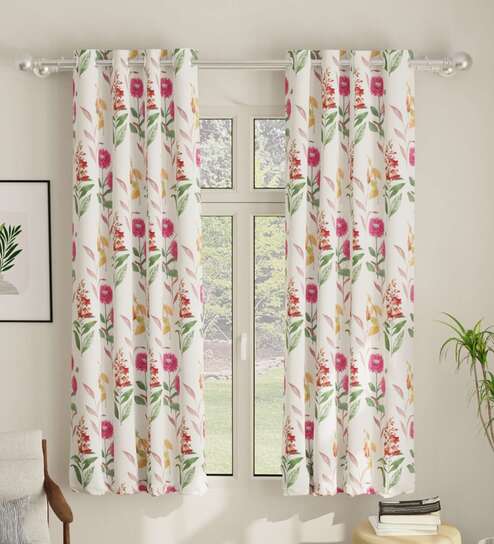
New Arrivals
Coneflower - Pink Printed Polyester Curtains for Window Pack of 2
By Urban Space
₹1,699 ₹2,999 (43% off)
Express Shipping in 1 day
Didn't Find What You Were Looking For? Share your Feedback with Us ->
Drapes: Elegant Window Treatments for Every Indian Home
The right window treatment changes how a room feels. Drapes bring softness to bare windows, control harsh sunlight, and add a finished look to any space. At Pepperfry, one of India's leading online furniture and home decor destinations, you will find drapes that balance style with everyday practicality.
|
"Window dressings are like the final layer of makeup on a well-designed room. Heavy, tailored drapes paired with sheer under-curtains don't just block the harsh afternoon sun; they frame a view and soften the sharp architectural lines of modern Indian homes." - Shabnam Gupta, Designer (Architectural Digest India) |
This collection includes options for every preference and budget. You can choose lightweight sheers for gentle light filtering or heavy blackout panels for complete darkness. The range covers living rooms, bedrooms, and even doorways, with fabrics and lengths to match your specific needs.
What Types of Drapes Suit Your Windows?
Different rooms call for different window treatments. Your choice depends on how much light you want, what level of privacy you need, and the look you are going for. Here is a breakdown of the main drape types available.
Long Drapes for Floor-to-Ceiling Elegance
Long drapes typically measure between 84 and 120 inches. They create a sense of height and make rooms feel more spacious. These work well in cotton, velvet, or polyester blends that hold their shape without sagging. For a clean look, let them hover about 1 cm above the floor. If you prefer a more relaxed feel, allow them to pool slightly.
Sheer Drapes for Natural Light and Privacy
Sheer drapes use semi-transparent fabrics like voile, chiffon, organza, or linen blends. They filter light rather than block it completely. This makes them perfect for living and dining areas where you want brightness during the day but still need some privacy. Many people layer sheer drapes under heavier panels for flexible light control throughout the day.
Door Drapes for Entryways and Patios
Door drapes cover French doors, sliding glass panels, and standard doorways. They reduce drafts, help with temperature control, and add privacy to glass doors. Rod pocket styles create a gathered look, whilst tie-back versions let you pull fabric aside easily. When measuring for door drapes, account for the full frame width plus hardware clearance on both sides.
Blackout and Thermal Drapes
Blackout drapes block 90 to 100 percent of incoming light. Thermal-lined versions add insulation, keeping rooms cooler in summer and warmer in winter. Bedrooms and media rooms benefit most from these. They often come in heavier fabrics and longer lengths. Over time, thermal drapes can help reduce energy costs by maintaining room temperature.
|
Quick Tip: Combine blackout drapes with sheer panels for complete flexibility. Use sheers during the day and draw the blackout layer at night. |
Which Drapes Work Best in Each Room?
The function of a room shapes your ideal drape choice. A space meant for relaxing has different needs than one designed for sleep.
Drapes for Living Room: Style Meets Functionality
Your living room is often the first space guests see. Drapes for the living room should offer versatile light control whilst adding visual interest. Medium to heavy fabrics in neutral tones create a timeless foundation. Accent colours can make a bold statement if your furniture is understated. Floor-length panels suit formal spaces, whilst stopping just above the floor works for casual settings. Grommet headers give a modern finish, and pinch pleats add traditional elegance.
Drapes for Bedroom: Rest and Comfort
Drapes for the bedroom should block light and regulate temperature. Blackout lining or thermal fabrics help you sleep better, especially in metro areas with streetlights. Darker colours and tightly woven fabrics prevent morning light from waking you too early. Make sure your drapes extend well beyond the window frame. This prevents light gaps at the edges. Heavier drapes also muffle outside noise, creating a quieter environment.
What Fabric Should You Choose for Your Drapes?
Fabric affects how drapes look, how they hang, and how much care they need. Here are the most common options:
Cotton is breathable, versatile, and suits most rooms. It comes in countless colours and patterns. Machine washing works for most cotton drapes.
Polyester is durable, affordable, and holds colour well. It resists wrinkles and fading. This is a practical choice for high-traffic areas.
Velvet adds luxury and formality. It provides excellent insulation and light blocking. Velvet typically needs professional cleaning.
Linen has a natural, textured look that suits casual and coastal styles. It wrinkles easily, which some people consider part of its charm.
Silk is elegant and catches light beautifully. It is delicate and often expensive. Dry cleaning is usually required.
Blends combine properties from different fabrics. A cotton-polyester blend, for example, offers softness with easy care.
|
Fabric Selection Tip: Consider your maintenance tolerance before choosing. If you prefer low-effort care, stick with polyester or cotton blends. |
When you buy drapes online, check whether lining is included. Blackout lining adds darkness. Thermal lining improves insulation. Standard lining simply adds weight and improves how the fabric hangs.
How Do You Measure for Drapes?
Accurate measurements make all the difference. Drapes that are too short look awkward. Drapes that are too long become a tripping hazard. Follow these steps for a proper fit.
Step 1: Measure Window Width
Measure at the top, middle, and bottom. Use the widest measurement. For a full, gathered look, multiply this by 1.5 to 2. This gives you the total fabric width needed.
Step 2: Measure Height Based on Mounting Style
For inside mount, measure from the top of the frame to the sill. For outside mount above the frame, start from where your rod will sit. Ceiling mount requires measuring from ceiling to your desired endpoint.
Step 3: Choose Your Length
Sill length stops at the window ledge. Apron length falls about 10 cm below the sill. Floor length reaches the floor with a 1 cm gap. Puddle length adds 5 to 15 cm extra for a pooled effect on the floor.
Step 4: Account for Hardware
Add extra height if your rod sits above the window frame. Some header styles like pinch pleats, add height at the top, so factor this in.
|
Pro Tip: Always measure in centimetres or inches, not both. Write down each measurement as you go. For patterned drapes, account for pattern repeat in your calculations. |
How Do Hanging Styles Affect Your Drapes?
The header style determines both appearance and functionality.
Rod Pocket: Fabric slides directly onto the rod, creating soft gathers. This suits casual and traditional rooms. Opening and closing takes more effort.
Grommet: Metal rings punch through the top of the fabric. Drapes slide easily and create uniform pleats. This works well for modern spaces.
Pinch Pleat: Fabric is sewn into tailored folds at the top. This classic style suits formal rooms and traditional decor.
Tab Top: Fabric loops hang from the rod. This creates a relaxed, decorative look. Best for windows you do not open often.
Back Tab: Hidden loops sit behind the fabric. This gives a clean front with no visible hardware. Drapes slide smoothly.
For hardware, choose rods in wood or metal based on your room style. Finials add a decorative touch at each end. Tiebacks and holdbacks let you pull drapes aside during the day, allowing maximum light.
What Sets Drapes Apart from Curtains?
People often use these terms interchangeably, but they differ in several ways.
|
Feature |
Drapes |
Curtains |
|
Fabric Weight |
Heavy, lined |
Light to medium |
|
Typical Length |
Floor-length |
Varies (sill to floor) |
|
Light Control |
Better blocking |
Moderate |
|
Insulation |
Higher |
Lower |
|
Formality |
More formal |
Casual to moderate |
|
Price Range |
Higher |
Lower |
Choose drapes when you want better light blocking, insulation, and a more formal look. Curtains work well for casual spaces where you need lighter coverage and easy care.
How Do You Match Drapes to Your Interior Design?
Getting the colour, pattern, and texture right ties your room together.
Colour: Neutral drapes in beige, grey, or white blend with any decor. Bold colours like emerald or navy create a focal point. For small rooms, lighter shades help the space feel open.
Pattern: Solids suit rooms with patterned furniture. Geometric prints add modern energy. Florals bring softness to traditional spaces. Scale matters: large patterns can overwhelm small rooms.
Texture: Smooth fabrics like silk feel elegant and refined. Textured options like linen or velvet add depth and warmth. Mix textures thoughtfully with your sofa and cushions.
Length and Fullness: Hanging drapes close to the ceiling makes walls appear taller. Fuller drapes, gathered at 2x window width, look more luxurious.
Coordination: Match the undertones in your drapes to your wall colour and flooring. Cool greys pair with cool whites. Warm beiges work with cream and tan.
How Should You Care for Your Drapes?
Proper care keeps your drapes looking fresh for years.
Regular Maintenance: Vacuum drapes monthly using a brush attachment. This removes dust before it settles into the fabric.
Cleaning: Cotton and polyester blends are often machine washable on a gentle cycle. Velvet, silk, and lined drapes typically need dry cleaning. Always check the care label first.
Preventing Fading: Direct sunlight breaks down fabric over time. Use sheer under-layers to filter harsh rays. Rotate drapes between windows if one side gets more sun.
Removing Wrinkles: Steam works better than ironing for most drape fabrics. Hold the steamer a few centimetres away to avoid water marks.
Hardware Check: Inspect rods and brackets twice a year. Heavy drapes can loosen hardware over time.
Frequently Asked Questions About Drapes
1. What is the best length for standard windows?
Floor length drapes work best for most windows. They should hover about 1 cm above the floor for a clean look. This length makes ceilings appear taller.
2. How do I know what size drapes to buy?
Measure your window width and multiply by 1.5 to 2 for proper fullness. Measure height from your rod position to your desired endpoint. Write measurements down before shopping.
3. Can I layer drapes with blinds?
Yes. Many homeowners use sheer drapes over blinds or roller shades. This combination offers flexible light control and added privacy.
4. What drape fabric blocks light best?
Tightly woven polyester or cotton with blackout lining blocks the most light. Velvet is naturally dense and also works well for dark rooms.
5. How often should I clean my drapes?
Vacuum monthly to remove dust. Wash or dry clean every 6 to 12 months, depending on fabric type and how much dust your home collects.
6. Do drapes help with room temperature?
Yes. Thermal lined drapes reduce heat transfer through windows. They keep rooms cooler in summer and warmer during winter months.
7. What is the price range for quality drapes?
Prices vary based on fabric, size, and lining. Basic polyester panels start around Rs 800. Premium velvet or silk drapes with blackout lining can cost Rs 5,000 or more per panel.
 FurnitureSofas, Sectional Sofas, Sofa Cum Beds, Chaise Loungers, Bean Bags, Recliners, Sofa Chairs, Settees & Benches, Ottomans, Chairs, Gaming Chairs, Stools & Pouffes, Shoe Racks, Centre Tables, Side Tables, TV & Media Units, Cabinets & Sideboards, Book Shelves, Book Cases, Dining Sets, Dining Chairs, Dining Tables, Crockery Units, Bar Furniture, Beds, Bedside Tables, Trunks, Chest of Drawers, Dressing Tables, Wardrobes, Kids and Teens, Study Tables, Office Furniture, Outdoor, Massagers, Furniture Care
- Sofas
- Sectional Sofas
- Sofa Cum Beds
- Chaise Loungers
- Bean Bags
- Recliners
- Sofa Chairs
- Settees & Benches
- Ottomans
- Chairs
- Gaming Chairs
- Stools & Pouffes
- Shoe Racks
- Centre Tables
- Side Tables
- TV & Media Units
- Cabinets & Sideboards
- Book Shelves
- Book Cases
- Dining Sets
- Dining Chairs
- Dining Tables
- Crockery Units
- Bar Furniture
- Beds
- Bedside Tables
- Trunks
- Chest of Drawers
- Dressing Tables
- Wardrobes
- Kids and Teens
- Study Tables
- Office Furniture
- Outdoor
- Massagers
- Furniture Care
 Sofas & SeatingSofas, Sofa Sets, Sectional Sofas, Sofa Cum Beds, Recliners, Recliner Sets, Chaise Loungers, Sofa Chairs, Bean Bags, Accent Chairs, Office Chairs, Gaming Chairs, Dining Chairs, Bar Seating, Settees & Benches, Ottomans, Stools & Pouffes, Outdoor Seating, Furniture Care, Top Collections, Top Brands
- Sofas
- Sofa Sets
- Sectional Sofas
- Sofa Cum Beds
- Recliners
- Recliner Sets
- Chaise Loungers
- Sofa Chairs
- Bean Bags
- Accent Chairs
- Office Chairs
- Gaming Chairs
- Dining Chairs
- Bar Seating
- Settees & Benches
- Ottomans
- Stools & Pouffes
- Outdoor Seating
- Furniture Care
- Top Collections
- Top Brands
 MattressesKing Size Mattresses, Queen Size Mattresses, Single Size Mattresses, Foldable Mattresses, Crib Mattresses, Mattress Protectors, Mattress Toppers, Pillows, Mattresses By Feature, Top Brands
- King Size Mattresses
- Queen Size Mattresses
- Single Size Mattresses
- Foldable Mattresses
- Crib Mattresses
- Mattress Protectors
- Mattress Toppers
- Pillows
- Mattresses By Feature
- Top Brands
 Home DecorVases, Figurines, Collectibles, Showpieces, Home Utility, Table Decor, Kids Decor, Photo Frames, Candles, Candle Stands, Spiritual, Home Fragrances, Decor Gift Sets, Prayer Essentials, Artificial Plants & Flowers, Festive Decor, Gardening, Pots and Planters, Outdoor Decor, Wall Hangings, Wall Shelves, Wall Cabinets, Set Top Box Holders, Key Holders, Jharokhas, Screens & Dividers, Wall Decor, Wall Art and Paintings, Wallpapers & Decals, Clocks, Mirrors, Gifting
- Vases
- Figurines
- Collectibles
- Showpieces
- Home Utility
- Table Decor
- Kids Decor
- Photo Frames
- Candles
- Candle Stands
- Spiritual
- Home Fragrances
- Decor Gift Sets
- Prayer Essentials
- Artificial Plants & Flowers
- Festive Decor
- Gardening
- Pots and Planters
- Outdoor Decor
- Wall Hangings
- Wall Shelves
- Wall Cabinets
- Set Top Box Holders
- Key Holders
- Jharokhas
- Screens & Dividers
- Wall Decor
- Wall Art and Paintings
- Wallpapers & Decals
- Clocks
- Mirrors
- Gifting
 FurnishingsBed Sheets, Blankets & Quilts, Bath Linen, Bed Linen, Curtains, Curtain Accessories, Laundry Baskets, Mosquito Nets, Furnishing Gift Sets, Cushions & Covers, Sofa Covers & Throws, Chair Covers & Pads, Carpets, Dhurries, Runners, Door Mats, Bath Mats, Picnic Mats, Kids Furnishings, Pet Furnishings, Yoga Mats, Top Brands
- Bed Sheets
- Blankets & Quilts
- Bath Linen
- Bed Linen
- Curtains
- Curtain Accessories
- Laundry Baskets
- Mosquito Nets
- Furnishing Gift Sets
- Cushions & Covers
- Sofa Covers & Throws
- Chair Covers & Pads
- Carpets
- Dhurries
- Runners
- Door Mats
- Bath Mats
- Picnic Mats
- Kids Furnishings
- Bed Sheets
- Carpets & Mats
- Kids Blankets and Comforters
- Pillows and Covers
- Cushion Covers
- Towels
- Bedding Sets
- Curtains
- Baby Mats
- Pet Furnishings
- Yoga Mats
- Top Brands
 Lamps & LightingFloor Lamps, Shelf Floor Lamps, Table Lamps, Night Lamps, Work and Study Lamps, Lamp Shades, Kids Lamps, Ceiling Lights, Wall Lights, Smart Lights, Outdoor Lights, Decorative Lights, Emergency Lights, Bulbs, Top Brands
- Floor Lamps
- Shelf Floor Lamps
- Table Lamps
- Night Lamps
- Work and Study Lamps
- Lamp Shades
- Kids Lamps
- Ceiling Lights
- Wall Lights
- Smart Lights
- Outdoor Lights
- Decorative Lights
- Emergency Lights
- Bulbs
- Top Brands
 Kitchen & DiningServeware, Jugs, Bakeware, Dinnerware, Cookware, Cooking Tools, Drinkware, Bottles, Flasks, Sippers, Barware, Teaware, Knives & Cutlery, Table Essentials, Jars and Containers, Kitchen Organizers, Lunch Boxes, Kids Kitchenware & Tableware, Gift Sets, Kitchen Linen, Table Linen, Top Brands
- Serveware
- Serving Bowls
- Casseroles
- Butter Dishes
- Serving Trays
- Tray Sets
- Appetizer Platters
- Cheese Boards
- Cake Stands
- Cloche
- Jugs
- Bakeware
- Dinnerware
- Cookware
- Cooking Tools
- Spatulas, Ladles and Tongs
- Knives and Choppers
- Chopping Boards
- Rolling Pins and Boards
- Strainers and Whisks
- Cooking Preparation Tools
- Drinkware
- Bottles
- Flasks
- Sippers
- Barware
- Barware Sets
- Bar Tools
- Ash Trays
- Wine Holders & Coolers
- Carafes and Decanters
- Dispensers
- Ice Buckets & Moulds
- Teaware
- Knives & Cutlery
- Table Essentials
- Jars and Containers
- Kitchen Organizers
- Lunch Boxes
- Kids Kitchenware & Tableware
- Gift Sets
- Kitchen Linen
- Table Linen
- Top Brands
 LuxuryLiving Room, Bedroom, Dining Room, Home Office
 Modular