Sign Up & Get Rs.5,000 OFF On Your First Purchase




Crockery Almirah
A crockery almirah keeps your fine china, glassware, and dinner sets organised, protected, and ready to display. At Pepperfry, you can find crockery cabinets in solid wood, engineered wood, and glass-front designs to match every dining room style. From traditional carved pieces to sleek modern crockery units, our collection offers smart storage solutions for Indian homes. Browse options with adjustable shelves, tempered glass panels, and rich finishes that complement your dining furniture.


Filter By More Filters
Sort By
Showing 41-59 of 59 options


Extra Offer Inside
 +1 more colors
Modish Crockery Unit In Frosty White Finish
By Woodbuzz
36-Month Warranty Available
₹37,499 ₹41,200 (9% off)
EMI starting from ₹1,801/month

Extra Offer Inside
+1 more colorsModish Crockery Unit In Walnut Finish
By Woodbuzz
36-Month Warranty Available
₹37,499 ₹41,200 (9% off)
EMI starting from ₹1,801/month

Extra Offer Inside
+2 more colorsModish Crockery Unit In Frosty White Finish
By Woodbuzz
36-Month Warranty Available
₹28,799 ₹32,600 (12% off)
EMI starting from ₹1,383/month

Extra Offer Inside
Piquant Crockery Unit In Wenge Finish
By Woodbuzz
36-Month Warranty Available
₹15,599 ₹18,500 (16% off)
EMI starting from ₹749/month

Ulyano Sheesham Wood Crockery Unit In Scratch Resistant Provincial Teak Finish
By Woodsworth from Pepperfry

60-Month Warranty Available
₹35,999 ₹49,999 (28% off)
EMI starting from ₹1,729/month
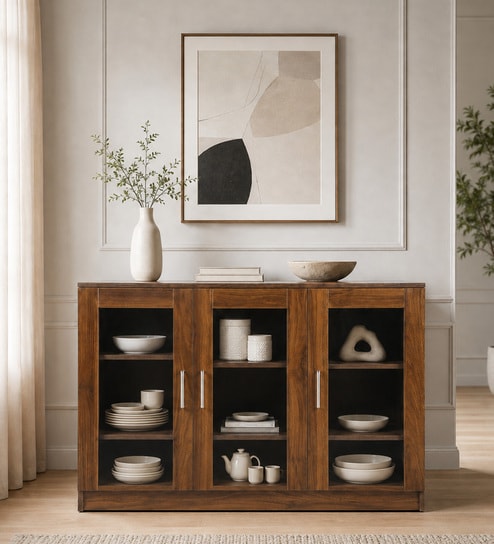
Zenith 3 Door Flat Display Unit In Columbian Walnut Finish
By Mintwud from Pepperfry
60-Month Warranty Available
₹19,999 ₹31,749 (37% off)
EMI starting from ₹961/month
Express Shipping in 1 day
 +2 more colors
Avian Z Sheesham Wood Crockery Unit In Scratch Resistant Rustic Teak Finish
By Woodsworth from Pepperfry
36-Month Warranty Available
₹24,999 ₹29,749 (16% off)
EMI starting from ₹1,201/month
 +2 more colors
Avian Z Sheesham Wood Crockery Unit In Scratch Resistant Honey Oak Finish
By Woodsworth from Pepperfry
36-Month Warranty Available
₹24,999 ₹29,749 (16% off)
EMI starting from ₹1,201/month
 +2 more colors
Avian Z Sheesham Wood Crockery Unit In Scratch Resistant Provincial Teak Finish
By Woodsworth from Pepperfry
36-Month Warranty Available
₹24,999 ₹29,749 (16% off)
EMI starting from ₹1,201/month

Best Seller
Carson Crockery Unit In Exotic Teak & Frosty White Finish
By A GLOBIA CREATIONS
36-Month Warranty Available
₹18,399 ₹25,050 (27% off)
EMI starting from ₹884/month
Express Shipping in 1 day

Zenith Crockery Unit In Columbian Walnut & Frosty White Finish
By Casacraft from Pepperfry
60-Month Warranty Available
₹27,199 ₹39,499 (31% off)
EMI starting from ₹1,306/month
Express Shipping in 1 day
 +1 more colors
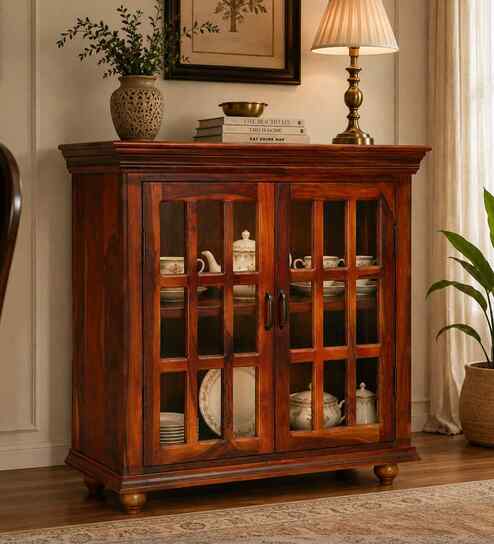
Barkston Sheesham Wood Compact Crockery Unit In Scratch Resistant Honey Oak Finish
By Amberville from Pepperfry
36-Month Warranty Available
₹31,999 ₹44,999 (29% off)
EMI starting from ₹1,537/month
 +1 more colors
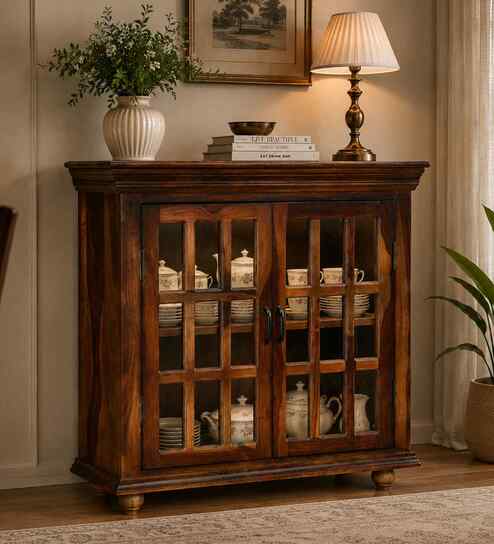
Barkston Sheesham Wood Compact Crockery Unit In Scratch Resistant Provincial Teak Finish
By Amberville from Pepperfry
36-Month Warranty Available
₹30,999 ₹39,999 (23% off)
EMI starting from ₹1,489/month
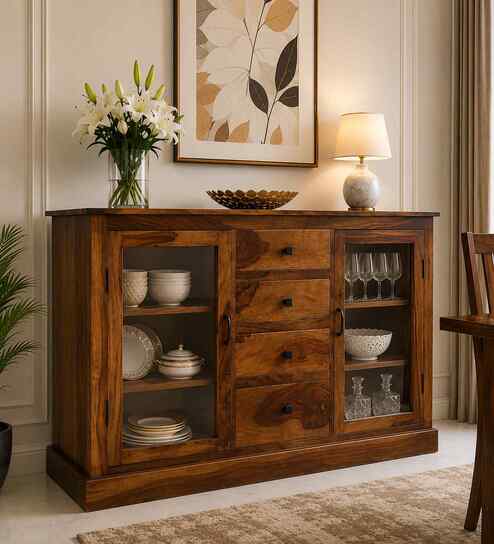 +1 more colors
Barkston Sheesham Wood Crockery Unit In Provincial Teak Finish
By Amberville from Pepperfry
36-Month Warranty Available
₹49,999 ₹63,999 (22% off)
EMI starting from ₹2,401/month
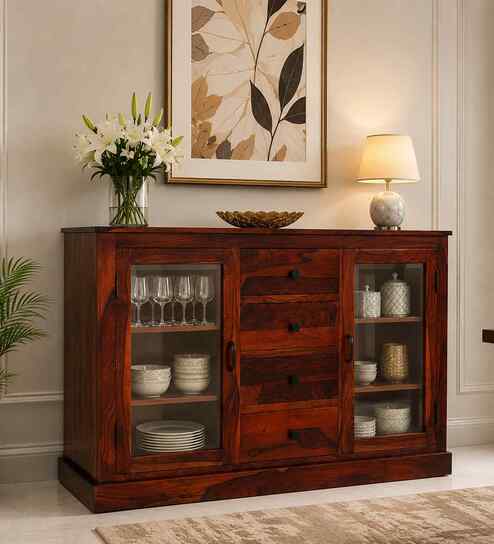 +1 more colors
Barkston Sheesham Wood Crockery Unit In Honey Oak Finish
By Amberville from Pepperfry
36-Month Warranty Available
₹49,999 ₹63,999 (22% off)
EMI starting from ₹2,401/month
 +1 more colors
Carleson Sheesham Wood Crockery Unit In Scratch Resistant Honey Oak Finish
By Amberville from Pepperfry
36-Month Warranty Available
₹42,999 ₹50,999 (16% off)
EMI starting from ₹2,065/month
 +1 more colors
Avian Sheesham Wood Crockery Case In Honey Oak Finish
By Woodsworth from Pepperfry
36-Month Warranty Available
₹33,999 ₹42,499 (20% off)
EMI starting from ₹1,633/month
 +1 more colors
Avian Sheesham Wood Crockery Unit In Provincial Teak Finish
By Woodsworth from Pepperfry
36-Month Warranty Available
₹33,999 ₹42,499 (20% off)
EMI starting from ₹1,633/month

Dassel Sheesham Wood Crockery Unit In Scratch Resistant Dual Tone Finish
By Woodsworth from Pepperfry
60-Month Warranty Available
₹36,499 ₹49,999 (27% off)
EMI starting from ₹1,753/month
Didn't Find What You Were Looking For? Share your Feedback with Us ->
Crockery Almirah - Organised Storage and Display for Your Dinnerware
Every dining room needs a proper spot for dinnerware. A crockery almirah does more than store plates and cups. It shields fine china from dust, organises glassware by size, and displays your best pieces when guests arrive. The right unit turns a practical storage need into a design statement.
At Pepperfry, one of India's leading furniture destinations, you can find crockery almirahs that blend storage with style. Love the warmth of solid sheesham wood? Prefer glass-front panels for showing off collectables? Or want clean modern lines that fit a compact flat? There's an option here for every taste and budget.
From traditional carved designs to sleek contemporary units, the right crockery cabinet transforms how your dining space looks and functions. Pair it with matching dining sets for a complete look that impresses. Below, you'll find details on types, designs, sizing, and benefits to help you choose well.
What Types of Crockery Almirahs Suit Different Homes?
Crockery almirahs vary mainly on two counts: the frame material and the front style.
Common frame materials include solid wood, engineered wood, and metal-and-glass combinations. For the front, you choose between glass-panel displays that show off your china or solid opaque doors that hide contents from view. Here's what each option brings to your dining room.
Wooden Crockery Almirahs
Solid wood remains the traditional favourite for Indian dining rooms. Sheesham and mango wood are popular choices, valued for their strength and attractive grain patterns.
A wooden crockery almirah pairs naturally with dining tables of the same material. This creates a matched, cohesive look across your entire space.
Solid wood options cost more than engineered alternatives. But they last for years, often decades. Over time, wood develops a richer patina that adds character. For families who pass down furniture through generations, solid wood makes perfect sense. The investment pays off in durability and timeless appeal.
Glass-Front Crockery Almirahs
A crockery almirah with glass panels lets you display fine china and show off collectibles while keeping dust out. The glass acts as a barrier against kitchen grime and accidental touches. Solid doors, on the other hand, hide everything inside. This works well if you prefer a clean exterior without visible clutter.
Most quality units use tempered or toughened glass for safety. This glass is stronger and breaks into small, less harmful pieces if damaged. Glass fronts suit formal dining areas and open-plan spaces where the cabinet becomes part of the room's decor. They catch light nicely too, making the space feel brighter.
Modern and Engineered Wood Crockery Units
Laminate-finish, engineered wood units come in matte or glossy surfaces at budget-friendly prices. They weigh less than solid wood, making them easier to move during cleaning or redecorating. You also get more colour options, from whites and greys to walnut and oak tones.
Modern crockery almirahs in this style fit well in compact kitchens and apartments where space matters. They often feature sleek hardware and minimal ornamentation. The clean look blends with contemporary interiors without competing for attention. For more storage ideas in a similar style, check out our cabinets and sideboards collection.
Quick Tip: Engineered wood units with high-pressure laminate resist scratches and stains better than basic finishes. Worth the small price bump for busy households.
Which Crockery Almirah Design Matches Your Dining Style?
Different dining rooms call for different crockery almirah designs. Matching the cabinet to your existing furniture and decor creates a unified look. Here are the main design families shoppers typically compare.
Traditional Carved Units
Traditional carved crockery almirahs feature darker wood finishes and ornate details. You'll see intricate carvings on door panels, decorative brass handles, and rich tones like walnut or mahogany. These suit formal Indian dining rooms with heavy furniture and classic decor. Most have two or three doors with ample shelf space inside.
Expert Quote: Traditional china cabinets, like the kinds you may have spotted in your grandma's house, often skew formal or stuffy, but these modern iterations can suit even minimalists and their pared-back lifestyle. - Architectural Digest
Sleek Modern Units
Two-door or three-door modern units work well in compact kitchens and contemporary homes. They feature clean lines, minimal or hidden handles, and neutral finishes. These blend into modern spaces without drawing too much attention, letting other furniture take centre stage. Light wood tones or white finishes keep the look fresh and airy.
Open-Shelf Display Hutches
Open-shelf display hutches combine closed storage at the bottom with open shelves on top. The lower section keeps everyday items hidden. The upper shelves display decorative plates, teacups, and collectables. This crockery almirah design suits homes that want to show off special pieces without fully exposing everything.
Corner Units
Corner units save space in smaller dining areas. They fit into unused corners and often hold as much as standard rectangular units. If wall space is tight, a corner crockery cabinet makes smart use of the room layout. It also creates visual interest in an otherwise empty spot.
How Do You Choose the Right Size for Your Crockery Almirah?
Getting the right size matters more than you might think. A crockery unit that's too small won't hold all your dinnerware. One that's too large overwhelms the room and wastes floor space. Here's how to find the balance.
Count Your Dinnerware First
Start by counting your dinnerware. A standard two-door or three-door crockery storage cabinet holds one 24 to 32-piece dinner set plus glassware and a few serving dishes. Larger families, or those who entertain often, may need a four-door unit with extra shelf space.
Don't forget items beyond dinner sets. Think about serving bowls, platters, wine glasses, tea sets, and any decorative pieces you want to store or display. Add a buffer for future purchases too.
Measure Your Wall Space
Measure your available wall space before shopping. Common widths range from 90 cm for compact units to 150 cm for larger ones. Heights typically fall between 150 cm and 180 cm. Leave at least 60 cm of clearance in front. This lets you open doors fully without bumping into chairs or the dining table.
Look for Adjustable Shelves
Adjustable shelves let you fit taller serveware, vases, and odd-shaped items without wasting vertical space. This flexibility matters as your collection grows over time. Not all units offer this feature, so confirm adjustability on the product page before buying.
Browse our kitchen organisers for smaller storage solutions that work alongside your crockery cabinet.
Why Does Your Home Need a Dedicated Crockery Almirah?
Open kitchen shelving looks nice in photos. But it exposes dinnerware to dust, cooking grease, and accidental knocks. A dedicated crockery almirah solves these problems while adding style to your dining area.
Protection for Fine Dinnerware
Glass doors or solid panels protect fine china and glassware from everyday kitchen grime. Your best pieces stay clean, chip-free, and ready to use. No extra washing before every meal or gathering. This matters especially if you own heirloom pieces or expensive sets.
Better Organisation
As Architectural Digest advises - Like any other space, start by decluttering your crockery. This is essential if you want the space to stay organised in the long run.
A crockery cabinet gives everything a home. Plates stack neatly. Glasses line up in rows. Serving bowls sit where you can find them fast. This saves time when setting the table or putting dishes away after dinner.
Free Up Kitchen Space
Moving dinnerware to the dining room frees up kitchen cabinet space. Pots, pans, and cooking supplies get more room. This makes meal prep easier and keeps the kitchen less crowded. It also means less reaching and shuffling during busy cooking sessions.
A Display Piece for Your Room
Beyond function, a well-chosen crockery almirah doubles as a display piece. Glass fronts turn everyday dinnerware into decor. Traditional carved units add warmth and character. Modern designs contribute to a sleek, pulled-together look that guests notice.
Tip: Place your crockery almirah near the dining table for easy access during meals. This saves trips to the kitchen and makes entertaining smoother.
Frequently Asked Questions (FAQs)
1. How many dinner sets can a standard crockery almirah hold?
A typical two door or three door unit holds one 24 to 32 piece dinner set plus glassware and serving dishes. Larger four door models can store two complete sets with room to spare.
2. Is a glass front or solid front better for daily use?
Glass fronts work well if you want to display fine china or keep track of what's inside. Solid fronts hide clutter and need less frequent cleaning. Your choice depends on how tidy you keep the shelves.
3. What wood or finish is easiest to maintain?
Laminate finishes wipe clean quickly and resist stains well. Solid wood needs occasional polishing but ages gracefully with a natural patina. Both work well with regular dusting.
4. Does a crockery almirah come pre assembled or need installation?
Most units arrive flat packed and need assembly. Pepperfry offers expert installation services to handle setup at your home, so you don't have to struggle with screws and panels.
5. What is the warranty and return policy on crockery units bought online?
Warranty periods vary by brand and material. Check the product page for specific terms. Pepperfry offers easy returns within the stated window if the product doesn't meet expectations.
6. Can shelf height be adjusted for taller serveware?
Many crockery almirahs feature adjustable shelf pins. This lets you raise or lower shelves to fit tall jugs, vases, and tiered plates. Always confirm adjustability before buying to ensure flexibility.
 FurnitureSofas, Sectional Sofas, Sofa Cum Beds, Chaise Loungers, Bean Bags, Recliners, Sofa Chairs, Settees & Benches, Ottomans, Chairs, Gaming Chairs, Stools & Pouffes, Shoe Racks, Centre Tables, Side Tables, TV & Media Units, Cabinets & Sideboards, Book Shelves, Book Cases, Dining Sets, Dining Chairs, Dining Tables, Crockery Units, Bar Furniture, Beds, Bedside Tables, Trunks, Chest of Drawers, Dressing Tables, Screens and Dividers, Wardrobes, Kids and Teens, Study Tables, Office Furniture, Home Temples, Wall Shelves and Cabinets, Outdoor, Massagers, Furniture Care
- Sofas
- Sectional Sofas
- Sofa Cum Beds
- Chaise Loungers
- Bean Bags
- Recliners
- Sofa Chairs
- Settees & Benches
- Ottomans
- Chairs
- Gaming Chairs
- Stools & Pouffes
- Shoe Racks
- Centre Tables
- Side Tables
- TV & Media Units
- Cabinets & Sideboards
- Book Shelves
- Book Cases
- Dining Sets
- Dining Chairs
- Dining Tables
- Crockery Units
- Bar Furniture
- Beds
- Bedside Tables
- Trunks
- Chest of Drawers
- Dressing Tables
- Screens and Dividers
- Wardrobes
- Kids and Teens
- Study Tables
- Office Furniture
- Home Temples
- Wall Shelves and Cabinets
- Outdoor
- Massagers
- Furniture Care
 Sofas & SeatingSofas, Sofa Sets, Sectional Sofas, Sofa Cum Beds, Recliners, Recliner Sets, Chaise Loungers, Sofa Chairs, Bean Bags, Accent Chairs, Office Chairs, Gaming Chairs, Dining Chairs, Bar Seating, Settees & Benches, Ottomans, Stools & Pouffes, Outdoor Seating, Furniture Care, Top Collections, Top Brands
- Sofas
- Sofa Sets
- Sectional Sofas
- Sofa Cum Beds
- Recliners
- Recliner Sets
- Chaise Loungers
- Sofa Chairs
- Bean Bags
- Accent Chairs
- Office Chairs
- Gaming Chairs
- Dining Chairs
- Bar Seating
- Settees & Benches
- Ottomans
- Stools & Pouffes
- Outdoor Seating
- Furniture Care
- Top Collections
- Top Brands
 MattressesKing Size Mattresses, Queen Size Mattresses, Single Size Mattresses, Foldable Mattresses, Crib Mattresses, Mattress Protectors, Mattress Toppers, Pillows, Mattresses By Feature, Top Brands
- King Size Mattresses
- Queen Size Mattresses
- Single Size Mattresses
- Foldable Mattresses
- Crib Mattresses
- Mattress Protectors
- Mattress Toppers
- Pillows
- Mattresses By Feature
- Top Brands
 DecorShowpieces & Collectibles, Figurines, Table Decor, Vases, Wall Paintings & Prints, Wall Decor, Wallpapers & Decals, Mirrors, Clocks, Photo Frames, Candles & Fragrances, Candle Stands, Artificial Plants & Flowers, Pots & Planters, Gardening, Fountains, Home Mandir, Pooja Essentials, Festive Decor, Kids Decor, Festive Gifting
- Showpieces & Collectibles
- Figurines
- Table Decor
- Vases
- Wall Paintings & Prints
- Wall Decor
- Wallpapers & Decals
- Mirrors
- Clocks
- Photo Frames
- Candles & Fragrances
- Candle Stands
- Artificial Plants & Flowers
- Pots & Planters
- Gardening
- Fountains
- Home Mandir
- Pooja Essentials
- Religious Idols
- Religious Frames
- Pooja Shelves
- Chowkies
- Pooja Wares
- Pooja Fragrances
- Vastu and Feng Shui
- Spiritual Coins and Pendants
- Festive Decor
- Kids Decor
- Festive Gifting
 FurnishingsBed Sheets, Bedding, Blankets and Quilts, Curtains, Cushions and Covers, Sofa Covers and Throws, Chair Covers & Pads, Rugs, Door Mats, Yoga Mats, Picnic Mats, Bath Linen, Bath Mats, Festive Gifting, Kids Furnishings
- Bed Sheets
- Bedding
- Blankets and Quilts
- Curtains
- Cushions and Covers
- Sofa Covers and Throws
- Chair Covers & Pads
- Rugs
- Door Mats
- Yoga Mats
- Picnic Mats
- Bath Linen
- Bath Mats
- Festive Gifting
- Kids Furnishings
 LightingCeiling Lights, Wall Lights, Floor Lamps, Table Lamps, Lamp Shades, Work and Study Lamps, Smart Lights, Night Lamps, Kids Lamps, Outdoor Lights, Decorative Lights
- Ceiling Lights
- Wall Lights
- Floor Lamps
- Table Lamps
- Lamp Shades
- Work and Study Lamps
- Smart Lights
- Night Lamps
- Kids Lamps
- Outdoor Lights
- Decorative Lights
 Kitchen & DiningServeware, Jugs, Bakeware, Dinnerware, Cookware, Cooking Tools, Drinkware, Bottles, Flasks, Sippers, Barware, Teaware, Knives & Cutlery, Table Essentials, Jars and Containers, Kitchen Organizers, Lunch Boxes, Kids Kitchenware & Tableware, Gift Sets, Kitchen Linen, Table Linen, Kitchen Appliances, Top Brands
- Serveware
- Serving Bowls
- Casseroles
- Butter Dishes
- Serving Trays
- Tray Sets
- Appetizer Platters
- Cheese Boards
- Cake Stands
- Cloche
- Jugs
- Bakeware
- Dinnerware
- Cookware
- Cooking Tools
- Spatulas, Ladles and Tongs
- Knives and Choppers
- Chopping Boards
- Rolling Pins and Boards
- Strainers and Whisks
- Cooking Preparation Tools
- Drinkware
- Bottles
- Flasks
- Sippers
- Barware
- Barware Sets
- Bar Tools
- Ash Trays
- Wine Holders & Coolers
- Carafes and Decanters
- Dispensers
- Ice Buckets & Moulds
- Teaware
- Knives & Cutlery
- Table Essentials
- Jars and Containers
- Kitchen Organizers
- Lunch Boxes
- Kids Kitchenware & Tableware
- Gift Sets
- Kitchen Linen
- Table Linen
- Kitchen Appliances
- Top Brands
 LuxuryLiving Room, Bedroom, Dining Room, Home Office
 Modular