Sign Up & Get Rs.5,000 OFF On Your First Purchase




Cane Collection
Pepperfry's cane collection brings together chairs, headboards, storage baskets, and room dividers crafted from natural rattan. These pieces are lightweight, breathable, and suited to Indian homes where warmth calls for materials that stay cool. From raw, unfinished weaves to painted contemporary finishes, this collection suits balconies, reading corners, and living spaces. Find coordinated sets or standalone accents that add character to any room.


Filter By More Filters
Sort By
Showing 1-40 of 58 options

Extra Offer Inside
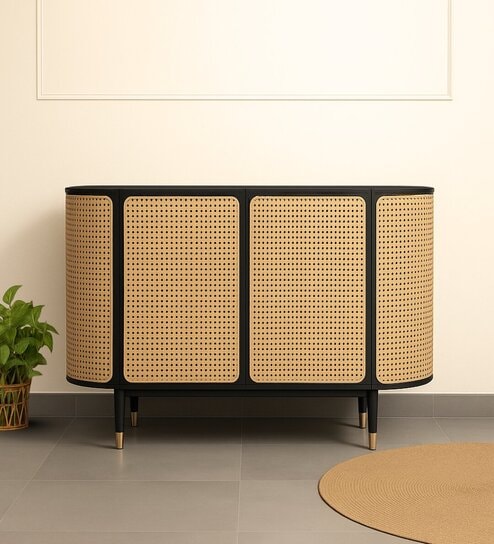
Taru Cane Storage Cabinet In Black Finish
By Opaque Studio
₹80,000
EMI starting from ₹3,842/month
Extra Offer Inside
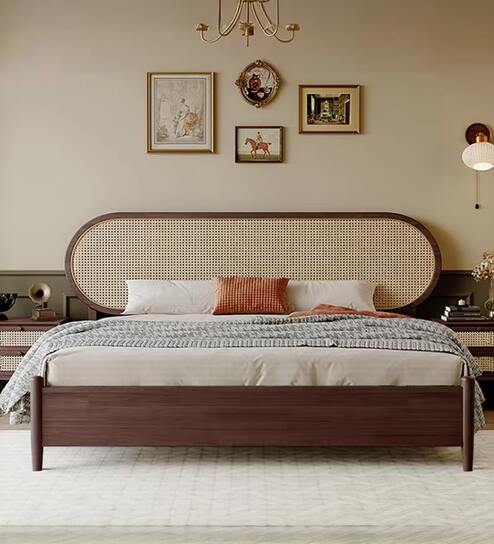
Rattan Back King Size Bed In Walnut Finish
By The Flamingo Life
36-Month Warranty Available
₹1,70,702 ₹1,73,706 (2% off)
EMI starting from ₹8,196/month
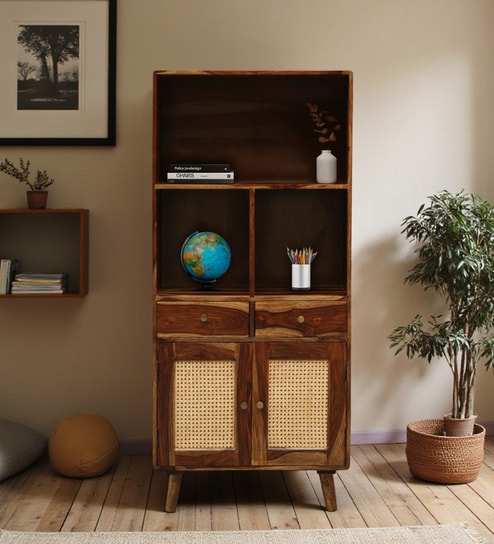
Glasgow Sheesham Wood Book Shelf In Provincial Teak Finish
By Woodsworth from Pepperfry

36-Month Warranty Available
₹26,999 ₹37,999 (29% off)
EMI starting from ₹1,297/month
Express Shipping in 1 day
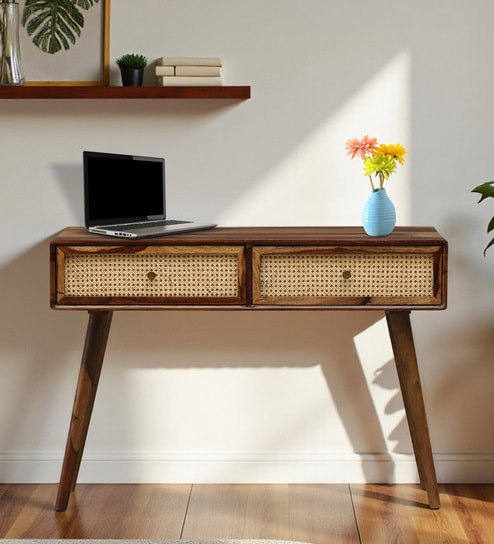
Glasgow Sheesham Wood Study Table In Provincial Teak Finish
By Woodsworth from Pepperfry
36-Month Warranty Available
₹25,999 ₹35,999 (28% off)
EMI starting from ₹1,249/month
Express Shipping in 1 day

 +1 more colors
Adelaide Sheesham Wood 4 Seater Dining Table In Provincial Teak Finish
By Woodsworth from Pepperfry
36-Month Warranty Available
₹26,999 ₹39,249 (31% off)
EMI starting from ₹1,297/month
 +1 more colors
Adelaide Sheesham Wood 6 Seater Dining Set In Provincial Teak Finish With Bench
By Woodsworth from Pepperfry
36-Month Warranty Available
₹80,499 ₹1,15,999 (31% off)
EMI starting from ₹3,865/month
 +1 more colors
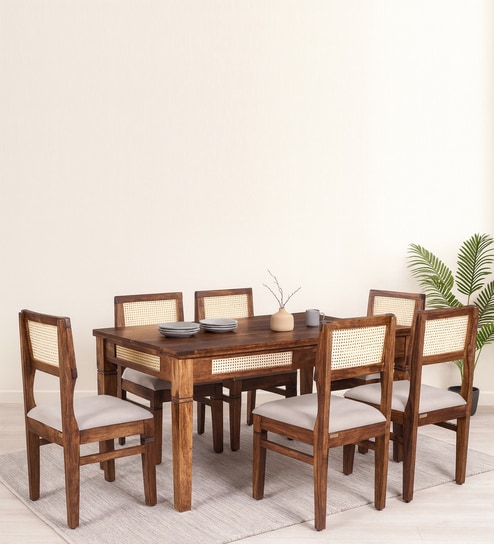
Adelaide Sheesham Wood 6 Seater Dining Set In Provincial Teak Finish
By Woodsworth from Pepperfry
36-Month Warranty Available
₹80,499 ₹1,15,499 (30% off)
EMI starting from ₹3,865/month
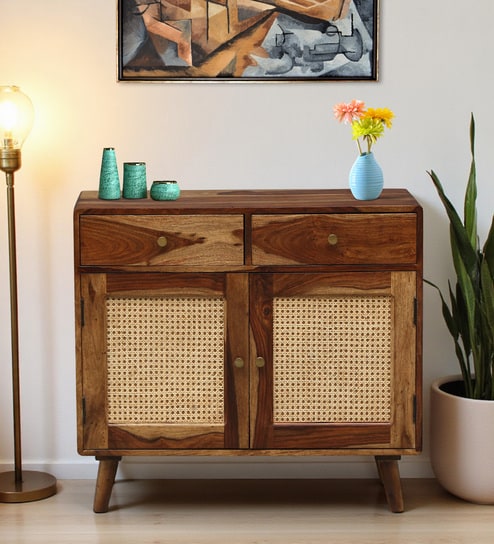
Glasgow Sheesham Wood 2 Door Sideboard In Provincial Teak Finish
By Woodsworth from Pepperfry
36-Month Warranty Available
₹27,999 ₹39,999 (30% off)
EMI starting from ₹1,345/month
Express Shipping in 1 day

Glasgow Sheesham Wood Bar Cabinet In Provincial Teak Finish
By Woodsworth from Pepperfry
36-Month Warranty Available
₹46,999 ₹59,999 (22% off)
EMI starting from ₹2,257/month
Express Shipping in 1 day
 +1 more colors
Adelaide Sheesham Wood 4 Seater Dining Set In Provincial Teak Finish
By Woodsworth from Pepperfry
36-Month Warranty Available
₹61,499 ₹88,499 (31% off)
EMI starting from ₹2,953/month
 +1 more colors
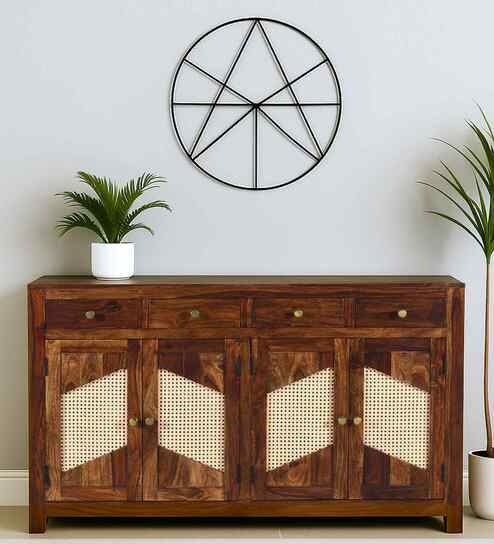
Adelaide Sheesham Wood 4 Door 4 Drawer Sideboard In Provincial Teak Finish
By Woodsworth from Pepperfry
36-Month Warranty Available
₹47,999 ₹67,749 (29% off)
EMI starting from ₹2,305/month
 +1 more colors
Adelaide Sheesham Wood 4 Door Sideboard In Provincial Teak Finish
By Woodsworth from Pepperfry
36-Month Warranty Available
₹39,999 ₹59,249 (32% off)
EMI starting from ₹1,921/month
 +1 more colors
Adelaide Sheesham Wood 2 Door Sideboard In Provincial Teak Finish
By Woodsworth from Pepperfry
36-Month Warranty Available
₹24,499 ₹34,749 (29% off)
EMI starting from ₹1,177/month
 +1 more colors
Adelaide Sheesham Wood 2 Door 2 Drawer Sideboard In Provincial Teak Finish
By Woodsworth from Pepperfry
36-Month Warranty Available
₹26,999 ₹39,249 (31% off)
EMI starting from ₹1,297/month
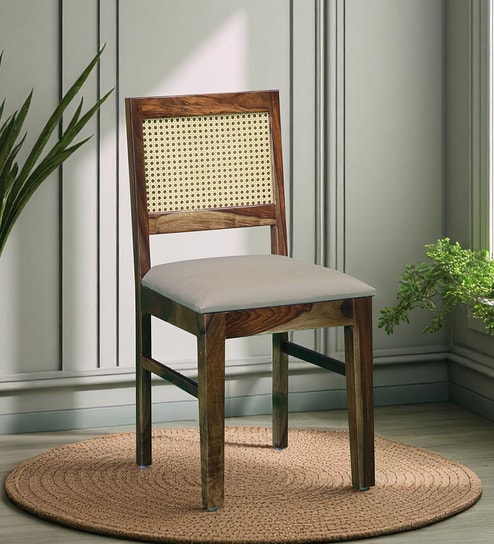
Albans Sheesham Wood Dining Chairs In Provincial Teak Finish (Set Of 2)
By Woodsworth from Pepperfry
60-Month Warranty Available
₹14,999 ₹20,999 (29% off)
EMI starting from ₹721/month

Albans Sheesham Wood Single Bed In Provincial Teak Finish With Box Storage
By Woodsworth from Pepperfry
60-Month Warranty Available
₹29,999 ₹37,999 (21% off)
EMI starting from ₹1,441/month
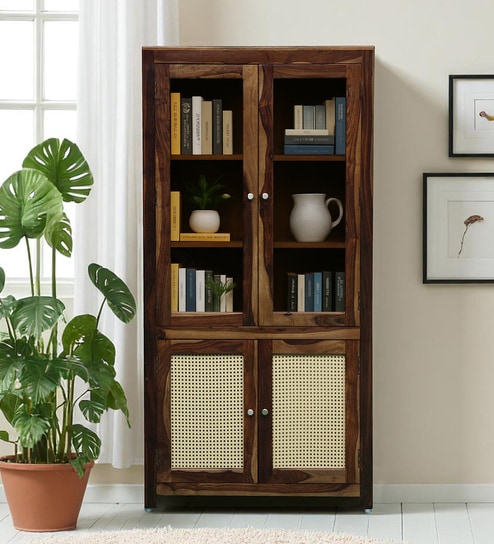
Albans Sheesham Wood Book Case In Provincial Teak Finish
By Woodsworth from Pepperfry
60-Month Warranty Available
₹36,499 ₹51,999 (30% off)
EMI starting from ₹1,753/month
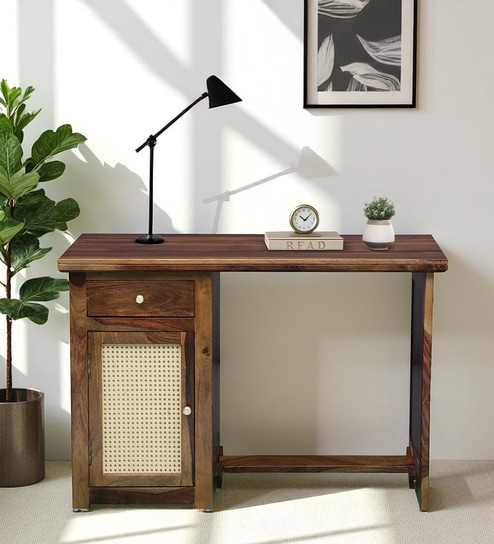
Albans Sheesham Wood Writing Table In Provincial Teak Finish
By Woodsworth from Pepperfry
60-Month Warranty Available
₹23,499 ₹31,999 (27% off)
EMI starting from ₹1,129/month
Express Shipping in 1 day

Extra Offer Inside
Solara Cane King Size Bed In Teak Finish
By Opaque Studio
₹1,14,000
EMI starting from ₹5,474/month

Glasgow Sheesham Wood Trunk In Provincial Teak Finish
By Woodsworth from Pepperfry
36-Month Warranty Available
₹29,999 ₹36,999 (19% off)
EMI starting from ₹1,441/month
Express Shipping in 1 day

Glasgow Sheesham Wood Single Bed In Provincial Teak Finish
By Woodsworth from Pepperfry
36-Month Warranty Available
₹35,999 ₹48,999 (27% off)
EMI starting from ₹1,729/month
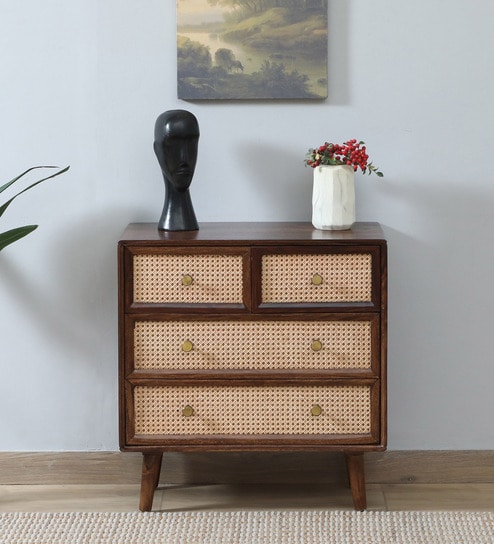
Glasgow Sheesham Wood Chest Of Drawers In Provincial Teak Finish
By Woodsworth from Pepperfry
36-Month Warranty Available
₹27,999 ₹38,999 (28% off)
EMI starting from ₹1,345/month
Express Shipping in 1 day

Glasgow Sheesham Wood Corner Cabinet In Provincial Teak Finish
By Woodsworth from Pepperfry
36-Month Warranty Available
₹35,999 ₹49,999 (28% off)
EMI starting from ₹1,729/month
Express Shipping in 1 day

Glasgow Sheesham Wood King Size Bed In Provincial Teak Finish
By Woodsworth from Pepperfry
36-Month Warranty Available
₹57,499 ₹77,999 (26% off)
EMI starting from ₹2,761/month

Glasgow Sheesham Wood Shoe Rack In Provincial Teak Finish
By Woodsworth from Pepperfry
36-Month Warranty Available
₹29,999 ₹36,999 (19% off)
EMI starting from ₹1,441/month
Express Shipping in 1 day

Glasgow Sheesham Wood Queen Size Bed In Provincial Teak Finish
By Woodsworth from Pepperfry
36-Month Warranty Available
₹52,999 ₹70,999 (25% off)
EMI starting from ₹2,545/month

Glasgow Sheesham Wood Dresser In Provincial Teak Finish With Mirror
By Woodsworth from Pepperfry
36-Month Warranty Available
₹22,999 ₹29,999 (23% off)
EMI starting from ₹1,105/month
Express Shipping in 1 day

Glasgow Sheesham Wood Chest Of Drawer In Provincial Teak Finish
By Woodsworth from Pepperfry
36-Month Warranty Available
₹32,499 ₹44,999 (28% off)
EMI starting from ₹1,561/month
Express Shipping in 1 day
Trending
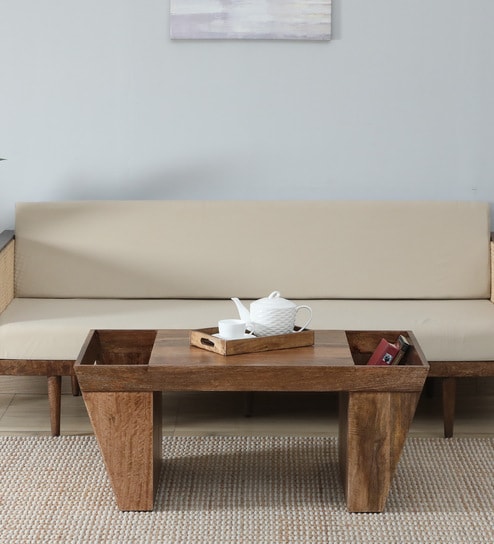
Baarn Mango Wood Coffee Table In Rustic Teak Finish With Magazine Holder
By Woodsworth from Pepperfry
36-Month Warranty Available
₹24,499 ₹30,999 (21% off)
EMI starting from ₹1,177/month
Express Shipping in 1 day

Extra Offer Inside
Spindle Cane Queen Size Bed In Teak Finish
By Opaque Studio
3-Month Warranty Available
₹83,000
EMI starting from ₹3,986/month

Extra Offer Inside
Sistea Cane King Size Bed In White Distressed Finish
By Opaque Studio
3-Month Warranty Available
₹1,24,500
EMI starting from ₹5,978/month

Extra Offer Inside
Hasker Cane Queen Size Bed In Teak Finish
By Opaque Studio
3-Month Warranty Available
₹89,000
EMI starting from ₹4,274/month
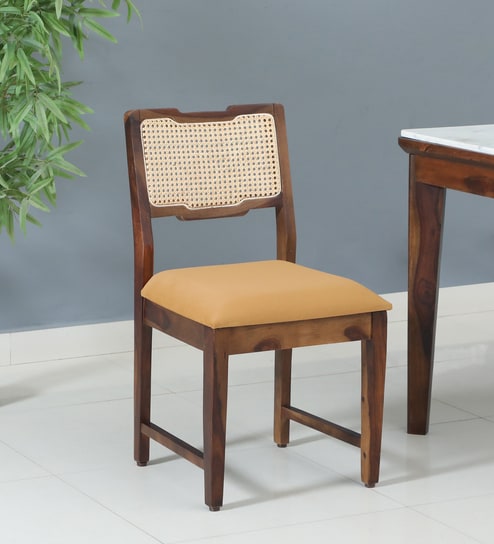
Binche Sheesham Wood Dining Chair In Scratch Resistant Provincial Teak Finish (Set Of 2)
By Woodsworth from Pepperfry
60-Month Warranty Available
₹17,499 ₹22,999 (24% off)
EMI starting from ₹841/month
Express Shipping in 1 day
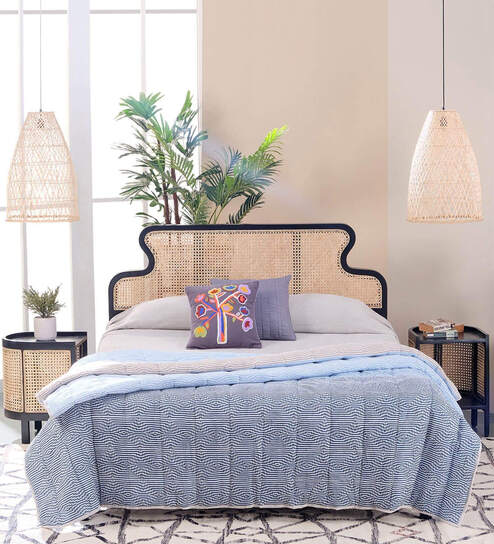
Extra Offer Inside
Mod Teak Wood & Wicker Queen Size Bed In Black Finish
By Freedom Tree
12-Month Warranty Available
₹80,700 ₹1,15,300 (30% off)
EMI starting from ₹3,875/month
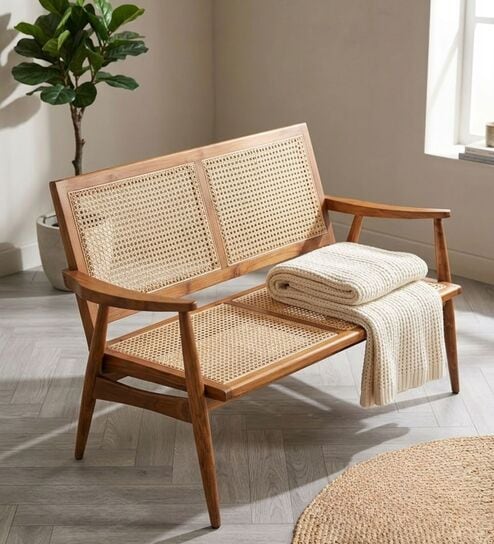
Extra Offer Inside
Sinni Teak Wood 2 Seater Sofa Chair In Natural Finish
By Freedom Tree
12-Month Warranty Available
₹58,100
EMI starting from ₹2,790/month

Extra Offer Inside
Wicker Teak Wood Chair In Natural Finish
By Freedom Tree
12-Month Warranty Available
₹49,300
EMI starting from ₹2,368/month
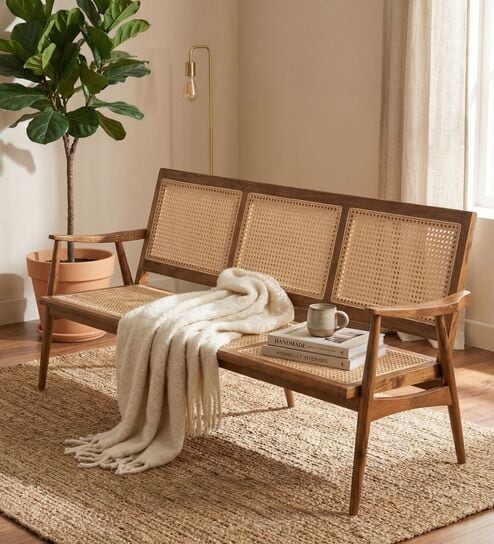
Extra Offer Inside
Sinni Solid Wood 3 Seater Sofa Chair In Natural Finish
By Freedom Tree
12-Month Warranty Available
₹75,700
EMI starting from ₹3,635/month
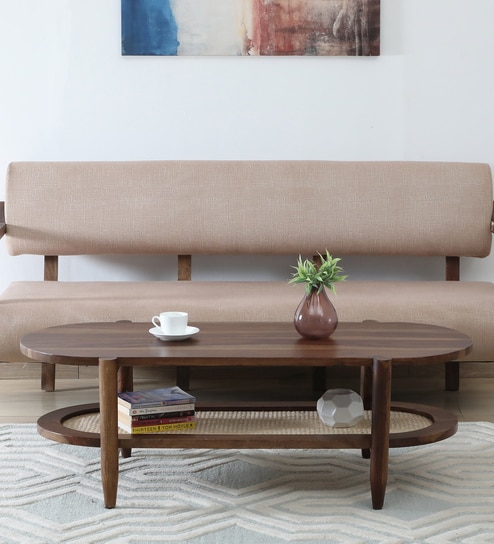
Finnmark Sheesham Wood Coffee Table In Scratch Resistant Provincial Teak Finish
By Woodsworth from Pepperfry
60-Month Warranty Available
₹26,999 ₹36,999 (27% off)
EMI starting from ₹1,297/month

Andaman Pulo Solid Wood Bedside Table In Natural Finish
By Orange Tree
12-Month Warranty Available
₹31,999
EMI starting from ₹1,537/month

Andaman Smith Solid Wood TV Console In Natural Finish
By Orange Tree
12-Month Warranty Available
₹67,999
EMI starting from ₹3,265/month
Ships in 4 days
Didn't Find What You Were Looking For? Share your Feedback with Us ->
Cane Collection - Lightweight Natural Furniture for Indian Homes
Cane furniture has a way of making rooms feel lighter. The woven texture catches light and shadow, creating patterns that shift through the day. For homes across India, where summer heat lingers and monsoons bring moisture, cane offers a sensible choice. It breathes. It stays cool to the touch. And it brings a handcrafted quality that mass-produced items often lack.
Pepperfry's cane collection features chairs, headboards, storage pieces, and decorative accents made from rattan palm. As one of India's leading furniture destinations, Pepperfry sources pieces that balance craft with everyday function. From a single accent chair to complete seating sets, these natural pieces bring warmth and texture to modern Indian homes. The collection spans multiple styles, price points, and room applications, making it simple to find something that fits your space.
What is Cane Furniture and Why Choose a Cane Collection?
Cane furniture is made from the outer skin of rattan palm. Craftspeople weave or stretch this material over frames to create seats, backs, panels, and decorative surfaces. Rattan grows quickly in tropical forests, making it a renewable resource that regenerates faster than most hardwoods. The material is strong yet flexible, which allows artisans to shape it into curves that solid wood cannot easily achieve.
Why Cane Works for Indian Homes
The natural structure of cane allows air to pass through freely. This makes cane chairs and headboards comfortable in warm weather. Unlike solid wood or upholstered pieces that trap heat, cane surfaces stay cool against your skin. In humid coastal regions or during monsoon months, this breathability helps prevent the sticky feeling that heavier furniture can cause.
Cane furniture is also remarkably light. A cane chair weighs far less than its wooden or metal counterpart. This makes rearranging rooms simple. Pull a chair to the balcony for morning tea, then move it back indoors when the afternoon sun gets strong. For renters who move frequently, lightweight furniture is a practical advantage.
Beyond practicality, there is growing interest in sustainable materials. Rattan regenerates faster than hardwood trees, and harvesting it does not require clear-cutting forests. For homeowners looking to make thoughtful choices, cane furniture offers a way to bring nature indoors without high environmental cost. The material connects modern living spaces to traditional craftsmanship that has existed for generations.
Common Cane Furniture Pieces
Chairs and Seating: Cane chairs range from classic peacock styles to minimalist armchairs. The woven seat and back flex slightly, moulding to your body over time. Dining chairs with cane seats pair well with wooden or marble tables, adding texture without visual heaviness.
Headboards: A cane headboard adds depth to a bedroom without the weight of a solid wood panel. Natural tones work well against white walls or coloured feature walls alike. The woven pattern creates interest without competing with bedding or artwork.
Room Dividers: Cane screens filter light while creating separate zones in open-plan spaces. They offer privacy without blocking airflow, making them useful in studios, shared bedrooms, or living areas that need subtle separation.
Storage Baskets: Woven baskets hold books, blankets, or laundry while adding a handmade touch to shelves and corners. Different weave patterns and sizes let you mix and match across rooms for a collected, layered look.
Tip: Cane works best in covered indoor spaces or protected verandas. For fully exposed outdoor areas, check whether the piece has weather-resistant treatment before purchasing.
Which Cane Collection Styles and Sets Suit Your Home?
Cane furniture comes in several design directions. Your choice depends on the mood you want to create and how the piece will fit with existing decor. The finish, colour, and form a influence how cane reads in a room.
Natural Unfinished Cane
Raw cane keeps its original golden-brown colour. This finish suits boho or tropical interiors where textures and earth tones dominate the space. An unfinished cane chair beside a potted palm creates an instant resort feel. Over time, natural cane develops a deeper patina that adds character and warmth. The organic look pairs well with jute rugs, wooden shelves, and indoor plants for a cohesive natural scheme.
Painted and Lacquered Cane
For a more polished look, painted cane furniture works beautifully. White or black lacquered frames give cane a contemporary edge that suits modern flats. These pieces fit into Scandinavian-inspired or minimal rooms without looking out of place. The contrast between the painted frame and the woven cane surface creates visual interest that feels intentional. Navy, forest green, or terracotta finishes also work for bolder colour statements that anchor a room.
There is an ever-growing focus on sustainability… it comes as no surprise that we want our personal spaces to reflect the same. Cane offers the perfect amalgamation of craft, tradition, and modern aesthetics, notes Sanchit Arora, Architect (Architectural Digest India)
Coordinated Cane Furniture Sets
If you are setting up a balcony or reading corner, a cane furniture set simplifies the process considerably. A matching chair and side table, or a full seating group with a coffee table, creates a cohesive look without the effort of hunting for complementary pieces. Sets also tend to offer better value than buying items separately. They save time when you want a finished, pulled-together look quickly.
Style tip: Mix cane furniture with cotton or linen cushions in muted tones. This combination keeps the natural vibe while adding comfort and softness that invites you to linger.
How Do You Care for Your Cane Collection?
Natural materials need attention to last well. Cane furniture is durable when maintained properly, but it responds to its environment in ways that synthetic materials do not. A few simple habits will keep your pieces looking fresh for years and extend their useful life significantly.
Keep Cane Away from Extremes
Direct sunlight dries out cane fibres over time. Prolonged exposure can cause the weave to become brittle and crack at stress points. Position cane furniture away from windows that get strong afternoon sun, or use curtains to filter the light during peak hours.
Care note: If cane becomes slightly dry or stiff, misting lightly with water and allowing it to dry naturally can help restore flexibility. Do this sparingly and never saturate the material.
Excess moisture is equally problematic. In very humid conditions, cane can absorb water and develop mould on the surface. If you live in a coastal area or notice dampness during monsoon season, ensure good ventilation around your cane pieces. Wipe down any moisture that collects promptly and allow the furniture to dry completely.
Regular Cleaning Routine
Dust settles into the woven pattern naturally. A soft brush or vacuum with a brush attachment removes debris without damaging the fibres. For deeper cleaning, wipe surfaces with a slightly damp cloth, then dry immediately with a clean towel. Avoid soaking cane or using harsh chemical cleaners, as these can weaken the fibres and strip natural oils from the material.
Indoor Versus Outdoor Placement
Cane suits covered indoor spaces best for long-term durability. A protected veranda or balcony with a roof works well for casual seating. Fully exposed outdoor use shortens the lifespan considerably unless the furniture has specific weather-resistant treatment applied. Always check product details before placing cane pieces in areas that receive direct rain or intense midday sun.
Frequently Asked Questions (FAQs)
1. Is cane furniture durable for everyday use?
Yes, quality cane furniture handles daily use well. The rattan material is naturally strong and flexible, designed to bear weight without cracking. With proper care and placement away from extreme conditions, cane chairs and tables last many years. The key is keeping them away from direct sunlight and standing moisture.
2. How do I prevent cane from drying out or cracking?
Position cane pieces away from direct sunlight and air conditioning vents. Both can dry out the natural fibres over time. If you notice the cane feeling stiff or less flexible, a light misting with water followed by air drying can restore some suppleness. Avoid over wetting the material.
3. Is cane furniture suitable for humid or coastal climates?
Cane handles moderate humidity well because it breathes naturally. However, very high humidity can encourage mould growth on natural materials. Ensure good air circulation around your cane furniture, and wipe any moisture that accumulates during monsoon months or after heavy rains.
4. Can cane pieces be repainted or refinished later?
Yes, you can repaint cane furniture to update its appearance. Light sanding followed by spray paint or a brush on finish works for most pieces. This is a good option if you want to refresh sun faded surfaces or change colours to match a new decor scheme.
5. Is cane furniture suitable for outdoor balconies?
Cane works well on covered balconies where it stays protected from direct rain and harsh afternoon sun. For fully exposed outdoor spaces without roof coverage, look for pieces specifically marked as weather treated. During heavy monsoon periods, consider bringing untreated cane furniture indoors temporarily.
 FurnitureSofas, Sectional Sofas, Sofa Cum Beds, Chaise Loungers, Bean Bags, Recliners, Sofa Chairs, Settees & Benches, Ottomans, Chairs, Gaming Chairs, Stools & Pouffes, Shoe Racks, Centre Tables, Side Tables, TV & Media Units, Cabinets & Sideboards, Book Shelves, Book Cases, Dining Sets, Dining Chairs, Dining Tables, Crockery Units, Bar Furniture, Beds, Bedside Tables, Trunks, Chest of Drawers, Dressing Tables, Screens and Dividers, Wardrobes, Kids and Teens, Study Tables, Office Furniture, Home Temples, Wall Shelves and Cabinets, Outdoor, Massagers, Furniture Care
- Sofas
- Sectional Sofas
- Sofa Cum Beds
- Chaise Loungers
- Bean Bags
- Recliners
- Sofa Chairs
- Settees & Benches
- Ottomans
- Chairs
- Gaming Chairs
- Stools & Pouffes
- Shoe Racks
- Centre Tables
- Side Tables
- TV & Media Units
- Cabinets & Sideboards
- Book Shelves
- Book Cases
- Dining Sets
- Dining Chairs
- Dining Tables
- Crockery Units
- Bar Furniture
- Beds
- Bedside Tables
- Trunks
- Chest of Drawers
- Dressing Tables
- Screens and Dividers
- Wardrobes
- Kids and Teens
- Study Tables
- Office Furniture
- Home Temples
- Wall Shelves and Cabinets
- Outdoor
- Massagers
- Furniture Care
 Sofas & SeatingSofas, Sofa Sets, Sectional Sofas, Sofa Cum Beds, Recliners, Recliner Sets, Chaise Loungers, Sofa Chairs, Bean Bags, Accent Chairs, Office Chairs, Gaming Chairs, Dining Chairs, Bar Seating, Settees & Benches, Ottomans, Stools & Pouffes, Outdoor Seating, Furniture Care, Top Collections, Top Brands
- Sofas
- Sofa Sets
- Sectional Sofas
- Sofa Cum Beds
- Recliners
- Recliner Sets
- Chaise Loungers
- Sofa Chairs
- Bean Bags
- Accent Chairs
- Office Chairs
- Gaming Chairs
- Dining Chairs
- Bar Seating
- Settees & Benches
- Ottomans
- Stools & Pouffes
- Outdoor Seating
- Furniture Care
- Top Collections
- Top Brands
 MattressesKing Size Mattresses, Queen Size Mattresses, Single Size Mattresses, Foldable Mattresses, Crib Mattresses, Mattress Protectors, Mattress Toppers, Pillows, Mattresses By Feature, Top Brands
- King Size Mattresses
- Queen Size Mattresses
- Single Size Mattresses
- Foldable Mattresses
- Crib Mattresses
- Mattress Protectors
- Mattress Toppers
- Pillows
- Mattresses By Feature
- Top Brands
 DecorShowpieces & Collectibles, Figurines, Table Decor, Vases, Wall Paintings & Prints, Wall Decor, Wallpapers & Decals, Mirrors, Clocks, Photo Frames, Candles & Fragrances, Candle Stands, Artificial Plants & Flowers, Pots & Planters, Gardening, Fountains, Home Mandir, Pooja Essentials, Festive Decor, Kids Decor, Festive Gifting
- Showpieces & Collectibles
- Figurines
- Table Decor
- Vases
- Wall Paintings & Prints
- Wall Decor
- Wallpapers & Decals
- Mirrors
- Clocks
- Photo Frames
- Candles & Fragrances
- Candle Stands
- Artificial Plants & Flowers
- Pots & Planters
- Gardening
- Fountains
- Home Mandir
- Pooja Essentials
- Religious Idols
- Religious Frames
- Pooja Shelves
- Chowkies
- Pooja Wares
- Pooja Fragrances
- Vastu and Feng Shui
- Spiritual Coins and Pendants
- Festive Decor
- Kids Decor
- Festive Gifting
 FurnishingsBed Sheets, Bedding, Blankets and Quilts, Curtains, Cushions and Covers, Sofa Covers and Throws, Chair Covers & Pads, Rugs, Door Mats, Yoga Mats, Picnic Mats, Bath Linen, Bath Mats, Festive Gifting, Kids Furnishings
- Bed Sheets
- Bedding
- Blankets and Quilts
- Curtains
- Cushions and Covers
- Sofa Covers and Throws
- Chair Covers & Pads
- Rugs
- Door Mats
- Yoga Mats
- Picnic Mats
- Bath Linen
- Bath Mats
- Festive Gifting
- Kids Furnishings
 LightingCeiling Lights, Wall Lights, Floor Lamps, Table Lamps, Lamp Shades, Work and Study Lamps, Smart Lights, Night Lamps, Kids Lamps, Outdoor Lights, Decorative Lights
- Ceiling Lights
- Wall Lights
- Floor Lamps
- Table Lamps
- Lamp Shades
- Work and Study Lamps
- Smart Lights
- Night Lamps
- Kids Lamps
- Outdoor Lights
- Decorative Lights
 TablewareCrockery, Cutlery, Drinkware, Barware, Serveware, Table Essentials, Table Linen, Festive Gifting
- Crockery
- Cutlery
- Drinkware
- Tumblers
- Whiskey Glasses
- Wine Glasses
- Beer Mugs
- Cocktail Glasses
- Champagne Glasses
- Shot Glasses
- Jugs
- Dispensers
- Insulated Tumblers
- Barware
- Serveware
- Table Essentials
- Table Linen
- Festive Gifting
 KitchenCookware, Kitchen ware, Bakeware, Kitchen Storage, Kitchen Organizers, Kitchen Linen, Kitchen Appliances, Pepperfry Finds, Festive Gifting
- Cookware
- Kitchen ware
- Knives and Choppers
- Chopping Boards
- Graters
- Spatulas, Ladles and Tongs
- Strainers and Whisks
- Rolling Pins and Boards
- Mortar and Pestles
- Bakeware
- Kitchen Storage
- Kitchen Organizers
- Kitchen Linen
- Kitchen Appliances
- Cooktops
- OTGs & Microwaves
- Chimneys
- Food Makers
- Dishwashers
- Mixers and Processors
- Breakfast Appliances
- Air Fryers
- Pepperfry Finds
- Festive Gifting
 Home UtilityStorage & Organizers, Drawer Organizers, House Keeping Tools, Bath Accessories, Laundry Baskets, Laundry Essentials, Wall Shelves and Cabinets, Dividers, Key Holders, Set Top Box Holders, Fridge Magnets, Coat Stands, Office Supplies & Stationary, Pen Stands, Laptop Table for Bed, Rain Essentials, Mosquito Nets, Travel Accessories, Appliances
- Storage & Organizers
- Storage Boxes & Drawers
- Magazine Racks
- Mobile Holders
- Hooks & Hangers
- Cloth Organiser
- Shoe Organizers
- Desk Organizers
- Accessory Holders
- Drawer Organizers
- House Keeping Tools
- Bath Accessories
- Laundry Baskets
- Laundry Essentials
- Wall Shelves and Cabinets
- Dividers
- Key Holders
- Set Top Box Holders
- Fridge Magnets
- Coat Stands
- Office Supplies & Stationary
- Pen Stands
- Laptop Table for Bed
- Rain Essentials
- Mosquito Nets
- Travel Accessories
- Appliances
 LuxuryLiving Room, Bedroom, Dining Room, Home Office