Sign Up & Get Upto Rs. 1,500 off on Your First Purchase!


Bedroom Design
Your bedroom is more than a place to sleep. It is your personal retreat where comfort meets style. At Pepperfry, we offer bedroom design solutions ranging from traditional Indian aesthetics to modern minimalism. Our collection includes beds, wardrobes, bedside tables, lighting, and furnishings that help create spaces reflecting your taste. Whether your room is compact or spacious, find options at various price points to suit every need and budget.


Filter By More Filters
Sort By
Showing 41-80 of 4895 options

New Arrivals
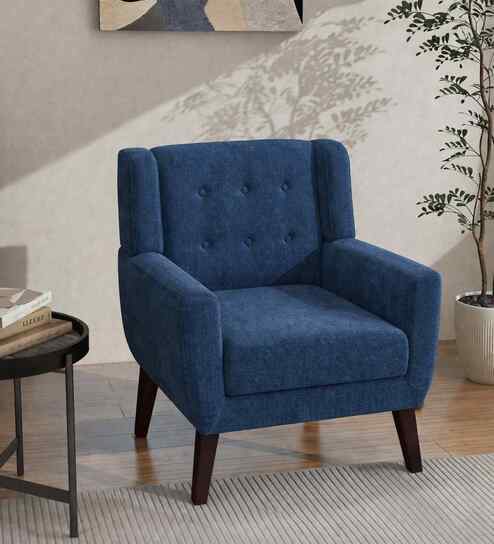
Azriah Boucle Fabric Accent Chair In Blue Colour
By Timberly
12-Month Warranty Available
₹13,499 ₹16,999 (21% off)
EMI starting from ₹649/month
New Arrivals
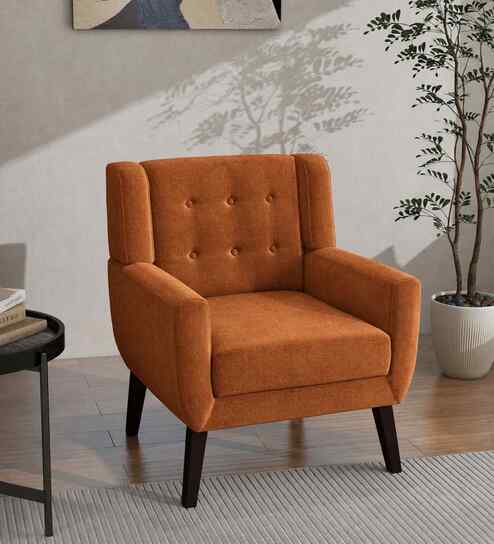
Azriah Boucle Fabric Accent Chair In Orange Colour
By Timberly
12-Month Warranty Available
₹13,499 ₹16,999 (21% off)
EMI starting from ₹649/month
New Arrivals
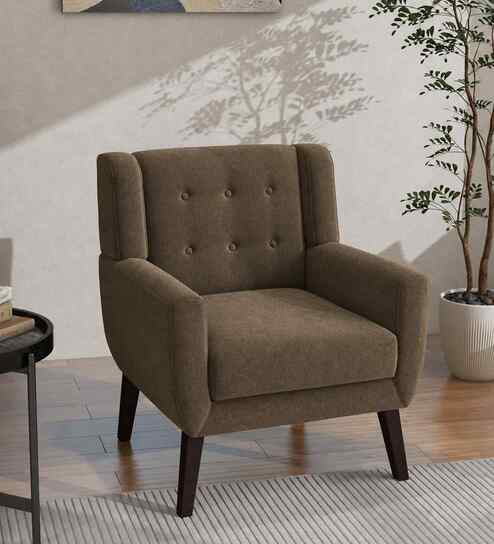
Azriah Boucle Fabric Accent Chair In Brown Colour
By Timberly
12-Month Warranty Available
₹13,499 ₹16,999 (21% off)
EMI starting from ₹649/month
New Arrivals
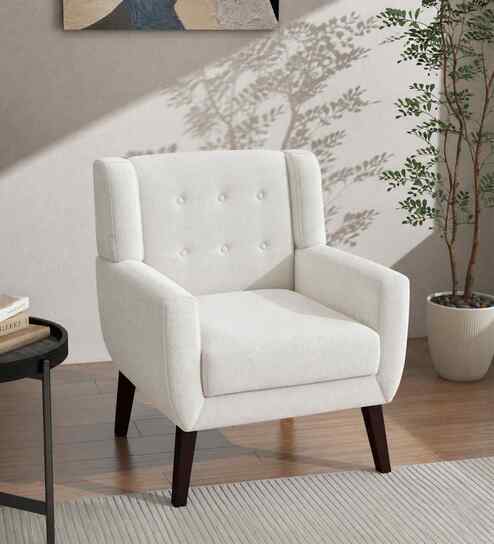
Azriah Boucle Fabric Accent Chair In White Colour
By Timberly
12-Month Warranty Available
₹13,499 ₹16,999 (21% off)
EMI starting from ₹649/month
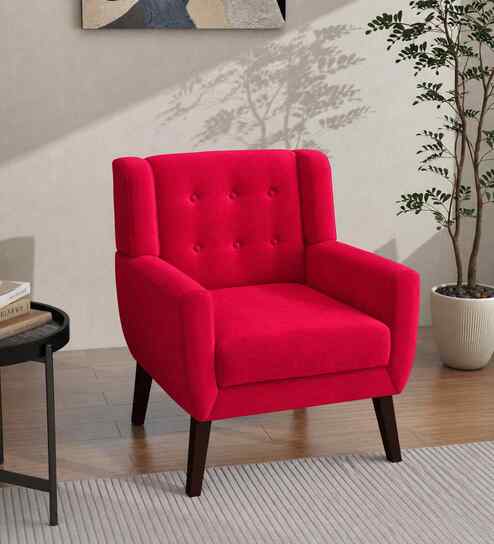
New Arrivals
Azriah Boucle Fabric Accent Chair In Red Colour
By Timberly
12-Month Warranty Available
₹13,499 ₹16,999 (21% off)
EMI starting from ₹649/month
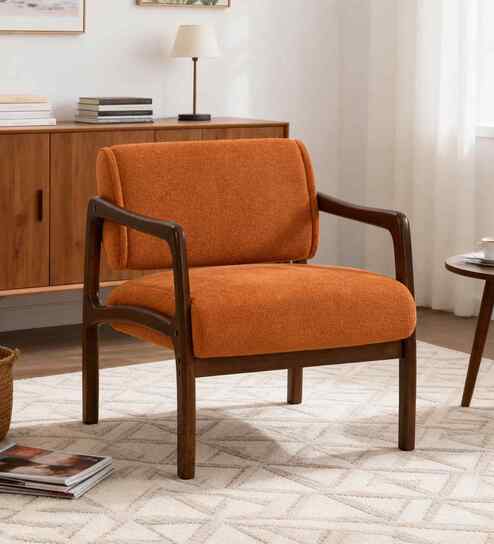
New Arrivals
Citrus Boucle Fabric Arm Chair In Orange Colour
By Timberly
12-Month Warranty Available
₹15,499 ₹19,999 (23% off)
EMI starting from ₹745/month
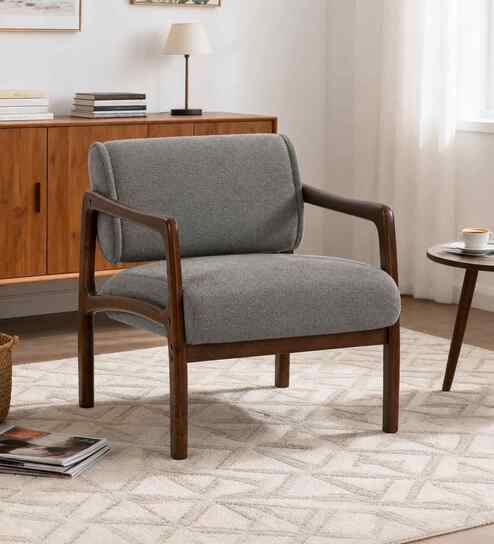
New Arrivals
Citrus Boucle Fabric Arm Chair In Grey Colour
By Timberly
12-Month Warranty Available
₹15,499 ₹19,999 (23% off)
EMI starting from ₹745/month
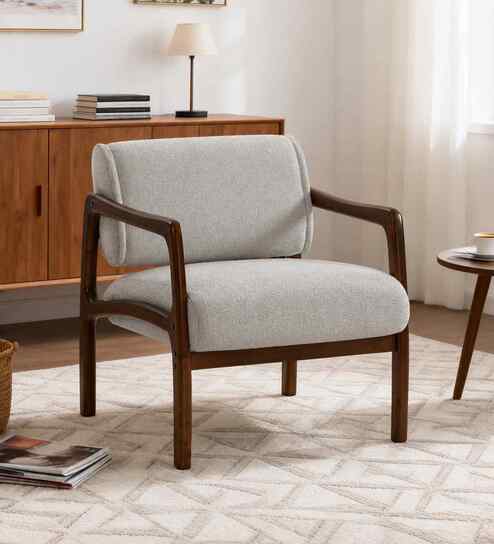
New Arrivals
Citrus Boucle Fabric Arm Chair In White Colour
By Timberly
12-Month Warranty Available
₹15,499 ₹19,999 (23% off)
EMI starting from ₹745/month
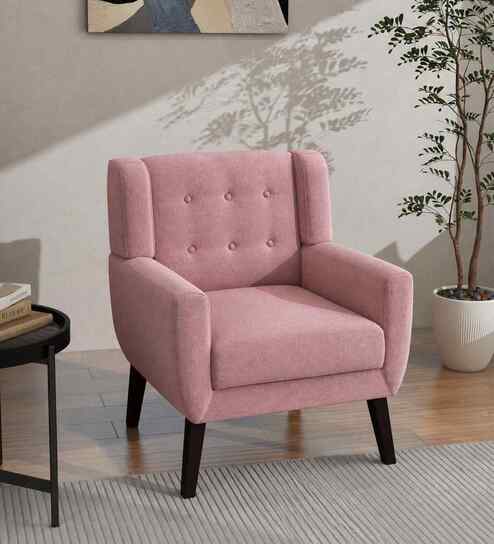
New Arrivals
Azriah Boucle Fabric Accent Chair In Pink Colour
By Timberly
12-Month Warranty Available
₹13,499 ₹16,999 (21% off)
EMI starting from ₹649/month
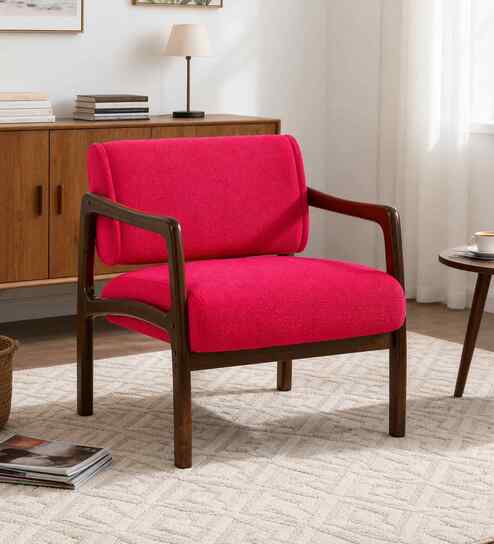
New Arrivals
Citrus Boucle Fabric Arm Chair In Red Colour
By Timberly
12-Month Warranty Available
₹15,499 ₹19,999 (23% off)
EMI starting from ₹745/month
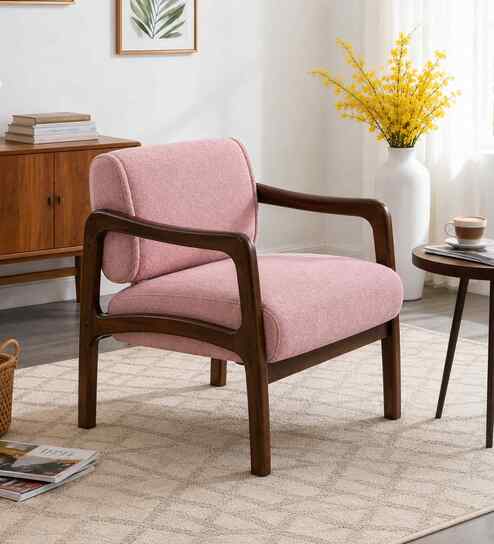
New Arrivals
Citrus Boucle Fabric Arm Chair In Pink Colour
By Timberly
12-Month Warranty Available
₹15,499 ₹19,999 (23% off)
EMI starting from ₹745/month
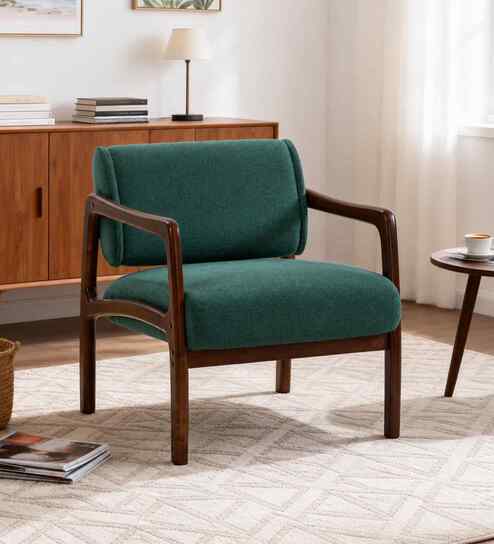
New Arrivals
Citrus Boucle Fabric Arm Chair In Green Colour
By Timberly
12-Month Warranty Available
₹15,499 ₹19,999 (23% off)
EMI starting from ₹745/month
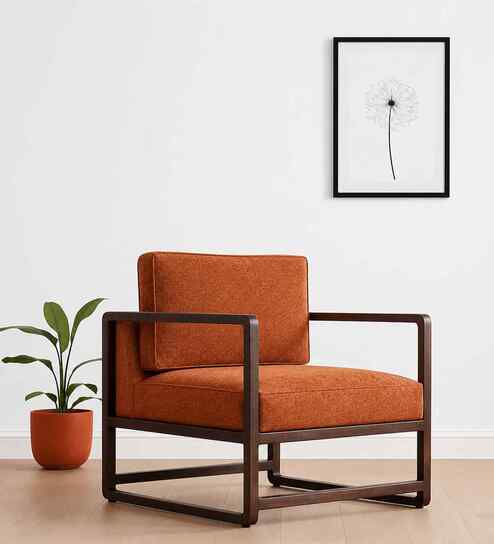
New Arrivals
Aura Boucle Fabric Arm Chair In Orange Colour
By Timberly
12-Month Warranty Available
₹19,499 ₹24,999 (22% off)
EMI starting from ₹937/month
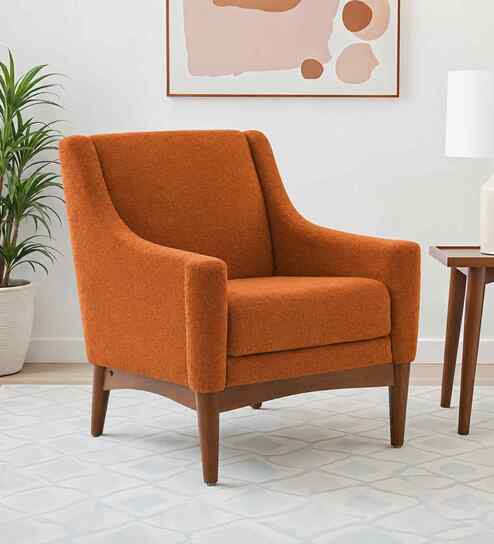
New Arrivals
Claudia Boucle Fabric Arm Chair In Orange Colour
By Timberly
12-Month Warranty Available
₹19,499 ₹24,999 (22% off)
EMI starting from ₹937/month
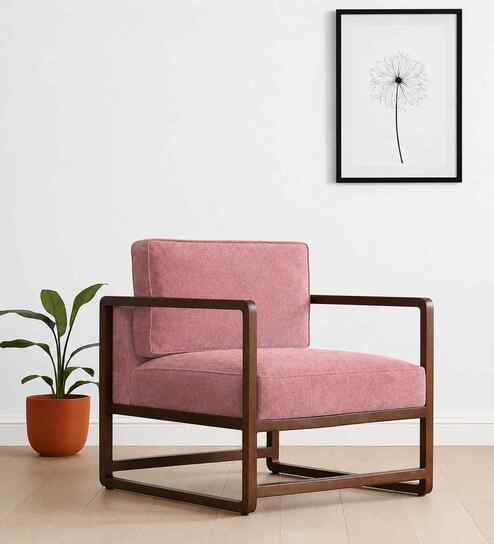
New Arrivals
Aura Boucle Fabric Arm Chair In Pink Colour
By Timberly
12-Month Warranty Available
₹19,499 ₹24,999 (22% off)
EMI starting from ₹937/month
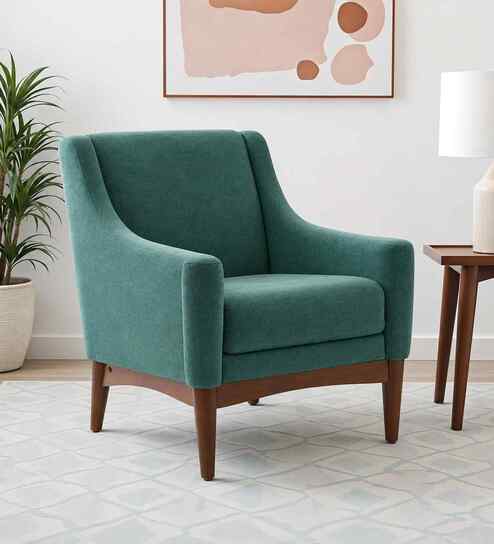
New Arrivals
Claudia Boucle Fabric Arm Chair In Green Colour
By Timberly
12-Month Warranty Available
₹19,499 ₹24,999 (22% off)
EMI starting from ₹937/month
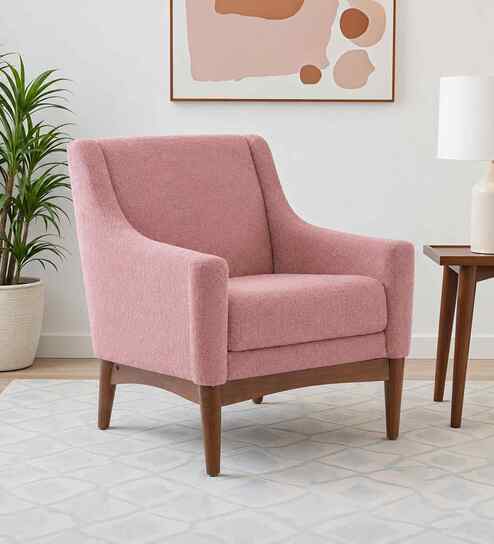
New Arrivals
Claudia Boucle Fabric Arm Chair In Pink Colour
By Timberly
12-Month Warranty Available
₹19,499 ₹24,999 (22% off)
EMI starting from ₹937/month
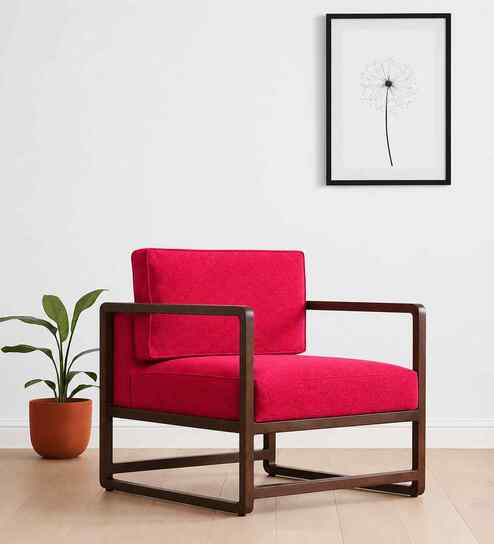
New Arrivals
Aura Boucle Fabric Arm Chair In Red Colour
By Timberly
12-Month Warranty Available
₹19,499 ₹24,999 (22% off)
EMI starting from ₹937/month
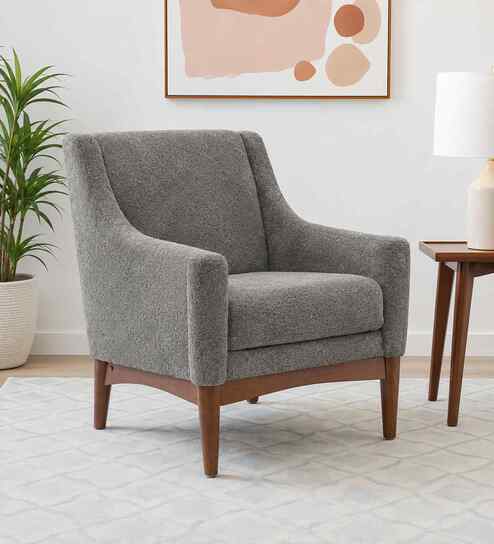
New Arrivals
Claudia Boucle Fabric Arm Chair In Grey Colour
By Timberly
12-Month Warranty Available
₹19,499 ₹24,999 (22% off)
EMI starting from ₹937/month
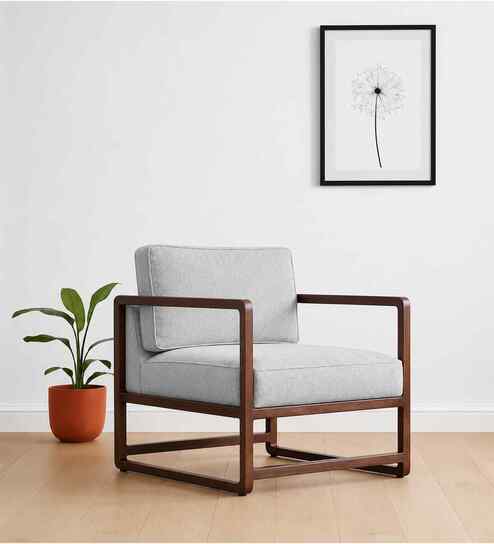
New Arrivals
Aura Boucle Fabric Arm Chair In White Colour
By Timberly
12-Month Warranty Available
₹19,499 ₹24,999 (22% off)
EMI starting from ₹937/month
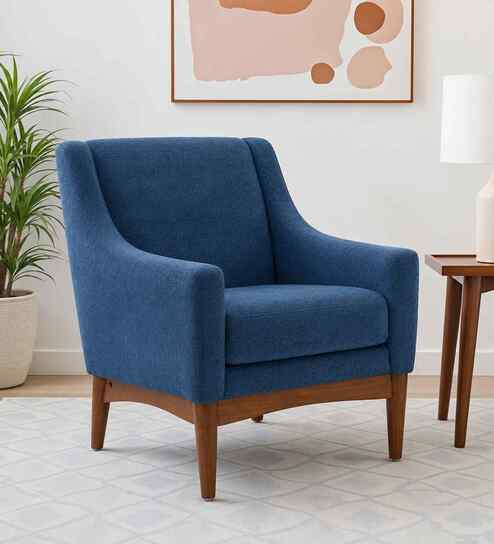
New Arrivals
Claudia Boucle Fabric Arm Chair In Blue Colour
By Timberly
12-Month Warranty Available
₹19,499 ₹24,999 (22% off)
EMI starting from ₹937/month
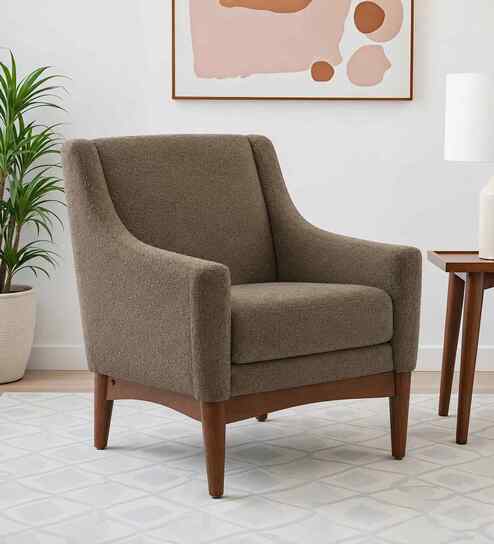
New Arrivals
Claudia Boucle Fabric Arm Chair In Brown Colour
By Timberly
12-Month Warranty Available
₹19,499 ₹24,999 (22% off)
EMI starting from ₹937/month
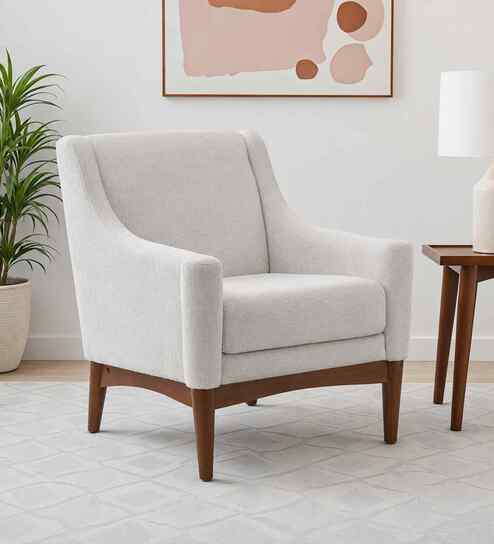
New Arrivals
Claudia Boucle Fabric Arm Chair In White Colour
By Timberly
12-Month Warranty Available
₹19,499 ₹24,999 (22% off)
EMI starting from ₹937/month
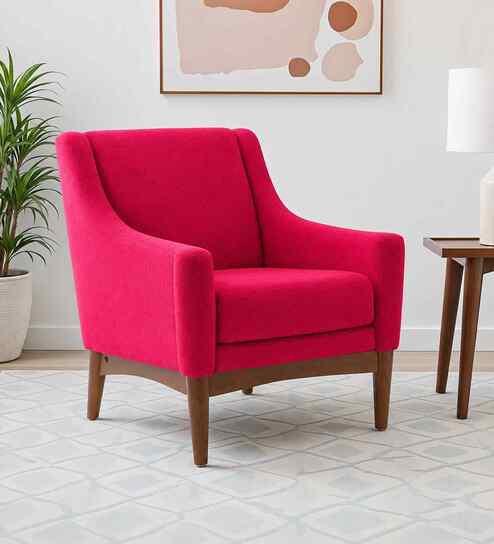
New Arrivals
Claudia Boucle Fabric Arm Chair In Red Colour
By Timberly
12-Month Warranty Available
₹19,499 ₹24,999 (22% off)
EMI starting from ₹937/month
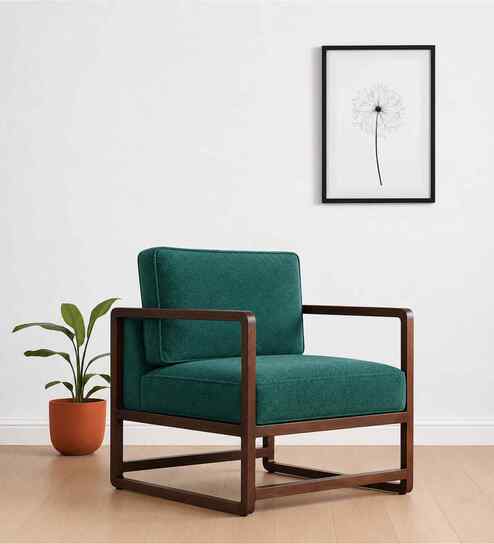
New Arrivals
Aura Boucle Fabric Arm Chair In Green Colour
By Timberly
12-Month Warranty Available
₹19,499 ₹24,999 (22% off)
EMI starting from ₹937/month
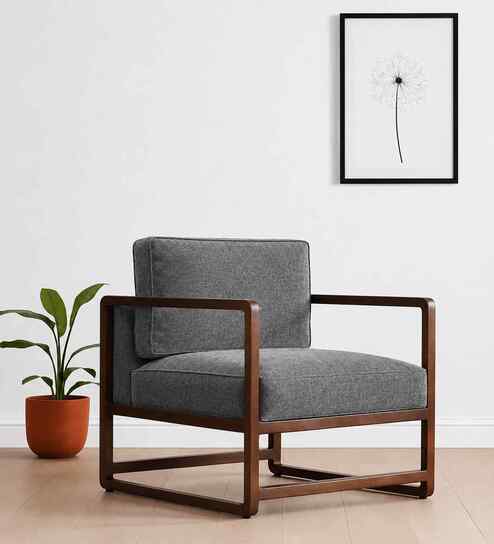
New Arrivals
Aura Boucle Fabric Arm Chair In Grey Colour
By Timberly
12-Month Warranty Available
₹19,499 ₹24,999 (22% off)
EMI starting from ₹937/month
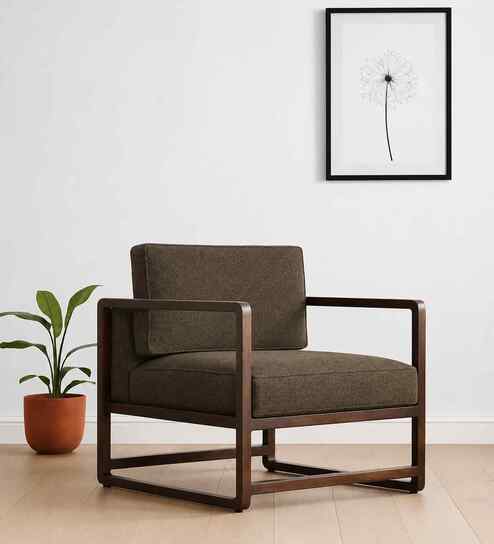
New Arrivals
Aura Boucle Fabric Arm Chair In Brown Colour
By Timberly
12-Month Warranty Available
₹19,499 ₹24,999 (22% off)
EMI starting from ₹937/month
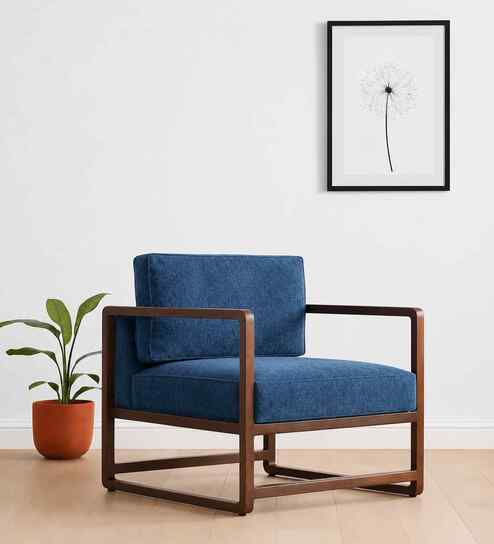
New Arrivals
Aura Boucle Fabric Arm Chair In Blue Colour
By Timberly
12-Month Warranty Available
₹19,499 ₹24,999 (22% off)
EMI starting from ₹937/month
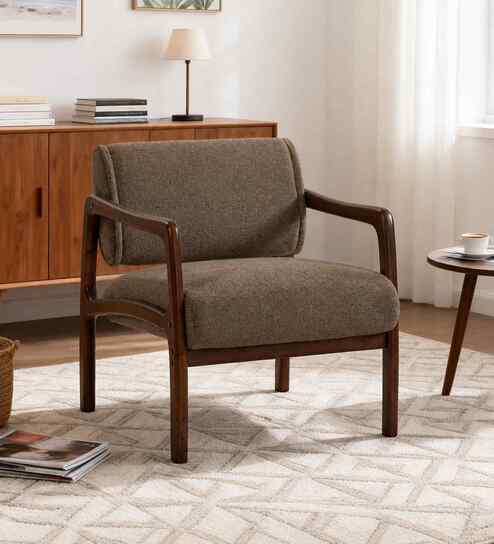
New Arrivals
Citrus Boucle Fabric Arm Chair In Brown Colour
By Timberly
12-Month Warranty Available
₹15,499 ₹19,999 (23% off)
EMI starting from ₹745/month
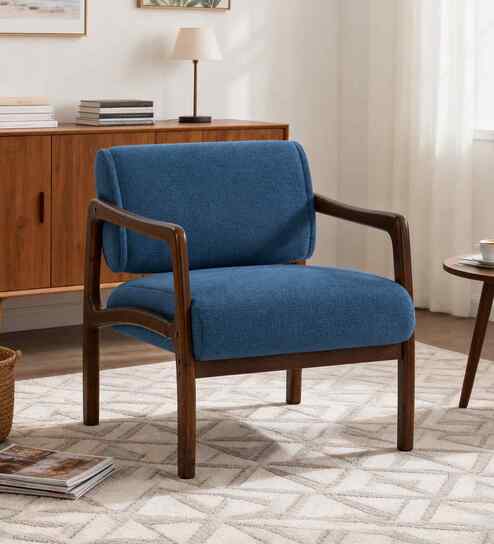
New Arrivals
Citrus Boucle Fabric Arm Chair In Blue Colour
By Timberly
12-Month Warranty Available
₹15,499 ₹19,999 (23% off)
EMI starting from ₹745/month
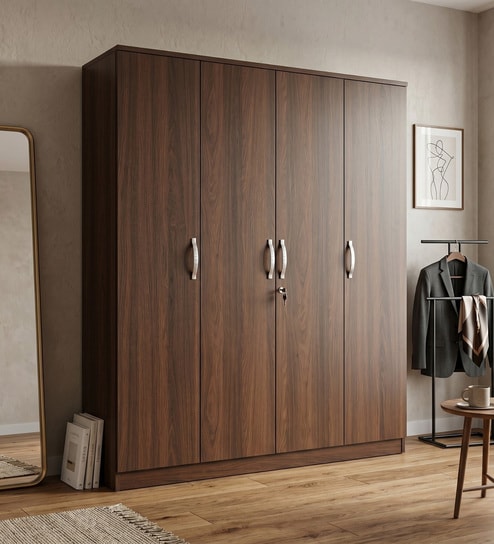
Extra Offer Inside
Willy Plus 4 Door Wardrobe In Walnut Finish
By HomeTown
12-Month Warranty Available
₹27,540 ₹91,800 (70% off)
EMI starting from ₹1,323/month
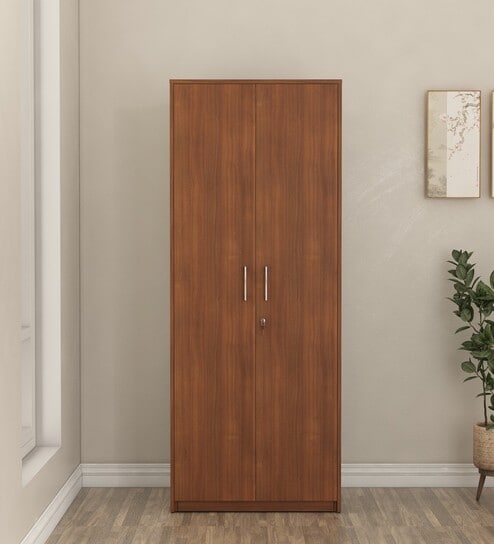
New Arrivals
Apex 2 Door Wardrobe In Walnut Rigato Finish
By Spacewood
36-Month Warranty Available
₹14,499 ₹21,999 (34% off)
EMI starting from ₹697/month
Express Shipping in 1 day
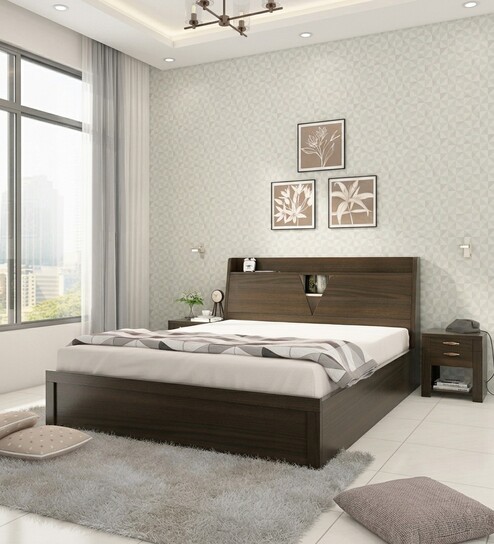
New Arrivals
Duke Queen Size Bed With Box Type Storage In Fumed Oak Finish
By Spacewood
36-Month Warranty Available
₹22,499 ₹33,999 (34% off)
EMI starting from ₹1,081/month
Express Shipping in 1 day
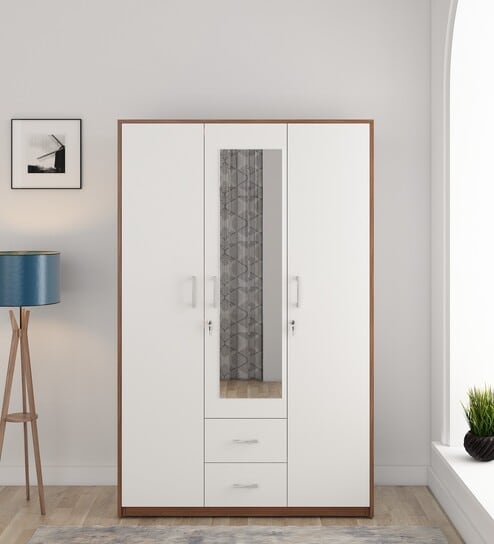
New Arrivals
Dew 3 Door Dresser Wardrobe In Walnut Rigato Finish
By Spacewood
36-Month Warranty Available
₹27,999 ₹41,999 (33% off)
EMI starting from ₹1,345/month
Express Shipping in 1 day
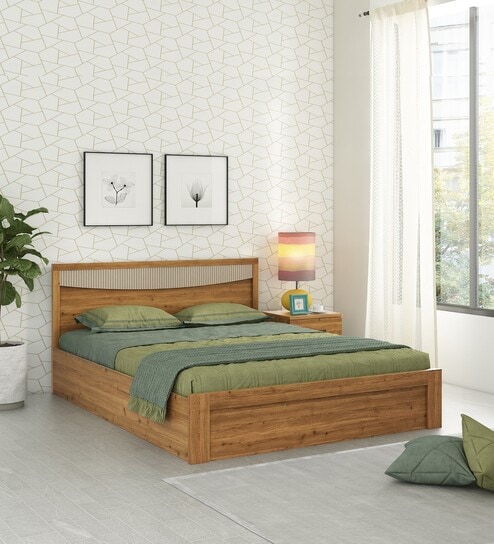
New Arrivals
Stride Queen Size Bed Box In Classic Oak Finish
By Spacewood
36-Month Warranty Available
₹19,999 ₹29,999 (33% off)
EMI starting from ₹961/month
Express Shipping in 1 day
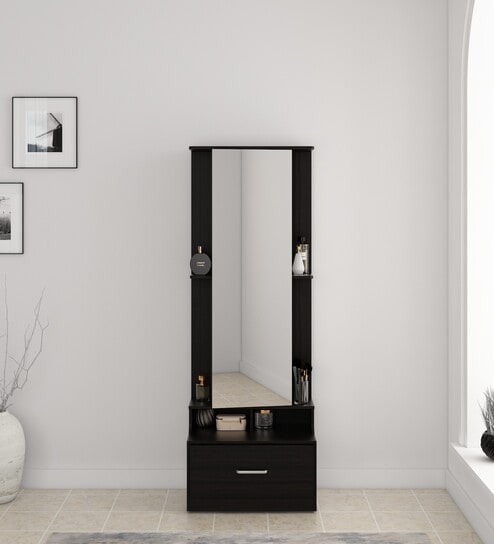
New Arrivals
Kosmo Dressing Table Liwa in Natural Wenge Finish
By Spacewood
36-Month Warranty Available
₹11,999 ₹18,999 (37% off)
EMI starting from ₹577/month
Express Shipping in 1 day
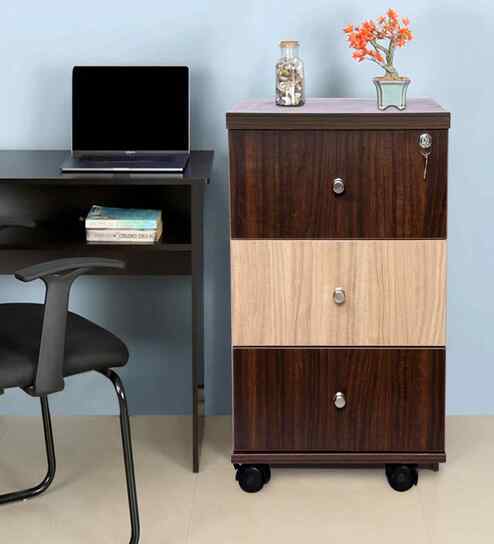
New Arrivals
Classic Walnut Brown Colour Bedside Table
By SMS Furniture
36-Month Warranty Available
₹10,266 ₹13,688 (25% off)
EMI starting from ₹493/month
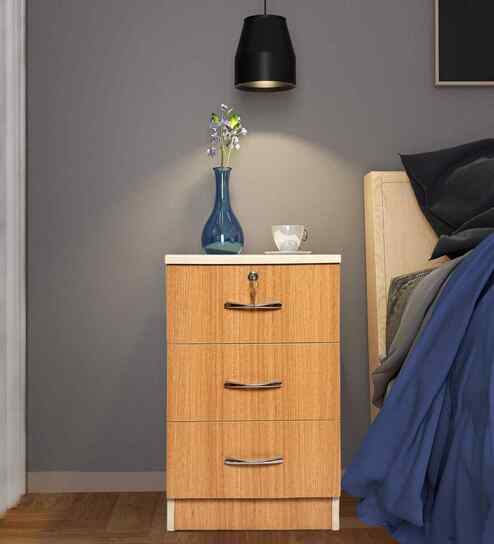
New Arrivals
Classic Amber Oak Colour Chest Of Drawers
By SMS Furniture
36-Month Warranty Available
₹10,266 ₹13,688 (25% off)
EMI starting from ₹493/month
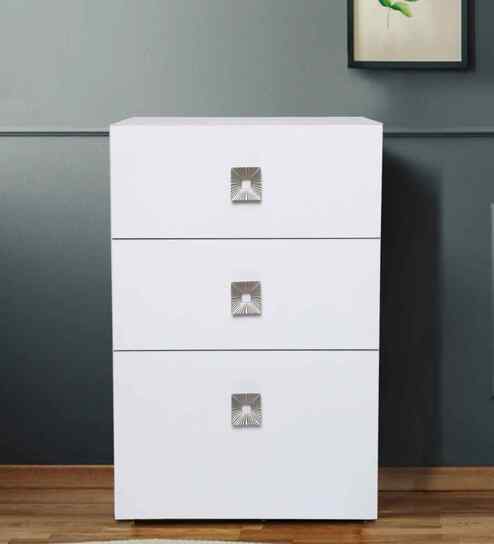
New Arrivals
Modern White Colour Chest Of Drawers In Textured Veneer Finish
By SMS Furniture
36-Month Warranty Available
₹10,797 ₹14,396 (25% off)
EMI starting from ₹519/month
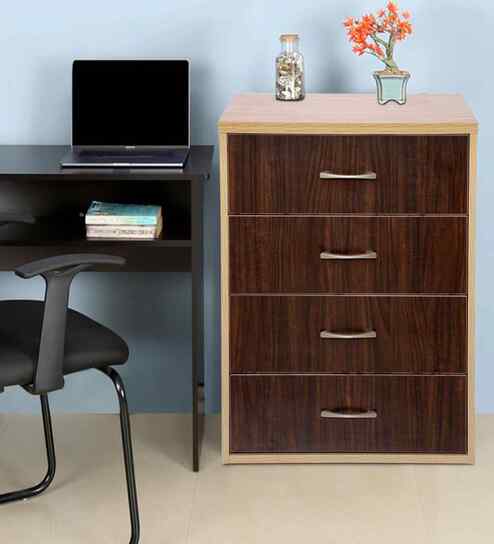
New Arrivals
Classic Natural Brown And Oak Dual Tone Bedside Table
By SMS Furniture
36-Month Warranty Available
₹17,877 ₹23,836 (25% off)
EMI starting from ₹859/month
Didn't Find What You Were Looking For? Share your Feedback with Us ->
Bedroom Design: Stylish Ideas and Furniture for Every Indian Home
Your bedroom sets the tone for how you start and end each day. A well-planned space balances comfort with personal style, creating a retreat that feels uniquely yours. At Pepperfry, one of India's leading furniture destinations, you will find everything from beds to lighting to transform any room. From Indian aesthetics to modern trends, compact solutions to master retreats, the right bedroom design brings together function and beauty in ways that work for your life and budget.
|
"Bedrooms should have a vibe that reflects your personality and instantly lets you relax and recharge as you escape everyday life. You can set the tone of your bedroom by making tiny decor tweaks or by planning a complete overhaul of the bedroom design." - Houzz |
Indian Bedroom Design: Traditional Meets Contemporary
Indian bedroom design blends rich cultural heritage with modern comfort. Think jewel-tone walls, carved wood furniture, and handwoven textiles that tell a story. This style brings warmth and character to any space, whether you prefer Rajasthani boldness or South Indian elegance. The key lies in balancing ornate details with clean functionality so your room feels inviting rather than cluttered.
Colour Palettes for Indian Bedrooms
- Deep reds, emerald greens, and royal blues form the heart of Indian colour schemes.
- Pair these jewel tones with warm neutrals like beige or cream to prevent the room from feeling heavy.
- Earthy terracotta with sage green creates a grounded yet fresh look.
- For accent walls, consider deep mustard or teal behind a carved headboard to anchor visual interest.
Traditional Furniture Elements
Low wooden beds with intricately carved headboards anchor the Indian bedroom. Jharokha-style wardrobes add architectural interest, while diwan seating provides both comfort and cultural flair. Brass hardware and copper accents on furniture bring authentic touches without overwhelming the space. Trunk-style storage pieces double as statement decor while keeping belongings organised.
Latest Bedroom Design Trends for 2025
Bedroom trends in 2025 focus on wellness, sustainability, and personal expression. Natural materials, smart technology, and bold colours are shaping how people think about sleep spaces. The best part? Many of these trends work at every budget level, making fresh updates accessible to all homeowners.
|
Trend Alert: Curved furniture silhouettes are replacing sharp angles this year. Look for beds and nightstands with rounded edges for a softer, more inviting feel in your modern bedroom design. |
Sustainable Material Choices
- FSC-certified wood and bamboo furniture lead the eco-friendly movement.
- Organic cotton bedding and natural fibre rugs reduce environmental impact while feeling wonderful against the skin.
- When browsing, look for water-based finishes and reclaimed wood options. These combine style with responsibility, giving you bedroom design ideas that benefit both your home and the planet.
Smart Bedroom Technology Integration
LED strips with dimming controls set the mood without rewiring. Wireless charging bedside tables keep devices powered and surfaces clear. Automated blackout curtains help regulate sleep cycles naturally. These additions work with existing room setups and require minimal installation effort, making them perfect for rental homes too.
Simple Bedroom Design: Minimalist Principles That Work
Simple does not mean empty. Minimalist bedroom design focuses on intention, where every piece earns its place. Neutral colours, clean lines, and hidden storage create calm spaces that feel both spacious and complete. The goal is a room that breathes while still meeting all your practical needs.
Start by auditing your current items. Ask three questions: Do I use this? Do I love this? Does it serve my space? Remove anything that fails all three tests. Choose a cohesive colour scheme of whites, beiges, or soft greys. Select multi-functional furniture like platform beds with built-in drawers. Establish one visual anchor, perhaps a statement headboard or textured wall, and let it breathe without competition.
Decluttering Your Bedroom Layout
Vertical storage solutions free up floor space dramatically. Under-bed organisation with storage beds keeps items accessible yet hidden from view. Closed storage beats open shelving for visual calm. The goal is surfaces that stay clear without constant tidying, giving your simple bedroom design lasting appeal.
Small Bedroom Design Solutions: Maximise Every Square Foot
Compact bedrooms need smart planning, not compromise. The right furniture scale and placement make even the smallest room work beautifully for sleep, storage, and relaxation.
|
"A thoughtfully edited furniture layout with minimal pieces is the easiest way to make a smaller bedroom feel instantly larger" -Architectural Digest |
For rooms under 100 square feet, choose full-size beds rather than queen-size beds. Single-door wardrobes with mirrored fronts serve double duty. Wall-mounted nightstands save precious floor space. Place your bed against the longest wall, leaving at least 24 inches for movement on the other sides. Light paint colours and minimal decor prevent the space from feeling cramped.
Furniture Dimensions for Small Rooms
Full-size beds measuring 54 by 75 inches work comfortably in rooms under 120 square feet. Queen beds need at least 150 square feet to avoid feeling cramped. Keep wardrobe depth between 18 and 24 inches to preserve floor area. Nightstand height should match your mattress top for comfortable reach during the night.
Visual Tricks to Expand Small Spaces
Position mirrors opposite windows to bounce natural light throughout the room. Monochromatic colour schemes make walls visually recede. Low-profile beds create the illusion of higher ceilings overhead. Vertical stripe patterns draw the eye upward, adding perceived height without structural changes.
Master Bedroom Design: Creating Your Private Retreat
Master bedrooms of 180 square feet or larger deserve thoughtful zoning. Beyond sleeping, these spaces accommodate dressing, relaxation, and sometimes work activities. Planning distinct areas makes large rooms feel purposeful rather than empty or disjointed.
Position your king-size bed as the focal point, oriented toward the best view or natural light source. Match bedside tables for visual symmetry. Keep wardrobes away from direct bed sightlines to maintain a restful view from your pillow. Maintain 36-inch paths between furniture for comfortable movement throughout the room.
|
Design Tip: Add an upholstered bench at the foot of your bed. It provides seating for dressing, offers storage inside, and adds visual weight that grounds a spacious master bedroom design. |
Layout Planning for Large Bedrooms
Avoid floating furniture in the room centre, which wastes space and feels disconnected. Symmetrical setups with matching nightstands and lamps create hotel-like polish. L-shaped arrangements work well when incorporating a reading corner with an accent chair and floor lamp beside a window.
Bedroom Decoration Design: Layering Style and Personality
Decoration happens in layers that build upon each other. Start with foundational choices like wall colour and window treatments. Add furniture, then textiles, then accessories. Each layer creates depth without clutter, resulting in a room that feels collected rather than purchased all at once.
Stick to three or four colours maximum for cohesion throughout. Mix textures to add interest: smooth wood against plush furnishings, soft throws over structured bed frames. Balance visual weight so no single area feels too heavy or sparse compared to others.
|
Budget Tip: Invest 40% of your decoration budget in quality bedding and window treatments, 30% in lighting fixtures, and 30% in accessories and artwork for bedroom decoration design that lasts. |
Choosing Bedroom Artwork and Wall Decor
Art should span two-thirds to three-quarters of the width of furniture placed below it. Hang pieces with centres at 57 to 60 inches from floor level for proper viewing height. Choose one statement piece for impact or create gallery walls for collected character and personality.
Textile Layering for Bedroom Comfort
Thread count matters less than fabric quality for sheets. Choose duvets for lighter warmth or comforters for loft and insulation. Two to four throw pillows suit a queen bed without overwhelming it. Area rugs should extend 18 to 24 inches beyond bed sides for soft landings each morning.
Bedroom Interior Design by Style: Find Your Aesthetic
Knowing your style simplifies every furniture and decor decision. Here are six distinct approaches to bedroom interior design, each with clear characteristics to help you identify what speaks to you.
- Modern Style: Clean lines define modern bedrooms entirely. Neutral palettes of white, grey, and black keep focus on form rather than ornament. Metal and glass accents add shine without fuss. Platform beds with slim profiles and handleless wardrobes capture this look perfectly.
- Contemporary Style: Contemporary blends current trends with lasting comfort. Mixed materials, bold accent colours, and statement lighting create visual interest throughout. Unlike strictly modern spaces, contemporary bedrooms embrace warmth through textured fabrics and layered decor elements.
- Traditional Style: Ornate wood carvings, rich mahogany tones, and formal symmetry mark traditional bedrooms. Four-poster beds, panelled wardrobes, and classic patterns like damask feel timeless across generations. Quality craftsmanship matters most in this bedroom interior design approach.
- Rustic Style: Natural materials in their honest forms define rustic spaces completely. Weathered wood finishes, iron hardware, and earthy greens and browns create cabin-like warmth. Handcrafted furniture with visible joinery adds authenticity and character.
- Bohemian Style: Layered textiles, global patterns, and abundant plants make boho bedrooms feel alive. Mix patterned throws, woven rugs, and eclectic art freely without strict rules. Low beds with floor cushions encourage relaxed, casual living throughout the space.
- Industrial Style: Exposed materials and utilitarian forms characterise industrial bedrooms. Metal bed frames, concrete or brick accent walls, and neutral-to-dark colours create an urban edge. Function guides every single choice in this practical approach.
Bedroom Lighting Design: Function Meets Ambience
Good bedroom lighting works in three distinct layers.
- Ambient light provides overall brightness for general activities.
- Task lighting serves specific needs like reading.
- Accent lighting creates mood and highlights features worth noticing.
Aim for 50 to 75 lumens per square foot from ceiling fixtures for adequate ambient light. Bedside lamps for reading need 300 to 500 lumens with adjustable positioning. Wall sconces or LED strips at 200 to 300 lumens add atmosphere without harsh glare bothering your eyes.
Warm colour temperatures between 2700K and 3000K support relaxation before sleep. Install dimmer switches wherever possible for flexibility. Position bedside lamps 20 to 26 inches tall for comfortable reading angles. Avoid the single overhead light mistake that leaves rooms feeling flat and clinical.
Frequently Asked Questions About Bedroom Design
1. What should I consider first when planning a bedroom design?
Start with room size and natural light availability. Consider your daily routines, storage needs, and personal style preferences. These factors guide every furniture and decor choice that follows.
2. How do I set a realistic budget for bedroom furniture?
Allocate roughly 50% to your bed, 25% to storage solutions, and 25% to decor and lighting. Use price filters when shopping online to find quality options within each spending category.
3. Can I mix different furniture styles in one bedroom?
Yes, mixing styles adds personality and visual interest. Focus on common colours, similar material tones, or matching hardware finishes to create cohesion despite different design origins.
4. What bed size works best for a small room?
Full size beds suit rooms under 120 square feet comfortably. They provide adequate sleeping space while leaving floor area for movement and essential furniture pieces around them.
5. How often should I update my bedroom design?
Major furniture changes suit 10 to 15 year cycles for most households. Refresh textiles, accessories, and paint every few years to keep your space feeling current without major investment.
 FurnitureSofas, Sectional Sofas, Sofa Cum Beds, Chaise Loungers, Bean Bags, Recliners, Sofa Chairs, Settees & Benches, Ottomans, Chairs, Gaming Chairs, Stools & Pouffes, Shoe Racks, Centre Tables, Side Tables, TV & Media Units, Cabinets & Sideboards, Book Shelves, Book Cases, Dining Sets, Dining Chairs, Dining Tables, Crockery Units, Bar Furniture, Beds, Bedside Tables, Trunks, Chest of Drawers, Dressing Tables, Wardrobes, Kids and Teens, Study Tables, Office Furniture, Outdoor, Massagers, Furniture Care
- Sofas
- Sectional Sofas
- Sofa Cum Beds
- Chaise Loungers
- Bean Bags
- Recliners
- Sofa Chairs
- Settees & Benches
- Ottomans
- Chairs
- Gaming Chairs
- Stools & Pouffes
- Shoe Racks
- Centre Tables
- Side Tables
- TV & Media Units
- Cabinets & Sideboards
- Book Shelves
- Book Cases
- Dining Sets
- Dining Chairs
- Dining Tables
- Crockery Units
- Bar Furniture
- Beds
- Bedside Tables
- Trunks
- Chest of Drawers
- Dressing Tables
- Wardrobes
- Kids and Teens
- Study Tables
- Office Furniture
- Outdoor
- Massagers
- Furniture Care
 Sofas & SeatingSofas, Sofa Sets, Sectional Sofas, Sofa Cum Beds, Recliners, Recliner Sets, Chaise Loungers, Sofa Chairs, Bean Bags, Accent Chairs, Office Chairs, Gaming Chairs, Dining Chairs, Bar Seating, Settees & Benches, Ottomans, Stools & Pouffes, Outdoor Seating, Furniture Care, Top Collections, Top Brands
- Sofas
- Sofa Sets
- Sectional Sofas
- Sofa Cum Beds
- Recliners
- Recliner Sets
- Chaise Loungers
- Sofa Chairs
- Bean Bags
- Accent Chairs
- Office Chairs
- Gaming Chairs
- Dining Chairs
- Bar Seating
- Settees & Benches
- Ottomans
- Stools & Pouffes
- Outdoor Seating
- Furniture Care
- Top Collections
- Top Brands
 MattressesKing Size Mattresses, Queen Size Mattresses, Single Size Mattresses, Foldable Mattresses, Crib Mattresses, Mattress Protectors, Mattress Toppers, Pillows, Mattresses By Feature, Top Brands
- King Size Mattresses
- Queen Size Mattresses
- Single Size Mattresses
- Foldable Mattresses
- Crib Mattresses
- Mattress Protectors
- Mattress Toppers
- Pillows
- Mattresses By Feature
- Top Brands
 Home DecorVases, Figurines, Collectibles, Showpieces, Home Utility, Table Decor, Kids Decor, Photo Frames, Candles, Candle Stands, Spiritual, Home Fragrances, Decor Gift Sets, Prayer Essentials, Artificial Plants & Flowers, Festive Decor, Gardening, Pots and Planters, Outdoor Decor, Wall Hangings, Wall Shelves, Wall Cabinets, Set Top Box Holders, Key Holders, Jharokhas, Screens & Dividers, Wall Decor, Wall Art and Paintings, Wallpapers & Decals, Clocks, Mirrors, Gifting
- Vases
- Figurines
- Collectibles
- Showpieces
- Home Utility
- Table Decor
- Kids Decor
- Photo Frames
- Candles
- Candle Stands
- Spiritual
- Home Fragrances
- Decor Gift Sets
- Prayer Essentials
- Artificial Plants & Flowers
- Festive Decor
- Gardening
- Pots and Planters
- Outdoor Decor
- Wall Hangings
- Wall Shelves
- Wall Cabinets
- Set Top Box Holders
- Key Holders
- Jharokhas
- Screens & Dividers
- Wall Decor
- Wall Art and Paintings
- Wallpapers & Decals
- Clocks
- Mirrors
- Gifting
 FurnishingsBed Sheets, Blankets & Quilts, Bath Linen, Bed Linen, Curtains, Curtain Accessories, Laundry Baskets, Mosquito Nets, Furnishing Gift Sets, Cushions & Covers, Sofa Covers & Throws, Chair Covers & Pads, Carpets, Dhurries, Runners, Door Mats, Bath Mats, Picnic Mats, Kids Furnishings, Pet Furnishings, Yoga Mats, Top Brands
- Bed Sheets
- Blankets & Quilts
- Bath Linen
- Bed Linen
- Curtains
- Curtain Accessories
- Laundry Baskets
- Mosquito Nets
- Furnishing Gift Sets
- Cushions & Covers
- Sofa Covers & Throws
- Chair Covers & Pads
- Carpets
- Dhurries
- Runners
- Door Mats
- Bath Mats
- Picnic Mats
- Kids Furnishings
- Bed Sheets
- Carpets & Mats
- Kids Blankets and Comforters
- Pillows and Covers
- Cushion Covers
- Towels
- Bedding Sets
- Curtains
- Baby Mats
- Pet Furnishings
- Yoga Mats
- Top Brands
 Lamps & LightingFloor Lamps, Shelf Floor Lamps, Table Lamps, Night Lamps, Work and Study Lamps, Lamp Shades, Kids Lamps, Ceiling Lights, Wall Lights, Smart Lights, Outdoor Lights, Decorative Lights, Emergency Lights, Bulbs, Top Brands
- Floor Lamps
- Shelf Floor Lamps
- Table Lamps
- Night Lamps
- Work and Study Lamps
- Lamp Shades
- Kids Lamps
- Ceiling Lights
- Wall Lights
- Smart Lights
- Outdoor Lights
- Decorative Lights
- Emergency Lights
- Bulbs
- Top Brands
 Kitchen & DiningServeware, Jugs, Bakeware, Dinnerware, Cookware, Cooking Tools, Drinkware, Bottles, Flasks, Sippers, Barware, Teaware, Knives & Cutlery, Table Essentials, Jars and Containers, Kitchen Organizers, Lunch Boxes, Kids Kitchenware & Tableware, Gift Sets, Kitchen Linen, Table Linen, Top Brands
- Serveware
- Serving Bowls
- Casseroles
- Butter Dishes
- Serving Trays
- Tray Sets
- Appetizer Platters
- Cheese Boards
- Cake Stands
- Cloche
- Jugs
- Bakeware
- Dinnerware
- Cookware
- Cooking Tools
- Spatulas, Ladles and Tongs
- Knives and Choppers
- Chopping Boards
- Rolling Pins and Boards
- Strainers and Whisks
- Cooking Preparation Tools
- Drinkware
- Bottles
- Flasks
- Sippers
- Barware
- Barware Sets
- Bar Tools
- Ash Trays
- Wine Holders & Coolers
- Carafes and Decanters
- Dispensers
- Ice Buckets & Moulds
- Teaware
- Knives & Cutlery
- Table Essentials
- Jars and Containers
- Kitchen Organizers
- Lunch Boxes
- Kids Kitchenware & Tableware
- Gift Sets
- Kitchen Linen
- Table Linen
- Top Brands
 LuxuryLiving Room, Bedroom, Dining Room, Home Office
 Modular