Sign Up & Get Upto Rs. 1,500 off on Your First Purchase!


Traditional Floating Wall Shelves
Traditional floating wall shelves bring classic design to your walls without taking up floor space. These shelves use hidden brackets that create a clean, floating look while showcasing carved details, rich wood finishes, and ornate edges. Perfect for displaying books, photos, brass items, and decorative pieces, they blend old-world charm with practical storage for Indian homes.
More


Filter By More Filters
Sort By
Showing 1-23 of 23 options inTraditional Floating Wall Shelves

Price Drop Alert
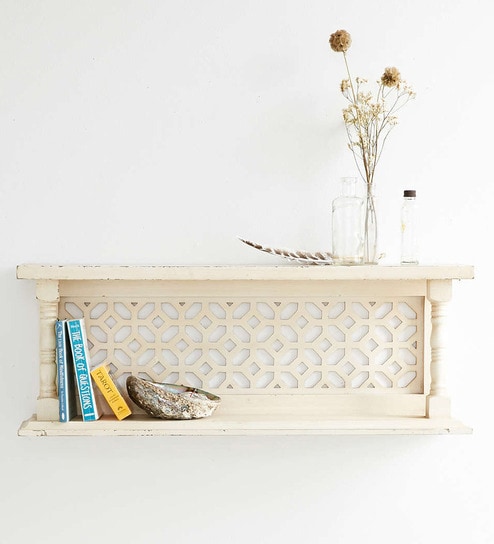
Sheesham Wood Floating Wall Shelf In White Colour
By WoodenMood
₹3,419 ₹5,399 (37% off)
EMI starting from ₹165/month
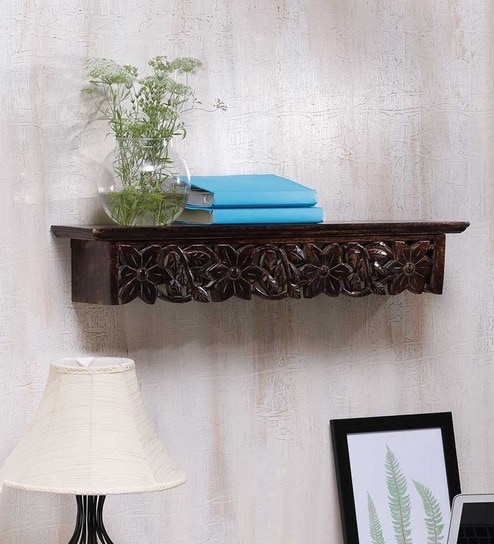
Engineered Wood Floating Wall Shelf In Brown
By Wooden Twist
₹854 ₹1,299 (34% off)

Madhubani (Set of 4) Wood & Terracotta Wall Shelf with Vase
By Aakriti art creations
₹4,059 ₹5,679 (29% off)
EMI starting from ₹195/month
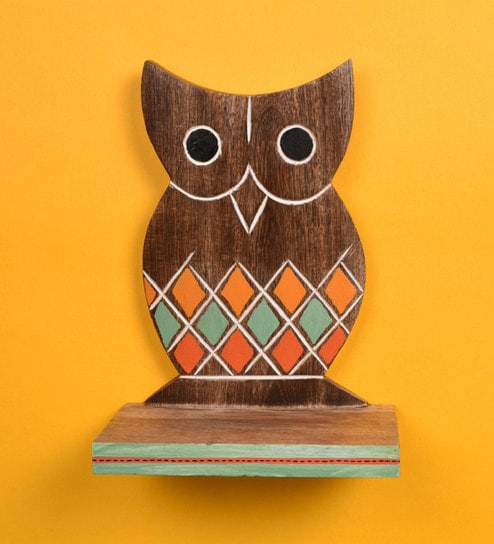
Solid Wood Decorative Floating Wall Shelf In Teak Finish
By Aakriti art creations
₹959 ₹1,339 (28% off)

Madhubani Design Multicolour Terracotta & Wood Cubical Wall Shelf With 2 Pots
By Aakriti art creations
₹1,469 ₹2,059 (29% off)
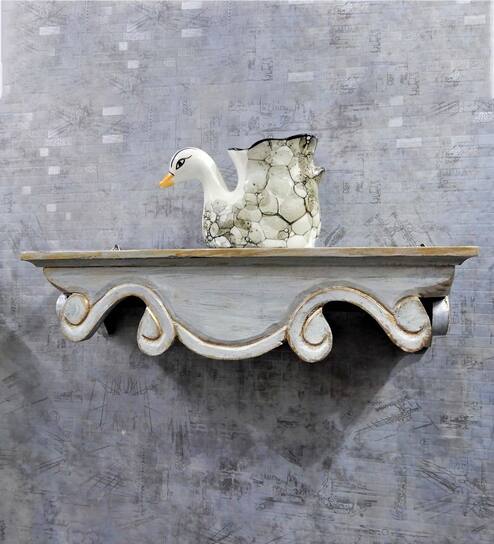
Hand Carving Acacia Wood Wall Shelf
By Disoo Fashions
₹2,343 ₹4,299 (45% off)

Madhubani Design Multicolour Terracotta & Wood Cubical Wall Shelf With 2 Pots
By Aakriti art creations
₹1,469 ₹2,059 (29% off)

Puppy (Set Of 2) Wood & Ceramic Wall Shelf With Desk Pot
By Aakriti art creations
₹1,759 ₹2,459 (28% off)

Hooting Owl (Set Of 2) Wood & Terracotta Wall Shelf With Desk Pot
By Aakriti art creations
₹2,149 ₹3,009 (29% off)

Hand Carving Acacia Wood Wall Shelf
By Disoo Fashions
₹2,343 ₹4,299 (45% off)

Asmi (Set Of 2) Wood & Terracotta Wall Shelf With Desk Pot
By Aakriti art creations
₹2,089 ₹2,919 (28% off)

Hand Made White & Gold Wooden Floating Wall Shelf
By Disoo Fashions
₹2,343 ₹3,599 (35% off)

Piggy (Set Of 2) Wood & Terracotta Wall Shelf With Desk Pot
By Aakriti art creations
₹2,149 ₹3,009 (29% off)

Coco (Set Of 2) Wood & Terracotta Wall Shelf With Desk Pot
By Aakriti art creations
₹2,079 ₹2,909 (29% off)

Madhubani (Set of 3) Wood & Terracotta Wall Shelf with Vase
By Aakriti art creations
₹1,469 ₹2,059 (29% off)

Madhubani (Set of 3) Wood & Terracotta Wall Shelf with Vase
By Aakriti art creations
₹1,469 ₹2,059 (29% off)

Hand Made Black & Gold Wooden Floating Wall Shelf
By Disoo Fashions
₹2,343 ₹4,499 (48% off)

Hand Made Blue & Green Wooden Floating Wall Shelf
By Disoo Fashions
₹2,343 ₹4,299 (45% off)

Hand Carving Acacia Wood Wall Shelf
By Disoo Fashions
₹2,343 ₹4,499 (48% off)

Price Drop Alert
Mango Wood Akina Floating Wall Shelf With In Brown Colour Key Holder
By Craft Tree
₹999 ₹1,739 (43% off)

Decorative Acacia Wood Wall Shelf
By Disoo Fashions
₹2,343 ₹4,299 (45% off)

Hand Carving Acacia Wood Wall Shelf
By Disoo Fashions
₹2,343 ₹4,499 (48% off)

Hand Carved Black Wooden Floating Wall Shelf With Folding Shelf
By Disoo Fashions
₹3,374 ₹4,299 (22% off)
EMI starting from ₹162/month
Didn't Find What You Were Looking For? Share your Feedback with Us ->
Traditional Floating Wall Shelves: Timeless Charm for Modern Indian Homes
Traditional floating wall shelves feature hidden mounting systems that make them appear to hover on your wall. This clean look comes from metal brackets that tuck inside the shelf itself, invisible from the front. The classic design elements remain on full display: carved accents, bevelled edges, and warm wood finishes that recall vintage craftsmanship.
As Homedit notes, "In 2026, wall shelving is becoming a major design feature rather than simple storage. Floating shelves, modular grids, sculptural wall systems, and full built-in libraries are turning blank walls into architectural focal points."
The beauty of these shelves lies in their dual purpose. They save floor space while adding character to bare walls. A plain corner becomes a spot for treasured photos. An empty stretch above your sofa transforms into a showcase for books and brass items.
Most Indian homes have brick or concrete walls, which work well for secure shelf mounting. Common sizes range from 45 cm to 120 cm in length, fitting everything from narrow hallways to spacious living rooms. Browse our collection of traditional floating wall shelves to find a design that complements your décor and storage needs
How Do You Choose Traditional Floating Wall Shelves for Your Living Room?
Picking the right traditional floating wall shelves for the living room starts with measuring your wall space. Check the area above your sofa, beside your TV unit, or flanking doorways. Common lengths include 60 cm, 90 cm, and 120 cm. Leave at least 15 cm of space on each side for a balanced look.
Quick Tip: Position shelves at eye level, typically between 150 cm and 180 cm from the floor, for easy viewing and access. |
Next, think about what you plan to display. Books and showpieces weigh more than photo frames and small plants. Shelves rated for 10 kg handle lighter items well. For heavier loads like hardcover collections or brass decor, choose shelves with 15 kg to 20 kg capacity.
Finish selection matters for visual harmony. Honey tones pair well with light interiors. Walnut and mahogany suit darker wood furniture. Teak finishes work with both traditional and semi-modern spaces.
Design details set the mood. Bevelled edges and carved brackets create a formal atmosphere for drawing rooms. Simpler profiles with antique finishes work better in casual family areas.
If you're looking to buy traditional floating wall shelves, compare dimensions, materials, and weight capacity before making your choice.
"Indian homes increasingly embrace low seating, including floor cushions, diwans, and poufs, blending tradition with modern comfort. Floating shelves in carved wood echo this balance, offering both display and heritage," observes Architectural Digest India. |
Display Ideas for Living Room Floating Shelves
Create visual interest with thoughtful arrangements on your traditional floating wall display shelves. Stack books in small groups, alternating vertical and horizontal placement for variety. Layer photo frames at different heights, letting them overlap slightly at the edges.
Combine decorative boxes with small potted plants for texture contrast. Install multiple shelves at staggered heights to create a gallery wall effect. This works especially well for showcasing collectables and travel souvenirs. Keep some open space between items. Crowded shelves look cluttered, while breathing room makes each piece stand out.
What Makes Quality Traditional Floating Wall Shelves? Materials and Construction
Quality wall-mounted traditional floating shelves start with the right materials. The cost of traditional floating wall shelves can vary significantly, with engineered wood options generally being more affordable than handcrafted solid wood designs
Solid wood options like sheesham, mango wood, and teak offer natural beauty and lasting durability. Each piece shows unique grain patterns that add character. Engineered wood options like MDF provide uniform finishes, though they work best for lighter displays.
The price of traditional floating wall shelves typically depends on factors such as material quality, craftsmanship, finish type, and load-bearing capacity
Quality Check: Look for shelves with at least 15 mm thickness for better weight support and longevity. |
Finish quality affects both appearance and durability. Powder-coated finishes resist scratches and moisture well. Lacquered surfaces add shine and protect against daily wear. Melamine coatings handle the humidity common in coastal and tropical regions across India.
The hidden bracket system is what makes these shelves special. Metal rods or channels slide into the back of the shelf, then attach to wall-mounted plates. Sturdy steel brackets distribute weight evenly and prevent sagging over time.
Traditional styling shows in the details. Look for hand-carved accents along edges or corners. Distressed finishes add vintage appeal. Ornamental corbels enhance the classic look. These touches separate ordinary shelves from statement pieces.
How Should You Install Wall-Mounted Traditional Floating Shelves?
Installing wall-mounted traditional floating shelves is straightforward with the right approach. Most Indian homes have brick or concrete walls, which hold screws securely when paired with proper wall plugs.
Start by marking your desired shelf position with a pencil. Use a spirit level to ensure your marks are perfectly horizontal. Nothing looks worse than a tilted shelf.
Height Guide: For living rooms, position shelves 150 cm to 180 cm from the floor. When stacking multiple shelves, space them 30 cm to 40 cm apart. |
Gather your tools: a power drill with a masonry bit, wall plugs, screws, a spirit level, and a measuring tape. Drill holes at your marked points, insert wall plugs, then secure the mounting plate to the wall. Slide the shelf onto the plate and lock it in place.
Before you buy traditional floating wall shelves online, check whether the product includes mounting hardware and review the recommended weight limits for your wall type.
How Can You Style Traditional Floating Wall Display Shelves Throughout Your Home?
Traditional floating wall display shelves work beautifully beyond the living room. Each space offers unique styling opportunities.
Bedroom Displays
Near your dressing area, use a small shelf to hold perfume bottles, jewellery boxes, and a tiny potted succulent. A floating shelf beside the bed can replace a traditional nightstand, holding a lamp and a book while saving floor space.
Dining Room Showcases
Display decorative brass serving bowls, vintage plates, or wine glasses on shelves near your dining table. These items stay accessible for entertaining while adding personality.
Study and Home Office
Organise books by colour or size for a tidy look. Display awards or meaningful mementoes. Keep desk accessories within easy reach on a shelf above your workspace.
Entryway Organisation
Mount a traditional shelf near your front door. Use small trays for keys and sunglasses. Add a wall mask or family photo to welcome guests. This simple addition keeps everyday items organised while making a good first impression.
How Do You Care for Traditional Floating Wall Shelves?
Proper care keeps your traditional floating wall shelves looking beautiful for years. Regular dusting with a soft, dry cloth removes surface buildup and prevents scratches. For deeper cleaning, use a slightly damp cloth, then dry immediately.
Wood finishes benefit from occasional polishing. Apply furniture polish every few months to restore shine and protect the surface. Avoid harsh chemicals or abrasive scrubbers that can damage finishes.
Position shelves away from direct sunlight, which fades wood over time. Excessive moisture from bathrooms or poorly ventilated kitchens can warp wooden shelves, so choose locations wisely. Check your mounting brackets every six months and tighten any loose screws.
Frequently Asked Questions About Traditional Floating Shelves
1. What weight can traditional floating wall shelves hold?
Most shelves support between 10 kg and 25 kg, depending on bracket quality and installation. Brick and concrete walls, common in Indian homes, provide secure mounting. Always check the manufacturer's rating before loading heavy items.
2. How are floating shelves installed without visible brackets?
The mounting system uses metal rods that slide into hollow sections at the back of the shelf. A wall plate mounts first, then the shelf slides onto it. The bracket stays completely hidden inside.
3. What is the difference between traditional and modern floating shelves?
Traditional shelves feature carved details, ornate edges, and warm wood tones with antique finishes. Modern shelves use clean lines, minimal decoration, and finishes like high gloss or matte lacquer.
4. What sizes do traditional floating wall shelves come in?
Common lengths range from 45 cm to 120 cm. Depths typically measure 15 cm to 30 cm. Smaller shelves suit hallways, while larger ones work well above sofas.
Traditional Floating Wall Shelves Price List
- Product List
- PRICE
This data was last updated on 2026/06/16
 FurnitureSofas, Sectional Sofas, Sofa Cum Beds, Chaise Loungers, Bean Bags, Recliners, Sofa Chairs, Settees & Benches, Ottomans, Chairs, Gaming Chairs, Stools & Pouffes, Shoe Racks, Centre Tables, Side Tables, TV & Media Units, Cabinets & Sideboards, Book Shelves, Book Cases, Dining Sets, Dining Chairs, Dining Tables, Crockery Units, Bar Furniture, Beds, Bedside Tables, Trunks, Chest of Drawers, Dressing Tables, Wardrobes, Kids and Teens, Study Tables, Office Furniture, Outdoor, Massagers, Furniture Care
- Sofas
- Sectional Sofas
- Sofa Cum Beds
- Chaise Loungers
- Bean Bags
- Recliners
- Sofa Chairs
- Settees & Benches
- Ottomans
- Chairs
- Gaming Chairs
- Stools & Pouffes
- Shoe Racks
- Centre Tables
- Side Tables
- TV & Media Units
- Cabinets & Sideboards
- Book Shelves
- Book Cases
- Dining Sets
- Dining Chairs
- Dining Tables
- Crockery Units
- Bar Furniture
- Beds
- Bedside Tables
- Trunks
- Chest of Drawers
- Dressing Tables
- Wardrobes
- Kids and Teens
- Study Tables
- Office Furniture
- Outdoor
- Massagers
- Furniture Care
 Sofas & SeatingSofas, Sofa Sets, Sectional Sofas, Sofa Cum Beds, Recliners, Recliner Sets, Chaise Loungers, Sofa Chairs, Bean Bags, Accent Chairs, Office Chairs, Gaming Chairs, Dining Chairs, Bar Seating, Settees & Benches, Ottomans, Stools & Pouffes, Outdoor Seating, Furniture Care, Top Collections, Top Brands
- Sofas
- Sofa Sets
- Sectional Sofas
- Sofa Cum Beds
- Recliners
- Recliner Sets
- Chaise Loungers
- Sofa Chairs
- Bean Bags
- Accent Chairs
- Office Chairs
- Gaming Chairs
- Dining Chairs
- Bar Seating
- Settees & Benches
- Ottomans
- Stools & Pouffes
- Outdoor Seating
- Furniture Care
- Top Collections
- Top Brands
 MattressesKing Size Mattresses, Queen Size Mattresses, Single Size Mattresses, Foldable Mattresses, Crib Mattresses, Mattress Protectors, Mattress Toppers, Pillows, Mattresses By Feature, Top Brands
- King Size Mattresses
- Queen Size Mattresses
- Single Size Mattresses
- Foldable Mattresses
- Crib Mattresses
- Mattress Protectors
- Mattress Toppers
- Pillows
- Mattresses By Feature
- Top Brands
 Home DecorVases, Figurines, Collectibles, Showpieces, Home Utility, Table Decor, Kids Decor, Photo Frames, Candles, Candle Stands, Spiritual, Home Fragrances, Decor Gift Sets, Prayer Essentials, Artificial Plants & Flowers, Festive Decor, Gardening, Pots and Planters, Outdoor Decor, Wall Hangings, Wall Shelves, Wall Cabinets, Set Top Box Holders, Key Holders, Jharokhas, Screens & Dividers, Wall Decor, Wall Art and Paintings, Wallpapers & Decals, Clocks, Mirrors, Gifting
- Vases
- Figurines
- Collectibles
- Showpieces
- Home Utility
- Table Decor
- Kids Decor
- Photo Frames
- Candles
- Candle Stands
- Spiritual
- Home Fragrances
- Decor Gift Sets
- Prayer Essentials
- Artificial Plants & Flowers
- Festive Decor
- Gardening
- Pots and Planters
- Outdoor Decor
- Wall Hangings
- Wall Shelves
- Wall Cabinets
- Set Top Box Holders
- Key Holders
- Jharokhas
- Screens & Dividers
- Wall Decor
- Wall Art and Paintings
- Wallpapers & Decals
- Clocks
- Mirrors
- Gifting
 FurnishingsBed Sheets, Blankets & Quilts, Bath Linen, Bed Linen, Curtains, Curtain Accessories, Laundry Baskets, Mosquito Nets, Furnishing Gift Sets, Cushions & Covers, Sofa Covers & Throws, Chair Covers & Pads, Carpets, Dhurries, Runners, Door Mats, Bath Mats, Picnic Mats, Kids Furnishings, Pet Furnishings, Yoga Mats, Top Brands
- Bed Sheets
- Blankets & Quilts
- Bath Linen
- Bed Linen
- Curtains
- Curtain Accessories
- Laundry Baskets
- Mosquito Nets
- Furnishing Gift Sets
- Cushions & Covers
- Sofa Covers & Throws
- Chair Covers & Pads
- Carpets
- Dhurries
- Runners
- Door Mats
- Bath Mats
- Picnic Mats
- Kids Furnishings
- Bed Sheets
- Carpets & Mats
- Kids Blankets and Comforters
- Pillows and Covers
- Cushion Covers
- Towels
- Bedding Sets
- Curtains
- Baby Mats
- Pet Furnishings
- Yoga Mats
- Top Brands
 Lamps & LightingFloor Lamps, Shelf Floor Lamps, Table Lamps, Night Lamps, Work and Study Lamps, Lamp Shades, Kids Lamps, Ceiling Lights, Wall Lights, Smart Lights, Outdoor Lights, Decorative Lights, Emergency Lights, Bulbs, Top Brands
- Floor Lamps
- Shelf Floor Lamps
- Table Lamps
- Night Lamps
- Work and Study Lamps
- Lamp Shades
- Kids Lamps
- Ceiling Lights
- Wall Lights
- Smart Lights
- Outdoor Lights
- Decorative Lights
- Emergency Lights
- Bulbs
- Top Brands
 Kitchen & DiningServeware, Jugs, Bakeware, Dinnerware, Cookware, Cooking Tools, Drinkware, Bottles, Flasks, Sippers, Barware, Teaware, Knives & Cutlery, Table Essentials, Jars and Containers, Kitchen Organizers, Lunch Boxes, Kids Kitchenware & Tableware, Gift Sets, Kitchen Linen, Table Linen, Top Brands
- Serveware
- Serving Bowls
- Casseroles
- Butter Dishes
- Serving Trays
- Tray Sets
- Appetizer Platters
- Cheese Boards
- Cake Stands
- Cloche
- Jugs
- Bakeware
- Dinnerware
- Cookware
- Cooking Tools
- Spatulas, Ladles and Tongs
- Knives and Choppers
- Chopping Boards
- Rolling Pins and Boards
- Strainers and Whisks
- Cooking Preparation Tools
- Drinkware
- Bottles
- Flasks
- Sippers
- Barware
- Barware Sets
- Bar Tools
- Ash Trays
- Wine Holders & Coolers
- Carafes and Decanters
- Dispensers
- Ice Buckets & Moulds
- Teaware
- Knives & Cutlery
- Table Essentials
- Jars and Containers
- Kitchen Organizers
- Lunch Boxes
- Kids Kitchenware & Tableware
- Gift Sets
- Kitchen Linen
- Table Linen
- Top Brands
 LuxuryLiving Room, Bedroom, Dining Room, Home Office
 Modular