Sign Up & Get Rs.5,000 OFF On Your First Purchase




Traditional Cubical Wall Shelves
Traditional Cubical shelves offer smart, modular storage for modern Indian homes. These geometric units feature uniform compartments that hold books, decor, bins, and everyday items. Available in engineered wood, solid wood, and metal frames, cube storage shelves come in 4, 6, 9, and 12 cube configurations to suit rooms of all sizes. Pepperfry's collection combines sturdy construction with clean design, helping you organise your space while adding visual appeal.
More


Filter By More Filters
Sort By
Showing 1-23 of 23 options inTraditional Cubical Wall Shelves


Best Seller
 +1 more colors
Siramika Sheesham Wood Book Shelf in Rustic Finish
By WoodenMood
₹4,559 ₹7,199 (37% off)
EMI starting from ₹219/month

Best Seller
+1 more colorsSiramika Sheesham Wood Book Shelf In Provincial Teak Finish
By WoodenMood
₹5,509 ₹9,999 (45% off)
EMI starting from ₹265/month
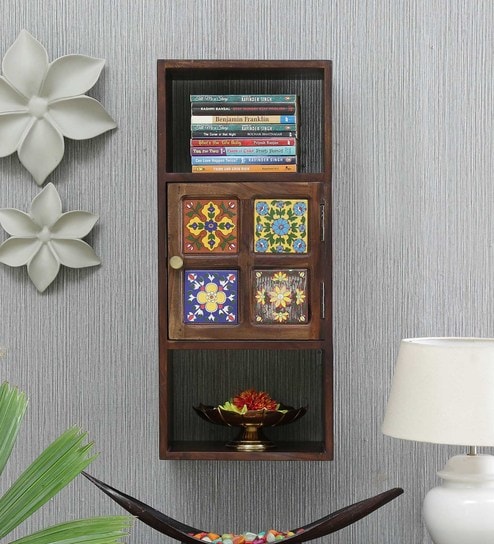
Best Seller
+1 more colorsSiramika Sheesham Wood Book Shelf In Provincial Teak Finish
By WoodenMood
₹5,509 ₹9,999 (45% off)
EMI starting from ₹265/month
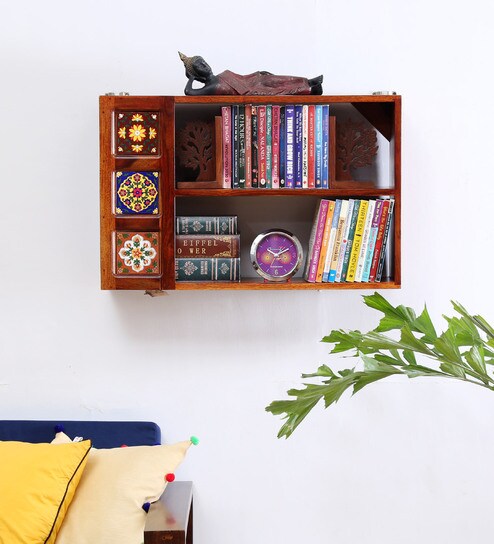
Best Seller
+1 more colorsSiramika Sheesham Wood Book Shelf in Honey Oak Finish
By WoodenMood
₹4,559 ₹7,199 (37% off)
EMI starting from ₹219/month
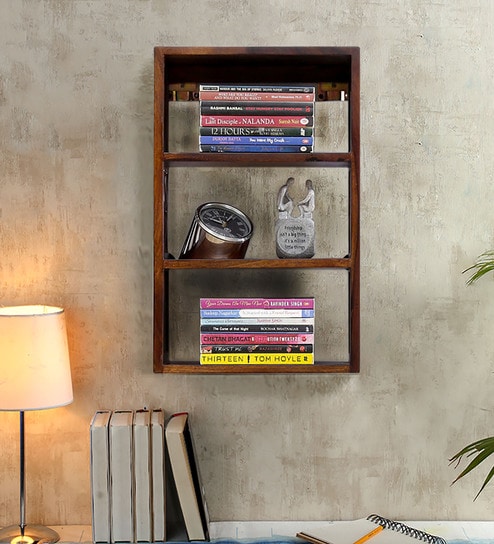
Price Drop Alert
Sheesham Wood Book Shelf In Provincial Teak Finish
By WoodenMood
₹4,559 ₹7,199 (37% off)
EMI starting from ₹219/month
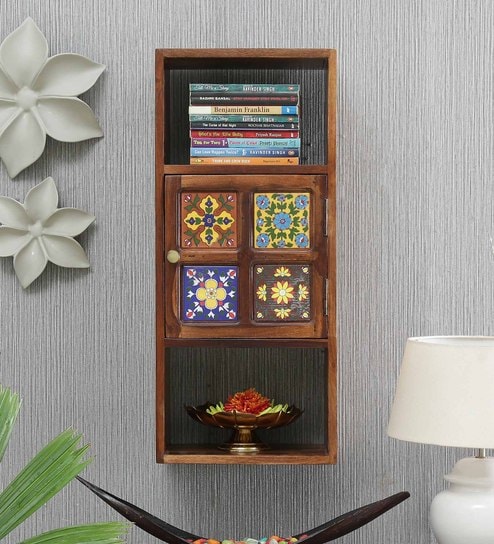
Best Seller
+1 more colorsSiramika Sheesham Wood Book Shelf in Rustic Finish
By WoodenMood
₹5,509 ₹9,999 (45% off)
EMI starting from ₹265/month
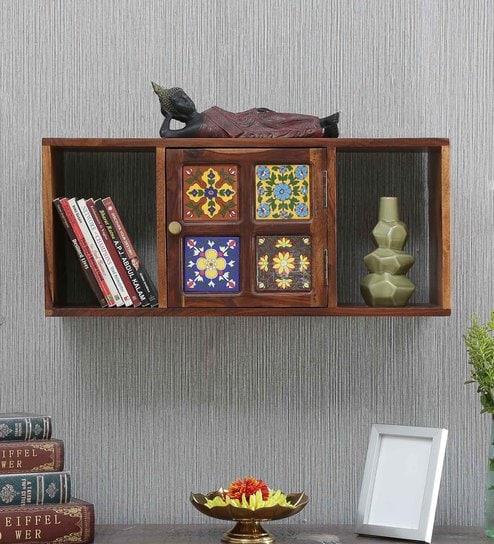
Best Seller
+1 more colorsSiramika Sheesham Wood Book Shelf in Rustic Finish
By WoodenMood
₹5,509 ₹9,999 (45% off)
EMI starting from ₹265/month

Price Drop Alert
Madhubani (Set Of 6) Table Pots With Wooden Ladder
By Aakriti art creations
₹2,659 ₹3,719 (29% off)

Price Drop Alert
Handcrafted Wood & Terracotta Wall Shelf With Vase
By Aakriti art creations
₹2,419 ₹3,389 (29% off)

Price Drop Alert
+1 more colorsFlorito Sheesham Wood Book Shelf
By WoodenMood
₹8,199 ₹14,699 (44% off)
EMI starting from ₹394/month
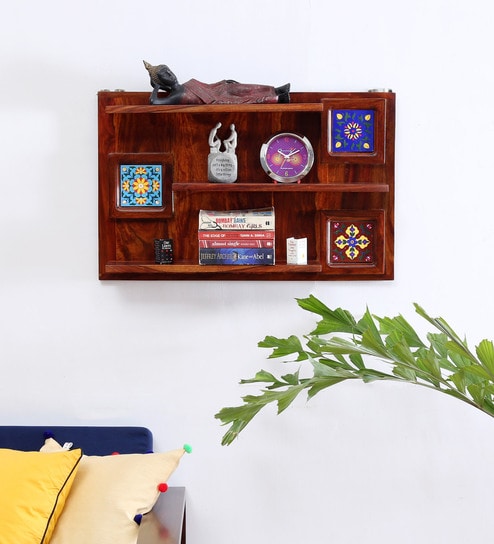
Price Drop Alert
Siramika Sheesham Wood Book Shelf in Honey Oak Finish
By WoodenMood
₹6,199 ₹9,699 (36% off)
EMI starting from ₹298/month

Best Seller
+1 more colorsSiramika Sheesham Wood Book Shelf In Provincial Teak Finish
By WoodenMood
₹4,559 ₹7,199 (37% off)
EMI starting from ₹219/month

Price Drop Alert
Madhubani Set of 2 Wood & Terracotta Wall Shelf with Vase
By Aakriti art creations
₹2,509 ₹3,509 (28% off)

Price Drop Alert
Kryss Mango Wood Wall Shelf In Brown Colour
By WoodenMood
₹9,784 ₹17,799 (45% off)
EMI starting from ₹470/month

Price Drop Alert
Madhubani Set of 4 Wood & Terracotta Wall Shelf with Vase
By Aakriti art creations
₹3,579 ₹5,009 (29% off)
EMI starting from ₹172/month

Price Drop Alert
Cane (Set Of 2) Wood & Ceramic Wall Shelf
By Aakriti art creations
₹2,629 ₹3,679 (29% off)

Price Drop Alert
+1 more colorsSiramika Sheesham Wood Book Shelf in Honey Oak Finish
By WoodenMood
₹5,509 ₹9,999 (45% off)
EMI starting from ₹265/month

Price Drop Alert
Mirror (Set Of 4) Wood & Ceramic Wall Shelf With Jar
By Aakriti art creations
₹3,059 ₹4,279 (29% off)
EMI starting from ₹147/month

Price Drop Alert
Siramika Sheesham Wood Wall Shelf With Glass Door In Honey Oak Finish
By WoodenMood
₹11,399 ₹17,499 (35% off)
EMI starting from ₹548/month

Price Drop Alert
Aramika Sheesham Wood Book Shelf In Provincial Teak Finish
By WoodenMood
₹4,654 ₹7,399 (37% off)
EMI starting from ₹224/month

Madhubani Set of 2 Wood & Terracotta Wall Shelf with Vase
By Aakriti art creations
₹2,559 ₹3,579 (28% off)

Price Drop Alert
+1 more colorsFlorito Solid Wood Book Shelf
By WoodenMood
₹7,979 ₹12,499 (36% off)
EMI starting from ₹384/month

Price Drop Alert
Engineering Wood Corner Wall Shelf in Natural
By SHRIBALAJIARTS
₹949 ₹1,999 (53% off)
Didn't Find What You Were Looking For? Share your Feedback with Us ->
Traditional Cubical Shelves: Modular Storage Units for Organised and Stylish Homes
Every home needs storage that works hard without looking cluttered. Traditional cubical shelves do exactly that. These modular units bring order to your belongings while serving as visual anchors in any room. As one of India's leading online furniture destinations, Pepperfry offers a wide range of cube storage options built for Indian homes and lifestyles. From compact four-cube units perfect for small bedrooms to expansive twelve-cube systems that can divide open spaces, the right cubical shelves adapt to your needs. They hold books, display collectibles, hide clutter in fabric bins, and grow with your storage requirements over time. The simple geometry of cube storage makes it easy to mix, match, and rearrange, giving you control over how your space looks and functions.
What Are Traditional Cubical Shelves? Understanding Modular Cube Storage Solutions
Traditional cubical shelves are storage units built around uniform square or rectangular compartments. Each cube acts as an individual storage cell, and multiple cubes combine to create larger organisational systems. You can arrange these units vertically to save floor space, or horizontally to create low media consoles and bench-style storage.
The basic design comes in two forms: open-back shelves that let wall colour show through, and closed-back versions that create a solid visual backdrop. Some cube storage shelf models mount directly to walls, while others stand freely on floors. This flexibility makes them suitable for nearly any room layout.
"Modular cube shelving allows a space to remain dynamic. It's about building a framework where the user becomes the co-creator of the geometry, changing the rhythm of the room as they move things around." - Rooshad Shroff, Architect (Architectural Digest India) |
In Indian homes, where space often comes at a premium, traditional cubical shelves have gained popularity for good reason. They work in compact flats and larger houses alike. Their clean lines suit modern aesthetics, while wood finishes complement traditional interiors. Most importantly, they solve the universal problem of needing storage that does not overwhelm a room.
Which Cubical Shelves Configuration Fits Your Space?
Cube shelves come in several standard configurations, each suited to different rooms and storage needs. The cube count determines the unit's overall footprint and how much you can store. Understanding these options helps you pick the right size without ending up with wasted space or insufficient storage.
4-Cube and 6-Cube Shelves for Compact Spaces
Smaller configurations work brilliantly in tight spots. A 4-cube shelf typically measures around 60 cm wide and 60 cm tall, making it ideal for entryways, bedside use, or small home offices. Six-cube units extend to roughly 90 cm wide while maintaining a manageable height.
These sizes suit shelf cubes for books, small decorative items, or storage bins holding everyday essentials. Their lightweight makes repositioning easy. Assembly takes about 20 to 30 minutes for most models.
Space Tip: Position a 4-cube unit at sitting height beside your sofa to hold remotes, coasters, and reading materials within arm's reach. |
9-Cube and 12-Cube Bookshelf Storage for Larger Rooms
When you need serious storage, larger configurations deliver. A 9-cube unit typically stands around 110 cm tall and 110 cm wide, creating a substantial storage wall. Twelve-cube versions extend further, often reaching 150 cm or more in width.
These sizes excel as cube bookshelf storage in living rooms or playrooms. They can also function as room dividers in open-plan spaces, creating visual separation without blocking light. Due to their height, units above four cubes tall should be anchored to the wall for safety, particularly in homes with children.
What Materials Make Traditional Cubical Shelves Durable?
The material you choose affects weight capacity, longevity, and overall appearance. Understanding your options helps you balance budget with durability requirements.
Engineered Wood
Most affordable traditional cubical shelves use engineered wood such as MDF or particle board with laminate coating. These handle light to medium loads comfortably, typically supporting 5 to 8 kg per cube. The laminate surface resists scratches and comes in various finishes from oak tones to white and walnut. Look for panels at least 15 mm thick for adequate stability.
Solid Wood
Premium options in sheesham or mango wood offer higher weight capacity, often supporting 10 to 15 kg per cube. The natural grain adds character, and solid wood ages beautifully over decades. These cost more but justify the investment for heavy book collections or heirloom-quality furniture.
Metal Frames
Industrial-style cube shelves use metal frames with wood or wire shelving. These offer the highest durability and suit contemporary home decor schemes. Weight capacity varies by design but generally exceeds wood-only options.
Quality Check: Examine corner joints and laminate edges. Quality units have reinforced corners and sealed edges that resist moisture and chipping. |
How Do You Choose the Right Cubical Shelves for Your Home?
Selecting the correct cube storage shelf requires measuring your space and thinking through what you plan to store. A few key steps prevent buyer's regret.
Start by measuring your available floor or wall space. Leave at least 15 cm clearance from walls for cleaning access and air circulation. Standard cube openings measure either 28 cm (11 inches) or 33 cm (13 inches) square, so check which size fits your existing storage bins if you own any.
Consider accessibility. Place frequently used items at eye level or below. Reserve higher cubes for seasonal items or decorative display. For traditional cubical shelves holding books, remember that hardcovers weigh more than you expect. Limit engineered wood cubes to five or six books each to prevent sagging.
Match shelf size to room function:
- Bedroom: Fabric bins in cube compartments hold folded clothes, accessories, and shoes
- Living room: Mix open display cubes with closed bins for a balanced look
- Kids' room: Low-height units let children access their belongings independently
- Home office: Cube shelves organise files, supplies, and reference books within reach
Where Do Traditional Cubical Shelves Work Best in Your Home?
Cube storage adapts to nearly every room in your home. The key lies in matching unit size and styling to each space's specific demands.
Living Room Bookshelf and Display Storage
In living areas, cube bookshelf storage anchors your entertainment zone. Display books spine-out, add photo frames, small plants, and decorative objects. Mix some closed fabric bins to hide media clutter and remotes. A larger unit can serve as a room divider in open layouts without blocking natural light.
Bedroom Wardrobe Organisation and Closet Shelves
Cube shelves supplement wardrobes brilliantly. Use them inside closets to organise folded clothes, or position freestanding units to hold shoes, handbags, and accessories. Fabric bins keep items dust-free and maintain a tidy appearance even when shelves hold everyday items.
Kids' Room Toy Storage and Book Organisation
Children benefit from cube storage at their height. Low units let kids retrieve and return toys without help. Colourful bins make cleanup feel like a game. For safety, always anchor units taller than three cubes to the wall to prevent tipping during play.
Home Office Paper Storage and Supply Organisation
Cube shelves bring order to work-from-home setups. Dedicate cubes to files, stationery, printer paper, and electronics. The visual regularity helps you find items quickly, and closed bins hide the inevitable paper clutter that accumulates in any office.
How Do You Assemble and Maintain Traditional Cubical Shelves?
Most traditional cubical shelves arrive flat-packed with all necessary hardware. Assembly typically involves cam-lock or screw-based construction, requiring only a screwdriver and sometimes a rubber mallet. Plan for 30 to 60 minutes, depending on cube count and your experience with furniture assembly.
Installation Tips
Freestanding units need a level floor surface to prevent wobbling. Wall-mounted shelf cubes require proper anchoring into wall studs or masonry. Use appropriate wall plugs for your wall type. Units taller than four cubes should always be anchored to the wall, even if freestanding, to prevent tipping.
Safety Note: In homes with young children, anchor all tall furniture regardless of manufacturer recommendations. Anti-tip hardware costs little but prevents serious accidents. |
Care Routines
Wipe surfaces with a dry or slightly damp cloth. Avoid excess moisture on engineered wood, as it can cause swelling. Tighten joints every six months if you notice any looseness developing. Solid wood benefits from occasional treatment with furniture polish to maintain its finish.
Frequently Asked Questions About Traditional Cubical Shelves
1. What weight can each cube of a traditional cubical shelf hold?
Weight capacity depends on the material. Engineered wood cubes typically support 5 to 8 kg, while solid wood handles 10 to 15 kg. Metal frame units often exceed these limits. Check product specifications for exact figures.
2. Do traditional cubical shelves come assembled?
Most cube storage shelf units arrive flat-packed for efficient shipping. Assembly requires basic tools and takes 30 to 60 minutes. Some retailers offer expert installation services for an additional fee.
3. Can I stack cube storage units on top of each other?
Some modular systems allow stacking, but not all. Check product descriptions for stackable compatibility. Stacked units should always be secured together and anchored to the wall.
4. What size storage bins fit in cube shelves?
Standard fabric bins come in two common sizes: 28 cm (11 inch) and 33 cm (13 inch) cubes. Measure your shelf openings before purchasing bins to ensure a proper fit with slight clearance for easy removal.
5. Are cube shelves suitable for heavy book collections?
Solid wood and reinforced engineered wood cubes handle books well. Limit standard engineered wood cubes to five or six books each. Distribute heavy loads across multiple cubes rather than concentrating weight in one area.
6. How do I secure tall traditional cubical shelves to prevent tipping?
Use the included anti-tip hardware or purchase wall anchoring brackets separately. Attach to wall studs when possible. For masonry walls, use appropriate anchors rated for your wall type and the unit's weight.
7. Can all traditional cubical shelves be wall-mounted?
Only shelves specifically designed for wall mounting should be installed this way. Freestanding units lack the reinforcement and mounting points needed for safe wall installation. Always check product specifications before purchasing.
Traditional Cubical Wall Shelves Price List
- Product List
- PRICE
This data was last updated on 2026/10/08
 FurnitureSofas, Sectional Sofas, Sofa Cum Beds, Chaise Loungers, Bean Bags, Recliners, Sofa Chairs, Settees & Benches, Ottomans, Chairs, Gaming Chairs, Stools & Pouffes, Shoe Racks, Centre Tables, Side Tables, TV & Media Units, Cabinets & Sideboards, Book Shelves, Book Cases, Dining Sets, Dining Chairs, Dining Tables, Crockery Units, Bar Furniture, Beds, Bedside Tables, Trunks, Chest of Drawers, Dressing Tables, Screens and Dividers, Wardrobes, Kids and Teens, Study Tables, Office Furniture, Home Temples, Wall Shelves and Cabinets, Outdoor, Massagers, Furniture Care
- Sofas
- Sectional Sofas
- Sofa Cum Beds
- Chaise Loungers
- Bean Bags
- Recliners
- Sofa Chairs
- Settees & Benches
- Ottomans
- Chairs
- Gaming Chairs
- Stools & Pouffes
- Shoe Racks
- Centre Tables
- Side Tables
- TV & Media Units
- Cabinets & Sideboards
- Book Shelves
- Book Cases
- Dining Sets
- Dining Chairs
- Dining Tables
- Crockery Units
- Bar Furniture
- Beds
- Bedside Tables
- Trunks
- Chest of Drawers
- Dressing Tables
- Screens and Dividers
- Wardrobes
- Kids and Teens
- Study Tables
- Office Furniture
- Home Temples
- Wall Shelves and Cabinets
- Outdoor
- Massagers
- Furniture Care
 Sofas & SeatingSofas, Sofa Sets, Sectional Sofas, Sofa Cum Beds, Recliners, Recliner Sets, Chaise Loungers, Sofa Chairs, Bean Bags, Accent Chairs, Office Chairs, Gaming Chairs, Dining Chairs, Bar Seating, Settees & Benches, Ottomans, Stools & Pouffes, Outdoor Seating, Furniture Care, Top Collections, Top Brands
- Sofas
- Sofa Sets
- Sectional Sofas
- Sofa Cum Beds
- Recliners
- Recliner Sets
- Chaise Loungers
- Sofa Chairs
- Bean Bags
- Accent Chairs
- Office Chairs
- Gaming Chairs
- Dining Chairs
- Bar Seating
- Settees & Benches
- Ottomans
- Stools & Pouffes
- Outdoor Seating
- Furniture Care
- Top Collections
- Top Brands
 MattressesKing Size Mattresses, Queen Size Mattresses, Single Size Mattresses, Foldable Mattresses, Crib Mattresses, Mattress Protectors, Mattress Toppers, Pillows, Mattresses By Feature, Top Brands
- King Size Mattresses
- Queen Size Mattresses
- Single Size Mattresses
- Foldable Mattresses
- Crib Mattresses
- Mattress Protectors
- Mattress Toppers
- Pillows
- Mattresses By Feature
- Top Brands
 Home DecorVases, Figurines, Collectibles, Showpieces, Home Utility, Table Decor, Kids Decor, Photo Frames, Candles, Candle Stands, Decor Gift Sets, Spiritual, Home Fragrances, Appliances, Prayer Essentials, Artificial Plants & Flowers, Festive Decor, Gardening, Pots and Planters, Outdoor Decor, Wall Hangings, Wall Shelves, Wall Cabinets, Set Top Box Holders, Key Holders, Jharokhas, Screens & Dividers, Wall Decor, Wall Art and Paintings, Wallpapers & Decals, Clocks, Mirrors, Gifting
- Vases
- Figurines
- Collectibles
- Showpieces
- Home Utility
- Table Decor
- Kids Decor
- Photo Frames
- Candles
- Candle Stands
- Decor Gift Sets
- Spiritual
- Home Fragrances
- Appliances
- Prayer Essentials
- Artificial Plants & Flowers
- Festive Decor
- Gardening
- Pots and Planters
- Outdoor Decor
- Wall Hangings
- Wall Shelves
- Wall Cabinets
- Set Top Box Holders
- Key Holders
- Jharokhas
- Screens & Dividers
- Wall Decor
- Wall Art and Paintings
- Wallpapers & Decals
- Clocks
- Mirrors
- Gifting
 FurnishingsBed Sheets, Blankets & Quilts, Pillows, Bath Linen, Bed Linen, Curtains, Curtain Accessories, Laundry Baskets, Mosquito Nets, Furnishing Gift Sets, Cushions & Covers, Sofa Covers & Throws, Chair Covers & Pads, Carpets, Dhurries, Runners, Door Mats, Bath Mats, Prayer Mats, Picnic Mats, Yoga Mats, Kids Furnishings, Pet Furnishings, Top Brands
- Bed Sheets
- Blankets & Quilts
- Pillows
- Bath Linen
- Bed Linen
- Curtains
- Curtain Accessories
- Laundry Baskets
- Mosquito Nets
- Furnishing Gift Sets
- Cushions & Covers
- Sofa Covers & Throws
- Chair Covers & Pads
- Carpets
- Dhurries
- Runners
- Door Mats
- Bath Mats
- Prayer Mats
- Picnic Mats
- Yoga Mats
- Kids Furnishings
- Bed Sheets
- Carpets & Mats
- Kids Blankets and Comforters
- Pillows and Covers
- Cushion Covers
- Towels
- Bedding Sets
- Curtains
- Baby Mats
- Pet Furnishings
- Top Brands
 Lamps & LightingFloor Lamps, Shelf Floor Lamps, Table Lamps, Night Lamps, Work and Study Lamps, Lamp Shades, Kids Lamps, Ceiling Lights, Wall Lights, Smart Lights, Outdoor Lights, Decorative Lights, Emergency Lights, Bulbs, Top Brands
- Floor Lamps
- Shelf Floor Lamps
- Table Lamps
- Night Lamps
- Work and Study Lamps
- Lamp Shades
- Kids Lamps
- Ceiling Lights
- Wall Lights
- Smart Lights
- Outdoor Lights
- Decorative Lights
- Emergency Lights
- Bulbs
- Top Brands
 Kitchen & DiningServeware, Jugs, Bakeware, Dinnerware, Cookware, Cooking Tools, Drinkware, Bottles, Flasks, Sippers, Barware, Teaware, Knives & Cutlery, Table Essentials, Jars and Containers, Kitchen Organizers, Lunch Boxes, Kids Kitchenware & Tableware, Gift Sets, Kitchen Linen, Table Linen, Kitchen Appliances, Top Brands
- Serveware
- Serving Bowls
- Casseroles
- Butter Dishes
- Serving Trays
- Tray Sets
- Appetizer Platters
- Cheese Boards
- Cake Stands
- Cloche
- Jugs
- Bakeware
- Dinnerware
- Cookware
- Cooking Tools
- Spatulas, Ladles and Tongs
- Knives and Choppers
- Chopping Boards
- Rolling Pins and Boards
- Strainers and Whisks
- Cooking Preparation Tools
- Drinkware
- Bottles
- Flasks
- Sippers
- Barware
- Barware Sets
- Bar Tools
- Ash Trays
- Wine Holders & Coolers
- Carafes and Decanters
- Dispensers
- Ice Buckets & Moulds
- Teaware
- Knives & Cutlery
- Table Essentials
- Jars and Containers
- Kitchen Organizers
- Lunch Boxes
- Kids Kitchenware & Tableware
- Gift Sets
- Kitchen Linen
- Table Linen
- Kitchen Appliances
- Top Brands
 LuxuryLiving Room, Bedroom, Dining Room, Home Office
 Modular