Sign Up & Get Upto Rs. 1,500 off on Your First Purchase!


Tawas
A tawa is the backbone of Indian cooking, essential for making rotis, dosas, and parathas. Pepperfry offers a wide selection of tawas in cast iron, non-stick, and aluminium options to match your cooking style. From induction-compatible models to traditional iron tawas, find the right fit for your kitchen. Each tawa is selected for quality, durability, and even heat distribution, helping you create perfect Indian breads and dishes at home.
More


Filter By More Filters
Sort By
Showing 41-45 of 45 options inTawas

New Arrivals
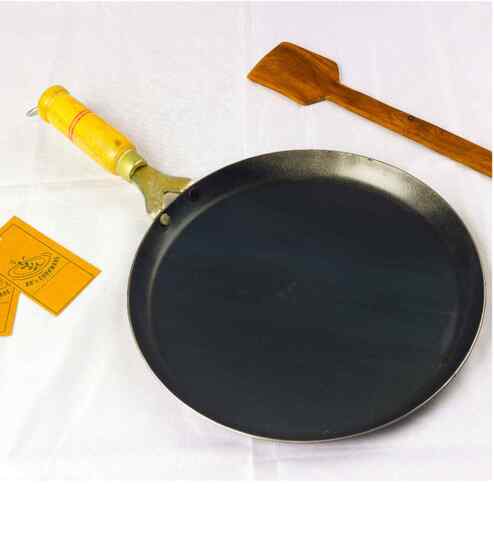
Iron Tawa 25 cm (10 inch), 1kg Wooden Handle for Easy Grip
By 80s Cookware
₹996 ₹1,495 (33% off)
New Arrivals
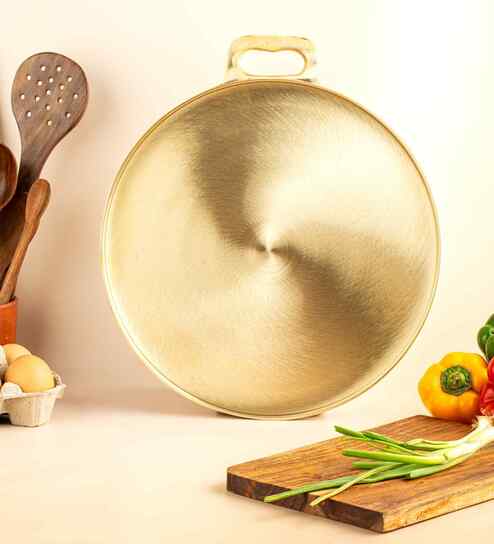
Bronze Dosa Tawa Large 11 Inches
By 80s Cookware
₹6,815 ₹10,222 (33% off)
EMI starting from ₹328/month
New Arrivals
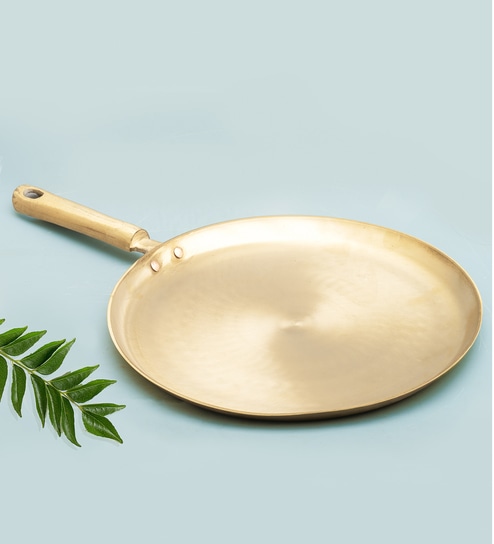
Bronze Roti Tawa 11inch
By 80s Cookware
₹6,248 ₹9,371 (33% off)
EMI starting from ₹300/month
New Arrivals
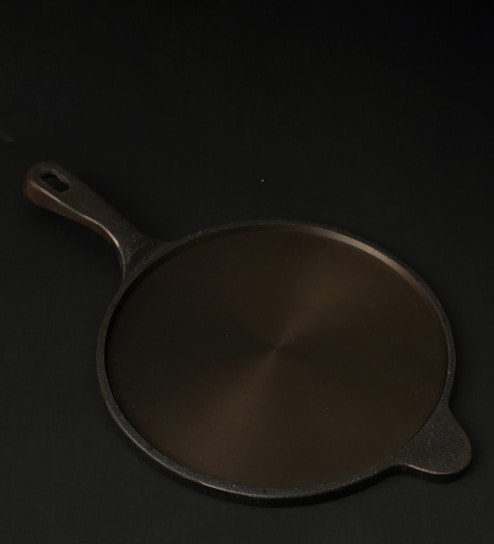
Black Pre-Seasoned Cast Iron Roti Tawa Big Size with Stick Handle 10Inch
By 80s Cookware
₹1,880 ₹2,819 (33% off)
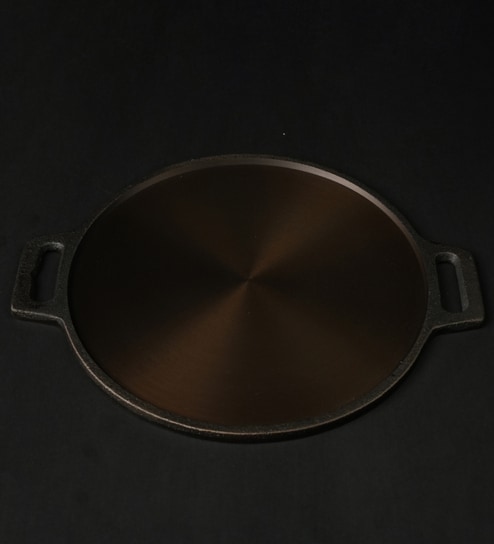
New Arrivals
Cast Iron Tawa for Dosa 12" (30 CM)
By 80s Cookware
₹1,880 ₹2,819 (33% off)
Didn't Find What You Were Looking For? Share your Feedback with Us ->
Tawas: Essential Indian Griddles for Perfect Rotis, Dosas, and More
Every Indian kitchen relies on a good tawa. This simple, flat pan sits at the heart of daily cooking, turning balls of dough into soft rotis and spreading batter into crisp dosas. The right tawa makes these everyday tasks easier and more enjoyable.
"Achieving a functional yet attractive kitchen design is a must for most Indian homeowners. Not only do these rooms see the most action of the house, but they require the most planning and attention to detail." - Houzz
At Pepperfry, we understand that your tawa needs to work hard. It gets used multiple times a day, handles high heat, and needs to perform consistently for years. That is why our collection includes options across materials, sizes, and price points.
From traditional cast iron tawa pans to modern non-stick varieties, you will find tawas designed for specific cooking needs. Pair your new tawa with our range of frying pans to complete your cookware collection.
What Types of Tawa Suit Your Indian Kitchen?
Choosing a tawa starts with understanding the different materials available. Each type offers distinct advantages depending on how you cook, what dishes you prepare most often, and how much maintenance you prefer. The material affects heat distribution, weight, longevity, and daily care requirements.
Pepperfry stocks tawas across all major material categories. Your ideal choice depends on your heat source, primary cooking needs, and willingness to season or maintain the pan over time. Here is what each type offers.
Cast Iron Tawa: Traditional Strength and Even Heat
A cast iron tawa is the traditional choice for Indian homes. These heavy pans retain heat exceptionally well, distributing it evenly across the cooking surface. Once properly seasoned, cast iron develops a natural non-stick coating that improves with use.
"I know exactly what makes a tawa perform and what makes it fail. The cheap ones create a hot ring in the center, leaving the edges of your roti raw. The good ones heat evenly from edge to edge, giving you perfectly puffed phulkas every single time." - Chef Mobasir Hassan (Executive Sous Chef, Radisson Hotels)
Iron tawas work brilliantly for high-heat cooking. They handle direct flames without damage and can even go into the oven. The weight takes getting used to, but that heft is what gives cast iron its superior performance. These tawas last for generations with proper care, making them excellent long-term investments.
Non-Stick Tawa: Easy Cooking with Less Oil
A non-stick tawa simplifies everyday cooking. The coated surface requires minimal oil, making it ideal for health-conscious kitchens. Cleanup takes seconds, and the lightweight construction makes handling comfortable.
Modern nonstick tawa options come with food-safe coatings that withstand regular use. They work particularly well for delicate preparations like thin dosas and crepes, where food might stick on traditional surfaces. Many non-stick options now include induction-compatible bases, giving you flexibility across heat sources.
Tip: Use wooden or silicone utensils with your non-stick tawa to protect the coating and extend its lifespan. |
Keep in mind that nonstick coatings have temperature limits. Avoid preheating empty pans or using very high flames. With proper care, a quality non-stick tawa serves well for three to five years.
Aluminium Tawa: Lightweight and Quick to Heat
An aluminium tawa heats up faster than other materials. The lightweight construction makes it easy to lift and manoeuvre, particularly useful when spreading dosa batter. Busy kitchens appreciate how quickly these pans respond to heat adjustments.
Hard-anodised aluminium offers extra durability and scratch resistance compared to regular aluminium. Thicker bases provide better heat distribution and prevent warping over time. Many aluminium tawas come with non-stick coatings, combining quick heating with easy release.
Which Tawa Works Best for Different Indian Breads?
The dish you cook most often should guide your tawa choice. A tawa perfect for rotis may not be ideal for dosas, and vice versa. Understanding these differences helps you pick the right pan for your kitchen habits.
Dosa Tawa: Flat Surface for Crisp, Even Spread
Making good dosas requires a specific type of tawa. A dosa tawa typically measures 10 to 12 inches across, giving you room to spread batter in thin, even circles. The flat surface is essential, as any curve affects how the batter settles.
Heat distribution matters enormously for dosas. Uneven heating creates spots where the batter cooks too fast or stays undercooked. Cast iron dosa tawas deliver traditional taste and excellent heat consistency. Non-stick versions offer convenience, especially when you are still perfecting your technique.
A tawa for dosa should have a long handle. This keeps your hands safely away from the hot surface while spreading batter. Dedicated dosa tawas outperform multipurpose pans because their design specifically addresses these requirements.
Roti and Chapati Tawa: Puffed Breads Every Time
A roti tawa needs good heat retention to cook chapatis evenly. The surface should be slightly concave or completely flat, allowing direct contact with the rolled dough. Cast iron and hard-anodised options excel here because they maintain steady, high temperatures.
Chapati tawa sizes typically range from 8 to 10 inches, suitable for standard roti dimensions. Some cooks prefer tawas without handles for the final puffing step, allowing the roti to go directly over an open flame. Others find tawa with handles more practical for flipping and everyday use.
Key Point: Even heat prevents the frustrating problem of rotis that puff on one side but remain flat on the other. |
Is an Induction Tawa Right for Your Modern Kitchen?
An induction tawa uses a magnetic base that responds to induction cooktops. Not all tawas work on induction, so checking compatibility before purchase saves disappointment later. Look for the induction symbol on product specifications.
Cast iron tawas naturally work on induction due to their magnetic properties. Many non-stick and aluminium tawas now include induction-compatible bases, giving you more options. The base thickness matters for even heating, as thin bases can cause hot spots on induction cooktops.
Dual-compatible tawas work on both induction and gas, offering flexibility if you use multiple heat sources or plan to upgrade your kitchen later. Induction cooking provides precise temperature control, which helps when making delicate items like thin dosas or when you need consistent heat for perfect rotis.
What Tawa Handle Type Should You Choose?
Handle design affects both safety and convenience. Long handles keep your hands away from heat, particularly important when spreading dosa batter or flipping parathas. Shorter handles save storage space and suit direct-flame techniques for puffing rotis.
Handle materials vary in heat resistance. Bakelite and wood stay cool during cooking, making them comfortable to grip. Steel handles conduct heat and require potholders but tend to last longer. Some tawas feature removable handles, allowing oven use and compact storage.
Consider your primary cooking method when choosing. If you make dosas frequently, a longer handle provides safety during the spreading motion. Roti makers who puff breads directly over flames may prefer handleless designs or those with detachable options.
How Do You Choose the Right Tawa for Your Kitchen?
Selecting a tawa involves matching your cooking habits to the right features. Start with your primary use. Frequent dosa makers benefit from larger, flat surfaces. Daily roti preparation calls for good heat retention and appropriate sizing.
Your heat source narrows the options. Gas stoves accommodate all tawa types. Induction cooktops require magnetic bases, limiting you to cast iron or specifically designed induction models. Check compatibility before purchase.
Think about maintenance willingness. Cast iron needs periodic seasoning and careful drying to prevent rust. Non-stick surfaces require gentle handling but clean easily. Your available time and interest in cookware care should influence this choice.
Family size determines appropriate diameter. Larger households benefit from bigger tawas that cook more in each batch. Smaller kitchens may prefer compact options that heat quickly and store easily. Browse our complete kitchen and dining collection for complementary items.
Budget affects material options. Aluminium tawas cost less upfront but may need replacing sooner. Cast iron costs more initially but lasts indefinitely with care. Consider long-term value alongside purchase price.
How Should You Care for Your Tawa?
Proper care extends your tawa's performance and lifespan. Different materials need different approaches.
Cast iron requires seasoning before first use and periodically thereafter. After cooking, clean with warm water and a soft brush. Avoid soap, which strips the seasoning layer. Dry immediately on the stovetop to prevent rust, then apply a thin oil layer before storage.
Non-stick tawas clean easily with warm soapy water and soft sponges. Never use abrasive scrubbers or metal utensils, as these damage the coating. Store carefully to avoid scratching the surface against other cookware.
Aluminium tawas may discolour over time, which is normal and does not affect performance. Clean with mild detergent and soft cloths. Hard-anodised versions resist staining better than regular aluminium.
Replace any tawa showing significant wear. Peeling non-stick coatings, warped bases, or heavy rust compromise cooking results and potentially food safety. Keep your chopping boards and other prep tools in similar good condition.
Why Buy a Tawa Online from Pepperfry?
Shopping for a tawa online at Pepperfry offers practical advantages. Our collection spans multiple materials, sizes, and price ranges, letting you compare options side by side. Detailed product specifications include dimensions, weight, material composition, and heat source compatibility.
Customer reviews provide real feedback from people who have used each tawa daily. Product images show exact designs and finishes. You can make informed decisions without pressure, taking time to research and select the right option for your needs.
Doorstep delivery brings your tawa directly to you. Clear return policies protect your purchase. Complete your kitchen setup with matching serveware that presents your cooking beautifully.
Frequently Asked Questions About Tawa
1. How much does a tawa cost at Pepperfry?
Tawa prices vary based on material, size, and brand. Basic aluminium options start at affordable price points, while premium cast iron tawas cost more. Non stick versions fall in the mid range. Check current listings for specific tawa cost details.
2. Which material is best for everyday roti making?
Cast iron offers the best heat retention for rotis, producing evenly cooked, puffed breads. Hard anodised aluminium works well too. Both handle the high temperatures needed for proper chapati cooking.
3. Can I use any tawa on an induction cooktop?
No. Only tawas with magnetic bases work on induction. Cast iron is naturally compatible. Look for the induction symbol on non stick and aluminium options before purchasing.
4. How long does a non stick tawa last?
With proper care, quality non stick tawas last three to five years. Avoid metal utensils, overheating, and abrasive cleaners to maximise lifespan.
5. What size tawa works for a family of four?
A 10 to 11 inch tawa suits most family cooking needs. This size handles standard roti dimensions and provides enough surface for efficient dosa making.
Tawas Price List
- Product List
- PRICE
This data was last updated on 2026/06/18
 FurnitureSofas, Sectional Sofas, Sofa Cum Beds, Chaise Loungers, Bean Bags, Recliners, Sofa Chairs, Settees & Benches, Ottomans, Chairs, Gaming Chairs, Stools & Pouffes, Shoe Racks, Centre Tables, Side Tables, TV & Media Units, Cabinets & Sideboards, Book Shelves, Book Cases, Dining Sets, Dining Chairs, Dining Tables, Crockery Units, Bar Furniture, Beds, Bedside Tables, Trunks, Chest of Drawers, Dressing Tables, Wardrobes, Kids and Teens, Study Tables, Office Furniture, Outdoor, Massagers, Furniture Care
- Sofas
- Sectional Sofas
- Sofa Cum Beds
- Chaise Loungers
- Bean Bags
- Recliners
- Sofa Chairs
- Settees & Benches
- Ottomans
- Chairs
- Gaming Chairs
- Stools & Pouffes
- Shoe Racks
- Centre Tables
- Side Tables
- TV & Media Units
- Cabinets & Sideboards
- Book Shelves
- Book Cases
- Dining Sets
- Dining Chairs
- Dining Tables
- Crockery Units
- Bar Furniture
- Beds
- Bedside Tables
- Trunks
- Chest of Drawers
- Dressing Tables
- Wardrobes
- Kids and Teens
- Study Tables
- Office Furniture
- Outdoor
- Massagers
- Furniture Care
 Sofas & SeatingSofas, Sofa Sets, Sectional Sofas, Sofa Cum Beds, Recliners, Recliner Sets, Chaise Loungers, Sofa Chairs, Bean Bags, Accent Chairs, Office Chairs, Gaming Chairs, Dining Chairs, Bar Seating, Settees & Benches, Ottomans, Stools & Pouffes, Outdoor Seating, Furniture Care, Top Collections, Top Brands
- Sofas
- Sofa Sets
- Sectional Sofas
- Sofa Cum Beds
- Recliners
- Recliner Sets
- Chaise Loungers
- Sofa Chairs
- Bean Bags
- Accent Chairs
- Office Chairs
- Gaming Chairs
- Dining Chairs
- Bar Seating
- Settees & Benches
- Ottomans
- Stools & Pouffes
- Outdoor Seating
- Furniture Care
- Top Collections
- Top Brands
 MattressesKing Size Mattresses, Queen Size Mattresses, Single Size Mattresses, Foldable Mattresses, Crib Mattresses, Mattress Protectors, Mattress Toppers, Pillows, Mattresses By Feature, Top Brands
- King Size Mattresses
- Queen Size Mattresses
- Single Size Mattresses
- Foldable Mattresses
- Crib Mattresses
- Mattress Protectors
- Mattress Toppers
- Pillows
- Mattresses By Feature
- Top Brands
 Home DecorVases, Figurines, Collectibles, Showpieces, Home Utility, Table Decor, Kids Decor, Photo Frames, Candles, Candle Stands, Spiritual, Home Fragrances, Decor Gift Sets, Prayer Essentials, Artificial Plants & Flowers, Festive Decor, Gardening, Pots and Planters, Outdoor Decor, Wall Hangings, Wall Shelves, Wall Cabinets, Set Top Box Holders, Key Holders, Jharokhas, Screens & Dividers, Wall Decor, Wall Art and Paintings, Wallpapers & Decals, Clocks, Mirrors, Gifting
- Vases
- Figurines
- Collectibles
- Showpieces
- Home Utility
- Table Decor
- Kids Decor
- Photo Frames
- Candles
- Candle Stands
- Spiritual
- Home Fragrances
- Decor Gift Sets
- Prayer Essentials
- Artificial Plants & Flowers
- Festive Decor
- Gardening
- Pots and Planters
- Outdoor Decor
- Wall Hangings
- Wall Shelves
- Wall Cabinets
- Set Top Box Holders
- Key Holders
- Jharokhas
- Screens & Dividers
- Wall Decor
- Wall Art and Paintings
- Wallpapers & Decals
- Clocks
- Mirrors
- Gifting
 FurnishingsBed Sheets, Blankets & Quilts, Bath Linen, Bed Linen, Curtains, Curtain Accessories, Laundry Baskets, Mosquito Nets, Furnishing Gift Sets, Cushions & Covers, Sofa Covers & Throws, Chair Covers & Pads, Carpets, Dhurries, Runners, Door Mats, Bath Mats, Picnic Mats, Kids Furnishings, Pet Furnishings, Yoga Mats, Top Brands
- Bed Sheets
- Blankets & Quilts
- Bath Linen
- Bed Linen
- Curtains
- Curtain Accessories
- Laundry Baskets
- Mosquito Nets
- Furnishing Gift Sets
- Cushions & Covers
- Sofa Covers & Throws
- Chair Covers & Pads
- Carpets
- Dhurries
- Runners
- Door Mats
- Bath Mats
- Picnic Mats
- Kids Furnishings
- Bed Sheets
- Carpets & Mats
- Kids Blankets and Comforters
- Pillows and Covers
- Cushion Covers
- Towels
- Bedding Sets
- Curtains
- Baby Mats
- Pet Furnishings
- Yoga Mats
- Top Brands
 Lamps & LightingFloor Lamps, Shelf Floor Lamps, Table Lamps, Night Lamps, Work and Study Lamps, Lamp Shades, Kids Lamps, Ceiling Lights, Wall Lights, Smart Lights, Outdoor Lights, Decorative Lights, Emergency Lights, Bulbs, Top Brands
- Floor Lamps
- Shelf Floor Lamps
- Table Lamps
- Night Lamps
- Work and Study Lamps
- Lamp Shades
- Kids Lamps
- Ceiling Lights
- Wall Lights
- Smart Lights
- Outdoor Lights
- Decorative Lights
- Emergency Lights
- Bulbs
- Top Brands
 Kitchen & DiningServeware, Jugs, Bakeware, Dinnerware, Cookware, Cooking Tools, Drinkware, Bottles, Flasks, Sippers, Barware, Teaware, Knives & Cutlery, Table Essentials, Jars and Containers, Kitchen Organizers, Lunch Boxes, Kids Kitchenware & Tableware, Gift Sets, Kitchen Linen, Table Linen, Top Brands
- Serveware
- Serving Bowls
- Casseroles
- Butter Dishes
- Serving Trays
- Tray Sets
- Appetizer Platters
- Cheese Boards
- Cake Stands
- Cloche
- Jugs
- Bakeware
- Dinnerware
- Cookware
- Cooking Tools
- Spatulas, Ladles and Tongs
- Knives and Choppers
- Chopping Boards
- Rolling Pins and Boards
- Strainers and Whisks
- Cooking Preparation Tools
- Drinkware
- Bottles
- Flasks
- Sippers
- Barware
- Barware Sets
- Bar Tools
- Ash Trays
- Wine Holders & Coolers
- Carafes and Decanters
- Dispensers
- Ice Buckets & Moulds
- Teaware
- Knives & Cutlery
- Table Essentials
- Jars and Containers
- Kitchen Organizers
- Lunch Boxes
- Kids Kitchenware & Tableware
- Gift Sets
- Kitchen Linen
- Table Linen
- Top Brands
 LuxuryLiving Room, Bedroom, Dining Room, Home Office
 Modular