Sign Up & Get Upto Rs. 1,500 off on Your First Purchase!


Table Linen
Table linen brings beauty and function to your dining space. From tablecloths and runners to placemats and napkins, these fabric essentials protect surfaces from spills while creating inviting settings for meals. Everyday cotton sets handle regular use with ease. Designer pieces add flair for special gatherings. Quality table linen makes each meal feel complete. Pepperfry offers options for every taste and budget.
More


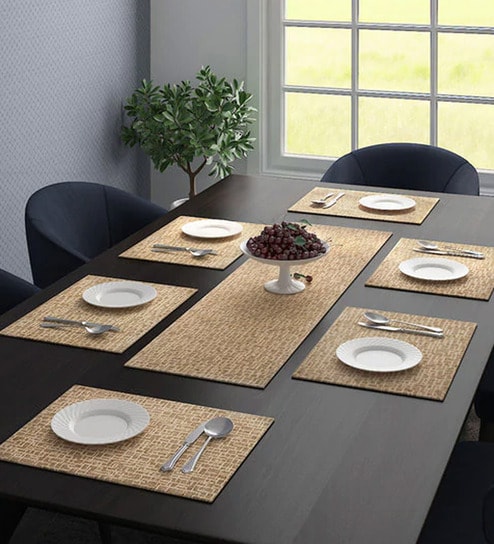

Modern (18x13) Beige Polyester (Set of 7) Table Linen Set
₹1,799₹1,99910%

Asher (15x15) Brown Jute (Set of 2) Placemat
₹281₹59953%

Premium (12x18) Beige Jute (Set of 2) Placemat
₹500₹99950%

Market99 Rectangular Placemats Set of 2
₹399₹89956%
Filter By More Filters
Sort By
Showing 1-40 of 951 options inTable Linen

Price Drop Alert
Transparent Solid Heat-Resistant, Waterproof (90x60) Table Cloth
By Ambbi Collections
₹427 ₹899 (53% off)

New Arrivals
NikkisPride Classic White Marble Napkin Rings (Set of 4)
By NikkisPride
₹938 ₹1,000 (6% off)

New Arrivals
NikkisPride Classic White Marble Napkin Rings (Set of 4)
By NikkisPride
₹1,125 ₹1,200 (6% off)

Monstera (14x14) White & Blue MDF (Set of 6) Placemat
By Space Of Joy
₹3,600 ₹4,000 (10% off)
EMI starting from ₹173/month

Caleb (12x15) White & Green MDF (Set of 4) Placemat
By Space Of Joy
₹3,150 ₹3,500 (10% off)
EMI starting from ₹152/month
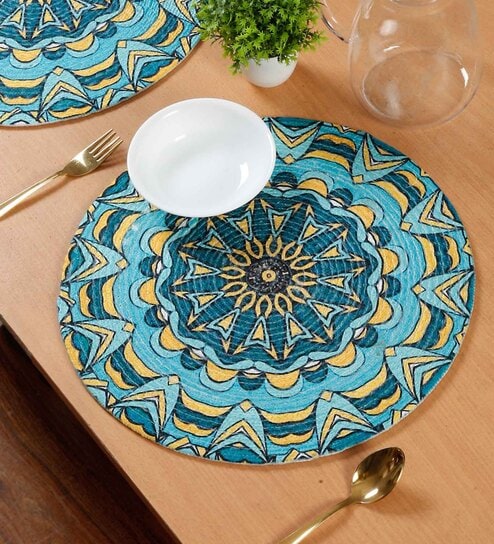
New Arrivals
Set of 6 Pure Cotton Geometric Print Digitally Printed Table Runners
By Hosta Homes
₹980 ₹1,799 (46% off)
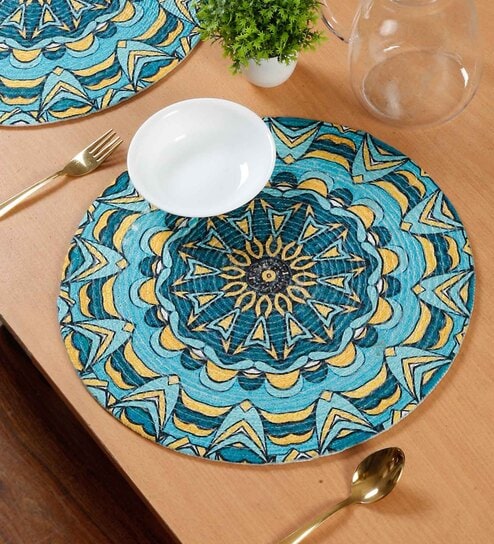
New Arrivals
Set of 2 Pure Cotton Geometric Print Digitally Printed Table Runners
By Hosta Homes
₹398 ₹799 (50% off)
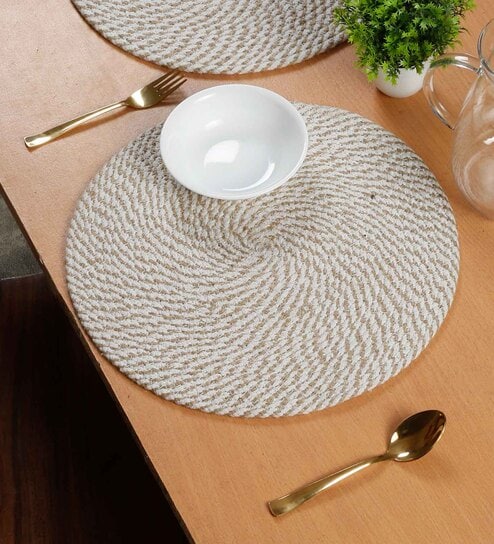
New Arrivals
Set of 4 Jute Cotton Solid Pattern Reversible Table Runners
By Hosta Homes
₹598 ₹1,499 (60% off)
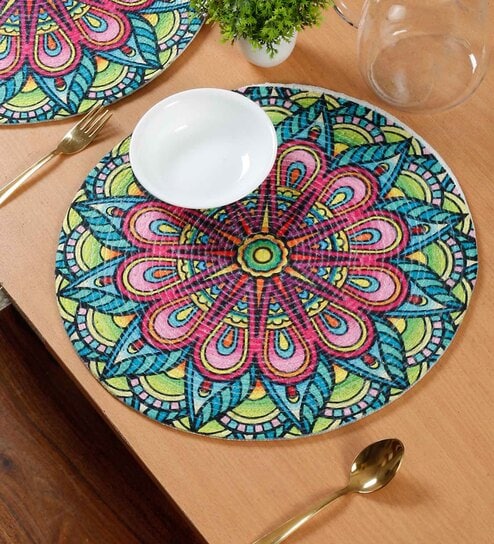
New Arrivals
Set of 4 Pure Cotton Geometric Print Digitally Printed Table Runners
By Hosta Homes
₹598 ₹1,499 (60% off)
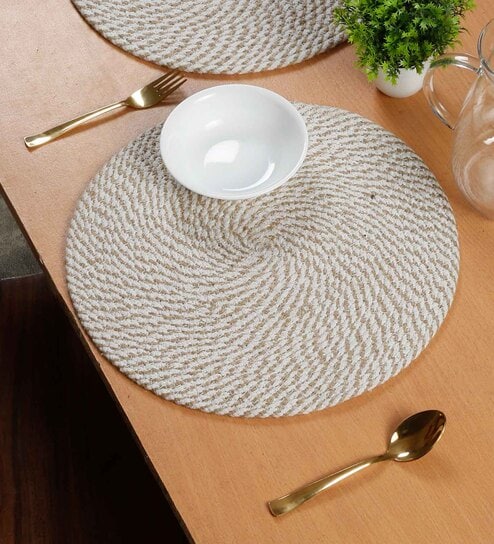
New Arrivals
Set of 6 Jute Cotton Solid Pattern Reversible Table Runners
By Hosta Homes
₹980 ₹1,799 (46% off)
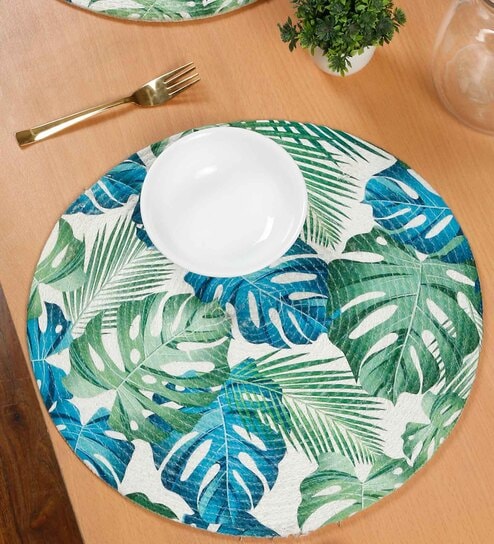
New Arrivals
Set of 4 Pure Cotton Geometric Print Digitally Printed Table Runners
By Hosta Homes
₹598 ₹1,499 (60% off)
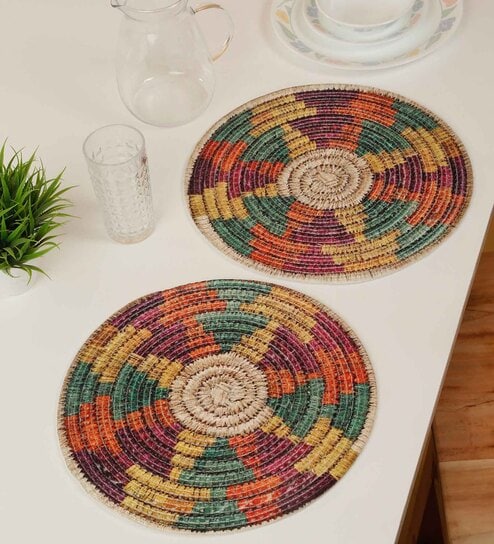
New Arrivals
Set of 2 Jute Material Geometric Reversible Table Runners
By Hosta Homes
₹398 ₹799 (50% off)
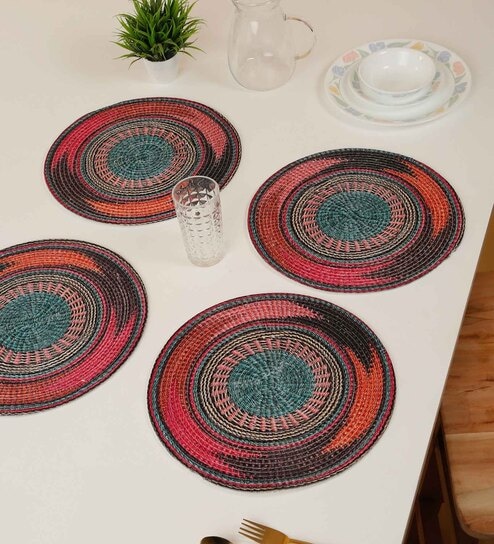
New Arrivals
Set of 4 Pure Cotton Geometric Print Digitally Printed Table Runners
By Hosta Homes
₹598 ₹1,499 (60% off)
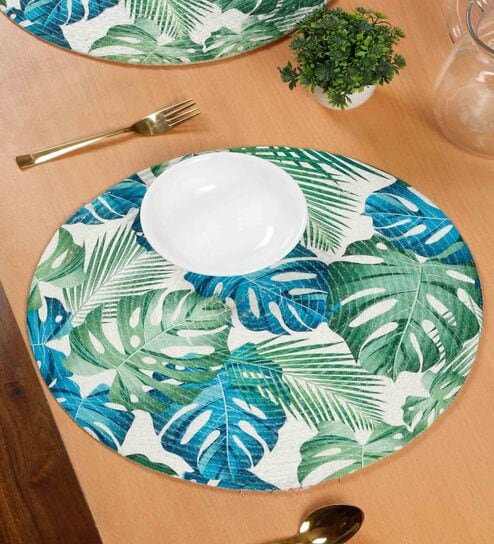
New Arrivals
Set of 1 Pure Cotton Geometric Print Digitally Printed Table Runner
By Hosta Homes
₹250 ₹599 (58% off)
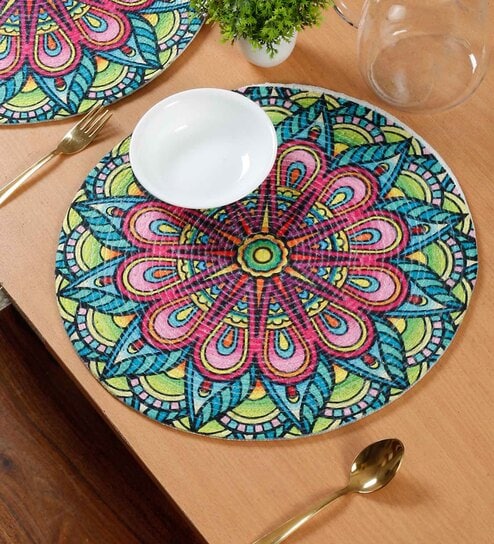
New Arrivals
Set of 2 Pure Cotton Geometric Print Digitally Printed Table Runners
By Hosta Homes
₹398 ₹799 (50% off)
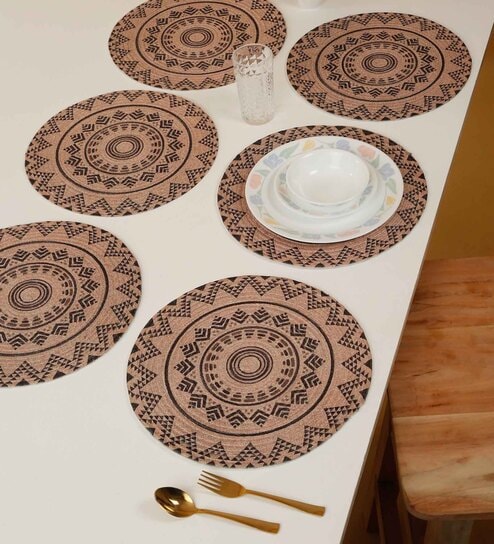
New Arrivals
Set of 6 Pure Cotton Geometric Print Digitally Printed Table Runners
By Hosta Homes
₹980 ₹1,799 (46% off)
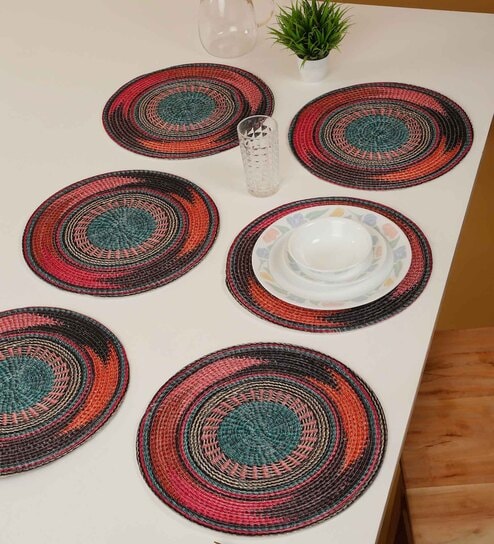
New Arrivals
Set of 6 Pure Cotton Geometric Print Digitally Printed Table Runners
By Hosta Homes
₹980 ₹1,799 (46% off)
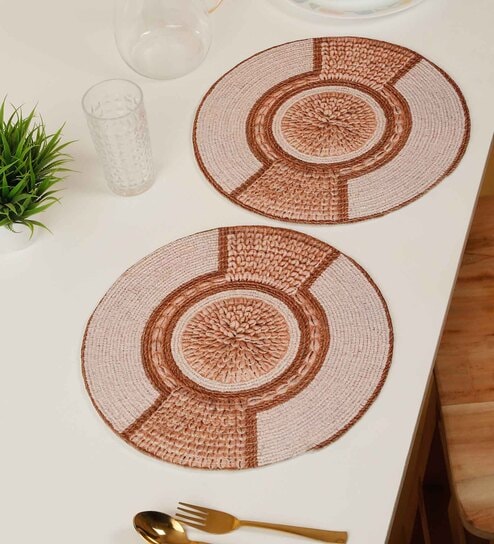
New Arrivals
Set of 2 Pure Cotton Geometric Print Digitally Printed Table Runners
By Hosta Homes
₹398 ₹799 (50% off)
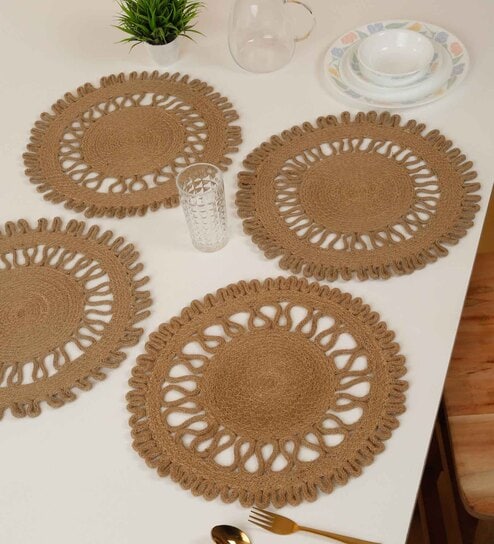
New Arrivals
Set of 4 Jute Material Geometric Reversible Table Runners
By Hosta Homes
₹598 ₹1,499 (60% off)
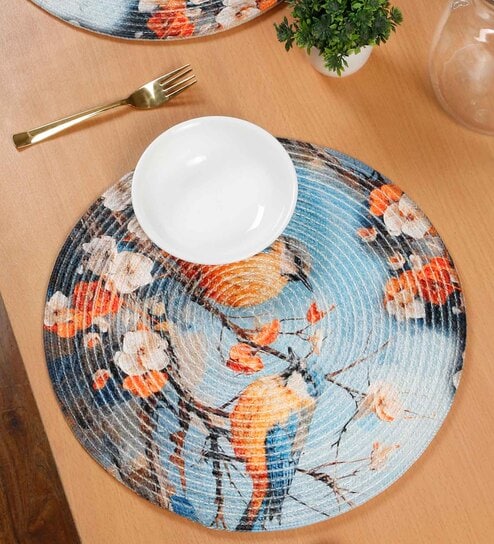
New Arrivals
Set of 4 Pure Cotton Geometric Print Digitally Printed Table Runners
By Hosta Homes
₹598 ₹1,499 (60% off)
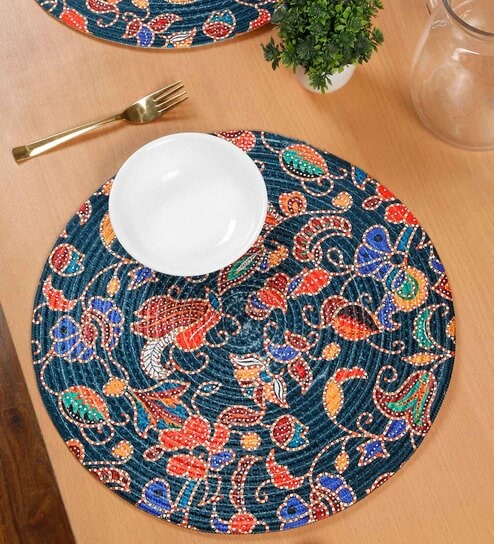
New Arrivals
Set of 2 Pure Cotton Geometric Print Digitally Printed Table Runners
By Hosta Homes
₹398 ₹799 (50% off)
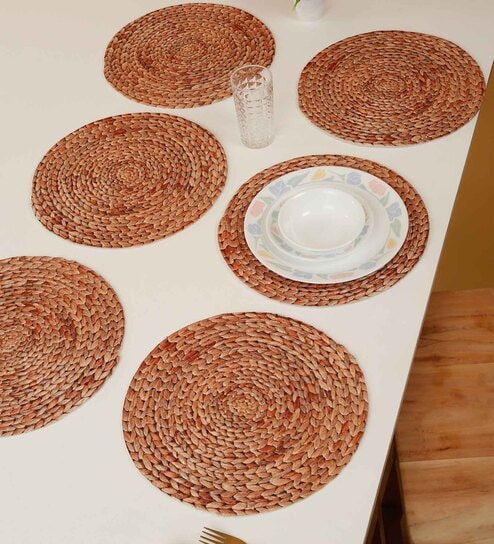
New Arrivals
Set of 6 Pure Cotton Geometric Print Digitally Printed Table Runners
By Hosta Homes
₹980 ₹1,799 (46% off)
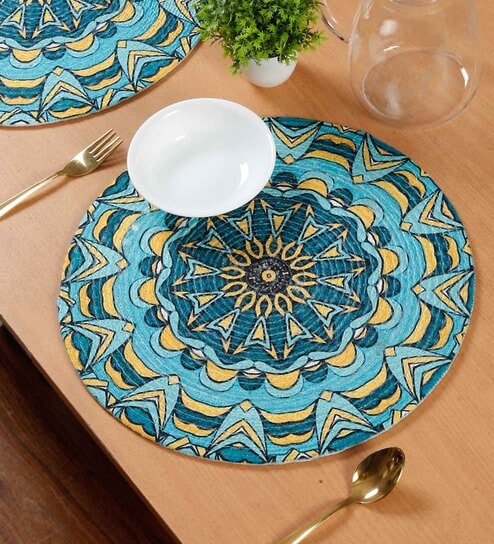
New Arrivals
Set of 1 Pure Cotton Geometric Print Digitally Printed Table Runner
By Hosta Homes
₹250 ₹599 (58% off)
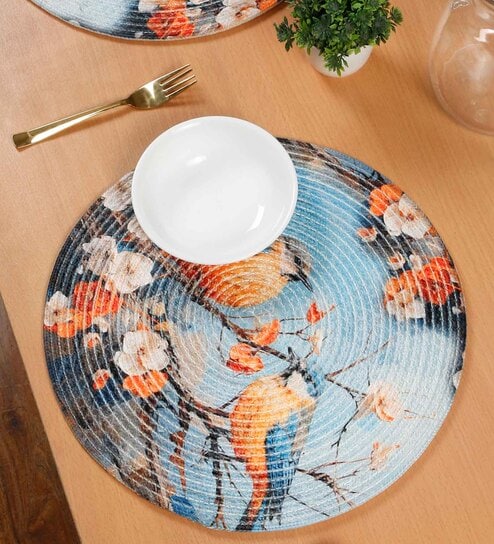
New Arrivals
Set of 2 Pure Cotton Geometric Print Digitally Printed Table Runners
By Hosta Homes
₹398 ₹799 (50% off)
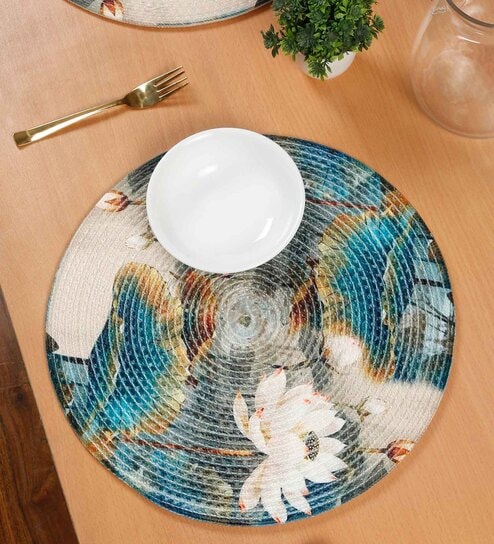
New Arrivals
Set of 2 Pure Cotton Solid Pattern Frill All Around Reversible Table Runners
By Hosta Homes
₹398 ₹799 (50% off)

New Arrivals
Set of 1 Pure Cotton Geometric Print Digitally Printed Table Runner
By Hosta Homes
₹398 ₹799 (50% off)

New Arrivals
(Set of 4) Frilly Reversible Jute & Cotton Table Mat
By Hosta Homes
₹598 ₹1,499 (60% off)
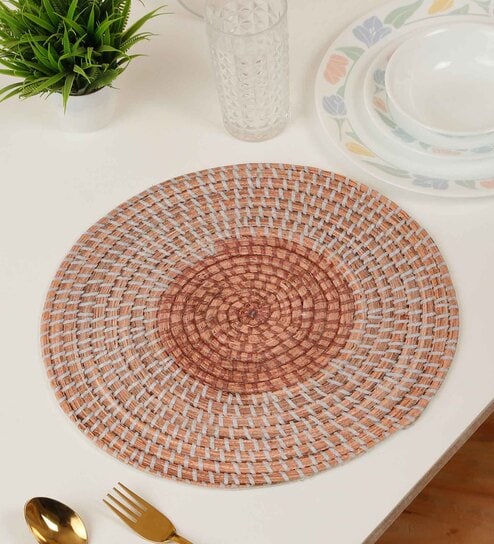
New Arrivals
Set of 1 Pure Cotton Geometric Print Digitally Printed Table Runner
By Hosta Homes
₹250 ₹599 (58% off)
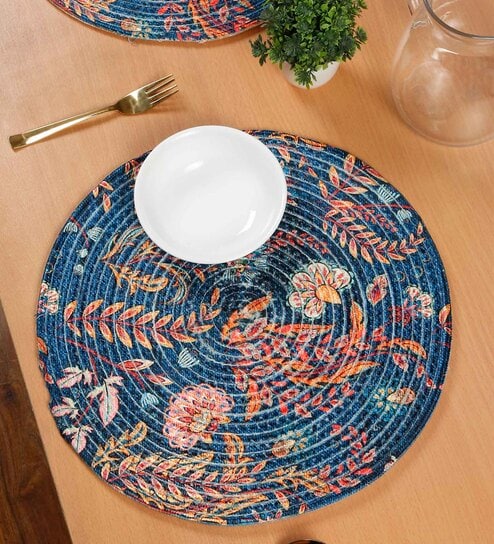
New Arrivals
Set of 2 Pure Cotton Geometric Print Digitally Printed Table Runners
By Hosta Homes
₹398 ₹799 (50% off)
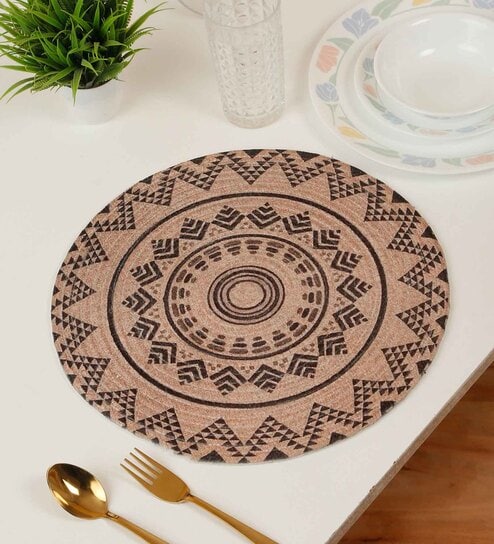
New Arrivals
Set of 1 Pure Cotton Geometric Print Digitally Printed Table Runner
By Hosta Homes
₹250 ₹599 (58% off)

New Arrivals
(Set of 2) Pure Cotton Geometric Print Digitally Printed Trivet
By Hosta Homes
₹250 ₹599 (58% off)

New Arrivals
Set of 1 Pure Cotton Geometric Print Digitally Printed Table Runner
By Hosta Homes
₹980 ₹1,799 (46% off)
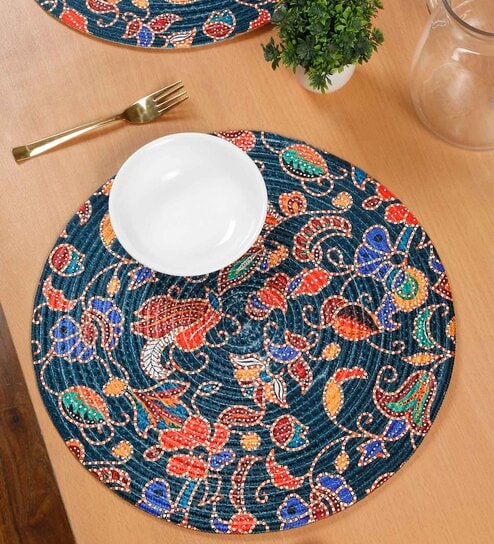
New Arrivals
Set of 4 Pure Cotton Geometric Print Digitally Printed Table Runners
By Hosta Homes
₹598 ₹1,499 (60% off)
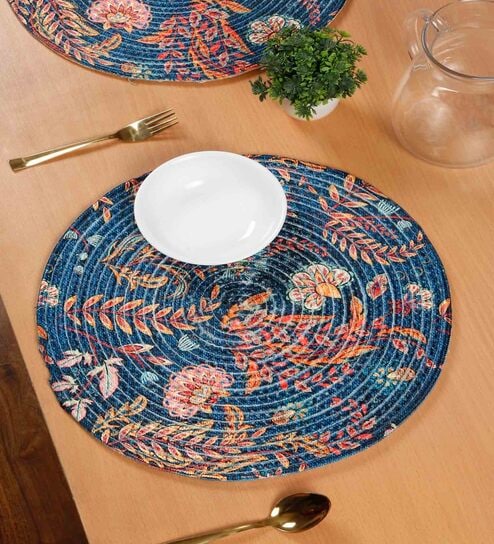
New Arrivals
Set of 1 Pure Cotton Geometric Print Digitally Printed Table Runner
By Hosta Homes
₹250 ₹599 (58% off)
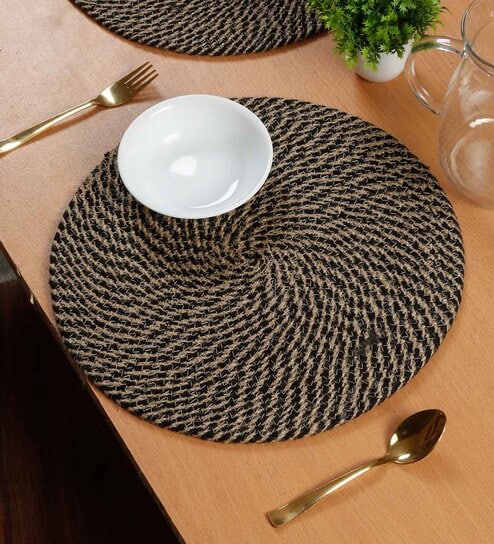
New Arrivals
Set of 4 Jute Cotton Solid Pattern Reversible Table Runners
By Hosta Homes
₹598 ₹1,499 (60% off)
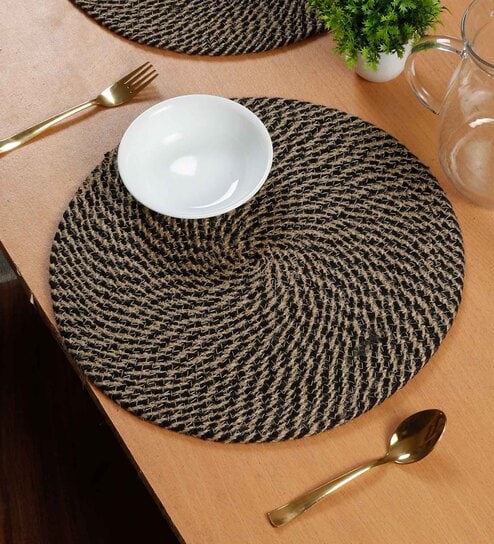
New Arrivals
Set of 6 Jute Cotton Solid Pattern Reversible Table Runners
By Hosta Homes
₹980 ₹1,799 (46% off)
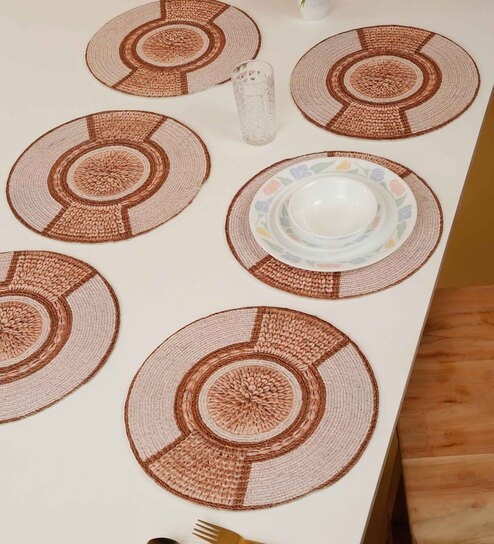
New Arrivals
Set of 6 Pure Cotton Geometric Print Digitally Printed Table Runners
By Hosta Homes
₹980 ₹1,799 (46% off)
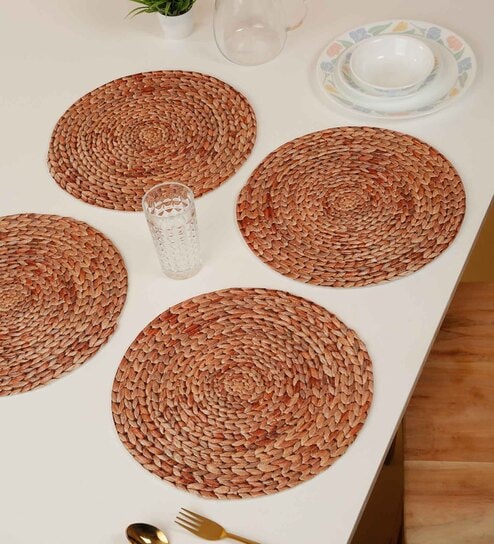
New Arrivals
Set of 4 Pure Cotton Geometric Print Digitally Printed Table Runners
By Hosta Homes
₹598 ₹1,499 (60% off)
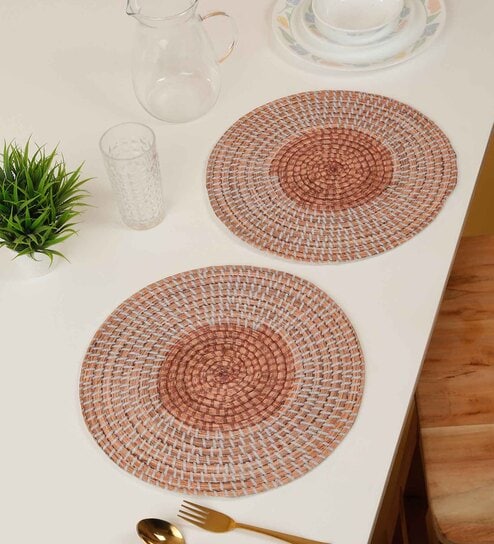
New Arrivals
Set of 2 Pure Cotton Geometric Print Digitally Printed Table Runners
By Hosta Homes
₹398 ₹799 (50% off)
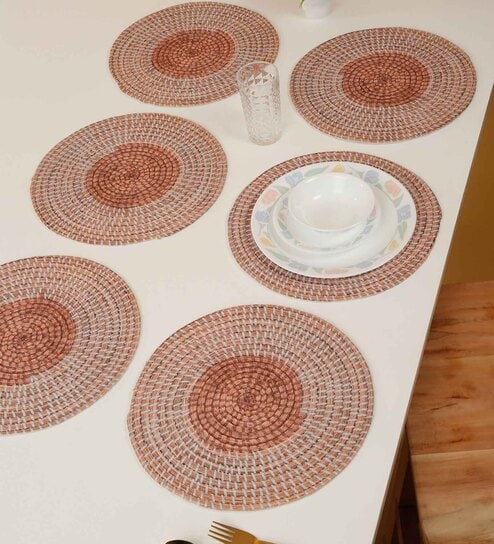
New Arrivals
Set of 6 Pure Cotton Geometric Print Digitally Printed Table Runners
By Hosta Homes
₹980 ₹1,799 (46% off)
Didn't Find What You Were Looking For? Share your Feedback with Us ->
Table Linen: Dress Your Dining Table with Style and Protection
Your dining table sees a lot of action. Morning chai, family dinners, festive feasts, and everything in between. Table linen protects that surface while adding colour and personality to your space.
A simple cotton tablecloth can make everyday meals feel special. A coordinated set of placemats and napkins tells guests they are welcome.
At Pepperfry, we have curated a collection of table linens to suit Indian homes and lifestyles. You will find options for daily use and for those occasions when you want your table to look its best.
From printed runners to solid-colour placemats, every piece serves a purpose. Good table linen is practical. It catches spills, shields your table from hot dishes, and cleans up easily. But it also sets the mood for meals shared with people you care about.
What is Table Linen and Why Does Your Dining Space Need It?
Table linen refers to fabric pieces that cover and protect your dining table. This category includes tablecloths, table runners, placemats, and napkins.
Each piece serves a distinct role. Tablecloths cover the entire surface. Runners add a decorative strip down the centre. Placemats define individual place settings. Napkins complete the look.
In Indian homes, table linen matters for several reasons. We entertain guests often. Festival meals bring extended family together. Even daily dinners deserve a touch of care.
Quality dining table linen protects your dining table from scratches, heat marks, and spills. It also makes cleaning up simpler since you can toss the fabric in the wash.
Beyond function, table linen sets a visual tone. A bright runner can energise a plain wooden table. Subtle neutral placemats can calm a busy kitchen. Your choice says something about your home and how you approach shared meals.
Which Materials Work Best for Table Linen?
The fabric you choose affects how your table linen looks, feels, and lasts. Different materials suit different needs, so understanding your options helps you make smarter purchases.
Cotton remains the most popular choice for Indian households. It is soft, breathable, and handles frequent washing without losing shape. Cotton table linen works for both casual meals and dressed-up dinners. You can find it in every price range, from simple printed options to finer weaves.
Linen offers a slightly more textured, refined look. It drapes beautifully but wrinkles easily. Many people prefer it for special occasions rather than daily use. Polyester blends combine durability with easy care. They resist stains and dry quickly. The trade-off is a less natural hand feel compared to pure cotton or linen.
Jacquard weaves feature patterns woven directly into the fabric rather than printed on top. These add visual interest and texture. A jacquard tablecloth can stand out without bold printed designs.
When shopping for a table linen set, consider how often you will use it. Everyday sets need tough, washable fabrics. Pieces meant for entertaining can be more delicate since they are used less frequently.
Why Cotton Table Linen is India's Favourite Choice?
Cotton table linen suits the Indian climate perfectly. It breathes well in warm weather and absorbs moisture from condensation on cold glasses. Spills soak into cotton rather than pooling, giving you time to wipe them away before they spread.
Maintenance is straightforward. Most cotton pieces handle machine washing at home. Stubborn stains come out with a bit of effort. The fabric softens over time without falling apart.
Affordability matters too. Cotton table linen in India comes at price points for every budget. Printed cotton adds colour and pattern to your table.
Dobby weaves offer subtle texture. Organic cotton appeals to eco-conscious buyers. For most homes, cotton is the sensible default that balances quality with practicality.
How Do You Choose the Right Table Linen Size?
Size mistakes lead to awkward overhangs or too-small cloths that leave table edges exposed. Getting measurements right prevents returns and disappointment.
Start by measuring your table. Note the length, width, and shape. Round tables need round cloths; rectangular tables need rectangular ones. This seems obvious, but many buyers overlook it.
For tablecloths, add drop length to your table dimensions. The drop is how far the cloth hangs over the edge. Standard drops range from 20 to 30 centimetres for everyday use. Formal settings look better with longer drops of 40 centimetres or more.
Common Indian table sizes follow these patterns. A four-seater table typically measures around 120 by 75 centimetres. Six-seater tables run about 150 by 90 centimetres. Eight-seater tables stretch to 180 by 90 centimetres or larger.
Runners should span the table length with a small overhang at each end. Placemats need enough space for a dinner plate plus cutlery, usually 45 by 30 centimetres.
Sizing tip: Buying a pre-coordinated table linen set simplifies sizing. Sets come with pieces designed to work together on standard table dimensions.
What Makes Designer Table Linen Worth Considering?
Designer table linen elevates your dining space for special moments. Birthdays, anniversaries, festival gatherings, and dinner parties all benefit from that extra touch of care in presentation.
Current trends include bold geometric prints, traditional Indian motifs reimagined in modern colours, and minimalist solid tones with textured weaves. Floral patterns remain classic choices that work across seasons and occasions.
Designer sets offer coordination that is hard to achieve when buying pieces separately. The tablecloth, runner, and napkins share colour palettes and design themes. This cohesion creates a polished look with minimal effort on your part.
"Setting a table is an exercise in composition. Instead of a singular cloth, think in layers. Frame a dark, moody wooden table with a striking, wide-weave cotton runner, then layer it with contrasting, closely woven linen placemats." - ELLE DECOR India |
What Should You Check When Buying Table Linen Online?
Buying table linen online in India gives you access to far more options than local shops offer. But fabric is tactile. How do you judge quality through a screen?
Product photos matter. Look for close-up shots that show weave texture and print clarity. Multiple angles help you understand the drape and finish. Avoid listings with only distant or styled shots that hide fabric details.
Read descriptions carefully. GSM (grams per square metre) indicates fabric weight. Higher GSM usually means thicker, more durable material. Thread count matters for woven fabrics. Weave type affects both appearance and feel.
Customer reviews fill the gaps. Look for comments about colour accuracy, since screen displays vary. Note what reviewers say about softness, stiffness, and how the fabric handles washing.
Check return policies before ordering. Reputable retailers allow returns if the product does not meet expectations. This gives you confidence when buying table linen online for the first time.
How to Style Table Linen for Different Occasions
Different meals call for different looks. A Sunday brunch feels distinct from a Diwali dinner. Your table linen set can reflect these shifts with simple changes.
Everyday Dining
Keep things simple. Solid-colour cotton placemats in neutral tones work for most meals. They clean easily and do not compete with your food presentation. A runner down the centre adds a touch of style without fuss.
Weekend Entertaining
Step up the pattern. A printed runner or patterned placemats can introduce colour and energy. Match napkins to your runner for a coordinated effect that impresses guests without requiring much effort.
Festival and Celebration Dining
Rich colours suit festive moments. Deep reds, greens, and golds feel appropriately celebratory. Ethnic motifs connect to cultural traditions. Layer a tablecloth with a contrasting runner for visual depth and texture.
Formal Dinners
Neutral tones project elegance. White, cream, or soft grey tablecloths with longer drops create a sophisticated backdrop. Pressed napkins folded neatly complete the picture and show attention to detail.
Keep in mind: Two or three sets in rotation give time for washing and ironing between uses. You will always have fresh options ready when needed.
"In open-concept apartments, a massive, brightly patterned tablecloth can visually hijack the entire living-dining pavilion. To maintain an expansive feel, match your table linen directly to the undertones of your walls or flooring." - Better Interiors |
How Should You Care for Your Table Linen?
Proper care extends the life of your table linen and keeps it looking its best through years of use.
Washing
Cotton table linen handles regular machine washing. Use warm water and mild detergent. Avoid bleach on coloured fabrics. Delicate materials like fine linen or jacquard weaves benefit from gentle cycles or hand washing.
Stain Removal
Indian food stains can be stubborn. For turmeric, blot immediately and rinse with cold water. Oil stains respond to dish soap applied directly before washing. Curry stains fade with a paste of baking soda and water left on for an hour before the wash cycle.
Ironing
Cotton and linen wrinkle naturally. Iron while slightly damp for best results. Polyester blends often skip this step, as they resist creasing.
Storage
Clean, fully dry linens prevent mildew. Store in a cool, dry place away from direct sunlight, which can yellow white fabrics over time. Fold loosely to avoid permanent crease lines that become harder to iron out.
Frequently Asked Questions About Table Linens
What is the difference between a tablecloth and a table runner?
A tablecloth covers your entire table surface, draping over the edges. A table runner is a narrow strip of fabric placed down the centre or across the width of your table, often used over a tablecloth or directly on the table for a decorative accent.
How often should you wash table linen?
Wash tablecloths and placemats after each use if they have visible stains. For light use without spills, washing after two or three uses works fine. Napkins should be washed after every meal.
Can you use placemats without a tablecloth?
Yes, placemats work beautifully on their own. They protect your table surface while showing off the wood or finish beneath. This approach suits modern, minimalist dining spaces particularly well.
What size tablecloth fits a six seater dining table?
For a standard six seater table measuring 150 x 90 cm, choose a tablecloth of approximately 200 x 140 cm. This provides a 25 cm drop on all sides, suitable for everyday dining.
How do you remove turmeric stains from cotton table linen?
Apply fresh lemon juice directly to the stain. Let it sit for 15 minutes, then rinse with cold water. Wash in your machine as normal. Sunlight also helps fade turmeric stains naturally during drying.
Table Linen Price List
- Product List
- PRICE
Natural Grass Handmade Heat Resistant Powder Blue & Off-white 6 Seater (12x72inches) Table Runner
- ₹599
This data was last updated on 2026/06/12
 FurnitureSofas, Sectional Sofas, Sofa Cum Beds, Chaise Loungers, Bean Bags, Recliners, Sofa Chairs, Settees & Benches, Ottomans, Chairs, Gaming Chairs, Stools & Pouffes, Shoe Racks, Centre Tables, Side Tables, TV & Media Units, Cabinets & Sideboards, Book Shelves, Book Cases, Dining Sets, Dining Chairs, Dining Tables, Crockery Units, Bar Furniture, Beds, Bedside Tables, Trunks, Chest of Drawers, Dressing Tables, Wardrobes, Kids and Teens, Study Tables, Office Furniture, Outdoor, Massagers, Furniture Care
- Sofas
- Sectional Sofas
- Sofa Cum Beds
- Chaise Loungers
- Bean Bags
- Recliners
- Sofa Chairs
- Settees & Benches
- Ottomans
- Chairs
- Gaming Chairs
- Stools & Pouffes
- Shoe Racks
- Centre Tables
- Side Tables
- TV & Media Units
- Cabinets & Sideboards
- Book Shelves
- Book Cases
- Dining Sets
- Dining Chairs
- Dining Tables
- Crockery Units
- Bar Furniture
- Beds
- Bedside Tables
- Trunks
- Chest of Drawers
- Dressing Tables
- Wardrobes
- Kids and Teens
- Study Tables
- Office Furniture
- Outdoor
- Massagers
- Furniture Care
 Sofas & SeatingSofas, Sofa Sets, Sectional Sofas, Sofa Cum Beds, Recliners, Recliner Sets, Chaise Loungers, Sofa Chairs, Bean Bags, Accent Chairs, Office Chairs, Gaming Chairs, Dining Chairs, Bar Seating, Settees & Benches, Ottomans, Stools & Pouffes, Outdoor Seating, Furniture Care, Top Collections, Top Brands
- Sofas
- Sofa Sets
- Sectional Sofas
- Sofa Cum Beds
- Recliners
- Recliner Sets
- Chaise Loungers
- Sofa Chairs
- Bean Bags
- Accent Chairs
- Office Chairs
- Gaming Chairs
- Dining Chairs
- Bar Seating
- Settees & Benches
- Ottomans
- Stools & Pouffes
- Outdoor Seating
- Furniture Care
- Top Collections
- Top Brands
 MattressesKing Size Mattresses, Queen Size Mattresses, Single Size Mattresses, Foldable Mattresses, Crib Mattresses, Mattress Protectors, Mattress Toppers, Pillows, Mattresses By Feature, Top Brands
- King Size Mattresses
- Queen Size Mattresses
- Single Size Mattresses
- Foldable Mattresses
- Crib Mattresses
- Mattress Protectors
- Mattress Toppers
- Pillows
- Mattresses By Feature
- Top Brands
 Home DecorVases, Figurines, Collectibles, Showpieces, Home Utility, Table Decor, Kids Decor, Photo Frames, Candles, Candle Stands, Spiritual, Home Fragrances, Decor Gift Sets, Prayer Essentials, Artificial Plants & Flowers, Festive Decor, Gardening, Pots and Planters, Outdoor Decor, Wall Hangings, Wall Shelves, Wall Cabinets, Set Top Box Holders, Key Holders, Jharokhas, Screens & Dividers, Wall Decor, Wall Art and Paintings, Wallpapers & Decals, Clocks, Mirrors, Gifting
- Vases
- Figurines
- Collectibles
- Showpieces
- Home Utility
- Table Decor
- Kids Decor
- Photo Frames
- Candles
- Candle Stands
- Spiritual
- Home Fragrances
- Decor Gift Sets
- Prayer Essentials
- Artificial Plants & Flowers
- Festive Decor
- Gardening
- Pots and Planters
- Outdoor Decor
- Wall Hangings
- Wall Shelves
- Wall Cabinets
- Set Top Box Holders
- Key Holders
- Jharokhas
- Screens & Dividers
- Wall Decor
- Wall Art and Paintings
- Wallpapers & Decals
- Clocks
- Mirrors
- Gifting
 FurnishingsBed Sheets, Blankets & Quilts, Bath Linen, Bed Linen, Curtains, Curtain Accessories, Laundry Baskets, Mosquito Nets, Furnishing Gift Sets, Cushions & Covers, Sofa Covers & Throws, Chair Covers & Pads, Carpets, Dhurries, Runners, Door Mats, Bath Mats, Picnic Mats, Kids Furnishings, Pet Furnishings, Yoga Mats, Top Brands
- Bed Sheets
- Blankets & Quilts
- Bath Linen
- Bed Linen
- Curtains
- Curtain Accessories
- Laundry Baskets
- Mosquito Nets
- Furnishing Gift Sets
- Cushions & Covers
- Sofa Covers & Throws
- Chair Covers & Pads
- Carpets
- Dhurries
- Runners
- Door Mats
- Bath Mats
- Picnic Mats
- Kids Furnishings
- Bed Sheets
- Carpets & Mats
- Kids Blankets and Comforters
- Pillows and Covers
- Cushion Covers
- Towels
- Bedding Sets
- Curtains
- Baby Mats
- Pet Furnishings
- Yoga Mats
- Top Brands
 Lamps & LightingFloor Lamps, Shelf Floor Lamps, Table Lamps, Night Lamps, Work and Study Lamps, Lamp Shades, Kids Lamps, Ceiling Lights, Wall Lights, Smart Lights, Outdoor Lights, Decorative Lights, Emergency Lights, Bulbs, Top Brands
- Floor Lamps
- Shelf Floor Lamps
- Table Lamps
- Night Lamps
- Work and Study Lamps
- Lamp Shades
- Kids Lamps
- Ceiling Lights
- Wall Lights
- Smart Lights
- Outdoor Lights
- Decorative Lights
- Emergency Lights
- Bulbs
- Top Brands
 Kitchen & DiningServeware, Jugs, Bakeware, Dinnerware, Cookware, Cooking Tools, Drinkware, Bottles, Flasks, Sippers, Barware, Teaware, Knives & Cutlery, Table Essentials, Jars and Containers, Kitchen Organizers, Lunch Boxes, Kids Kitchenware & Tableware, Gift Sets, Kitchen Linen, Table Linen, Top Brands
- Serveware
- Serving Bowls
- Casseroles
- Butter Dishes
- Serving Trays
- Tray Sets
- Appetizer Platters
- Cheese Boards
- Cake Stands
- Cloche
- Jugs
- Bakeware
- Dinnerware
- Cookware
- Cooking Tools
- Spatulas, Ladles and Tongs
- Knives and Choppers
- Chopping Boards
- Rolling Pins and Boards
- Strainers and Whisks
- Cooking Preparation Tools
- Drinkware
- Bottles
- Flasks
- Sippers
- Barware
- Barware Sets
- Bar Tools
- Ash Trays
- Wine Holders & Coolers
- Carafes and Decanters
- Dispensers
- Ice Buckets & Moulds
- Teaware
- Knives & Cutlery
- Table Essentials
- Jars and Containers
- Kitchen Organizers
- Lunch Boxes
- Kids Kitchenware & Tableware
- Gift Sets
- Kitchen Linen
- Table Linen
- Top Brands
 LuxuryLiving Room, Bedroom, Dining Room, Home Office
 Modular