Sign Up & Get Rs.5,000 OFF On Your First Purchase




Side Tables
Side tables bring both style and function to your home. These compact pieces sit beside sofas, beds, and armchairs, holding everyday essentials within arm's reach. At Pepperfry, you will find side tables crafted from solid wood, metal, and glass in designs that suit modern Indian homes. From space-saving C-shaped tables to versatile nesting sets, each piece combines practical storage with visual appeal.
More


Ernest Metal End Table In Gold Finish
₹8,400₹12,60033%

Warc Teak Wood Console Table In Brown Finish
₹24,990₹24,990
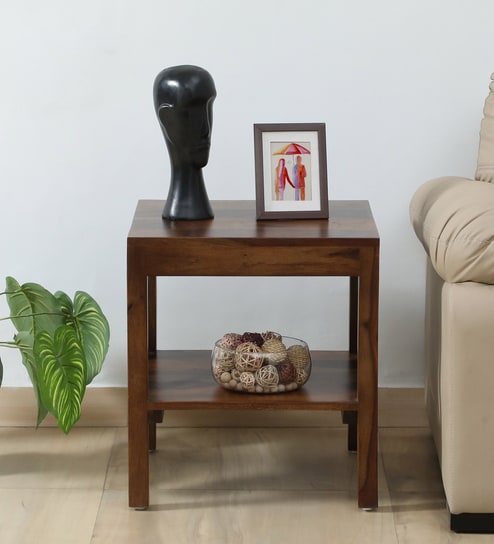
Harlev Sheesham Wood End Table In Provincial Teak Finish
₹8,749₹11,99927%
Filter By More Filters
More Filters Sort By
Showing 1-40 of 599 options inSide Tables
Free Shipping
 +1 more colors
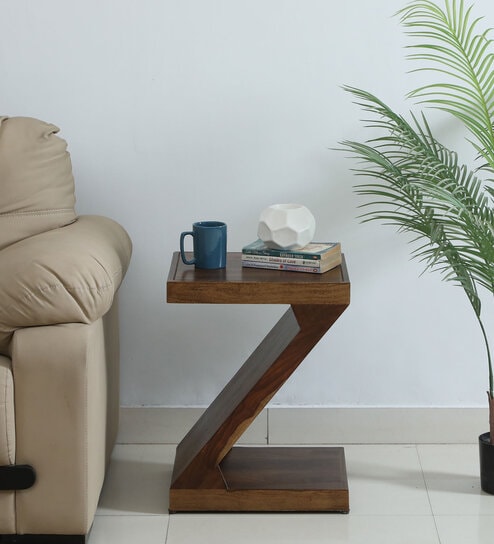
Jelks Sheesham Wood End Table in Scratch Resistant Provincial Teak Finish
By Woodsworth from Pepperfry
60-Month Warranty Available
₹5,999 ₹9,999 (40% off)
EMI starting from ₹289/month
Express Shipping in 1 day
New Arrivals
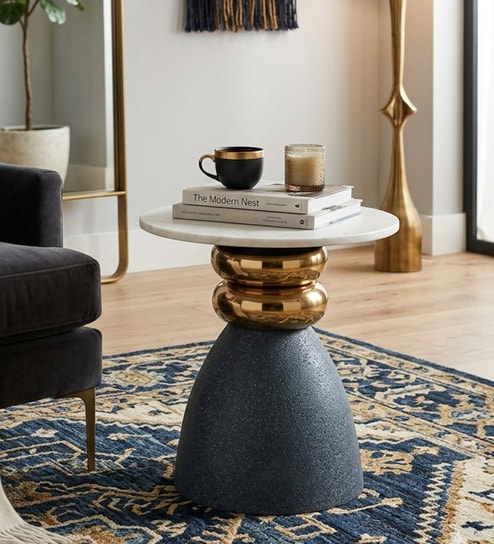
Akenside End Table In Grey & Golden Finish with Marble Top
By Casacraft from Pepperfry
36-Month Warranty Available
₹9,249 ₹11,999 (23% off)
EMI starting from ₹445/month
Express Shipping in 1 day
Best Seller
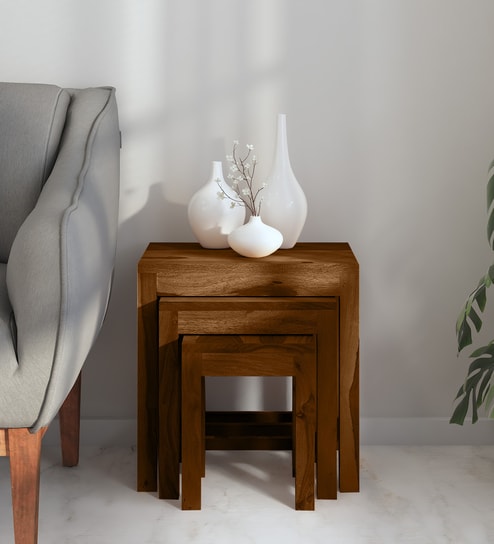
+1 more colorsBarret Sheesham Wood Nest Of Tables In Provincial Teak Finish
By Woodsworth from Pepperfry
36-Month Warranty Available
₹7,499 ₹11,999 (38% off)
EMI starting from ₹361/month
Express Shipping in 1 day
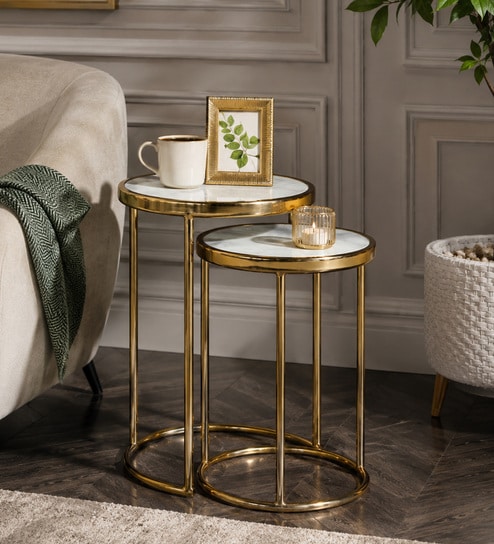
New Arrivals
Basie End Table In Golden Finish with Marble Top (Set of 2)
By Casacraft from Pepperfry
36-Month Warranty Available
₹13,499 ₹16,999 (21% off)
EMI starting from ₹649/month
Express Shipping in 1 day
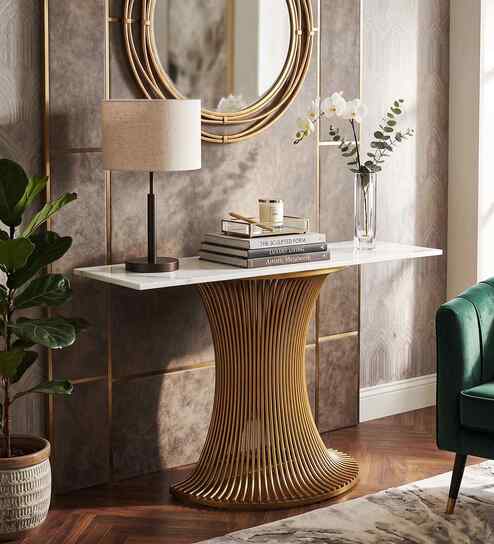
Free Shipping
+1 more colorsNaldo Metal Console Table In Gold Finish With Porcelain Top
By Casacraft from Pepperfry
36-Month Warranty Available
₹21,999 ₹30,999 (29% off)
EMI starting from ₹1,057/month
Express Shipping in 1 day
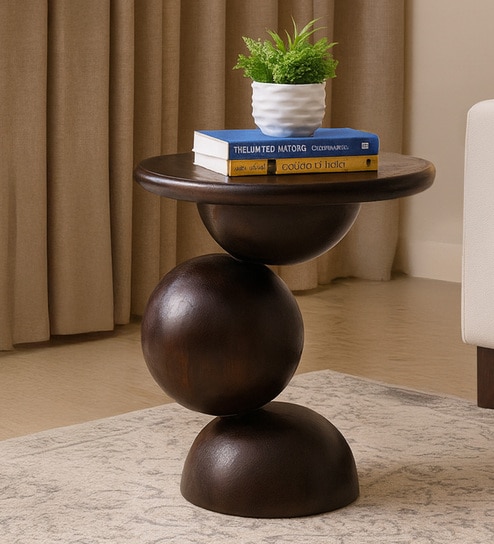
Best Seller
Bronte Solid Wood End Table In Sandblasted Dark Teak Finish
By Bohemiana from Pepperfry
36-Month Warranty Available
₹14,499 ₹17,999 (19% off)
EMI starting from ₹697/month

Free Shipping
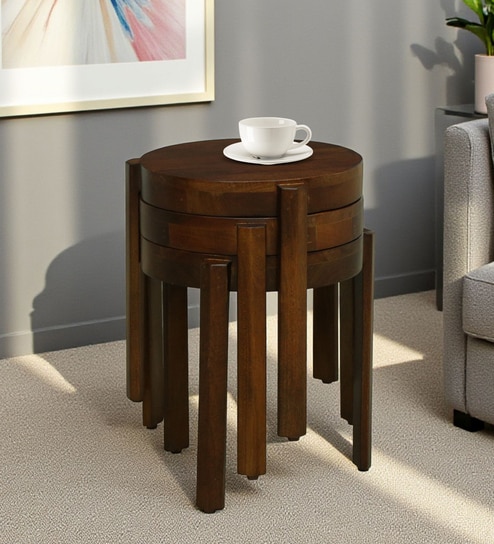
Dakovo Mango Wood Square Nest Of Tables In Tubbaq Finish ( Set of 3 )
By Woodsworth from Pepperfry
60-Month Warranty Available
₹9,249 ₹11,999 (23% off)
EMI starting from ₹445/month
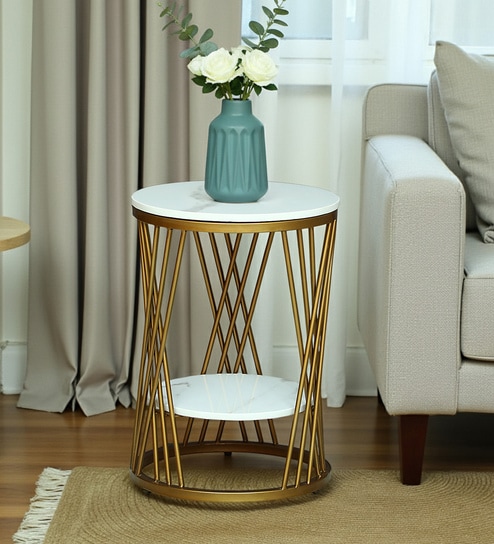
Free Shipping
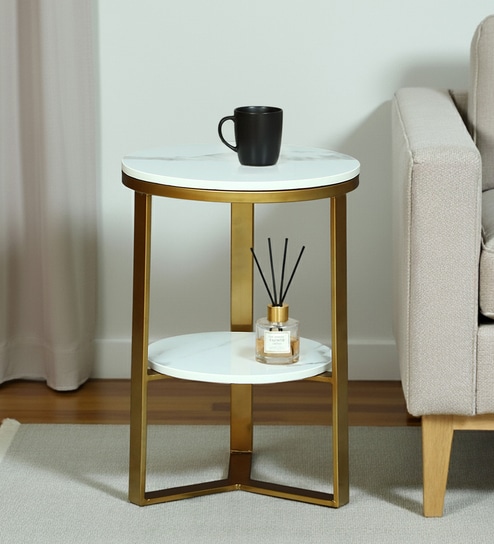
+1 more colorsBranco White Porcelain Top End Table With Gold Finish
By Casacraft from Pepperfry
36-Month Warranty Available
₹7,249 ₹9,999 (28% off)
EMI starting from ₹349/month
Express Shipping in 1 day
Free Shipping
+1 more colorsBigard White Porcelain Top End Table With Gold Finish
By Casacraft from Pepperfry
36-Month Warranty Available
₹7,249 ₹12,999 (44% off)
EMI starting from ₹349/month
Express Shipping in 1 day
Free Shipping
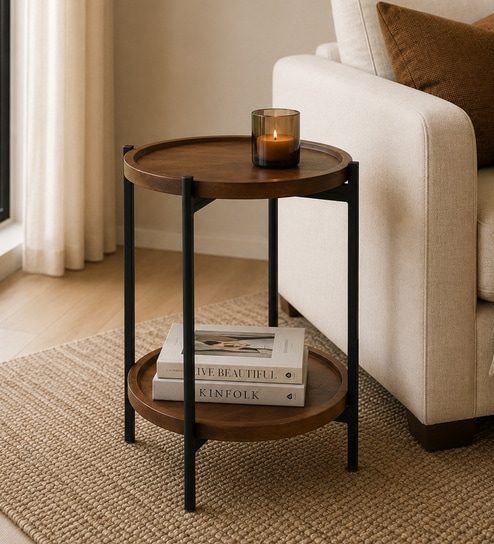
Dakovo Mango Wood Round Nest Of Tables In Tubbaq Finish ( Set of 3 )
By Woodsworth from Pepperfry
60-Month Warranty Available
₹10,999 ₹15,999 (31% off)
EMI starting from ₹529/month
Free Shipping
Merano Round Side Table in Tubbaq Finish
By Woodsworth from Pepperfry
36-Month Warranty Available
₹11,499 ₹14,999 (23% off)
EMI starting from ₹553/month

Best Seller
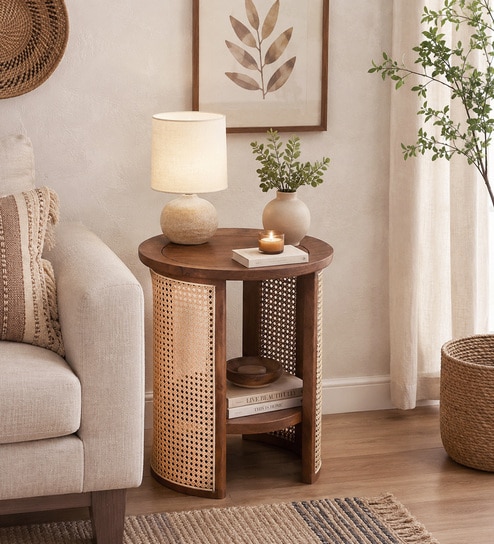
Finnmark Sheesham Wood End Table In Scratch Resistant Provincial Teak Finish
By Woodsworth from Pepperfry
60-Month Warranty Available
₹11,999 ₹16,249 (26% off)
EMI starting from ₹577/month
Express Shipping in 1 day
New Arrivals
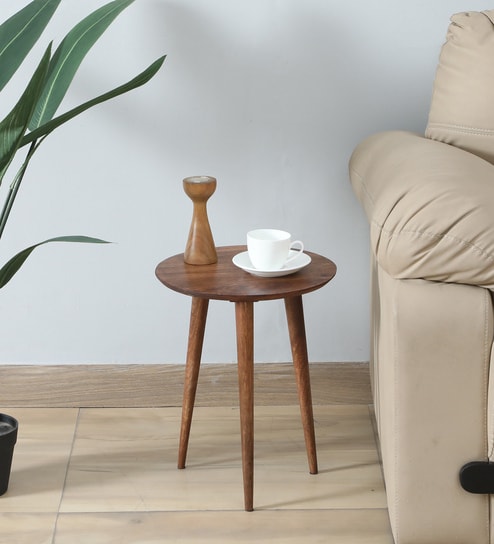
Fujiwara Mango Wood End Table In Tubbaq Finish
By Woodsworth from Pepperfry
36-Month Warranty Available
₹11,499 ₹15,999 (28% off)
EMI starting from ₹553/month
Free Shipping
Blois Mango Wood End Table In Tubbaq Finish
By Woodsworth from Pepperfry
36-Month Warranty Available
₹2,299 ₹2,999 (23% off)

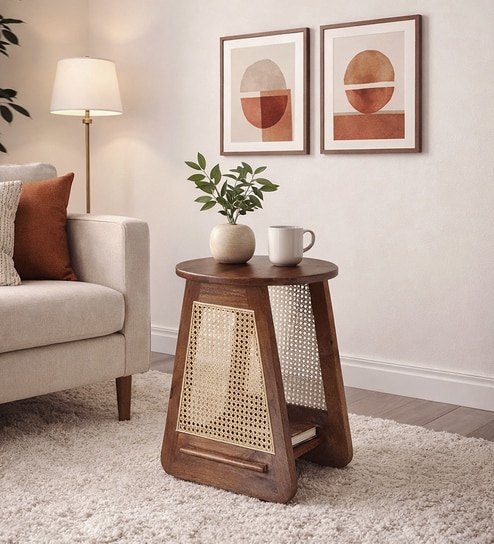
Lily End Table in Asian Walnut Finish
By Mintwud from Pepperfry
36-Month Warranty Available
₹3,199 ₹5,399 (41% off)
EMI starting from ₹154/month
Express Shipping in 1 day
Free Shipping
Rogaland Mango Wood End Table In Tubbaq Finish
By Woodsworth from Pepperfry
36-Month Warranty Available
₹10,999 ₹15,999 (31% off)
EMI starting from ₹529/month
Free Shipping
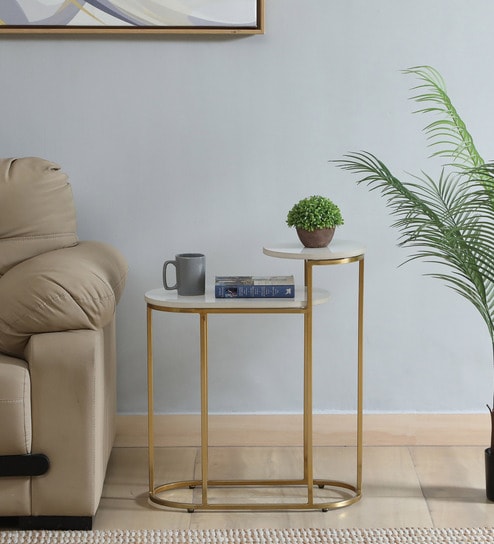
Harlev Sheesham Wood End Table In Provincial Teak Finish
By Woodsworth from Pepperfry
60-Month Warranty Available
₹8,749 ₹11,999 (27% off)
EMI starting from ₹421/month
Express Shipping in 1 day
Free Shipping
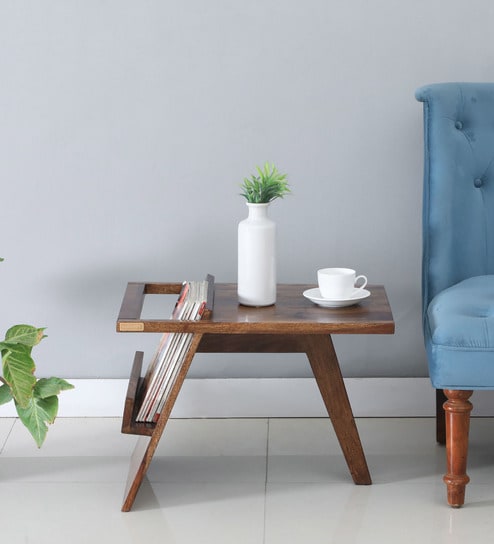
Mette White Porcelain Top End Table With Gold Finish
By Casacraft from Pepperfry
36-Month Warranty Available
₹9,249 ₹11,999 (23% off)
EMI starting from ₹445/month
Express Shipping in 1 day
Free Shipping
+2 more colorsAura Sheesham Wood End Table in Scratch Resistant Provincial Teak Finish
By Woodsworth from Pepperfry
36-Month Warranty Available
₹6,499 ₹9,399 (31% off)
EMI starting from ₹313/month
Express Shipping in 1 day

Free Shipping
Awadh Teak Wood Console Table in Walnut Finish
By Mudramark from Pepperfry
12-Month Warranty Available
₹79,999 ₹1,06,249 (25% off)
EMI starting from ₹3,841/month
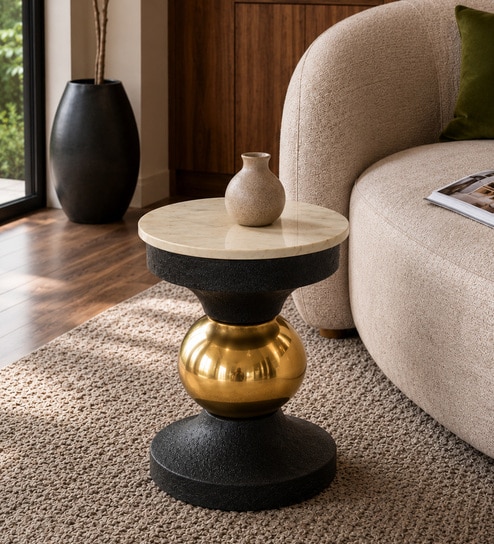
New Arrivals
Akenside End Table In Black & Golden Finish with Marble Top
By Casacraft from Pepperfry
36-Month Warranty Available
₹9,249 ₹11,999 (23% off)
EMI starting from ₹445/month
Express Shipping in 1 day
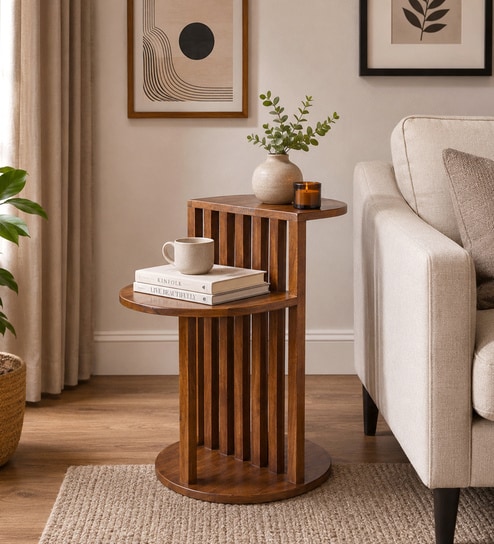
New Arrivals
Newton Mango Wood End Table In Tubbaq Finish
By Woodsworth from Pepperfry
36-Month Warranty Available
₹7,249 ₹9,499 (24% off)
EMI starting from ₹349/month
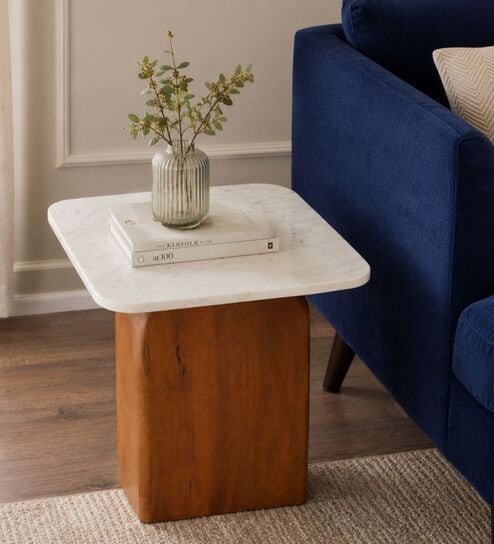
Extra Offer Inside
Ohana Side Table In Dark Walnut Finish
By Gharaana
36-Month Warranty Available
₹13,749 ₹18,561 (26% off)
EMI starting from ₹661/month
Express Shipping in 2 days
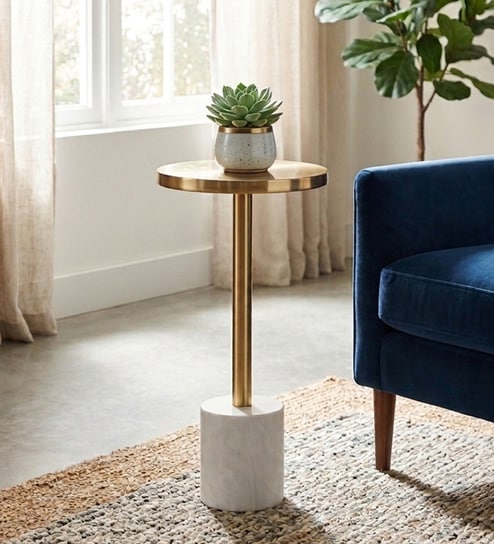
New Arrivals
Amadeus End Table In Golden Finish with Marble Pedestal
By Casacraft from Pepperfry
36-Month Warranty Available
₹6,249 ₹7,999 (22% off)
EMI starting from ₹301/month
Express Shipping in 1 day

Best Seller
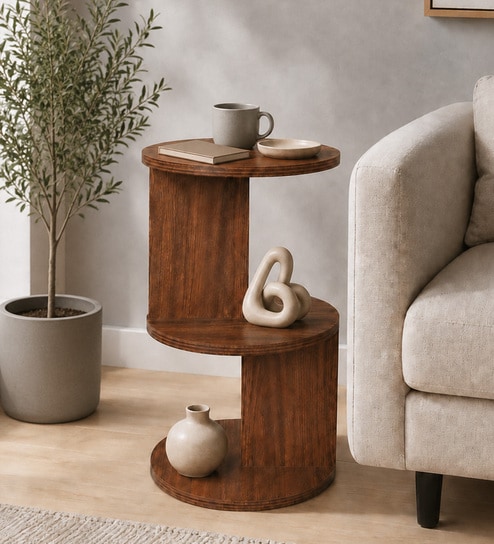
Voyager C Shape Table In Frosty White
By Wood you
12-Month Warranty Available
₹2,361 ₹2,999 (21% off)
Express Shipping in 1 day
Daily Deal
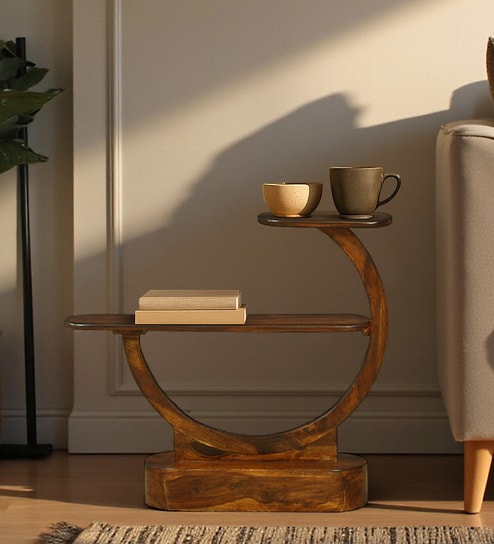
Luna Round Coffee Table in Walnut finish
By Mintwud from Pepperfry
36-Month Warranty Available
₹2,799 ₹5,999 (53% off)
Express Shipping in 1 day
Free Shipping
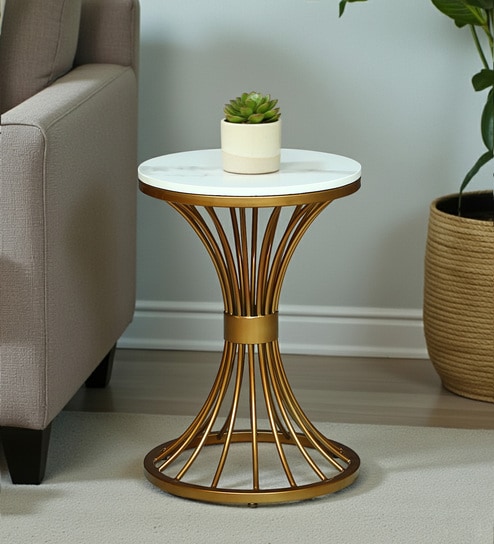
Plessur Sheesham Wood End Table In Walnut Finish
By Woodsworth from Pepperfry
36-Month Warranty Available
₹11,999 ₹15,999 (25% off)
EMI starting from ₹577/month
Express Shipping in 1 day
Free Shipping
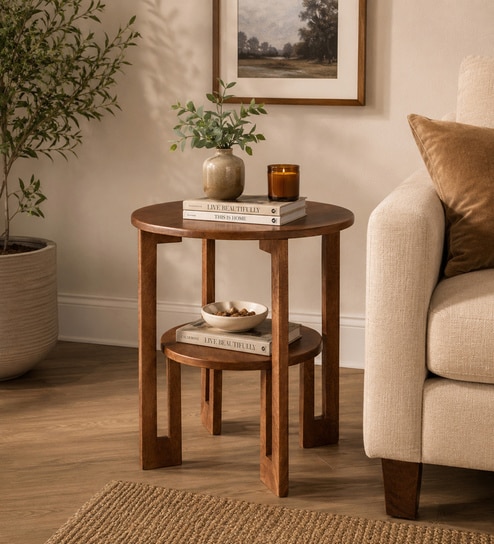
+1 more colorsNaldo White Porcelain Top End Table With Gold Finish
By Casacraft from Pepperfry
36-Month Warranty Available
₹7,499 ₹11,999 (38% off)
EMI starting from ₹361/month
Express Shipping in 1 day
New Arrivals
Hazel Mango Wood End Table In Tubbaq Finish
By Woodsworth from Pepperfry
36-Month Warranty Available
₹6,999 ₹9,999 (30% off)
EMI starting from ₹337/month
New Arrivals
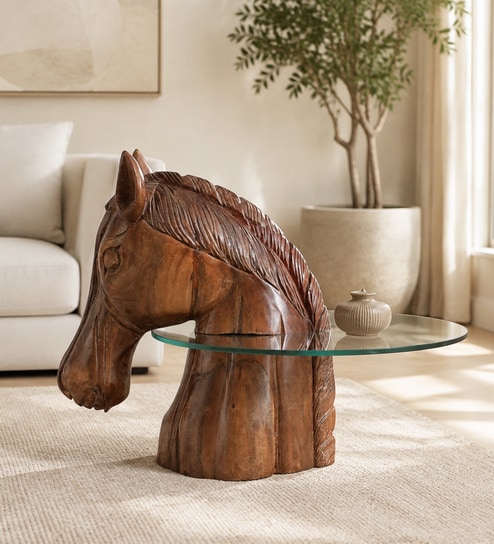
Rajwada Mango Wood Horse Face Side Table in Tubbaq Finish with Glass Top
By Bohemiana from Pepperfry
36-Month Warranty Available
₹12,999 ₹15,999 (19% off)
EMI starting from ₹625/month
Free Shipping
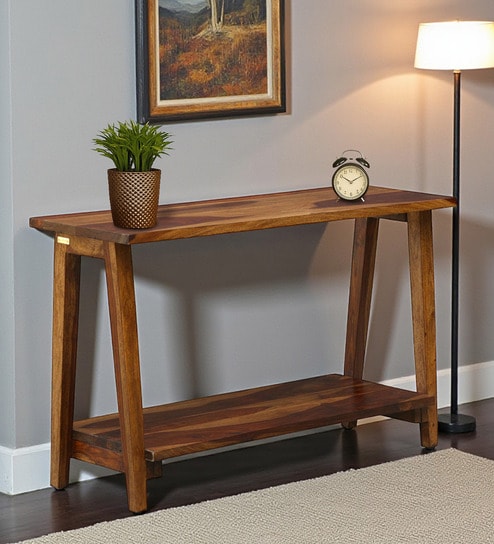
Hayward Sheesham Wood Console Table In Provincial Teak Finish
By Woodsworth from Pepperfry
36-Month Warranty Available
₹18,999 ₹23,999 (21% off)
EMI starting from ₹913/month
Express Shipping in 1 day
Free Shipping
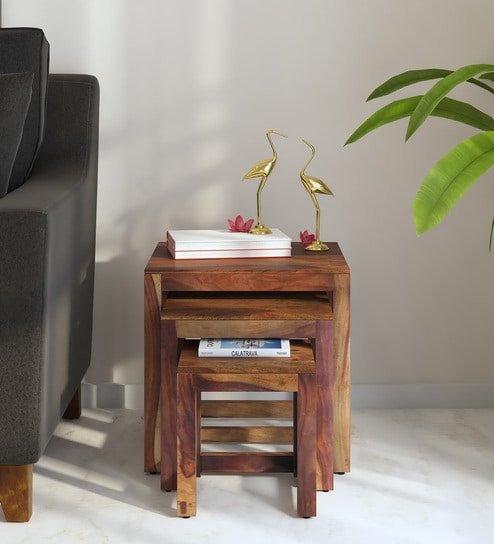
+2 more colorsAvian Sheesham Wood Nest Of Tables In Scratch Resistant Provincial Teak Finish
By Woodsworth from Pepperfry
36-Month Warranty Available
₹11,999 ₹17,249 (30% off)
EMI starting from ₹577/month
Free Shipping
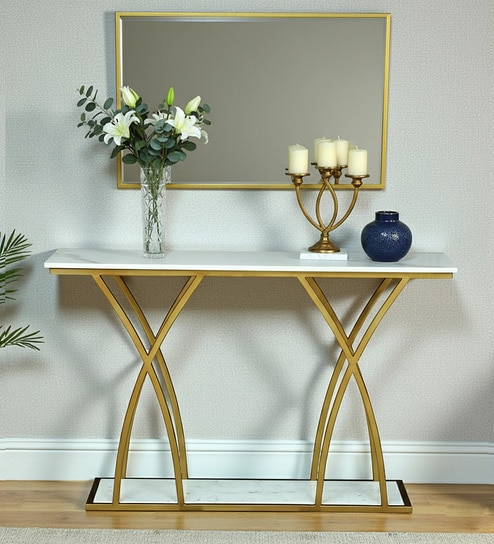
Elvas Metal Console Table In Gold Finish With Porcelain Top
By Casacraft from Pepperfry
36-Month Warranty Available
₹20,999 ₹31,749 (34% off)
EMI starting from ₹1,009/month
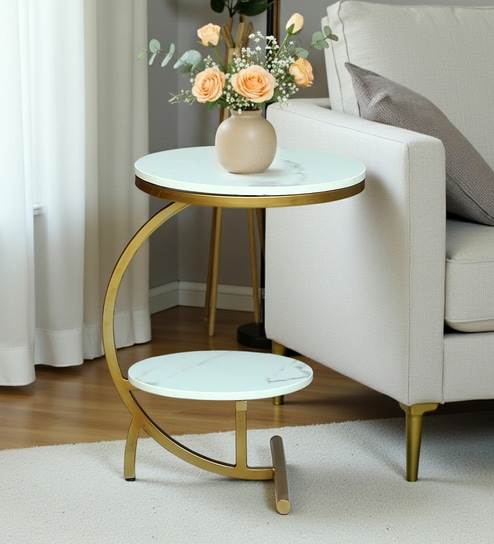
Free Shipping
+1 more colorsElvas White Porcelain Top End Table With Gold Finish
By Casacraft from Pepperfry
36-Month Warranty Available
₹7,249 ₹11,999 (40% off)
EMI starting from ₹349/month
Ships in 3 days
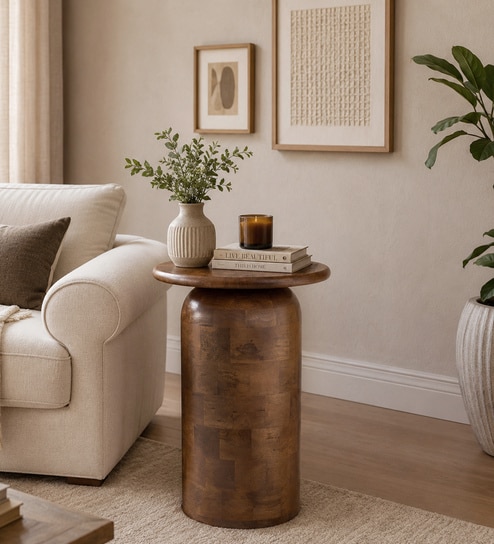
Best Seller
Praha Mango Wood End Table In Walnut Finish
By Woodsworth from Pepperfry
36-Month Warranty Available
₹10,999 ₹30,999 (65% off)
EMI starting from ₹529/month
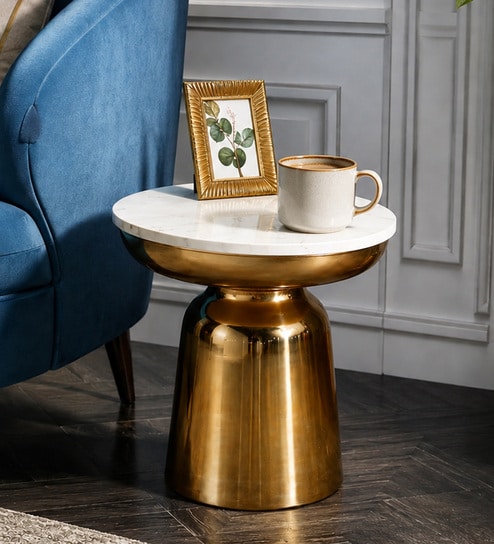
New Arrivals
Ashby End Table In Golden Finish with Marble Top
By Casacraft from Pepperfry
36-Month Warranty Available
₹11,999 ₹13,999 (14% off)
EMI starting from ₹577/month
Express Shipping in 1 day

Free Shipping
+2 more colorsAvian Sheesham Wood Nest Of Tables In Scratch Resistant Honey Oak Finish
By Woodsworth from Pepperfry
36-Month Warranty Available
₹11,999 ₹17,249 (30% off)
EMI starting from ₹577/month
Express Shipping in 1 day
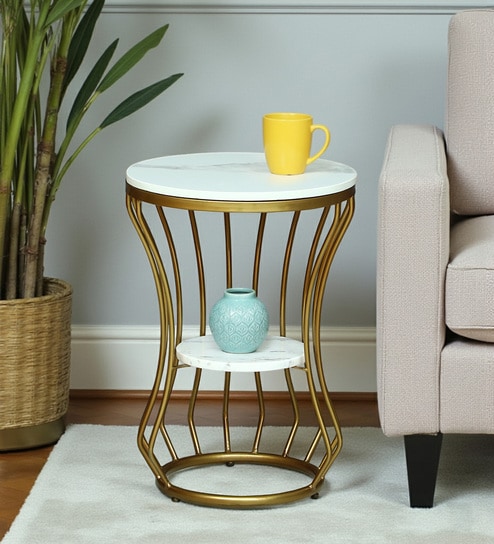
Free Shipping
+1 more colorsMette White Porcelain Top End Table With Gold Finish
By Casacraft from Pepperfry
36-Month Warranty Available
₹7,499 ₹12,999 (42% off)
EMI starting from ₹361/month
Express Shipping in 1 day
Free Shipping
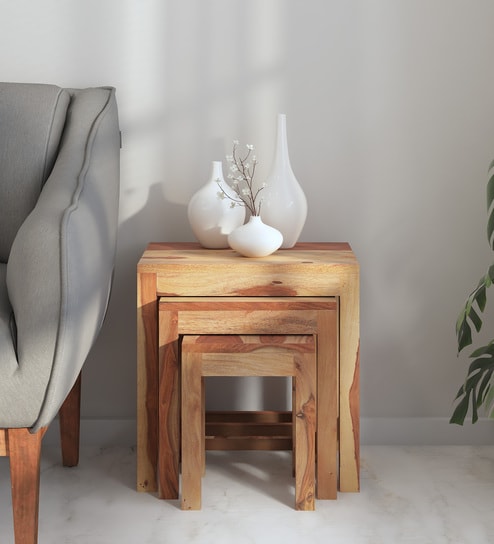
+1 more colorsBarret Sheesham Wood Nest Of Tables In Scratch Resistant Rustic Teak Finish
By Woodsworth from Pepperfry
36-Month Warranty Available
₹10,999 ₹13,999 (21% off)
EMI starting from ₹529/month
Express Shipping in 1 day
Best Seller
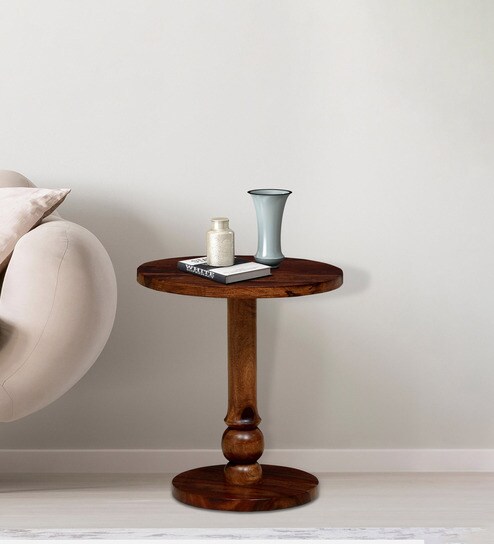
+4 more colorsHarper Sheesham Wood End Table In Provincial Teak Finish
By Amberville from Pepperfry
60-Month Warranty Available
₹5,499 ₹7,499 (27% off)
EMI starting from ₹265/month
Express Shipping in 1 day
Didn't Find What You Were Looking For? Share your Feedback with Us ->
Side Tables: Stylish Accent Pieces for Every Corner of Your Home
A good side table does more than hold your cup of tea. It anchors your seating area, adds personality to empty corners, and keeps daily essentials close at hand. These compact pieces work hard in Indian homes, where space comes at a premium, and every item of furniture needs to earn its place.
At Pepperfry, India's leading online furniture destination, our side table collection spans hundreds of designs. You will find warm sheesham wood pieces with rich grain patterns sitting alongside sleek metal frames and contemporary glass tops. Whether you need a sturdy surface beside your sofa or a decorative accent for your hallway, the right table transforms how a room feels and functions.
Choosing well means thinking about height, shape, and how you actually use your space. The sections below cover what matters most when picking side tables that fit your home and lifestyle.
What Makes a Side Table Right for Living Room Seating?
Your living room side table works hardest when placed beside seating. It holds drinks, remotes, books, and lamps at comfortable reach. Getting the basics right means your table serves you well for years.
Finding the Perfect Height
Height matters more than most people realise. A side table for the living room should sit level with your sofa's armrest, or just slightly below it. This position lets you set down a glass or pick up your phone without awkward stretching or bending.
Most standard sofas have armrests between 60 and 70 centimetres high. Check your own seating before shopping. A tape measure takes thirty seconds and saves you from buying something that looks great but feels wrong in daily use.
A side table should be effortlessly functional. The golden ergonomic rule: the height of your side table should be within 2 inches of your sofa or armchair's armrest height. If it's too tall or too low, reaching for a coffee cup or reading lamp feels awkward. - Good Homes
Round or Square Shapes
Shape affects both looks and flow. Round side tables soften rooms filled with straight lines and angular furniture. They also eliminate sharp corners, making them safer in homes with young children or narrow walkways.
Square and rectangular tables offer more surface area for the same footprint. If you regularly stack books or need space for both a lamp and your evening tea, these shapes deliver practical benefits. They also align neatly with sofa arms for a clean, coordinated look.
Nesting Tables for Flexible Living
A sofa side table does not have to be a single piece. Nesting table sets give you two or three surfaces that stack together when not needed. Pull them apart when guests arrive, and you have instant extra space for drinks and snacks.
This flexibility suits joint families and homes where the same room hosts morning chai, afternoon work calls, and evening gatherings. Stack them back together afterwards, and your floor space returns.
Quick tip: Place your largest nesting table beside the sofa as your everyday surface. Keep the smaller ones tucked underneath until entertaining.
Placement That Works
Position matters as much as the table itself. Set your side table close enough that you can reach it without leaning sideways from your seat. Leave at least 45 centimetres between the table and any walkway for comfortable movement around the room.
Pair matching end tables on either side of a sofa to create visual balance in formal settings. For more relaxed spaces, a single statement piece beside your main seat often works better.
How Do Small Tables Serve Every Room?
Small tables go far beyond living room duty. These versatile pieces fill gaps, add function, and bring character to spaces throughout your home.
Bedroom Surfaces
Beside your bed, a small table for the living room serves equally well as a nightstand. It holds your phone charger, reading glasses, water glass, and bedside lamp. Look for designs with a drawer or lower shelf to keep personal items organised and within easy reach.
Plant Stands and Display Surfaces
Tall, narrow small tables make excellent plant stands. They lift greenery to eye level where foliage creates more visual impact. Choose metal or treated wood that handles occasional water spills without damage.
Hallway and Entryway Accents
Narrow console tables turn empty hallways into functional spaces. Position one near your front door for keys, mail, and a decorative lamp. The slim profile takes minimal floor space whilst creating a welcoming first impression.
Corner Fillers
Empty corners often collect dust or look neglected. A small table transforms these forgotten spaces into useful surfaces for plants, photo frames, or decorative objects. Round tables work particularly well in corners, softening the angular meeting of walls.
Room tip: Measure your corner diagonally before shopping. Tables that look compact in photographs sometimes overwhelm small nooks.
Material Choices for Different Rooms
Where you place your table affects which material works best. Solid wood brings warmth to bedrooms and living areas. Metal handles humid bathrooms and outdoor spaces without warping. Glass keeps small rooms feeling open and airy.
Mango wood and sheesham offer durability with natural grain character. Powder-coated metal resists scratches and cleans easily. Tempered glass provides safety alongside elegance. Match your material to the room's conditions and your household's activity level.
In compact living rooms, bulky four-legged side tables create visual clutter around seating legs. Opt for pedestal or C-shaped side tables instead. A C-table slides its base right under the sofa frame, bringing the table surface directly over your lap while saving crucial floor real estate. - Beautiful Homes
Frequently Asked Questions (FAQs)
1. What height should a side table be relative to my sofa?
Your side table should sit within two inches of your sofa's armrest height. This position allows comfortable reaching without stretching. Most standard sofas have armrests between 60 and 70 centimetres high, so measure your specific seating before purchasing.
2. Is round or square better for tight spaces?
Round tables work better in high traffic areas because they lack sharp corners that catch hips or shins. Square tables offer more surface area for the same footprint. Choose round for narrow walkways and square when you need maximum practical space.
3. Can side tables be used as plant stands or bedside tables?
Absolutely. Small tables serve multiple purposes throughout your home. Use them as nightstands, plant risers, hallway accents, or display surfaces. Check that the height suits your intended use and the material handles the environment.
4. What is the typical weight capacity of a side table top?
Most well constructed side tables support 10 to 20 kilograms comfortably. Solid wood and metal frames handle heavier loads than glass or engineered wood. Check product specifications for exact capacities, especially if you plan to place heavy items like large lamps.
5. What warranty covers cracking or warping?
Pepperfry offers warranty coverage on manufacturing defects including cracking and warping. Coverage periods vary by product and brand. Review warranty details on each product page before ordering, and keep your purchase documentation for any future claims.
6. Do nesting table sets come as matched pairs?
Yes. Nesting tables are sold as complete sets of two or three matched pieces. Each table in the set shares consistent design elements, materials, and finishes whilst varying in size to stack neatly together.
Side Tables Price List
- Product List
- PRICE
This data was last updated on 2026/10/04
Most Searched In Side Tables
Nest of Tables Console Tables End Tables Traditional End Tables Contemporary End Tables Eclectic End Tables Modern End Tables C Shaped Tables Contemporary Console Tables Eclectic Console Tables Modern Console Tables Traditional Console Tables Sheesham Wood Side Tables Engineered Wood Side Tables Iron Side Tables Mango Wood Side Tables Metal Side Tables Solid Wood Side Tables Acacia Wood Nest of Tables Iron Nest of Tables Metal Nest of Tables Pine Wood Nest of Tables Sheesham Wood Nest of Tables Mango Wood Traditional End Tables Sheesham Wood Traditional End Tables Teak Wood Traditional End Tables Mango Wood Contemporary Console Tables Metal Contemporary Console Tables Solid Wood Contemporary Console Tables Engineered Wood Contemporary End Tables Iron Contemporary End Tables Mango Wood Contemporary End Tables Metal Contemporary End Tables Sheesham Wood Contemporary End Tables Solid Wood Contemporary End Tables Iron Eclectic End Tables Mango Wood Eclectic End Tables Metal Eclectic End Tables Teak Wood Eclectic End Tables  FurnitureSofas, Sectional Sofas, Sofa Cum Beds, Chaise Loungers, Bean Bags, Recliners, Sofa Chairs, Settees & Benches, Ottomans, Chairs, Gaming Chairs, Stools & Pouffes, Shoe Racks, Centre Tables, Side Tables, TV & Media Units, Cabinets & Sideboards, Book Shelves, Book Cases, Dining Sets, Dining Chairs, Dining Tables, Crockery Units, Bar Furniture, Beds, Bedside Tables, Trunks, Chest of Drawers, Dressing Tables, Screens and Dividers, Wardrobes, Kids and Teens, Study Tables, Office Furniture, Home Temples, Wall Shelves and Cabinets, Outdoor, Massagers, Furniture Care
- Sofas
- Sectional Sofas
- Sofa Cum Beds
- Chaise Loungers
- Bean Bags
- Recliners
- Sofa Chairs
- Settees & Benches
- Ottomans
- Chairs
- Gaming Chairs
- Stools & Pouffes
- Shoe Racks
- Centre Tables
- Side Tables
- TV & Media Units
- Cabinets & Sideboards
- Book Shelves
- Book Cases
- Dining Sets
- Dining Chairs
- Dining Tables
- Crockery Units
- Bar Furniture
- Beds
- Bedside Tables
- Trunks
- Chest of Drawers
- Dressing Tables
- Screens and Dividers
- Wardrobes
- Kids and Teens
- Study Tables
- Office Furniture
- Home Temples
- Wall Shelves and Cabinets
- Outdoor
- Massagers
- Furniture Care
 Sofas & SeatingSofas, Sofa Sets, Sectional Sofas, Sofa Cum Beds, Recliners, Recliner Sets, Chaise Loungers, Sofa Chairs, Bean Bags, Accent Chairs, Office Chairs, Gaming Chairs, Dining Chairs, Bar Seating, Settees & Benches, Ottomans, Stools & Pouffes, Outdoor Seating, Furniture Care, Top Collections, Top Brands
- Sofas
- Sofa Sets
- Sectional Sofas
- Sofa Cum Beds
- Recliners
- Recliner Sets
- Chaise Loungers
- Sofa Chairs
- Bean Bags
- Accent Chairs
- Office Chairs
- Gaming Chairs
- Dining Chairs
- Bar Seating
- Settees & Benches
- Ottomans
- Stools & Pouffes
- Outdoor Seating
- Furniture Care
- Top Collections
- Top Brands
 MattressesKing Size Mattresses, Queen Size Mattresses, Single Size Mattresses, Foldable Mattresses, Crib Mattresses, Mattress Protectors, Mattress Toppers, Pillows, Mattresses By Feature, Top Brands
- King Size Mattresses
- Queen Size Mattresses
- Single Size Mattresses
- Foldable Mattresses
- Crib Mattresses
- Mattress Protectors
- Mattress Toppers
- Pillows
- Mattresses By Feature
- Top Brands
 Home DecorVases, Figurines, Collectibles, Showpieces, Home Utility, Table Decor, Kids Decor, Photo Frames, Candles, Candle Stands, Decor Gift Sets, Spiritual, Home Fragrances, Appliances, Prayer Essentials, Artificial Plants & Flowers, Festive Decor, Gardening, Pots and Planters, Outdoor Decor, Wall Hangings, Wall Shelves, Wall Cabinets, Set Top Box Holders, Key Holders, Jharokhas, Screens & Dividers, Wall Decor, Wall Art and Paintings, Wallpapers & Decals, Clocks, Mirrors, Gifting
- Vases
- Figurines
- Collectibles
- Showpieces
- Home Utility
- Table Decor
- Kids Decor
- Photo Frames
- Candles
- Candle Stands
- Decor Gift Sets
- Spiritual
- Home Fragrances
- Appliances
- Prayer Essentials
- Artificial Plants & Flowers
- Festive Decor
- Gardening
- Pots and Planters
- Outdoor Decor
- Wall Hangings
- Wall Shelves
- Wall Cabinets
- Set Top Box Holders
- Key Holders
- Jharokhas
- Screens & Dividers
- Wall Decor
- Wall Art and Paintings
- Wallpapers & Decals
- Clocks
- Mirrors
- Gifting
 FurnishingsBed Sheets, Blankets & Quilts, Bath Linen, Bed Linen, Curtains, Curtain Accessories, Laundry Baskets, Mosquito Nets, Furnishing Gift Sets, Cushions & Covers, Sofa Covers & Throws, Chair Covers & Pads, Carpets, Dhurries, Runners, Door Mats, Bath Mats, Prayer Mats, Picnic Mats, Yoga Mats, Kids Furnishings, Pet Furnishings, Top Brands
- Bed Sheets
- Blankets & Quilts
- Bath Linen
- Bed Linen
- Curtains
- Curtain Accessories
- Laundry Baskets
- Mosquito Nets
- Furnishing Gift Sets
- Cushions & Covers
- Sofa Covers & Throws
- Chair Covers & Pads
- Carpets
- Dhurries
- Runners
- Door Mats
- Bath Mats
- Prayer Mats
- Picnic Mats
- Yoga Mats
- Kids Furnishings
- Bed Sheets
- Carpets & Mats
- Kids Blankets and Comforters
- Pillows and Covers
- Cushion Covers
- Towels
- Bedding Sets
- Curtains
- Baby Mats
- Pet Furnishings
- Top Brands
 Lamps & LightingFloor Lamps, Shelf Floor Lamps, Table Lamps, Night Lamps, Work and Study Lamps, Lamp Shades, Kids Lamps, Ceiling Lights, Wall Lights, Smart Lights, Outdoor Lights, Decorative Lights, Emergency Lights, Bulbs, Top Brands
- Floor Lamps
- Shelf Floor Lamps
- Table Lamps
- Night Lamps
- Work and Study Lamps
- Lamp Shades
- Kids Lamps
- Ceiling Lights
- Wall Lights
- Smart Lights
- Outdoor Lights
- Decorative Lights
- Emergency Lights
- Bulbs
- Top Brands
 Kitchen & DiningServeware, Jugs, Bakeware, Dinnerware, Cookware, Cooking Tools, Drinkware, Bottles, Flasks, Sippers, Barware, Teaware, Knives & Cutlery, Table Essentials, Jars and Containers, Kitchen Organizers, Lunch Boxes, Kids Kitchenware & Tableware, Gift Sets, Kitchen Linen, Table Linen, Kitchen Appliances, Top Brands
- Serveware
- Serving Bowls
- Casseroles
- Butter Dishes
- Serving Trays
- Tray Sets
- Appetizer Platters
- Cheese Boards
- Cake Stands
- Cloche
- Jugs
- Bakeware
- Dinnerware
- Cookware
- Cooking Tools
- Spatulas, Ladles and Tongs
- Knives and Choppers
- Chopping Boards
- Rolling Pins and Boards
- Strainers and Whisks
- Cooking Preparation Tools
- Drinkware
- Bottles
- Flasks
- Sippers
- Barware
- Barware Sets
- Bar Tools
- Ash Trays
- Wine Holders & Coolers
- Carafes and Decanters
- Dispensers
- Ice Buckets & Moulds
- Teaware
- Knives & Cutlery
- Table Essentials
- Jars and Containers
- Kitchen Organizers
- Lunch Boxes
- Kids Kitchenware & Tableware
- Gift Sets
- Kitchen Linen
- Table Linen
- Kitchen Appliances
- Top Brands
 LuxuryLiving Room, Bedroom, Dining Room, Home Office
 Modular