Sign Up & Get Rs.5,000 OFF On Your First Purchase




Shoe Cabinets
A shoe cabinet keeps your entryway neat by storing footwear behind closed doors. Pepperfry offers single-door and multi-door models in solid wood, engineered wood, metal, and plastic. Choose from natural, white, or walnut finishes to match your home. Built-in ventilation prevents odour, while sturdy shelves hold everything from heels to boots. Our collection suits couples, families, and large households alike.
More


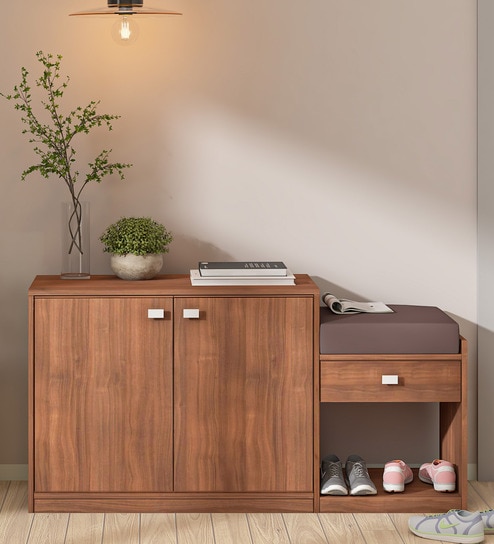

Kutsu Shoe Rack With Seating In Natural Teak Finish
₹12,999₹14,2849%

Glasgow Sheesham Wood Shoe Rack In Provincial Teak Finish
₹30,999₹36,99916%

Carlem Shoe Cabinet In Brown Maple Colour
₹4,049₹7,79948%

Amro Shoe Cabinet In White Finish
₹7,499₹11,99938%
Filter By More Filters
More Filters Sort By
Showing 41-80 of 215 options inShoe Cabinets
 +3 more colors
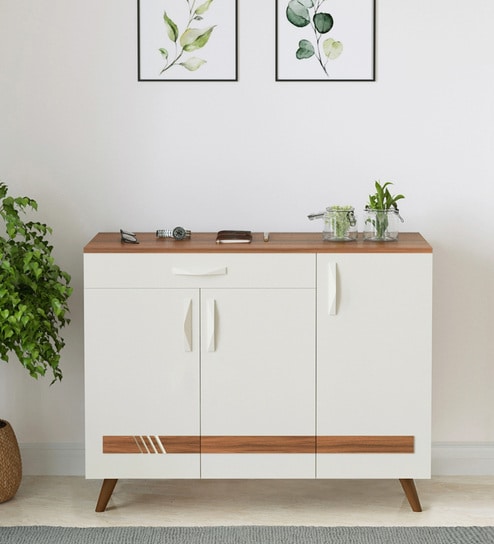
Kaspen Shoe Cabinet In Walnut & White Finish
By bluewud
24-Month Warranty Available
₹7,479 ₹12,399 (40% off)
EMI starting from ₹360/month
Express Shipping in 1 day
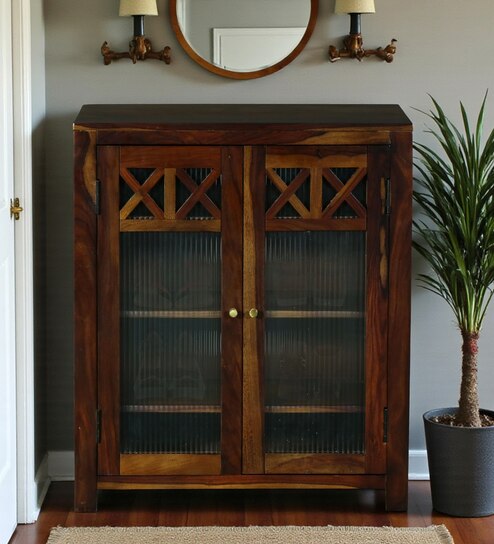
Kryss N Sheesham Wood Shoe Cabinet In Scratch Resistant Provincial Teak Finish
By Woodsworth from Pepperfry
60-Month Warranty Available
₹29,999 ₹34,999 (14% off)
EMI starting from ₹1,441/month
Express Shipping in 1 day

Trending
Azealia Reclaimed Wood Shoe Cabinet In Distress Finish
By Bohemiana from Pepperfry
60-Month Warranty Available
₹30,999 ₹46,999 (34% off)
EMI starting from ₹1,489/month
Express Shipping in 1 day
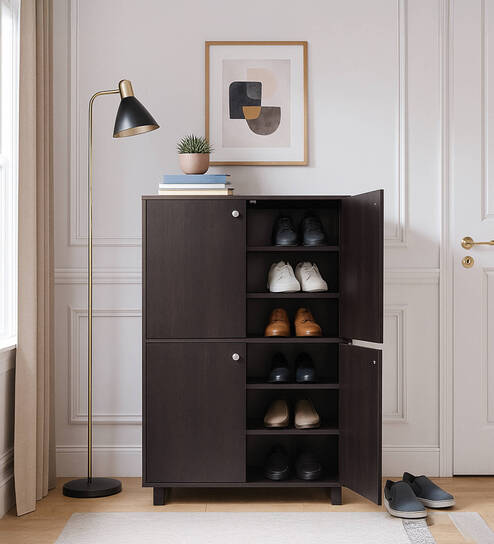
Karatsu 18-Pairs 4 Door Shoe Cabinet In Wenge Finish
By Mintwud from Pepperfry
24-Month Warranty Available
₹9,499 ₹12,162 (22% off)
EMI starting from ₹457/month
Express Shipping in 1 day
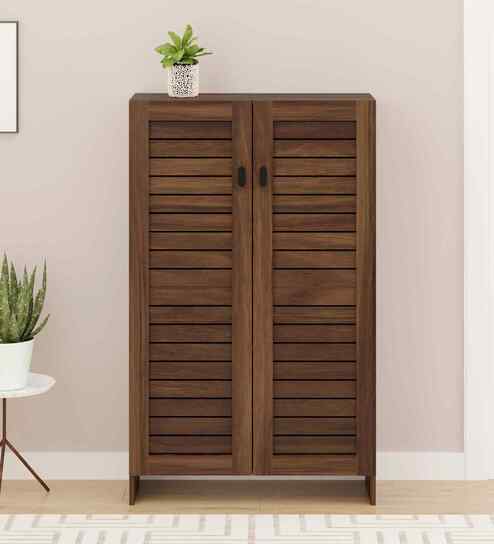
Wimzoe Shoe Cabinet In Brown Maple Finish
By bluewud
24-Month Warranty Available
₹6,499 ₹10,999 (41% off)
EMI starting from ₹313/month
 +3 more colors
Kaspen Shoe Cabinet In Brown Maple & White Finish
By bluewud
24-Month Warranty Available
₹6,999 ₹12,399 (44% off)
EMI starting from ₹337/month
Express Shipping in 1 day
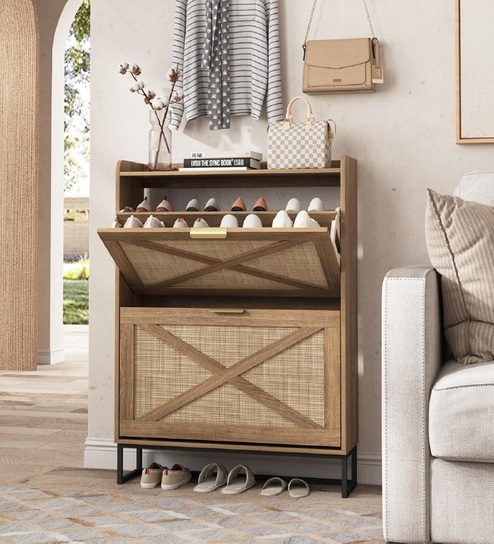
New Arrivals
Raya 14 Pairs Shoe Cabinet In Light Brown Finish
By The Artment
6-Month Warranty Available
₹12,999 ₹19,999 (35% off)
EMI starting from ₹625/month
Express Shipping in 1 day

Mavis Shoe Rack In Brown Maple Finish
By bluewud
24-Month Warranty Available
₹5,899 ₹10,999 (46% off)
EMI starting from ₹284/month
Express Shipping in 1 day
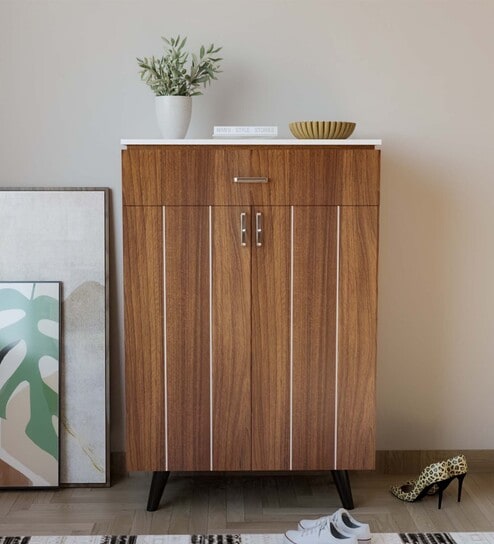
Akiyama Shoe Cabinet In Leon Teak Finish
By Mintwud from Pepperfry
24-Month Warranty Available
₹12,999 ₹20,099 (35% off)
EMI starting from ₹625/month
Express Shipping in 1 day

Zen 2 Door Shoe Cabinet In Columbian Walnut Finish With Shelf
By Mintwud from Pepperfry
60-Month Warranty Available
₹17,999 ₹23,999 (25% off)
EMI starting from ₹865/month
Express Shipping in 1 day
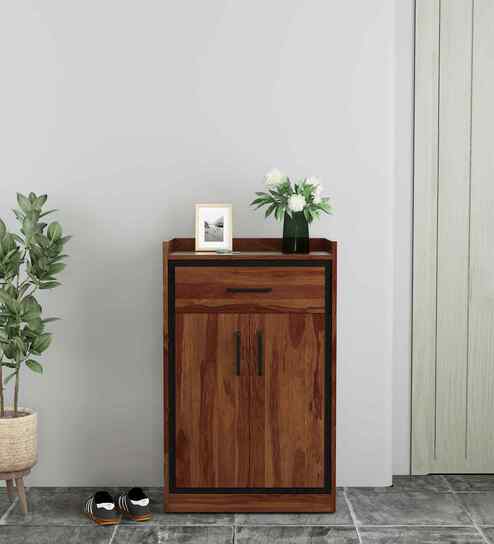
Woodland 2 Door Shoe Cabinet With Drawer In Melamine Finish
By Spacewood
36-Month Warranty Available
₹10,999 ₹19,014 (42% off)
EMI starting from ₹529/month
Express Shipping in 1 day

Best Seller
Kaira 3 Door Shoe Rack In Wenge Colour
By Nilkamal
12-Month Warranty Available
₹6,290 ₹11,900 (47% off)
EMI starting from ₹303/month
Extra Offer Inside
+1 more colorsAmro Shoe Cabinet In White Finish
By Sivom
12-Month Warranty Available
₹7,499 ₹11,999 (38% off)
EMI starting from ₹361/month
 +1 more colors
Carlem 3 Door Shoe Cabinet In Wenge Finish
By bluewud
24-Month Warranty Available
₹6,099 ₹10,599 (42% off)
EMI starting from ₹293/month
Express Shipping in 1 day

Cosmos 2 Door Shoe Cabinet In Brown Finish
By Royaloak
12-Month Warranty Available
₹4,299 ₹10,000 (57% off)
EMI starting from ₹207/month
Express Shipping in 1 day

Zen 2 Door Shoe Cabinet In Columbian Walnut Finish
By Mintwud from Pepperfry
60-Month Warranty Available
₹13,999 ₹16,999 (18% off)
EMI starting from ₹673/month
Express Shipping in 1 day
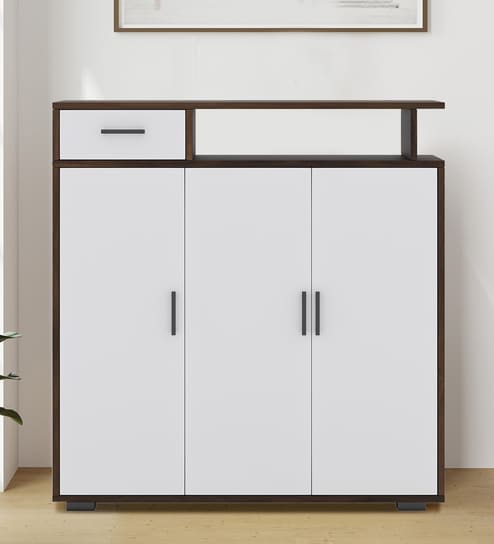
Babilonia Shoe Rack In Frosty White Finish
By DCanape
12-Month Warranty Available
₹27,999 ₹40,990 (32% off)
EMI starting from ₹1,345/month
Ships in 3 days

Opal 4 Door Shoe Cabinet In Brown Finish
By Royaloak
12-Month Warranty Available
₹24,900 ₹55,000 (55% off)
EMI starting from ₹1,196/month
Ships in 3 days

Trending
Kosmo Liberty Shoe Cabinet In Walnut Rigato Finish
By Spacewood
36-Month Warranty Available
₹11,999 ₹15,499 (23% off)
EMI starting from ₹577/month
Express Shipping in 1 day
Trending
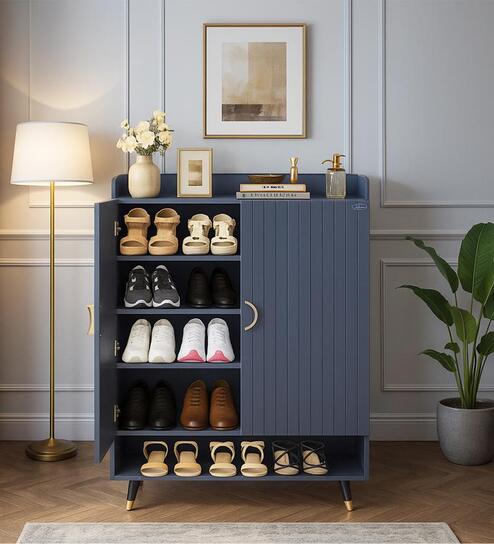
Luxora 2 Door Shoe Cabinet In Dark Grey Colour
By Mintwud from Pepperfry
36-Month Warranty Available
₹19,999 ₹26,999 (26% off)
EMI starting from ₹961/month
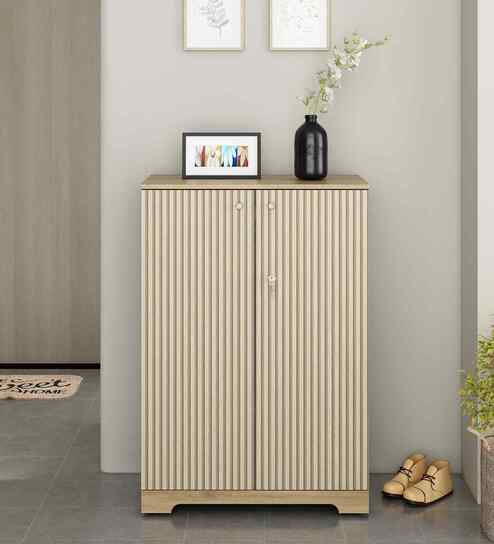
Stepnest Shoe Cabinet In Santana Oak Finish
By Spacewood
36-Month Warranty Available
₹11,999 ₹16,999 (29% off)
EMI starting from ₹577/month
Express Shipping in 1 day
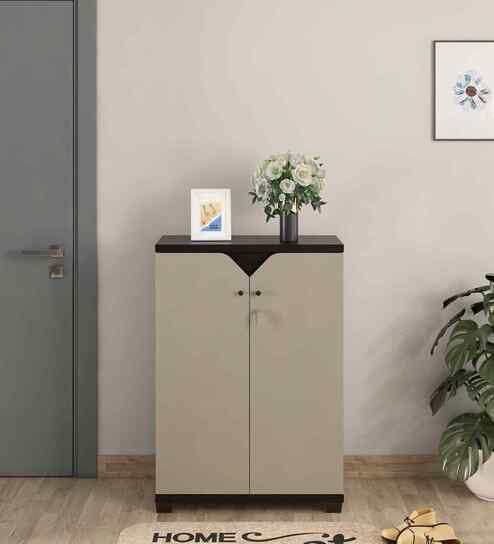
Maxwell 2 Door Shoe Cabinet In Melamine Finish
By Spacewood
36-Month Warranty Available
₹14,999 ₹22,166 (32% off)
EMI starting from ₹721/month
Express Shipping in 1 day
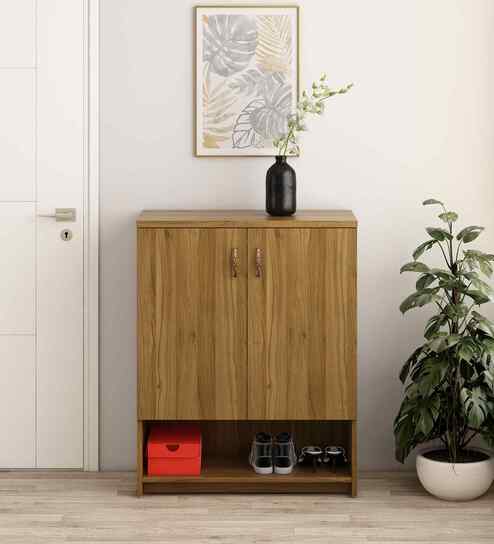
Henary 2 Door Shoe Cabinet In Natural Teak Finish
By Spacewood
36-Month Warranty Available
₹10,499 ₹14,499 (28% off)
EMI starting from ₹505/month
Express Shipping in 1 day
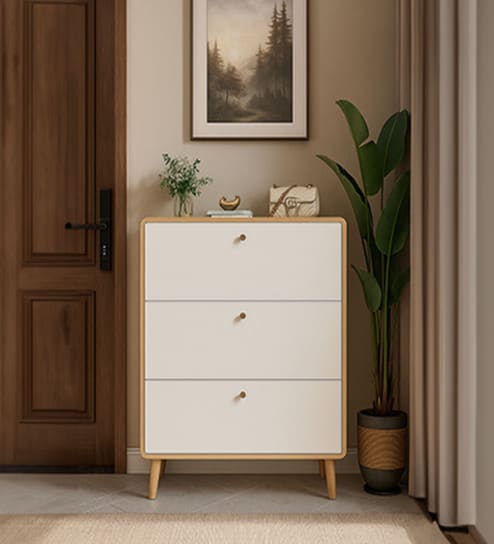
New Arrivals
Sanctum 3 Door Drawer Wooden Shoe Organizer Cabinet
By The Artment
6-Month Warranty Available
₹12,999 ₹14,999 (13% off)
EMI starting from ₹625/month
Express Shipping in 1 day

Extra Offer Inside
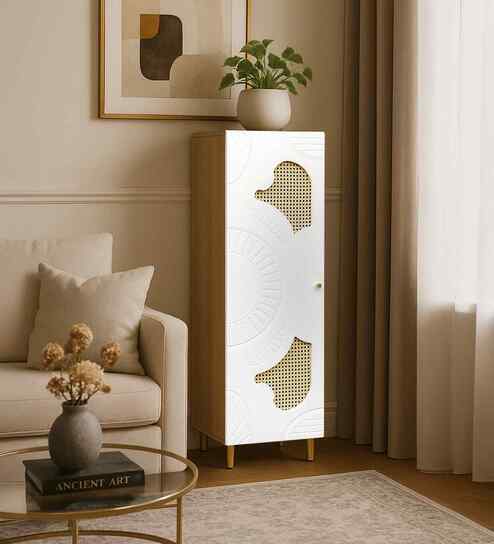
Attic Horizon Shoe Cabinet In Frosty White Finish
By Neudot
12-Month Warranty Available
₹10,599 ₹22,559 (53% off)
EMI starting from ₹509/month
Express Shipping in 1 day
Best Seller
Exotica 12 Pair Shoe Cabinet With Adjustable Shelf In Oak And White Finish
By Rocco
12-Month Warranty Available
₹6,603 ₹9,950 (34% off)
EMI starting from ₹318/month
Ships in 4 days

Extra Offer Inside
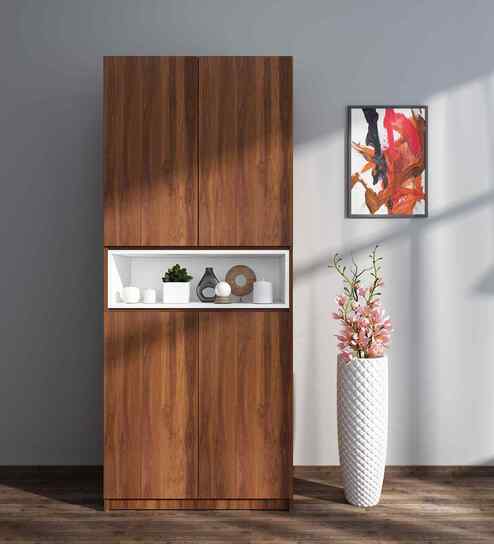
+1 more colorsAmro Shoe Cabinet In Dark Wenge Finish
By Sivom
12-Month Warranty Available
₹7,499 ₹11,999 (38% off)
EMI starting from ₹361/month
Extra Offer Inside
+1 more colorsNatron 4 Door Shoe Cabinet In Walnut Finish
By Woodbuzz
24-Month Warranty Available
₹22,999 ₹32,500 (29% off)
EMI starting from ₹1,105/month
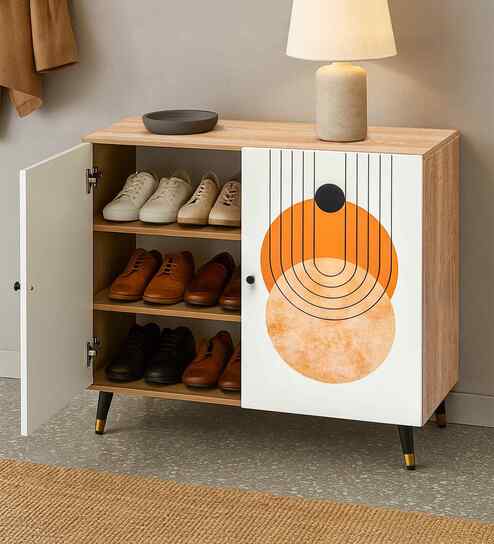 +1 more colors
Adore 12 Pair Shoe Cabinet With Adjustable Shelf In Oak Finish
By Rocco
12-Month Warranty Available
₹7,553 ₹10,450 (28% off)
EMI starting from ₹363/month
Express Shipping in 1 day
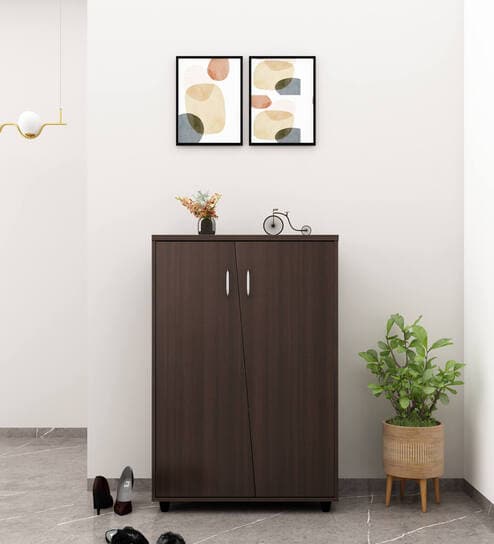
Extra Offer Inside
Cayene Shoe Cabinet In Dark Elm Finish
By Crystal Furnitech
36-Month Warranty Available
₹11,999 ₹17,999 (33% off)
EMI starting from ₹577/month
Express Shipping in 1 day

Best Seller
Seoul 2 Door Shoerack in Walnut Finish
By Mintwud from Pepperfry
36-Month Warranty Available
₹6,499 ₹8,774 (26% off)
EMI starting from ₹313/month

Prorage Shoe Rack In Brown Maple & White Finish
By bluewud
24-Month Warranty Available
₹6,299 ₹9,299 (32% off)
EMI starting from ₹303/month
Express Shipping in 1 day

Extra Offer Inside
Carina Shoe Cabinet In Frosty White Finish
By Crystal Furnitech
36-Month Warranty Available
₹9,999 ₹14,532 (31% off)
EMI starting from ₹481/month
Express Shipping in 1 day
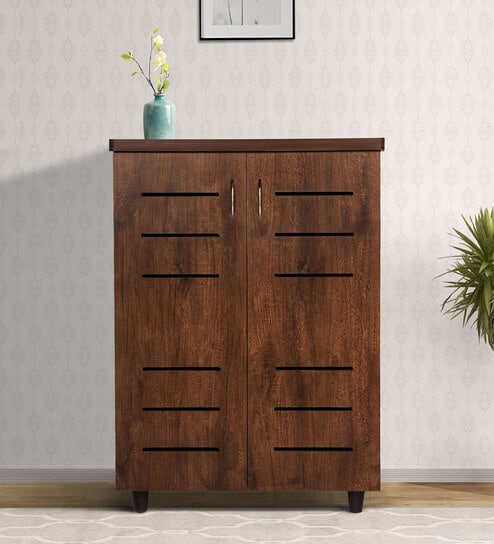
Extra Offer Inside
+4 more colorsCarson Shoe Cabinet In Classic Walnut Finish
By Stunica
12-Month Warranty Available
₹10,399 ₹11,399 (9% off)
EMI starting from ₹500/month

Ella Wood 2 Shoe Cabinet In Slate Grey Finish
By SpecialityPanels
12-Month Warranty Available
₹4,319 ₹8,000 (46% off)
EMI starting from ₹208/month
Express Shipping in 1 day
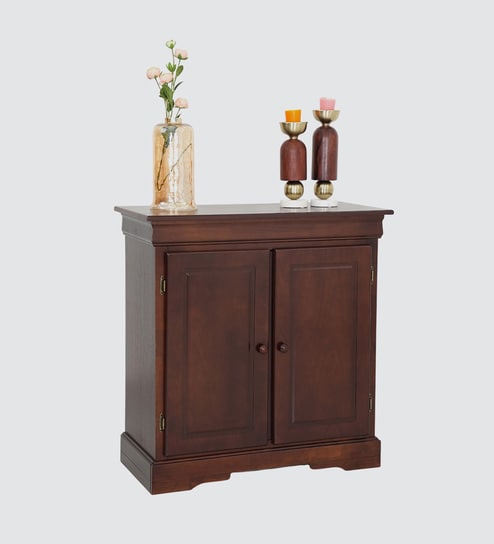
Texas American Shoe Rack 2 Door In Brown Finish
By Royaloak
12-Month Warranty Available
₹17,000 ₹50,000 (66% off)
EMI starting from ₹817/month
Express Shipping in 1 day
 +2 more colors
Brooklyn Shoe Cabinet In Brown Maple Colour
By bluewud
24-Month Warranty Available
₹4,599 ₹7,999 (43% off)
EMI starting from ₹221/month
Express Shipping in 1 day

Extra Offer Inside
ShoeFit 12-Pairs Shoe Cabinet In Walnut Finish
By Stunica
24-Month Warranty Available
₹9,499 ₹15,198 (37% off)
EMI starting from ₹457/month
 +1 more colors
Ella 2 Doors Shoe Cabinet In Chiyoda Wenge Finish
By SpecialityPanels
12-Month Warranty Available
₹3,959 ₹8,000 (51% off)
EMI starting from ₹191/month
Express Shipping in 1 day

New Arrivals
Harbor 16 Pairs Shoe Organizer Cabinet In Black Finish
By The Artment
6-Month Warranty Available
₹11,999 ₹19,999 (40% off)
EMI starting from ₹577/month
Express Shipping in 1 day
Didn't Find What You Were Looking For? Share your Feedback with Us ->
Shoe Cabinets - Neat, Enclosed Storage for Your Entryway
Your entryway speaks before you do. Shoes scattered near the door rarely make the right impression. A shoe cabinet solves this problem with style. It tucks away all your footwear behind doors, keeping dust out and your space looking polished.
At Pepperfry, we offer shoe cabinets that balance form and function. Our range spans compact units for small flats to larger pieces for families. You will find options in solid wood, engineered board, and powder-coated metal. Each one brings a clean, organised look to your home's entrance. Whether you need room for 12 pairs or 50, there's a size that fits. And because first impressions matter, our designs work with both modern and traditional interiors.
Incorporate built-in storage and transform the entrance of your home into a functional zone that keeps clutter out of sight. - Architectural Digest
Which Types of Shoe Cabinets Suit Different Homes?
Shoe cabinets come in several styles, each designed for specific storage needs and spaces. The right choice depends on your household size and available floor area.
Single-Door Cabinets
These compact units fit narrow corridors and small entryways. A single-door shoe cabinet typically holds 12 to 15 pairs. The vertical design saves floor space while keeping shoes accessible. It works well for couples or anyone living alone.
Multi-Door Models
Families with four or more members benefit from multi-door designs. These larger shoe cabinets offer separate sections for each person's footwear. Some models include bonus storage for umbrellas, keys, or home decor items.
Cabinets with Drawers
A shoe cabinet with drawers adds hidden compartments for shoe polish, brushes, and spare laces. The combination of shelves and drawers keeps everything tidy in one piece of furniture.
Quick Tip: Measure your tallest boots before buying. This ensures shelves can hold them without crushing.
Shoe Cabinet vs Shoe Rack - How Do You Choose Enclosed Storage?
The main difference sits right in front of you: doors. A shoe cabinet with doors hides your footwear from view. This creates a neater entryway and keeps dust off your shoes. An open shoe rack, meanwhile, gives quick access but leaves shoes visible.
Why Enclosed Cabinets Work Better for Entryways?
A shoe cupboard contains odours better than open shelving. The enclosed design traps smells inside, especially when paired with ventilation panels. This matters in warmer months when shoes get damp from sweat or rain.
Enclosed storage also protects leather, suede, and fabric shoes from sunlight. UV rays fade colours and crack materials over time. A shoe rack cabinet with solid doors blocks this damage.
Door Types: Hinged vs Flip-Down
Hinged doors open outward like a wardrobe. They need clearance space but show the full interior at once.
Flip-down doors tilt open from the top, saving space in tight hallways. Many flip-down designs hold 3 to 4 pairs per panel.
Capacity varies by design. Single-door shoe cabinets hold 12 to 15 pairs. Multi-door versions store 30 to 50 pairs, making them suitable for larger families.
Narrow console tables, slim shelves and specially designed skinny shoe cabinets can all help to keep your entryway clutter-free. - Houzz
Which Materials Make the Best Shoe Cabinet?
Material affects how long your shoe cabinet lasts and how it looks in your space. Each option brings different strengths.
Solid Wood
Sheesham and teak offer natural warmth and durability. These hardwoods resist warping and age beautifully. A solid wood shoe cabinet costs more upfront but lasts for decades with basic care.
Engineered Wood
This option combines affordability with consistent quality. Modern laminates resist scratches and moisture while mimicking real wood grain. Engineered boards suit budget-conscious buyers who still want a polished look.
Metal
Powder-coated metal shoe cabinets handle heavy use well. They resist rust and dents, making them practical for busy households. Industrial-style finishes add a contemporary edge to modern entryways.
Plastic
Waterproof and lightweight, plastic units work in utility areas, balconies, or garages. They handle wet shoes without damage and clean up easily. Modular plastic cabinets let you add sections as your collection grows.
How Do You Place a Shoe Cabinet in Your Entryway?
Position matters as much as the cabinet itself. The right spot makes daily use easier.
Place your shoes cabinet near the main door. This encourages everyone to remove and store footwear immediately on entering. A cabinet within arm's reach of the entrance prevents dirt from tracking through your home.
For narrow hallways, choose a slim vertical design. These tall shoe cabinets take up minimal floor space while storing plenty of pairs. Ensure at least 60cm clearance in front for door swings and comfortable access.
Ventilation features become important in enclosed cabinets placed against walls. Look for perforated panels or side vents that let air circulate. This prevents moisture buildup and keeps shoes fresh.
Pair your shoe cabinet with a door mat for a complete entryway setup. The mat catches dirt and moisture before shoes even reach storage.
Placement Tip: Avoid spots with direct sunlight. Even enclosed cabinets can heat up, which may damage delicate footwear over time.
How Should You Maintain Your Shoe Cabinet?
Regular care keeps your cabinet looking fresh and functioning well.
Daily Habits:
Wipe door handles weekly to remove fingerprints. Dust the top surface where grime collects. Open doors for a few minutes each day to let air flow through.
Monthly Cleaning:
Remove all shoes once a month. Vacuum corners and shelf edges. Wipe shelves with a damp cloth and mild soap. For wood finishes, apply furniture polish every few months.
Keeping Shoes Fresh
Place charcoal sachets or cedar blocks inside to absorb moisture and odours. Rotate seasonal footwear so you are not overcrowding active sections. Check for any signs of mildew in humid weather. Tighten loose hinges and handles as soon as you notice them.
Why Buy Your Shoe Cabinet from Pepperfry?
Pepperfry brings together India's widest selection of shoe storage options. Here is what sets us apart:
Curated range: From compact single-door units to spacious multi-door designs, every style gets proper attention
Honest pricing: Shoe cabinet price range starts at Rs 2,000 and scale based on size, material, and features
Quality checks: Each piece meets strict standards for materials and construction before reaching you
Real reviews: Customer feedback helps you see how products perform in actual Indian homes
Expert installation: Professional assembly ensures your cabinet sits level and functions smoothly
Easy returns: Changed your mind? Our return policy makes exchanges simple
Browse our full shoe racks collection to compare open and enclosed options side by side.
Find the Right Shoe Cabinet for Your Home
A good shoe cabinet does more than store footwear. It tidies your entryway, protects your shoes, and adds character to your space. With options in wood, metal, and plastic, you can match any interior style without compromising on function.
Pepperfry's collection covers every household size and budget. Compact units suit small flats. Multi-door cabinets handle large families. And premium finishes bring lasting style to any entrance. Start with your shoe count and available space. Then pick a material and finish that fits your home. The right shoe cabinet makes coming home feel a little better each day.
Frequently Asked Questions (FAQs)
1. How many pairs of shoes does a standard shoe cabinet hold?
Single door models typically store 12 to 15 pairs. Multi door shoe cabinets hold 30 to 50 pairs depending on shelf configuration. Count your current collection and add 20% for future purchases when choosing capacity.
2. Does a shoe cabinet include ventilation to reduce odour?
Most quality shoe cabinets feature perforated panels or side vents. These allow air to circulate, preventing moisture buildup and musty smells. Some models include removable ventilation grilles for easy cleaning.
3. What is the difference between a shoe cabinet and an open shoe rack?
A shoe cupboard has enclosed doors that hide contents and contain odours. Open racks provide faster access but leave footwear exposed to dust and view. Choose enclosed storage for formal entryways and open racks for utility spaces.
4. Is assembly required on delivery of a shoe cabinet?
When you buy a shoe cabinet online, most shoe cabinets arrive flat packed with assembly instructions. Pepperfry offers expert installation services to ensure proper setup. Self assembly typically takes 30 to 60 minutes with basic tools.
5. What warranty covers hinges and doors?
Warranty terms vary by manufacturer. Most Pepperfry shoe cabinets carry 12 to 24 months of coverage on hardware, including hinges, handles, and door mechanisms. Check individual product pages for specific warranty details.
6. Can a shoe cabinet double as a seating bench in the entryway?
Some designs include a padded top surface for sitting while putting on shoes. These bench style shoe cabinets work well in larger entryways where you have room for the extra depth. Look for weight rated tops if seating is a priority.
Shoe Cabinets Price List
- Product List
- PRICE
This data was last updated on 2026/10/16
Most Searched In Shoe Cabinets
3 Seater Sofas 2 Seater Sofas 1 Seater Sofas 4 Seater Dining Sets 6 Seater Dining Sets 8 Seater Dining Sets 2 Seater Dining Sets Sectional Sofas LHS Sectional Sofas RHS Sectional Sofas Rocking Chairs Folding Chairs Iconic Chairs Cafe Chairs Bedside Tables Bar Furniture Bar Cabinets Bar Chairs Shoe Racks Shoe Cabinets Shoe Rack with Seating Wardrobes 1 Door Wardrobes 2 Door Wardrobes 3 Door Wardrobes 4 Door Wardrobes Sliding Door Wardrobes Beds Queen Size Beds King Size Beds Single Beds 2 Seater Dining Tables 4 Seater Dining Tables 6 Seater Dining Tables Side Tables Cabinets and Sideboards Chest of Drawers Pouffes Cribs Kids Beds Bunk Beds Kids Wardrobes Book Cases Centre Tables Coffee Tables Crockery Units Dressing Tables Dressers Dressing Cabinets Dressing Units Study Tables Computer Tables Foldable Study Tables Sofa Cum Beds Book Shelves Office Furniture Office Chairs Office Tables Gaming Chairs Sofa Chairs Wing Chairs Bean Bags Bean Bags with Beans Recliners TV Units Table and Chair Sets Plastic Chairs TV Consoles Tables  FurnitureSofas, Sectional Sofas, Sofa Cum Beds, Chaise Loungers, Bean Bags, Recliners, Sofa Chairs, Settees & Benches, Ottomans, Chairs, Gaming Chairs, Stools & Pouffes, Shoe Racks, Centre Tables, Side Tables, TV & Media Units, Cabinets & Sideboards, Book Shelves, Book Cases, Dining Sets, Dining Chairs, Dining Tables, Crockery Units, Bar Furniture, Beds, Bedside Tables, Trunks, Chest of Drawers, Dressing Tables, Screens and Dividers, Wardrobes, Kids and Teens, Study Tables, Office Furniture, Home Temples, Wall Shelves and Cabinets, Outdoor, Massagers, Furniture Care
- Sofas
- Sectional Sofas
- Sofa Cum Beds
- Chaise Loungers
- Bean Bags
- Recliners
- Sofa Chairs
- Settees & Benches
- Ottomans
- Chairs
- Gaming Chairs
- Stools & Pouffes
- Shoe Racks
- Centre Tables
- Side Tables
- TV & Media Units
- Cabinets & Sideboards
- Book Shelves
- Book Cases
- Dining Sets
- Dining Chairs
- Dining Tables
- Crockery Units
- Bar Furniture
- Beds
- Bedside Tables
- Trunks
- Chest of Drawers
- Dressing Tables
- Screens and Dividers
- Wardrobes
- Kids and Teens
- Study Tables
- Office Furniture
- Home Temples
- Wall Shelves and Cabinets
- Outdoor
- Massagers
- Furniture Care
 Sofas & SeatingSofas, Sofa Sets, Sectional Sofas, Sofa Cum Beds, Recliners, Recliner Sets, Chaise Loungers, Sofa Chairs, Bean Bags, Accent Chairs, Office Chairs, Gaming Chairs, Dining Chairs, Bar Seating, Settees & Benches, Ottomans, Stools & Pouffes, Outdoor Seating, Furniture Care, Top Collections, Top Brands
- Sofas
- Sofa Sets
- Sectional Sofas
- Sofa Cum Beds
- Recliners
- Recliner Sets
- Chaise Loungers
- Sofa Chairs
- Bean Bags
- Accent Chairs
- Office Chairs
- Gaming Chairs
- Dining Chairs
- Bar Seating
- Settees & Benches
- Ottomans
- Stools & Pouffes
- Outdoor Seating
- Furniture Care
- Top Collections
- Top Brands
 MattressesKing Size Mattresses, Queen Size Mattresses, Single Size Mattresses, Foldable Mattresses, Crib Mattresses, Mattress Protectors, Mattress Toppers, Pillows, Mattresses By Feature, Top Brands
- King Size Mattresses
- Queen Size Mattresses
- Single Size Mattresses
- Foldable Mattresses
- Crib Mattresses
- Mattress Protectors
- Mattress Toppers
- Pillows
- Mattresses By Feature
- Top Brands
 Home DecorVases, Figurines, Collectibles, Showpieces, Home Utility, Table Decor, Kids Decor, Photo Frames, Candles, Candle Stands, Decor Gift Sets, Spiritual, Home Fragrances, Appliances, Prayer Essentials, Artificial Plants & Flowers, Festive Decor, Gardening, Pots and Planters, Outdoor Decor, Wall Hangings, Wall Shelves, Wall Cabinets, Set Top Box Holders, Key Holders, Jharokhas, Screens & Dividers, Wall Decor, Wall Art and Paintings, Wallpapers & Decals, Clocks, Mirrors, Gifting
- Vases
- Figurines
- Collectibles
- Showpieces
- Home Utility
- Table Decor
- Kids Decor
- Photo Frames
- Candles
- Candle Stands
- Decor Gift Sets
- Spiritual
- Home Fragrances
- Appliances
- Prayer Essentials
- Artificial Plants & Flowers
- Festive Decor
- Gardening
- Pots and Planters
- Outdoor Decor
- Wall Hangings
- Wall Shelves
- Wall Cabinets
- Set Top Box Holders
- Key Holders
- Jharokhas
- Screens & Dividers
- Wall Decor
- Wall Art and Paintings
- Wallpapers & Decals
- Clocks
- Mirrors
- Gifting
 FurnishingsBed Sheets, Blankets & Quilts, Pillows, Bath Linen, Bed Linen, Curtains, Curtain Accessories, Laundry Baskets, Mosquito Nets, Furnishing Gift Sets, Cushions & Covers, Sofa Covers & Throws, Chair Covers & Pads, Carpets, Dhurries, Runners, Door Mats, Bath Mats, Prayer Mats, Picnic Mats, Yoga Mats, Kids Furnishings, Pet Furnishings, Top Brands
- Bed Sheets
- Blankets & Quilts
- Pillows
- Bath Linen
- Bed Linen
- Curtains
- Curtain Accessories
- Laundry Baskets
- Mosquito Nets
- Furnishing Gift Sets
- Cushions & Covers
- Sofa Covers & Throws
- Chair Covers & Pads
- Carpets
- Dhurries
- Runners
- Door Mats
- Bath Mats
- Prayer Mats
- Picnic Mats
- Yoga Mats
- Kids Furnishings
- Bed Sheets
- Carpets & Mats
- Kids Blankets and Comforters
- Pillows and Covers
- Cushion Covers
- Towels
- Bedding Sets
- Curtains
- Baby Mats
- Pet Furnishings
- Top Brands
 Lamps & LightingFloor Lamps, Shelf Floor Lamps, Table Lamps, Night Lamps, Work and Study Lamps, Lamp Shades, Kids Lamps, Ceiling Lights, Wall Lights, Smart Lights, Outdoor Lights, Decorative Lights, Emergency Lights, Bulbs, Top Brands
- Floor Lamps
- Shelf Floor Lamps
- Table Lamps
- Night Lamps
- Work and Study Lamps
- Lamp Shades
- Kids Lamps
- Ceiling Lights
- Wall Lights
- Smart Lights
- Outdoor Lights
- Decorative Lights
- Emergency Lights
- Bulbs
- Top Brands
 Kitchen & DiningServeware, Jugs, Bakeware, Dinnerware, Cookware, Cooking Tools, Drinkware, Bottles, Flasks, Sippers, Barware, Teaware, Knives & Cutlery, Table Essentials, Jars and Containers, Kitchen Organizers, Lunch Boxes, Kids Kitchenware & Tableware, Gift Sets, Kitchen Linen, Table Linen, Kitchen Appliances, Top Brands
- Serveware
- Serving Bowls
- Casseroles
- Butter Dishes
- Serving Trays
- Tray Sets
- Appetizer Platters
- Cheese Boards
- Cake Stands
- Cloche
- Jugs
- Bakeware
- Dinnerware
- Cookware
- Cooking Tools
- Spatulas, Ladles and Tongs
- Knives and Choppers
- Chopping Boards
- Rolling Pins and Boards
- Strainers and Whisks
- Cooking Preparation Tools
- Drinkware
- Bottles
- Flasks
- Sippers
- Barware
- Barware Sets
- Bar Tools
- Ash Trays
- Wine Holders & Coolers
- Carafes and Decanters
- Dispensers
- Ice Buckets & Moulds
- Teaware
- Knives & Cutlery
- Table Essentials
- Jars and Containers
- Kitchen Organizers
- Lunch Boxes
- Kids Kitchenware & Tableware
- Gift Sets
- Kitchen Linen
- Table Linen
- Kitchen Appliances
- Top Brands
 LuxuryLiving Room, Bedroom, Dining Room, Home Office
 Modular