Sign Up & Get Rs.5,000 OFF On Your First Purchase




Screens & Dividers
Room dividers offer a smart, flexible way to reshape your living space. At Pepperfry, you'll find a wide range of screens and partitions in wood, fabric, and mixed materials. These panels create distinct zones without permanent walls, making them perfect for open-plan homes, studios, and rental flats. From carved wooden partitions to lightweight folding screens, each divider balances style with everyday function. Browse panels in various sizes, finishes, and designs to match any room.
More
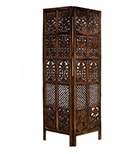
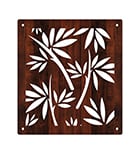



Panel Maximus Wall Hanging Room Dividers
₹3,299₹6,49949%

Static Twig (Set Of 10) Gold Colour Acrylic Hanging Room Divider
₹3,949₹9,19957%

Brown Mango Wood Magalie And Mdf Handmade Room Dividers (Set Of 5)
₹14,399₹25,79944%

Panel Marko Wall Hanging Room Dividers
₹3,299₹6,49949%
Filter By More Filters
Sort By
Showing 41-80 of 543 options inScreens & Dividers

Best Seller
Walnut Engineered Wood Hanging Wood Divider
By Olive Tree
₹3,199 ₹4,699 (32% off)
EMI starting from ₹154/month

Best Seller
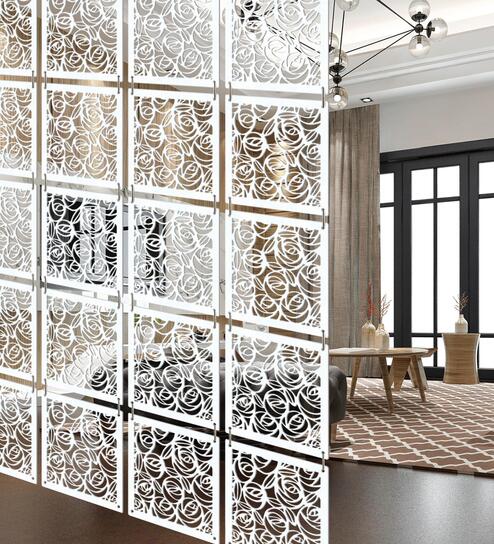
Walnut Engineering Wood (Pack Of 12) Hanging Room Divider
By Random
₹3,299 ₹6,499 (49% off)
EMI starting from ₹159/month
Price Drop Alert
White Engineered Wood Hanging Wood Divider
By Olive Tree
₹3,599 ₹4,699 (23% off)
EMI starting from ₹173/month

MDF Engineered Wood with Wooden Texture Hanging Room Divider in Brown Colour
By Planet Decor
₹2,949 ₹5,599 (47% off)

Acrylic Hanging Room Divider in Brown Colour
By Planet Decor
₹2,949 ₹5,599 (47% off)

Price Drop Alert
Static Lorelei (Set Of 10) Cream Colour Engineered Wood Hanging Room Divider
By Planet Decor
₹2,349 ₹4,499 (48% off)

Best Seller
Panel Magna Wall Hanging Room Dividers
By Random
₹3,299 ₹6,499 (49% off)
EMI starting from ₹159/month

Price Drop Alert
Panel Patio Wall Hanging Room Dividers
By Random
₹3,299 ₹6,499 (49% off)
EMI starting from ₹159/month

Price Drop Alert
Walnut Engineered Wood Hanging Wood Divider
By Olive Tree
₹3,199 ₹4,699 (32% off)
EMI starting from ₹154/month

Price Drop Alert
Static Stax (Set Of 10) Brown Colour Engineered Wood Hanging Room Divider
By Planet Decor
₹3,549 ₹6,699 (47% off)
EMI starting from ₹171/month

Price Drop Alert
Static Wilfred (Set Of 10) Brown Colour Engineered Wood Hanging Room Divider
By Planet Decor
₹3,549 ₹6,699 (47% off)
EMI starting from ₹171/month

Price Drop Alert
Static Carolie (Set Of 10) White Colour Acrylic Hanging Room Divider
By Planet Decor
₹3,549 ₹6,699 (47% off)
EMI starting from ₹171/month

Price Drop Alert
Static Mysty (Set Of 10) Cream Colour Engineered Wood Hanging Room Divider
By Planet Decor
₹3,549 ₹6,699 (47% off)
EMI starting from ₹171/month

Price Drop Alert
Static Malisa (Set Of 10) Brown Colour Engineered Wood Hanging Room Divider
By Planet Decor
₹3,549 ₹6,699 (47% off)
EMI starting from ₹171/month

Price Drop Alert
Static Margot (Set Of 10) White Colour Acrylic Hanging Room Divider
By Planet Decor
₹3,549 ₹6,699 (47% off)
EMI starting from ₹171/month

Price Drop Alert
Static Laasya (Set Of 10) Black Colour Acrylic Hanging Room Divider
By Planet Decor
₹3,549 ₹6,699 (47% off)
EMI starting from ₹171/month

Price Drop Alert
Static Godfrey (Set Of 10) Cream Colour Engineered Wood Hanging Room Divider
By Planet Decor
₹3,549 ₹6,699 (47% off)
EMI starting from ₹171/month

Price Drop Alert
Static Omura (Set Of 10) Brown Colour Engineered Wood Hanging Room Divider
By Planet Decor
₹3,549 ₹6,699 (47% off)
EMI starting from ₹171/month

Price Drop Alert
Static Imperia (Set Of 10) Cream Colour Engineered Wood Hanging Room Divider
By Planet Decor
₹3,549 ₹6,699 (47% off)
EMI starting from ₹171/month

Price Drop Alert
Static Cream Colour Engineered Wood Hanging Room Divider
By Planet Decor
₹3,549 ₹6,699 (47% off)
EMI starting from ₹171/month

Price Drop Alert
Static Kronos (Set Of 10) Brown Colour Engineered Wood Hanging Room Divider
By Planet Decor
₹3,549 ₹6,699 (47% off)
EMI starting from ₹171/month

Price Drop Alert
Static Maira (Set Of 10) White Colour Acrylic Hanging Room Divider
By Planet Decor
₹3,549 ₹6,699 (47% off)
EMI starting from ₹171/month

Price Drop Alert
Static Svenska (Set Of 10) Brown Colour Engineered Wood Hanging Room Divider
By Planet Decor
₹3,549 ₹6,699 (47% off)
EMI starting from ₹171/month

Price Drop Alert
Static Marie (Set Of 10) Cream Colour Engineered Wood Hanging Room Divider
By Planet Decor
₹3,549 ₹6,699 (47% off)
EMI starting from ₹171/month

Price Drop Alert
Static Kimiko (Set Of 10) Brown Colour Engineered Wood Hanging Room Divider
By Planet Decor
₹3,549 ₹6,699 (47% off)
EMI starting from ₹171/month

Price Drop Alert
Static Smily (Set Of 10) Brown Colour Engineered Wood Hanging Room Divider
By Planet Decor
₹3,549 ₹6,699 (47% off)
EMI starting from ₹171/month

Price Drop Alert
Static Vizia (Set Of 10) Cream Colour Engineered Wood Hanging Room Divider
By Planet Decor
₹3,549 ₹6,699 (47% off)
EMI starting from ₹171/month

Price Drop Alert
Static Lawley (Set Of 10) Black Colour Acrylic Hanging Room Divider
By Planet Decor
₹3,549 ₹6,699 (47% off)
EMI starting from ₹171/month

Price Drop Alert
Brown Engineered Wood Wall Hanging Room Divider Panel
By Olive Tree
₹3,199 ₹4,699 (32% off)
EMI starting from ₹154/month

Price Drop Alert
MDF 84 x 36 Inch Hanging Room Divider
By Planet Decor
₹5,849 ₹11,299 (48% off)
EMI starting from ₹281/month

Price Drop Alert
Static Zeist (Set Of 10) Silver Colour Acrylic Hanging Room Divider
By Planet Decor
₹4,449 ₹8,499 (48% off)
EMI starting from ₹214/month

Price Drop Alert
White Engineered Wood Hanging Room Dividers
By Olive Tree
₹3,599 ₹4,899 (27% off)
EMI starting from ₹173/month

Price Drop Alert
Static Skylar (Set Of 10) Gold Colour Acrylic Hanging Room Divider
By Planet Decor
₹4,449 ₹8,499 (48% off)
EMI starting from ₹214/month

Price Drop Alert
Static Kria (Set Of 10) Silver Colour Acrylic Hanging Room Divider
By Planet Decor
₹4,449 ₹8,499 (48% off)
EMI starting from ₹214/month

Price Drop Alert
Black Engineered Wood Hanging Room Dividers
By Olive Tree
₹3,299 ₹4,899 (33% off)
EMI starting from ₹159/month

Price Drop Alert
Black Engineered Wood Hanging Wood Divider
By Olive Tree
₹3,299 ₹4,699 (30% off)
EMI starting from ₹159/month

Price Drop Alert
Walnut Engineered Wood Hanging Room Dividers
By Olive Tree
₹3,199 ₹4,799 (33% off)
EMI starting from ₹154/month

Black Engineered Wood Wall Hanging Room Divider Panel
By Olive Tree
₹3,299 ₹4,699 (30% off)
EMI starting from ₹159/month

Price Drop Alert
Walnut Engineered Wood Hanging Wood Divider
By Olive Tree
₹3,199 ₹4,699 (32% off)
EMI starting from ₹154/month

Best Seller
Walnut Engineered Wood Elegant Set Of 12 Hanging Room Divider
By Random
₹3,299 ₹6,499 (49% off)
EMI starting from ₹159/month
Didn't Find What You Were Looking For? Share your Feedback with Us ->
Screens and Room Dividers - Flexible Panels to Shape Your Space
Your home should adapt to how you live. Maybe you need privacy for video calls. Perhaps you want a cosy reading nook away from the television. Or you simply need a clear line between your living and dining areas. A divider gives you that freedom without hammering a single nail into the wall. The right panel makes any of these happen without the cost or commitment of built walls. These functional pieces let you carve out separate areas for work, rest, and play within the same room.
Room dividers are a contemporary option for both small and large rooms. - Houzz
Pepperfry brings you an extensive collection of screens and partitions across our furniture and home decor range. From traditional carved designs to modern geometric styles, you'll find options that work with your space. Each piece combines quality craftsmanship with practical thinking.
The beauty of a well-chosen divider lies in its flexibility. Move it when your needs change. Fold it flat when guests arrive. Or let it stand as a decorative accent that transforms your room's entire character.
What Materials and Panel Types Suit Your Room Divider Needs?
Choosing the right divider starts with understanding what each material brings to your space. The panels you pick affect everything from light flow to durability, so it pays to know your options before buying.
Wood-Slat Dividers
A wooden partition remains the most popular choice for Indian homes. These dividers feature horizontal or vertical slats spaced evenly across the frame. The gaps between slats allow light to pass through while still marking a clear boundary between zones.
Sheesham, mango wood, and teak are common choices. Each offers distinct grain patterns and natural warmth. Solid wood construction means these pieces last for years with minimal care. You simply wipe them down with a dry cloth every few weeks.
The semi-open design works brilliantly in compact flats. Light flows freely, so the room never feels closed in. Yet the slats provide enough visual separation to make spaces feel distinct.
Quick Tip: Wood-slat dividers look stunning near windows, where natural light creates beautiful shadow patterns on your floors and walls.
Fabric-Panel Screens
For a softer look, fabric-panel screens deliver gentle elegance. These dividers feature cloth stretched over lightweight frames, often in cotton, linen, or polyester blends. The result feels less rigid than wood, creating a relaxed atmosphere.
Fabric panels suit bedrooms and dressing areas particularly well. The material absorbs some sound, which helps when you want a quieter corner. Many designs feature removable covers you can wash at home.
Colours and prints vary widely. You might choose neutral tones for a minimalist space or bold patterns to make a statement. The fabric surface also works well as a subtle backdrop for reading lamps or string lights.
A floor-to-ceiling room screen acts more as an art piece than a physical barrier, lending a cheery temperament to the space. - Good Homes India
Lattice and Geometric Panel Dividers
Modern homes often call for room divider panels with striking visual interest. Lattice work and geometric cutouts provide exactly that. These screens feature intricate patterns carved or cut into solid panels, creating beautiful interplays of light and shadow.
Traditional jali designs remain popular in contemporary settings. The carved openings maintain airflow while adding cultural character. Geometric options lean toward clean lines and angular shapes that suit minimalist interiors.
Both styles come in various finishes. Natural wood tones feel warm and classic. Painted whites and blacks create modern contrast. Some designs blend materials, combining wood frames with metal accents.
Understanding Panel Counts
Room divider panels typically come in sets of three, four, or six connected sections. Your choice depends on the width of space you need to cover.
3 Panels
Typical Width Coverage: 120–150 cm
Best For: Small corners, single-chair spaces
4 Panels
Typical Width Coverage: 160–200 cm
Best For: Standard doorway spans, reading nooks
6 Panels
Typical Width Coverage: 240–300 cm
Best For: Wide open-plan divisions, studio apartments
Fewer panels mean easier storage and lighter weight. More panels offer greater flexibility in positioning and fuller coverage. Consider how often you'll move the divider when deciding.
Check out our folding screen dividers collection to see various panel configurations in action
How Can a Divider Help Zone Your Living Spaces?
A partition for living room areas does more than block sightlines. It creates psychological boundaries that help you focus, relax, or shift between activities. With an economical divider price range, they are a true gift. Here's how dividers solve common space challenges.
Separating Living and Dining Areas
Open-plan flats often combine living rooms with dining spaces. While this layout feels spacious, it can also feel chaotic during meals or gatherings. A room divider partition placed between your sofa area and dining table creates two distinct zones without sacrificing openness.
Folding dividers work particularly well here. Set them up for dinner parties, then fold them away for movie nights when you want the room to feel larger.
Creating a Home Office Corner
Working from home requires mental separation from household distractions. A divider screens off your desk area, signalling to your brain that this is a workspace. It also provides a neutral background for video calls instead of your unmade bed or cluttered kitchen.
Position a divider near your desk alongside practical office furniture to build a proper workspace. Even a three-panel screen creates enough visual separation to improve concentration.
Space-Saving Idea: Place your divider at an angle rather than straight across. This uses less floor space while still blocking sightlines effectively.
Private Sleeping Areas in Studios
Studio apartments present unique challenges. Your bed sits in the same room as everything else. A tall divider around your sleeping area creates privacy and helps you unwind at night.
Choose solid panels rather than slatted options for better light blocking. This becomes especially important if your work area stays lit while you're trying to sleep.
Flexibility for Renters
Renters cannot knock down walls or build new ones. Room dividers offer the same zoning benefits without permanent changes. When your lease ends, the divider moves with you to your next home.
This portability also suits families whose needs change over time. A playroom corner today might become a study zone tomorrow. The same divider serves both purposes with simple repositioning. So, in one divider cost, you get to enjoy two benefits.
Frequently Asked Questions (FAQs)
1. How many panels do I need to divide a standard living and dining space?
Most living dining combinations require four to six panels for effective separation. Measure the gap you want to cover and add about 20 cm on each side for a natural, finished look. A four panel divider typically spans 160 to 200 cm, which suits most mid sized rooms. Wider spaces need six panel options.
2. Are wood slat dividers sturdy enough to stay upright without wall support?
Yes. Quality wooden partition designs feature weighted bases and hinged panels that create a stable, self supporting structure. The accordion fold allows you to position panels at angles, which increases stability further. On uneven floors, small felt pads under the frame edges help level things out.
3. Can fabric panels be removed and washed?
Many fabric screen dividers feature removable covers attached by ties, zippers, or hook and loop fasteners. Check product details for washing instructions before purchase. Most cotton and polyester blends handle gentle machine cycles well. Air dry the fabric flat to prevent shrinking.
4. Do dividers fold flat for storage or moving?
Folding dividers collapse into flat stacks roughly the width of a single panel. A four panel wood divider folds down to about 45 to 60 cm wide when stored. This makes them easy to tuck behind furniture or slip into a cupboard when not needed. The folding mechanism also simplifies transport during house moves.
5. What's the warranty on hinges and frames?
Pepperfry products include manufacturer warranties that typically cover structural defects in frames and hinges. Standard coverage runs from one to two years depending on the brand. Check the specific product page for warranty details, or visit our TV and media units section as an example of how warranty information appears across furniture categories.
6. What's the typical height of a room divider panel?
Standard room divider panels measure between 170 cm and 185 cm tall. This height blocks sightlines for seated and standing adults while remaining proportional to most ceiling heights. Taller options reaching 200 cm provide extra privacy, particularly useful in rooms with high ceilings or where complete visual separation matters.
Screens & Dividers Price List
- Product List
- PRICE
This data was last updated on 2026/10/14
 FurnitureSofas, Sectional Sofas, Sofa Cum Beds, Chaise Loungers, Bean Bags, Recliners, Sofa Chairs, Settees & Benches, Ottomans, Chairs, Gaming Chairs, Stools & Pouffes, Shoe Racks, Centre Tables, Side Tables, TV & Media Units, Cabinets & Sideboards, Book Shelves, Book Cases, Dining Sets, Dining Chairs, Dining Tables, Crockery Units, Bar Furniture, Beds, Bedside Tables, Trunks, Chest of Drawers, Dressing Tables, Screens and Dividers, Wardrobes, Kids and Teens, Study Tables, Office Furniture, Home Temples, Wall Shelves and Cabinets, Outdoor, Massagers, Furniture Care
- Sofas
- Sectional Sofas
- Sofa Cum Beds
- Chaise Loungers
- Bean Bags
- Recliners
- Sofa Chairs
- Settees & Benches
- Ottomans
- Chairs
- Gaming Chairs
- Stools & Pouffes
- Shoe Racks
- Centre Tables
- Side Tables
- TV & Media Units
- Cabinets & Sideboards
- Book Shelves
- Book Cases
- Dining Sets
- Dining Chairs
- Dining Tables
- Crockery Units
- Bar Furniture
- Beds
- Bedside Tables
- Trunks
- Chest of Drawers
- Dressing Tables
- Screens and Dividers
- Wardrobes
- Kids and Teens
- Study Tables
- Office Furniture
- Home Temples
- Wall Shelves and Cabinets
- Outdoor
- Massagers
- Furniture Care
 Sofas & SeatingSofas, Sofa Sets, Sectional Sofas, Sofa Cum Beds, Recliners, Recliner Sets, Chaise Loungers, Sofa Chairs, Bean Bags, Accent Chairs, Office Chairs, Gaming Chairs, Dining Chairs, Bar Seating, Settees & Benches, Ottomans, Stools & Pouffes, Outdoor Seating, Furniture Care, Top Collections, Top Brands
- Sofas
- Sofa Sets
- Sectional Sofas
- Sofa Cum Beds
- Recliners
- Recliner Sets
- Chaise Loungers
- Sofa Chairs
- Bean Bags
- Accent Chairs
- Office Chairs
- Gaming Chairs
- Dining Chairs
- Bar Seating
- Settees & Benches
- Ottomans
- Stools & Pouffes
- Outdoor Seating
- Furniture Care
- Top Collections
- Top Brands
 MattressesKing Size Mattresses, Queen Size Mattresses, Single Size Mattresses, Foldable Mattresses, Crib Mattresses, Mattress Protectors, Mattress Toppers, Pillows, Mattresses By Feature, Top Brands
- King Size Mattresses
- Queen Size Mattresses
- Single Size Mattresses
- Foldable Mattresses
- Crib Mattresses
- Mattress Protectors
- Mattress Toppers
- Pillows
- Mattresses By Feature
- Top Brands
 Home DecorVases, Figurines, Collectibles, Showpieces, Home Utility, Table Decor, Kids Decor, Photo Frames, Candles, Candle Stands, Decor Gift Sets, Spiritual, Home Fragrances, Appliances, Prayer Essentials, Artificial Plants & Flowers, Festive Decor, Gardening, Pots and Planters, Outdoor Decor, Wall Hangings, Wall Shelves, Wall Cabinets, Set Top Box Holders, Key Holders, Jharokhas, Screens & Dividers, Wall Decor, Wall Art and Paintings, Wallpapers & Decals, Clocks, Mirrors, Gifting
- Vases
- Figurines
- Collectibles
- Showpieces
- Home Utility
- Table Decor
- Kids Decor
- Photo Frames
- Candles
- Candle Stands
- Decor Gift Sets
- Spiritual
- Home Fragrances
- Appliances
- Prayer Essentials
- Artificial Plants & Flowers
- Festive Decor
- Gardening
- Pots and Planters
- Outdoor Decor
- Wall Hangings
- Wall Shelves
- Wall Cabinets
- Set Top Box Holders
- Key Holders
- Jharokhas
- Screens & Dividers
- Wall Decor
- Wall Art and Paintings
- Wallpapers & Decals
- Clocks
- Mirrors
- Gifting
 FurnishingsBed Sheets, Blankets & Quilts, Pillows, Bath Linen, Bed Linen, Curtains, Curtain Accessories, Laundry Baskets, Mosquito Nets, Furnishing Gift Sets, Cushions & Covers, Sofa Covers & Throws, Chair Covers & Pads, Carpets, Dhurries, Runners, Door Mats, Bath Mats, Prayer Mats, Picnic Mats, Yoga Mats, Kids Furnishings, Pet Furnishings, Top Brands
- Bed Sheets
- Blankets & Quilts
- Pillows
- Bath Linen
- Bed Linen
- Curtains
- Curtain Accessories
- Laundry Baskets
- Mosquito Nets
- Furnishing Gift Sets
- Cushions & Covers
- Sofa Covers & Throws
- Chair Covers & Pads
- Carpets
- Dhurries
- Runners
- Door Mats
- Bath Mats
- Prayer Mats
- Picnic Mats
- Yoga Mats
- Kids Furnishings
- Bed Sheets
- Carpets & Mats
- Kids Blankets and Comforters
- Pillows and Covers
- Cushion Covers
- Towels
- Bedding Sets
- Curtains
- Baby Mats
- Pet Furnishings
- Top Brands
 Lamps & LightingFloor Lamps, Shelf Floor Lamps, Table Lamps, Night Lamps, Work and Study Lamps, Lamp Shades, Kids Lamps, Ceiling Lights, Wall Lights, Smart Lights, Outdoor Lights, Decorative Lights, Emergency Lights, Bulbs, Top Brands
- Floor Lamps
- Shelf Floor Lamps
- Table Lamps
- Night Lamps
- Work and Study Lamps
- Lamp Shades
- Kids Lamps
- Ceiling Lights
- Wall Lights
- Smart Lights
- Outdoor Lights
- Decorative Lights
- Emergency Lights
- Bulbs
- Top Brands
 Kitchen & DiningServeware, Jugs, Bakeware, Dinnerware, Cookware, Cooking Tools, Drinkware, Bottles, Flasks, Sippers, Barware, Teaware, Knives & Cutlery, Table Essentials, Jars and Containers, Kitchen Organizers, Lunch Boxes, Kids Kitchenware & Tableware, Gift Sets, Kitchen Linen, Table Linen, Kitchen Appliances, Top Brands
- Serveware
- Serving Bowls
- Casseroles
- Butter Dishes
- Serving Trays
- Tray Sets
- Appetizer Platters
- Cheese Boards
- Cake Stands
- Cloche
- Jugs
- Bakeware
- Dinnerware
- Cookware
- Cooking Tools
- Spatulas, Ladles and Tongs
- Knives and Choppers
- Chopping Boards
- Rolling Pins and Boards
- Strainers and Whisks
- Cooking Preparation Tools
- Drinkware
- Bottles
- Flasks
- Sippers
- Barware
- Barware Sets
- Bar Tools
- Ash Trays
- Wine Holders & Coolers
- Carafes and Decanters
- Dispensers
- Ice Buckets & Moulds
- Teaware
- Knives & Cutlery
- Table Essentials
- Jars and Containers
- Kitchen Organizers
- Lunch Boxes
- Kids Kitchenware & Tableware
- Gift Sets
- Kitchen Linen
- Table Linen
- Kitchen Appliances
- Top Brands
 LuxuryLiving Room, Bedroom, Dining Room, Home Office
 Modular