Sign Up & Get Upto Rs. 1,500 off on Your First Purchase!


Mixing Bowls
Find the right mixing bowl for your kitchen at Pepperfry. Our collection includes stainless steel mixing bowls, glass mixing bowls, and complete mixing bowl sets with lids. Available in sizes from compact to large mixing bowls, each piece suits different cooking and baking tasks. Check out options with non-slip bases, pouring spouts, and measurement markings. Browse mixing bowl prices across materials and styles to find what fits your needs.
More


Filter By More Filters
Sort By
Showing 1-13 of 13 options inMixing Bowls


Stainless Steel Set of 2 (350 ML, 550 ML) Mixing Bowls
By Hazel
₹264 ₹659 (60% off)

Best Seller
Varmora Plastic Mixing Bowl Set of 4(1.3ltr, 2.3ltr, 3.2ltr, 4.7ltr) FDA Approved & BPA Free Multi-Purpose Bowl (Tr. Grey)
By Varmora
₹521 ₹579 (10% off)

Varmora Plastic Mixing Bowl Set of 4(1.3ltr, 2.3ltr, 3.2ltr, 4.7ltr) FDA Approved & BPA Free Multi-Purpose Bowl (Assorted)
By Varmora
₹521 ₹579 (10% off)
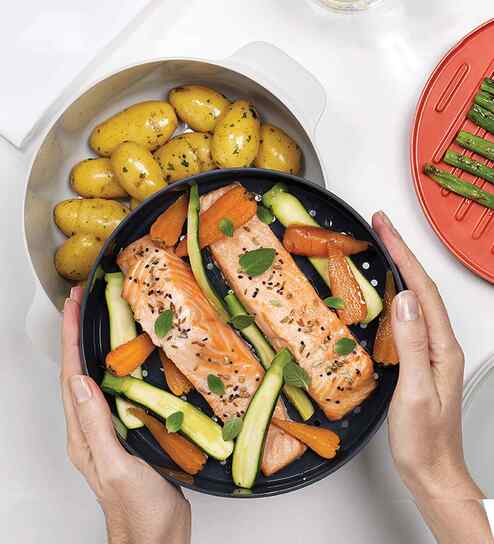
M Cuisine Microwave 4-Piece Stackable Cooking Set
By Joseph Joseph
₹5,694 ₹6,699 (15% off)
EMI starting from ₹274/month

Set of 4 BPA Free Mixing Bowls
By Varmora
₹521 ₹579 (10% off)

Varmora Plastic Mixing Bowl Set of 4(1.3ltr, 2.3ltr, 3.2ltr, 4.7ltr) FDA Approved & BPA Free Multi-Purpose Bowl (Tr. Blue)
By Varmora
₹521 ₹579 (10% off)
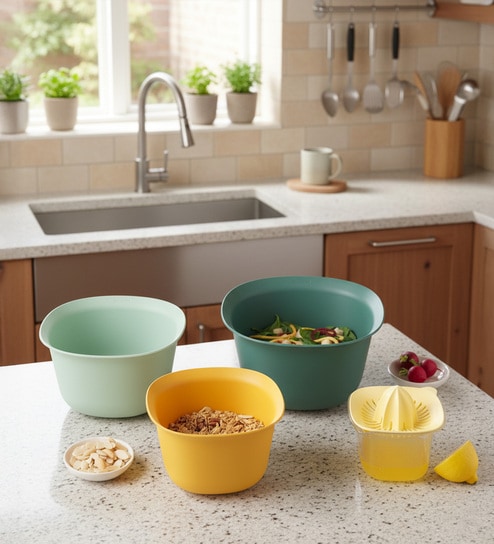
Mixing Bowl Set
By Brabantia
60-Month Warranty Available
₹5,699 ₹7,599 (25% off)
EMI starting from ₹274/month

(Set Of 9) Nest Multicolour Polypropylene & Metal Mixing Bowl
By Joseph Joseph
₹8,799
EMI starting from ₹423/month

Varmora Plastic Mixing Bowl Set of 4(1.3ltr, 2.3ltr, 3.2ltr, 4.7ltr) FDA Approved & BPA Free Multi-Purpose Bowl (Tr. Brown)
By Varmora
₹521 ₹579 (10% off)
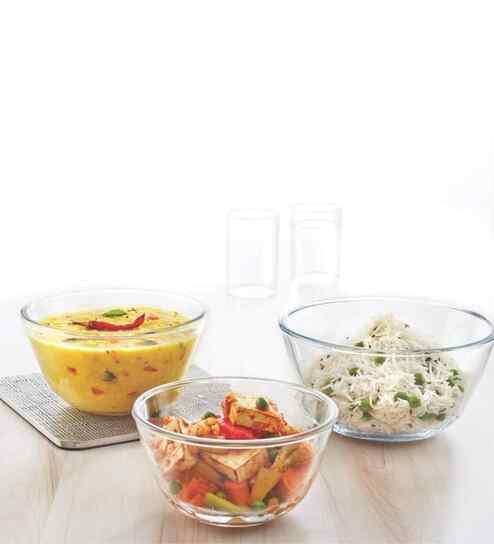
Set of 3 Crystal Lead Free Glass 1600ml, 800ml & 500ml Mixing Bowls Set
By Smartserve
₹1,199 ₹2,999 (60% off)
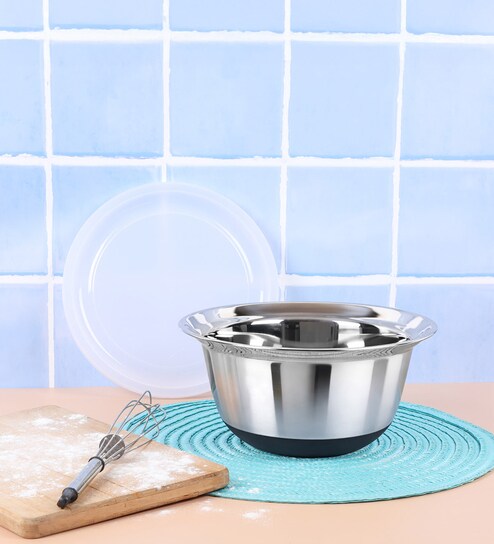
Set of 2 - 18/8 Stainless Steel Mixing Bowl
By Zoku
60-Month Warranty Available
₹3,513 ₹4,684 (25% off)
EMI starting from ₹169/month
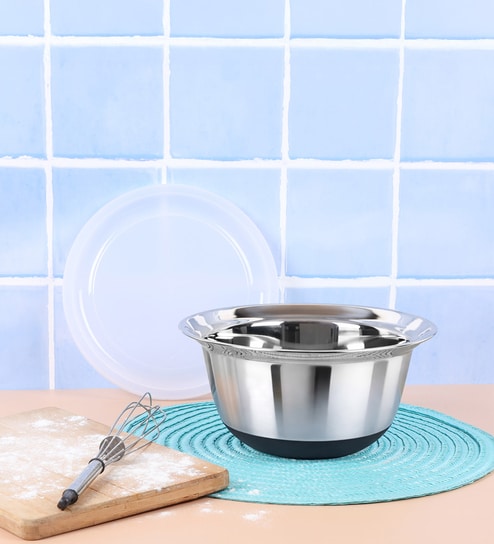
18/8 Stainless Steel 2.5 QT Mixing Bowl
By Zoku
60-Month Warranty Available
₹1,194 ₹1,592 (25% off)
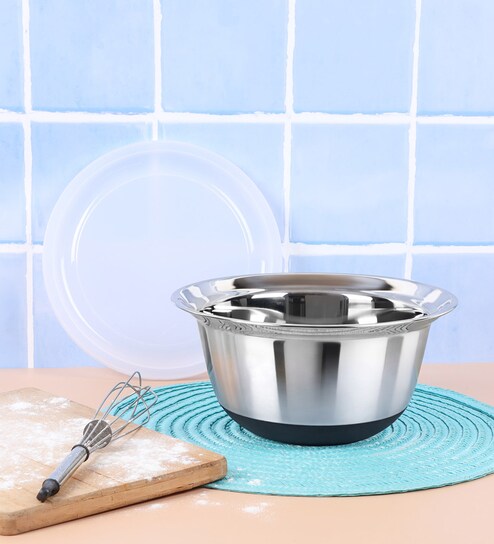
18/8 Stainless Steel 4 QT Mixing Bowl
By Zoku
60-Month Warranty Available
₹2,810 ₹3,747 (25% off)
Didn't Find What You Were Looking For? Share your Feedback with Us ->
Mixing Bowls: Practical Kitchen Staples for Cooking and Baking
A good mixing bowl does more than hold ingredients. It becomes the centre of your cooking routine, from whisking eggs at breakfast to kneading dough on weekends.
"The mixing bowl is a fabulously functional addition to any kitchen or table." -Good Homes. |
At Pepperfry, you can buy mixing bowls online in a range of materials, sizes, and designs to match how you actually cook. Our collection covers everything from a basic stainless steel mixing bowl to elegant glass mixing bowls and complete sets with lids. Each option balances everyday practicality with lasting quality for your kitchen and dining space.
What Types of Mixing Bowls Are Available by Material?
Choosing the right material shapes how your mixing bowl performs. Some materials handle heat well. Others resist stains or scratches. Understanding these differences helps you pick bowls that match your cooking style and last through years of use.
Stainless Steel Mixing Bowls
A stainless steel mixing bowl offers durability that handles daily kitchen demands. Food-grade steel in 18/8 or 18/10 grades stays non-reactive, meaning acidic ingredients like lemon juice or tomatoes will not affect the surface. These bowls weigh less than glass yet feel sturdy in your hands.
Steel bowls work perfectly for whipping cream, mixing batters, and marinating meats. Professional kitchens favour them for good reason. They clean easily, resist staining, and never absorb odours. Most are dishwasher-safe, too.
Safety note: Always remember that the steel bowls cannot go in the microwave. |
Glass Mixing Bowls
A glass mixing bowl brings transparency to your prep work. You see layers of ingredients clearly as you combine them. Tempered glass handles allow microwave use safely, letting you melt butter or chocolate directly in the bowl.
Glass suits tasks like monitoring dough as it rises or serving salads straight from the bowl to the table. The material never stains or holds smells. The main consideration? Glass weighs more and needs careful handling to prevent chips or cracks.
Ceramic and Plastic Mixing Bowls
Ceramic bowls add visual appeal to your kitchen counter. Their weight keeps them stable during mixing, and they retain warmth well for proofing bread dough. They tend to be heavier, so lifting large batches requires some effort.
BPA-free plastic bowls suit cold preparations and work well for children learning to bake. They cost less and weigh almost nothing. However, plastic cannot handle heat and may scratch over time.
Material | Heat Resistant | Durability | Weight | Price Range |
Stainless Steel | Stovetop only | High | Light | Mid-range |
Glass | Microwave/Oven safe | Medium | Heavy | Mid to High |
Ceramic | Oven safe | Medium | Heavy | Mid to High |
Plastic | Not heat safe | Low | Very Light | Budget |
How Do You Choose the Right Mixing Bowl Size?
Most people underestimate how much space they need. A half-full bowl mixes better than one filled to the brim. Ingredients stay inside instead of splattering onto your counter.
- Small bowls (1 to 2 litres) handle whisking eggs, making salad dressings, or mixing small sauce batches. Keep one or two handy for quick tasks.
- Medium bowls (3 to 4 litres) cover everyday cooking. Cake batters, marinades, and mixing spices all work comfortably at this size.
- A large mixing bowl (5 litres or more) becomes essential for bread dough, big batch baking, or tossing salads for family gatherings. If you cook for more than two people regularly, at least one large bowl saves time and mess.
Practical tip: Own at least three sizes. Having the right bowl ready means you spend less time washing between recipe steps. |
Why Should You Consider a Mixing Bowl with a Lid?
A mixing bowl with a lid serves double duty. You mix ingredients, snap on the lid, and store everything in the same container. No need to transfer batters or marinades to separate storage.
Lids keep ingredients fresh in the refrigerator. They seal in moisture when proofing dough overnight. They protect prepped vegetables from drying out. When heading to a potluck, lidded bowls transport food without spills.
Look for snap-on plastic lids that seal tightly or silicone stretch lids that fit multiple bowl sizes. Some lids include vents for microwave reheating. Check that lid materials are BPA-free and dishwasher-compatible for easy cleaning.
Storage bonus: Lidded bowls stack neatly, freeing up cabinet space compared to juggling loose bowls and separate containers. |
What Makes the Best Mixing Bowl for Baking?
Baking demands specific bowl qualities. The right mixing bowl for baking handles everything from delicate meringues to heavy bread dough without frustrating you mid-recipe.
"Mixing bowls and measuring cups go near the oven and/or the baking area." -Houzz. |
This placement makes sense because baking moves quickly between tasks.
For whipping egg whites, choose a bowl with a smooth interior. Any grease residue prevents whites from reaching full volume. Stainless steel or glass works best here.
When proofing yeast doughs, glass lets you watch the rise without removing the covers. Non-reactive surfaces keep yeast happy. Aim for at least 4 to 5 litres of capacity since bread dough doubles or triples in size.
Features that help bakers include measurement markings for precision, pouring spouts for transferring batters, and non-slip bases that stay put during vigorous mixing. Browse our baking tools collection to complete your setup.
What Are the Benefits of Buying a Mixing Bowl Set?
A mixing bowl set offers better value than buying pieces separately. You get graduated sizes that nest together, saving storage space while covering every recipe need.
Sets keep your kitchen organised. Matching bowls look tidy on open shelves. Coordinated designs bring visual harmony to your cooking space.
When comparing a mixing bowl set online, check what each includes. Starter sets with three pieces suit smaller kitchens. Complete sets with five or six bowls handle ambitious cooking projects. Some sets include matching lids, adding storage value.
The cost savings add up. Buying a set typically costs less than purchasing the same bowls individually. For weddings or housewarmings, sets make thoughtful, practical gifts too.
Which Mixing Bowl Features Actually Matter?
Certain features make cooking easier. Others sound good but are rarely used. Focus on what helps your daily routine.
- Non-slip bases keep bowls stable during whisking or kneading. Silicone rings on the bottom grip countertops firmly.
- Measurement markings inside the bowl let you gauge quantities without extra tools. Useful when scaling recipes up or down.
- Pouring spouts direct batters into pans without drips. A small detail that prevents big messes.
- Handles or grips help when lifting heavy, full bowls. Look for comfortable shapes that do not dig into your fingers.
- Nested designs stack bowls inside each other. Essential if cabinet space runs tight.
Our serving bowls collection offers complementary pieces for taking dishes from the kitchen to the table.
How Should You Care for Your Mixing Bowls?
Proper care extends bowl life significantly. Different materials need different approaches.
Stainless steel cleans easily with regular dish soap. Avoid abrasive scrubbers that scratch the surface. White water spots? Wipe with a cloth dampened in vinegar.
Glass handles dishwasher cycles well. Avoid sudden temperature changes, though. Taking a cold glass bowl straight to a hot oven risks cracking.
Plastic stains from tomato sauces and curries. Soak in a baking soda solution to lift discolouration and odours.
Ceramic can get chipped if knocked against hard surfaces. Store with soft cloths between stacked pieces.
Pair your bowls with quality dinnerware sets for a cohesive kitchen look.
Frequently Asked Questions About Mixing Bowls
1. What size mixing bowl do I need for bread dough?
Choose at least a 5 litre bowl. Bread dough typically doubles or triples during rising, so you need room for expansion without overflowing.
2. Are glass or stainless steel mixing bowls better?
Both work well but serve different purposes. Glass suits microwave use and looks elegant for serving. Stainless steel offers lighter weight and greater durability for everyday mixing.
3. Can mixing bowls with lids go in the dishwasher?
Most can, but check the product details. Some plastic lids warp in high heat cycles. Silicone lids generally handle dishwashers safely.
4. How many mixing bowls should I ideally own?
Three to five bowls in graduated sizes cover most cooking needs. Small, medium, and large sizes handle different tasks without constant washing between steps.
5. What is the difference between mixing and serving bowls?
Mixing bowls prioritise function with features like pouring spouts and high sides. Serving bowls focus on presentation with decorative finishes and wider, shallower shapes.
6. Can I use mixing bowls in the oven?
Only tempered glass and some ceramic bowls are oven safe. Stainless steel works on stovetops for double boiler setups, but not in ovens. Plastic should never go near heat.
7. What material is safest for acidic ingredients?
Stainless steel and glass are both non reactive. They will not absorb flavours or react with lemon juice, vinegar, or tomatoes.
8. How do I remove stains from plastic mixing bowls?
Make a paste with baking soda and water. Apply it to stained areas and let it sit for 30 minutes before scrubbing gently and rinsing.
 FurnitureSofas, Sectional Sofas, Sofa Cum Beds, Chaise Loungers, Bean Bags, Recliners, Sofa Chairs, Settees & Benches, Ottomans, Chairs, Gaming Chairs, Stools & Pouffes, Shoe Racks, Centre Tables, Side Tables, TV & Media Units, Cabinets & Sideboards, Book Shelves, Book Cases, Dining Sets, Dining Chairs, Dining Tables, Crockery Units, Bar Furniture, Beds, Bedside Tables, Trunks, Chest of Drawers, Dressing Tables, Wardrobes, Kids and Teens, Study Tables, Office Furniture, Outdoor, Massagers, Furniture Care
- Sofas
- Sectional Sofas
- Sofa Cum Beds
- Chaise Loungers
- Bean Bags
- Recliners
- Sofa Chairs
- Settees & Benches
- Ottomans
- Chairs
- Gaming Chairs
- Stools & Pouffes
- Shoe Racks
- Centre Tables
- Side Tables
- TV & Media Units
- Cabinets & Sideboards
- Book Shelves
- Book Cases
- Dining Sets
- Dining Chairs
- Dining Tables
- Crockery Units
- Bar Furniture
- Beds
- Bedside Tables
- Trunks
- Chest of Drawers
- Dressing Tables
- Wardrobes
- Kids and Teens
- Study Tables
- Office Furniture
- Outdoor
- Massagers
- Furniture Care
 Sofas & SeatingSofas, Sofa Sets, Sectional Sofas, Sofa Cum Beds, Recliners, Recliner Sets, Chaise Loungers, Sofa Chairs, Bean Bags, Accent Chairs, Office Chairs, Gaming Chairs, Dining Chairs, Bar Seating, Settees & Benches, Ottomans, Stools & Pouffes, Outdoor Seating, Furniture Care, Top Collections, Top Brands
- Sofas
- Sofa Sets
- Sectional Sofas
- Sofa Cum Beds
- Recliners
- Recliner Sets
- Chaise Loungers
- Sofa Chairs
- Bean Bags
- Accent Chairs
- Office Chairs
- Gaming Chairs
- Dining Chairs
- Bar Seating
- Settees & Benches
- Ottomans
- Stools & Pouffes
- Outdoor Seating
- Furniture Care
- Top Collections
- Top Brands
 MattressesKing Size Mattresses, Queen Size Mattresses, Single Size Mattresses, Foldable Mattresses, Crib Mattresses, Mattress Protectors, Mattress Toppers, Pillows, Mattresses By Feature, Top Brands
- King Size Mattresses
- Queen Size Mattresses
- Single Size Mattresses
- Foldable Mattresses
- Crib Mattresses
- Mattress Protectors
- Mattress Toppers
- Pillows
- Mattresses By Feature
- Top Brands
 Home DecorVases, Figurines, Collectibles, Showpieces, Home Utility, Table Decor, Kids Decor, Photo Frames, Candles, Candle Stands, Spiritual, Home Fragrances, Decor Gift Sets, Prayer Essentials, Artificial Plants & Flowers, Festive Decor, Gardening, Pots and Planters, Outdoor Decor, Wall Hangings, Wall Shelves, Wall Cabinets, Set Top Box Holders, Key Holders, Jharokhas, Screens & Dividers, Wall Decor, Wall Art and Paintings, Wallpapers & Decals, Clocks, Mirrors, Gifting
- Vases
- Figurines
- Collectibles
- Showpieces
- Home Utility
- Table Decor
- Kids Decor
- Photo Frames
- Candles
- Candle Stands
- Spiritual
- Home Fragrances
- Decor Gift Sets
- Prayer Essentials
- Artificial Plants & Flowers
- Festive Decor
- Gardening
- Pots and Planters
- Outdoor Decor
- Wall Hangings
- Wall Shelves
- Wall Cabinets
- Set Top Box Holders
- Key Holders
- Jharokhas
- Screens & Dividers
- Wall Decor
- Wall Art and Paintings
- Wallpapers & Decals
- Clocks
- Mirrors
- Gifting
 FurnishingsBed Sheets, Blankets & Quilts, Bath Linen, Bed Linen, Curtains, Curtain Accessories, Laundry Baskets, Mosquito Nets, Furnishing Gift Sets, Cushions & Covers, Sofa Covers & Throws, Chair Covers & Pads, Carpets, Dhurries, Runners, Door Mats, Bath Mats, Picnic Mats, Kids Furnishings, Pet Furnishings, Yoga Mats, Top Brands
- Bed Sheets
- Blankets & Quilts
- Bath Linen
- Bed Linen
- Curtains
- Curtain Accessories
- Laundry Baskets
- Mosquito Nets
- Furnishing Gift Sets
- Cushions & Covers
- Sofa Covers & Throws
- Chair Covers & Pads
- Carpets
- Dhurries
- Runners
- Door Mats
- Bath Mats
- Picnic Mats
- Kids Furnishings
- Bed Sheets
- Carpets & Mats
- Kids Blankets and Comforters
- Pillows and Covers
- Cushion Covers
- Towels
- Bedding Sets
- Curtains
- Baby Mats
- Pet Furnishings
- Yoga Mats
- Top Brands
 Lamps & LightingFloor Lamps, Shelf Floor Lamps, Table Lamps, Night Lamps, Work and Study Lamps, Lamp Shades, Kids Lamps, Ceiling Lights, Wall Lights, Smart Lights, Outdoor Lights, Decorative Lights, Emergency Lights, Bulbs, Top Brands
- Floor Lamps
- Shelf Floor Lamps
- Table Lamps
- Night Lamps
- Work and Study Lamps
- Lamp Shades
- Kids Lamps
- Ceiling Lights
- Wall Lights
- Smart Lights
- Outdoor Lights
- Decorative Lights
- Emergency Lights
- Bulbs
- Top Brands
 Kitchen & DiningServeware, Jugs, Bakeware, Dinnerware, Cookware, Cooking Tools, Drinkware, Bottles, Flasks, Sippers, Barware, Teaware, Knives & Cutlery, Table Essentials, Jars and Containers, Kitchen Organizers, Lunch Boxes, Kids Kitchenware & Tableware, Gift Sets, Kitchen Linen, Table Linen, Top Brands
- Serveware
- Serving Bowls
- Casseroles
- Butter Dishes
- Serving Trays
- Tray Sets
- Appetizer Platters
- Cheese Boards
- Cake Stands
- Cloche
- Jugs
- Bakeware
- Dinnerware
- Cookware
- Cooking Tools
- Spatulas, Ladles and Tongs
- Knives and Choppers
- Chopping Boards
- Rolling Pins and Boards
- Strainers and Whisks
- Cooking Preparation Tools
- Drinkware
- Bottles
- Flasks
- Sippers
- Barware
- Barware Sets
- Bar Tools
- Ash Trays
- Wine Holders & Coolers
- Carafes and Decanters
- Dispensers
- Ice Buckets & Moulds
- Teaware
- Knives & Cutlery
- Table Essentials
- Jars and Containers
- Kitchen Organizers
- Lunch Boxes
- Kids Kitchenware & Tableware
- Gift Sets
- Kitchen Linen
- Table Linen
- Top Brands
 LuxuryLiving Room, Bedroom, Dining Room, Home Office
 Modular