Sign Up & Get Rs.5,000 OFF On Your First Purchase




Plastics Containers
Browse Pepperfry's collection of plastic containers designed for Indian kitchens. From airtight storage jars to complete container sets, find BPA-free, food-grade options that keep ingredients fresh and pantries organised. Choose from various sizes, shapes, and sealing mechanisms to match your storage needs. Whether storing spices, cereals, pulses, or meal prep portions, these containers combine safety with practicality. Shop trusted brands with clear specifications, customer reviews, and doorstep delivery across India.
More


Filter By More Filters
Sort By
Showing 41-80 of 116 options inPlastics Containers
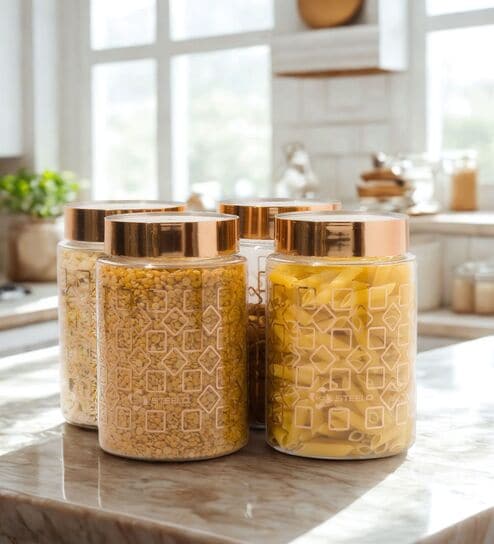

Homely Deluxe Container 1000ML | 4pcs Set
By Steelo
₹720 ₹900 (20% off)
Express Shipping in 2 days
New Arrivals
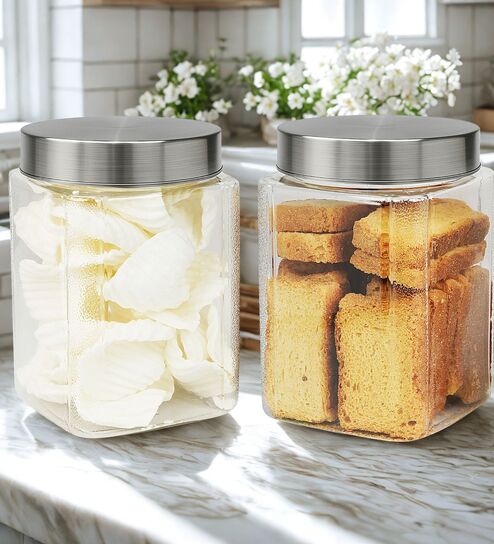
Varg Stainless Containers 1250 ML (2pcs Set)
By Steelo
₹542 ₹549 (1% off)

(Pack of 6) Stack & Lock Square Containers
By Steelo
₹600 ₹655 (8% off)
New Arrivals
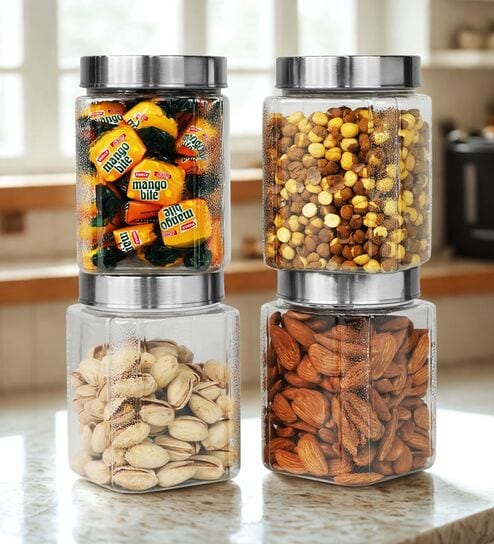
Varg Stainless Containers 500 ML (4pcs Set)
By Steelo
₹556 ₹570 (2% off)

(Pack of 4) Stack & Lock Square Containers
By Steelo
₹584 ₹619 (6% off)

(Pack of 6) Stack & Lock Round Containers
By Steelo
₹600 ₹655 (8% off)

Best Seller
(Pack of 6) Stack & Lock Round Containers
By Steelo
₹600 ₹785 (24% off)

(Pack of 2) So fresh Plastic Square Container
By Steelo
₹389 ₹499 (22% off)

Varmora Glory Round Printed-Raspberry Pink| Kitchen Storage Containers- Set of 3 | With Air-Tight Lid |5kg, 7Kg, 10kg| BPA-Free Food-Grade Plastic
By Varmora
₹829
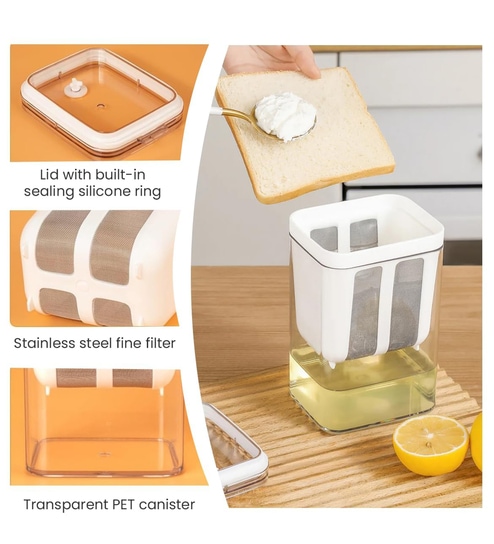
Yogurt Filter Strainer with Fine Mesh Bag & Lid
By Wens
₹899 ₹1,599 (44% off)

(Pack of 9) Stack & Lock Square Containers
By Steelo
₹1,009 ₹1,329 (24% off)

Varmora V Fresh Container | Organised Kitchen | Stackable | Durable | For Pulses,Cereals, Snacks, | Set of 2 |Assorted |1500ml each
By Varmora
₹259

(Set of 2) Soclick Rectangular Container Set 2000 ml
By Steelo
₹815 ₹999 (18% off)

Varmora Store Fresh | Kitchen Storage Containers- Set of 7 | Stackable-Durable with Airtight Lids- 240ml, 400ml, 650ml, 1ltr, 1.5ltr, 2ltr, 3ltr
By Varmora
₹999
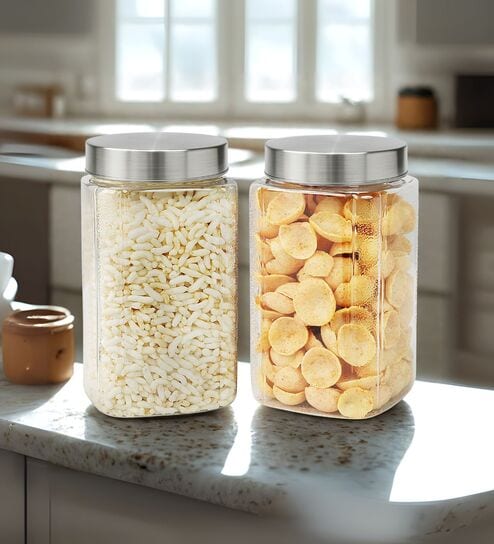
New Arrivals
Varg Stainless Containers 1000 ML (2pcs Set)
By Steelo
₹475

Daily Deal
(Pack of 5) 1.5 Ltr Grain Storage Container
By Regalo
₹199 ₹899 (78% off)

Varmora Glory Round Transparent-Blue| Kitchen Storage Containers- Set of 3 | With Air-Tight Lid |5Kg, 7kg, 10kg | BPA-Free Food-Grade Plastic
By Varmora
₹749
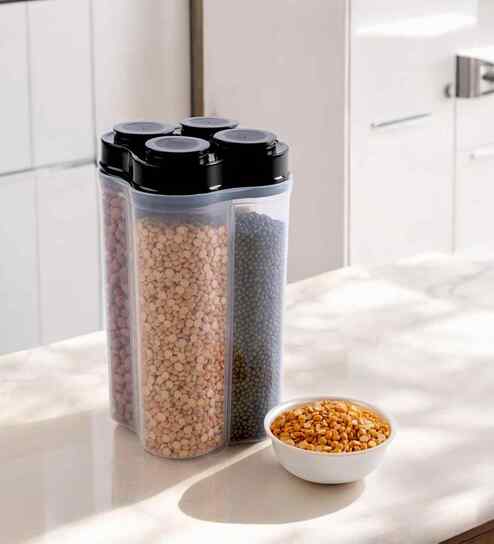
Assorted Plastic Cereal Dispenser Large Kitchen Storage Keeper with Lids
By Wens
₹499 ₹899 (44% off)

Price Drop Alert
Blue Melamine 650ml Storage Jar & Containers
By Market 99
₹589 ₹949 (38% off)

(Set of 3) 5kg, 7Kg, 10kg Kitchen Storage Containers With Air-Tight Lid
By Varmora
₹749

Varmora Glory Round Transparent-Blue| Kitchen Storage Containers- Set of 3 | With Air-Tight Lid |7kg, 10kg, 15Kg | BPA-Free Food-Grade Plastic
By Varmora
₹999

Varmora Glory Round Printed-Blue| Kitchen Storage Containers- Set of 3 | With Air-Tight Lid |5Kg, 7kg, 10kg | BPA-Free Food-Grade Plastic
By Varmora
₹829

Varmora Glory Square Flower-Blue| Kitchen Storage Containers , Set of 3 | With Air-Tight Lid | Transparent Design | 5kg, 7kg & 10kg | BPA-Free Food-Grade Plastic
By Varmora
₹889

Varmora Glory Square Flower-Pink| Kitchen Storage Containers , Set of 3 | With Air-Tight Lid | Transparent Design | 5kg, 7kg & 10kg | BPA-Free Food-Grade Plastic
By Varmora
₹889

Varmora Smart Storage Plastic Container with Scoop- Transparent-10Kg | Kitchen Storage Container With Airtight Lid | BPA-Free Food-Grade Plastic
By Varmora
₹819

Varmora Magnum Round- Blue| Kitchen Storage Containers- Set of 6 (500ml, 750ml, 1.7ltr, 2.5ltr, 3.7ltr, 5.3Ltr) | With Air-Tight Lid | BPA-Free Food-Grade Plastic
By Varmora
₹1,099 ₹1,129 (3% off)

Varmora Magnum Round- Cyan Blue| Kitchen Storage Containers- Set of 6 (500ml, 750ml, 1.7ltr, 2.5ltr, 3.7ltr, 5.3Ltr) | With Air-Tight Lid | BPA-Free Food-Grade Plastic
By Varmora
₹1,099 ₹1,129 (3% off)

Price Drop Alert
Multicolor Melamine 650ml Storage Jar & Containers
By Market 99
₹600 ₹899 (33% off)

Varmora Mega Glory Round Flower-Olive Green| Kitchen Storage Containers , Set of 3 | With Air-Tight Lid | Transparent Design |7kg, 10kg,15kg | BPA-Free Food-Grade Plastic
By Varmora
₹1,099 ₹1,149 (4% off)

Varmora Glory Round Printed-Raspberry Pink| Kitchen Storage Containers- Set of 3 | With Air-Tight Lid |7kg, 10kg, 15Kg | BPA-Free Food-Grade Plastic
By Varmora
₹1,099 ₹1,149 (4% off)

Varmora Mega Glory Round Flower-Pink| Kitchen Storage Containers , Set of 3 | With Air-Tight Lid | Transparent Design |7kg, 10kg, 15Kg | BPA-Free Food-Grade Plastic
By Varmora
₹1,099 ₹1,149 (4% off)

Varmora Glory Round Printed-Blue| Kitchen Storage Containers- Set of 3 | With Air-Tight Lid |7kg, 10kg, 15Kg | BPA-Free Food-Grade Plastic
By Varmora
₹1,099 ₹1,149 (4% off)
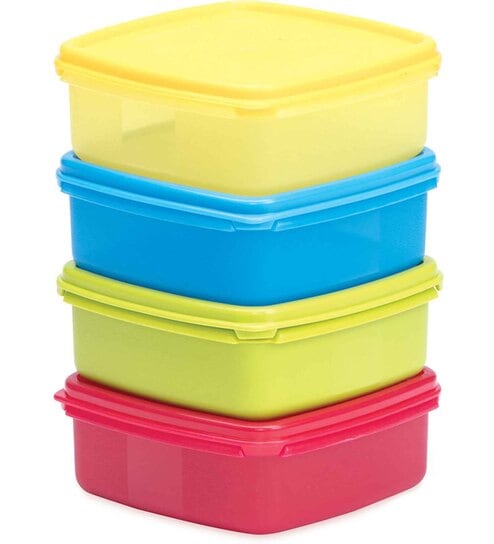
Varmora V Fresh Container | Organised Kitchen | Stackable | Durable | For Pulses,Cereals, Snacks, | Set of 4 |Assorted |400ml each
By Varmora
₹179

New Arrivals
Frame-Up Containers 1800ML (2pcs Set)
By Steelo
₹789 ₹959 (18% off)
New Arrivals
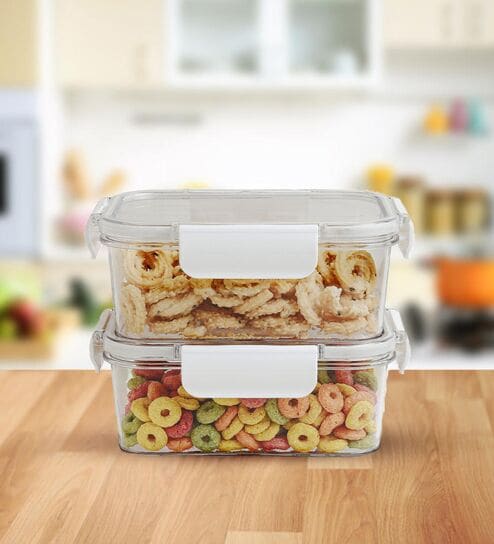
SoFresh Rectangular Containers 800ML (2pcs Set)
By Steelo
₹600 ₹749 (20% off)

(Pack of 18) Stack & Lock Square Containers
By Steelo
₹1,509 ₹2,499 (40% off)
New Arrivals
Homely Stainless Containers 350 ML (6pcs Set)
By Steelo
₹600 ₹795 (25% off)

Price Drop Alert
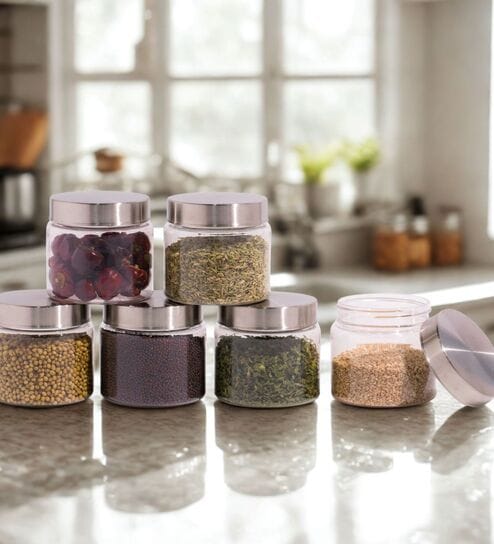
Trasparent & Silver Plastic 200ml Storage Jar
By Market 99
₹819 ₹1,099 (25% off)

New Arrivals
(Set of 3) Tea Sugar Coffee Container (Multicolour)
By Wens
₹499 ₹899 (44% off)

Price Drop Alert
Plastic Brown Sealed Container 1.3 Litre
By Market 99
₹899 ₹1,299 (31% off)
Didn't Find What You Were Looking For? Share your Feedback with Us ->
Plastic Containers: Durable and Safe Storage for Modern Kitchens
Why Are Quality Plastic Containers Essential for Your Kitchen?
An organised pantry makes meal prep faster and far less chaotic. Quality plastic containers keep flour, rice, pulses, and snacks fresh while protecting them from moisture and pests.
They bring order to cluttered shelves, making it simple to spot what you need at a glance. In cramped Indian kitchens, every bit of organised space counts.
At Pepperfry, you can find plastic storage containers in various sizes and styles. From compact spice jars to large cereal boxes, our range suits every storage need.
Pair them with our kitchen organisers for a complete storage solution, or browse our glass containers if you prefer an alternative material. Whatever your kitchen demands, the right containers make daily cooking smoother.
Expert Quote: "If you're someone who likes to keep a back stock of kitchen items, you'll definitely need a system of pantry storage containers." - Architectural Digest |
What Should You Know About Plastic Container Materials and Safety?
Many buyers worry about plastic safety, and rightfully so. The key lies in choosing food-grade containers made from tested materials.
Look for BPA-free certification, which means the plastic won't leach harmful chemicals into your food. Most quality plastic kitchen containers today meet this standard.
Common safe plastics for food storage include:
PP (Polypropylene): Heat-resistant, microwave-safe, and durable for daily use
HDPE (High-Density Polyethylene): Tough, chemical-resistant, ideal for storing liquids
PET (Polyethylene Terephthalate): Clear, lightweight, commonly found in storage jars
Certifications matter when shopping. Check for microwave-safe, freezer-safe, and dishwasher-safe labels based on how you plan to use your containers.
Pepperfry stocks airtight plastic containers from brands that meet strict quality standards, so you can shop with confidence knowing your family's health is protected.
BPA-Free and Food-Grade Certification Explained
BPA (Bisphenol A) is a chemical once common in plastics that can seep into food over time. Food-grade certification confirms a container is safe for direct food contact without any chemical transfer.
For families with young children, this matters even more. When storing hot foods or liquids, always check that your containers carry these certifications. A quick glance at the base usually reveals the recycling code and safety symbols you need.
What Types of Plastic Containers Work Best in Your Kitchen?
Different storage needs call for different container types. Knowing your options helps you pick the right ones for your pantry, fridge, and countertop. Consider what you store most often and how accessible you need those items to be.
"By removing unnecessary packaging, you'll be able to easily see each type of cereal, and the storage containers will add a pop of colour to your now well-organised pantry." - Architectural Digest
Airtight Containers for Freshness and Organisation
Airtight plastic containers use snap-lock or screw-top lids to create a tight seal. This keeps moisture out and freshness in, making them perfect for flour, rice, cereals, and snacks.
Stackable designs save vertical space in cabinets, letting you build upward rather than spreading outward. The secure seal also protects against pests common in humid Indian kitchens. Look for containers with silicone gaskets for the best seal quality.
Storage Jars for Spices, Condiments, and Small Ingredients
Plastic storage jars with clear walls let you see contents instantly. No more opening five jars to find cumin. These work brilliantly for spices, small pulses, and condiments.
Most range from 50ml to 500ml, fitting neatly on countertops or inside cabinet doors. Screw lids or flip-top caps keep contents secure while allowing quick access during cooking.
Multi-compartment containers and meal prep boxes offer additional options for specific uses. Check out our lunch boxes for portioned storage that travels well from home to office.
Quick tip: Before buying, audit your current storage situation. Note what items need new containers and roughly how much space each requires. This prevents overbuying and ensures you get sizes that actually fit your shelves. |
How Do You Choose the Right Set of Plastic Containers?
Buying a plastic container set offers better value than purchasing pieces one at a time.
But not all sets suit every kitchen. Here's what to consider before you buy plastic containers in bulk.
Set composition matters. Check how many pieces come in a set and what sizes are included. Some sets focus on small jars for spices. Others mix large and medium containers for pantry staples like flour and rice. Match the set composition to your actual storage gaps.
Storage efficiency counts. Look for nesting or stackable containers. Nesting means smaller containers fit inside larger ones when empty, saving cabinet space during storage. Stackable designs let you build upward in your pantry rather than spreading items across limited shelf space.
Value calculation helps. Sets typically cost less per piece than buying separately. If you're organising a full pantry from scratch, a comprehensive set makes financial sense.
For filling specific gaps, individual containers offer more flexibility without wasted pieces.
Think about your cooking habits too. Frequent meal preppers benefit from medium containers with secure lids that stack in the fridge. Bulk buyers need larger storage options for monthly supplies.
Choosing between uniform and mixed sets: Uniform sets with same-sized containers create a clean, coordinated look on open shelves. Mixed sets with varying sizes handle diverse storage needs better. Pick based on whether aesthetics or function matter more to you. |
What Capacity Do You Need in Your Plastic Containers?
Size matters when choosing plastic containers. Too small and you'll run out of space inside them. Too large and you waste precious shelf room. Here's a practical breakdown to help you match containers to your storage habits.
Small containers (100ml to 500ml): Ideal for spices, herbs, condiments, and leftover portions. A 250ml container holds roughly a week's worth of commonly used spices for an average household. These tuck easily into cabinet doors or narrow shelf spaces.
Medium containers (500ml to 1.5L): Perfect for cereals, pulses, pasta, and meal prep portions. A 1L container holds approximately 800g to 1kg of rice or dal, making it right for weekly refills. These form the backbone of most organised pantries.
Large containers (1.5L to 3L and above): Suited for bulk staples like flour, sugar, and rice. Families who buy monthly supplies benefit most from these sizes. They need more shelf depth but keep bulk items fresher longer.
Match container sizes to your buying patterns. If you purchase smaller quantities more often, medium plastic containers work well. Monthly bulk shoppers need larger options to keep staples organised and accessible without constant refilling.
Helpful reference: A standard 1kg flour packet fits comfortably in a 1.5 L container, with room to spare for scooping. |
How Should You Care for Your Plastic Containers?
Proper care extends the life of your plastic containers and keeps them hygienic for years of daily use.
Cleaning routine: Wash with warm, soapy water after each use. For stubborn stains or lingering odours, soak overnight in a solution of a tablespoon of baking soda dissolved in water. Rinse thoroughly before reusing. Turmeric stains respond well to sunlight exposure after washing.
Avoiding damage: Skip abrasive scrubbers that scratch surfaces. Scratches harbour bacteria and make stains harder to remove over time. Keep plastic kitchen containers away from direct heat sources unless specifically labelled heat-resistant.
Temperature awareness: Check labels before microwaving or freezing. Not all plastic containers handle extreme temperatures safely. When in doubt, transfer food to microwave-safe dishes before heating.
Replacement signals: Cracks, warping, cloudiness, or persistent odours signal replacement time. Damaged plastic may not seal properly and could affect food safety. Most quality containers last three to five years with proper care.
Responsible disposal: Look for recycling symbols on container bases. Most food-grade plastics are recyclable through local waste programmes. Replace responsibly rather than letting damaged containers linger in your kitchen rotation.
Why Shop for Plastic Containers Online at Pepperfry?
Buying plastic containers online offers advantages that physical stores simply can't match. Here's why thousands of Indian households trust Pepperfry for their kitchen storage needs.
Wider selection: Compare dozens of brands, styles, and sizes in one place rather than visiting multiple shops across town
Detailed information: View exact dimensions, materials, capacity, and certifications before buying, so there are no surprises when your order arrives
Customer reviews: Read real feedback from buyers who've used the products in their own homes
Convenience: Shop anytime from your phone or laptop and receive doorstep delivery across India
Easy returns: If something doesn't meet your expectations, returns are straightforward and hassle-free
Quality assurance: Pepperfry works directly with trusted brands that meet food-safety standards, so you know what you're getting
For commercial buyers or large families, bulk order options provide additional savings.
You can track orders and access customer support throughout the entire purchase process.
Shopping for plastic containers India-wide has never been simpler or more reliable. Browse, compare, and buy plastic containers without leaving your home.
Frequently Asked Questions About Plastic Containers
1. Are plastic containers safe for storing hot food?
Only if labelled heat resistant or microwave safe. Check the container base for symbols before adding hot contents. Food grade PP plastic handles moderate heat well, but always verify before use.
2. How do I know if a container is truly airtight?
Look for containers with silicone seals or locking clips. Close the lid on a piece of paper. If the paper slides out easily, the seal isn't tight enough. Quality airtight plastic containers create an audible click when sealed properly.
3. Can plastic containers go in the microwave?
Only those marked microwave safe. Remove lids before heating to prevent pressure buildup. Containers without proper certification may warp or release chemicals when exposed to high temperatures.
4. What's better for kitchen storage: plastic or glass?
Both have merits. Plastic is lighter, shatter proof, and often more affordable. Glass containers don't stain or absorb odours and look elegant on display. Choose based on your priorities and how you plan to use them.
5. How long do plastic storage jars typically last?
With proper care, quality plastic containers last three to five years. Replace them sooner if you notice cracks, warping, or persistent odours that cleaning doesn't remove.
6. Are your plastic containers dishwasher safe?
Many are, but always check product specifications before washing. Top rack placement is usually safer as bottom racks get more intense heat during the wash cycle.
Plastics Containers Price List
- Product List
- PRICE
This data was last updated on 2026/09/21
 FurnitureSofas, Sectional Sofas, Sofa Cum Beds, Chaise Loungers, Bean Bags, Recliners, Sofa Chairs, Settees & Benches, Ottomans, Chairs, Gaming Chairs, Stools & Pouffes, Shoe Racks, Centre Tables, Side Tables, TV & Media Units, Cabinets & Sideboards, Book Shelves, Book Cases, Dining Sets, Dining Chairs, Dining Tables, Crockery Units, Bar Furniture, Beds, Bedside Tables, Trunks, Chest of Drawers, Dressing Tables, Screens and Dividers, Wardrobes, Kids and Teens, Study Tables, Office Furniture, Home Temples, Wall Shelves and Cabinets, Outdoor, Massagers, Furniture Care
- Sofas
- Sectional Sofas
- Sofa Cum Beds
- Chaise Loungers
- Bean Bags
- Recliners
- Sofa Chairs
- Settees & Benches
- Ottomans
- Chairs
- Gaming Chairs
- Stools & Pouffes
- Shoe Racks
- Centre Tables
- Side Tables
- TV & Media Units
- Cabinets & Sideboards
- Book Shelves
- Book Cases
- Dining Sets
- Dining Chairs
- Dining Tables
- Crockery Units
- Bar Furniture
- Beds
- Bedside Tables
- Trunks
- Chest of Drawers
- Dressing Tables
- Screens and Dividers
- Wardrobes
- Kids and Teens
- Study Tables
- Office Furniture
- Home Temples
- Wall Shelves and Cabinets
- Outdoor
- Massagers
- Furniture Care
 Sofas & SeatingSofas, Sofa Sets, Sectional Sofas, Sofa Cum Beds, Recliners, Recliner Sets, Chaise Loungers, Sofa Chairs, Bean Bags, Accent Chairs, Office Chairs, Gaming Chairs, Dining Chairs, Bar Seating, Settees & Benches, Ottomans, Stools & Pouffes, Outdoor Seating, Furniture Care, Top Collections, Top Brands
- Sofas
- Sofa Sets
- Sectional Sofas
- Sofa Cum Beds
- Recliners
- Recliner Sets
- Chaise Loungers
- Sofa Chairs
- Bean Bags
- Accent Chairs
- Office Chairs
- Gaming Chairs
- Dining Chairs
- Bar Seating
- Settees & Benches
- Ottomans
- Stools & Pouffes
- Outdoor Seating
- Furniture Care
- Top Collections
- Top Brands
 MattressesKing Size Mattresses, Queen Size Mattresses, Single Size Mattresses, Foldable Mattresses, Crib Mattresses, Mattress Protectors, Mattress Toppers, Pillows, Mattresses By Feature, Top Brands
- King Size Mattresses
- Queen Size Mattresses
- Single Size Mattresses
- Foldable Mattresses
- Crib Mattresses
- Mattress Protectors
- Mattress Toppers
- Pillows
- Mattresses By Feature
- Top Brands
 Home DecorVases, Figurines, Collectibles, Showpieces, Home Utility, Table Decor, Kids Decor, Photo Frames, Candles, Candle Stands, Decor Gift Sets, Spiritual, Home Fragrances, Appliances, Prayer Essentials, Artificial Plants & Flowers, Festive Decor, Gardening, Pots and Planters, Outdoor Decor, Wall Hangings, Wall Shelves, Wall Cabinets, Set Top Box Holders, Key Holders, Jharokhas, Screens & Dividers, Wall Decor, Wall Art and Paintings, Wallpapers & Decals, Clocks, Mirrors, Gifting
- Vases
- Figurines
- Collectibles
- Showpieces
- Home Utility
- Table Decor
- Kids Decor
- Photo Frames
- Candles
- Candle Stands
- Decor Gift Sets
- Spiritual
- Home Fragrances
- Appliances
- Prayer Essentials
- Artificial Plants & Flowers
- Festive Decor
- Gardening
- Pots and Planters
- Outdoor Decor
- Wall Hangings
- Wall Shelves
- Wall Cabinets
- Set Top Box Holders
- Key Holders
- Jharokhas
- Screens & Dividers
- Wall Decor
- Wall Art and Paintings
- Wallpapers & Decals
- Clocks
- Mirrors
- Gifting
 FurnishingsBed Sheets, Blankets & Quilts, Bath Linen, Bed Linen, Curtains, Curtain Accessories, Laundry Baskets, Mosquito Nets, Furnishing Gift Sets, Cushions & Covers, Sofa Covers & Throws, Chair Covers & Pads, Carpets, Dhurries, Runners, Door Mats, Bath Mats, Prayer Mats, Picnic Mats, Yoga Mats, Kids Furnishings, Pet Furnishings, Top Brands
- Bed Sheets
- Blankets & Quilts
- Bath Linen
- Bed Linen
- Curtains
- Curtain Accessories
- Laundry Baskets
- Mosquito Nets
- Furnishing Gift Sets
- Cushions & Covers
- Sofa Covers & Throws
- Chair Covers & Pads
- Carpets
- Dhurries
- Runners
- Door Mats
- Bath Mats
- Prayer Mats
- Picnic Mats
- Yoga Mats
- Kids Furnishings
- Bed Sheets
- Carpets & Mats
- Kids Blankets and Comforters
- Pillows and Covers
- Cushion Covers
- Towels
- Bedding Sets
- Curtains
- Baby Mats
- Pet Furnishings
- Top Brands
 Lamps & LightingFloor Lamps, Shelf Floor Lamps, Table Lamps, Night Lamps, Work and Study Lamps, Lamp Shades, Kids Lamps, Ceiling Lights, Wall Lights, Smart Lights, Outdoor Lights, Decorative Lights, Emergency Lights, Bulbs, Top Brands
- Floor Lamps
- Shelf Floor Lamps
- Table Lamps
- Night Lamps
- Work and Study Lamps
- Lamp Shades
- Kids Lamps
- Ceiling Lights
- Wall Lights
- Smart Lights
- Outdoor Lights
- Decorative Lights
- Emergency Lights
- Bulbs
- Top Brands
 Kitchen & DiningServeware, Jugs, Bakeware, Dinnerware, Cookware, Cooking Tools, Drinkware, Bottles, Flasks, Sippers, Barware, Teaware, Knives & Cutlery, Table Essentials, Jars and Containers, Kitchen Organizers, Lunch Boxes, Kids Kitchenware & Tableware, Gift Sets, Kitchen Linen, Table Linen, Kitchen Appliances, Top Brands
- Serveware
- Serving Bowls
- Casseroles
- Butter Dishes
- Serving Trays
- Tray Sets
- Appetizer Platters
- Cheese Boards
- Cake Stands
- Cloche
- Jugs
- Bakeware
- Dinnerware
- Cookware
- Cooking Tools
- Spatulas, Ladles and Tongs
- Knives and Choppers
- Chopping Boards
- Rolling Pins and Boards
- Strainers and Whisks
- Cooking Preparation Tools
- Drinkware
- Bottles
- Flasks
- Sippers
- Barware
- Barware Sets
- Bar Tools
- Ash Trays
- Wine Holders & Coolers
- Carafes and Decanters
- Dispensers
- Ice Buckets & Moulds
- Teaware
- Knives & Cutlery
- Table Essentials
- Jars and Containers
- Kitchen Organizers
- Lunch Boxes
- Kids Kitchenware & Tableware
- Gift Sets
- Kitchen Linen
- Table Linen
- Kitchen Appliances
- Top Brands
 LuxuryLiving Room, Bedroom, Dining Room, Home Office
 Modular