Sign Up & Get Rs.5,000 OFF On Your First Purchase




Jharokhas
Jharokhas are ornate window-style frames that bring Rajasthani palace charm to modern Indian homes. These hand-carved pieces work beautifully as standalone wall decor or as decorative surrounds for mirrors. At Pepperfry, you can find jharokhas in solid wood and metal, with finishes ranging from antique gold to distressed paint. Each piece features intricate carvings, jali lattice patterns, and traditional motifs that add heritage appeal to any room.
More




Mango Wood Jharokha in Red
₹617₹98938%

Mdf Set of 3 Wall Hanging Carving Frames in Multi Colour
₹2,499₹4,01938%

Oddies Solid Wood Jharokha in Brown
₹1,139₹1,81937%

(Set Of 2) Pink and Yellow Mirror Jharokhas
₹449₹89950%
Filter By More Filters
Sort By
Showing 41-80 of 93 options inJharokhas

2 Pcs Women Wooden Big-Jharokhas Hanging
By Suveharts
₹549 ₹1,499 (63% off)

Price Drop Alert
Handcrafted Brown Jharokha with Mirror Work
By Miraayaa
₹3,199 ₹5,499 (42% off)
EMI starting from ₹154/month

Price Drop Alert
2 Pcs Buddha Wooden Big-Jharokhas Hanging
By Suveharts
₹649 ₹1,399 (54% off)

Price Drop Alert
Royal Blue Aesthetic Rajasthani Jharokha
By Artociti
₹3,099 ₹4,699 (34% off)
EMI starting from ₹149/month
Price Drop Alert
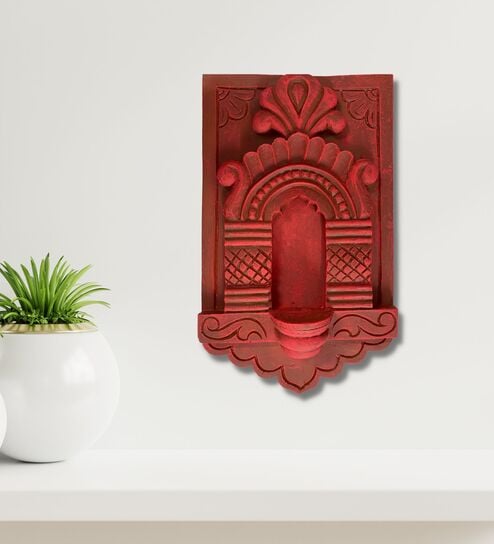
Red Rajasthani Jharokha Wall Art Decor
By Artociti
₹2,199 ₹3,299 (33% off)

Mdf Wall Hanging Carving Frame in Red
By Craft Tree
₹899 ₹1,399 (36% off)

2 Pcs Buddha Wooden Big-Jharokhas Hanging
By Suveharts
₹699 ₹1,499 (53% off)

Price Drop Alert
Mdf Handpainted Rectangle Green Colour Frame
By Craft Tree
₹799 ₹1,249 (36% off)

Price Drop Alert
Solid Wood Elephant Jharokha in Rich Golden Colour in Height 24''
By Craft Tree
₹2,799 ₹4,769 (41% off)

Price Drop Alert
Solid Wood Jharokha In Pink Colour
By Craft Tree
₹759 ₹1,299 (42% off)

Price Drop Alert
Pink Aesthetic Rajasthani Jharokha
By Artociti
₹1,199 ₹1,899 (37% off)
New Arrivals
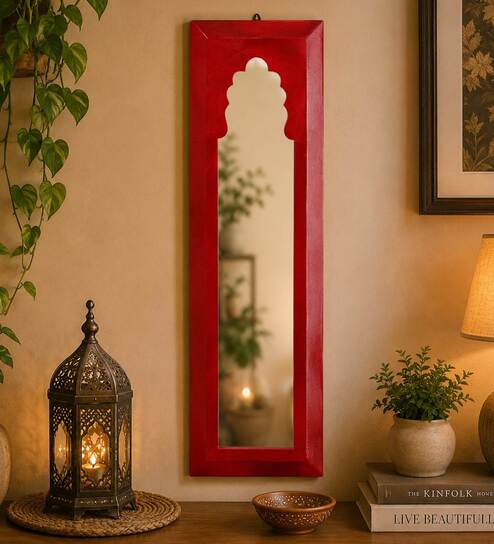
MDF Handpained Rajasthani 7*25 Jharokha Frame in Red Color
By Desert Art
₹689 ₹1,149 (40% off)

Price Drop Alert
2 Pcs Lady Wooden Big-Jharokhas Hanging
By Suveharts
₹649 ₹1,399 (54% off)

Price Drop Alert
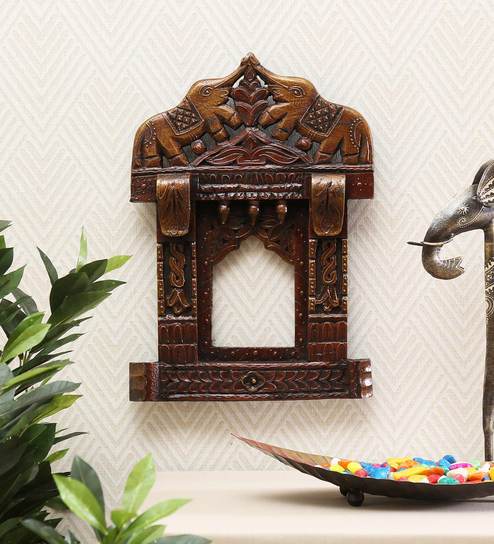
Engineered Wood Copper Finish Hand carved (Handpainted) Jharokha
By Craft Tree
₹1,099 ₹1,889 (42% off)
Price Drop Alert
Brown Solid Wood Jharokha
By Craft Tree
₹1,399 ₹2,489 (44% off)

Price Drop Alert
2 Pcs Radhe Krishna Wooden Big-Jharokhas Hanging
By Suveharts
₹549 ₹1,399 (61% off)

Price Drop Alert
Colorful aesthetic Rajasthani Jharokha
By Artociti
₹1,234 ₹1,899 (35% off)
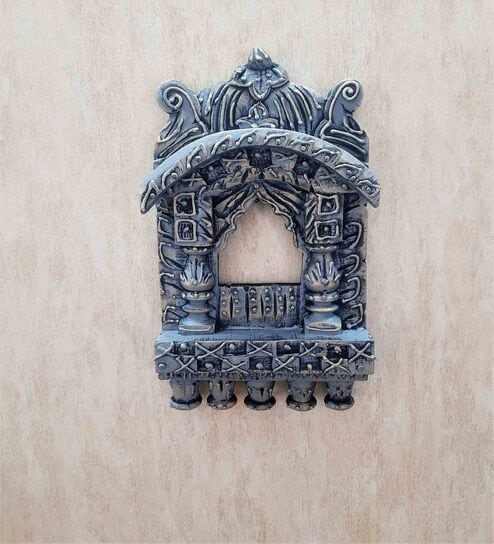
Multicolour Wood Jharoka
By Disoo Fashions
₹1,099 ₹4,999 (78% off)

Price Drop Alert
Purple Aesthetic Rajasthani Jharokha
By Artociti
₹1,199 ₹1,899 (37% off)
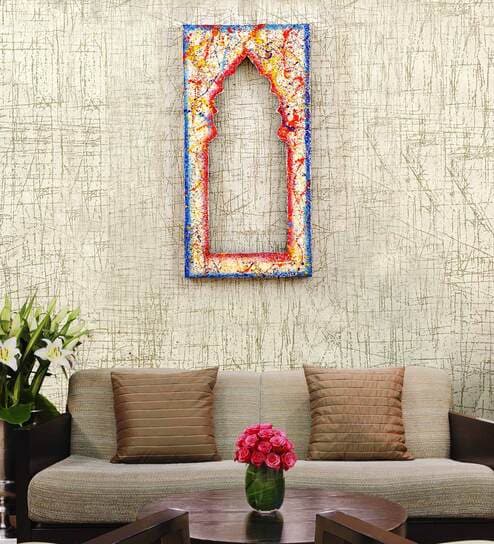
Price Drop Alert
Mdf Handpainted Rectangle White Colour Frame
By Craft Tree
₹899 ₹1,719 (48% off)

Price Drop Alert
(Set of 3) Rajasthani Traditional Handmade Jharokha
By Miraayaa
₹3,752 ₹6,299 (40% off)
EMI starting from ₹181/month

Price Drop Alert
Green And Yellow Aesthetic Rajasthani Jharokha
By Artociti
₹4,699 ₹7,099 (34% off)
EMI starting from ₹226/month

Multicolour Wood (Set of 3) Jharokas
By Disoo Fashions
₹2,699 ₹4,999 (46% off)
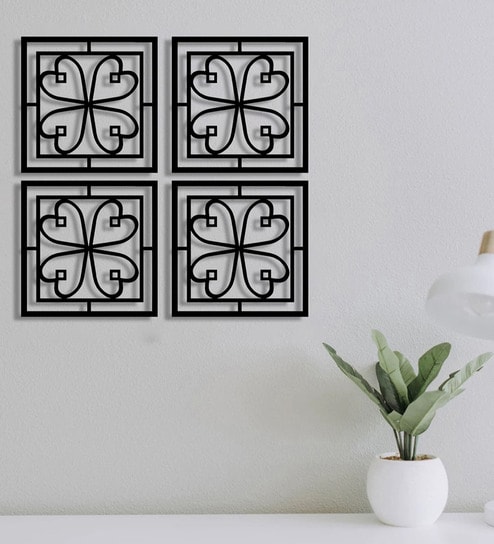
Floral Black MDF Jharokha
By Art Street
₹299 ₹599 (50% off)

Price Drop Alert
(Set of 3) Mirrorwork Rajasthani Traditional Handmade Jharokha
By Miraayaa
₹3,599 ₹6,299 (43% off)
EMI starting from ₹173/month

Price Drop Alert
(Set of 3) Purple and Pink Rajasthani Traditional Handmade Jharokha
By Miraayaa
₹3,599 ₹6,299 (43% off)
EMI starting from ₹173/month

Price Drop Alert
(Set of 3) Pink and Yellow Rajasthani Traditional Handmade Jharokha
By Miraayaa
₹3,599 ₹6,299 (43% off)
EMI starting from ₹173/month

Price Drop Alert
(Set of 3) Mirrorwork Rajasthani Traditional Handmade Jharokha
By Miraayaa
₹1,709 ₹3,099 (45% off)

Price Drop Alert
Handcrafted LED Backlit Wall Jharokha with Peacock Mirror Art
By Miraayaa
₹3,399 ₹6,099 (44% off)
EMI starting from ₹164/month
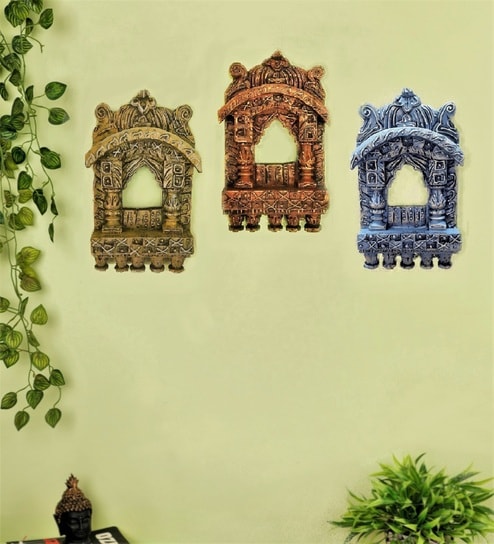
Multicolour Wood (Set of 3) Jharokas
By Disoo Fashions
₹2,699 ₹4,999 (46% off)

Price Drop Alert
(Set of 3) Peacock & Ganesha Rajasthani Traditional Handmade Jharokha
By Miraayaa
₹1,599 ₹3,099 (48% off)

Price Drop Alert
(Set of 3) Purple Rajasthani Traditional Handmade Jharokha
By Miraayaa
₹1,599 ₹3,099 (48% off)

Price Drop Alert
Pink Rajasthani Traditional Jharokha
By Miraayaa
₹1,399 ₹2,499 (44% off)

Price Drop Alert
Pink Ganesha Rajasthani Traditional Jharokha
By Miraayaa
₹1,399 ₹2,499 (44% off)

Price Drop Alert
(Set of 3) Pink Rajasthani Traditional Handmade Jharokha
By Miraayaa
₹1,599 ₹3,099 (48% off)

Price Drop Alert
(Set of 3) Pink and Green Rajasthani Traditional Handmade Jharokha
By Miraayaa
₹1,599 ₹3,099 (48% off)
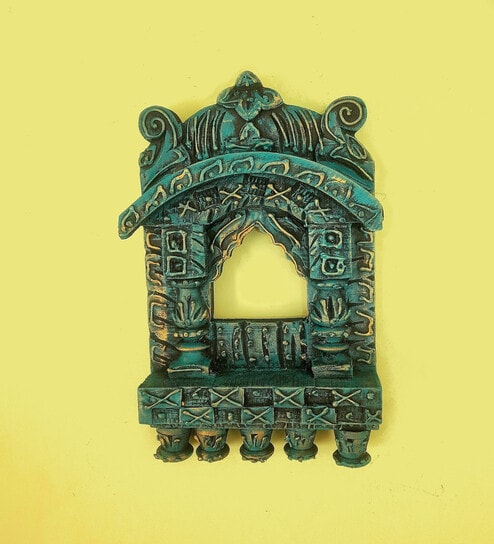
Multicolour Wood Jharoka
By Disoo Fashions
₹1,099 ₹4,999 (78% off)

Price Drop Alert
Purple Mirror Work Rajasthani Traditional Jharokha
By Miraayaa
₹1,399 ₹2,499 (44% off)

Price Drop Alert
Blue Rajasthani Traditional Jharokha
By Miraayaa
₹1,399 ₹2,499 (44% off)

Price Drop Alert
Green Lotus Rajasthani Traditional Jharokha
By Miraayaa
₹1,399 ₹2,499 (44% off)
Didn't Find What You Were Looking For? Share your Feedback with Us ->
Jharokhas - Handcrafted Window Frames for Walls and Mirrors
Jharokhas carry centuries of Indian heritage in their carved frames. These beautiful window designs once adorned royal palaces and havelis across Rajasthan. They served as elegant lookout points where residents could watch street life while staying hidden behind delicate lattice screens. The arched silhouettes, intricate carvings, and jali patterns made them architectural treasures that blended beauty with purpose.
Today, skilled artisans recreate these heritage designs for modern homes. At Pepperfry, one of India's leading online furniture destinations, you can browse a curated collection of jharokhas in wood and metal.
From traditional Rajasthani pieces with peacock motifs to contemporary versions with cleaner lines, there is something for every decorating style. These frames transform plain walls into conversation starters that reflect your love for Indian craftsmanship. You will find options ranging from purely decorative wall art to functional mirror frames, each bringing its own character to your living space.
How Can a Jharokha Work as Wall Decor or a Mirror Frame?
A jharokha is a traditional carved frame inspired by Rajasthani window architecture. The word itself means - a place to look out from in Hindi. Historically, these ornate windows were set in palace walls, allowing royal women to observe festivals and processions while remaining unseen behind intricate lattice screens. The carvings, arched shapes, and jali patterns made them both practical and stunningly beautiful.
Modern artisans now recreate these heritage designs for contemporary homes. Crafted from solid wood or metal, today's jharokhas serve two main purposes: as pure wall decor or as decorative frames that surround mirrors.
Jharokha Wall Decor
As standalone pieces, jharokhas add instant heritage charm to any room. The carved frames often feature traditional motifs: peacocks, elephants, florals, paisleys, and geometric patterns drawn from Mughal and Rajasthani art traditions.
Some designs include small double doors that swing open, adding a playful interactive element. Others feature flower bed sections where you can place small plants or decorative items.
You can hang jharokha wall decor above a console table, in a living room, or as the centrepiece of a gallery wall. Larger pieces make bold statements on their own. Smaller frames work well in groups of two or three for a coordinated effect.
Common finishes for jharokha wall decor include:
Antique gold: Adds palace-like richness to formal settings
Distressed wood: Creates a warm, rustic, vintage atmosphere
Hand-painted colours: Brings folk art vibrancy with storytelling details
Natural wood grain: Suits earthy, minimal interiors perfectly
Whitewashed finishes: Feel fresh, working well in coastal or modern spaces
The real beauty of jharokha wall decor lies in its depth. Unlike flat paintings or prints, these three-dimensional frames cast shadows and create visual interest throughout the day. Morning sunlight hits the carvings differently than evening lamplight, giving the piece an ever-changing quality that keeps it interesting. The texture invites touch, and the craftsmanship rewards close inspection.
Jharokha Mirror Frames
Pairing a jharokha frame with a mirror adds both style and function. The ornate carving surrounds the glass, transforming an ordinary mirror into a striking statement piece.
This pairing works especially well in certain spaces:
Entryways and foyers: A jharokha mirror creates a grand first impression and gives you a spot to check your look before stepping out
Powder rooms: The intimate scale suits decorative mirrors beautifully
Living rooms: Hung above a fireplace mantel or sideboard, a jharokha mirror becomes an instant focal point
Bedrooms: Positioned above a dresser, it adds both function and visual warmth
You can find jharokha mirrors in warm brown wood tones, crisp white finishes, and metallic accents like gold and antique copper. The frame handles the decorative work, so the mirror glass stays clean and elegant.
Styling Tip: Position a jharokha mirror opposite a window. Reflected natural light brightens your room while the carved frame adds texture and character throughout the day.
Browse both jharokha wall decor and jharokha mirror options in Pepperfry's home decor collection. Filter by style, finish, and size to find the perfect piece for your walls.
Converting a hand-carved jharokha frame into a wall mirror instantly adds depth and romantic moodiness to a foyer or powder room. The arched jali (lattice) work frames the glass, bouncing ambient light while adding intricate shadow play across surrounding surfaces. - Elle Decor India
Which Jharokha Frame Style Suits Your Space?
Jharokha frames come in several style variations. Understanding these helps you pick the right piece for your room's character and size.
Single-Panel vs Multi-Panel Sets
A single-panel jharokha frame makes a bold, standalone statement. These work well as the central piece in a room, drawing the eye immediately.
Choose a larger single panel for living rooms or entryways where you want one dramatic focal point. Single panels typically measure between 45 cm and 90 cm in width, though larger options exist for spacious walls.
Multi-panel sets, usually two or three matching frames, create a coordinated look. You can hang them side by side for symmetry or space them along a wall for a gallery effect. They work nicely in dining areas, hallways, or above bedroom headboards. Sets offer flexibility in arrangement, letting you adjust spacing based on your wall dimensions and personal preference.
Carved Wood vs Metal Jali Designs
Most traditional jharokhas feature hand-carved wood. Sheesham, mango wood, and reclaimed timber are popular choices. The natural grain and warmth of wood carvings suit traditional, bohemian, and rustic interiors. Wooden pieces tend to have more intricate detailing and a substantial presence on the wall.
Metal jharokha frames, often crafted from iron or brass, offer a different aesthetic. The jali lattice patterns in metal feel lighter and more contemporary. They suit modern industrial spaces or homes that blend traditional motifs with sleek finishes. Metal frames also tend to be lighter in weight, making them easier to hang and reposition.
Smart Placement for Maximum Impact
Where you place your jharokha frame matters as much as the style you choose. The right backdrop and positioning can make the difference between a piece that fades into the background and one that commands attention.
Consider these placement options for your jharokha frame:
Above a console table: Pair with brass figurines, candles, or potted plants for a curated vignette
In an entryway: Set the tone for your home right at the front door
As part of a gallery wall: Mix with other traditional decor like brass plates, textile art, and smaller mirrors
Over a sofa or bed: Use a wide jharokha frame as a striking alternative to conventional wall art
Placement Rule: Give your jharokha frame breathing room. These pieces have presence and deserve space to shine. Avoid cramming them into cluttered corners or hanging them too close to competing decor. Let the carved details speak for themselves.
To make a dark wood jharokha pop, position it against a contrasting wall. Distressed teak and walnut jharokhas stand out beautifully on deep jewel-toned backdrop walls like royal blue, terracotta, or emerald green. Conversely, brightly painted distress-finish jharokhas look best on muted ivory or beige surfaces. - Beautiful Homes
Frequently Asked Questions (FAQs)
1. Is a jharokha purely decorative or does it include a mirror?
It can be either. Some jharokhas are purely decorative wall frames with intricate carvings and no glass. Others are designed as mirror frames, with the ornate carving surrounding a functional mirror. At Pepperfry, you can filter by variant to find exactly the type you prefer for your space.
2. What materials are jharokhas typically made from?
Most jharokhas are crafted from solid wood like sheesham, mango wood, or engineered wood with decorative overlays. You can also find metal options in iron or brass, featuring jali lattice patterns. Finishes range from natural wood grain to painted, distressed, or gold leafed surfaces that suit various decorating styles.
3. How heavy are these pieces and what mounting is required?
Weight varies by size and material. A small wooden jharokha may weigh 2 to 3 kg, while larger carved pieces can reach 8 to 10 kg or more. Most come with wall mounting hardware included. For heavier pieces, use appropriate wall anchors and ensure secure fitting to support the weight properly.
4. Can a jharokha be used outdoors or is it for indoor decor only?
Jharokhas are designed for indoor use. Wood and painted finishes are not weatherproof and will deteriorate if exposed to rain, humidity, or direct sunlight over extended periods. Keep them in covered, climate controlled spaces to ensure longevity and preserve the finish quality.
5. What warranty covers the finish and carving?
Warranty terms vary by seller and product. Most jharokhas on Pepperfry come with a standard warranty covering manufacturing defects in materials and workmanship. Check individual product pages for specific warranty details and terms before placing your order to understand what protection you receive.
6. Do multi panel sets need to be installed together or can they be spaced apart?
You can install multi panel jharokha sets however you like. Hang them close together for a cohesive, unified look, or space them apart along a wall for a gallery style arrangement. The flexibility is entirely yours based on your wall space and design preference.
 FurnitureSofas, Sectional Sofas, Sofa Cum Beds, Chaise Loungers, Bean Bags, Recliners, Sofa Chairs, Settees & Benches, Ottomans, Chairs, Gaming Chairs, Stools & Pouffes, Shoe Racks, Centre Tables, Side Tables, TV & Media Units, Cabinets & Sideboards, Book Shelves, Book Cases, Dining Sets, Dining Chairs, Dining Tables, Crockery Units, Bar Furniture, Beds, Bedside Tables, Trunks, Chest of Drawers, Dressing Tables, Screens and Dividers, Wardrobes, Kids and Teens, Study Tables, Office Furniture, Home Temples, Wall Shelves and Cabinets, Outdoor, Massagers, Furniture Care
- Sofas
- Sectional Sofas
- Sofa Cum Beds
- Chaise Loungers
- Bean Bags
- Recliners
- Sofa Chairs
- Settees & Benches
- Ottomans
- Chairs
- Gaming Chairs
- Stools & Pouffes
- Shoe Racks
- Centre Tables
- Side Tables
- TV & Media Units
- Cabinets & Sideboards
- Book Shelves
- Book Cases
- Dining Sets
- Dining Chairs
- Dining Tables
- Crockery Units
- Bar Furniture
- Beds
- Bedside Tables
- Trunks
- Chest of Drawers
- Dressing Tables
- Screens and Dividers
- Wardrobes
- Kids and Teens
- Study Tables
- Office Furniture
- Home Temples
- Wall Shelves and Cabinets
- Outdoor
- Massagers
- Furniture Care
 Sofas & SeatingSofas, Sofa Sets, Sectional Sofas, Sofa Cum Beds, Recliners, Recliner Sets, Chaise Loungers, Sofa Chairs, Bean Bags, Accent Chairs, Office Chairs, Gaming Chairs, Dining Chairs, Bar Seating, Settees & Benches, Ottomans, Stools & Pouffes, Outdoor Seating, Furniture Care, Top Collections, Top Brands
- Sofas
- Sofa Sets
- Sectional Sofas
- Sofa Cum Beds
- Recliners
- Recliner Sets
- Chaise Loungers
- Sofa Chairs
- Bean Bags
- Accent Chairs
- Office Chairs
- Gaming Chairs
- Dining Chairs
- Bar Seating
- Settees & Benches
- Ottomans
- Stools & Pouffes
- Outdoor Seating
- Furniture Care
- Top Collections
- Top Brands
 MattressesKing Size Mattresses, Queen Size Mattresses, Single Size Mattresses, Foldable Mattresses, Crib Mattresses, Mattress Protectors, Mattress Toppers, Pillows, Mattresses By Feature, Top Brands
- King Size Mattresses
- Queen Size Mattresses
- Single Size Mattresses
- Foldable Mattresses
- Crib Mattresses
- Mattress Protectors
- Mattress Toppers
- Pillows
- Mattresses By Feature
- Top Brands
 Home DecorVases, Figurines, Collectibles, Showpieces, Home Utility, Table Decor, Kids Decor, Photo Frames, Candles, Candle Stands, Decor Gift Sets, Spiritual, Home Fragrances, Appliances, Prayer Essentials, Artificial Plants & Flowers, Festive Decor, Gardening, Pots and Planters, Outdoor Decor, Wall Hangings, Wall Shelves, Wall Cabinets, Set Top Box Holders, Key Holders, Jharokhas, Screens & Dividers, Wall Decor, Wall Art and Paintings, Wallpapers & Decals, Clocks, Mirrors, Gifting
- Vases
- Figurines
- Collectibles
- Showpieces
- Home Utility
- Table Decor
- Kids Decor
- Photo Frames
- Candles
- Candle Stands
- Decor Gift Sets
- Spiritual
- Home Fragrances
- Appliances
- Prayer Essentials
- Artificial Plants & Flowers
- Festive Decor
- Gardening
- Pots and Planters
- Outdoor Decor
- Wall Hangings
- Wall Shelves
- Wall Cabinets
- Set Top Box Holders
- Key Holders
- Jharokhas
- Screens & Dividers
- Wall Decor
- Wall Art and Paintings
- Wallpapers & Decals
- Clocks
- Mirrors
- Gifting
 FurnishingsBed Sheets, Blankets & Quilts, Bath Linen, Bed Linen, Curtains, Curtain Accessories, Laundry Baskets, Mosquito Nets, Furnishing Gift Sets, Cushions & Covers, Sofa Covers & Throws, Chair Covers & Pads, Carpets, Dhurries, Runners, Door Mats, Bath Mats, Prayer Mats, Picnic Mats, Yoga Mats, Kids Furnishings, Pet Furnishings, Top Brands
- Bed Sheets
- Blankets & Quilts
- Bath Linen
- Bed Linen
- Curtains
- Curtain Accessories
- Laundry Baskets
- Mosquito Nets
- Furnishing Gift Sets
- Cushions & Covers
- Sofa Covers & Throws
- Chair Covers & Pads
- Carpets
- Dhurries
- Runners
- Door Mats
- Bath Mats
- Prayer Mats
- Picnic Mats
- Yoga Mats
- Kids Furnishings
- Bed Sheets
- Carpets & Mats
- Kids Blankets and Comforters
- Pillows and Covers
- Cushion Covers
- Towels
- Bedding Sets
- Curtains
- Baby Mats
- Pet Furnishings
- Top Brands
 Lamps & LightingFloor Lamps, Shelf Floor Lamps, Table Lamps, Night Lamps, Work and Study Lamps, Lamp Shades, Kids Lamps, Ceiling Lights, Wall Lights, Smart Lights, Outdoor Lights, Decorative Lights, Emergency Lights, Bulbs, Top Brands
- Floor Lamps
- Shelf Floor Lamps
- Table Lamps
- Night Lamps
- Work and Study Lamps
- Lamp Shades
- Kids Lamps
- Ceiling Lights
- Wall Lights
- Smart Lights
- Outdoor Lights
- Decorative Lights
- Emergency Lights
- Bulbs
- Top Brands
 Kitchen & DiningServeware, Jugs, Bakeware, Dinnerware, Cookware, Cooking Tools, Drinkware, Bottles, Flasks, Sippers, Barware, Teaware, Knives & Cutlery, Table Essentials, Jars and Containers, Kitchen Organizers, Lunch Boxes, Kids Kitchenware & Tableware, Gift Sets, Kitchen Linen, Table Linen, Kitchen Appliances, Top Brands
- Serveware
- Serving Bowls
- Casseroles
- Butter Dishes
- Serving Trays
- Tray Sets
- Appetizer Platters
- Cheese Boards
- Cake Stands
- Cloche
- Jugs
- Bakeware
- Dinnerware
- Cookware
- Cooking Tools
- Spatulas, Ladles and Tongs
- Knives and Choppers
- Chopping Boards
- Rolling Pins and Boards
- Strainers and Whisks
- Cooking Preparation Tools
- Drinkware
- Bottles
- Flasks
- Sippers
- Barware
- Barware Sets
- Bar Tools
- Ash Trays
- Wine Holders & Coolers
- Carafes and Decanters
- Dispensers
- Ice Buckets & Moulds
- Teaware
- Knives & Cutlery
- Table Essentials
- Jars and Containers
- Kitchen Organizers
- Lunch Boxes
- Kids Kitchenware & Tableware
- Gift Sets
- Kitchen Linen
- Table Linen
- Kitchen Appliances
- Top Brands
 LuxuryLiving Room, Bedroom, Dining Room, Home Office
 Modular