Sign Up & Get Upto Rs. 1,500 off on Your First Purchase!


Frying Pans
Pepperfry brings you a wide selection of frying pans crafted for every cooking style. From non-stick pans for daily meals to cast iron options for high-heat searing, our collection covers all your kitchen needs. Find the right size, material, and features to match your cooktop and cooking habits. Shop online for quality frying pans with fast delivery across India.
More


Filter By More Filters
Sort By
Showing 1-40 of 58 options inFrying Pans


Best Seller
Stainless Steel Wok (Black)
By Hazel
₹691 ₹1,939 (64% off)

1750 ml- 3 mm Hard Anodised Induction Base 22cm Aluminium Frying Pan (Black)
By Hazel
₹750 ₹1,269 (41% off)
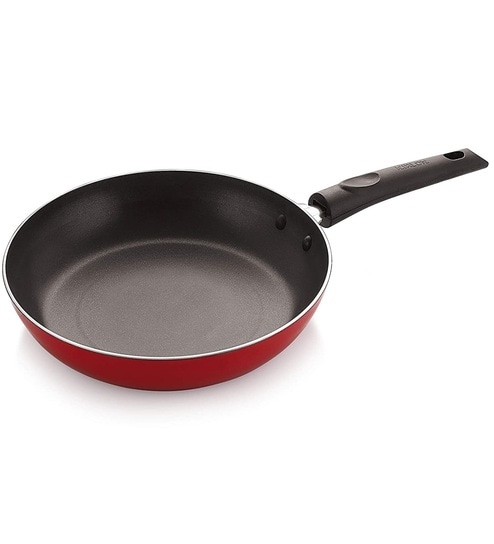
Aluminium 20 cm Non Stick Coating Gas Compatible Mini Frying Pan
By Nirlon
₹469 ₹985 (52% off)
Express Shipping in 1 day
New Arrivals
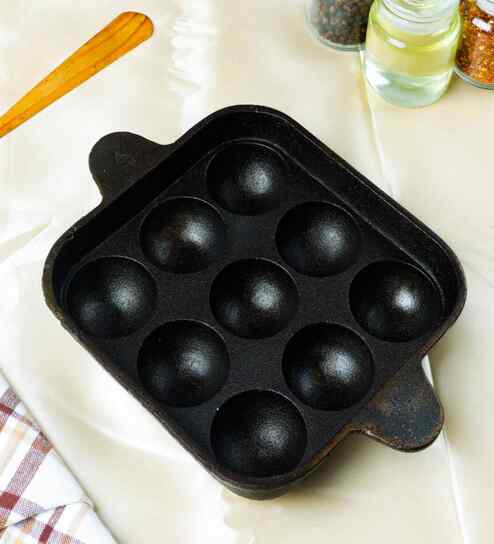
Black Cast Iron Paniyaram Pan Pre-Seasoned with Loop Handle 9 Pit Paddu 1.4kg
By 80s Cookware
₹1,259 ₹1,888 (33% off)
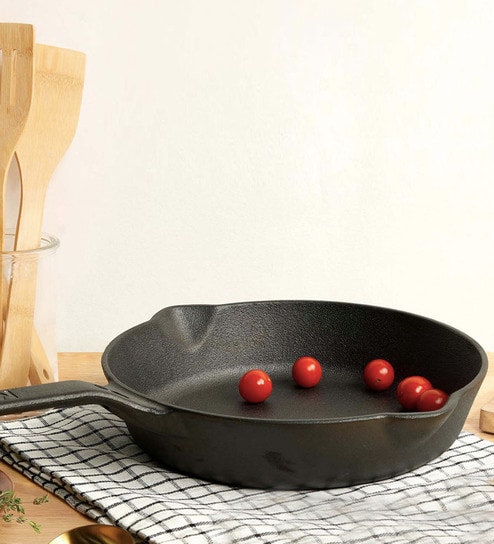
Pre Seasoned Skillet 10.2 Inch Hard Anodised Black Cast Iron Frying Pan
By Meyer
₹2,749 ₹3,375 (19% off)
Best Seller
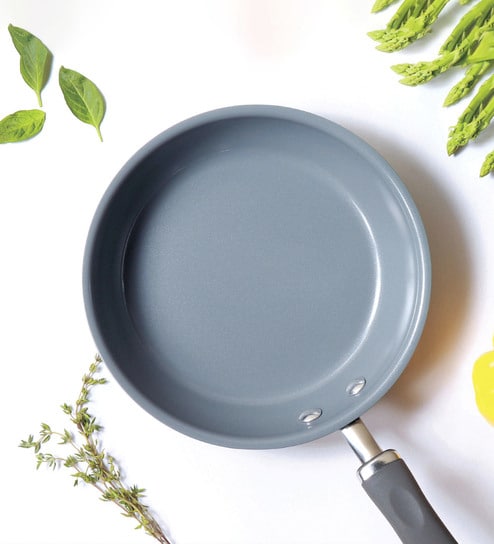
Anzen 11 Inch Ceramic Coated Grey Aluminium Frying Pan
By Meyer
₹2,509 ₹3,245 (23% off)

Anzen 7.9 Inch Ceramic Coated Grey Aluminium Frying Pan
By Meyer
₹1,593 ₹2,175 (27% off)

Trivantage 11 Inch Nickel Free Silver Stainless Steel Frying Pan
By Meyer
₹3,489 ₹4,275 (18% off)
EMI starting from ₹168/month
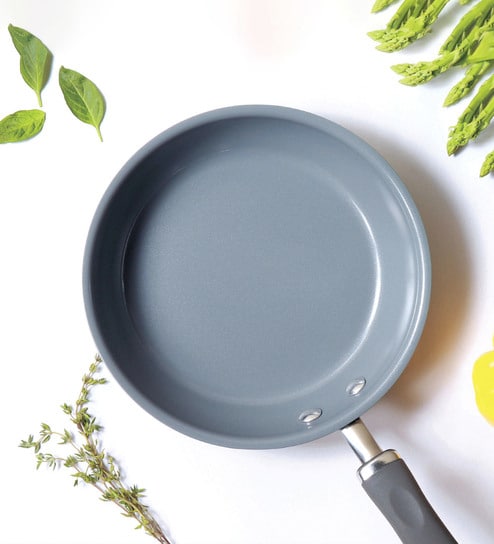
Anzen 10.2 Inch Ceramic Coated Grey Aluminium Frying Pan
By Meyer
₹2,309 ₹2,825 (18% off)
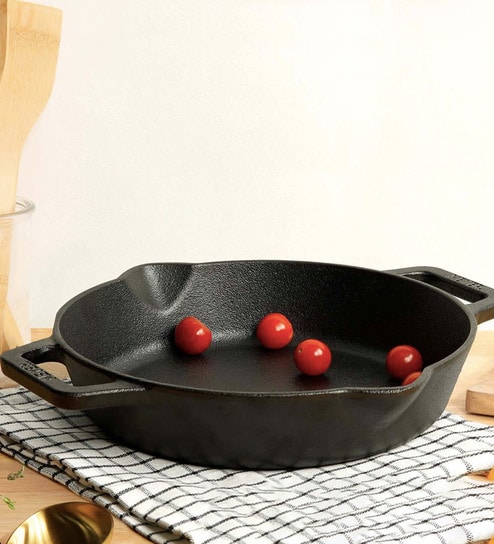
Best Seller
Pre Seasoned Skillet 8.7 Inch Hard Anodised Black Cast Iron Frying Pan
By Meyer
₹2,179 ₹2,675 (19% off)
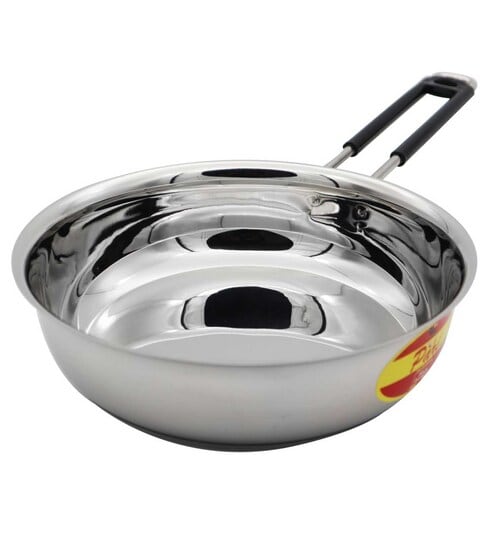
Best Seller
Ash 16.5 Inch Silver Stainless Steel Frying Pan
By Black Diamond
₹337 ₹451 (25% off)
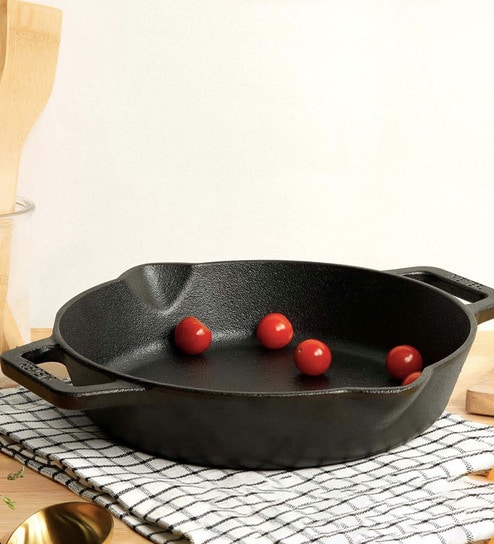
Pre Season Skillet 10.2 Inch Hard Anodised Black Cast Iron Frying Pan
By Meyer
₹2,749 ₹3,375 (19% off)

Price Drop Alert
Stainless Steel Non-Stick Tawa,9.8 Inch
By Dynore
₹463 ₹1,099 (58% off)

Price Drop Alert
Fennell 10.3 Inch Induction Friendly Grey & Black Aluminium Frying Pan with Lid
By Coconut
108-Month Warranty Available
₹1,949 ₹3,399 (43% off)
Price Drop Alert
Cast Iron Non-Stick 24 cm FryPan & 28 cm Grill pan Non Toxic and Coating Free 2 pcs Cookware Set
By Femora
₹2,399 ₹3,850 (38% off)

Price Drop Alert
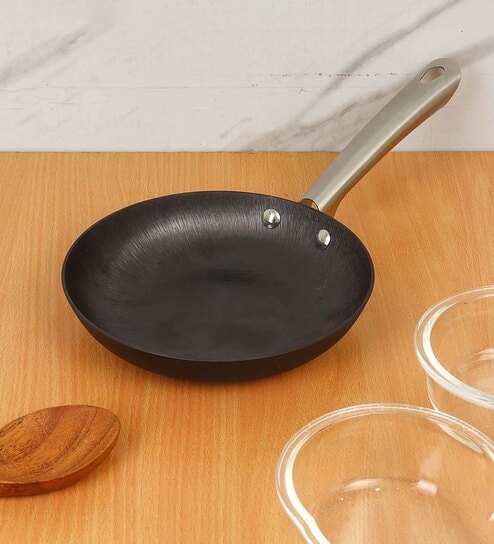
Preseasoned Cast Iron 20 cm Non Toxic and Coating Free FryPan
By Femora
₹899 ₹1,450 (38% off)
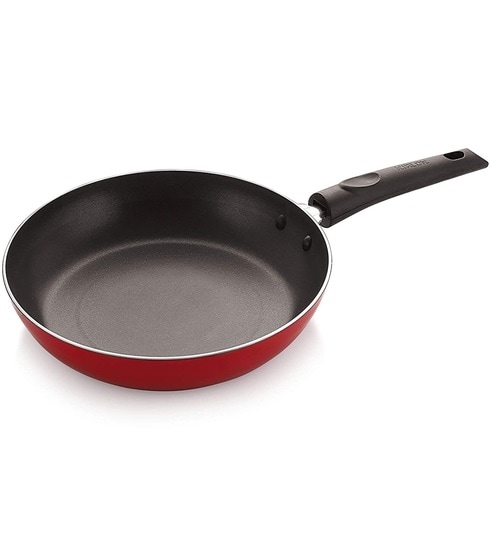
Aluminium 22 cm Non Stick Coating Gas Compatible Mini Frying Pan
By Nirlon
₹499 ₹1,115 (55% off)

Silver Stainless Steel Saute Pan
By Meyer
₹4,469 ₹5,845 (24% off)
EMI starting from ₹215/month
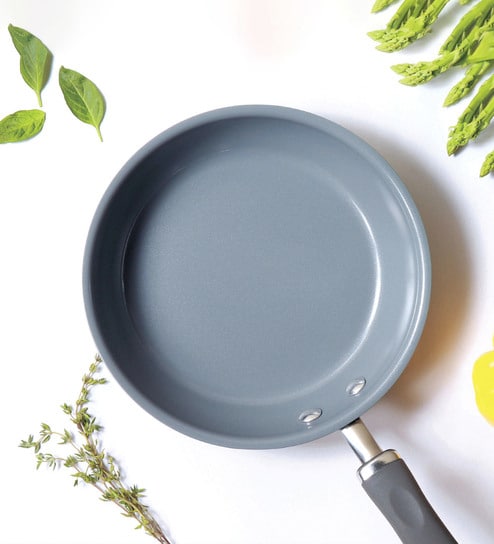
Anzen 9.4 Inch Ceramic Coated Grey Aluminium Frying Pan
By Meyer
₹2,059 ₹2,675 (23% off)

Enamel 10.2 Inch Non- Stick Grey & Black Cast Iron Frying Pan
By Meyer
₹6,749 ₹8,275 (18% off)
EMI starting from ₹325/month
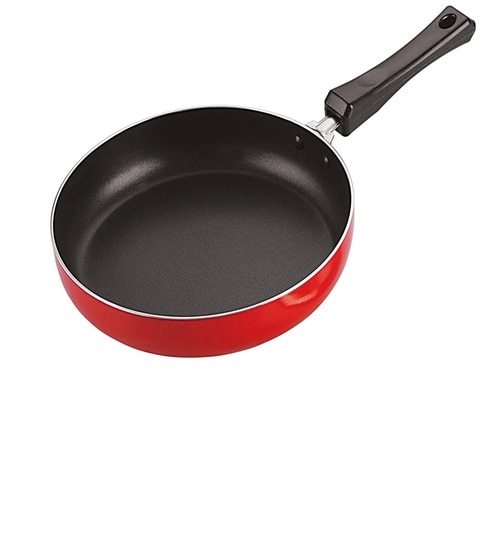
Aluminium 20 cm Non-Stick Virgin Grade PFOA Free LPG Stove Compatible Fray Pan With Bakelite Handle
By Nirlon
₹499 ₹1,145 (56% off)

Price Drop Alert
Ultimate Pro Round 9.5 Inch Non- Stick Black Aluminium Frying Pan
By Zyliss
₹7,940 ₹10,587 (25% off)
EMI starting from ₹382/month
Express Shipping in 1 day

Price Drop Alert
Ultimate Pro 11.4 Inch Induction Friendly Black Aluminium Frying Pan
By Zyliss
₹15,812 ₹21,082 (25% off)
EMI starting from ₹760/month

Price Drop Alert
Ultimate Pro 8 Inch Non- Stick Black Aluminium Frying Pan
By Zyliss
₹8,081 ₹10,775 (25% off)
EMI starting from ₹388/month
Express Shipping in 1 day

New Arrivals
Aluminium 24 cm Non Stick PFOA Free Non-Toxic LPG Stove Compatible Frying Pan with Steel Lid
By Nirlon
₹859 ₹866 (1% off)

Price Drop Alert
Juan 17 Inch Induction Friendly Gold Aluminium Frying Pan
By Green Heirloom
₹7,799 ₹10,999 (29% off)
EMI starting from ₹375/month

Price Drop Alert
Skillet 10.2 Inch Black Cast Iron Frying Pan
By Green Heirloom
₹2,299 ₹3,299 (30% off)

Silver 2.3 Litres Stainless Steel Induction Friendly Fry Pan
By Nirlon
₹1,279 ₹1,979 (35% off)
Express Shipping in 2 days
Price Drop Alert
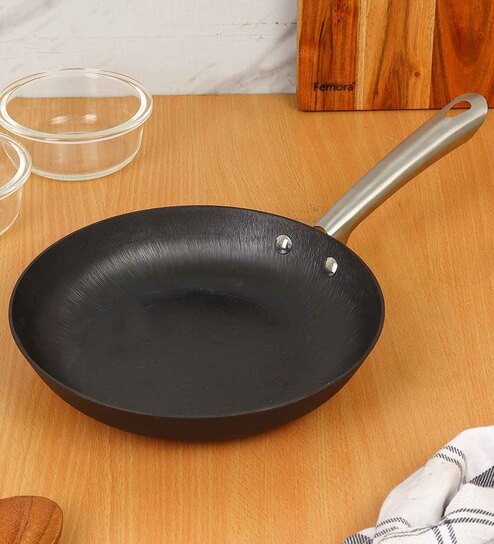
Preseasoned Cast Iron 24 cm Non Toxic and Coating Free FryPan
By Femora
₹1,049 ₹1,650 (36% off)

Price Drop Alert
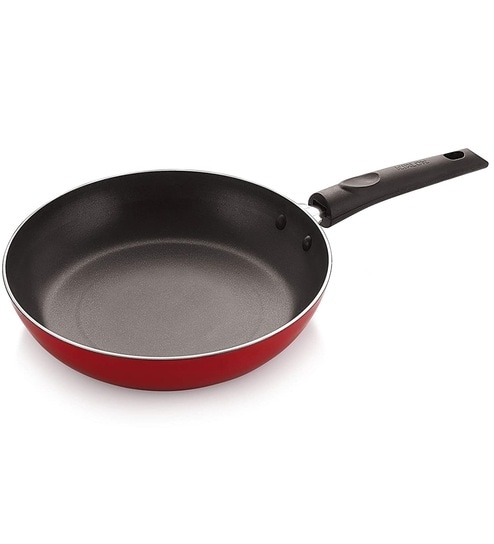
Black 22cm Hard Anodised Gas Stove Compatible Tapper Fry Pan
By Nirlon
₹1,149 ₹1,285 (11% off)
Price Drop Alert
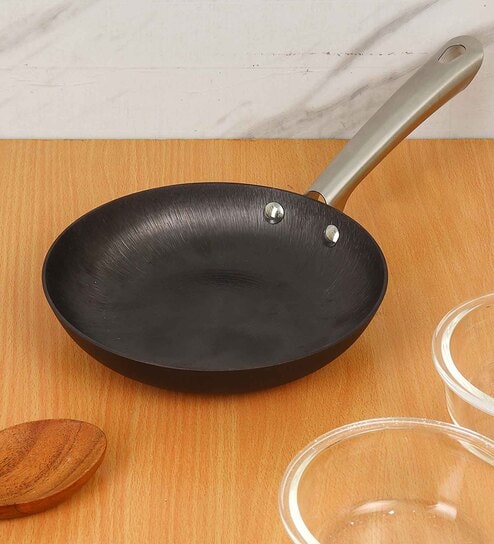
Aluminium 24 cm Non Stick Coating Gas Compatible Mini Frying Pan
By Nirlon
₹619 ₹1,445 (57% off)
Price Drop Alert
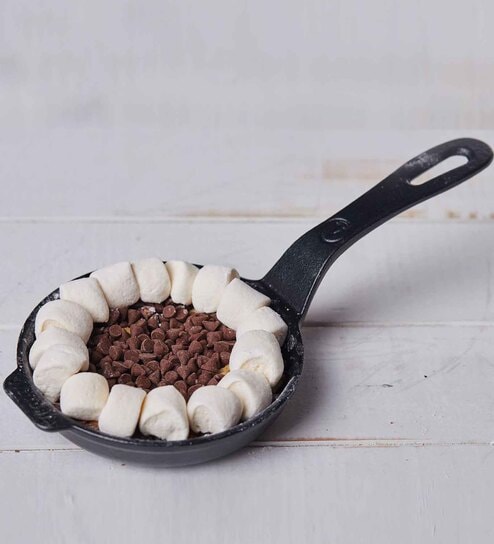
Cast Iron Non-Stick 24 cm & 20 cm Dia Non Toxic and Coating Free Fry Pan
By Femora
₹1,949 ₹3,100 (37% off)
Victoria 4-Inch Cast Iron Skillet, Pre-Seasoned Cast Iron Frying Pan with Long Handle, Made in Colombia
By Victoria
₹2,099

Cast Iron Skillet. Small Frying Pan Seasoned with 100% Kosher Certified
By Victoria
₹2,716

Victoria Cast Iron Skillet Large Frying Pan with Helper Handle Seasoned with 100% Kosher Certified Non-GMO Flaxseed Oil, 12 Inch, Black
By Victoria
₹4,871
EMI starting from ₹234/month

Victoria 10-Inch Cast Iron Skillet, Pre-Seasoned Cast-Iron Frying Pan with Long Handle, Made in Colombia
By Victoria
₹4,215
EMI starting from ₹203/month

Victoria 6.5 Inch Mini Cast Iron Skillet. Small Frying Pan,Seasoned with 100% Kosher Certified Non-GMO Flaxseed Oil (SKL-206)
By Victoria
₹2,435

Best Seller
Storehaus Triply Stainless Steel Non-Stick Honeycomb Frying Pan with Lid, 24 cm, Spatula Friendly, Induction & Gas Safe
By Storehaus
24-Month Warranty Available
₹2,707 ₹4,200 (36% off)

Skillet 10 Inch Hard Anodised Black Cast Iron Frying Pan
By GetKitch.in
₹2,800

Skillet 6 Inch Hard Anodised Black Cast Iron Frying Pan
By GetKitch.in
₹1,850
Didn't Find What You Were Looking For? Share your Feedback with Us ->
Frying Pans: Quality Cookware for Every Indian Kitchen
A good frying pan makes all the difference between a meal that sticks and one that slides right onto your plate. These flat-bottomed workhorses handle everything from morning omelettes to evening stir-fries with ease. At Pepperfry, we stock frying pans in materials and sizes suited to Indian cooking styles. Our range includes non-stick options for quick weekday meals, cast iron pans for dishes that need serious heat, and stainless steel choices for those who prefer restaurant-quality results. Each pan in our collection has been chosen to offer reliable performance on gas stoves and induction cooktops alike. The right frying pan turns cooking from a chore into something you actually look forward to.
Which Frying Pan Material Suits Your Kitchen Best?
The material of your frying pan affects everything from heat distribution to cleaning ease. Before you browse through dozens of options, understanding how each material performs helps narrow your choices quickly.
Non-Stick Frying Pans for Easy Cooking and Cleaning
Non-stick frying pans have earned their place in Indian kitchens for good reason. They let you cook dosas, eggs, and parathas with less oil while the food releases cleanly. Modern non-stick coatings are PFOA-free and safe for everyday use.
These pans work well on both gas burners and induction cooktops when they have a compatible base. The aluminium body heats up fast, saving time and energy during busy mornings.
Care tip: Use wooden or silicone spatulas to protect the coating. Hand-wash with a soft sponge rather than putting them in the dishwasher. |
Non-stick pans do have limits. They should not be used on very high heat as this can damage the coating over time. For heavy-duty frying or searing, other materials work better.
Cast Iron Frying Pans for Superior Heat Retention
Cast iron frying pans hold heat like no other material. Once hot, they stay hot, making them perfect for searing meats or getting a proper char on vegetables. These pans improve with use as the seasoning builds up and creates a natural non-stick surface.
"We no longer hide the utilitarian elements of a kitchen. A beautifully crafted cast-iron frying pan or copper skillet shouldn't be tucked into a dark cabinet. It should be treated like a structural sculpture on an open shelf or a magnetic wall rack, anchoring the visual narrative of a lived-in kitchen." - Ashiesh Shah, Architect & Interior Designer (Architectural Digest India) |
Cast iron works on every heat source including induction. The trade-off is weight. These pans are heavy and need proper seasoning to prevent rust.
Stainless Steel Frying Pans for Professional Cooking
Stainless steel frying pans with tri-ply construction offer even heating across the surface. They handle acidic foods like tomatoes without reacting, which keeps flavours pure. Professional cooks prefer these for their durability and the ability to build fond for pan sauces.
There is a learning curve. Food can stick if the pan is not heated properly before adding oil. Once you master the technique, stainless steel pans last for decades and go straight into the dishwasher.
Material | Heat Distribution | Ease of Cleaning | Durability | Price Range |
Non-Stick | Good | Very Easy | Moderate | Budget to Mid |
Cast Iron | Excellent | Moderate | Very High | Mid to High |
Stainless Steel | Very Good | Easy | Very High | Mid to Premium |
How Do You Choose the Right Frying Pan Size?
Frying pan diameters range from 18cm to 32cm, and the right size depends on what you cook most often. A pan too small leaves you cooking in batches. One too large wastes energy and may not heat evenly on smaller burners.
For single servings or quick egg dishes, a small frying pan of 18cm to 20cm works well. These fit on apartment-sized burners and store easily.
Family cooking calls for 24cm to 28cm pans. This size handles four portions of stir-fry or enough batter for two large dosas at once.
Deep frying pans with higher walls suit Indian cooking styles that involve curries, sauces or one-pot meals. The extra depth prevents splashing and lets you toss ingredients without spilling.
Diameter | Servings | Best For |
18-20cm | 1-2 | Eggs, single portions, reheating |
22-24cm | 2-3 | Everyday cooking, omelettes, pancakes |
26-28cm | 3-4 | Family meals, stir-fries, larger portions |
30-32cm | 4+ | Batch cooking, entertaining |
Kitchen tip: Check your burner size before buying. A pan base that extends too far beyond the flame or coil heats unevenly and wastes energy. |
Does Your Frying Pan Work on Induction Cooktops?
Induction cooktops use magnetic fields to heat cookware directly. This means only pans with a ferromagnetic base will work. Pure aluminium and copper pans will not heat up on induction at all.
Here is a simple test: hold a magnet to the bottom of your pan. If it sticks firmly, the pan will work on induction. Most cast iron and stainless steel pans pass this test. Many non-stick fry pans now come with induction-ready bases marked by a coil symbol underneath.
The good news is that induction-compatible pans also work perfectly on gas stoves. You get cookware that adapts to any kitchen setup.
Induction cooking heats faster and uses less energy than gas. For urban homes where electricity costs matter, this efficiency adds up over time. When shopping for an induction frying pan, look for the compatibility symbol on the base or check the product specifications.
Do You Need a Frying Pan with a Lid?
A lid turns your frying pan into a more flexible cooking tool. Covered cooking traps steam, which helps when you want to:
- Simmer curries or sauces without splatter
- Steam vegetables after a quick sauté
- Cook eggs with perfectly set tops
- Keep food warm while preparing other dishes
Glass lids let you monitor progress without lifting and losing heat. Metal lids seal tighter but block your view. Some lids include steam vents that prevent pressure build-up.
Buying a frying pan with a lid included often costs less than purchasing each piece separately. If you regularly cook one-pan meals or need to cover dishes while cooking, this feature earns its place in your kitchen.
How Should You Care for Your Frying Pan?
Proper care keeps your frying pan performing well for years. Each material needs slightly different attention.
Non-stick pans should be washed by hand with warm water and a soft cloth. Avoid stacking other cookware directly on the surface. Never use metal utensils or abrasive scrubbers. Store with a cloth liner between pans to prevent scratches.
Cast-iron pans need to be dried immediately after washing to prevent rust. Rub a thin layer of cooking oil on the surface after each use. If food sticks, scrub with coarse salt rather than soap. Re-season the pan every few months by coating it with oil and heating it in the oven.
Stainless steel pans are the easiest to maintain. They can go in the dishwasher and handle metal utensils. Remove water spots with a mixture of vinegar and water. For stuck-on food, soak the pan in warm soapy water before scrubbing.
Common mistake to avoid: Never pour cold water into a hot pan. The sudden temperature change can warp the base and damage non-stick coatings. |
Frequently Asked Questions About Frying Pan
1. What size frying pan should I buy first?
A 24cm frying pan handles most everyday cooking tasks. It fits standard burners and cooks enough for two to three people. Start here, then add smaller or larger sizes as needed.
2. Are non stick pans safe for Indian cooking?
Yes, modern non stick pans with PFOA free coatings are safe when used correctly. Keep the heat at medium or below and replace pans when the coating shows wear or peeling.
3. How do I know if a pan works on my induction cooktop?
Check the base for an induction symbol, which looks like a coiled spring. You can also test with a magnet. If the magnet sticks firmly to the pan base, it will work on induction.
4. What is the difference between hard anodised and non stick?
Hard anodised pans have a toughened aluminium surface that resists scratches better than standard non stick. Some hard anodised pans also have a non stick coating on top, combining both benefits.
5. Do frying pans from Pepperfry come with a warranty?
Warranty terms vary by brand and product. Check the product page for specific warranty information. Pepperfry also offers easy returns if you are not satisfied with your purchase.
6. Can I use metal spatulas on stainless steel frying pans?
Yes, stainless steel surfaces handle metal utensils without damage. However, avoid metal tools on non stick and ceramic coated pans to preserve the coating.
 FurnitureSofas, Sectional Sofas, Sofa Cum Beds, Chaise Loungers, Bean Bags, Recliners, Sofa Chairs, Settees & Benches, Ottomans, Chairs, Gaming Chairs, Stools & Pouffes, Shoe Racks, Centre Tables, Side Tables, TV & Media Units, Cabinets & Sideboards, Book Shelves, Book Cases, Dining Sets, Dining Chairs, Dining Tables, Crockery Units, Bar Furniture, Beds, Bedside Tables, Trunks, Chest of Drawers, Dressing Tables, Wardrobes, Kids and Teens, Study Tables, Office Furniture, Outdoor, Massagers, Furniture Care
- Sofas
- Sectional Sofas
- Sofa Cum Beds
- Chaise Loungers
- Bean Bags
- Recliners
- Sofa Chairs
- Settees & Benches
- Ottomans
- Chairs
- Gaming Chairs
- Stools & Pouffes
- Shoe Racks
- Centre Tables
- Side Tables
- TV & Media Units
- Cabinets & Sideboards
- Book Shelves
- Book Cases
- Dining Sets
- Dining Chairs
- Dining Tables
- Crockery Units
- Bar Furniture
- Beds
- Bedside Tables
- Trunks
- Chest of Drawers
- Dressing Tables
- Wardrobes
- Kids and Teens
- Study Tables
- Office Furniture
- Outdoor
- Massagers
- Furniture Care
 Sofas & SeatingSofas, Sofa Sets, Sectional Sofas, Sofa Cum Beds, Recliners, Recliner Sets, Chaise Loungers, Sofa Chairs, Bean Bags, Accent Chairs, Office Chairs, Gaming Chairs, Dining Chairs, Bar Seating, Settees & Benches, Ottomans, Stools & Pouffes, Outdoor Seating, Furniture Care, Top Collections, Top Brands
- Sofas
- Sofa Sets
- Sectional Sofas
- Sofa Cum Beds
- Recliners
- Recliner Sets
- Chaise Loungers
- Sofa Chairs
- Bean Bags
- Accent Chairs
- Office Chairs
- Gaming Chairs
- Dining Chairs
- Bar Seating
- Settees & Benches
- Ottomans
- Stools & Pouffes
- Outdoor Seating
- Furniture Care
- Top Collections
- Top Brands
 MattressesKing Size Mattresses, Queen Size Mattresses, Single Size Mattresses, Foldable Mattresses, Crib Mattresses, Mattress Protectors, Mattress Toppers, Pillows, Mattresses By Feature, Top Brands
- King Size Mattresses
- Queen Size Mattresses
- Single Size Mattresses
- Foldable Mattresses
- Crib Mattresses
- Mattress Protectors
- Mattress Toppers
- Pillows
- Mattresses By Feature
- Top Brands
 Home DecorVases, Figurines, Collectibles, Showpieces, Home Utility, Table Decor, Kids Decor, Photo Frames, Candles, Candle Stands, Spiritual, Home Fragrances, Decor Gift Sets, Prayer Essentials, Artificial Plants & Flowers, Festive Decor, Gardening, Pots and Planters, Outdoor Decor, Wall Hangings, Wall Shelves, Wall Cabinets, Set Top Box Holders, Key Holders, Jharokhas, Screens & Dividers, Wall Decor, Wall Art and Paintings, Wallpapers & Decals, Clocks, Mirrors, Gifting
- Vases
- Figurines
- Collectibles
- Showpieces
- Home Utility
- Table Decor
- Kids Decor
- Photo Frames
- Candles
- Candle Stands
- Spiritual
- Home Fragrances
- Decor Gift Sets
- Prayer Essentials
- Artificial Plants & Flowers
- Festive Decor
- Gardening
- Pots and Planters
- Outdoor Decor
- Wall Hangings
- Wall Shelves
- Wall Cabinets
- Set Top Box Holders
- Key Holders
- Jharokhas
- Screens & Dividers
- Wall Decor
- Wall Art and Paintings
- Wallpapers & Decals
- Clocks
- Mirrors
- Gifting
 FurnishingsBed Sheets, Blankets & Quilts, Bath Linen, Bed Linen, Curtains, Curtain Accessories, Laundry Baskets, Mosquito Nets, Furnishing Gift Sets, Cushions & Covers, Sofa Covers & Throws, Chair Covers & Pads, Carpets, Dhurries, Runners, Door Mats, Bath Mats, Picnic Mats, Kids Furnishings, Pet Furnishings, Yoga Mats, Top Brands
- Bed Sheets
- Blankets & Quilts
- Bath Linen
- Bed Linen
- Curtains
- Curtain Accessories
- Laundry Baskets
- Mosquito Nets
- Furnishing Gift Sets
- Cushions & Covers
- Sofa Covers & Throws
- Chair Covers & Pads
- Carpets
- Dhurries
- Runners
- Door Mats
- Bath Mats
- Picnic Mats
- Kids Furnishings
- Bed Sheets
- Carpets & Mats
- Kids Blankets and Comforters
- Pillows and Covers
- Cushion Covers
- Towels
- Bedding Sets
- Curtains
- Baby Mats
- Pet Furnishings
- Yoga Mats
- Top Brands
 Lamps & LightingFloor Lamps, Shelf Floor Lamps, Table Lamps, Night Lamps, Work and Study Lamps, Lamp Shades, Kids Lamps, Ceiling Lights, Wall Lights, Smart Lights, Outdoor Lights, Decorative Lights, Emergency Lights, Bulbs, Top Brands
- Floor Lamps
- Shelf Floor Lamps
- Table Lamps
- Night Lamps
- Work and Study Lamps
- Lamp Shades
- Kids Lamps
- Ceiling Lights
- Wall Lights
- Smart Lights
- Outdoor Lights
- Decorative Lights
- Emergency Lights
- Bulbs
- Top Brands
 Kitchen & DiningServeware, Jugs, Bakeware, Dinnerware, Cookware, Cooking Tools, Drinkware, Bottles, Flasks, Sippers, Barware, Teaware, Knives & Cutlery, Table Essentials, Jars and Containers, Kitchen Organizers, Lunch Boxes, Kids Kitchenware & Tableware, Gift Sets, Kitchen Linen, Table Linen, Top Brands
- Serveware
- Serving Bowls
- Casseroles
- Butter Dishes
- Serving Trays
- Tray Sets
- Appetizer Platters
- Cheese Boards
- Cake Stands
- Cloche
- Jugs
- Bakeware
- Dinnerware
- Cookware
- Cooking Tools
- Spatulas, Ladles and Tongs
- Knives and Choppers
- Chopping Boards
- Rolling Pins and Boards
- Strainers and Whisks
- Cooking Preparation Tools
- Drinkware
- Bottles
- Flasks
- Sippers
- Barware
- Barware Sets
- Bar Tools
- Ash Trays
- Wine Holders & Coolers
- Carafes and Decanters
- Dispensers
- Ice Buckets & Moulds
- Teaware
- Knives & Cutlery
- Table Essentials
- Jars and Containers
- Kitchen Organizers
- Lunch Boxes
- Kids Kitchenware & Tableware
- Gift Sets
- Kitchen Linen
- Table Linen
- Top Brands
 LuxuryLiving Room, Bedroom, Dining Room, Home Office
 Modular