Sign Up & Get Rs.5,000 OFF On Your First Purchase




Cutlery Holders
Pepperfry brings you a practical range of spoon stands and cutlery holders designed to organise your kitchen countertop. Choose from stainless steel, plastic, bamboo, ceramic, and acrylic options. Many designs include drainage trays for freshly washed utensils. Find rotating carousel styles for quick access, or simple upright compartments for everyday use. Match your stand to your kitchen decor and cooking habits.
More


Steel Ivory Kitchen Utensil Holder
₹549₹1,39961%

Metal Yellow Polka Dot Ladle Holders
₹549₹1,09950%
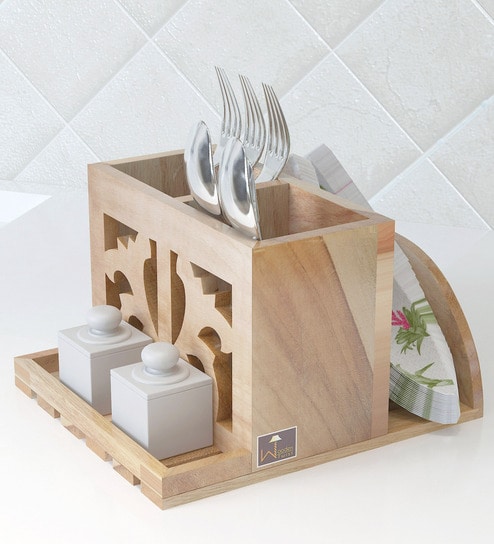
Neos Premium Natural Brown Teak Wood Cutlery Holder
₹549₹1,29958%
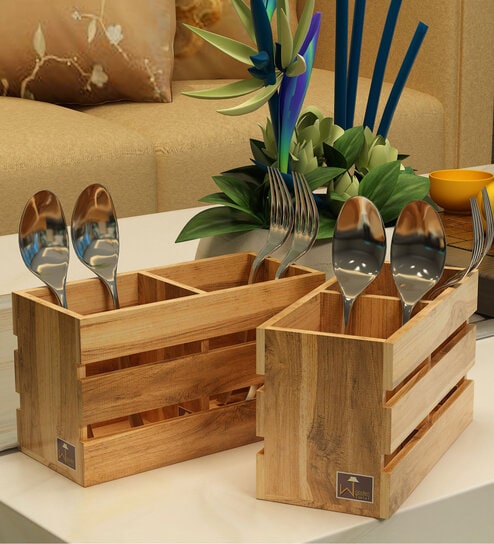
Filter By More Filters
Sort By
Showing 81-120 of 249 options inCutlery Holders
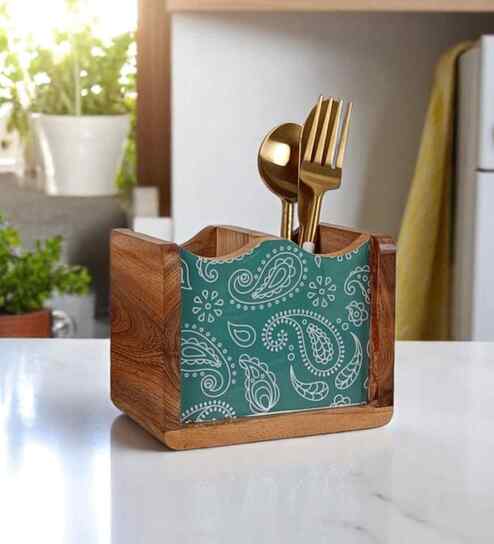
Hand-made Green Paisley Mango Wood Cutlery Holder
By Vareesha
₹699 ₹1,249 (44% off)
Express Shipping in 2 days

Brown White Gold Print MDF Cutlery Stand
By ClasiCraft
₹699 ₹1,199 (42% off)
Express Shipping in 2 days

Metalsmith Premium Solid Wood Cutlery Holder With Metal Handle | Multipurpose Cutlery Organiser I Tableware Storage Box l Black & Silver
By Metalsmith
₹1,649 ₹2,629 (37% off)

Brown Elephant Print MDF Cutlery Stand
By ClasiCraft
₹699 ₹1,199 (42% off)
Express Shipping in 2 days

Black & Blue Mdf Wood Square 1 Pcs Cutlery Holder
By The Home Co.
₹500 ₹848 (41% off)
Express Shipping in 2 days

Red Mango Wood Cutlery Holder
By Vareesha
₹549 ₹859 (36% off)
Express Shipping in 2 days

Royal Floral Woodwork -Cutlery Holder
By Chitra Goenka Crafts & Creations
₹599 ₹1,399 (57% off)
Express Shipping in 2 days
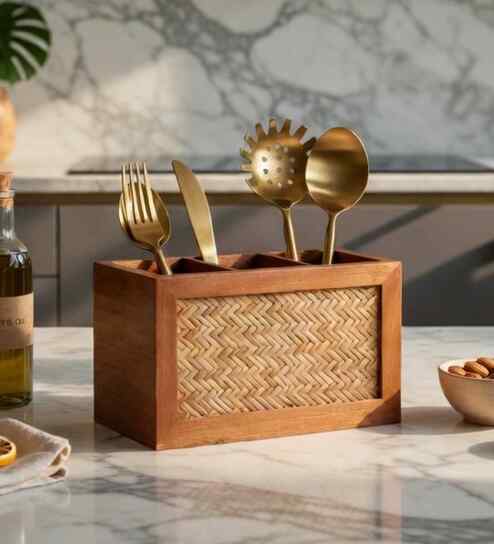
Natural Bamboo & Acacia Wood 3-Part Spoon & Cutlery Holder
By Vareesha
₹1,599 ₹1,999 (20% off)
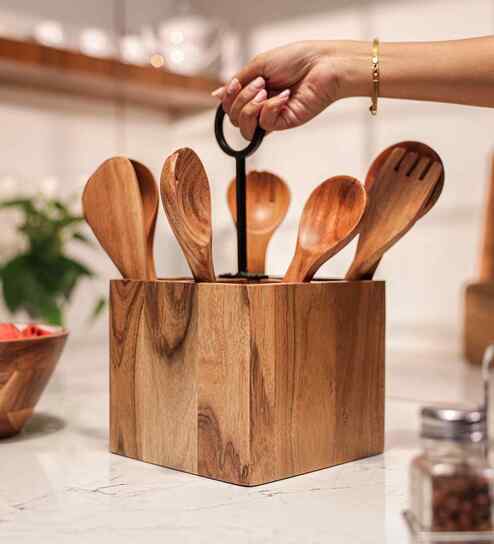
Block Buddy Utensils Holder
By Ireka Homes
₹1,157 ₹1,315 (12% off)
Express Shipping in 2 days
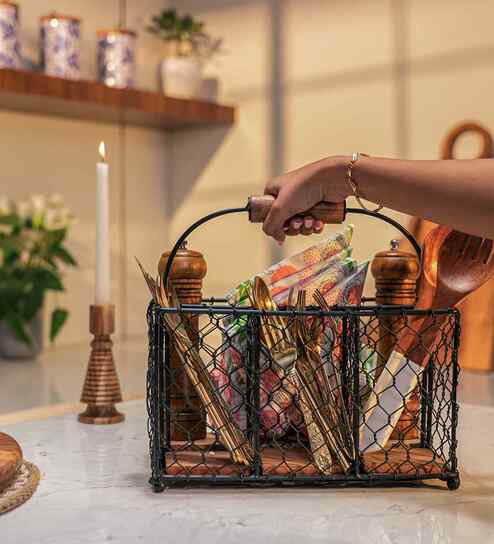
Arcade Utensils and Cutlery Holder
By Ireka Homes
₹1,003 ₹1,140 (12% off)
Express Shipping in 2 days
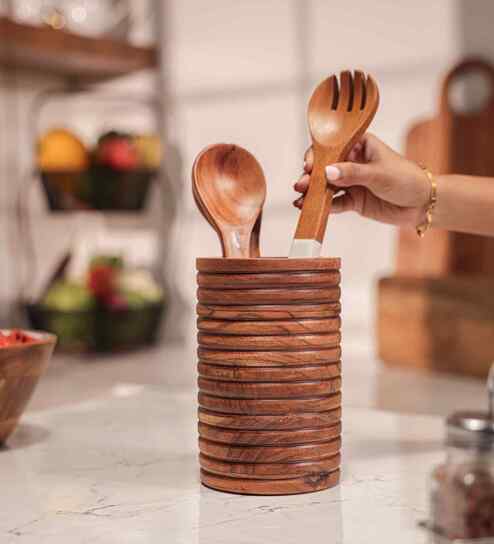
Cylindro Utensils Holder
By Ireka Homes
₹880 ₹1,000 (12% off)
Express Shipping in 2 days
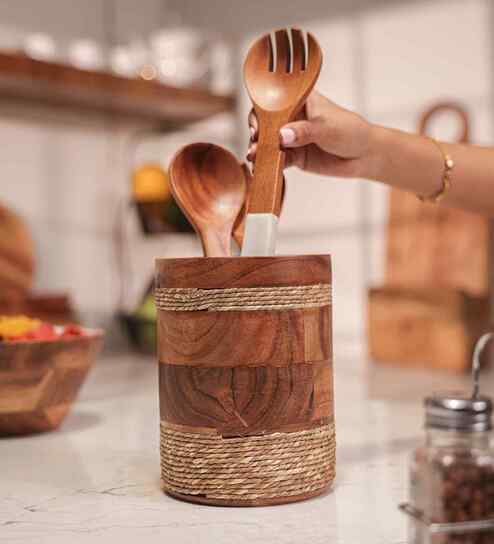
Rustic Roll Utensils Holder
By Ireka Homes
₹1,025 ₹1,165 (12% off)
Express Shipping in 2 days

Blue & Gold Mdf Wood Square 1 Pcs Cutlery Holder
By The Home Co.
₹599 ₹1,358 (56% off)
Express Shipping in 2 days

Brown Flower Print MDF Cutlery Holder
By ClasiCraft
₹599 ₹1,099 (45% off)
Express Shipping in 2 days

Galvanized iron White cutlery holder
By Market 99
₹559 ₹999 (44% off)
Express Shipping in 2 days

Brown Brown and White Print MDF Cutlery Holder
By ClasiCraft
₹500 ₹999 (50% off)
Express Shipping in 2 days

Red Elephant Divided Cutlery and Remote Holder with Wall Mounting Option
By Vareesha
₹1,149 ₹1,919 (40% off)
Express Shipping in 2 days

Acacia Wood Blue Chatai Two Part Cutlery Holder
By Vareesha
₹1,049 ₹1,549 (32% off)
Express Shipping in 2 days

Hand Crafted Acacia Wood Chatai Two Sections Spoon Holderor Cutlery Holderor Kitchen Caddy
By Vareesha
₹949 ₹1,549 (39% off)
Express Shipping in 2 days

Brown Green Leaf Print MDF Cutlery Holder
By ClasiCraft
₹599 ₹1,099 (45% off)
Express Shipping in 2 days

Brown Green Leaf Print MDF Cutlery Holder
By ClasiCraft
₹500 ₹999 (50% off)
Express Shipping in 2 days

Yellow Mdf Wood Cutlery Holder
By Reinvention Factory
₹699 ₹1,299 (46% off)
Express Shipping in 2 days

Grey & White MDF Wood Grey White Triangle Cutlery Tissue Holder
By The Home Co.
₹1,899 ₹2,548 (25% off)

Silver & Multicolour MDF Wood New Flower Cutlery Tissue Holder
By The Home Co.
₹1,899 ₹2,548 (25% off)

Grey & Gold MDF Wood Grey spiral Cutlery Tissue Holder
By The Home Co.
₹1,899 ₹2,548 (25% off)

Contemp Brown MDF Cutlery Holder
By House This
₹700 ₹1,399 (50% off)
Express Shipping in 2 days

Brown Window Print MDF Cutlery Stand
By ClasiCraft
₹699 ₹1,199 (42% off)
Express Shipping in 2 days
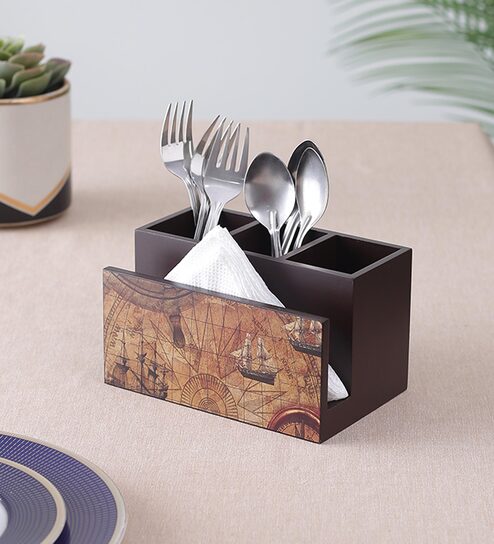
Brown Global Print MDF Cutlery Stand
By ClasiCraft
₹699 ₹1,199 (42% off)
Express Shipping in 2 days

Brown Lotus Print MDF Cutlery Stand
By ClasiCraft
₹699 ₹1,199 (42% off)
Express Shipping in 2 days
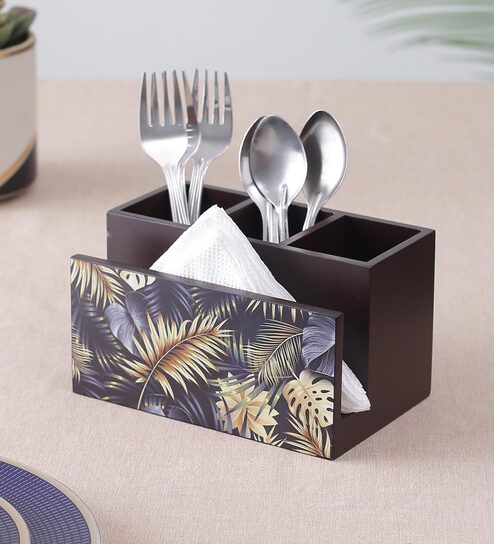
Brown Gold Leaf Print MDF Cutlery Stand
By ClasiCraft
₹699 ₹1,199 (42% off)
Express Shipping in 2 days

Brown Red Rose Print MDF Cutlery Stand
By ClasiCraft
₹699 ₹1,199 (42% off)
Express Shipping in 2 days

Yellow Wood 1 Pcs Cutlery holder
By Dudki
₹1,299 ₹2,499 (48% off)

Aqua Wood 1 Pcs Cutlery holder
By Dudki
₹1,299 ₹2,499 (48% off)
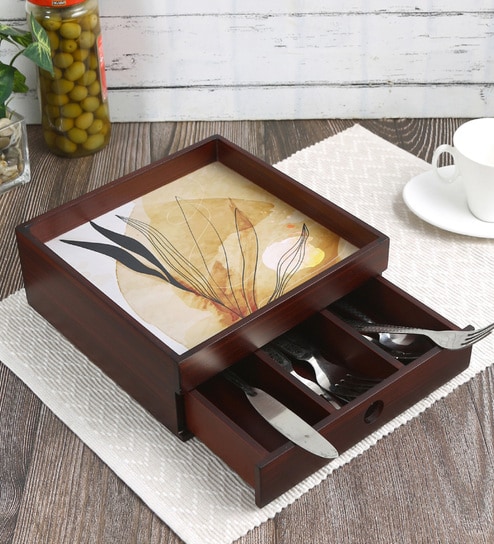
Autumn Brown MDF Wood Cutlery Holder
By Reinvention Factory
₹599 ₹1,299 (54% off)
Express Shipping in 2 days

White Cutlery Stand Set of 2
By Amaya Decors
₹1,169 ₹1,799 (35% off)
Express Shipping in 2 days

Black Cutlery Stand Set of 2
By Amaya Decors
₹989 ₹1,799 (45% off)
Express Shipping in 2 days

Frangipani Brown Teak Wood Cutlery Holder
By Ellementry
₹1,049 ₹1,750 (40% off)
Express Shipping in 2 days
Best Seller
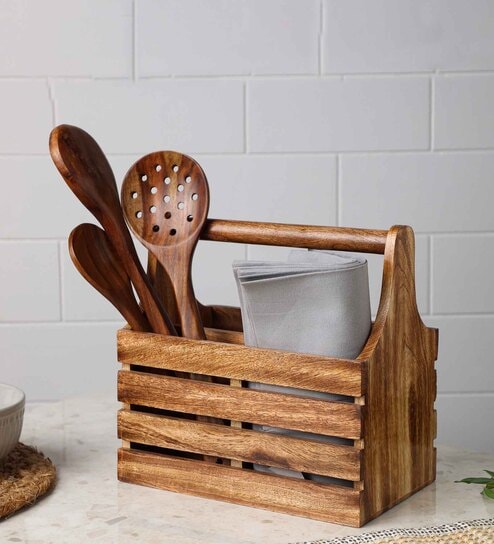
Togo Brown Wood 1 Pcs Cutlery holder
By Dudki
₹899 ₹1,999 (55% off)

Enamel Green Mango Wood Cutlery Holder
By NestRoots
₹1,299 ₹3,390 (62% off)

Price Drop Alert
 +1 more colors
Inseparables Teak Wood Spoon Stand - Black
By NestRoots
₹1,503 ₹3,790 (60% off)
Didn't Find What You Were Looking For? Share your Feedback with Us ->
Spoon Stands: Stylish Cutlery Holders for Every Indian Kitchen
A well-organised kitchen makes cooking simpler. Spoon stands and cutlery holders keep your forks, spoons, and serving tools within arm's reach. No more rummaging through cluttered drawers or messy counters while you prepare meals.
Utensil caddies can, and should, be fun, inviting and easily incorporated into the kitchen's decor. - Houzz
At Pepperfry, we offer cutlery holders in materials like stainless steel, plastic, bamboo, ceramic, and acrylic. Some feature drainage trays that catch water from freshly washed utensils. Others rotate smoothly for easy access to different compartments. The variety means you can find something that suits your cooking style and kitchen look.
Whether you cook daily or host weekend dinners, the right spoon stand saves time and adds a touch of order to your space. You can pair one with your dinnerware sets for a coordinated table setting. Or keep it beside your stove for quick access while cooking. Either way, a good cutlery holder earns its place in a busy kitchen.
What Materials Make the Best Spoon Stand?
The terms 'spoon stand' and 'cutlery holder' refer to the same product category. Both describe organisers that hold your everyday utensils upright and accessible. The material you pick affects durability, appearance, and ease of cleaning. Each option brings its own strengths to your kitchen counter.
Stainless Steel
Stainless steel remains the most popular choice for a cutlery stand. It resists rust, cleans easily with a damp cloth, and suits modern kitchen setups. Most steel stands feature multiple compartments to separate spoons, forks, and knives neatly. The finish ranges from brushed matte to polished mirror looks.
Steel holds up well against daily use without losing its shape. It won't stain from food residue or water spots. If you cook often and wash utensils frequently, a steel spoon stand handles the wear year after year. The neutral metallic tone blends with most kitchen colour schemes, from white modular units to darker wood finishes.
For those who store sharp utensils, steel pairs well with knife sets. Some stands include dedicated knife slots alongside spoon compartments.
Plastic
Plastic cutlery holders cost less than metal or wood options. They come in various colours to match your kitchen decor, from bright reds and yellows to subtle greys. Many plastic stands include built-in drip trays at the base. These trays catch water from washed utensils and keep your counter dry.
The lightweight design makes plastic stands easy to move and clean. Most are dishwasher safe, though checking the product details first is wise. For busy households with young children, plastic offers a practical, budget-friendly solution that survives drops without denting or chipping.
Budget Pick: Plastic spoon stands with drainage trays work well for small kitchens. They dry freshly washed cutlery while keeping counters spotless.
Bamboo and Wood
Bamboo brings a natural, warm look to your kitchen. It's lightweight yet sturdy enough for everyday cutlery. Wood and bamboo stands work well in kitchens with earthy tones or rustic themes. They pair nicely with wooden dining tables and natural tableware for a cohesive look.
These materials need a bit more care than steel or plastic. Wipe them dry after contact with water to prevent warping or mould. Avoid leaving wet utensils sitting in a bamboo holder for long periods. With proper care, bamboo lasts well and adds character to your countertop.
Ceramic and Acrylic
Ceramic stands add a decorative touch that goes beyond simple storage. They often feature painted patterns, textured surfaces, or glazed finishes that double as countertop accents. Acrylic offers a modern, transparent look that feels light and airy. Both materials suit kitchens where style matters as much as function.
Handle ceramic with care, as it chips more easily than steel or plastic. Acrylic scratches over time but cleans well with mild soap and water. These materials work best for light daily use rather than heavy-duty kitchen activity.
Style Tip: Ceramic spoon stands in patterned designs can match your serveware for a coordinated dining setup when guests visit.
The spoon stand price varies by material. Steel tends to sit in the mid-range, plastic at the lower end, and ceramic or designer bamboo pieces at higher price points. Consider your budget alongside your kitchen needs.
How Do You Choose the Right Spoon Stand for Your Kitchen?
The right spoon holder depends on your kitchen layout, cooking habits, and storage preferences. Some people prefer countertop access for convenience. Others want everything tucked away in drawers to keep surfaces clear.
Countertop Stands
Countertop spoon stands keep your cutlery visible and within reach. Place one near the sink for freshly washed utensils, or beside the stove for cooking spoons and ladles. This setup works well if you cook frequently and need quick access without opening drawers.
Use a caddy to store your cutlery. By vertically stacking them in a caddy, you ensure they are seen, take less space and are easy to pull out. - Rohini Rajagopalan, professional organiser, via Architectural Digest India
Vertical storage saves counter space compared to laying utensils flat in a drawer. A carousel-style stand rotates on its base, giving you easy access to all compartments without moving the holder itself. This design proves useful when you have multiple utensil types to organise.
In-Drawer Organisers
If you prefer clean countertops, in-drawer organisers keep cutlery hidden but neatly sorted. These flat trays fit inside standard kitchen drawers and have sections for different utensil types. They work best in kitchens with ample drawer space and for those who value minimal visible clutter.
Drawer organisers protect cutlery from dust and splashes. They also free up counter space for food prep or small appliances. However, they require you to open a drawer each time you need a spoon or fork, which slows things down during busy cooking sessions.
Capacity and Size
Consider how many utensils you store daily. A small stand with three compartments suits a couple or compact household. Larger families or those who entertain often may need stands with five or more sections. Some designs include separate slots for serving spoons, regular cutlery, and chopsticks.
Measure your counter space before buying a spoon stand online. A stand that looks perfect on screen might crowd a compact kitchen in reality. Check dimensions in the product details and compare against your available counter area.
Quick Tip: Rotating carousel stands work well when you have mixed cutlery sizes. One spin gives you access to serving spoons, forks, and smaller teaspoons without shuffling through compartments.
Drainage Features
If you place freshly washed cutlery in your stand, a drainage tray becomes essential. These removable trays sit at the base and collect drips, keeping your counter dry. Empty and wipe the tray every few days to prevent water buildup or residue.
Stands without drainage work better for dry storage, where cutlery goes in only after drying separately on a rack or towel. Consider your routine when deciding which style to buy.
Frequently Asked Questions (FAQs)
1. Is steel or plastic better for daily kitchen use?
Steel lasts longer and resists rust, making it ideal for heavy use near sinks and stoves. Plastic costs less and comes in more colours. For durability, steel wins. For budget friendly variety, plastic works fine. Both clean easily with soap and water.
2. Do spoon stands come with a drainage tray?
Many do, but not all. Drainage trays catch water from freshly washed utensils and keep counters dry. Check the product description to confirm if a tray is included. Removable trays make cleaning simpler than fixed designs.
3. Are cutlery holders dishwasher safe?
Plastic and stainless steel stands are often dishwasher safe on the top rack. Bamboo, wood, and ceramic typically need hand washing to prevent damage. Always check the care instructions on the product page before placing any stand in the dishwasher.
4. How many compartments does a standard cutlery stand have?
Most stands have three to five compartments for different utensil types. Some carousel designs have six or more sections. Consider your household size and the variety of utensils you use daily when choosing. Larger families benefit from more compartments.
5. What is the difference between a countertop stand and an in drawer organiser?
Countertop stands sit on your kitchen surface and keep cutlery visible for quick access. In drawer organisers fit inside drawers and keep counters clutter free. Countertop suits frequent cooks who need utensils at hand; drawer style works for those who prefer minimal surfaces.
6. What warranty covers rust or cracking?
Warranty terms vary by product and material. Steel stands often include rust protection guarantees for a set period. Plastic may be covered against cracking under normal use. Check the specific product page for warranty details and terms before you buy a spoon stand online. Pepperfry provides clear information on each product listing.
Cutlery Holders Price List
- Product List
- PRICE
This data was last updated on 2026/10/09
 FurnitureSofas, Sectional Sofas, Sofa Cum Beds, Chaise Loungers, Bean Bags, Recliners, Sofa Chairs, Settees & Benches, Ottomans, Chairs, Gaming Chairs, Stools & Pouffes, Shoe Racks, Centre Tables, Side Tables, TV & Media Units, Cabinets & Sideboards, Book Shelves, Book Cases, Dining Sets, Dining Chairs, Dining Tables, Crockery Units, Bar Furniture, Beds, Bedside Tables, Trunks, Chest of Drawers, Dressing Tables, Screens and Dividers, Wardrobes, Kids and Teens, Study Tables, Office Furniture, Home Temples, Wall Shelves and Cabinets, Outdoor, Massagers, Furniture Care
- Sofas
- Sectional Sofas
- Sofa Cum Beds
- Chaise Loungers
- Bean Bags
- Recliners
- Sofa Chairs
- Settees & Benches
- Ottomans
- Chairs
- Gaming Chairs
- Stools & Pouffes
- Shoe Racks
- Centre Tables
- Side Tables
- TV & Media Units
- Cabinets & Sideboards
- Book Shelves
- Book Cases
- Dining Sets
- Dining Chairs
- Dining Tables
- Crockery Units
- Bar Furniture
- Beds
- Bedside Tables
- Trunks
- Chest of Drawers
- Dressing Tables
- Screens and Dividers
- Wardrobes
- Kids and Teens
- Study Tables
- Office Furniture
- Home Temples
- Wall Shelves and Cabinets
- Outdoor
- Massagers
- Furniture Care
 Sofas & SeatingSofas, Sofa Sets, Sectional Sofas, Sofa Cum Beds, Recliners, Recliner Sets, Chaise Loungers, Sofa Chairs, Bean Bags, Accent Chairs, Office Chairs, Gaming Chairs, Dining Chairs, Bar Seating, Settees & Benches, Ottomans, Stools & Pouffes, Outdoor Seating, Furniture Care, Top Collections, Top Brands
- Sofas
- Sofa Sets
- Sectional Sofas
- Sofa Cum Beds
- Recliners
- Recliner Sets
- Chaise Loungers
- Sofa Chairs
- Bean Bags
- Accent Chairs
- Office Chairs
- Gaming Chairs
- Dining Chairs
- Bar Seating
- Settees & Benches
- Ottomans
- Stools & Pouffes
- Outdoor Seating
- Furniture Care
- Top Collections
- Top Brands
 MattressesKing Size Mattresses, Queen Size Mattresses, Single Size Mattresses, Foldable Mattresses, Crib Mattresses, Mattress Protectors, Mattress Toppers, Pillows, Mattresses By Feature, Top Brands
- King Size Mattresses
- Queen Size Mattresses
- Single Size Mattresses
- Foldable Mattresses
- Crib Mattresses
- Mattress Protectors
- Mattress Toppers
- Pillows
- Mattresses By Feature
- Top Brands
 Home DecorVases, Figurines, Collectibles, Showpieces, Home Utility, Table Decor, Kids Decor, Photo Frames, Candles, Candle Stands, Decor Gift Sets, Spiritual, Home Fragrances, Appliances, Prayer Essentials, Artificial Plants & Flowers, Festive Decor, Gardening, Pots and Planters, Outdoor Decor, Wall Hangings, Wall Shelves, Wall Cabinets, Set Top Box Holders, Key Holders, Jharokhas, Screens & Dividers, Wall Decor, Wall Art and Paintings, Wallpapers & Decals, Clocks, Mirrors, Gifting
- Vases
- Figurines
- Collectibles
- Showpieces
- Home Utility
- Table Decor
- Kids Decor
- Photo Frames
- Candles
- Candle Stands
- Decor Gift Sets
- Spiritual
- Home Fragrances
- Appliances
- Prayer Essentials
- Artificial Plants & Flowers
- Festive Decor
- Gardening
- Pots and Planters
- Outdoor Decor
- Wall Hangings
- Wall Shelves
- Wall Cabinets
- Set Top Box Holders
- Key Holders
- Jharokhas
- Screens & Dividers
- Wall Decor
- Wall Art and Paintings
- Wallpapers & Decals
- Clocks
- Mirrors
- Gifting
 FurnishingsBed Sheets, Blankets & Quilts, Pillows, Bath Linen, Bed Linen, Curtains, Curtain Accessories, Laundry Baskets, Mosquito Nets, Furnishing Gift Sets, Cushions & Covers, Sofa Covers & Throws, Chair Covers & Pads, Carpets, Dhurries, Runners, Door Mats, Bath Mats, Prayer Mats, Picnic Mats, Yoga Mats, Kids Furnishings, Pet Furnishings, Top Brands
- Bed Sheets
- Blankets & Quilts
- Pillows
- Bath Linen
- Bed Linen
- Curtains
- Curtain Accessories
- Laundry Baskets
- Mosquito Nets
- Furnishing Gift Sets
- Cushions & Covers
- Sofa Covers & Throws
- Chair Covers & Pads
- Carpets
- Dhurries
- Runners
- Door Mats
- Bath Mats
- Prayer Mats
- Picnic Mats
- Yoga Mats
- Kids Furnishings
- Bed Sheets
- Carpets & Mats
- Kids Blankets and Comforters
- Pillows and Covers
- Cushion Covers
- Towels
- Bedding Sets
- Curtains
- Baby Mats
- Pet Furnishings
- Top Brands
 Lamps & LightingFloor Lamps, Shelf Floor Lamps, Table Lamps, Night Lamps, Work and Study Lamps, Lamp Shades, Kids Lamps, Ceiling Lights, Wall Lights, Smart Lights, Outdoor Lights, Decorative Lights, Emergency Lights, Bulbs, Top Brands
- Floor Lamps
- Shelf Floor Lamps
- Table Lamps
- Night Lamps
- Work and Study Lamps
- Lamp Shades
- Kids Lamps
- Ceiling Lights
- Wall Lights
- Smart Lights
- Outdoor Lights
- Decorative Lights
- Emergency Lights
- Bulbs
- Top Brands
 Kitchen & DiningServeware, Jugs, Bakeware, Dinnerware, Cookware, Cooking Tools, Drinkware, Bottles, Flasks, Sippers, Barware, Teaware, Knives & Cutlery, Table Essentials, Jars and Containers, Kitchen Organizers, Lunch Boxes, Kids Kitchenware & Tableware, Gift Sets, Kitchen Linen, Table Linen, Kitchen Appliances, Top Brands
- Serveware
- Serving Bowls
- Casseroles
- Butter Dishes
- Serving Trays
- Tray Sets
- Appetizer Platters
- Cheese Boards
- Cake Stands
- Cloche
- Jugs
- Bakeware
- Dinnerware
- Cookware
- Cooking Tools
- Spatulas, Ladles and Tongs
- Knives and Choppers
- Chopping Boards
- Rolling Pins and Boards
- Strainers and Whisks
- Cooking Preparation Tools
- Drinkware
- Bottles
- Flasks
- Sippers
- Barware
- Barware Sets
- Bar Tools
- Ash Trays
- Wine Holders & Coolers
- Carafes and Decanters
- Dispensers
- Ice Buckets & Moulds
- Teaware
- Knives & Cutlery
- Table Essentials
- Jars and Containers
- Kitchen Organizers
- Lunch Boxes
- Kids Kitchenware & Tableware
- Gift Sets
- Kitchen Linen
- Table Linen
- Kitchen Appliances
- Top Brands
 LuxuryLiving Room, Bedroom, Dining Room, Home Office
 Modular