Sign Up & Get Upto Rs. 1,500 off on Your First Purchase!


Chopping Boards
Find premium chopping boards at Pepperfry, from classic wooden boards to easy-clean plastic options and eco-friendly bamboo varieties. Our kitchen chopping boards suit every cooking style, budget, and counter space. With over 80 certified options, you can buy a chopping board online that matches your meal prep needs perfectly
More


Filter By More Filters
Sort By
Showing 81-83 of 83 options inChopping Boards
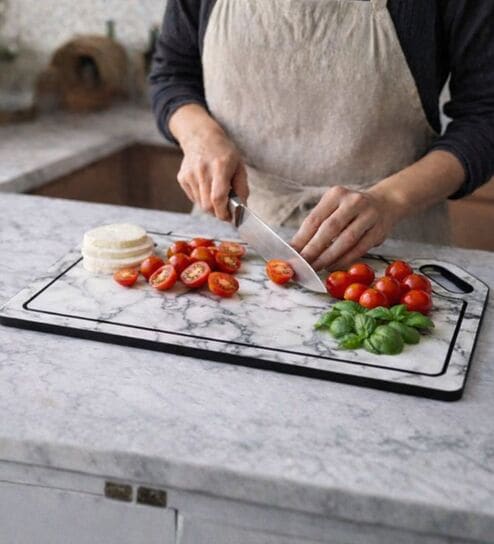

New Arrivals
Set of 2 - White Chopping Boards - 26 x 38cm & 20 x 30cm
By Lamikraft
₹1,699 ₹2,199 (23% off)
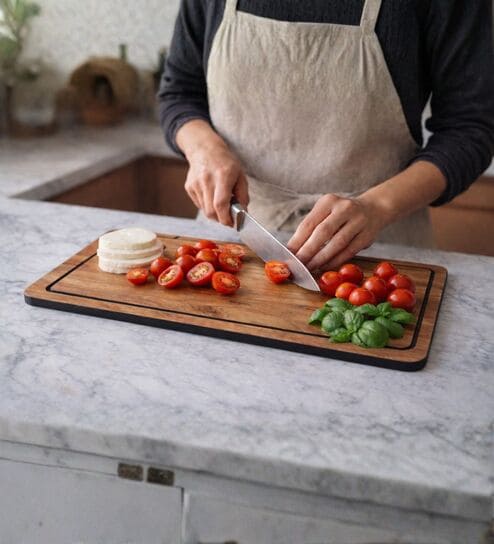
New Arrivals
Set of 2 - Brown Chopping Boards - 26 x 38cm & 20 x 30cm
By Lamikraft
₹1,699 ₹2,199 (23% off)
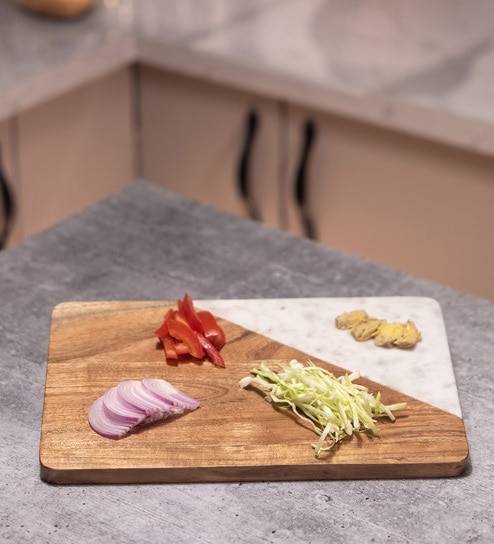
Price Drop Alert
Acacia Wood & Marble Chopping Board
By Ireka Homes
₹1,166 ₹1,325 (12% off)
Didn't Find What You Were Looking For? Share your Feedback with Us ->
Chopping Boards: Essential Kitchen Tools for Safe and Easy Meal Preparation
A good chopping board sits at the heart of every well-run kitchen. It protects your countertops, keeps your knives sharp, and makes food prep safer and faster. The right board can last years with proper care.
Pepperfry brings you over 200 certified chopping boards in wood, plastic, bamboo, and marble. Each material offers distinct benefits for different cooking styles and kitchen setups. Your choice depends on what you cook most often, how much counter space you have, and how much time you want to spend on upkeep.
"There may be no tool in the kitchen that gets as much of a workout as a wood cutting board. It can often serve a decorative function, too, adding warmth and artisanal beauty to the room." - Architectural Digest |
Pair your new board with quality knives and choppers for a complete prep station. This page helps you pick the right material, size, and type for your cooking needs.
What Should You Know Before You Buy a Chopping Board Online?
Three factors matter most when you buy a chopping board online: material, size, and intended use. Material affects knife health, cleaning ease, and how long the board lasts. Size determines how comfortably you can work. Intended use tells you how many boards you actually need.
A single household often benefits from owning two to three boards. One handles raw proteins safely. Another takes on daily vegetable chopping. A third might serve cheese and bread at the table.
Your kitchen chopping board should match your cooking habits. Heavy meal preppers need larger, sturdier options. Those with smaller kitchens might prefer compact boards that store easily. Think about your actual counter space before ordering.
Browse our complete kitchen tools set collection to build out your prep station.
Which Type of Chopping Board Material Is Right for You?
Four main materials dominate the market: wood, plastic, bamboo, and marble. Each brings specific strengths to your kitchen. Understanding these differences helps you invest wisely.
Wooden Chopping Boards: Natural and Knife-Friendly
Wood remains the favourite choice among serious home cooks for good reason. Hardwoods like acacia, mango wood, and sheesham offer natural self-healing properties. Small knife cuts close up over time, keeping the surface smooth.
"Wooden boards are the best cutting surface for your knives, as they'll absorb most of the impact from the blades without dulling them." - Houzz |
A wooden chopping board needs regular oiling to prevent drying and cracking. Never put wood in the dishwasher. Hand wash with mild soap, then stand upright to air dry completely.
Wooden boards work brilliantly for vegetables, bread, and cooked meats. They look beautiful enough to double as serving platters. Chopping board prices for quality wooden options typically range from Rs 500 to Rs 3000.
Care tip: Apply food-safe mineral oil monthly to keep your wooden board in top condition. |
One caution: if you prepare raw meat, sanitise the wood thoroughly with a vinegar solution. Better yet, keep a separate plastic board for raw proteins.
Plastic Chopping Boards: Hygienic and Low Maintenance
Plastic boards offer unbeatable convenience. Pop them in the dishwasher after use. Grab a different colour for different food types. Replace them affordably when they wear out.
Colour-coding helps prevent cross-contamination. Many professional kitchens use green for vegetables, red for raw meat, and yellow for poultry. This simple system protects your family's health.
Look for BPA-free certification when shopping. A plastic chopping board costs between Rs 200 and Rs 800, making them budget-friendly option for multi-board setups.
The downsides? Knife scoring creates grooves over time where bacteria can hide. Plastic dulls blades faster than wood or bamboo. Replace any board with deep cuts or persistent stains.
Bamboo Chopping Boards: Sustainable and Durable
Bamboo appeals to eco-conscious cooks. This fast-growing grass reaches maturity in three to five years, making it far more renewable than traditional hardwoods. Yet it performs just as well in the kitchen.
A bamboo chopping board resists moisture better than most woods. Its dense structure stands up to daily chopping without warping easily. The surface stays gentle on knife edges while remaining hard enough to resist deep scoring.
Maintenance sits somewhere between wood and plastic. Occasional oiling helps, but bamboo tolerates missed sessions better than hardwood does. The chopping board cost for bamboo ranges from Rs 600 to Rs 2500.
Marble Chopping Boards: Elegant and Cool
Marble boards serve specialised purposes rather than everyday prep. Their naturally cool surface makes them perfect for working with pastry dough and tempering chocolate. Nothing else keeps butter cold quite so well.
These elegant pieces shine as serving boards for cheese platters and charcuterie spreads. The non-porous surface cleans easily and resists bacterial growth. A marble cutting board adds sophistication to any table setting.
However, marble dulls knives quickly due to its hardness. Heavy boards prove awkward to move and can crack if dropped. Prices run from Rs 1500 to Rs 5000 or more.
Best use: Reserve marble for pastry work, cheese serving, and presentation rather than vegetable chopping. |
What Size Chopping Board Works Best for Your Kitchen?
Size matters more than many buyers realise. Too small, and you struggle with larger vegetables. Too large, and storage becomes a headache. Match your board to your kitchen reality.
- Small boards (around 20 by 30 cm) suit compact kitchens and single-person households. They handle onions, garlic, and small fruit easily. These tuck away neatly in crowded cabinets.
- Medium boards (30 by 45 cm) work well for most family cooking. You can break down a whole chicken, prep salad ingredients, or slice bread comfortably. This versatile size fits standard counter depths.
- Large boards (40 by 60 cm) help meal preppers and entertainers. Batch cooking weekends become easier when you have room to work. Just ensure you have adequate counter space around the board.
Thickness matters too. Aim for at least 1.5 cm to prevent wobbling during use. Thicker boards also resist warping over time.
Keep your vegetable chopping board organised with our kitchen organisers collection.
How Do You Care for Your Chopping Board?
Proper maintenance extends the life of any board dramatically. Different materials need different approaches, but some rules apply across the board.
Daily Cleaning Basics
Wash your board with warm soapy water after each use. Never let food residue dry on the surface. Stand boards upright to air dry completely. Flat storage traps moisture underneath, encouraging warping and mould growth.
Monthly Maintenance for Wood and Bamboo
Apply food-safe mineral oil to wooden and bamboo surfaces monthly. Pour a small amount onto the board and rub it in with a clean cloth. Let it soak overnight, then wipe away any excess. This prevents drying, cracking, and staining.
Beeswax treatments provide extra protection for heavily used boards. Mix beeswax with mineral oil for a conditioning paste that seals the wood beautifully.
Tackling Stains and Odours
Lemon juice and coarse salt work wonders on wooden board stains. Sprinkle salt generously, then scrub with a cut lemon half. The mild acid lifts discolouration while salt provides gentle abrasion.
For plastic boards, make a paste from bicarbonate of soda and water. Apply it to stains, leave for ten minutes, then scrub and rinse. Diluted bleach solutions sanitise plastic safely, but never use bleach on wood or bamboo.
Replacement signal: Deep grooves, persistent smells despite cleaning, or visible warping mean your board needs replacing. |
Quick Reference: Material Care
Wooden boards need hand washing, monthly oiling, and vertical drying. Plastic boards tolerate dishwashers but require replacement when scored. Bamboo boards benefit from occasional oiling but prove more forgiving than wood. Marble boards simply need wiping with a damp cloth.
Which Chopping Board Suits Different Food Types?
Matching boards to ingredients improves both safety and results. Some pairings work better than others.
- Vegetables fare well on any material. Wood and bamboo protect your knife edges best during extended vegetable chopping sessions. Your vegetable chopping board gets the most daily use, so invest in quality here.
- Acidic fruits like citrus and tomatoes can stain wooden surfaces. Plastic boards handle these better and clean up more easily.
- Raw meat demands dedicated plastic boards. The dishwasher-safe nature allows thorough sanitisation. Colour-coding prevents cross-contamination with ready-to-eat foods. This simple habit protects your household from foodborne illness.
- Bread benefits from large wooden cutting boards that catch crumbs. The natural surface grips better than slippery plastic. Plus, wooden boards look lovely when serving bread at the table.
- Cheese and charcuterie suit attractive wood or marble boards. These double as serving pieces for entertaining. Store your prepared ingredients in quality jars and containers until serving time.
Pair your boards with a quality knife set for the best prep experience.
Frequently Asked Questions About Chopping Boards
1. Are wooden chopping boards sanitary?
Yes, wood possesses natural antimicrobial properties that help fight bacteria. Studies show that properly maintained wooden boards can be just as hygienic as plastic ones. The key lies in thorough cleaning after each use and complete drying. Avoid letting moisture sit on the surface for extended periods.
2. How often should I oil my wooden chopping board?
Monthly oiling keeps most wooden boards in good condition. However, frequency depends on use and humidity levels. If your board looks dry, feels rough, or shows light patches, it needs oil. New boards benefit from more frequent oiling during their first few months of use.
3. Can I put my chopping board in the dishwasher?
Only plastic and some glass boards handle dishwasher cleaning safely. Wooden and bamboo boards will crack, warp, and deteriorate quickly in dishwashers. Always hand wash wood and bamboo with mild soap and warm water.
4. What makes wood different from plastic for cutting boards?
Wood stays gentler on knife edges and often self heals from minor cuts. Plastic allows easier sanitisation and dishwasher cleaning. Wood requires more maintenance but typically lasts longer. Plastic proves more affordable but needs replacing once deeply scored. Many households benefit from owning both types.
5. How do I remove stubborn stains from my chopping board?
For wooden boards, scrub with coarse salt and half a lemon. The natural acid lifts stains while salt provides gentle abrasion. For plastic boards, apply a bicarbonate of soda paste, leave for ten minutes, then scrub and rinse thoroughly.
6. When should I replace my chopping board?
Replace any board showing deep knife grooves, persistent odours despite cleaning, visible warping, or cracks. Most plastic boards need replacing every two to three years with regular use. Well maintained wooden boards can last a decade or longer.
Chopping Boards Price List
- Product List
- PRICE
This data was last updated on 2026/06/16
 FurnitureSofas, Sectional Sofas, Sofa Cum Beds, Chaise Loungers, Bean Bags, Recliners, Sofa Chairs, Settees & Benches, Ottomans, Chairs, Gaming Chairs, Stools & Pouffes, Shoe Racks, Centre Tables, Side Tables, TV & Media Units, Cabinets & Sideboards, Book Shelves, Book Cases, Dining Sets, Dining Chairs, Dining Tables, Crockery Units, Bar Furniture, Beds, Bedside Tables, Trunks, Chest of Drawers, Dressing Tables, Wardrobes, Kids and Teens, Study Tables, Office Furniture, Outdoor, Massagers, Furniture Care
- Sofas
- Sectional Sofas
- Sofa Cum Beds
- Chaise Loungers
- Bean Bags
- Recliners
- Sofa Chairs
- Settees & Benches
- Ottomans
- Chairs
- Gaming Chairs
- Stools & Pouffes
- Shoe Racks
- Centre Tables
- Side Tables
- TV & Media Units
- Cabinets & Sideboards
- Book Shelves
- Book Cases
- Dining Sets
- Dining Chairs
- Dining Tables
- Crockery Units
- Bar Furniture
- Beds
- Bedside Tables
- Trunks
- Chest of Drawers
- Dressing Tables
- Wardrobes
- Kids and Teens
- Study Tables
- Office Furniture
- Outdoor
- Massagers
- Furniture Care
 Sofas & SeatingSofas, Sofa Sets, Sectional Sofas, Sofa Cum Beds, Recliners, Recliner Sets, Chaise Loungers, Sofa Chairs, Bean Bags, Accent Chairs, Office Chairs, Gaming Chairs, Dining Chairs, Bar Seating, Settees & Benches, Ottomans, Stools & Pouffes, Outdoor Seating, Furniture Care, Top Collections, Top Brands
- Sofas
- Sofa Sets
- Sectional Sofas
- Sofa Cum Beds
- Recliners
- Recliner Sets
- Chaise Loungers
- Sofa Chairs
- Bean Bags
- Accent Chairs
- Office Chairs
- Gaming Chairs
- Dining Chairs
- Bar Seating
- Settees & Benches
- Ottomans
- Stools & Pouffes
- Outdoor Seating
- Furniture Care
- Top Collections
- Top Brands
 MattressesKing Size Mattresses, Queen Size Mattresses, Single Size Mattresses, Foldable Mattresses, Crib Mattresses, Mattress Protectors, Mattress Toppers, Pillows, Mattresses By Feature, Top Brands
- King Size Mattresses
- Queen Size Mattresses
- Single Size Mattresses
- Foldable Mattresses
- Crib Mattresses
- Mattress Protectors
- Mattress Toppers
- Pillows
- Mattresses By Feature
- Top Brands
 Home DecorVases, Figurines, Collectibles, Showpieces, Home Utility, Table Decor, Kids Decor, Photo Frames, Candles, Candle Stands, Spiritual, Home Fragrances, Decor Gift Sets, Prayer Essentials, Artificial Plants & Flowers, Festive Decor, Gardening, Pots and Planters, Outdoor Decor, Wall Hangings, Wall Shelves, Wall Cabinets, Set Top Box Holders, Key Holders, Jharokhas, Screens & Dividers, Wall Decor, Wall Art and Paintings, Wallpapers & Decals, Clocks, Mirrors, Gifting
- Vases
- Figurines
- Collectibles
- Showpieces
- Home Utility
- Table Decor
- Kids Decor
- Photo Frames
- Candles
- Candle Stands
- Spiritual
- Home Fragrances
- Decor Gift Sets
- Prayer Essentials
- Artificial Plants & Flowers
- Festive Decor
- Gardening
- Pots and Planters
- Outdoor Decor
- Wall Hangings
- Wall Shelves
- Wall Cabinets
- Set Top Box Holders
- Key Holders
- Jharokhas
- Screens & Dividers
- Wall Decor
- Wall Art and Paintings
- Wallpapers & Decals
- Clocks
- Mirrors
- Gifting
 FurnishingsBed Sheets, Blankets & Quilts, Bath Linen, Bed Linen, Curtains, Curtain Accessories, Laundry Baskets, Mosquito Nets, Furnishing Gift Sets, Cushions & Covers, Sofa Covers & Throws, Chair Covers & Pads, Carpets, Dhurries, Runners, Door Mats, Bath Mats, Picnic Mats, Kids Furnishings, Pet Furnishings, Yoga Mats, Top Brands
- Bed Sheets
- Blankets & Quilts
- Bath Linen
- Bed Linen
- Curtains
- Curtain Accessories
- Laundry Baskets
- Mosquito Nets
- Furnishing Gift Sets
- Cushions & Covers
- Sofa Covers & Throws
- Chair Covers & Pads
- Carpets
- Dhurries
- Runners
- Door Mats
- Bath Mats
- Picnic Mats
- Kids Furnishings
- Bed Sheets
- Carpets & Mats
- Kids Blankets and Comforters
- Pillows and Covers
- Cushion Covers
- Towels
- Bedding Sets
- Curtains
- Baby Mats
- Pet Furnishings
- Yoga Mats
- Top Brands
 Lamps & LightingFloor Lamps, Shelf Floor Lamps, Table Lamps, Night Lamps, Work and Study Lamps, Lamp Shades, Kids Lamps, Ceiling Lights, Wall Lights, Smart Lights, Outdoor Lights, Decorative Lights, Emergency Lights, Bulbs, Top Brands
- Floor Lamps
- Shelf Floor Lamps
- Table Lamps
- Night Lamps
- Work and Study Lamps
- Lamp Shades
- Kids Lamps
- Ceiling Lights
- Wall Lights
- Smart Lights
- Outdoor Lights
- Decorative Lights
- Emergency Lights
- Bulbs
- Top Brands
 Kitchen & DiningServeware, Jugs, Bakeware, Dinnerware, Cookware, Cooking Tools, Drinkware, Bottles, Flasks, Sippers, Barware, Teaware, Knives & Cutlery, Table Essentials, Jars and Containers, Kitchen Organizers, Lunch Boxes, Kids Kitchenware & Tableware, Gift Sets, Kitchen Linen, Table Linen, Top Brands
- Serveware
- Serving Bowls
- Casseroles
- Butter Dishes
- Serving Trays
- Tray Sets
- Appetizer Platters
- Cheese Boards
- Cake Stands
- Cloche
- Jugs
- Bakeware
- Dinnerware
- Cookware
- Cooking Tools
- Spatulas, Ladles and Tongs
- Knives and Choppers
- Chopping Boards
- Rolling Pins and Boards
- Strainers and Whisks
- Cooking Preparation Tools
- Drinkware
- Bottles
- Flasks
- Sippers
- Barware
- Barware Sets
- Bar Tools
- Ash Trays
- Wine Holders & Coolers
- Carafes and Decanters
- Dispensers
- Ice Buckets & Moulds
- Teaware
- Knives & Cutlery
- Table Essentials
- Jars and Containers
- Kitchen Organizers
- Lunch Boxes
- Kids Kitchenware & Tableware
- Gift Sets
- Kitchen Linen
- Table Linen
- Top Brands
 LuxuryLiving Room, Bedroom, Dining Room, Home Office
 Modular