Sign Up & Get Rs.5,000 OFF On Your First Purchase




Book Shelves
Find the perfect bookshelf for your home at Pepperfry. Our collection includes classic multi-tier bookshelves, modern ladder designs, and space-saving corner units. Each book rack offers quality craftsmanship in materials from solid wood to sleek metal. With styles spanning traditional to contemporary, you can match any room's decor. Store your books, display your treasures, and add character to your living space with our versatile bookshelves.
More



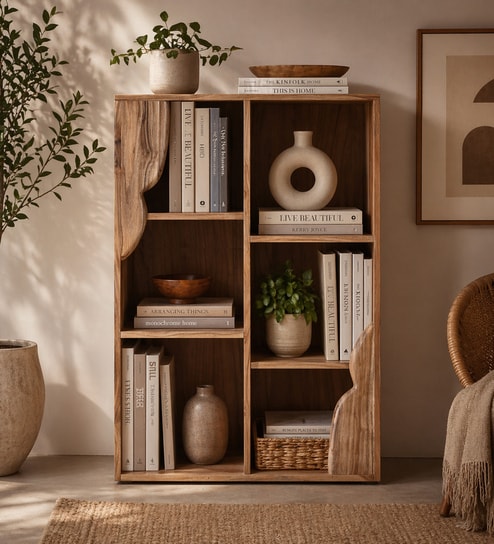

Botswana Acacia Wood Bookshelf In Natural Finish
₹18,999₹22,99917%
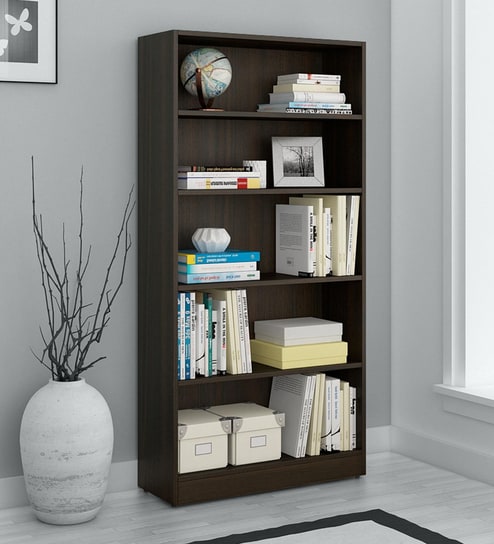
Kosmo Willam 5 Tier Bookshelf In Wenge Finish
₹7,999₹12,99938%
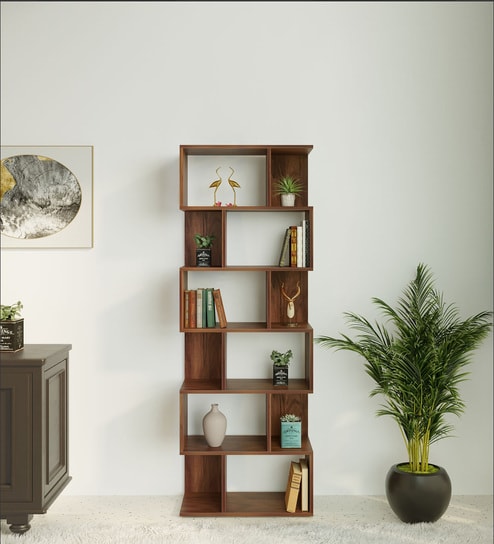
Crosbon Bookshelf In Brown Maple Colour
₹4,166₹7,79947%

Versaille Solid Wood Bookshelf In Tulip Finish
₹38,999₹52,99926%
Filter By More Filters
More Filters Sort By
Showing 41-80 of 167 options inBook Shelves

 +2 more colors
Walten Bookshelf In Walnut Finish
By bluewud
24-Month Warranty Available
₹1,799 ₹3,499 (49% off)

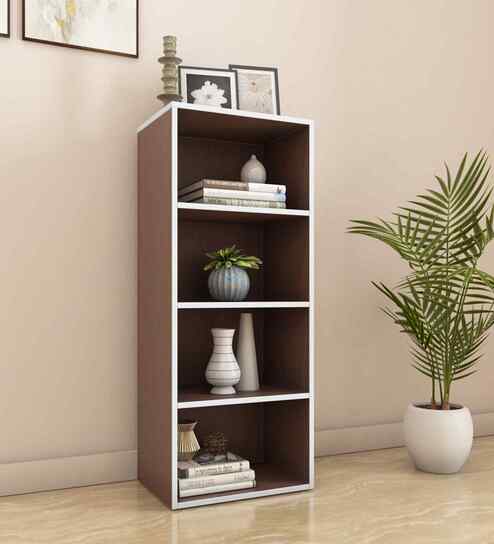
Milan Bookshelf In Dual Finish
By Royaloak
12-Month Warranty Available
₹8,900 ₹17,000 (48% off)
EMI starting from ₹428/month
Express Shipping in 1 day
Best Seller
Halo Book Shelf In Legno Oak Finish
By Nilkamal
36-Month Warranty Available
₹2,598 ₹5,900 (56% off)
Express Shipping in 1 day

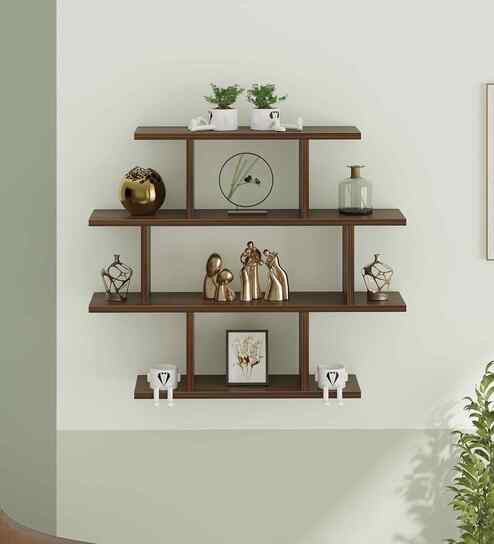
Airavana Sheesham Wood Bookshelf In Scratch Resistant Honey Oak Finish
By Mudramark from Pepperfry
36-Month Warranty Available
₹28,999 ₹36,249 (20% off)
EMI starting from ₹1,393/month
Express Shipping in 1 day
Best Seller
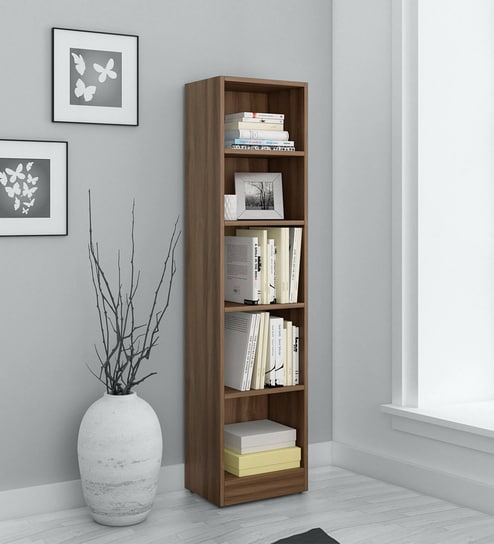
Senara Bookshelf In Brown Maple Finish
By bluewud
24-Month Warranty Available
₹1,491 ₹3,999 (63% off)
Daily Deal
+1 more colorsKosmo Willam 5 Tier Bookshelf In Natural Finish
By Spacewood
36-Month Warranty Available
₹5,999 ₹8,499 (29% off)
EMI starting from ₹289/month

Novebuk Bookshelf In Brown Maple Finish
By bluewud
48-Month Warranty Available
₹3,626 ₹7,799 (54% off)
EMI starting from ₹175/month
 +10 more colors
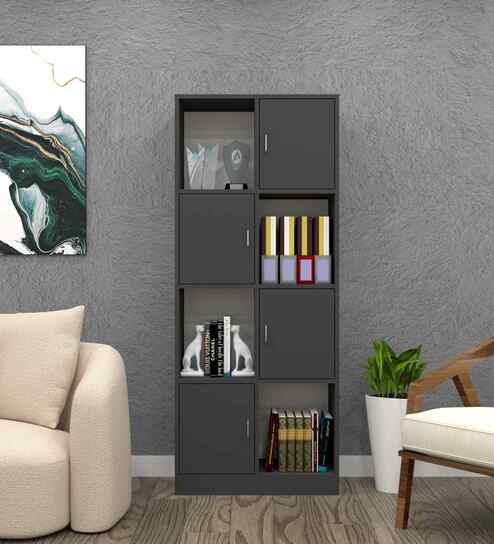
Cinderella 8 Shelves Bookshelf In Slate Grey Finish
By SpecialityPanels
12-Month Warranty Available
₹8,999 ₹15,000 (40% off)
EMI starting from ₹433/month
Express Shipping in 1 day
 +1 more colors
Kosmo Willam 3 Tier Bookshelf In Fumed Oak Finish
By Spacewood
36-Month Warranty Available
₹5,499 ₹7,999 (31% off)
EMI starting from ₹265/month
Express Shipping in 1 day

Extra Offer Inside
Astrella 5 Tier Bookshelf In Wenge Finish With
By Crystal Furnitech
36-Month Warranty Available
₹5,999 ₹8,132 (26% off)
EMI starting from ₹289/month
Express Shipping in 1 day

Best Seller
Rose 4-Tier Bookshelf In Brown Finish
By Royaloak
12-Month Warranty Available
₹5,999 ₹9,499 (37% off)
EMI starting from ₹289/month
Ships in 3 days
Botswana Acacia Wood Bookshelf In Natural Finish
By Woodsworth from Pepperfry
36-Month Warranty Available
₹18,999 ₹22,999 (17% off)
EMI starting from ₹913/month
Express Shipping in 1 day

Walten Bookshelf In Wenge Finish
By bluewud
24-Month Warranty Available
₹1,978 ₹3,499 (43% off)
Express Shipping in 1 day
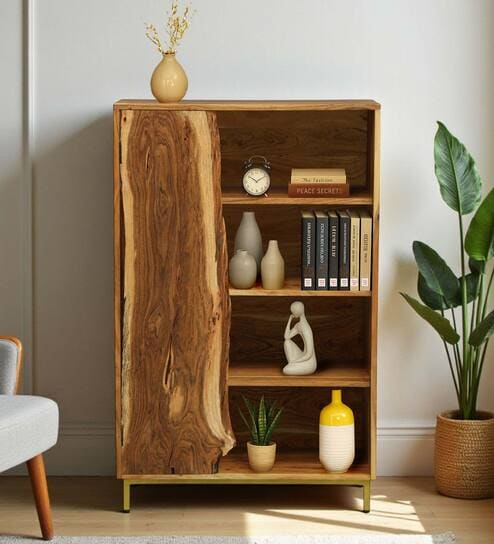
Botswana Acacia Wood 1 Door Bookshelf In Natural Finish
By Woodsworth from Pepperfry
36-Month Warranty Available
₹34,999 ₹42,999 (19% off)
EMI starting from ₹1,681/month

Extra Offer Inside
Camilia Bookshelf In Beige Finish
By Crystal Furnitech
36-Month Warranty Available
₹12,999 ₹17,999 (28% off)
EMI starting from ₹625/month
Express Shipping in 1 day
 +10 more colors
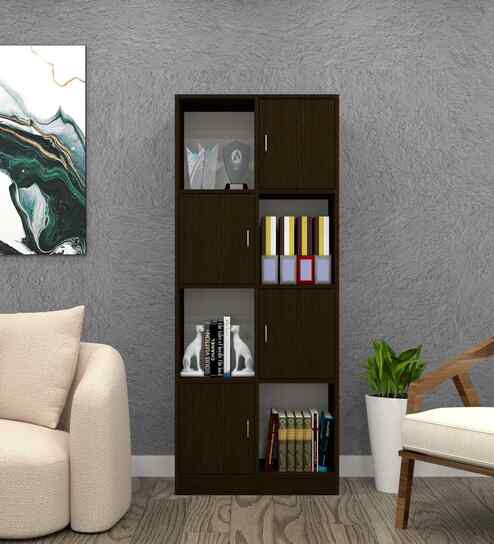
Cinderella 8 Shelves Bookshelf In Chiyoda Wange Finish
By SpecialityPanels
12-Month Warranty Available
₹8,999 ₹15,000 (40% off)
EMI starting from ₹433/month
Express Shipping in 1 day

Best Seller
Siramika Sheesham Wood Bookshelf In Honey Oak Finish
By Mudramark from Pepperfry
36-Month Warranty Available
₹28,999 ₹37,499 (23% off)
EMI starting from ₹1,393/month
Express Shipping in 1 day
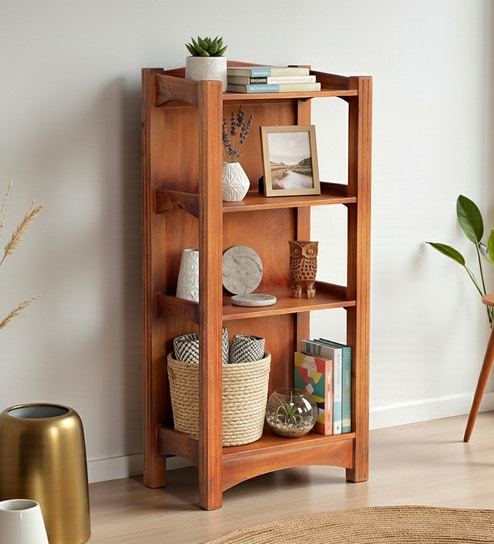
Grenoble Mango Wood Book Shelf In Walnut Finish
By Woodsworth from Pepperfry
36-Month Warranty Available
₹13,499 ₹16,999 (21% off)
EMI starting from ₹649/month
 +2 more colors
Walten Bookshelf In Brown Maple Colour
By bluewud
24-Month Warranty Available
₹1,799 ₹3,499 (49% off)
Express Shipping in 1 day
Extra Offer Inside
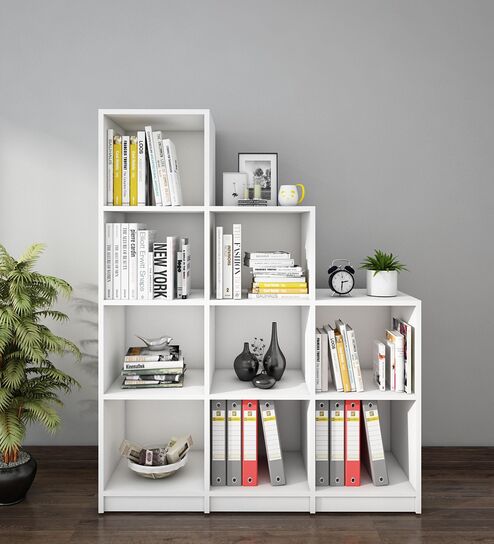
+1 more colorsCubix Bookshelf In Frosty White Finish
By Woodbuzz
24-Month Warranty Available
₹13,199 ₹18,490 (29% off)
EMI starting from ₹634/month
Best Seller
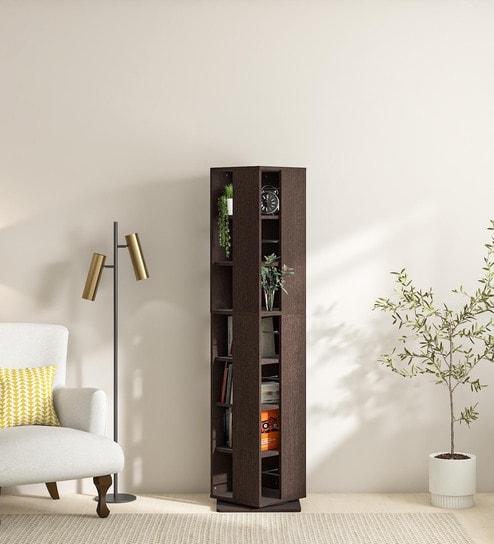
Shimada Rotatable Bookshelf In Wenge Finish
By Mintwud from Pepperfry
12-Month Warranty Available
₹9,999 ₹14,061 (29% off)
EMI starting from ₹481/month
 +10 more colors
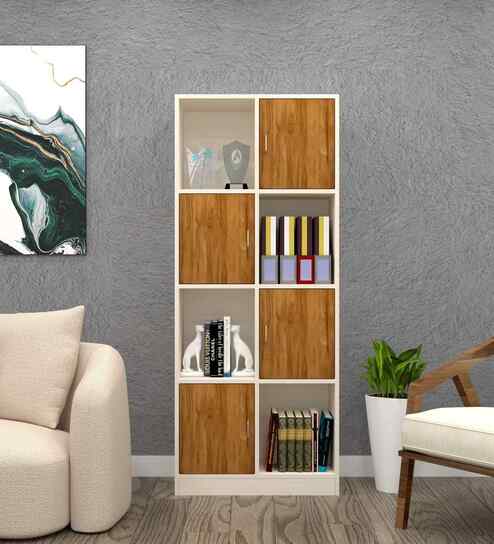
Cinderella 8 Shelves Bookshelf In Plateau Apple Finish
By SpecialityPanels
12-Month Warranty Available
₹8,999 ₹15,000 (40% off)
EMI starting from ₹433/month
Express Shipping in 1 day
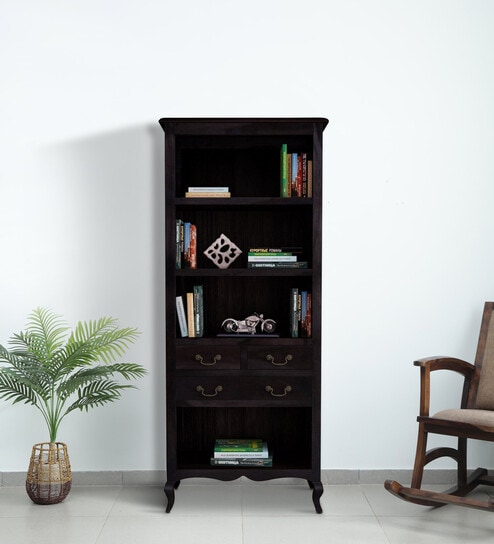
Anne Sheesham Wood Tall Bookshelf In Warm Chestnut Finish
By Amberville from Pepperfry
36-Month Warranty Available
₹45,999 ₹64,999 (29% off)
EMI starting from ₹2,209/month
Express Shipping in 1 day
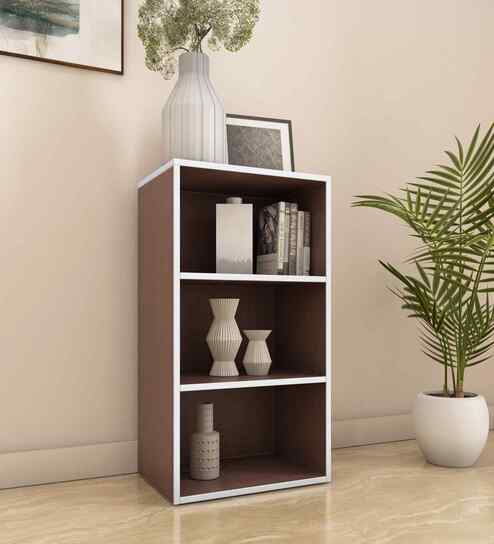
Best Seller
Halo Book Shelves In Legno Oak Finish
By Nilkamal
36-Month Warranty Available
₹1,863 ₹4,900 (62% off)

Extra Offer Inside
Astrella 3 Tier Bookshelf In Wenge Finish
By Crystal Furnitech
36-Month Warranty Available
₹3,999 ₹5,865 (32% off)
EMI starting from ₹193/month
Express Shipping in 1 day
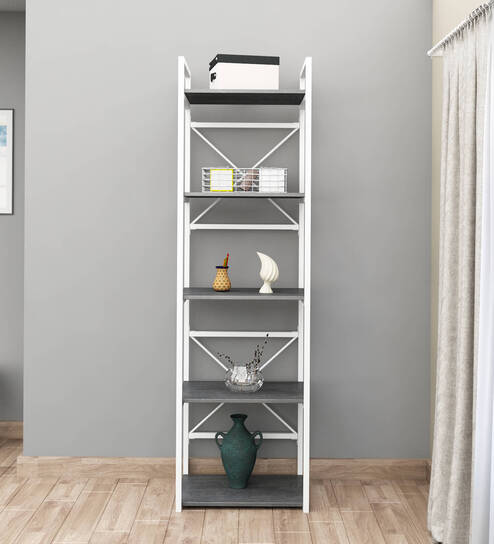
Extra Offer Inside
Abel Metal Bookshelf In Cream Finish
By Crystal Furnitech
36-Month Warranty Available
₹8,999 ₹11,465 (22% off)
EMI starting from ₹433/month
Express Shipping in 1 day
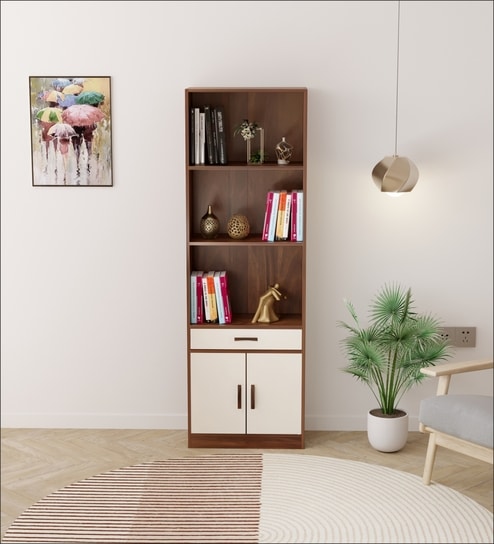
Best Seller
+1 more colorsSeonn Bookshelf In Brown Maple & Beige Finish With Drawer
By bluewud
24-Month Warranty Available
₹6,299 ₹10,999 (43% off)
EMI starting from ₹303/month

Extra Offer Inside
Solicitor Bookshelf In Frosty White Finish
By Woodbuzz
24-Month Warranty Available
₹19,799 ₹28,450 (30% off)
EMI starting from ₹951/month

Jordon Bookshelf In Brown Colour
By Royaloak
12-Month Warranty Available
₹6,299 ₹12,300 (49% off)
EMI starting from ₹303/month
Express Shipping in 1 day
 +1 more colors
Cinderella Bookshelf In Highlandpine Finish
By SpecialityPanels
12-Month Warranty Available
₹8,399 ₹15,000 (44% off)
EMI starting from ₹404/month
Express Shipping in 1 day

Lotus Sheesham Wood Corner Bookshelf In Provincial Teak Finish
By Woodsworth from Pepperfry
36-Month Warranty Available
₹31,999 ₹39,249 (18% off)
EMI starting from ₹1,537/month

Extra Offer Inside
Romano Book Shelf In Beige Finish
By Crystal Furnitech
36-Month Warranty Available
₹13,499 ₹17,332 (22% off)
EMI starting from ₹649/month
Express Shipping in 1 day
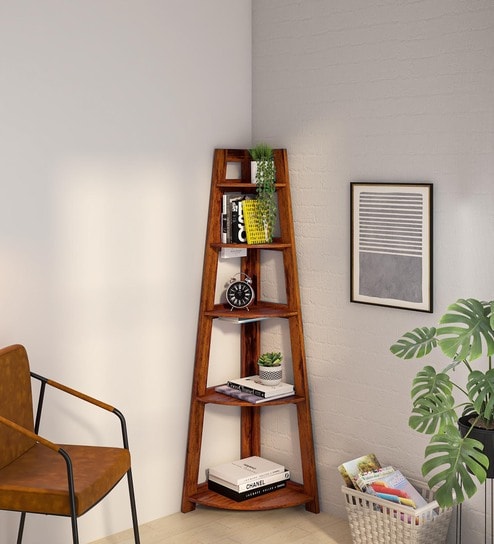
Best Seller
Bern Solid Wood Foldable Corner Bookshelf In Scratch Resistant Honey Oak Finish
By Woodsworth from Pepperfry
36-Month Warranty Available
₹18,999 ₹22,999 (17% off)
EMI starting from ₹913/month
 +1 more colors
Seonn Bookshelf In Wenge Finish
By bluewud
24-Month Warranty Available
₹4,899 ₹8,499 (42% off)
EMI starting from ₹236/month

Wisdom Large Bookshelf In Light Oak & Choco Walnut Finish
By A GLOBIA CREATIONS
36-Month Warranty Available
₹11,199 ₹17,307 (35% off)
EMI starting from ₹538/month
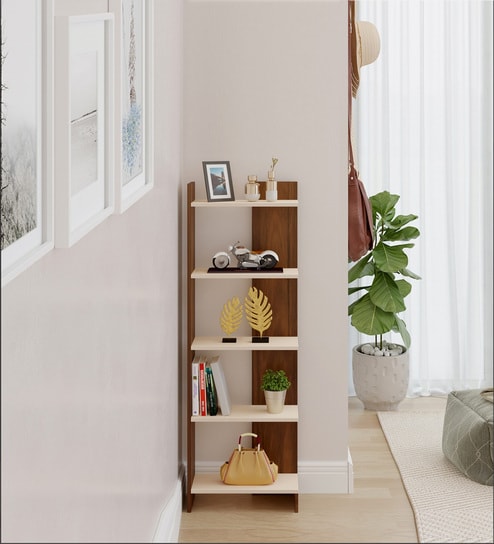 +1 more colors
Lagoon Bookshelf In Brown Maple & Beige Colour
By bluewud
24-Month Warranty Available
₹2,486 ₹4,299 (42% off)
Express Shipping in 1 day

Maxelle Bookshelf In Brown Maple & Beige Colour
By bluewud
24-Month Warranty Available
₹4,270 ₹7,599 (44% off)
EMI starting from ₹206/month

Akihiro Bookshelf In Columbia Walnut Finish
By Valuewud from Pepperfry
12-Month Warranty Available
₹5,999 ₹6,999 (14% off)
EMI starting from ₹289/month
Express Shipping in 1 day

Maya Bookshelf In Wenge Finish
By Mintwud from Pepperfry
36-Month Warranty Available
₹10,499 ₹16,199 (35% off)
EMI starting from ₹505/month
Express Shipping in 1 day

Tishya Solid Wood Bookshelf In Provincial Teak Finish
By Mudramark from Pepperfry
36-Month Warranty Available
₹37,999 ₹53,999 (30% off)
EMI starting from ₹1,825/month
Express Shipping in 1 day
Didn't Find What You Were Looking For? Share your Feedback with Us ->
Bookshelves - Stylish and Practical Storage for Every Home
A good bookshelf does more than hold your reading collection. It organises your space, displays cherished items, and adds personality to any room. At Pepperfry, we offer bookshelves that blend form with function. Our range spans compact wall-mounted units to grand floor-standing designs that anchor a study or living room.
Whether you need a sleek ladder design for a small flat or a traditional wooden unit for your study, you will find options that fit your space and budget. As one of India's leading online furniture destinations, Pepperfry brings quality bookshelves with easy delivery and expert installation across the country.
What Types of Bookshelves and Book Racks Are Available?
Before you start shopping, it helps to know the difference between a bookshelf and a book rack. A bookshelf typically has a closed or semi-closed back panel with defined compartments. This gives it more structure and stability. A book rack, on the other hand, tends to be more open in design. Think ladder styles, leaning frames, or minimalist metal structures without back panels. Both serve the same purpose, but they create different visual effects in your room.
Your choice depends on what you need. A sturdy bookshelf with a solid back works well for heavy hardcover collections. An open book rack suits lighter displays and gives rooms an airy feel. Many homes use a mix of both to balance storage with style.
Bookshelves are no longer just repositories for reading material. They are dynamic architectural elements that set the tone of a living room. Styling a shelf is about building a visual narrative using scale, texture, and light. - Ashiesh Shah, Architect & Interior Designer (Architectural Digest India)
Classic Multi-Tier Bookshelves
The multi-tier bookshelf remains a popular choice for good reason. These units feature multiple horizontal shelves stacked vertically, giving you ample space for books of all sizes. You can arrange paperbacks on upper shelves and place heavier volumes lower down where the structure is strongest.
Multi-tier designs come in various heights. A three-tier unit works for small rooms, while a six-tier piece suits homes with larger collections. Many models include adjustable shelf heights, so you can fit tall art books alongside standard novels. For a refined look, check out our traditional bookshelves with carved details and warm wood tones. If clean lines suit you better, our modern bookshelves offer sleek finishes and geometric profiles.
Ladder and Leaning Bookshelves
Ladder bookshelves bring a relaxed, casual vibe to any space. These units lean against the wall at a gentle angle, with shelves that get narrower as they go up. The tiered design naturally creates visual interest and draws the eye upward.
Leaning styles suit bedrooms, reading corners, and compact living rooms. They take up less floor space than traditional units while still offering decent storage. The open frame keeps rooms feeling light and uncluttered. You can place your favourite reads on lower, wider shelves and use the narrow top tiers for small decor pieces or potted plants.
Our contemporary bookshelves include several ladder designs that pair metal frames with wooden shelves. For something bolder, see our eclectic bookshelves with unusual shapes and vibrant finishes.
Corner Bookshelves
Every home has awkward corners that seem impossible to use. Corner bookshelves turn these forgotten spots into functional storage areas. Their angled design fits snugly into 90-degree corners without blocking walkways or eating into room space.
Corner units prove valuable in smaller flats where every square foot counts. They add vertical storage without disrupting furniture placement elsewhere. Some corner bookshelves feature rotating bases, letting you access all sides without reaching around. Others combine open shelves with closed cabinets for mixed storage needs.
Tip: Place your corner bookshelf near a window for natural reading light, but avoid direct sunlight that can fade book spines and wood finishes over time.
How Do You Choose the Right Bookshelf Capacity and Size?
Picking the right size bookshelf starts with measuring your space and counting your books. A unit too large overwhelms a room. One too small leaves you stacking books on the floor within months. Getting the balance right saves frustration later.
Understanding Shelf Spacing
Standard shelf spacing matters more than most people realise. Paperbacks typically need 8 to 9 inches of vertical clearance. Hardcovers require about 10 to 12 inches. Large art books or coffee table editions may need 13 to 15 inches per shelf.
Many book shelves come with fixed shelf positions. Before you buy, check if the spacing suits your collection. Adjustable shelving gives you flexibility to reorganise as your library grows or changes. You can fit more paperbacks per shelf or create taller openings for oversized volumes.
Estimating Your Storage Needs
A standard bookshelf holds roughly 48 to 50 average-sized books per shelf. If you own 200 books, you need at least four to five shelves. But leave room to grow. Most readers add 10 to 20 books yearly, so plan for the future rather than just the present.
Consider the mix in your collection too. Hardcovers take up nearly twice the space of paperbacks. If your library leans heavily toward thick volumes, you may need more shelves than the basic count suggests.
Beyond Books: Display and Decor
Modern bookshelves rarely hold only books. Most people use them to showcase photo frames, small plants, travel souvenirs, and decorative objects. This mixed-use approach adds personality and breaks up the visual weight of rows of book spines.
When planning capacity, reserve 20 to 30 percent of shelf space for non-book items. This gives you room to style your shelves attractively. Group small objects together rather than scattering them. Alternate horizontal and vertical book stacks to create rhythm across your display.
Tip: A bookshelf near your home decor display creates a natural focal point. Use coordinating colours between books and decor items for a pulled-together look.
Depth and Placement Considerations
Standard book rack depth runs between 10 and 12 inches. This suits most books comfortably with a slight overhang at the front. Deeper shelves of 14 to 15 inches work for large format books or storage boxes.
Depth also affects placement. A shallow unit fits easily in hallways or behind doors. Deeper bookshelves work better against full walls where they have room to project into the space. Always leave a small gap between the unit and the wall for air circulation, especially with wooden furniture in humid climates.
Height matters for safety too. Tall units over five feet should be anchored to the wall. This prevents tipping, especially important in homes with children or pets. Most quality bookshelves include anchor hardware or have it available separately.
Frequently Asked Questions (FAQs)
1. How much weight can a standard bookshelf support?
Most quality bookshelves hold 15 to 25 kg per shelf. Solid wood shelves handle more weight than engineered wood options. Always check the product specifications before loading heavy volumes. Distribute weight evenly across shelves and place the heaviest items on lower tiers where the frame is strongest.
2. Is a closed back or open bookshelf more stable?
Closed back bookshelves generally offer better stability. The back panel adds structural support and prevents the frame from racking or wobbling. Open designs rely entirely on shelf joinery for strength. If you prefer an open look, choose units with thick shelves and sturdy corner joints.
3. Does a bookshelf need wall anchoring for safety?
Tall bookshelves over 150 cm high should be anchored to the wall. This prevents tipping, which poses real risks in homes with children or during earthquakes. Most units come with anchor straps or brackets. Installation takes just minutes and provides lasting peace of mind.
4. What warranty covers the frame and shelves?
Pepperfry offers warranties that vary by product and material. Solid wood units typically come with longer coverage than engineered wood pieces. Check individual product pages for specific terms. Our customer service team can help with claims or questions about coverage details.
5. Is assembly required on delivery?
Many bookshelves arrive flat packed and need assembly. Product listings clearly state whether expert installation is included or available. Pepperfry's assembly service handles setup for you, ensuring proper construction. For flat pack items, reviews often mention whether instructions are clear and assembly is straightforward.
Book Shelves Price List
- Product List
- PRICE
This data was last updated on 2026/10/07
Most Searched In Book Shelves
Bookshelf Design Modern Book Shelves Traditional Book Shelves Contemporary Book Shelves Brown Book Shelves Mango Wood Book Shelves Eclectic Book Shelves Brown Modern Book Shelves Engineered Wood Book Shelves Sheesham Wood Book Shelves Engineered Wood Modern Book Shelves Sheesham Wood Modern Book Shelves Sheesham Wood Traditional Book Shelves Engineered Wood Contemporary Book Shelves Sheesham Wood Contemporary Book Shelves Engineered Wood Eclectic Book Shelves  FurnitureSofas, Sectional Sofas, Sofa Cum Beds, Chaise Loungers, Bean Bags, Recliners, Sofa Chairs, Settees & Benches, Ottomans, Chairs, Gaming Chairs, Stools & Pouffes, Shoe Racks, Centre Tables, Side Tables, TV & Media Units, Cabinets & Sideboards, Book Shelves, Book Cases, Dining Sets, Dining Chairs, Dining Tables, Crockery Units, Bar Furniture, Beds, Bedside Tables, Trunks, Chest of Drawers, Dressing Tables, Screens and Dividers, Wardrobes, Kids and Teens, Study Tables, Office Furniture, Home Temples, Wall Shelves and Cabinets, Outdoor, Massagers, Furniture Care
- Sofas
- Sectional Sofas
- Sofa Cum Beds
- Chaise Loungers
- Bean Bags
- Recliners
- Sofa Chairs
- Settees & Benches
- Ottomans
- Chairs
- Gaming Chairs
- Stools & Pouffes
- Shoe Racks
- Centre Tables
- Side Tables
- TV & Media Units
- Cabinets & Sideboards
- Book Shelves
- Book Cases
- Dining Sets
- Dining Chairs
- Dining Tables
- Crockery Units
- Bar Furniture
- Beds
- Bedside Tables
- Trunks
- Chest of Drawers
- Dressing Tables
- Screens and Dividers
- Wardrobes
- Kids and Teens
- Study Tables
- Office Furniture
- Home Temples
- Wall Shelves and Cabinets
- Outdoor
- Massagers
- Furniture Care
 Sofas & SeatingSofas, Sofa Sets, Sectional Sofas, Sofa Cum Beds, Recliners, Recliner Sets, Chaise Loungers, Sofa Chairs, Bean Bags, Accent Chairs, Office Chairs, Gaming Chairs, Dining Chairs, Bar Seating, Settees & Benches, Ottomans, Stools & Pouffes, Outdoor Seating, Furniture Care, Top Collections, Top Brands
- Sofas
- Sofa Sets
- Sectional Sofas
- Sofa Cum Beds
- Recliners
- Recliner Sets
- Chaise Loungers
- Sofa Chairs
- Bean Bags
- Accent Chairs
- Office Chairs
- Gaming Chairs
- Dining Chairs
- Bar Seating
- Settees & Benches
- Ottomans
- Stools & Pouffes
- Outdoor Seating
- Furniture Care
- Top Collections
- Top Brands
 MattressesKing Size Mattresses, Queen Size Mattresses, Single Size Mattresses, Foldable Mattresses, Crib Mattresses, Mattress Protectors, Mattress Toppers, Pillows, Mattresses By Feature, Top Brands
- King Size Mattresses
- Queen Size Mattresses
- Single Size Mattresses
- Foldable Mattresses
- Crib Mattresses
- Mattress Protectors
- Mattress Toppers
- Pillows
- Mattresses By Feature
- Top Brands
 Home DecorVases, Figurines, Collectibles, Showpieces, Home Utility, Table Decor, Kids Decor, Photo Frames, Candles, Candle Stands, Decor Gift Sets, Spiritual, Home Fragrances, Appliances, Prayer Essentials, Artificial Plants & Flowers, Festive Decor, Gardening, Pots and Planters, Outdoor Decor, Wall Hangings, Wall Shelves, Wall Cabinets, Set Top Box Holders, Key Holders, Jharokhas, Screens & Dividers, Wall Decor, Wall Art and Paintings, Wallpapers & Decals, Clocks, Mirrors, Gifting
- Vases
- Figurines
- Collectibles
- Showpieces
- Home Utility
- Table Decor
- Kids Decor
- Photo Frames
- Candles
- Candle Stands
- Decor Gift Sets
- Spiritual
- Home Fragrances
- Appliances
- Prayer Essentials
- Artificial Plants & Flowers
- Festive Decor
- Gardening
- Pots and Planters
- Outdoor Decor
- Wall Hangings
- Wall Shelves
- Wall Cabinets
- Set Top Box Holders
- Key Holders
- Jharokhas
- Screens & Dividers
- Wall Decor
- Wall Art and Paintings
- Wallpapers & Decals
- Clocks
- Mirrors
- Gifting
 FurnishingsBed Sheets, Blankets & Quilts, Bath Linen, Bed Linen, Curtains, Curtain Accessories, Laundry Baskets, Mosquito Nets, Furnishing Gift Sets, Cushions & Covers, Sofa Covers & Throws, Chair Covers & Pads, Carpets, Dhurries, Runners, Door Mats, Bath Mats, Prayer Mats, Picnic Mats, Yoga Mats, Kids Furnishings, Pet Furnishings, Top Brands
- Bed Sheets
- Blankets & Quilts
- Bath Linen
- Bed Linen
- Curtains
- Curtain Accessories
- Laundry Baskets
- Mosquito Nets
- Furnishing Gift Sets
- Cushions & Covers
- Sofa Covers & Throws
- Chair Covers & Pads
- Carpets
- Dhurries
- Runners
- Door Mats
- Bath Mats
- Prayer Mats
- Picnic Mats
- Yoga Mats
- Kids Furnishings
- Bed Sheets
- Carpets & Mats
- Kids Blankets and Comforters
- Pillows and Covers
- Cushion Covers
- Towels
- Bedding Sets
- Curtains
- Baby Mats
- Pet Furnishings
- Top Brands
 Lamps & LightingFloor Lamps, Shelf Floor Lamps, Table Lamps, Night Lamps, Work and Study Lamps, Lamp Shades, Kids Lamps, Ceiling Lights, Wall Lights, Smart Lights, Outdoor Lights, Decorative Lights, Emergency Lights, Bulbs, Top Brands
- Floor Lamps
- Shelf Floor Lamps
- Table Lamps
- Night Lamps
- Work and Study Lamps
- Lamp Shades
- Kids Lamps
- Ceiling Lights
- Wall Lights
- Smart Lights
- Outdoor Lights
- Decorative Lights
- Emergency Lights
- Bulbs
- Top Brands
 Kitchen & DiningServeware, Jugs, Bakeware, Dinnerware, Cookware, Cooking Tools, Drinkware, Bottles, Flasks, Sippers, Barware, Teaware, Knives & Cutlery, Table Essentials, Jars and Containers, Kitchen Organizers, Lunch Boxes, Kids Kitchenware & Tableware, Gift Sets, Kitchen Linen, Table Linen, Kitchen Appliances, Top Brands
- Serveware
- Serving Bowls
- Casseroles
- Butter Dishes
- Serving Trays
- Tray Sets
- Appetizer Platters
- Cheese Boards
- Cake Stands
- Cloche
- Jugs
- Bakeware
- Dinnerware
- Cookware
- Cooking Tools
- Spatulas, Ladles and Tongs
- Knives and Choppers
- Chopping Boards
- Rolling Pins and Boards
- Strainers and Whisks
- Cooking Preparation Tools
- Drinkware
- Bottles
- Flasks
- Sippers
- Barware
- Barware Sets
- Bar Tools
- Ash Trays
- Wine Holders & Coolers
- Carafes and Decanters
- Dispensers
- Ice Buckets & Moulds
- Teaware
- Knives & Cutlery
- Table Essentials
- Jars and Containers
- Kitchen Organizers
- Lunch Boxes
- Kids Kitchenware & Tableware
- Gift Sets
- Kitchen Linen
- Table Linen
- Kitchen Appliances
- Top Brands
 LuxuryLiving Room, Bedroom, Dining Room, Home Office
 Modular