Sign Up & Get Upto Rs. 1,500 off on Your First Purchase!


Body Pillow
Body pillows bring the full-length support you need for restful sleep. At Pepperfry, you can find memory foam, microfibre, and polyester options in various sizes and firmness levels. These elongated pillows help with spinal alignment, pregnancy comfort, and pain relief. Browse our body pillow collection to find the perfect match for your sleep style and bedroom setup.
More


Cuddle Microfiber 50 x 19 Inch Body Pillow
₹1,698₹2,99943%

Full Body Microfibre 53 x 16 Inch Pillow in Brown Colour
₹1,044₹1,99948%
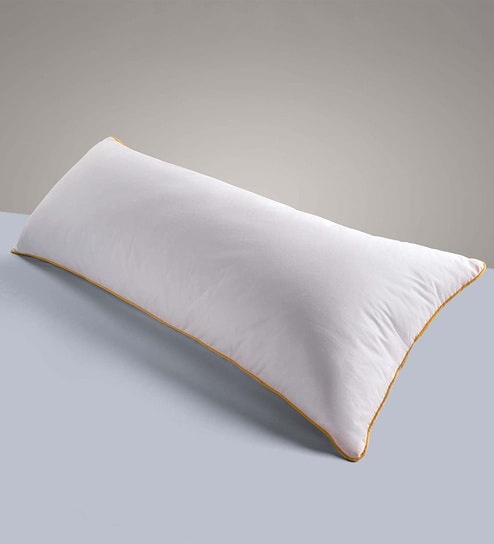
Cuddle Microfiber 50 x 19 Inch Pillow
₹1,989₹1,989

Microfiber 53 x 18 Inch Body Pillow
₹1,424₹1,99929%
Filter By More Filters
Sort By
Showing 1-13 of 13 options inBody Pillow
 +2 more colors
Full Body Microfibre 53 x 16 Inch Pillow in Brown Colour
By My Armor
6-Month Warranty Available
₹1,044 ₹1,999 (48% off)
Express Shipping in 1 day
Microfiber 53 x 18 Inch Body Pillow
By Sleepsia
12-Month Warranty Available
₹1,424 ₹1,999 (29% off)
Express Shipping in 2 days
Extra Offer Inside
Cuddle Microfiber 50 x 19 Inch Pillow
By SleepyCat
12-Month Warranty Available
₹1,989
Express Shipping in 1 day
Cuddle Microfiber 50 x 19 Inch Body Pillow
By Springtek
₹1,698 ₹2,999 (43% off)
Express Shipping in 1 day

Half Body Memory Foam 30 x 10 Inch Pillow in Sky Blue Colour with Velvet Cover
By My Armor
₹1,329 ₹3,599 (63% off)
Express Shipping in 1 day

Microfiber 54 L x 17 W Inch Pillow with cover
By Sleep Time
6-Month Warranty Available
₹1,225 ₹3,229 (62% off)
Express Shipping in 1 day

Microfiber 54 L x 17 W Inch Pillow with cover
By Sleep Time
6-Month Warranty Available
₹1,225 ₹3,229 (62% off)
Express Shipping in 1 day
 +2 more colors
Full Body Microfibre 53 x 16 Inch Pillow in Purple Colour
By My Armor
6-Month Warranty Available
₹1,044 ₹1,999 (48% off)
Express Shipping in 1 day
 +2 more colors
Full Body Microfibre 53 x 16 Inch Pillow in Maroon Colour
By My Armor
6-Month Warranty Available
₹1,044 ₹1,999 (48% off)
Express Shipping in 1 day

Full Body Microfibre 53 x 16 Inch Pillow in Aqua Green & Navy Blue Colour
By My Armor
6-Month Warranty Available
₹1,044 ₹1,999 (48% off)
Express Shipping in 1 day

Daily Deal
Kirk Stripe Microfibre 48 x 18 Inch Body Pillow
By Gilson
6-Month Warranty Available
₹439 ₹1,039 (58% off)
Express Shipping in 2 days

Kirk Stripe Microfibre 60 x 18 Inch Body Pillow
By Gilson
6-Month Warranty Available
₹664 ₹1,169 (43% off)
Express Shipping in 2 days

Kirk Stripe Microfibre 54 x 18 Inch Body Pillow
By Gilson
6-Month Warranty Available
₹617 ₹1,104 (44% off)
Express Shipping in 2 days
Didn't Find What You Were Looking For? Share your Feedback with Us ->
Body Pillows: Full Body Support for Better Sleep
A good night's rest shapes how you feel all day. Yet many people wake with stiff necks, aching backs, or sore hips. The right body pillow can change that. These long pillows for the bed cradle your entire frame, keeping your spine aligned from shoulders to knees. They work for side sleepers, expectant mothers, and anyone recovering from surgery or chronic pain.
At Pepperfry, we offer the best body pillow options in memory foam, microfibre, and polyester fills. Each full body pillow suits different comfort needs and budgets.
"The traditional Indian bolster is essentially the original body pillow. Reimagining these elongated forms with contemporary, plush fillings and sophisticated textiles allows us to retain that deep-rooted cultural sense of lounging comfort while keeping the aesthetic completely modern" - Sunita Kohli, Interior Designer and Architectural Restorer (Elle Decor India). |
What is a Body Pillow? Understanding Full Body Support
A body pillow is an elongated cushion, typically measuring 48 to 54 inches in length. Unlike standard bed pillows that support only your head and neck, a full body pillow runs alongside your torso and legs. This gives you something to hug, lean against, or tuck between your knees.
The concept draws from traditional bolsters, but modern versions use advanced fills and ergonomic shapes. Some are straight and simple. Others curve into C or U shapes for wraparound support. What sets a body pillow apart is its ability to reduce pressure points across your entire frame. When you sleep on your side, a regular pillow leaves your arm and leg unsupported. A body pillow fills that gap, preventing your spine from twisting overnight.
Quick tip: If you toss and turn frequently, a contoured body pillow helps you stay in position without waking up. |
What Are the Benefits of Using a Body Pillow?
Choosing a body pillow brings several practical advantages that directly improve sleep quality. Here are the key benefits:
- Better spinal alignment: Side sleepers often wake with lower back pain because their hips sink unevenly. A body pillow between your knees keeps your pelvis level and your spine straight.
- Pregnancy comfort: Expectant mothers deal with shifting weight and pressure on their backs. A full body pillow supports the belly and reduces strain on the hips and shoulders.
- Relief from aches: People with chronic back, hip, or knee pain find that hugging a body pillow reduces joint stress during sleep.
- Less snoring: Elevating your upper body slightly or sleeping on your side, both easier with a body pillow, can open airways and reduce snoring.
- Emotional comfort: Many people simply sleep better when they have something to hold. A body pillow provides that sense of security without overheating as another person might.
These benefits make body pillows popular across age groups and sleep styles.
How Do You Choose the Right Body Pillow?
Selecting the best body pillow depends on your sleep habits, body type, and comfort preferences. Several factors deserve your attention before you buy.
Start by considering the fill material. Each type offers different levels of support and temperature control. Then think about firmness. Your sleep position and any pain issues will guide that choice. Size matters too. A pillow that is too short leaves your legs unsupported. One that is too long may hang off smaller beds awkwardly.
Shape is another consideration. Straight body pillows suit most sleepers. C-shaped pillows wrap around your front and back. U-shaped ones cradle you from both sides, ideal for pregnancy or post-surgery recovery. Cover fabric also plays a role. Cotton breathes well for warm sleepers. Bamboo fabric offers natural cooling. Some covers feature moisture-wicking technology for humid climates.
Fill Materials Compared: Memory Foam vs. Microfibre vs. Polyester
Each fill type has clear strengths and trade-offs.
Memory foam moulds to your body shape, offering precise support. It holds its form well and suits people with joint pain. The downside is heat retention. Memory foam can feel warm in hot weather.
Microfibre feels soft and plush, similar to down but without allergens. It compresses easily, making these pillows lighter and more huggable. They also wash well. However, microfibre loses loft over time and needs fluffing.
Polyester is the most budget-friendly option. It provides decent support for casual users but lacks the contouring of memory foam or the softness of microfibre. Polyester pillows suit guest rooms or children.
Consider this: If you sleep hot, microfibre with a breathable cotton cover works better than memory foam. |
Finding Your Ideal Firmness Level
Firmness affects how well a body pillow supports your frame.
Soft pillows compress easily. They work for combo sleepers who shift positions often and want something that moulds quickly.
Medium firmness suits most side sleepers. It provides enough pushback to keep your spine aligned without feeling rigid.
Firm pillows offer maximum support. They benefit people with back pain, heavier body frames, or pregnant women who need reliable belly support. If you weigh more than 80 kg, a firmer option prevents the pillow from flattening under pressure.
Who Benefits Most from Using a Body Pillow?
Body pillows serve specific groups particularly well. Understanding your needs helps you pick the right style and firmness.
Pregnant women rely on body pillows throughout their journey. Side sleepers use them to prevent shoulder and hip strain. People recovering from surgery appreciate the gentle positioning support. Elderly users find them helpful for mobility and comfort while resting. Even healthy adults without specific issues often sleep more soundly with full body support.
Body Pillows for Pregnancy: Trimester-by-Trimester Support
During the first trimester, a simple straight body pillow helps establish side-sleeping habits before the belly grows. In the second trimester, a C-shaped pillow supports the growing bump while cushioning the back.
By the third trimester, many women prefer U-shaped pillows. These wrap around the entire body, supporting the belly, back, and knees at once. They reduce swelling by encouraging better circulation and taking pressure off the lower spine. If you share a bed, a C-shape takes less room while still offering belly support.
For Side Sleepers: Achieving Perfect Spinal Alignment
Side sleeping is healthy for digestion and breathing. But without support, your top leg drops forward, twisting your pelvis and straining your lower back.
A full body pillow solves this. Place it between your knees and thighs, then hug the upper portion. This keeps your shoulders stacked and your hips level. Your spine stays neutral from neck to tailbone. The result is deeper sleep and less morning stiffness. If you deal with shoulder pain, tuck part of the pillow under your arm to reduce pressure on the joint.
Pro tip: Adjust the pillow position until your ears, shoulders, and hips form a straight line when viewed from above. |
How Do You Find the Right Body Pillow Size for Your Bed?
Matching your long pillow to the bed size ensures comfort without crowding your sleeping space.
Standard body pillows measure around 48 inches. These fit twin and full-size beds well and suit people under 168 cm tall. For queen beds and average-height adults between 168 and 188 cm, a 54-inch pillow provides full coverage from chest to ankles.
King beds accommodate 60-inch or longer pillows. Taller individuals above 188 cm benefit from these extended options. The extra length prevents the pillow from shifting out of position during the night.
Width matters too. Slim pillows around 15 cm wide leave more bed space for partners. Wider pillows around 20 cm provide more hugging surface but take up room. If you share a queen bed, consider a slimmer full-body pillow so both sleepers have adequate space.
For solo sleepers on a king bed, a wider U-shaped pillow creates a cosy nest without feeling cramped.
How Do You Care for Your Body Pillow?
Proper maintenance keeps your body pillow fresh and supportive for years.
Most body pillows come with removable, machine-washable covers. Wash covers every two to four weeks in warm water with mild detergent. Tumble dry on low heat or air dry to prevent shrinkage.
The pillow itself needs less frequent cleaning. Spot clean stains with a damp cloth and mild soap. For deeper cleaning, check the care label. Many microfibre and polyester pillows can go in a front-loading machine on a gentle cycle. Memory foam pillows should not be machine-washed. Instead, vacuum them lightly and air them out in indirect sunlight to remove odours.
Fluff your pillow weekly to maintain its shape. Press down on it and release to redistribute the fill. Replace your body pillow every 18 to 36 months, depending on how quickly it loses loft. If the pillow no longer springs back when pressed, it has lost its supportive properties.
Storage note: If storing a body pillow temporarily, keep it in a breathable cotton bag. Plastic traps moisture and can cause mould. |
Frequently Asked Questions About Body Pillow
1. What size body pillow should I buy?
Choose based on your height and bed size. A 48 inch pillow suits people under 168 cm on twin or full beds. A 54 inch pillow works for queen beds and average heights. Taller users on king beds should look at 60-inch options.
2. Are body pillows good for back pain?
Yes. Placing a body pillow between your knees while side sleeping keeps your pelvis aligned. This reduces strain on your lower back and helps muscles relax overnight.
3. Can body pillows help reduce snoring?
They can. Side sleeping opens airways better than back sleeping. A body pillow encourages you to stay on your side, which may reduce snoring and mild sleep apnea symptoms.
4. What is the difference between a body pillow and a maternity pillow?
Maternity pillows are shaped specifically for pregnancy support, often in C or U shapes. Body pillows are typically straight and serve general comfort needs. Many pregnant women use standard body pillows successfully.
5. How firm should a body pillow be?
Firm pillows suit people with back pain or heavier frames. Medium firmness works for most side sleepers. Soft pillows benefit those who change positions often during the night.
6. Are memory foam or fibre body pillows better?
Memory foam offers precise support and lasts longer. Fibre pillows feel softer and wash more easily. Choose foam for joint pain relief and fibre for a plush, huggable feel.
Body Pillow Price List
- Product List
- PRICE
This data was last updated on 2026/06/11
Most Searched In Body Pillow
Single Mattresses Single Foam Mattresses Single Spring Mattresses Single Latex Mattresses Single Coir Mattresses Single Cotton Mattresses Queen Size Mattresses Queen Size Foam Mattresses Queen Size Spring Mattresses Queen Size Latex Mattresses Queen Size Coir Mattresses Queen Size Cotton Mattresses King Size Mattresses King Size Foam Mattresses King Size Spring Mattresses King Size Latex Mattresses King Size Coir Mattresses Foldable Mattresses Single Bed Foldable Mattresses Queen Bed Foldable Mattresses King Bed Foldable Mattresses Mattress Protectors Single Size Mattress Protectors Queen Size Mattress Protectors King Size Mattress Protectors Mattress Toppers Single Size Mattress Toppers Queen Size Mattress Toppers King Size Mattress Toppers Pillows Bed Wedges Crib Mattresses Mattress Steaming Latex Mattresses Orthopedic Mattresses Memory Foam Mattresses Coir Mattresses Pocket Spring Mattresses Spring Mattresses Pregnancy Pillow Mattresses King Size Cotton Mattresses Body Pillow Sleeping Pillow  FurnitureSofas, Sectional Sofas, Sofa Cum Beds, Chaise Loungers, Bean Bags, Recliners, Sofa Chairs, Settees & Benches, Ottomans, Chairs, Gaming Chairs, Stools & Pouffes, Shoe Racks, Centre Tables, Side Tables, TV & Media Units, Cabinets & Sideboards, Book Shelves, Book Cases, Dining Sets, Dining Chairs, Dining Tables, Crockery Units, Bar Furniture, Beds, Bedside Tables, Trunks, Chest of Drawers, Dressing Tables, Wardrobes, Kids and Teens, Study Tables, Office Furniture, Outdoor, Massagers
- Sofas
- Sectional Sofas
- Sofa Cum Beds
- Chaise Loungers
- Bean Bags
- Recliners
- Sofa Chairs
- Settees & Benches
- Ottomans
- Chairs
- Gaming Chairs
- Stools & Pouffes
- Shoe Racks
- Centre Tables
- Side Tables
- TV & Media Units
- Cabinets & Sideboards
- Book Shelves
- Book Cases
- Dining Sets
- Dining Chairs
- Dining Tables
- Crockery Units
- Bar Furniture
- Beds
- Bedside Tables
- Trunks
- Chest of Drawers
- Dressing Tables
- Wardrobes
- Kids and Teens
- Study Tables
- Office Furniture
- Outdoor
- Massagers
 Sofas & SeatingSofas, Sofa Sets, Sectional Sofas, Sofa Cum Beds, Recliners, Recliner Sets, Chaise Loungers, Sofa Chairs, Bean Bags, Accent Chairs, Office Chairs, Gaming Chairs, Dining Chairs, Bar Seating, Settees & Benches, Ottomans, Stools & Pouffes, Outdoor Seating, Furniture Care, Top Collections, Top Brands
- Sofas
- Sofa Sets
- Sectional Sofas
- Sofa Cum Beds
- Recliners
- Recliner Sets
- Chaise Loungers
- Sofa Chairs
- Bean Bags
- Accent Chairs
- Office Chairs
- Gaming Chairs
- Dining Chairs
- Bar Seating
- Settees & Benches
- Ottomans
- Stools & Pouffes
- Outdoor Seating
- Furniture Care
- Top Collections
- Top Brands
 MattressesKing Size Mattresses, Queen Size Mattresses, Single Size Mattresses, Foldable Mattresses, Crib Mattresses, Mattress Protectors, Mattress Toppers, Pillows, Mattresses By Feature, Top Brands
- King Size Mattresses
- Queen Size Mattresses
- Single Size Mattresses
- Foldable Mattresses
- Crib Mattresses
- Mattress Protectors
- Mattress Toppers
- Pillows
- Mattresses By Feature
- Top Brands
 Home DecorVases, Figurines, Collectibles, Showpieces, Home Utility, Table Decor, Kids Decor, Photo Frames, Candles, Candle Stands, Spiritual, Home Fragrances, Decor Gift Sets, Prayer Essentials, Artificial Plants & Flowers, Festive Decor, Gardening, Pots and Planters, Outdoor Decor, Wall Hangings, Wall Shelves, Wall Cabinets, Set Top Box Holders, Key Holders, Jharokhas, Screens & Dividers, Wall Decor, Wall Art and Paintings, Wallpapers & Decals, Clocks, Mirrors, Gifting
- Vases
- Figurines
- Collectibles
- Showpieces
- Home Utility
- Table Decor
- Kids Decor
- Photo Frames
- Candles
- Candle Stands
- Spiritual
- Home Fragrances
- Decor Gift Sets
- Prayer Essentials
- Artificial Plants & Flowers
- Festive Decor
- Gardening
- Pots and Planters
- Outdoor Decor
- Wall Hangings
- Wall Shelves
- Wall Cabinets
- Set Top Box Holders
- Key Holders
- Jharokhas
- Screens & Dividers
- Wall Decor
- Wall Art and Paintings
- Wallpapers & Decals
- Clocks
- Mirrors
- Gifting
 FurnishingsBed Sheets, Blankets & Quilts, Bath Linen, Bed Linen, Curtains, Curtain Accessories, Laundry Baskets, Mosquito Nets, Furnishing Gift Sets, Cushions & Covers, Sofa Covers & Throws, Chair Covers & Pads, Carpets, Dhurries, Runners, Door Mats, Bath Mats, Picnic Mats, Kids Furnishings, Pet Furnishings, Yoga Mats, Top Brands
- Bed Sheets
- Blankets & Quilts
- Bath Linen
- Bed Linen
- Curtains
- Curtain Accessories
- Laundry Baskets
- Mosquito Nets
- Furnishing Gift Sets
- Cushions & Covers
- Sofa Covers & Throws
- Chair Covers & Pads
- Carpets
- Dhurries
- Runners
- Door Mats
- Bath Mats
- Picnic Mats
- Kids Furnishings
- Bed Sheets
- Carpets & Mats
- Kids Blankets and Comforters
- Pillows and Covers
- Cushion Covers
- Towels
- Bedding Sets
- Curtains
- Baby Mats
- Pet Furnishings
- Yoga Mats
- Top Brands
 Lamps & LightingFloor Lamps, Shelf Floor Lamps, Table Lamps, Night Lamps, Work and Study Lamps, Lamp Shades, Kids Lamps, Ceiling Lights, Wall Lights, Smart Lights, Outdoor Lights, Decorative Lights, Emergency Lights, Bulbs, Top Brands
- Floor Lamps
- Shelf Floor Lamps
- Table Lamps
- Night Lamps
- Work and Study Lamps
- Lamp Shades
- Kids Lamps
- Ceiling Lights
- Wall Lights
- Smart Lights
- Outdoor Lights
- Decorative Lights
- Emergency Lights
- Bulbs
- Top Brands
 Kitchen & DiningServeware, Jugs, Bakeware, Dinnerware, Cookware, Cooking Tools, Drinkware, Bottles, Flasks, Sippers, Barware, Teaware, Knives & Cutlery, Table Essentials, Jars and Containers, Kitchen Organizers, Lunch Boxes, Kids Kitchenware & Tableware, Gift Sets, Kitchen Linen, Table Linen, Top Brands
- Serveware
- Serving Bowls
- Casseroles
- Butter Dishes
- Serving Trays
- Tray Sets
- Appetizer Platters
- Cheese Boards
- Cake Stands
- Cloche
- Jugs
- Bakeware
- Dinnerware
- Cookware
- Cooking Tools
- Spatulas, Ladles and Tongs
- Knives and Choppers
- Chopping Boards
- Rolling Pins and Boards
- Strainers and Whisks
- Cooking Preparation Tools
- Drinkware
- Bottles
- Flasks
- Sippers
- Barware
- Barware Sets
- Bar Tools
- Ash Trays
- Wine Holders & Coolers
- Carafes and Decanters
- Dispensers
- Ice Buckets & Moulds
- Teaware
- Knives & Cutlery
- Table Essentials
- Jars and Containers
- Kitchen Organizers
- Lunch Boxes
- Kids Kitchenware & Tableware
- Gift Sets
- Kitchen Linen
- Table Linen
- Top Brands
 LuxuryLiving Room, Bedroom, Dining Room, Home Office
 Modular