Sign Up & Get Upto Rs. 1,500 off on Your First Purchase!


Blankets
Pepperfry brings you a thoughtfully curated collection of blankets to suit every season and sleeping preference. From lightweight AC blankets for cool summer nights to thick woollen options for harsh winters, our range covers it all. Choose from fleece, cotton, mink, and blended materials in sizes for single beds, double beds, and baby cribs. Each blanket combines softness with durability, offering comfort that lasts through countless washes.
More


Filter By More Filters
Sort By
Showing 1-40 of 200 options inBlankets


Pink Cotton Floral 500 GSM Double Bed Comforter
By Chhavi India
₹1,199 ₹1,699 (29% off)
Express Shipping in 2 days

Orange Cotton Abstract 500 GSM Double Bed Comforter
By Chhavi India
₹854 ₹1,999 (57% off)
Express Shipping in 2 days

Price Drop Alert
Blue Microfiber Abstract 250 GSM Double Blanket
By Cortina
₹801 ₹2,249 (64% off)
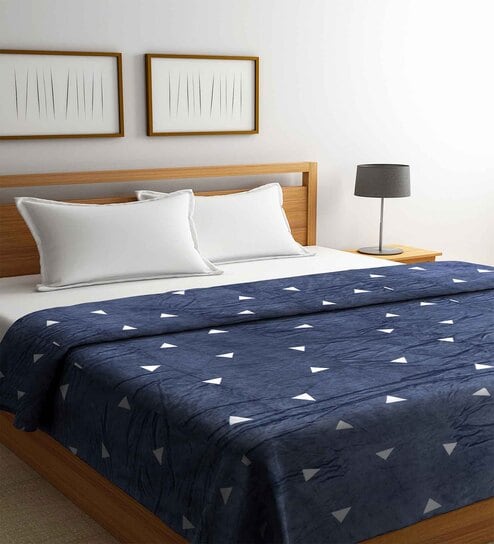
Navy Blue Microfiber Abstract 250 GSM Double Blanket
By Cortina
₹796 ₹2,249 (65% off)
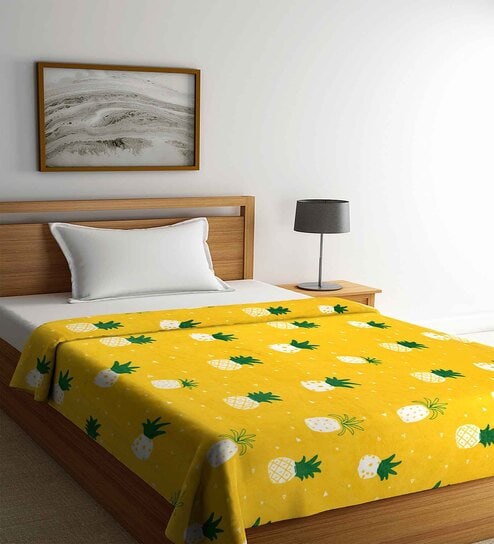
Yellow Microfiber Abstract 250 GSM Double Blanket
By Cortina
₹801 ₹2,249 (64% off)
Yellow Microfiber Abstract 250 GSM Single Blanket
By Cortina
₹854 ₹2,249 (62% off)
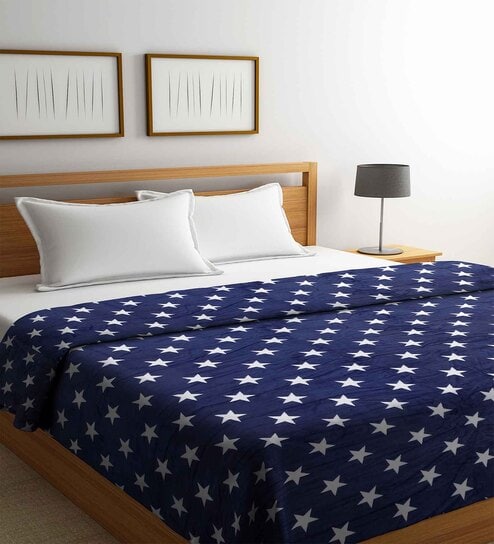
Navy Blue Microfiber Abstract 250 GSM Double Blanket
By Cortina
₹801 ₹2,249 (64% off)

Navy Blue Microfiber Abstract 250 GSM Single Blanket
By Cortina
₹854 ₹2,249 (62% off)
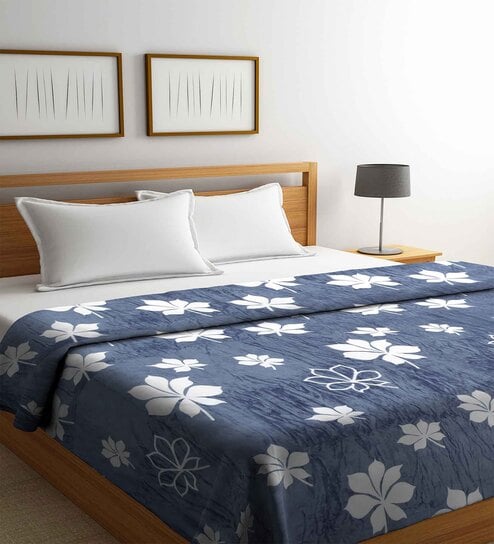
Blue Microfiber Abstract 250 GSM Double Blanket
By Cortina
₹655 ₹1,599 (59% off)

Price Drop Alert
Grey Microfiber Abstract 250 GSM Single Blanket
By Cortina
₹854 ₹2,249 (62% off)

Red Geometric Cotton 200 GSM Double Bed Blanket
By Pluchi
₹8,799
EMI starting from ₹423/month
Express Shipping in 1 day
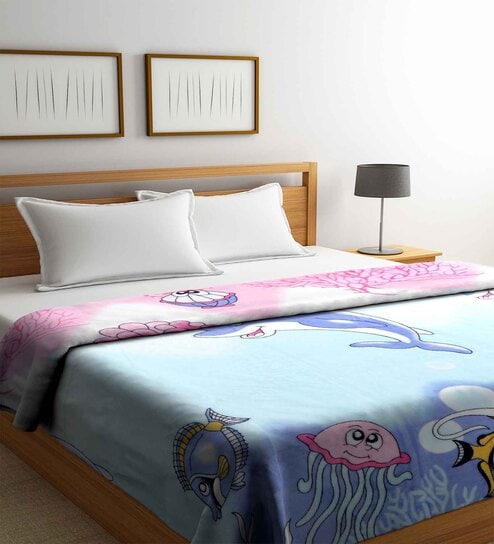
Pink Microfiber Abstract 250 GSM Double Blanket
By Cortina
₹801 ₹2,249 (64% off)
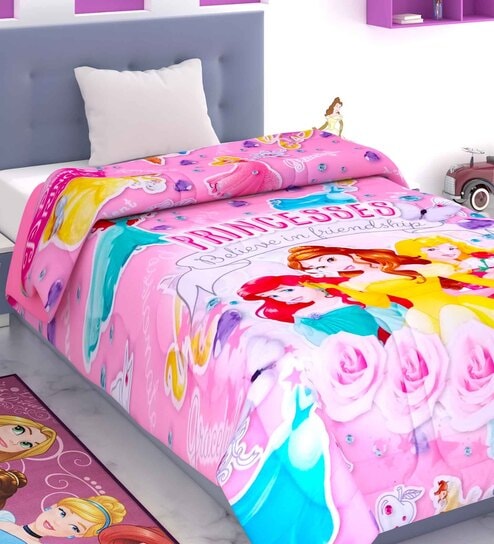
Pink Polyester Kids Printed Single Bed Comforter
By Athom Living
₹2,155 ₹3,999 (46% off)
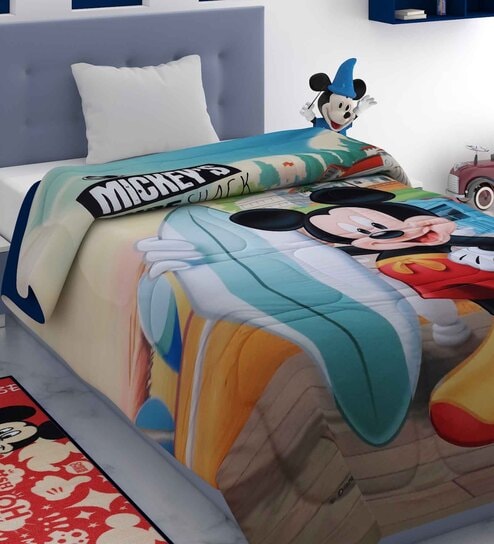
Multicolor Polyester Kids Printed Single Bed Comforter
By Athom Living
₹2,155 ₹3,999 (46% off)
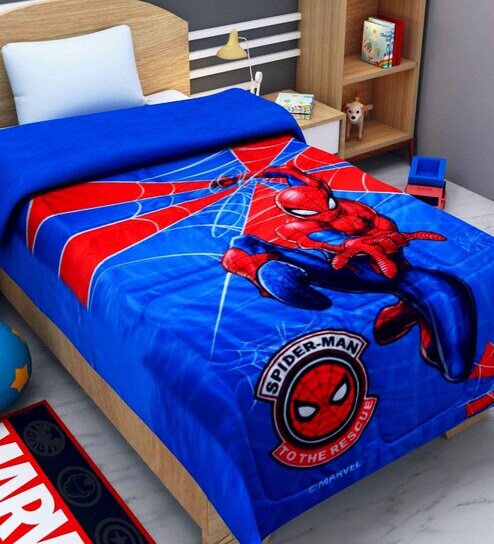
Blue Polyester Kids Printed Single Bed Comforter
By Athom Living
₹2,155 ₹3,999 (46% off)
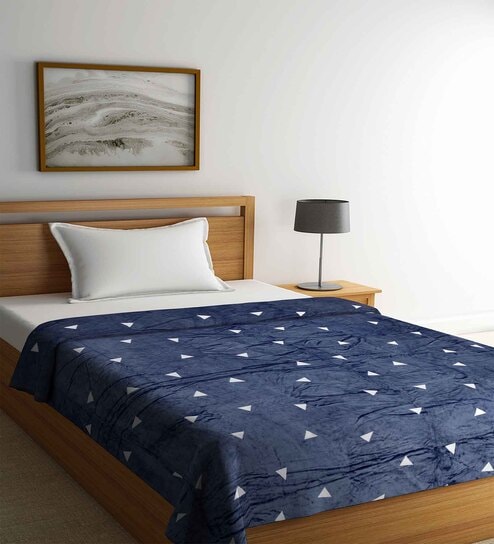
Navy Blue Microfiber Abstract 250 GSM Single Blanket
By Cortina
₹854 ₹2,249 (62% off)
Express Shipping in 2 days
New Arrivals
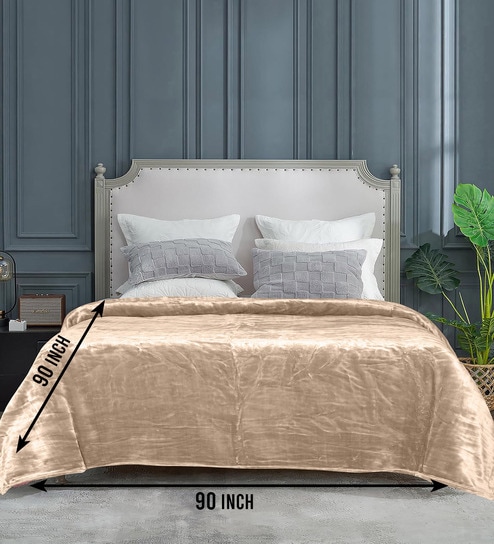
Beige Light Weight Cloudy Mink Silky Quilt
By Saral Home
₹1,599 ₹2,000 (20% off)
New Arrivals
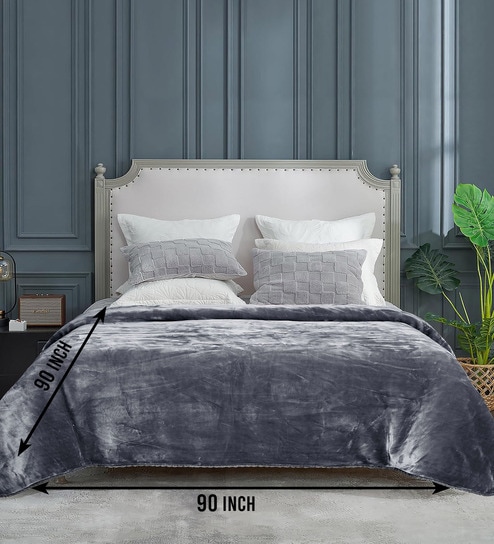
Grey Double Sided Heavy 2 Layer Blanket With Crochet Lace Edge
By Saral Home
₹2,999 ₹3,800 (21% off)
New Arrivals
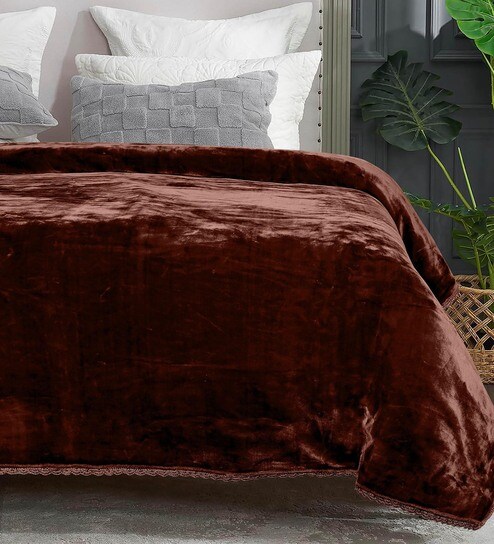
Brown Double Sided Heavy 2 Layer Blanket With Crochet Lace Edge
By Saral Home
₹2,099 ₹2,700 (22% off)
New Arrivals
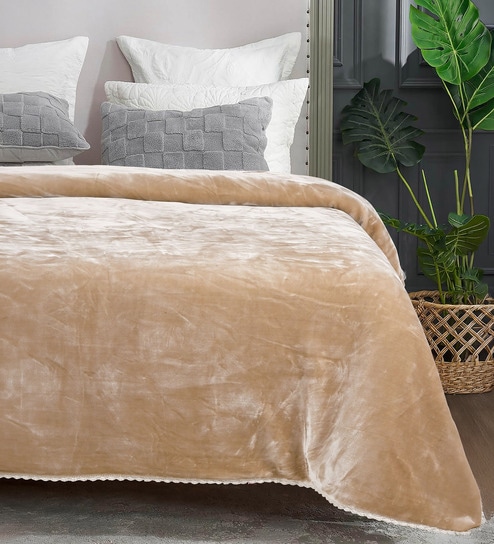
Beige Double Sided Heavy 2 Layer Blanket With Crochet Lace Edge
By Saral Home
₹2,099 ₹2,700 (22% off)
New Arrivals
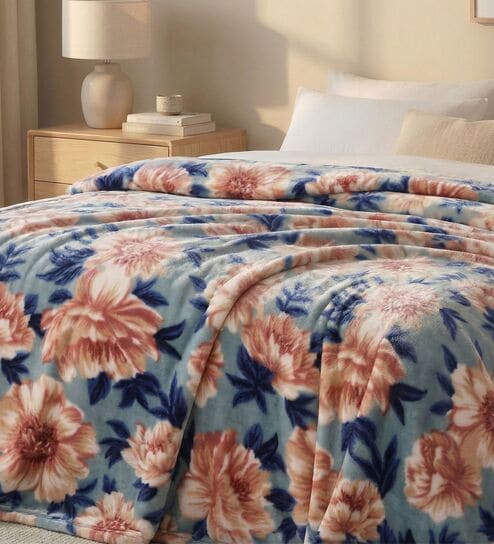
Blue Diana Light Weight Cloudy Mink Silky Blanket
By Saral Home
₹1,099 ₹1,400 (22% off)
New Arrivals
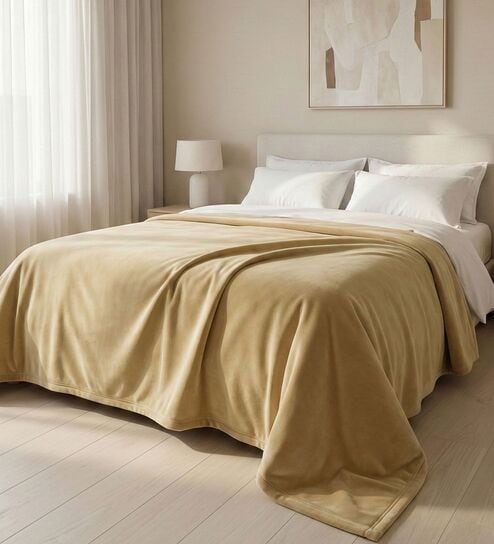
Beige Light Weight Cloudy Mink Silky Quilt
By Saral Home
₹1,099 ₹1,400 (22% off)
New Arrivals
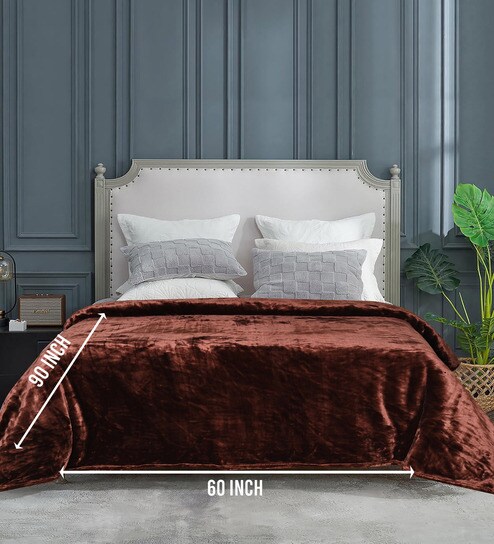
Brown Light Weight Cloudy Mink Silky Quilt
By Saral Home
₹1,099 ₹1,400 (22% off)

Best Seller
Navy Blue Microfiber Abstract 250 GSM Single Blanket
By Cortina
₹854 ₹2,249 (62% off)
New Arrivals
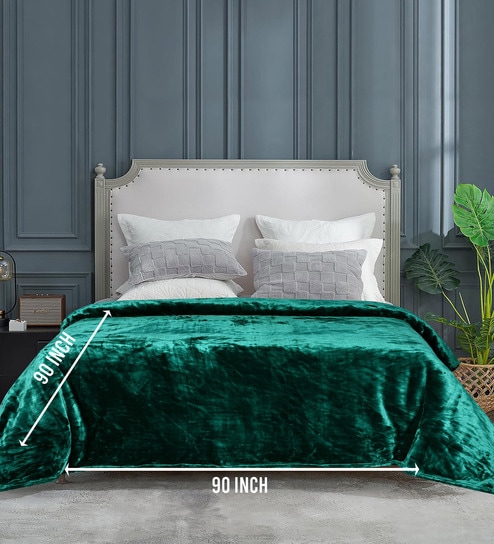
Green Light Weight Cloudy Mink Silky Quilt
By Saral Home
₹1,599 ₹2,000 (20% off)

Green Microfiber Floral 250 GSM Single Blanket
By Cortina
₹854 ₹2,249 (62% off)
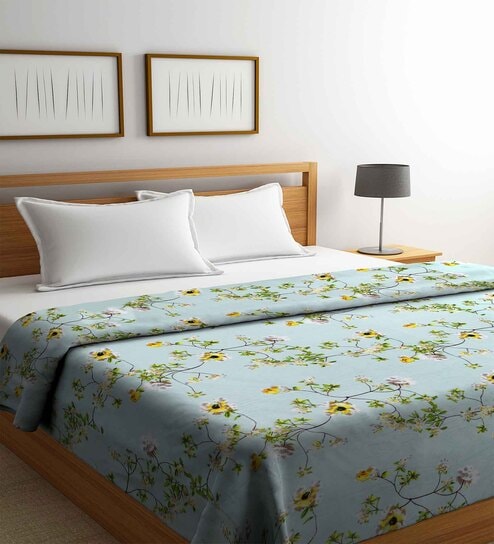
Green Microfiber Floral 250 GSM Double Blanket
By Cortina
₹854 ₹2,249 (62% off)
New Arrivals
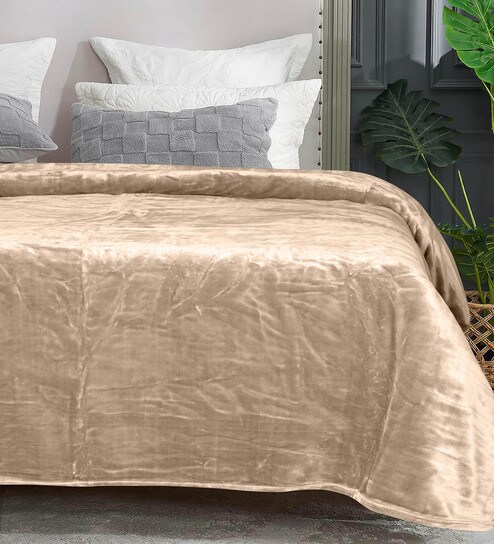
Beige Light Weight Cloudy Mink Silky Quilt
By Saral Home
₹1,099 ₹1,400 (22% off)
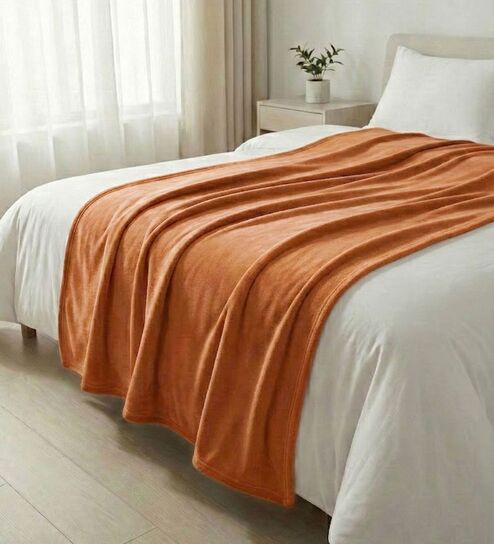
New Arrivals
Orange Light Weight Cloudy Mink Silky Quilt
By Saral Home
₹1,599 ₹2,000 (20% off)
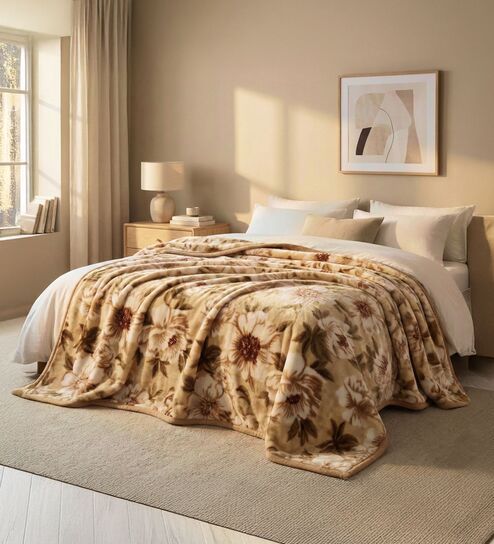
New Arrivals
Gold Diana Light Weight Cloudy Mink Silky Blanket
By Saral Home
₹1,099 ₹1,400 (22% off)
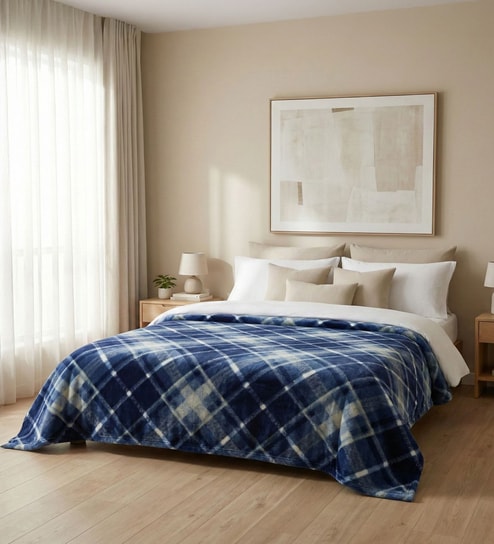
New Arrivals
Blue Scott Light Weight Cloudy Mink Silky Blanket
By Saral Home
₹1,099 ₹1,400 (22% off)
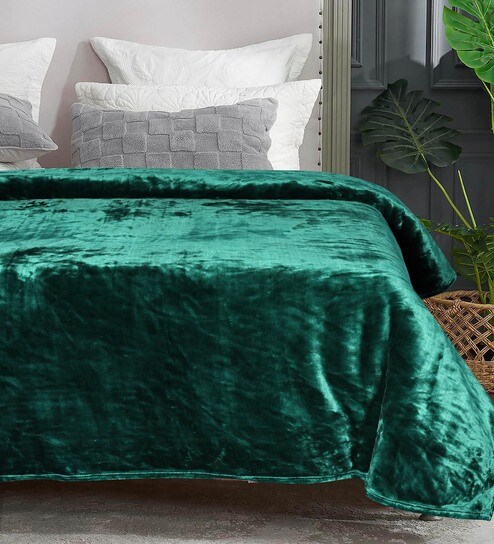
New Arrivals
Green Light Weight Cloudy Mink Silky Quilt
By Saral Home
₹1,099 ₹1,400 (22% off)
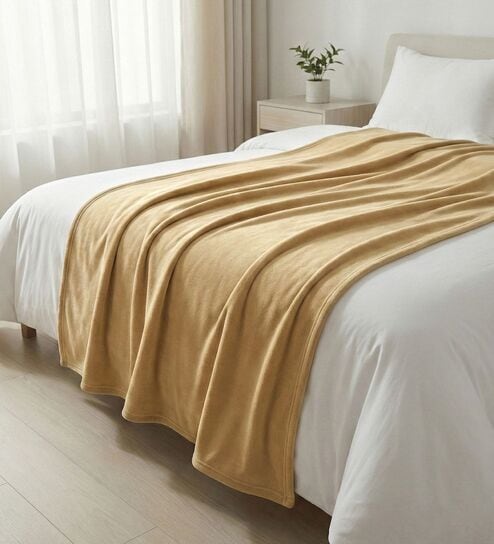
New Arrivals
Beige Light Weight Cloudy Mink Silky Quilt
By Saral Home
₹1,599 ₹2,000 (20% off)
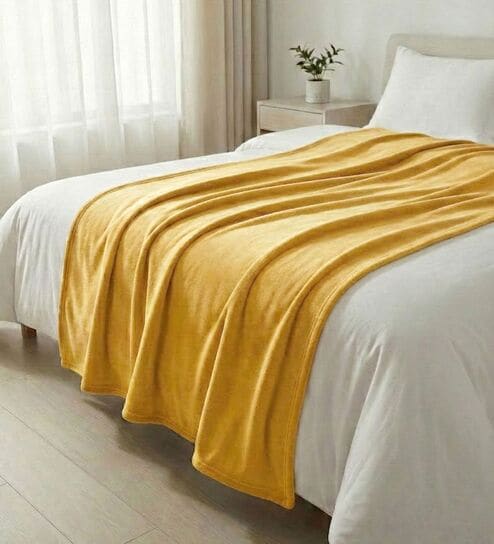
New Arrivals
Yellow Light Weight Cloudy Mink Silky Quilt
By Saral Home
₹1,599 ₹2,000 (20% off)
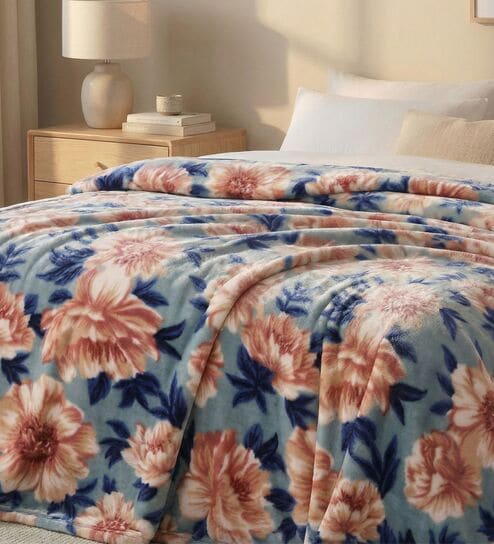
New Arrivals
Blue Diana Light Weight Cloudy Mink Silky Blanket
By Saral Home
₹1,599 ₹2,000 (20% off)
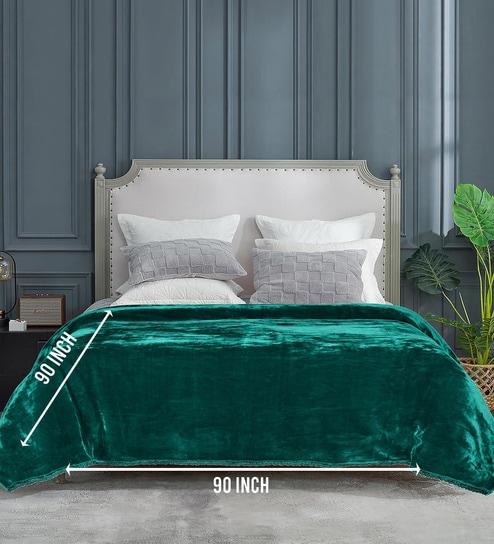
New Arrivals
Green Double Sided Heavy 2 Layer Blanket With Crochet Lace Edge
By Saral Home
₹2,999 ₹3,800 (21% off)
Price Drop Alert
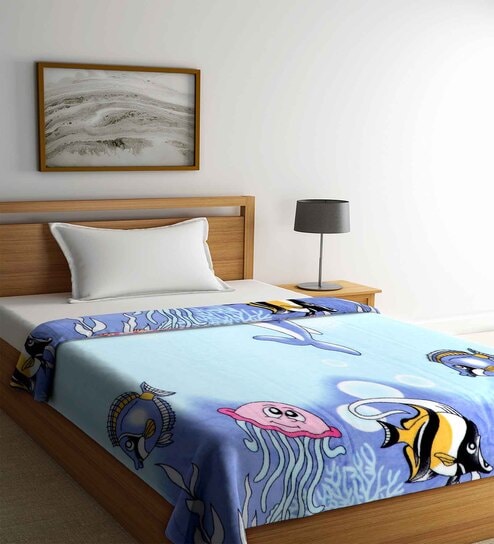
Pink Microfiber Abstract 250 GSM Single Blanket
By Cortina
₹854 ₹2,249 (62% off)
New Arrivals
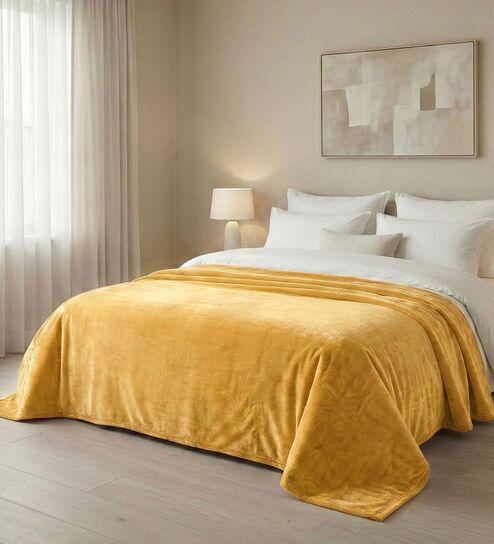
Yellow Light Weight Cloudy Mink Silky Quilt
By Saral Home
₹1,099 ₹1,400 (22% off)
New Arrivals
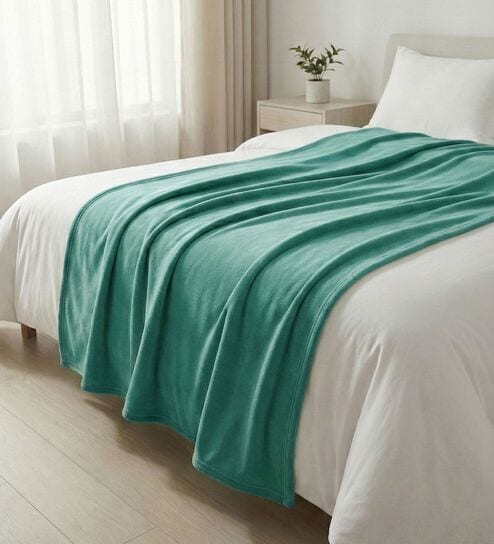
Teal Light Weight Cloudy Mink Silky Quilt
By Saral Home
₹1,599 ₹2,000 (20% off)
New Arrivals
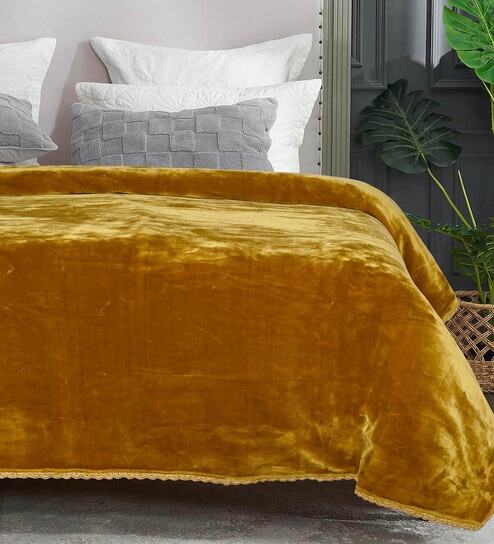
Gold Double Sided Heavy 2 Layer Blanket With Crochet Lace Edge
By Saral Home
₹2,099 ₹2,700 (22% off)
Didn't Find What You Were Looking For? Share your Feedback with Us ->
Blankets: Soft, Warm Bedding for Every Room and Season
A good blanket does more than keep you warm. It wraps you in comfort after a long day. It helps you sleep more deeply on chilly nights. And yes, it adds a finishing touch to your bedroom's look.
At Pepperfry, you will find blankets for every need. Soft fleece for AC rooms. Thick wool for peak winter. Gentle cotton for babies.
Whether you need a single bed blanket for your child's room or a large double bed blanket for the master bedroom, our collection has you sorted.
Browse options across materials, sizes, and price points to find exactly what your home needs.
What Makes a Baby Blanket Safe and Gentle for Your Little One?
When buying a baby blanket, safety comes first. Infants cannot regulate their body temperature as adults do. This makes breathability and fabric choice critical.
Look for blankets with BIS safety certifications and non-toxic dyes. Hypoallergenic materials like organic cotton and bamboo work well for sensitive skin.
Size matters too. Crib blankets typically measure 30 by 40 inches. Stroller blankets run smaller for easy tucking.
Swaddling wraps need just the right stretch. A soft blanket for your baby should survive many washes while staying gentle against delicate skin.
Choosing the Right Fabric for Your Baby
GOTS-certified organic cotton suits newborns best. The fibres breathe well and feel soft against tender skin. For summer months, bamboo fabric wicks moisture away and keeps babies cool in AC rooms. During winter, a light fleece blanket adds warmth without weight.
Pay attention to GSM ratings. Lower GSM (around 150 to 200) works for air-conditioned nurseries. Medium-weight (200 to 300 GSM) handles most conditions.
Always wash baby blankets separately using mild detergent to maintain softness and prevent irritation.
Why Choose a Woollen Blanket for Natural Winter Warmth?
A woollen blanket offers something synthetics cannot match. Wool naturally traps air between its fibres. This creates insulation that keeps you warm without making you sweat.
The material also wicks moisture away from your body, so you stay comfortable through the night.
Modern woollen blankets come in merino, lamb's wool, and wool blends. Merino feels softer and works well for those worried about itchiness.
Blended options mix wool with cotton or acrylic for easier care. Most quality woollen blankets can be hand-washed, though some need dry cleaning. Check labels before purchasing.
For homes in northern regions or hill stations, a winter blanket made from wool proves worth the investment. These blankets last for years with proper storage. Just keep them in breathable cotton bags during summer to prevent moth damage.
Which Single Bed Blanket Works Best for Kids' Rooms?
Standard single bed blankets in India measure 60 by 90 inches. This size fits most single beds with enough overhang for comfortable tucking. For children's rooms, lightweight cotton blankets work year-round. They wash easily and dry quickly after spills or accidents.
Teenagers often prefer fleece blankets. The material feels cosy without being heavy. For kids who struggle with sleep, weighted blanket options provide gentle pressure that many find calming.
Choose GSM based on your room's temperature. Around 200 GSM suits AC rooms. For regular rooms without cooling, 300 to 400 GSM offers better warmth.
Colours and patterns matter in children's spaces. Bright prints appeal to younger kids, while solid colours suit teenagers better. Look for fade-resistant dyes if you plan on washing frequently.
How Do You Choose the Right Double Bed Blanket?
A double bed blanket should measure at least 90 by 100 inches. This gives you 20 to 25 centimetres of overhang on each side. Proper overhang lets you tuck the blanket neatly and prevents it from pulling away during sleep.
Couples often have different warmth preferences. One solution is layering. Start with a cotton sheet, add a medium-weight blanket, then use quilts for extra cold nights. This way, each person can add or remove layers as needed.
Before buying, check your washing machine's capacity. Double bed blankets need larger drums for proper cleaning. Store seasonal blankets in vacuum bags to save space during off months.
"Think of blankets as your seasonal wardrobe for your furniture. As the weather shifts, so should your layers. In summer, swap out heavy comforters for a breezy, breathable multi-layered cotton gauze blanket in sage green or soft cream. When winter arrives, fold on a thick, chunky knit blanket in warm terracotta or rich mustard." - Good Homes |
What Makes a Fleece Blanket Perfect for All Seasons?
Fleece blankets offer remarkable value. They stay soft, dry quickly, and weigh almost nothing. A quality fleece blanket with anti-pilling technology looks new even after dozens of washes. This makes fleece ideal for guest rooms, travel, and daily use.
Microfibre fleece feels smoother than polar fleece. Polar fleece provides more warmth. For AC rooms, look for 200 to 400 GSM options. These feel light yet block the chill effectively. An AC blanket in fleece costs less than wool or cotton alternatives while delivering solid performance.
Quick tip: Fleece generates static in dry weather. Adding fabric softener during washing helps reduce this. |
How Should You Pick the Right Blanket Size?
Choosing the wrong size leads to frustration. Too small, and you will fight for coverage all night. Too large, and the blanket bunches awkwardly on the floor.
Here is a quick reference:
Bed Type | Blanket Size (inches) |
Baby Crib | 30 x 40 |
Single Bed | 60 x 90 |
Double Bed | 90 x 100 |
Queen Bed | 100 x 108 |
King Bed | 108 x 108 |
Mattress thickness affects your choice too. A thick mattress needs a larger blanket to maintain side coverage. Platform beds sit lower, so standard sizes usually work fine. Traditional frames with footboards may need longer blankets.
Measure your bed before ordering. Account for pillow tuck at the top and your preferred drape at the sides. This simple step prevents returns and ensures satisfaction.
Which Blanket Material Best Suits Your Needs?
Each material serves different purposes. Cotton breathes well and suits year-round use. It washes easily in regular machines and dries within hours. Wool provides natural warmth and lasts decades with proper care. Fleece costs less and dries fast, making it perfect for busy households.
Material | Warmth | Breathability | Care Level | Best For |
Cotton | Moderate | High | Easy | All seasons |
Wool | High | Moderate | Medium | Harsh winters |
Fleece | Moderate | Low | Easy | AC rooms |
Microfibre | Moderate | Low | Easy | Sensitive skin |
Coastal areas with high humidity benefit from cotton and microfibre. These materials dry quickly and resist mildew. Northern regions with extreme winters need wool or heavy fleece. Families with young children should prioritise easy-wash options like cotton and fleece.
For those with allergies, hypoallergenic microfibre works best. It resists dust mites and washes at high temperatures without damage.
Why Is an AC Blanket Essential for Air-Conditioned Rooms?
Air conditioning drops the room temperature quickly. Without a proper blanket, you may wake up shivering at 3 AM. An AC blanket with 150 to 250 GSM offers just enough warmth without overheating. These blankets work brilliantly for office naps and hotel stays, too.
Polar blankets make excellent AC companions. They manage moisture well and feel soft against the skin. Look for compact options that fold small for travel. Keep one at your desk, one in your travel bag, and one at home.
How Do Winter Blankets Provide Maximum Warmth?
True winter blankets need higher GSM ratings. Aim for 400 to 600 GSM in regions with mild winters. For harsh cold, choose 600 GSM and above. Layering strategies also help. A cotton sheet traps the first layer of body heat. A winter blanket adds insulation. A quilt on top locks everything in.
Storage tip: Clean winter blankets before storing. Moths target soiled fibres. Use cedar blocks or lavender sachets in storage bags for natural protection.
Investing in quality winter blankets can reduce heating costs. A well-insulated bed means you can lower room temperature at night while staying perfectly warm.
Frequently Asked Questions About Blanket
What is the best blanket material for year-round use?
Cotton works well for most Indian climates. It breathes in summer and provides moderate warmth in winter.
How often should I wash my blankets?
Wash blankets every two to four weeks during regular use. Seasonal blankets should be cleaned before storage. Always check care labels as wool and some blends need gentle cycles or hand washing to maintain quality.
What GSM rating do I need for an AC room blanket?
For air conditioned rooms, choose blankets between 150 and 250 GSM. This weight provides enough warmth without causing overheating.
Can I use a single bed blanket on a double bed?
A single bed blanket will not provide adequate coverage for a double bed. You will have no side overhang, and the blanket will pull away during sleep. Always match blanket size to your bed dimensions for comfortable rest.
How do I prevent my fleece blanket from pilling?
Wash fleece blankets inside out using cold water and gentle cycle. Avoid fabric softeners as they can damage fibres. Air drying works best, but if using a dryer, choose low heat settings to maintain the soft texture.
Blankets Price List
- Product List
- PRICE
This data was last updated on 2026/06/15
Most Searched In Blankets
Bed Linen Bed Covers Double Bed Covers Single Bed Covers Bedding Sets Diwan Sets Pillow Covers Solid Pillow Covers Patterned Pillow Covers Furnishing Gift Sets Curtains Door Curtains Solid Colour Door Curtains Striped Door Curtains Geometric Door Curtains Traditional Door Curtains Abstract Door Curtains Floral Door Curtains Window Curtains Solid Colour Window Curtains Striped Window Curtains Geometric Window Curtains Traditional Window Curtains Abstract Window Curtains Floral Window Curtains Bath Linen Bath Mats Bath Robes Bath Towels Cushions and Covers Cushion Covers Chair Pads Chair Covers Cushion Inserts Memory Foam Cushion Pillows Synthetic Fill Cushion Pillows Cotton Cushion Pillows Bed Sheets Fitted Bed Sheets Carpets Round Carpets Dhurries Woolen Dhurries Cotton Dhurries Jute Dhurries Kids Furnishings Kids Carpets and Mats Sleeping Pillows and Covers Bedding Sets Runners Hand Woven Runners Hand Tufted Runners Shaggy Runners Blankets and Quilts Blankets Double Bed Blankets Single Bed Blankets Duvet Inserts Double Bed Duvet Inserts Single Bed Duvet Inserts Dohars Double Bed Dohars Single Bed Dohars Duvet Covers Double Bed Duvet Covers Single Bed Duvet Covers Bed Runners Kids Bedding Sets Blinds and Shades Cushions Hand Knotted Runners Roller Shades Sofa Covers and Throws  FurnitureSofas, Sectional Sofas, Sofa Cum Beds, Chaise Loungers, Bean Bags, Recliners, Sofa Chairs, Settees & Benches, Ottomans, Chairs, Gaming Chairs, Stools & Pouffes, Shoe Racks, Centre Tables, Side Tables, TV & Media Units, Cabinets & Sideboards, Book Shelves, Book Cases, Dining Sets, Dining Chairs, Dining Tables, Crockery Units, Bar Furniture, Beds, Bedside Tables, Trunks, Chest of Drawers, Dressing Tables, Wardrobes, Kids and Teens, Study Tables, Office Furniture, Outdoor, Massagers, Furniture Care
- Sofas
- Sectional Sofas
- Sofa Cum Beds
- Chaise Loungers
- Bean Bags
- Recliners
- Sofa Chairs
- Settees & Benches
- Ottomans
- Chairs
- Gaming Chairs
- Stools & Pouffes
- Shoe Racks
- Centre Tables
- Side Tables
- TV & Media Units
- Cabinets & Sideboards
- Book Shelves
- Book Cases
- Dining Sets
- Dining Chairs
- Dining Tables
- Crockery Units
- Bar Furniture
- Beds
- Bedside Tables
- Trunks
- Chest of Drawers
- Dressing Tables
- Wardrobes
- Kids and Teens
- Study Tables
- Office Furniture
- Outdoor
- Massagers
- Furniture Care
 Sofas & SeatingSofas, Sofa Sets, Sectional Sofas, Sofa Cum Beds, Recliners, Recliner Sets, Chaise Loungers, Sofa Chairs, Bean Bags, Accent Chairs, Office Chairs, Gaming Chairs, Dining Chairs, Bar Seating, Settees & Benches, Ottomans, Stools & Pouffes, Outdoor Seating, Furniture Care, Top Collections, Top Brands
- Sofas
- Sofa Sets
- Sectional Sofas
- Sofa Cum Beds
- Recliners
- Recliner Sets
- Chaise Loungers
- Sofa Chairs
- Bean Bags
- Accent Chairs
- Office Chairs
- Gaming Chairs
- Dining Chairs
- Bar Seating
- Settees & Benches
- Ottomans
- Stools & Pouffes
- Outdoor Seating
- Furniture Care
- Top Collections
- Top Brands
 MattressesKing Size Mattresses, Queen Size Mattresses, Single Size Mattresses, Foldable Mattresses, Crib Mattresses, Mattress Protectors, Mattress Toppers, Pillows, Mattresses By Feature, Top Brands
- King Size Mattresses
- Queen Size Mattresses
- Single Size Mattresses
- Foldable Mattresses
- Crib Mattresses
- Mattress Protectors
- Mattress Toppers
- Pillows
- Mattresses By Feature
- Top Brands
 Home DecorVases, Figurines, Collectibles, Showpieces, Home Utility, Table Decor, Kids Decor, Photo Frames, Candles, Candle Stands, Spiritual, Home Fragrances, Decor Gift Sets, Prayer Essentials, Artificial Plants & Flowers, Festive Decor, Gardening, Pots and Planters, Outdoor Decor, Wall Hangings, Wall Shelves, Wall Cabinets, Set Top Box Holders, Key Holders, Jharokhas, Screens & Dividers, Wall Decor, Wall Art and Paintings, Wallpapers & Decals, Clocks, Mirrors, Gifting
- Vases
- Figurines
- Collectibles
- Showpieces
- Home Utility
- Table Decor
- Kids Decor
- Photo Frames
- Candles
- Candle Stands
- Spiritual
- Home Fragrances
- Decor Gift Sets
- Prayer Essentials
- Artificial Plants & Flowers
- Festive Decor
- Gardening
- Pots and Planters
- Outdoor Decor
- Wall Hangings
- Wall Shelves
- Wall Cabinets
- Set Top Box Holders
- Key Holders
- Jharokhas
- Screens & Dividers
- Wall Decor
- Wall Art and Paintings
- Wallpapers & Decals
- Clocks
- Mirrors
- Gifting
 FurnishingsBed Sheets, Blankets & Quilts, Bath Linen, Bed Linen, Curtains, Curtain Accessories, Laundry Baskets, Mosquito Nets, Furnishing Gift Sets, Cushions & Covers, Sofa Covers & Throws, Chair Covers & Pads, Carpets, Dhurries, Runners, Door Mats, Bath Mats, Picnic Mats, Kids Furnishings, Pet Furnishings, Yoga Mats, Top Brands
- Bed Sheets
- Blankets & Quilts
- Bath Linen
- Bed Linen
- Curtains
- Curtain Accessories
- Laundry Baskets
- Mosquito Nets
- Furnishing Gift Sets
- Cushions & Covers
- Sofa Covers & Throws
- Chair Covers & Pads
- Carpets
- Dhurries
- Runners
- Door Mats
- Bath Mats
- Picnic Mats
- Kids Furnishings
- Bed Sheets
- Carpets & Mats
- Kids Blankets and Comforters
- Pillows and Covers
- Cushion Covers
- Towels
- Bedding Sets
- Curtains
- Baby Mats
- Pet Furnishings
- Yoga Mats
- Top Brands
 Lamps & LightingFloor Lamps, Shelf Floor Lamps, Table Lamps, Night Lamps, Work and Study Lamps, Lamp Shades, Kids Lamps, Ceiling Lights, Wall Lights, Smart Lights, Outdoor Lights, Decorative Lights, Emergency Lights, Bulbs, Top Brands
- Floor Lamps
- Shelf Floor Lamps
- Table Lamps
- Night Lamps
- Work and Study Lamps
- Lamp Shades
- Kids Lamps
- Ceiling Lights
- Wall Lights
- Smart Lights
- Outdoor Lights
- Decorative Lights
- Emergency Lights
- Bulbs
- Top Brands
 Kitchen & DiningServeware, Jugs, Bakeware, Dinnerware, Cookware, Cooking Tools, Drinkware, Bottles, Flasks, Sippers, Barware, Teaware, Knives & Cutlery, Table Essentials, Jars and Containers, Kitchen Organizers, Lunch Boxes, Kids Kitchenware & Tableware, Gift Sets, Kitchen Linen, Table Linen, Top Brands
- Serveware
- Serving Bowls
- Casseroles
- Butter Dishes
- Serving Trays
- Tray Sets
- Appetizer Platters
- Cheese Boards
- Cake Stands
- Cloche
- Jugs
- Bakeware
- Dinnerware
- Cookware
- Cooking Tools
- Spatulas, Ladles and Tongs
- Knives and Choppers
- Chopping Boards
- Rolling Pins and Boards
- Strainers and Whisks
- Cooking Preparation Tools
- Drinkware
- Bottles
- Flasks
- Sippers
- Barware
- Barware Sets
- Bar Tools
- Ash Trays
- Wine Holders & Coolers
- Carafes and Decanters
- Dispensers
- Ice Buckets & Moulds
- Teaware
- Knives & Cutlery
- Table Essentials
- Jars and Containers
- Kitchen Organizers
- Lunch Boxes
- Kids Kitchenware & Tableware
- Gift Sets
- Kitchen Linen
- Table Linen
- Top Brands
 LuxuryLiving Room, Bedroom, Dining Room, Home Office
 Modular