Sign Up & Get Rs.5,000 OFF On Your First Purchase




7 Stunning TV Unit Designs That Will Liven Up Your Living Room
10 Aug 2026
Your living room needs an anchor. Something that pulls the space together whilst giving your TV a proper home. The best TV unit designs for living room spaces do exactly this.
They turn a wall with a screen into the focal point that your guests notice first.
This guide presents seven carefully curated designs for 2026. Each suits different room sizes, storage needs, and style preferences. You will find practical sizing advice, finish trends worth knowing, and honest pros and cons for every option.
Why the Best TV Unit Designs for the Living Room Matter
A well-chosen TV unit does more than hold your screen. It hides tangled cables, stores remotes and gaming consoles, and anchors your seating arrangement around a clear focal point.
The best TV unit designs for living room spaces also shape how your entire décor feels.
Matte wood finishes and fluted panels are trending in 2026, showing how far TV cabinet design ideas have evolved beyond basic stands.
Your unit affects viewing comfort, too. Proper height placement reduces neck strain during movie marathons. Good storage keeps clutter away from sight.
Design 1: Minimalist Wall-Mounted TV Unit Design
Clean lines and a floating effect define this style. Wall-mounted TV unit design pieces sit flush against your wall, freeing up floor space entirely. The result is a sleek, contemporary look that makes small rooms feel larger.
Best suited for:
- Small to mid-sized living rooms
- Modern, minimal, or industrial décor themes
- Homes where floor space is precious
Storage typically includes slim ledges or hidden drawers behind push-to-open panels.
The 2026 finish to watch is matte white oak laminate paired with recessed LED backlighting.
Pros: Spacious feel, contemporary aesthetic, easy floor cleaning
Cons: Limited storage capacity, requires expert installation for wall anchors
Pro tip: Mount your TV so its centre sits at eye level when seated on your sofa. This usually means 100 to 120 cm from the floor.
Design 2: Floating Shelves and Panel Combo for Modern TV Unit Design
This modern TV unit design layers open shelves around a central TV panel. You get display space for books, plants, and speakers alongside your screen. The arrangement creates visual depth that flat walls simply cannot match.
Rental homes benefit most here. The components often mount with minimal wall damage. Open-plan layouts also work well since the layered look adds texture without blocking sightlines.
High-gloss laminate contrasted with natural wood accents leads the 2026 trend charts.
Cable channels hidden behind the main panel keep wires out of view.
Pros: Flexible arrangement, budget-friendly, renter-suitable
Cons: Less enclosed storage, needs a wall strength assessment before installation
Expert Opinion: "A well-designed TV unit elevates the look of the living room while keeping it organised. From sleek wall-mounted panels to multifunctional storage solutions, today’s designs blend modern appeal with everyday functionality." - Good Homes
Design 3: Scandinavian Floor Console TV Cabinet Design Ideas
Low profile, wide footprint, tapered legs. These three traits define Scandinavian-style consoles. Light wood tones like ash and birch keep the look airy and warm.
This TV cabinet design ideas category suits homes needing surface area for soundbars, indoor plants, or photo frames. Deep drawers below store board games and spare cables, whilst open cubbies display decorative objects.
The 2026 colour trend pairs ribbed MDF door fronts with soft pastel lacquer finishes. Blush pink, sage green, and muted terracotta are popular choices.
Pros: Extra display surface, timeless Scandi style, ample drawer storage
Cons: Requires floor space, harder to clean underneath
Maintenance note: Add felt pads under the legs to protect wooden or laminate flooring from scratches.
Also Read: 6 TV units For Small Spaces
Design 4: Luxe Fluted Panel Modern TV Unit Design
Vertical fluted panels stretching wall-to-wall bring rich texture and drama. This modern
TV unit design suits statement living rooms or dedicated media lounges where bold choices feel right.
Fabric-backed fluting can conceal speakers whilst maintaining acoustic quality. The panels absorb echo and add warmth to large, hard-surfaced rooms.
The 2026 premium finish combination pairs deep matte espresso wood with brushed brass handle accents. LED strip lighting under the cabinet edge creates an ambient glow for evening viewing.
Pros: High-end aesthetic, acoustic-friendly design, striking focal point
Cons: Higher cost bracket, complex installation process
Design 5: Multifunctional Storage TV Cabinet Design Ideas
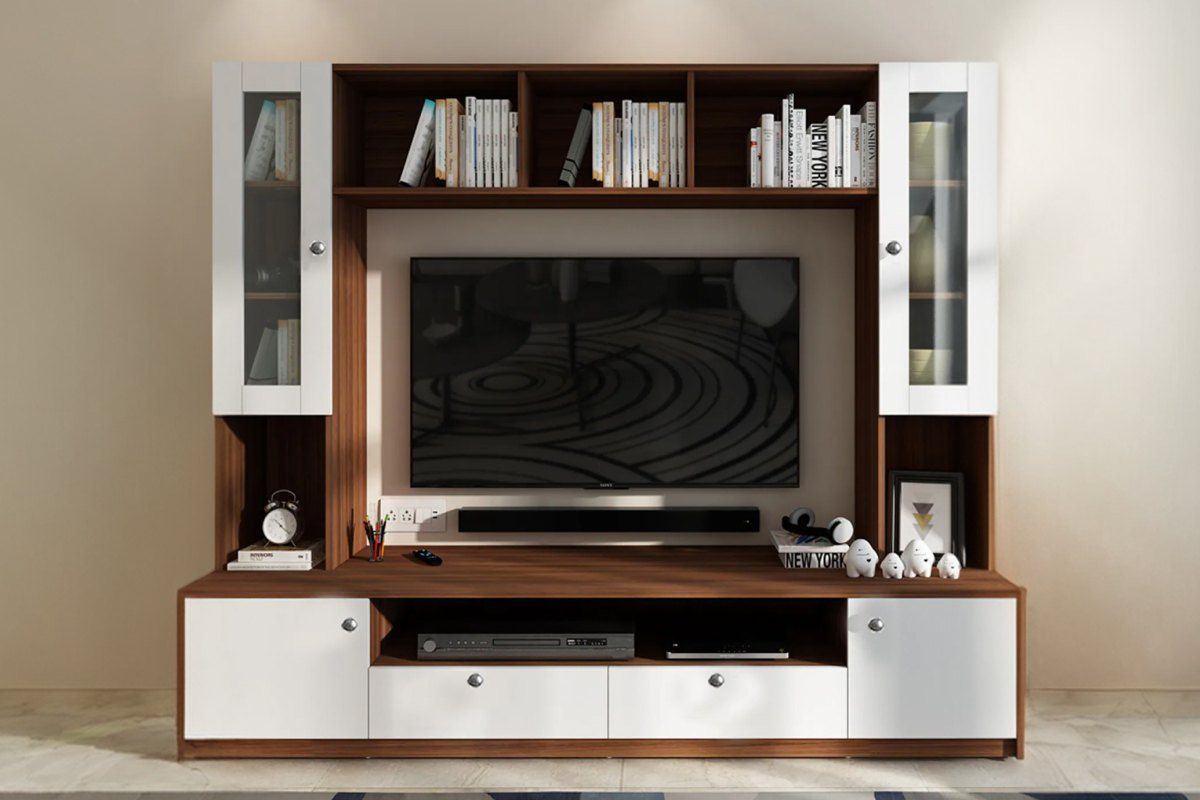
Large families need storage that works hard. Modular systems combining open shelves, glass-fronted cabinets, and closed drawers deliver maximum versatility.
These TV cabinet design ideas suit homes storing media equipment, book collections, board games, and everyday items in one unit. Laminate carcasses paired with glass display zones keep costs reasonable whilst looking polished.
The 2026 smart feature to seek is integrated wireless charging shelves. Place your phone on the shelf surface, and it charges without visible cables.
Pros: Huge capacity, multifunctional design, display zones for décor
Cons: Can overwhelm small spaces, requires careful organisation
Design 6: Corner Space-Saver TV Cabinet Design Ideas
Triangular or radial cabinets tuck into unused corners. These TV cabinet design ideas maximise awkward spaces in compact flats or irregularly shaped rooms where standard wall units simply will not fit.
Pair your corner unit with a swivel TV mount for flexible viewing angles. This lets you adjust the screen towards different seating areas as needed.
Storage typically includes a single deep drawer plus side shelving. Light walnut or pale ash finishes help the corner area feel more open rather than cramped.
Pros: Space-efficient, unique look, uses dead zones productively
Cons: Limited by corner dimensions, potential viewing angle compromises
Design 7: Mandir-Integrated Modern TV Unit Design
Combining devotional space with entertainment zones is a growing 2026 trend. This modern TV unit design places a mandir niche beside or above the TV section, keeping both functions in one cohesive unit.
Frosted glass doors offer privacy during prayers. Matte wood finishes paired with backlit acrylic panels create a serene glow around the sacred space.
Vastu-friendly placement typically positions the mandir towards the east or northeast section of the unit. Separate cable routing keeps devotional lighting independent from entertainment wiring.
Pros: Space-saving, culturally relevant, unified design language
Cons: Height constraints, requires thoughtful spatial planning
Check-out TV Unit Collection at Pepperfry --->
How to Choose the Best TV Unit Designs for the Living Room
Selecting the best TV unit designs for living room spaces needs a clear framework. Follow these steps:
- Measure your wall width and note your TV's diagonal size
- Calculate viewing distance from your sofa (ideally 1.5 to 2.5 times the screen diagonal)
- List storage needs honestly: remotes, consoles, books, décor
- Match the design style to your existing furniture and wall colours
- Set a budget range before browsing
🖥️ Wall-Mounted Minimalist
- Ideal Room Size: Small to medium
- Cost Tier: Mid
---
📚 Floating Shelf Combo
- Ideal Room Size: Any size
- Cost Tier: Budget to mid
---
🌿 Scandinavian Console
- Ideal Room Size: Medium to large
- Cost Tier: Mid
---
✨ Fluted Panel Unit
- Ideal Room Size: Large
- Cost Tier: Premium
---
🗄️ Multifunctional Storage
- Ideal Room Size: Large
- Cost Tier: Mid to premium
---
📐 Corner Space-Saver
- Ideal Room Size: Small
- Cost Tier: Budget to mid
---
🛕 Mandir-Integrated Unit
- Ideal Room Size: Medium
- Cost Tier: Mid to premium
Plan cable management during selection, not as an afterthought.
Measuring, Installation, and Cable Management Tips for Wall-Mounted TV Unit Design
Wall-mounted TV unit design pieces need proper anchors. Use rawl plugs for brick walls, toggle bolts for gypsum board, and concrete anchors for RCC walls.
Key measurements:
- Leave a 5 to 10 cm ventilation gap behind electronics
- Mount the TV centre at seated eye level (typically 100 to 120 cm from the floor)
- Ensure anchor weight capacity exceeds 3x your TV weight
For cables, use concealed conduits or surface-mounted raceways. Velcro ties bundle loose wires neatly. Colour-coded labels help identify connections later.
Styling Your New TV Unit Like a Pro
Good styling turns furniture into a design statement. Apply the rule of thirds: group décor in odd numbers, placing taller items off-centre.
Quick styling rules:
- Mix heights with plants, frames, and small sculptures
- Leave one or two shelves empty for visual breathing room
- Add warm LED strips behind the unit for an ambient evening glow
- Coordinate colours with 2026 palette trends: earthy terracottas, soft greens, warm neutrals
Resist the urge to fill every shelf. Overcrowding defeats the purpose of a well-designed TV unit.
Expert opinion: "TV units are no longer just about entertainment, they offer practicality to any space it is equipped in. Entertainment units can be used in numerous ways with its primary purpose being the storage space for TV and speaker system." - Good Homes
Frequently Asked Questions (FAQs)
1. What size TV unit do I need for a 55 inch TV?
Your unit should be at least 10 to 15 cm wider than your TV on each side. For a 55 inch screen, aim for a unit width of 140 to 160 cm.
2. How do I maintain laminate vs wood TV units?
Wipe the laminate with a damp cloth and mild detergent. For solid wood, use a dry microfibre cloth and apply furniture polish every few months.
3. Will my wall support a wall mounted TV unit design?
Brick and concrete walls handle most units easily. Gypsum board needs toggle bolts or a plywood backing sheet for heavier pieces.
4. How much ventilation space do electronics need in a closed cabinet?
Leave at least 5 cm around gaming consoles and set top boxes. Open backed cabinets work best for heat generating devices.
5. Can I upgrade my TV unit design without replacing the entire piece?
Yes. Modular systems let you add shelves or swap door fronts. Wall mounted panels can be reconfigured as your needs change.
Show more blogs from :
style by room
Recommended For You
7 Stunning TV Unit Designs That Will Liven Up Your Living Room
Your living room needs an anchor. Something that pulls the space together whilst giving your TV a proper home. The best TV unit designs for living room spaces do exactly this.
They turn a wall with a screen into the focal point that your guests notice first.
This guide presents seven carefully curated designs for 2026. Each suits different room sizes, storage needs, and style preferences. You will find practical sizing advice, finish trends worth knowing, and honest pros and cons for every option.
Why the Best TV Unit Designs for the Living Room Matter
A well-chosen TV unit does more than hold your screen. It hides tangled cables, stores remotes and gaming consoles, and anchors your seating arrangement around a clear focal point.
The best TV unit designs for living room spaces also shape how your entire décor feels.
Matte wood finishes and fluted panels are trending in 2026, showing how far TV cabinet design ideas have evolved beyond basic stands.
Your unit affects viewing comfort, too. Proper height placement reduces neck strain during movie marathons. Good storage keeps clutter away from sight.
Design 1: Minimalist Wall-Mounted TV Unit Design
Clean lines and a floating effect define this style. Wall-mounted TV unit design pieces sit flush against your wall, freeing up floor space entirely. The result is a sleek, contemporary look that makes small rooms feel larger.
Best suited for:
- Small to mid-sized living rooms
- Modern, minimal, or industrial décor themes
- Homes where floor space is precious
Storage typically includes slim ledges or hidden drawers behind push-to-open panels.
The 2026 finish to watch is matte white oak laminate paired with recessed LED backlighting.
Pros: Spacious feel, contemporary aesthetic, easy floor cleaning
Cons: Limited storage capacity, requires expert installation for wall anchors
Pro tip: Mount your TV so its centre sits at eye level when seated on your sofa. This usually means 100 to 120 cm from the floor.
Design 2: Floating Shelves and Panel Combo for Modern TV Unit Design
This modern TV unit design layers open shelves around a central TV panel. You get display space for books, plants, and speakers alongside your screen. The arrangement creates visual depth that flat walls simply cannot match.
Rental homes benefit most here. The components often mount with minimal wall damage. Open-plan layouts also work well since the layered look adds texture without blocking sightlines.
High-gloss laminate contrasted with natural wood accents leads the 2026 trend charts.
Cable channels hidden behind the main panel keep wires out of view.
Pros: Flexible arrangement, budget-friendly, renter-suitable
Cons: Less enclosed storage, needs a wall strength assessment before installation
Expert Opinion: "A well-designed TV unit elevates the look of the living room while keeping it organised. From sleek wall-mounted panels to multifunctional storage solutions, today’s designs blend modern appeal with everyday functionality." - Good Homes
Design 3: Scandinavian Floor Console TV Cabinet Design Ideas
Low profile, wide footprint, tapered legs. These three traits define Scandinavian-style consoles. Light wood tones like ash and birch keep the look airy and warm.
This TV cabinet design ideas category suits homes needing surface area for soundbars, indoor plants, or photo frames. Deep drawers below store board games and spare cables, whilst open cubbies display decorative objects.
The 2026 colour trend pairs ribbed MDF door fronts with soft pastel lacquer finishes. Blush pink, sage green, and muted terracotta are popular choices.
Pros: Extra display surface, timeless Scandi style, ample drawer storage
Cons: Requires floor space, harder to clean underneath
Maintenance note: Add felt pads under the legs to protect wooden or laminate flooring from scratches.
Also Read: 6 TV units For Small Spaces
Design 4: Luxe Fluted Panel Modern TV Unit Design
Vertical fluted panels stretching wall-to-wall bring rich texture and drama. This modern
TV unit design suits statement living rooms or dedicated media lounges where bold choices feel right.
Fabric-backed fluting can conceal speakers whilst maintaining acoustic quality. The panels absorb echo and add warmth to large, hard-surfaced rooms.
The 2026 premium finish combination pairs deep matte espresso wood with brushed brass handle accents. LED strip lighting under the cabinet edge creates an ambient glow for evening viewing.
Pros: High-end aesthetic, acoustic-friendly design, striking focal point
Cons: Higher cost bracket, complex installation process
Design 5: Multifunctional Storage TV Cabinet Design Ideas
Large families need storage that works hard. Modular systems combining open shelves, glass-fronted cabinets, and closed drawers deliver maximum versatility.
These TV cabinet design ideas suit homes storing media equipment, book collections, board games, and everyday items in one unit. Laminate carcasses paired with glass display zones keep costs reasonable whilst looking polished.
The 2026 smart feature to seek is integrated wireless charging shelves. Place your phone on the shelf surface, and it charges without visible cables.
Pros: Huge capacity, multifunctional design, display zones for décor
Cons: Can overwhelm small spaces, requires careful organisation
Design 6: Corner Space-Saver TV Cabinet Design Ideas
Triangular or radial cabinets tuck into unused corners. These TV cabinet design ideas maximise awkward spaces in compact flats or irregularly shaped rooms where standard wall units simply will not fit.
Pair your corner unit with a swivel TV mount for flexible viewing angles. This lets you adjust the screen towards different seating areas as needed.
Storage typically includes a single deep drawer plus side shelving. Light walnut or pale ash finishes help the corner area feel more open rather than cramped.
Pros: Space-efficient, unique look, uses dead zones productively
Cons: Limited by corner dimensions, potential viewing angle compromises
Design 7: Mandir-Integrated Modern TV Unit Design
Combining devotional space with entertainment zones is a growing 2026 trend. This modern TV unit design places a mandir niche beside or above the TV section, keeping both functions in one cohesive unit.
Frosted glass doors offer privacy during prayers. Matte wood finishes paired with backlit acrylic panels create a serene glow around the sacred space.
Vastu-friendly placement typically positions the mandir towards the east or northeast section of the unit. Separate cable routing keeps devotional lighting independent from entertainment wiring.
Pros: Space-saving, culturally relevant, unified design language
Cons: Height constraints, requires thoughtful spatial planning
Check-out TV Unit Collection at Pepperfry --->
How to Choose the Best TV Unit Designs for the Living Room
Selecting the best TV unit designs for living room spaces needs a clear framework. Follow these steps:
- Measure your wall width and note your TV's diagonal size
- Calculate viewing distance from your sofa (ideally 1.5 to 2.5 times the screen diagonal)
- List storage needs honestly: remotes, consoles, books, décor
- Match the design style to your existing furniture and wall colours
- Set a budget range before browsing
🖥️ Wall-Mounted Minimalist
- Ideal Room Size: Small to medium
- Cost Tier: Mid
---
📚 Floating Shelf Combo
- Ideal Room Size: Any size
- Cost Tier: Budget to mid
---
🌿 Scandinavian Console
- Ideal Room Size: Medium to large
- Cost Tier: Mid
---
✨ Fluted Panel Unit
- Ideal Room Size: Large
- Cost Tier: Premium
---
🗄️ Multifunctional Storage
- Ideal Room Size: Large
- Cost Tier: Mid to premium
---
📐 Corner Space-Saver
- Ideal Room Size: Small
- Cost Tier: Budget to mid
---
🛕 Mandir-Integrated Unit
- Ideal Room Size: Medium
- Cost Tier: Mid to premium
Plan cable management during selection, not as an afterthought.
Measuring, Installation, and Cable Management Tips for Wall-Mounted TV Unit Design
Wall-mounted TV unit design pieces need proper anchors. Use rawl plugs for brick walls, toggle bolts for gypsum board, and concrete anchors for RCC walls.
Key measurements:
- Leave a 5 to 10 cm ventilation gap behind electronics
- Mount the TV centre at seated eye level (typically 100 to 120 cm from the floor)
- Ensure anchor weight capacity exceeds 3x your TV weight
For cables, use concealed conduits or surface-mounted raceways. Velcro ties bundle loose wires neatly. Colour-coded labels help identify connections later.
Styling Your New TV Unit Like a Pro
Good styling turns furniture into a design statement. Apply the rule of thirds: group décor in odd numbers, placing taller items off-centre.
Quick styling rules:
- Mix heights with plants, frames, and small sculptures
- Leave one or two shelves empty for visual breathing room
- Add warm LED strips behind the unit for an ambient evening glow
- Coordinate colours with 2026 palette trends: earthy terracottas, soft greens, warm neutrals
Resist the urge to fill every shelf. Overcrowding defeats the purpose of a well-designed TV unit.
Expert opinion: "TV units are no longer just about entertainment, they offer practicality to any space it is equipped in. Entertainment units can be used in numerous ways with its primary purpose being the storage space for TV and speaker system." - Good Homes
Frequently Asked Questions (FAQs)
1. What size TV unit do I need for a 55 inch TV?
Your unit should be at least 10 to 15 cm wider than your TV on each side. For a 55 inch screen, aim for a unit width of 140 to 160 cm.
2. How do I maintain laminate vs wood TV units?
Wipe the laminate with a damp cloth and mild detergent. For solid wood, use a dry microfibre cloth and apply furniture polish every few months.
3. Will my wall support a wall mounted TV unit design?
Brick and concrete walls handle most units easily. Gypsum board needs toggle bolts or a plywood backing sheet for heavier pieces.
4. How much ventilation space do electronics need in a closed cabinet?
Leave at least 5 cm around gaming consoles and set top boxes. Open backed cabinets work best for heat generating devices.
5. Can I upgrade my TV unit design without replacing the entire piece?
Yes. Modular systems let you add shelves or swap door fronts. Wall mounted panels can be reconfigured as your needs change.
10 Aug 2026
style by room
6 Glistening Bedroom Lighting Ideas to Enhance the Mood of Your Space
Your bedroom ceiling is the fifth wall. Most of us forget about it entirely. We spend hours picking bed frames, linen colours, and wall art. Then we slap on a single tube light and call it done. That ceiling, though, sets the mood for every moment you spend in that room.
A well-planned bedroom design ceiling can turn a dull space into a restful retreat. This matters more than you might think. The six bedroom lighting ideas ahead offer practical solutions for different budgets and styles. Each includes bulb specs, placement tips, and smart controls ready for 2026.
Why Does Bedroom Design Ceiling Lighting Shape Your Mood?
Light does more than help you see. It tells your brain when to wake up and when to wind down. Ceiling-mounted fixtures sit in your direct line of sight when you lie in bed. Harsh overhead glare signals "alert mode" to your nervous system. Soft, indirect glow signals rest.
Colour temperature matters here. Warm tones around 2700K mimic sunset and ease you toward sleep. Cool tones above 5000K feel like midday sun, keeping you alert when you need focus. The 2026 generation of LEDs offers flicker-free tech and tunable white spectrums. You can shift from energising morning light to calming evening warmth with one tap.
Quick Tip: Look for LEDs with a CRI (Colour Rendering Index) above 90. Higher CRI means colours in your room appear true to life, making your decor look its best.
Downward light from a central fixture creates shadows on your face. Indirect light bounced off the ceiling, eliminating those shadows. Each idea below addresses specific problems: harsh glare, limited dimming, or flat ambience.
Idea 1: Recessed Cove Lights for Sleek Bedroom Lighting Design
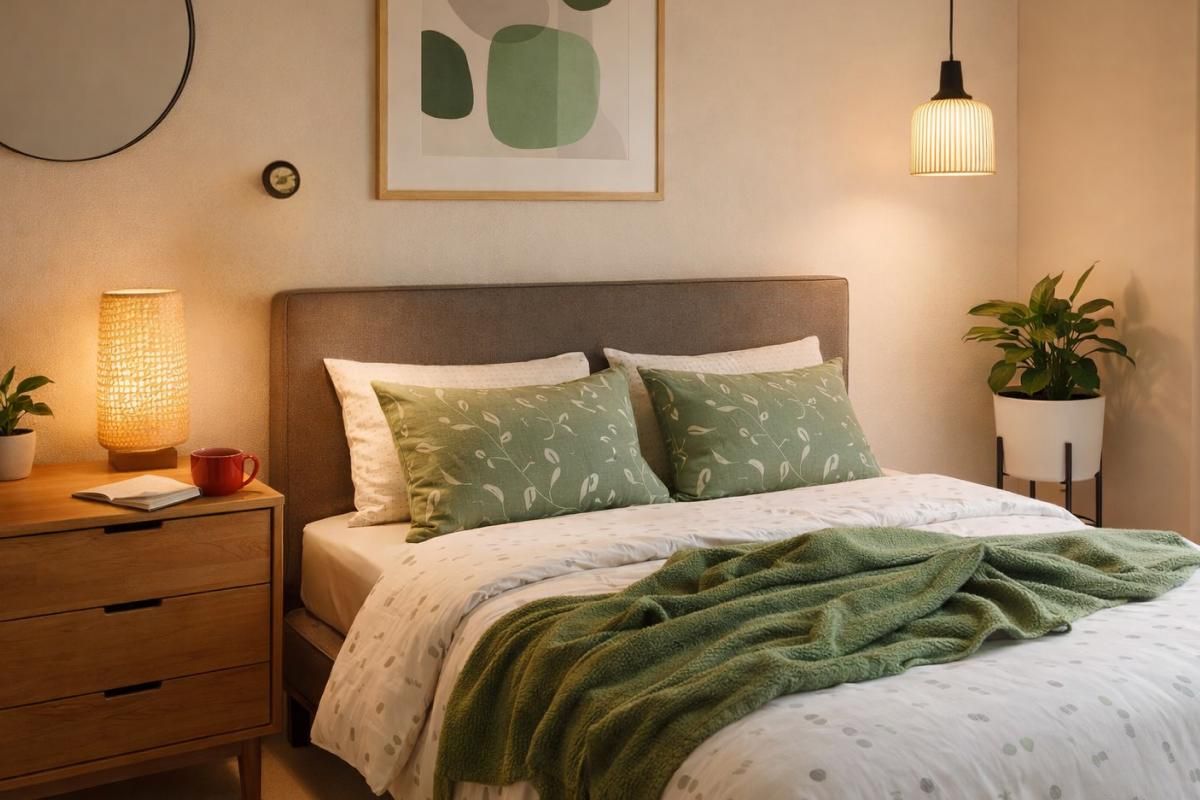
Cove lighting hides LED strips behind a ceiling ledge. The light bounces off the ceiling and spills into the room. You never see the actual bulb. The result is clean, modern, and surprisingly warm.
This works best with tray ceilings or perimeter ledges. If your room has a plain flat ceiling, a contractor can add a simple ledge along one wall. Warm 2700-3000K LED strips create that cosy, indirect glow people associate with boutique hotels. Dimmer compatibility lets you dial brightness from functional to romantic.
Installation costs vary based on ceiling complexity. Budget for the LED strips, a driver, and potentially labour for the ledge work. Minimalist and contemporary bedrooms pair beautifully with cove lighting. The clean lines disappear into the architecture. Browse Pepperfry's LED strip and dimmer selections to find quality options that suit your space.
"Good lighting should be felt, not seen. Concealed LED coves in the ceiling or behind the bed headboard wash the walls with a soft, indirect glow that feels incredibly luxurious and eliminates harsh glare entirely." - Rajiv Saini, Designer
(Architectural Digest India)
Idea 2: How High Should a Statement Pendant Hang Above Your Bed?
A pendant light makes a statement. Hang it wrong, though, and you get glare in your eyes every night. The practical rule: pendant width should be roughly one-third of your bed width. A king-size bed around 180cm wide suits a pendant around 60cm across.
Height matters too. Hang the bottom of the fixture at least 210cm from the floor. This keeps it clear of heads and creates breathing room between the light and the mattress. Material choice shapes the mood. Opaque fabric shades diffuse light into a soft wash. Glass or polished metal reflects light for drama and sparkle.
One pendant alone rarely covers all needs. Layer it with bedside task lamps for reading zones. A dimmer switch transforms the pendant from a bright task light to a low-glow accent. Pepperfry's pendant collections offer styles from industrial metal to soft linen shades, so you can match your bedroom's personality.
Dimmable LED Strips Under False Bedroom Design Ceiling Layers
False ceilings create perfect hiding spots for LED strips. Tuck strips behind a drop-down lip, and you get that floating ceiling effect designers love. The diodes stay invisible while the glow spreads evenly across the surface.
Two main voltage options exist: 12V and 24V systems. The 12V strips work for short runs under three metres. Longer runs suffer voltage drop, meaning one end dims while the other stays bright. The 24V systems handle longer distances with more consistent brightness.
Smart controllers in 2026 connect to voice assistants with minimal fuss. Ask for "bedroom relax mode" and watch the lights dim to warm amber. Colour-changing scenes suit movie nights or meditation sessions.
One common mistake: visible hotspots where individual LEDs show as dots. Diffuser channels spread the light into smooth bands. Install strips behind the headboard wall or around the room perimeter. Pepperfry stocks LED strips and smart dimming controllers to bring bedroom LED lights ideas to life.
Idea 4: Backlit Ceiling Panels for a Soft, Even Glow
Backlit panels sit between the ceiling and a translucent surface. Light spreads through acrylic or stretch fabric, creating shadow-free illumination. Few homeowners know about this approach, yet it delivers results that make visitors ask how you did it.
Standard panels run about 60cm square, though custom sizes work for unusual room dimensions. A simple timber frame holds the translucent material, while RGB-W LED arrays behind it allow tunable white and colour flexibility. This means warm reading light or cool focus light from the same fixture.
Maintenance stays simple. Most panels pop out of their frames for dusting. The 2026 LED arrays use less power than older generations, cutting energy costs over time. This idea suits anyone seeking diffused, even light without harsh spots. Check Pepperfry for panel materials and compatible LED fixtures to build your own setup.
Idea 5: Starry Fibre-Optic Bedroom Design Ceiling for Dreamy Nights
A star ceiling turns your bedroom into a private planetarium. Fibre-optic bundles connect to a central illuminator box, with each tiny strand poking through the ceiling surface. The effect mimics a night sky without the mosquitoes.
You can follow constellation templates for astronomical accuracy. Or scatter the fibres randomly for a more abstract look. Blackout paint behind the star field maximises contrast, making each point of light pop. Some systems pair with acoustic panels, adding soundproofing as a bonus.
Not keen on drilling hundreds of holes? Ceiling-mounted star projectors offer a renter-friendly alternative. They cast moving patterns without permanent changes. Either way, this bedroom design ceiling creates a calming atmosphere perfect for winding down. Pepperfry's lighting accessories include supporting products for both fibre-optic and projector setups.
Did You Know? Fibre-optic star ceilings can last over 50,000 hours. The fibres themselves carry no electricity, making them safe even in children's rooms.
Idea 6: Tray Ceiling with Hidden RGB Scenes
Tray ceilings feature a recessed centre section, like an upside-down tray. That recess becomes a natural home for hidden lighting. Aluminium channels keep LED strips secure and invisible within the tray edge.
The real magic comes from programmable scenes. Set a sunrise simulation to ease you awake. Create a movie mode with dim, warm tones. Programme an unwind mode that gradually shifts from bright white to deep amber over thirty minutes. Smartphone apps and voice platforms handle controls with ease.
For a unified system, integrate RGB strips with your ceiling fan's light kit. One command adjusts both. This idea suits anyone who values automation and tech-forward living. It transforms your bedroom LED lights ideas from basic to brilliant. Browse Pepperfry for RGB-capable LED strips and compatible smart home devices.
Practical Tips: Choosing Bulbs, Controls, and Placement for Bedroom Lighting Design
These guidelines apply across all six ideas. Keep them handy when planning your upgrade.
Bulb Types and Colour Temperature
- Warm LEDs (2700-3000K) support sleep readiness and relaxation
- Cool LEDs (4000-5000K) suit dressing areas and morning routines
- CRI above 90 ensures fabrics and skin tones look natural
- Avoid bulbs labelled "daylight" for bedside fixtures
Smart Dimmers and Switches
- Check dimmer compatibility with your specific LED brand
- Maximum wattage ratings must exceed your total bulb load
- Google Home, Alexa, and Apple HomeKit dominate 2026 smart ecosystems
- Ensure your chosen dimmer connects to your preferred app
Optimal Fixture Placement
- Keep recessed lights at least 60cm from walls to avoid harsh shadows
- Centre pendants over the bed, not over walking paths
- Higher ceilings spread light wider; lower ceilings need more fixtures
- Add floor lamps for layered light in darker corners
Maintenance and Energy Efficiency in 2026 Bedroom LED Lights Ideas
Smart planning now saves money and hassle later.
Cleaning and Longevity
- Dust fixtures monthly with a soft, dry cloth
- Avoid harsh chemicals on acrylic panels or fabric shades
- Quality LEDs last 25,000+ hours, roughly eight years of nightly use
- Replace drivers or controllers if lights flicker or dim unevenly
Energy-Saving Metrics
- Look for 100+ lumens per watt efficiency ratings
- Daylight sensors reduce daytime usage automatically
- ENERGY STAR-rated products lower electricity bills noticeably
- Dispose of spent LED drivers at certified e-waste centres
Quick Maintenance Checklist:
- Dust fixtures monthly
- Test dimmers quarterly
- Check strip connections yearly
- Replace drivers every five to seven years
Ready to Elevate Your Bedroom Design Ceiling with These Lighting Ideas?
Six approaches, six distinct moods. Cove lighting delivers understated elegance. Pendants add sculptural drama. LED strips create floating effects. Backlit panels spread an even glow. Fibre-optic stars bring childhood wonder. RGB tray ceilings offer tech-forward customisation.
Your bedroom design ceiling is a canvas waiting for light. Assess what you have now. Pick the idea that fits your style and budget. Then browse Pepperfry's curated lighting collections to bring that vision home. A single change in overhead can transform how your entire room feels.
Frequently Asked Questions (FAQs)
1. What colour temperature is best for a relaxing bedroom?
Warm tones between 2700K and 3000K work best for relaxation. These mimic sunset light and signal your brain to wind down. Reserve cooler temperatures above 4000K for task areas like dressing zones.
2. Can I retrofit LED strips into an existing false ceiling?
Yes, most false ceilings accommodate LED strip retrofits. You need access to the gap behind the drop down lip. A 24V system handles longer runs without a brightness drop. Diffuser channels prevent visible hotspots.
3. How do I control multiple lighting zones with one switch?
Smart controllers connect multiple zones to a single app or voice assistant. Group your cove lights, pendants, and bedside lamps under scene presets. One command adjusts all zones at once.
4. Are RGB lights bad for sleep?
Blue-heavy RGB settings can disrupt melatonin production. Avoid bright blues and greens within two hours of bedtime. Warm amber and red tones pose no sleep concerns and work well for evening routines.
5. What is the average cost range for installing cove lighting in 2026?
Costs vary by ceiling complexity. Basic LED strip kits start around Rs 2,000. Adding a timber ledge and expert installation may push total costs between Rs 8,000 and Rs 25,000, depending on room size and finish quality.
6. Do smart dimmers work with all LED bulbs?
Not always. Some LEDs lack dimming compatibility and may flicker or buzz. Check both the bulb and dimmer specifications before purchase. Look for "dimmable" labelling and matching voltage ratings.
10 Aug 2026
style by room
Moving Into a New Home? Here Are 10 Must-Have Furnishings to Start With
A new home brings equal parts thrill and chaos. Empty rooms feel full of promise, yet furnishing them can quickly turn overwhelming. Where do you even begin when every corner needs something?
Choosing the right furniture for a new house matters more than filling space fast. The pieces you pick now shape how your home functions for years.
This guide walks through 10 priority items that form a solid foundation. You will find budget thinking, space-planning tips, and 2026 design direction for each piece.
Think of it as your new home furniture roadmap, built to help you skip costly mistakes and create a space that works.
Why Strategic Furniture for Home Selection Saves Money and Stress
Buying furniture on impulse feels productive in the moment. You spot something nice, add it to the cart, and move on. Weeks later, that chair blocks the balcony door and the coffee table swallows half your living room. Reactive buying leads to mismatched pieces, wasted space, and the expense of replacing what never fit.
A smarter approach filters every purchase through five questions. First, can this piece serve more than one purpose? Second, does its footprint match your actual floor space?
Third, will the material hold up to daily use? Fourth, what is the true cost per use over five years? Finally, does the design have staying power beyond this season's trends?
Apply this framework to the 10 items below, and you transform a generic shopping list into a personal action plan for furniture for homes that truly suit your life.
Quick Tip: Before any purchase, measure your room and doorways twice. Furniture that cannot fit through the entrance stays in the delivery truck.
Sofa: Anchoring Your Living Space with the Right Furniture for a New House
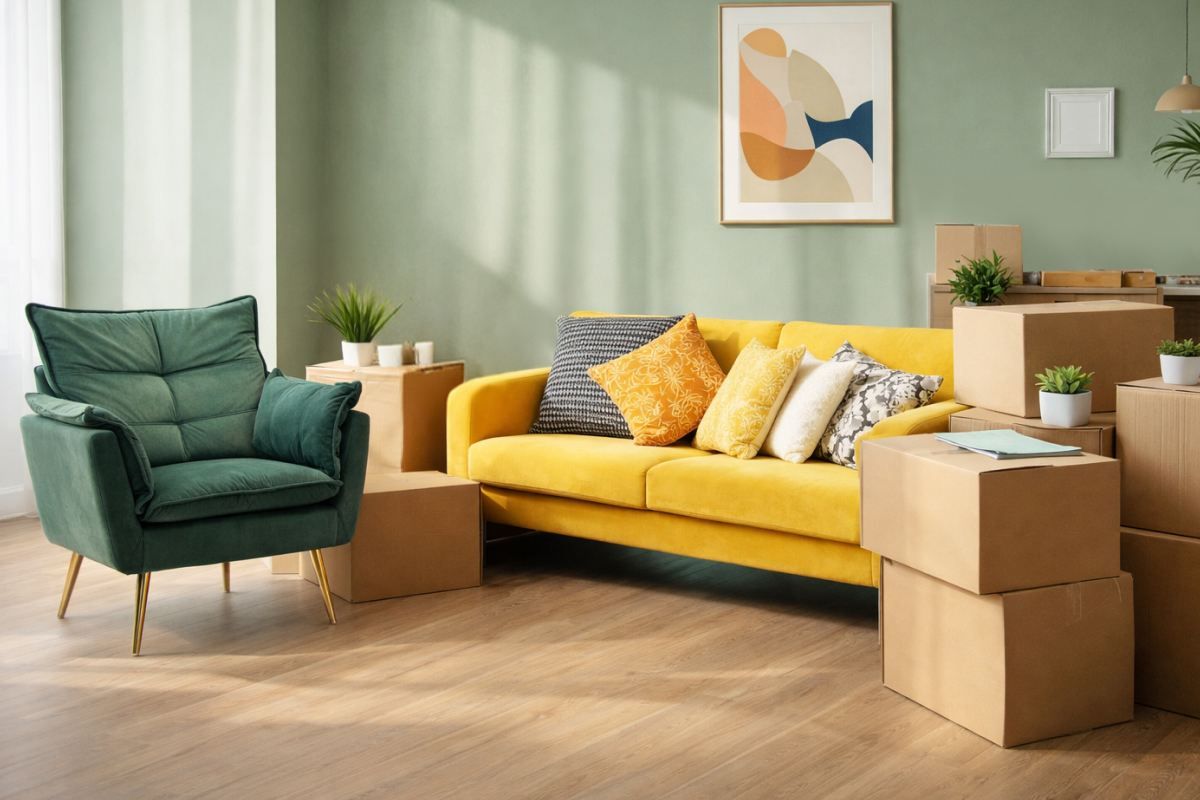
The sofa sets the tone for everything else in your living room. It defines where people sit, how traffic flows, and whether the space feels cramped or comfortable. Get this piece wrong, and every other decision becomes harder.
Start by measuring your floor area. A sofa that looks modest in a showroom can dominate a compact flat. For rooms under 150 square feet, consider a two-seater or a loveseat. Larger spaces can handle L-shaped sectionals or modular units that rearrange as needed.
Budget tiers to consider:
- Entry level: Fabric sofas with pine frames; good for renters or first-time buyers
- Mid-range: Hardwood frames with high-density foam; balances durability and cost
- Premium: Solid teak or sheesham with memory foam cushions; a long-term investment
Warm neutrals and earthy tones dominate 2026 palettes. Think terracotta, olive, and soft beige. For easy care, look for stain-resistant fabrics or removable, washable covers.
Expert Quote: "Soft furnishings, textures, layering, and other key elements can shift the design sensibilities of the space, bringing a warm, opulent and inviting atmosphere into the everyday." - Architectural Digest
Dining Table: Your Multi-Purpose Hub for Meals, Work, and Connection
The dining table no longer lives a single-purpose life. It hosts breakfast, doubles as a work desk by noon, and gathers the family for dinner. In 2026 homes, this piece earns its keep around the clock.
Extendable or drop-leaf designs suit smaller apartments well. They stay compact for daily use yet expand when guests arrive. Always leave at least 90 cm clearance around the table so chairs pull out without hitting walls.
Seating capacity guide:
- 4-seater: fits rooms around 100 sq ft
- 6-seater: needs roughly 150 sq ft
- 8-seater: requires 200 sq ft or more
Solid wood offers warmth and durability but needs coasters and occasional polishing. Engineered wood with laminate tops handles spills better and costs less upfront.
What Type of Bed and Mattress Should You Invest in First?
Sleep quality shapes your energy, mood, and health. Skimping here affects everything else in your day. Allocate budget to your bed early; this is new home furniture worth prioritising.
Platform beds work well in rooms with decent storage elsewhere. Storage beds with hydraulic lifts or built-in drawers replace the need for separate chests, saving floor space in tight bedrooms.
Mattress selection checklist:
- Firmness: side sleepers often prefer medium; back sleepers lean firmer
- Material: memory foam contours to the body; spring units offer bounce
- Warranty: Look for at least seven years of coverage
- Hybrid options: popular in 2026 for combining foam comfort with spring support
Test before you buy, if possible. Your spine will thank you.
Wardrobe or Closet System: Controlling Clutter Before It Starts
Clothes pile up fast. A wardrobe or closet system contains the chaos before it spreads across chairs and doorknobs.
Freestanding wardrobes suit renters who may move again. Modular closet kits offer customisation for those settling long-term. A useful rule: aim for 60% hanging space and 40% shelving to balance shirts, trousers, and folded items.
Flush doors and matte finishes define the 2026 look. These clean lines reduce visual noise in the bedroom.
Before buying, measure your ceiling height. Rooms with tall ceilings can add loft storage above the wardrobe for suitcases and seasonal bedding.
How Can Modular Storage Shelving Grow with Your Lifestyle?
Life changes. Jobs shift, families grow, hobbies come and go. Modular shelving adapts with you.
Cube units, ladder shelves, and stackable bookcases reconfigure as needs evolve. In compact flats, vertical stacking uses wall height rather than floor space.
Always check load-bearing limits before stacking heavy books or decor.
The 2026 trend leans into colour-block mixing. Alternate shelf backdrops in contrasting tones for a personalised look without a full furniture swap.
Safety Note: Anchor tall shelving units to the wall. Tip-over accidents happen more often than people expect, especially in homes with children or pets.
Work Desk and Ergonomic Chair: Setting Up for Productivity and Health
Remote and hybrid work arrangements are here to stay. Your home office deserves first-wave attention, not afterthought status, when choosing furniture for new house setups.
Desk depth matters for screen distance. Aim for at least 60 cm, so monitors sit comfortably away from your eyes. Corner desks maximise small rooms, while fold-away wall-mounted options suit studio apartments.
Posture checklist:
- Feet flat on the floor or a footrest
- Knees at 90 degrees
- Lumbar support touching the lower back curv
- Screen top at eye level
Cable management trays keep cords hidden and the workspace visually calm.
Coffee and Side Tables with Smart Storage Solutions
A coffee table does more than hold mugs. Lift-top designs hide remotes, magazines, and charging cables inside. Nested sets tuck away when floor space is needed for yoga or play.
Keep 45 cm clearance between the sofa edge and coffee table for comfortable leg room.
Bamboo veneer and reclaimed wood align with 2026 sustainability trends. Protect surfaces with coasters and a light sealant to prevent water rings.
A console table near the entryway or behind the sofa adds display space without eating into the room's footprint.
Expert Quote: "Whether it stands by the door, rests quietly in a hallway, or becomes the centrepiece of a bedroom, each console table design remains a small yet powerful expression of design." - Architectural Digest
Why Does an Entryway Shoe Rack and Bench Combo Matter?
First impressions start at the door. A shoe rack and bench combo handles the daily chaos of footwear while offering a seat for putting shoes on or taking them off.
Narrow hallways, common in many apartments, demand slim profiles under 30 cm deep.
Moisture-resistant materials like powder-coated metal or treated wood cope with wet monsoon footwear. Wall-mounted hooks above the bench hold keys and bags without extra furniture.
Balcony Furniture for New Home Outdoor Moments
Even a small balcony becomes a retreat with the right setup. Compact folding chairs and stackable tables store flat when not in use, preserving floor space for laundry or plants.
Choose weather-resistant materials: powder-coated aluminium, synthetic rattan, or treated teak. These handle humidity, rain, and sun without warping or rusting. Keep seating at least 15 cm away from railings to meet safety codes and avoid accidents.
A morning chai outside changes how the day begins.
Layered Lighting Fixtures: Setting the Mood in Every Room
Good lighting shapes how a room feels. One ceiling bulb rarely does the job. Layered lighting creates depth, warmth, and function.
Three layers to plan:
- Ambient: ceiling fixtures or recessed lights for general brightness
- Task: desk lamps and under-cabinet strips for focused work
- Accent: floor lamps and wall sconces for mood and style
Start with one fixture per layer in the main rooms. LED bulbs save energy, and smart bulbs let you adjust colour temperature from your phone. Check ceiling load capacity before hanging heavy chandeliers or cluster pendants.
Ready to Furnish Your New House with Confidence in 2026?
These 10 pieces form a functional core for any new home. Together, they cover rest, work, storage, meals, and relaxation without overwhelming your budget or your floor plan.
Cross-reference this list against your room measurements and spending limits before you buy.
Starting with these essentials leaves room to add personality over time: art, rugs, plants, and accent chairs that reflect your taste.
Pepperfry's furniture for new house collections offers options across styles and budgets. Browse detailed product pages or sign up for tips that keep your home evolving with you.
Frequently Asked Questions (FAQs)
1. What is the ideal budget for furnishing a new house in 2026?
A realistic starting budget ranges from Rs 1.5 lakh to Rs 4 lakh for essential pieces. Prioritise high use items like beds, sofas, and dining tables. Add accent furniture later as funds allow.
2. Which furniture should I buy first when moving into a new home?
Begin with a bed and mattress, then a sofa, and a dining table. These three cover sleep, relaxation, and meals. Storage units and desks follow based on daily routine needs.
3. How do I choose eco friendly furniture for my new house?
Look for FSC certified wood, recycled materials, and low VOC finishes. Bamboo and reclaimed timber offer sustainable options. Check product descriptions for certifications before ordering.
4. What measurements do I need before buying furniture for a new home?
Measure room length, width, and ceiling height. Note doorway widths, corridor turns, and lift dimensions for delivery access. Mark electrical outlet positions to plan desk and lamp placement.
5. When should I upgrade from starter furniture to premium pieces?
Upgrade when daily wear becomes visible or comfort declines, usually after five to seven years for sofas and mattresses. High use items deserve earlier investment; accent pieces can wait.
6. How can I furnish a small apartment without overcrowding it?
Choose multi function furniture: storage beds, extendable tables, and nesting coffee tables. Stick to a neutral colour palette to create visual space. Leave clear pathways of at least 60 cm between pieces.
10 Aug 2026
style by room What’s Trending
All You Need to Know About Modular Kitchen Ideas in 2025
You have proudly designed an exquisite interior for your living room, decorated the walls, renovated the workspace, and can’t get enough of the ‘home selfies’ for your Instagram! But before you believe that your house ‘seems too complete’, just like Jack Durden’s condo in Fight Club, think again. Is there something you might be forgetting? Don’t worry, nothing wrong with your gas stove (unlike Jack’s!) because we are talking about your entire kitchen!
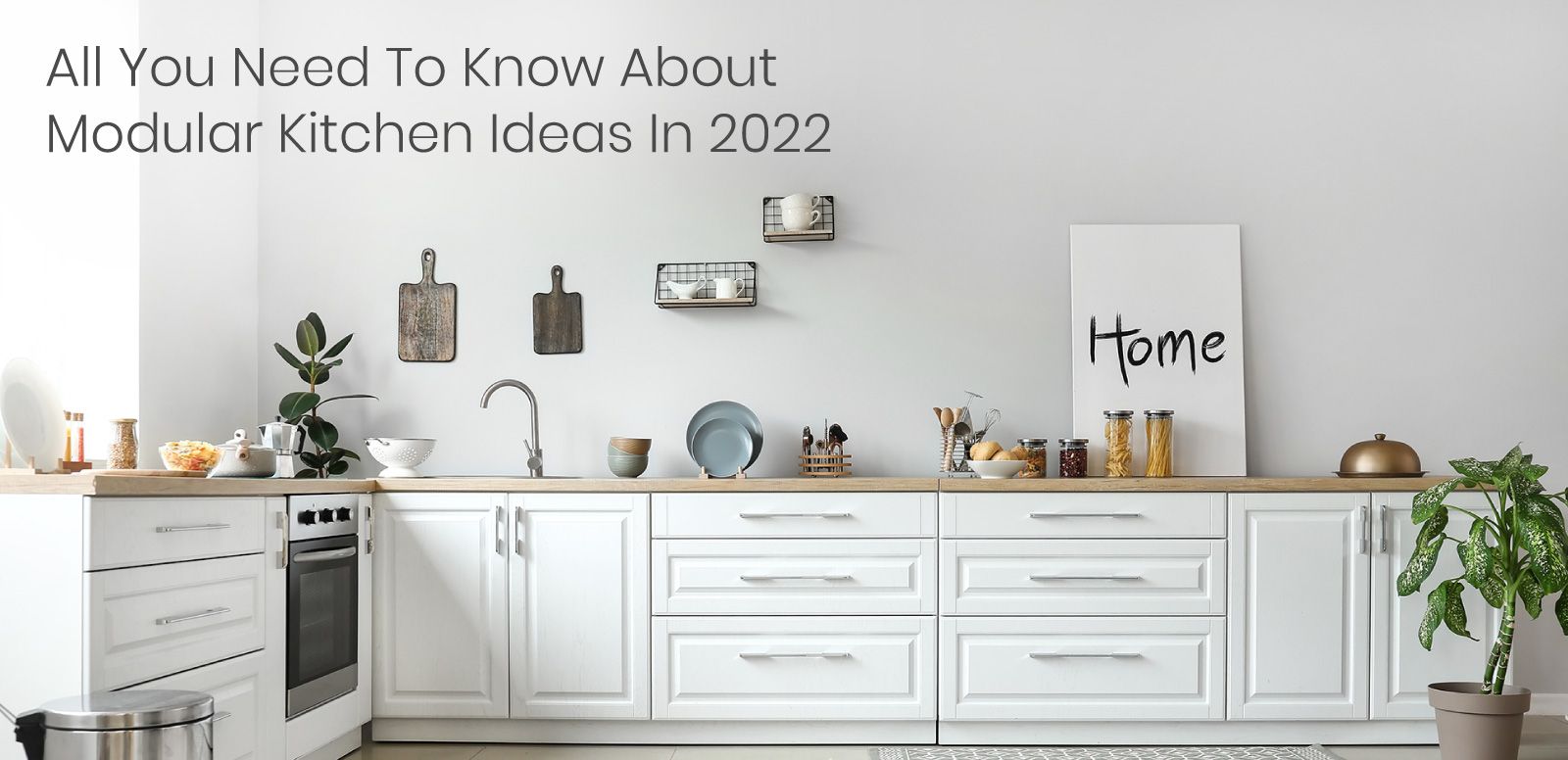
Gone are the days when kitchens used to be boring and traditional dwelling places in the house; a necessary evil, so to speak. With the elegance and style that contemporary modular kitchens offer, alongside their incredible functionality and organization, the kitchen could well become the prime destination in your next house tour for the guests!
Innovative Trends and Design Ideas in Modular Kitchens
When it comes to designing the perfect modular kitchen for your house, much depends on the original dimensions of the place. Having said that, there still remains a lot of scope for creativity, in terms of choosing the right layout as well as picking elements like colors, cabinets, and other inventive designs. Here’s a list of everything trending in the world of modular kitchen ideas in 2025 that you can consider for your house.
U-Shaped Modular Kitchen

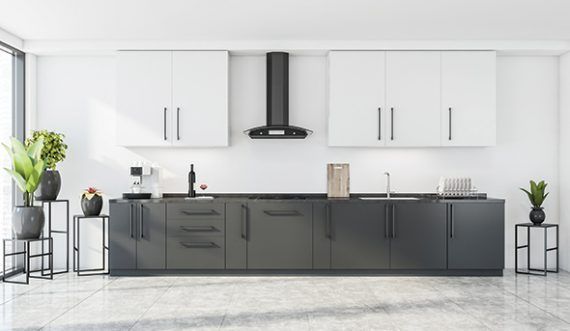
If you are the kind of person who likes a lot of breathing space while shuffling between beating eggs and preparing color buttermilk for your ultimate Red Velvet Cake, this modern modular kitchen design is for you!
Amazingly popular among large homes and big families, U-shaped kitchens can offer brilliant storage options with three-wall units and lots of free space. This design is also great for those who like having a chat while they are cooking. That means virtually everyone!
L-Shaped Modular Kitchen
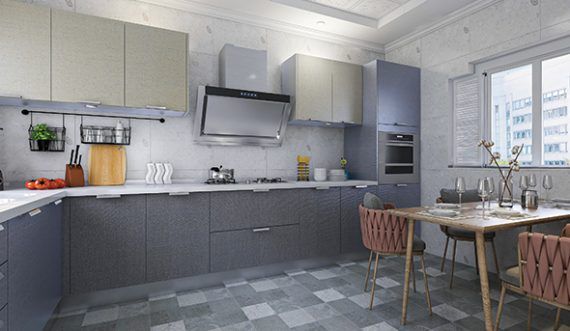
Probably the most popular design among the lot, L-shaped kitchens are beautiful to look at without giving you a bonafide headache about the space they demand. With the two arms of the unit alongside adjacent walls, you get a lot of room to move about with zero restrictions in your workflow. You can do the cooking and washing at different ends and also have easy access to the refrigerator.
Stainless Steel Kitchen
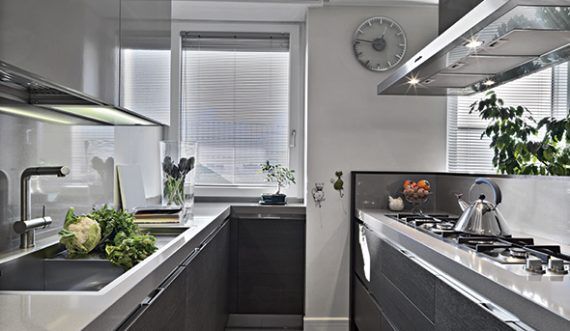
If you appreciate minimal hassles with your cooking, in terms of maintenance and umm… after-cooking work (what some may call ‘cleaning’), this simple modular kitchen design idea is especially suited for you. Easy to maintain, corrosion-free, and incredibly user-friendly, stainless steel kitchens are also highly durable and eco-friendly.
Parallel Modular Kitchen
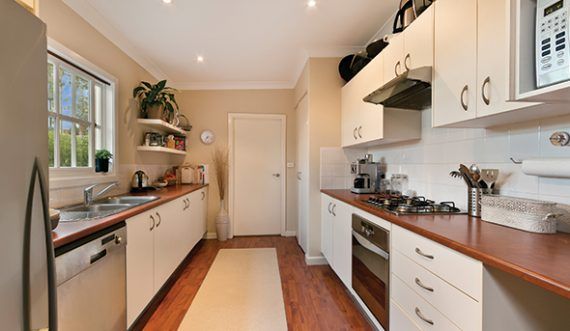
These types of kitchens are a special favorite amongst chefs. It consists of two long parallel lines with cabinets for storage and a walkway in between. So if you like to keep things a little professional with your cooking, say, for example, keeping different counters for wet cooking and presentation, a parallel Modular kitchen is going to solve a lot of problems for you.
With easy installation, even in smaller apartments, you can now channel your inner Gordon Ramsay any day of the week!
Matte Theme Kitchen
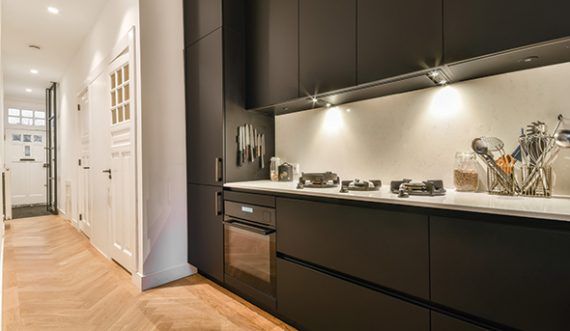
Highly trending among new-age homeowners, the matte finish on this kitchen design gives it an outstanding class and elegance. Use black, white, or gray color for the counter and match the rest with the living room palette for more appeal.
Island Modular Kitchen

If you like the way The Wire detectives McNulty and Bunk chill out after a long day’s work in local hangout spots, you can pretty much recreate the same feeling with this modular kitchen design for small kitchens!
The island modular kitchen design allows for a counter space inside the kitchen area, with various designs available according to your needs and budget. While you can use the area as a small dining nook, it is also excellent for food preparations and installing storage cabinets without hindering the cooking space.
Peninsular Modular Kitchen
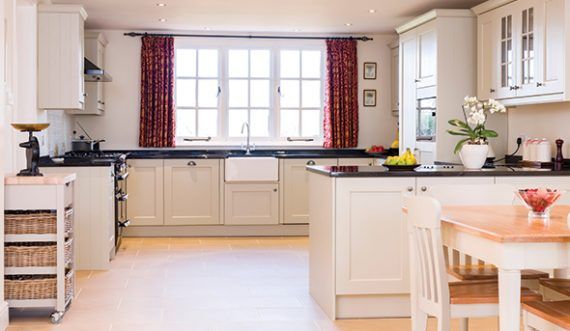
Similar to island kitchens, this particular design only differs in terms of the position of the island, which is neither away nor inside the kitchen, but floats on the periphery. You can install the counter with a sink and even use it for dining permanently. This is an excellent small modular kitchen design, since according to the space and requirements, you can also get creative with the shape of the island! Tahiti, anyone?
Tropical Kitchen
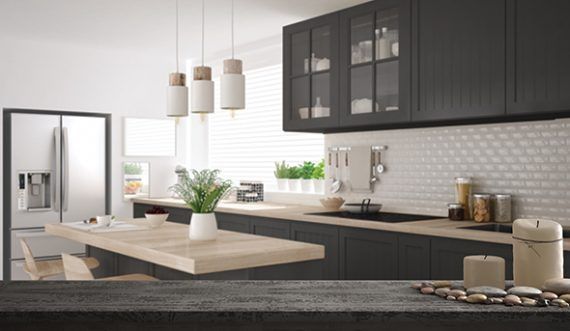
If you can’t get enough of nature, then tropical modular kitchens can create the right ambiance for your cooking space. With this design, you might feel like you’re literally cooking outdoors (but with a lot more cooking options than Bear Grylls in Man vs Wild)!
With tropical plants, lots of wood, and traditional design, this modular kitchen type is a typical favorite among beach homes and vacation homes.
Grab Innovative Modular Kitchen Designs for Your House Today
Modular kitchens have become increasingly popular among millennial homeowners, not just for the convenience and organization they provide but also for their appealing aesthetics. And if you, too, are impressed with some of the designs mentioned here, all you need to do is check out the Pepperfry website to find your favorite modular kitchen and add some style to your cooking.
09 Mar 2026
Home Improvement In the Spotlight style by room
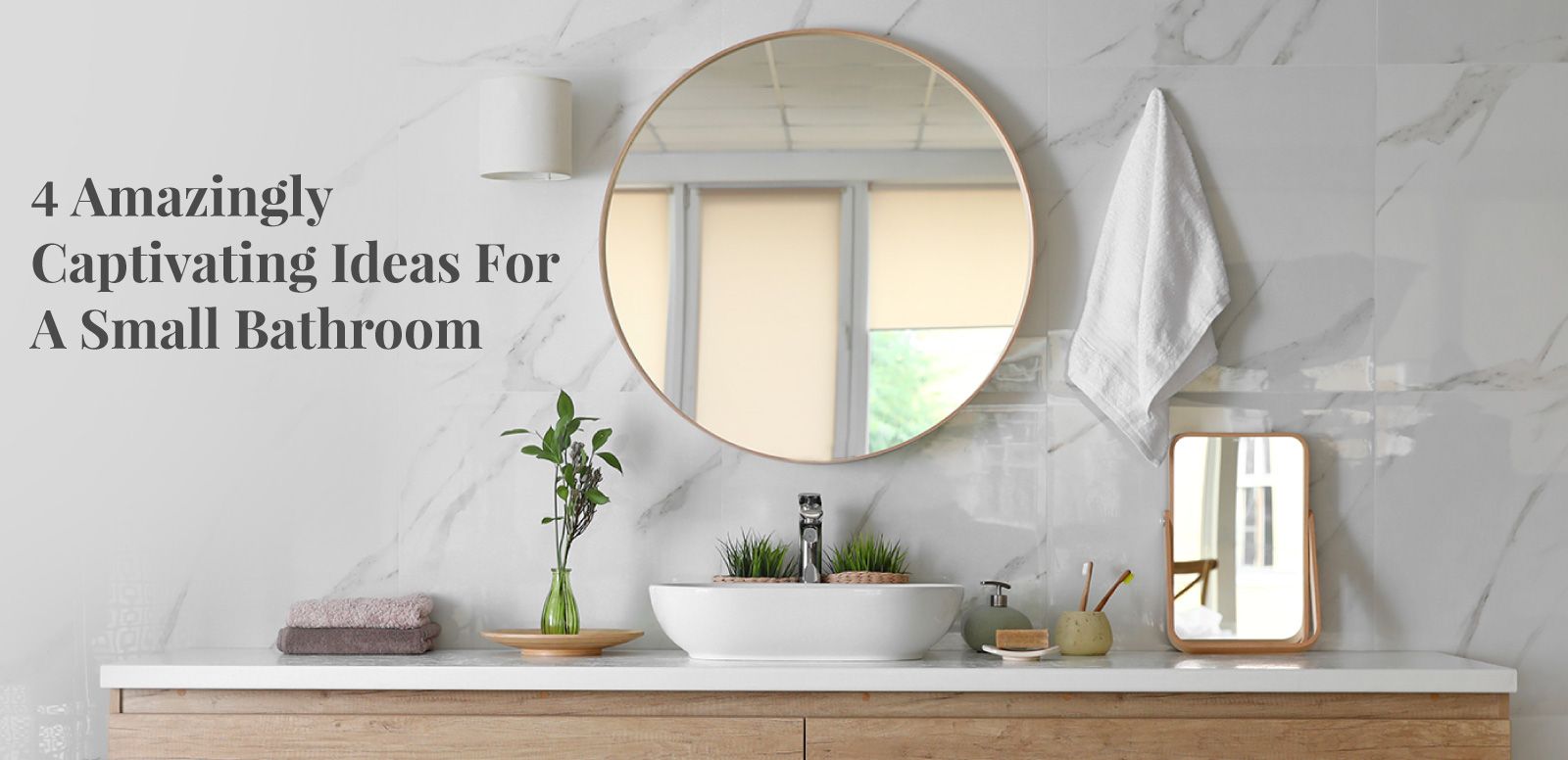
4 Amazingly Captivating Ideas for a Small Bathroom
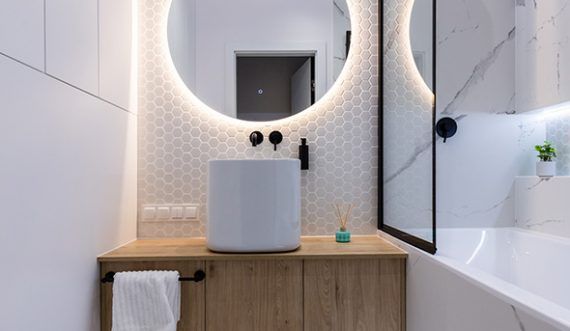
If your house has a small bathroom and you’re scratching your head day and night for ideas to make it look bigger and more luxurious, you’re not alone. In fact, for all we know, half the Manhattan population might be doing the same!
After all, there are only a few more worthy headaches in interior decor than designing a small bathroom. Allotting places for bathroom essentials (shower, sinks, and bathtubs) alongside finding room for accessories, such as cosmetics, medicines, and dry towels is already too much work. Add to that the task of giving a strong personality to a little space, and we have got one heck of a challenge on our hands!
But don’t worry, because that is where our experts at Pepperfry step in to save the day (that too without a Bat signal)! With our expertise, you do not have to let the space in your bathroom limit your ambitions. And, we are not talking about big-budget solutions or complete revamp either. Excited? Just read on to make your little bathing space more functional, charming, and spacious enough for you to get lost in it! Figuratively speaking, of course.
Design Tricks and Space-Saving Ideas for Tiny Bathrooms
Alrighty, then. All you need to do to give fresh life to your little bathroom is tweak a little with the room components (such as windows, doors, floor plans, etc.), add new styling solutions, and find some chic storage ideas. Here are 4 broad elements for you to play around with in your bathroom.
Enhance the Lighting and Colors
Light and Bright
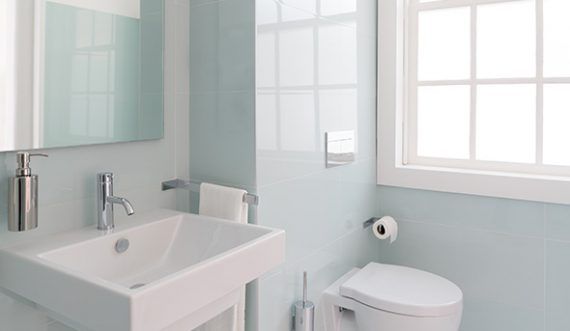
In a small bathroom, you do not want to overwhelm your senses with too many colors. Instead, keep things simple and serene, and allow some natural light to reflect from the windows by using light fabric curtains and soft-hued walls. Need a cue? Take a look at the background the next time you see Patrick Bateman’s iconic morning ritual in American Psycho!
Dark Theme

Or… you can go completely opposite with a dark theme to create an illusion of depth and space. This style is especially irresistible for those who have got a bit of Black Panther about them! You can even add a trap door inside for some extra mystery quotient. Just kidding (mostly)!
Wall-to-Wall Mirror
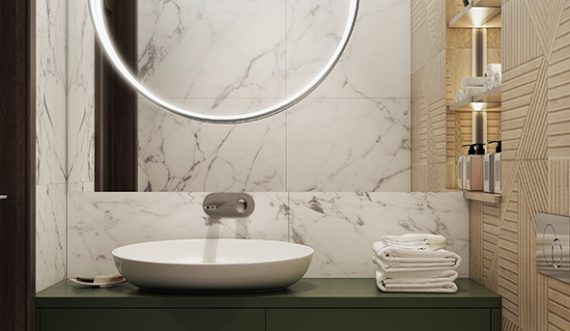
Nothing enhances the lighting and spaciousness of a small room better than a large mirror! So, if your bathroom doesn’t get much natural light, just install a wall-to-wall mirror to create an illusion of extra space. Plus, if you’re a true de Niro fan, you can finally perfect your Taxi Driver “You Talkin’ To Me?” impression with a mirror that big!
Be Creative with the Storage
Built-in Storage
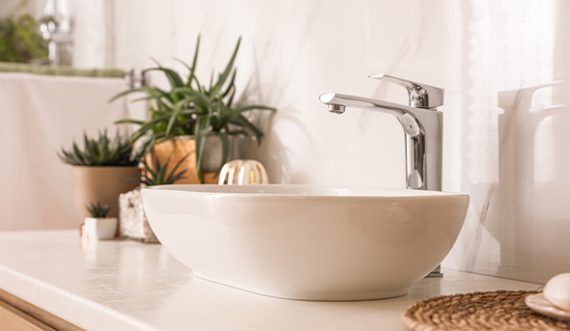
Ever wished that all the items in your bathroom just vanished into thin air so you could finally enjoy a good shower? Well, we are all about making wishes come true! With customized built-in cabinets in an all-white bathroom, you can hide away all the clutter and stress and enjoy your own ‘Fred Flintstone Cleaning Day’. Just be careful with the neighbors while you’re singing!
Little Improvisations
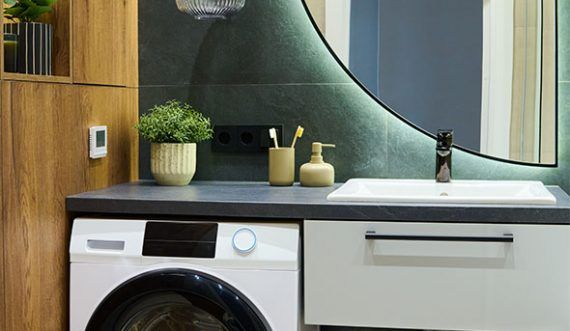
If you’re still running out of space, there is always room for some good old-fashioned grandma’s DIY solutions, such as tucking up the toilet paper and extra hygiene items in a laundry basket under the sink. You can also use the toilet as an extra surface to prop up bathroom accessories.
Have Fun With the Doors
In a small bathroom, every inch matters. And if your door (or window) covers up half the space of the bathroom when it opens, the time has come to open new doors of creativity. Confused? Don’t mind the pun, and just read on!
Sliding Doors
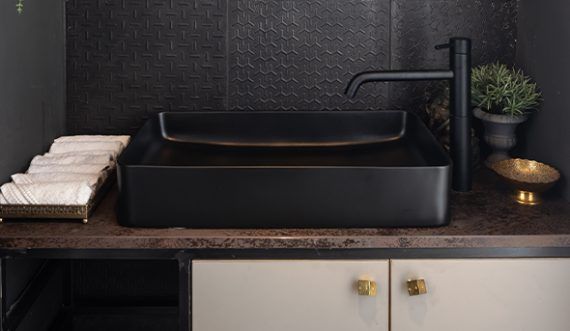
Sliding doors for entry as well as for closet enclosures can radically increase the amount of space in your bathroom. Not to mention, their cool Japanese quotient can channel out your inner Tom Cruise from The Last Samurai!
Jib Door
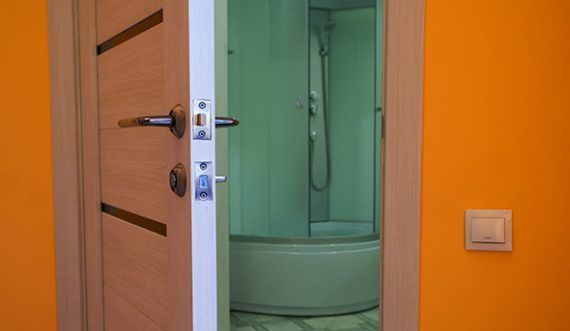
If you like a classic Gothic mystery, the idea of a gib door for your bathroom comes straight out of a Victorian-era setting. With a secret bathroom behind a secret door, you are sure to feel as excited as Jane Eyre in Thornfield Hall!
Starry Skylight
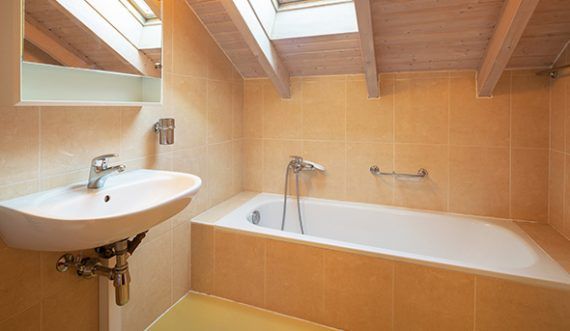
No room for windows in your bathroom? No worries. Just add a skylight to the ceiling to add some nature to your space without compromising on privacy.
Improvise With the Bathware
No matter how much you optimize, you cannot throw out the shower, sink, or toilet to create extra space in the bathroom. Having said that, there are still ways to improvise with these essential elements.
Shower Stall
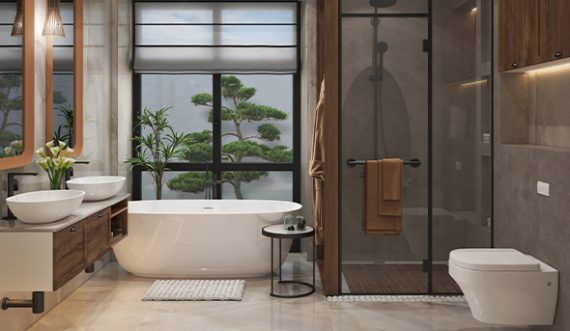
Install a separate shower stall with glass walls and a floating bench to get some division in the bathroom.
Mounted Toilet
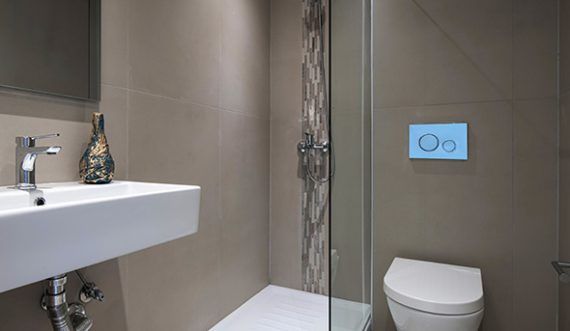
A mounted toilet, without an upper tank or center pedestal, is a definite space-saver in a small bathroom.
Curvy Sink
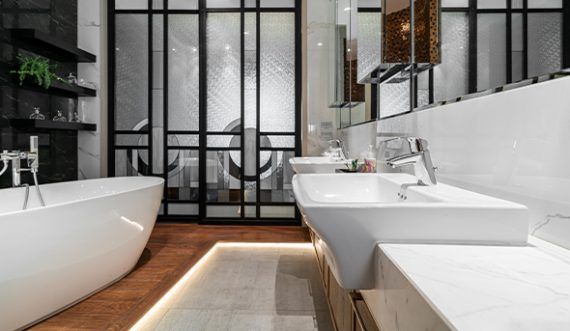
In a small space, it’s always better to avoid sharp angles. Go for curves in the sink as well as the shower wall to make the place more optically welcome.
Hack Your Way to a Better and ‘Bigger’ Bathroom
As you see, from little powder rooms to windowless half-baths and tiny bathrooms, no matter how small your bathroom, you never have to throw in the towel! There is always a creative idea or an interesting design element that can make your bathroom look brighter and more spacious.
Design your bathroom interior with the ideas mentioned here, and check out the Pepperfry website for a catalog of products and amazing storage solutions for perfect bathrooms.
09 Mar 2026
style by room
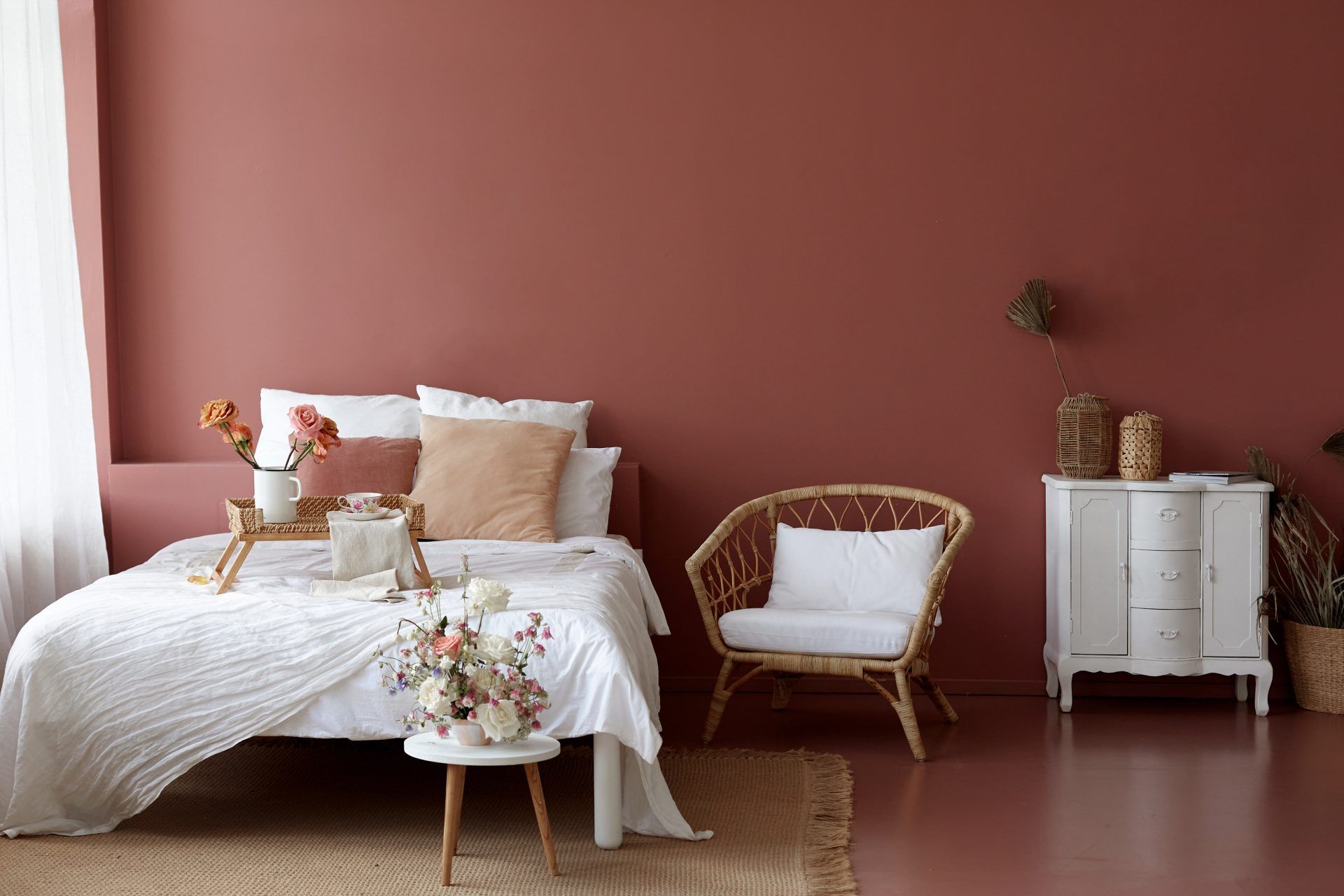
Inspiring Bedroom Decoration Ideas for Creating Your Personal Retreat
Have you ever come home after a long and exhausting shift at work only to retire to a bedroom that doesn’t align with who you are? Do you feel like, after taking care of the kids all day, when you head to your bedroom to relax and unwind, you’re overwhelmed by how uncomfortable the space seems? Ideally, your bedroom should be a warm and welcoming space that is your safe haven from the grind of mundane life. It should be the one space where you feel like you can be yourself and find comfort in surroundings that reflect your personal tastes and sensibilities.
Whether you’re looking to revamp your current bedroom to align with your personality or are doing up a new home, decorating this space can be a boon for your mind, body, and spirit. Spending time in a bedroom that soothes your eyes and allows you to refresh your mind can help you recuperate and live life with renewed zeal. If you’re unsure what aesthetic would suit you and your bedroom, then here is a handy guide to bedroom decoration ideas that will help you get started.
Bedroom Décor Ideas; How to Turn Your Bedroom into a Sanctuary
Cosy Bedroom Design:
If you’re a creature of comfort, then you’ll know that there’s very little that could beat bundling up in your personal cocoon. You can very easily create a snug and sheltered environment in your bedroom with choice furniture purchases and small rearrangements. It is safe to say that the foundation of cosy bedroom décor is lighting. To create a sense of security, it is best to go with warm and ambient lighting, whether in the form of a chandelier, smart lights, or lamp shade. Set up your bed with a soft and sumptuous duvet and a bunch of fluffy pillows. Throw in a plush rug, hang up soothing curtains, and voila, your room is as cosy as can be!
Minimalist Bedroom Design:
In today’s world, life is fast-paced with information and stimulation leaping at you from every corner. In such an era, creating a space where you can enjoy peace, clarity, and simplicity, has become a must. Enter, minimalism. Imbuing a ‘less is more’ philosophy, minimalism helps you decorate your bedroom by discarding the unnecessary and creating a clean, elegant, and utilitarian space. If you’re looking for minimalist bedroom ideas, begin with a thorough deep-clean. Throw away or donate items that you don’t need and opt for furnishing that is sleek and modern. From streamlined beds and space-saving storage solutions to textured carpets and simple light fixtures, minimalism is in.
Bohemian Bedroom Design:
If you’ve spent any time on the internet, you’ve definitely come across bohemian bedroom décor ideas. A rage on various social media apps, this style of interior decorating allows you to enjoy an aesthetically pleasing space without rigid structure or an emphasis on perfectionism. The name harkens back to a nomadic lifestyle, and the décor ideas reflect this way of living. To create a bohemian look in your bedroom, opt for earthy tones and natural materials. Your colour palette should include various shades of brown and green, and prints should feature flora and fauna. From cane chairs and pouffes to macrame wall-hangings and jute rugs, mix and match elements to bring boho into your bedroom!
Vintage-Inspired Bedroom Design:
While modern science works on inventing a time machine, you can use bedroom decoration ideas to travel back to a different era. Whether you’re fond of the 1920s flapper era or a fan of the 1970s counterculture movement, you can recreate those eras by incorporating furniture and home décor items into your bedroom. Once you have a slice of time you’d like to bring back to life, do a little digging to understand the colour palettes, materials, accessories, and furniture that were popular then. From groovy chairs from the 80s to enamelled furniture from the 50s, you can source vintage pieces, or even replicas, to turn your bedroom into a portal to another time.
Farmhouse Bedroom Design:
Comfortable, warm, and homey to boot, farmhouse-style bedroom decoration has taken the interior world by storm, and with good reason. A welcome break from sterile and monochrome styles, the farmhouse aesthetic prioritises inhabiting spaces that look lived in and exude wholesomeness. To recreate this idyllic ideal in your bedroom, you should try to incorporate wood furnishings, especially if they are panelled or slightly imperfect. Choose accessories and fittings made using repurposed materials and incorporate paisley and gingham prints. With gauzy curtains, kitschy knick-knacks, and an abundance of shiplap, your bedroom will seem like a rural retreat!
Modern Bedroom Design:
If you’ve flipped through the pages of any home and lifestyle magazine, you’re sure to have seen images of bedrooms that are dark and sleek caverns, giving off a luxe vibe. If you’d like to adapt similar modern bedroom decorations, then swap out any ornate and intricate furniture for streamlined pieces with clean lines. Paint your walls in neutral or darker shades, and opt for contemporary lighting choices like geometric fixtures or floor lighting. Make sure your floors are in wood or marble; install blinds; and lay monochrome rugs to complement the rest of the décor. Without doing much, your room will look like it’s right out of a trendy magazine.
Industrial Bedroom Design:
Raw, gritty, and exposed, industrial bedroom décor has recently caught on as an interior trend and how! From brick walls to concrete flooring, an industrial bedroom showcases the beauty of reclaiming commercial spaces and turning them into comfortable residences. To bring this style into your bedroom, you can focus on investing in furnishing and home décor in materials like metal, brick, and concrete. Drop the fluff and keep your space as real as possible. Do away with curtains and use metallic trunks for storage. Keep structural elements exposed and use distressed items as much as possible.
Rustic Bedroom Design:
With the rise of slow living and the cottagecore aesthetic, rustic bedroom ideas are more popular than ever before. If you’re looking to recreate a life in the woods, with ample greenery and the warmth of a hearth, then rustic is the pick for you. Choose furniture made from natural elements, especially different kinds of wood. Layer your space with fabrics of different textures, from woven blankets to linen sheets. Make the most of natural light and choose unobtrusive light fixtures like floor lamps and simple chandeliers. Bring in nature by peppering your space with houseplants and floral arrangements.
Romantic Bedroom Design:
Whether you’re of a passionate bent of mind or setting up for a special occasion, romantic bedroom decoration requires a mix of permanent and temporary changes to your space. Swap out your plain jane bed for a classic bed with an ornate headboard. Choose chairs and sofas that feature carvings and embellishments. Make sure to incorporate a colour palette that is moody and mercurial, featuring dark and jewel tones. Decorate surfaces with candles, dried flowers, and warm lamps. With just a few alterations, your bedroom will spell romance.
Glamorous Bedroom Design:
If you want to aspire to live like the rich and famous, you can begin by opting for glamorous bedroom décor. You can up your bedroom’s glamour quotient by picking out a bed that features a larger-than-life headboard. Choose bedding that is plush and decadent, with high-thread-count sheets being a must. For seating, opt for high-backed chairs, a chaise lounge, or a loveseat. Hang up a glitzy chandelier and throw in a faux fur rug. Before you know it, your bedroom will look like something straight out of a movie.
Nautical Bedroom Design:
If all things seafaring make you say ‘aye, aye, captain’, then nautical-inspired bedroom decoration is right up your alley. If you want to incorporate nautical elements into your bedroom, a sure shot method is to stick to a colour theme of navy blue and white. From curtains and rugs to bedsheets and blankets, try to feature a striped pattern in a tasteful manner. Purchase furniture made using materials such as light wood. Make use of sisal where possible, hang up art featuring ships and seascapes, and if you can manage creating a porthole, then you’re all set!
Turn Your Bedroom Decoration Ideas into Reality by Shopping at Pepperfry
No matter what your bedroom décor ideas are, at Pepperfry, we have everything you need to create a space that is just perfect for you. Whether you’re looking for items to execute your urban-chic bedroom ideas or want to re-do your space with an eclectic bedroom design, we have home décor and furniture that will tick all your boxes. At Pepperfry, we only carry premium furniture and home décor, made using high-quality materials.
Also, we do everything possible to make your shopping experience with us as smooth as possible. All you have to do is head to our easy-to-use website and browse through our entire catalogue online, without leaving the comfort of your home. Not only do we allow you to pay via multiple payment modes, but we also save you a great deal by offering amazing discounts.
26 Nov 2025
Home Improvement style by room What’s Trending
 FurnitureSofas, Sectional Sofas, Sofa Cum Beds, Chaise Loungers, Bean Bags, Recliners, Sofa Chairs, Settees & Benches, Ottomans, Chairs, Gaming Chairs, Stools & Pouffes, Shoe Racks, Centre Tables, Side Tables, TV & Media Units, Cabinets & Sideboards, Book Shelves, Book Cases, Dining Sets, Dining Chairs, Dining Tables, Crockery Units, Bar Furniture, Beds, Bedside Tables, Trunks, Chest of Drawers, Dressing Tables, Screens and Dividers, Wardrobes, Kids and Teens, Study Tables, Office Furniture, Home Temples, Wall Shelves and Cabinets, Outdoor, Massagers, Furniture Care
- Sofas
- Sectional Sofas
- Sofa Cum Beds
- Chaise Loungers
- Bean Bags
- Recliners
- Sofa Chairs
- Settees & Benches
- Ottomans
- Chairs
- Gaming Chairs
- Stools & Pouffes
- Shoe Racks
- Centre Tables
- Side Tables
- TV & Media Units
- Cabinets & Sideboards
- Book Shelves
- Book Cases
- Dining Sets
- Dining Chairs
- Dining Tables
- Crockery Units
- Bar Furniture
- Beds
- Bedside Tables
- Trunks
- Chest of Drawers
- Dressing Tables
- Screens and Dividers
- Wardrobes
- Kids and Teens
- Study Tables
- Office Furniture
- Home Temples
- Wall Shelves and Cabinets
- Outdoor
- Massagers
- Furniture Care
 Sofas & SeatingSofas, Sofa Sets, Sectional Sofas, Sofa Cum Beds, Recliners, Recliner Sets, Chaise Loungers, Sofa Chairs, Bean Bags, Accent Chairs, Office Chairs, Gaming Chairs, Dining Chairs, Bar Seating, Settees & Benches, Ottomans, Stools & Pouffes, Outdoor Seating, Furniture Care, Top Collections, Top Brands
- Sofas
- Sofa Sets
- Sectional Sofas
- Sofa Cum Beds
- Recliners
- Recliner Sets
- Chaise Loungers
- Sofa Chairs
- Bean Bags
- Accent Chairs
- Office Chairs
- Gaming Chairs
- Dining Chairs
- Bar Seating
- Settees & Benches
- Ottomans
- Stools & Pouffes
- Outdoor Seating
- Furniture Care
- Top Collections
- Top Brands
 MattressesKing Size Mattresses, Queen Size Mattresses, Single Size Mattresses, Foldable Mattresses, Crib Mattresses, Mattress Protectors, Mattress Toppers, Pillows, Mattresses By Feature, Top Brands
- King Size Mattresses
- Queen Size Mattresses
- Single Size Mattresses
- Foldable Mattresses
- Crib Mattresses
- Mattress Protectors
- Mattress Toppers
- Pillows
- Mattresses By Feature
- Top Brands
 Home DecorVases, Figurines, Collectibles, Showpieces, Home Utility, Table Decor, Kids Decor, Photo Frames, Candles, Candle Stands, Decor Gift Sets, Spiritual, Home Fragrances, Appliances, Prayer Essentials, Artificial Plants & Flowers, Festive Decor, Gardening, Pots and Planters, Outdoor Decor, Wall Hangings, Wall Shelves, Wall Cabinets, Set Top Box Holders, Key Holders, Jharokhas, Screens & Dividers, Wall Decor, Wall Art and Paintings, Wallpapers & Decals, Clocks, Mirrors, Gifting
- Vases
- Figurines
- Collectibles
- Showpieces
- Home Utility
- Table Decor
- Kids Decor
- Photo Frames
- Candles
- Candle Stands
- Decor Gift Sets
- Spiritual
- Home Fragrances
- Appliances
- Prayer Essentials
- Artificial Plants & Flowers
- Festive Decor
- Gardening
- Pots and Planters
- Outdoor Decor
- Wall Hangings
- Wall Shelves
- Wall Cabinets
- Set Top Box Holders
- Key Holders
- Jharokhas
- Screens & Dividers
- Wall Decor
- Wall Art and Paintings
- Wallpapers & Decals
- Clocks
- Mirrors
- Gifting
 FurnishingsBed Sheets, Blankets & Quilts, Pillows, Bath Linen, Bed Linen, Curtains, Curtain Accessories, Laundry Baskets, Mosquito Nets, Furnishing Gift Sets, Cushions & Covers, Sofa Covers & Throws, Chair Covers & Pads, Carpets, Dhurries, Runners, Door Mats, Bath Mats, Prayer Mats, Picnic Mats, Yoga Mats, Kids Furnishings, Pet Furnishings, Top Brands
- Bed Sheets
- Blankets & Quilts
- Pillows
- Bath Linen
- Bed Linen
- Curtains
- Curtain Accessories
- Laundry Baskets
- Mosquito Nets
- Furnishing Gift Sets
- Cushions & Covers
- Sofa Covers & Throws
- Chair Covers & Pads
- Carpets
- Dhurries
- Runners
- Door Mats
- Bath Mats
- Prayer Mats
- Picnic Mats
- Yoga Mats
- Kids Furnishings
- Bed Sheets
- Carpets & Mats
- Kids Blankets and Comforters
- Pillows and Covers
- Cushion Covers
- Towels
- Bedding Sets
- Curtains
- Baby Mats
- Pet Furnishings
- Top Brands
 Lamps & LightingFloor Lamps, Shelf Floor Lamps, Table Lamps, Night Lamps, Work and Study Lamps, Lamp Shades, Kids Lamps, Ceiling Lights, Wall Lights, Smart Lights, Outdoor Lights, Decorative Lights, Emergency Lights, Bulbs, Top Brands
- Floor Lamps
- Shelf Floor Lamps
- Table Lamps
- Night Lamps
- Work and Study Lamps
- Lamp Shades
- Kids Lamps
- Ceiling Lights
- Wall Lights
- Smart Lights
- Outdoor Lights
- Decorative Lights
- Emergency Lights
- Bulbs
- Top Brands
 Kitchen & DiningServeware, Jugs, Bakeware, Dinnerware, Cookware, Cooking Tools, Drinkware, Bottles, Flasks, Sippers, Barware, Teaware, Knives & Cutlery, Table Essentials, Jars and Containers, Kitchen Organizers, Lunch Boxes, Kids Kitchenware & Tableware, Gift Sets, Kitchen Linen, Table Linen, Kitchen Appliances, Top Brands
- Serveware
- Serving Bowls
- Casseroles
- Butter Dishes
- Serving Trays
- Tray Sets
- Appetizer Platters
- Cheese Boards
- Cake Stands
- Cloche
- Jugs
- Bakeware
- Dinnerware
- Cookware
- Cooking Tools
- Spatulas, Ladles and Tongs
- Knives and Choppers
- Chopping Boards
- Rolling Pins and Boards
- Strainers and Whisks
- Cooking Preparation Tools
- Drinkware
- Bottles
- Flasks
- Sippers
- Barware
- Barware Sets
- Bar Tools
- Ash Trays
- Wine Holders & Coolers
- Carafes and Decanters
- Dispensers
- Ice Buckets & Moulds
- Teaware
- Knives & Cutlery
- Table Essentials
- Jars and Containers
- Kitchen Organizers
- Lunch Boxes
- Kids Kitchenware & Tableware
- Gift Sets
- Kitchen Linen
- Table Linen
- Kitchen Appliances
- Top Brands
 LuxuryLiving Room, Bedroom, Dining Room, Home Office
 Modular